التصلب الجانبي الضموري العلاج في جمهورية التشيك - التكاليف 2026


تمت مراجعة المقالة طبيا من قبل
فهد مولود
ما هي تكلفة التصلب الجانبي الضموري إجراءات التشخيص والعلاج في جمهورية التشيك؟ اعرف الآن
| جمهورية التشيك | تركيا | إسبانيا | |
|---|---|---|---|
| العلاج بالخلايا الجذعية متعددة القدرات المستحثة | ≈ $6,500 | ≈ $6,500 | ≈ $9,000 |
| العلاج بالخلايا الجذعية لمرض التصلب الجانبي الضموري (ALS) | ≈ $9,000 | من $10,000 | ≈ $9,000 |
| العلاج بالخلايا الجذعية | من $10,600 | من $1,600 | من $33,600 |
| البلازما | ≈ $900 | من $3,200 | من $12,300 |
مزاياك وضماناتك مع Bookimed
أسعار مباشرة
Bookimed لا يضيف رسوماً إضافية على أسعار علاج التصلب الجانبي الضموري. الأسعار مأخوذة من قوائم الأسعار الرسمية للعيادات. تدفع مباشرة في العيادة مقابل علاجك عند وصولك إلى البلد.
عيادات وأطباء معتمدون فقط
Bookimed ملتزم بسلامتك. نحن نعمل فقط مع المؤسسات الطبية التي تحافظ على معايير دولية عالية في علاج التصلب الجانبي الضموري ولديها التراخيص اللازمة لخدمة المرضى الدوليين في جميع أنحاء العالم.
مساعدة مجانية على مدار الساعة
Bookimed يقدم مساعدة خبراء مجانية. منسق طبي شخصي يدعمك قبل وأثناء وبعد العلاج، ويحل أي مشاكل. لن تكون وحيداً أبداً في رحلة علاج التصلب الجانبي الضموري.

منسقك الطبي الشخصي في Bookimed
- يدعمك في كل مرحلة
- المساعدة في اختيار العيادة الطبية المناسبة والطبيب المناسب
- يضمن الوصول السريع والمريح إلى المعلومات
اكتشف أفضل التصلب الجانبي الضموري العيادات في جمهورية التشيك: 2 خيارات معتمدة والأسعار
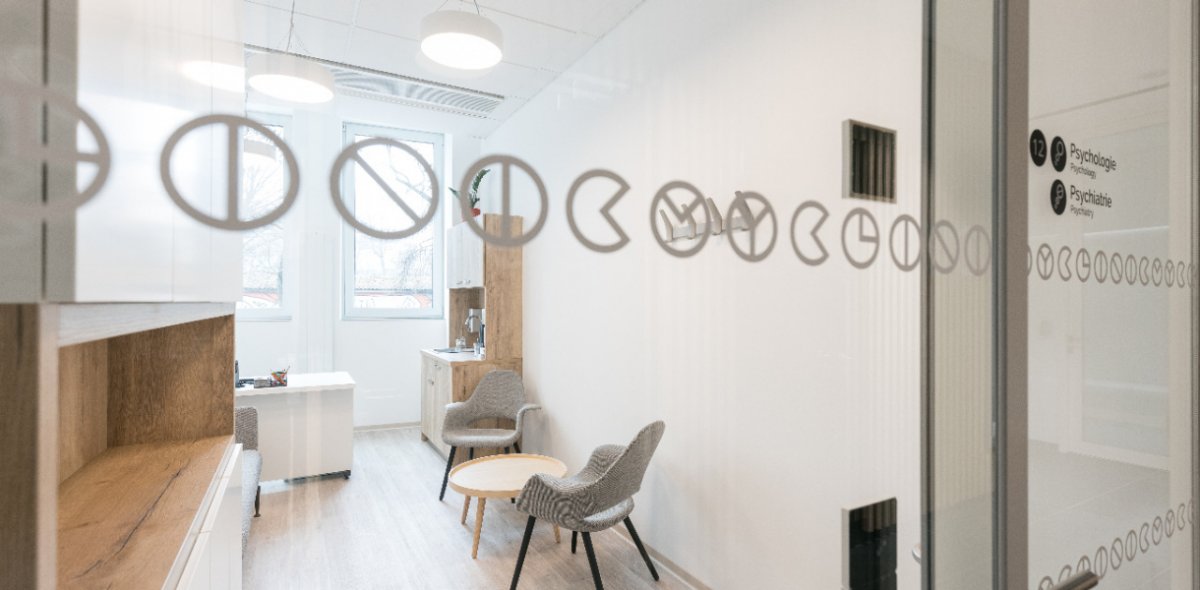



Premium Center of Gynecology and Obstetrics Neratovice
مشاركة المحتوى
قصص فيديو من مرضى Bookimed
 Anna Leonova
أسئلة متكررة حول علاج التصلب الجانبي الضموري في جمهورية التشيك
ما هي العيادات المتخصصة في جمهورية التشيك التي تقدم رعاية متعددة التخصصات لمرض التصلب الجانبي الضموري (ALS)؟
تقدم فرق متعددة المراكز متخصصة في براغ وبرنو رعاية متعددة التخصصات لمرض التصلب الجانبي الضموري. توفر المراكز السريرية مثل المستشفى الجامعي العام (VFN) تقييمات أسبوعية. تشمل هذه الجلسات متخصصين في طب الأعصاب والعلاج التنفسي والتغذية. غالبًا ما تشارك المرافق في الشبكة الأوروبية لعلاج التصلب الجانبي الضموري (ENCALS) للوصول إلى التجارب السريرية.
- مراكز الرعاية المنسقة: تستضيف المراكز الرئيسية في براغ وبرنو أيامًا مخصصة لفرق التصلب الجانبي الضموري.
- التشخيص المتخصص: تقدم مراكز الأبحاث مثل جامعة تشارلز تسلسل الجينوم الكامل وتسلسل الإكسوم الكامل.
- شبكات الدعم: تقدم ALSA, z.s. استشارات فرق متعددة التخصصات وتأجير المعدات للعائلات.
- التركيز على العلاج: تعطي البروتوكولات الأولوية لوظائف الجهاز التنفسي والاحتياجات الغذائية وعلاجات جودة الحياة.
رؤية خبير Bookimed: غالبًا ما توفر الرعاية متعددة التخصصات في التشيك إمكانية الوصول إلى التجارب السريرية من خلال شبكة ENCALS. تتعامل مراكز براغ مثل Motol بشكل عام مع أحجام أكبر من المرضى وتقدم تشخيصات شاملة. قد يجد المرضى الذين يبحثون عن وصول أسرع أوقات انتظار أقصر في المراكز الإقليمية في برنو. تحافظ العيادات الإقليمية على معايير الاتحاد الأوروبي مع تقديم تخطيط عملي وسريع للتغذية والتهوية.
إجماع المرضى: يؤكد المرضى على أهمية الحصول على إحالة من طبيب أعصاب في وقت مبكر للوصول إلى مراكز التصلب الجانبي الضموري المخصصة. يوصي الكثيرون بـ Motol لنظام الزيارة الواحدة الفعال عبر العديد من المتخصصين
ما هي العلاجات القياسية المعدلة للمرض والأعراض التي يمكن لمرضى التصلب الجانبي الضموري (ALS) الوصول إليها في العيادات التشيكية؟
تقدم العيادات التشيكية عقار ريلوزول (Riluzole) كعلاج قياسي معدل للمرض لحماية الخلايا العصبية الحركية. يمكن للمرضى الوصول إلى إيدارافون (Edaravone) لإبطاء التدهور الوظيفي. تشمل الرعاية العرضية التهوية الميكانيكية والدعم الغذائي عبر فغر المعدة. تدير فرق متعددة التخصصات تشنج العضلات وسيلان اللعاب من خلال بروتوكولات دوائية.
- تعديل المرض: ريلوزول هو الدواء الأساسي مدى الحياة لتقليل مستويات الغلوتامات.
- العلاج الجيني: توفيرسين (Tofersen) متاح بعد موافقة الاتحاد الأوروبي لطفرات SOD1.
- الأدوية العرضية: باكلوفين وتيزانيدين يعالجان تشنجات العضلات وتشنج الأطراف الشديد.
- دعم الجهاز التنفسي: التهوية غير الغازية (NIV) هي المعيار لإدارة انخفاض القدرة على التنفس.
- الرعاية الغذائية: يضمن فغر المعدة بالمنظار عن طريق الجلد (PEG) الترطيب عندما يصبح البلع صعباً.
رؤية خبير Bookimed: بينما تلبي المرافق التشيكية مثل تلك الموجودة في مجموعة VAMED Mediterra معايير السلامة الأوروبية، غالباً ما تكون إعادة التأهيل العصبي المتخصصة محلية. توفر المراكز المركزة مثل Cortex Neuro Centre العلاج الطبيعي المصمم خصيصاً والضروري للحركة. غالباً ما يختار المرضى العيادات التشيكية للتوازن بين الأدوية المعتمدة أوروبياً والبنية التحتية التأهيلية المنظمة.
إجماع المرضى: يفيد المرضى أنه على الرغم من سهولة الوصول إلى ريلوزول، فإن الحصول على علاجات أحدث مثل إيدارافون قد ينطوي على تأخيرات. يؤكد الكثيرون أن فرق الرعاية المنسقة توجد بشكل متكرر في
ما هو العمل التشخيصي الذي يتم إجراؤه عادةً في المراكز التشيكية لتأكيد الإصابة بمرض التصلب الجانبي الضموري (ALS)؟
تؤكد مراكز الأعصاب التشيكية الإصابة بمرض التصلب الجانبي الضموري باستخدام تخطيط كهربية العضل ودراسات التوصيل العصبي للكشف عن تنكس العضلات. تستخدم العيادات المتخصصة في براغ وبرنو جهوداً محركة مستثارة عبر التحفيز المغناطيسي عبر الجمجمة. تستبعد فحوصات التصوير بالرنين المغناطيسي الشاملة للدماغ والعمود الفقري المحاكيات الهيكلية مثل الأورام أو الأقراص المنفتقة.
- الاختبارات الكهربائية: يتحقق تخطيط كهربية العضل بالإبرة ودراسات التوصيل العصبي من تنكس العضلات النشط والمزمن.
- التصوير العصبي: يستبعد التصوير بالرنين المغناطيسي للدماغ والعمود الفقري اعتلال النخاع الانضغاطي والآفات.
- الفحص المختبري: تتحقق لوحات الدم من فيتامين B12، والغدة الدرقية، ومصل داء لايم لاستبعاد المحاكيات.
- التقنيات المتخصصة: تحدد الجهود المحركة المستثارة ضعف العصبون الحركي العلوي أثناء العمل التشخيصي الأولي.
- التحليل الجيني: يقتصر فحص جينات C9orf72 و SOD1 على الحالات العائلية المشتبه بها.
رؤية خبير Bookimed: يجب على المرضى إعطاء الأولوية للمستشفيات التابعة للجامعات في براغ أو برنو للحصول على وضوح تشخيصي. توفر هذه المراكز توافراً أعلى لتخطيط كهربية العضل مقارنة بالمرافق الإقليمية. كما أنها توفر الوصول إلى فرق متعددة التخصصات تستخدم مقياس ALSFRS-R للمراقبة. وهذا يضمن انتقالاً أسرع من التشخيص إلى بروتوكولات الرعاية الداعمة.
إجماع المرضى: يلاحظ المرضى أن أطباء الرعاية الأولية قد يغفلون في البداية عن العلامات الدقيقة. ويوصون بطلب إحالة م
هل تتوفر تجارب سريرية أو علاجات موجهة جينياً لمرض التصلب الجانبي الضموري (ALS) للمرضى الذين يتلقون العلاج في جمهورية التشيك؟
يمكن للمرضى في جمهورية التشيك الوصول إلى علاجات موجهة جينياً لحالات محددة من مرض التصلب الجانبي الضموري. يستخدم العلاج الذي يركز على طفرة جين SOD1 قليل النوكليوتيدات المضاد للاتجاه لخفض مستويات البروتين السام. تقود مراكز الأبحاث مثل مستشفى جامعة تشارلز التكامل في شبكات التجارب السريرية الدولية لتوسيع نطاق الوصول.
- العلاج الموجه: يركز العلاج على المرضى الذين يعانون من طفرة جين SOD1 المحددة.
- طريقة الإعطاء: يقوم الأطباء بإعطاء الأدوية الموجهة عن طريق الحقن مباشرة في السائل الشوكي.
- عضوية الأبحاث: انضم مستشفى جامعة تشارلز إلى اتحاد TRICALS لجذب التجارب الدولية.
- مركز التشخيص: يعمل مستشفى كلية موتول كمركز مرجعي أساسي للاضطرابات العصبية العضلية.
رؤية خبير Bookimed: يعد الفحص الجيني الخطوة الأولى الأكثر أهمية للمرضى التشيكيين. في حين أن توافر التجارب المحلية يتقلب، تظهر البيانات الحالية أن مجموعات الأبحاث تقوم برسم خرائط للمشهد الجيني على الصعيد الوطني. يحدد هذا التخطيط المراكز التي تتلقى تجارب العلاج الموجه المستقبلية أولاً. يجب على المرضى إعطاء الأولوية للمرافق التي تتعاون مع اتحاد TRICALS للحصول على أفضل وصول.
إجماع المرضى: يشير المرضى إلى أن الموافقة الوطنية على الأدوية الجديدة غالباً ما تتأخر عن الجداول الزمنية الدولية. يوصي الكثيرون بالتحقق من السجلات السريرية يومياً والنظر في المواقع القريبة في الاتحاد الأوروبي إذا كانت الأماكن المحلية ممتلئة.