التصلب الجانبي الضموري العلاج في ألمانيا - التكاليف 2026


تمت مراجعة المقالة طبيا من قبل
فهد مولود
ما هي تكلفة التصلب الجانبي الضموري إجراءات التشخيص والعلاج في ألمانيا؟ اعرف الآن
تختلف التكلفة الإجمالية لعلاج التصلب الجانبي الضموري في ألمانيا بناءً على خطة العلاج الخاصة بك. تكلف التشخيصات الأولية والعلاج الموجه للأعراض حوالي $1,100. تتراوح تكلفة استشارات الأشعة المتقدمة بين $20,000 و $59,000. يتم تحديد برنامج العلاج بعد تقييم فردي لكل مريض.
| تركيا | إسبانيا | ألمانيا | |
|---|---|---|---|
| العلاج بالخلايا الجذعية متعددة القدرات المستحثة | ≈ $6,500 | ≈ $9,000 | ≈ $14,000 |
| العلاج بالخلايا الجذعية لمرض التصلب الجانبي الضموري (ALS) | من $10,000 | ≈ $9,000 | ≈ $14,000 |
| العلاج بالخلايا الجذعية | من $1,600 | من $33,600 | ≈ $4,500 |
| البلازما | من $3,200 | من $12,300 | ≈ $2,200 |
مزاياك وضماناتك مع Bookimed
أسعار مباشرة
Bookimed لا يضيف رسوماً إضافية على أسعار علاج التصلب الجانبي الضموري. الأسعار مأخوذة من قوائم الأسعار الرسمية للعيادات. تدفع مباشرة في العيادة مقابل علاجك عند وصولك إلى البلد.
عيادات وأطباء معتمدون فقط
Bookimed ملتزم بسلامتك. نحن نعمل فقط مع المؤسسات الطبية التي تحافظ على معايير دولية عالية في علاج التصلب الجانبي الضموري ولديها التراخيص اللازمة لخدمة المرضى الدوليين في جميع أنحاء العالم.
مساعدة مجانية على مدار الساعة
Bookimed يقدم مساعدة خبراء مجانية. منسق طبي شخصي يدعمك قبل وأثناء وبعد العلاج، ويحل أي مشاكل. لن تكون وحيداً أبداً في رحلة علاج التصلب الجانبي الضموري.

منسقك الطبي الشخصي في Bookimed
- يدعمك في كل مرحلة
- المساعدة في اختيار العيادة الطبية المناسبة والطبيب المناسب
- يضمن الوصول السريع والمريح إلى المعلومات
اكتشف أفضل التصلب الجانبي الضموري العيادات في ألمانيا: 12 خيارات معتمدة والأسعار







Hospital in the Pfeiffer`s foundations
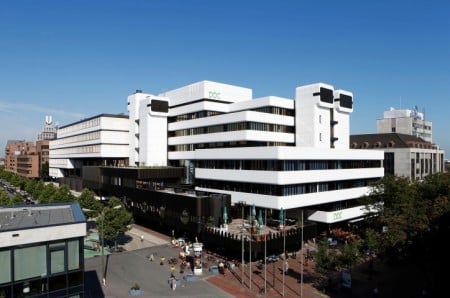
Diagnostic Center DOC Dortmund

Leopoldina Hospital Schweinfurt



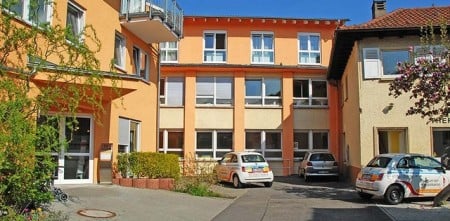
Zentrum der Rehabilitation Pforzheim
مشاركة المحتوى
قصص فيديو من مرضى Bookimed
 Anna Leonova
أسئلة متكررة حول علاج التصلب الجانبي الضموري في ألمانيا
هل يوجد علاج لمرض التصلب الجانبي الضموري (ALS) متاح في ألمانيا؟
لا يوجد علاج نهائي لمرض التصلب الجانبي الضموري (ALS) في ألمانيا أو على مستوى العالم. تركز المراكز الطبية الألمانية على إبطاء تقدم المرض وإدارة الأعراض. يحصل المرضى على علاجات دوائية قياسية مثل ريلوزول (Riluzole) إلى جانب علاجات مبتكرة وتجارب سريرية دولية في المستشفيات الجامعية ومعاهد البحوث المتخصصة.
- الأدوية القياسية: ريلوزول هو الدواء الرئيسي المعتمد لتقليل تلف الخلايا العصبية.
- التشخيص المتقدم: توفر مرافق مثل مستشفى شاريتيه الجامعي في برلين (Charite-Universitatsmedizin Berlin) تصنيفاً عصبياً شاملاً واستشارات متخصصة.
- الخيارات التجريبية: قد تقدم العيادات علاجاً بإفرازات الخلايا الجذعية الذاتية لاستهداف الالتهاب العصبي.
- دعم الحركة: يساعد علاج الهيكل الخارجي الروبوتي (HAL) في الحفاظ على وظيفة العضلات والحركة.
رؤية خبير Bookimed: بينما يبحث الكثيرون عن عيادات خاصة، فإن أعلى مستوى من الرعاية يوجد في المستشفيات الجامعية الألمانية مثل شاريتيه أو إرلنغن. تخدم هذه المؤسسات أكثر من 800,000 مريض سنوياً وتوفر وصولاً مباشراً إلى التجارب السريرية على مستوى الاتحاد الأوروبي. اختيار مركز أكاديمي كبير يضمن حصولك على أحدث البروتوكولات دون دفع تكاليف برامج بديلة غير مثبتة.
إجماع المرضى: يؤكد المرضى على أهمية التسجيل في التجارب السريرية التي تقودها الجامعات في وقت مبكر. ويشيرون إلى أن الأدوية القياسية مثل ريلوزول ضرورية للإدارة، لكنهم يقترحون التركيز على الدعم متعدد التخصصات من أجل جودة حياة طويلة الأمد.
ما هي الأدوية الأساسية المستخدمة لمرض التصلب الجانبي الضموري (ALS) في ألمانيا؟
يظل ريلوزول (Riluzole) الدواء الأساسي المعدل للمرض لمرض التصلب الجانبي الضموري في ألمانيا. فهو يقلل من مستويات الغلوتامات لحماية الخلايا العصبية الحركية. كما وافقت المفوضية الأوروبية مؤخرًا على دواء توفيرسين (Tofersen) للمتغير الجيني SOD1-ALS. توفر العيادات الألمانية هذه الأدوية جنبًا إلى جنب مع علاجات الأعراض الموجهة للتحكم في التشنج وسيلان اللعاب.
- ريلوزول: دواء فموي قياسي يستخدم لإطالة متوسط العمر المتوقع وإبطاء تقدم المرض.
- توفيرسين (Qalsody): أول علاج جيني معتمد في أوروبا للمرضى الذين يعانون من طفرة SOD1.
- رعاية الأعراض: تعمل حقن بيرينزيبين أو توكسين البوتولينوم بفعالية على التحكم في سيلان اللعاب المفرط.
- إدارة التشنج: يعتبر باكلوفين وتركيبات THC:CBD وصفات طبية شائعة لتيبس العضلات.
رؤية خبير Bookimed: توفر المراكز الأكاديمية الألمانية مثل شاريتيه برلين أو سولينجن بيئة تشخيصية ذات حجم كبير. هذا أمر بالغ الأهمية لأن توفيرسين فعال فقط لطفرات جينية محددة. يجب على المرضى التأكد من أن عيادتهم تقدم تسلسلًا جينيًا كاملاً لتحديد ما إذا كانوا مؤهلين لهذه العلاجات الموجهة الجديدة.
إجماع المرضى: يشير المرضى إلى أهمية العثور على عيادات متخصصة في الخلايا العصبية الحركية في وقت مبكر. إنهم يقدرون أن الأطباء الألمان يركزون على وسائل تحسين جودة الحياة بقدر تركيزهم على الأدوية.
ما هي العلاجات المبتكرة أو "خارج نطاق الاستخدام المعتمد" (off-label) التي يتم تقديمها في العيادات الألمانية؟
توفر العيادات الألمانية وصولاً متقدماً إلى علاجات مبتكرة للتصلب الجانبي الضموري (ALS). تشمل الأساليب الأساسية العلاج بالخلايا الجذعية الوسيطة (MSC) وبروتوكولات الأجسام المضادة وحيدة النسيلة التجريبية. تستخدم المراكز المتخصصة في برلين وهامبورغ التشخيص الجزيئي لإنشاء خطط رعاية فردية للحالات التنكسية العصبية.
- العلاج بالخلايا الجذعية: تهدف برامج الخلايا الجذعية الوسيطة الذاتية إلى استعادة الأنسجة العصبية التالفة.
- طب الأعصاب الدقيق: تستخدم المستشفيات الجامعية التصوير في الوقت الفعلي لمراقبة تطور المرض والعلاج.
- الحقن التجريبية: يتوفر الوصول إلى الأجسام المضادة وحيدة النسيلة عالية الفعالية من خلال تجارب سريرية محددة.
- التشخيص الاستراتيجي: تحدد الاختبارات الجزيئية القائمة على الحمض النووي (DNA) علامات جينية محددة لاستراتيجيات العلاج الموجهة.
رؤية خبير Bookimed: تتعامل المستشفيات الجامعية الألمانية مثل شاريتيه برلين مع أكثر من 800,000 مريض سنوياً. يخلق هذا الحجم الهائل بيئة عالية الكثافة للتجارب السريرية. في حين تقدم العيادات الخاصة العلاج بالخلايا الجذعية، فإن الوصول التجريبي الأكثر موثوقية يحدث في هذه المراكز الأكاديمية ذات التصنيف العالي. وهذا يضمن اتباع العلاجات لمعايير الجودة الصارمة JCI أو ISO.
إجماع المرضى: يؤكد المرضى على ضرورة التحقق من حالة التجارب السريرية في قواعد البيانات الرسمية قبل الحجز. ويشيرون إلى أنه على الرغم من وجود خيارات مبتكرة، إلا أن هذه العلاجات تظل تجريبية وتتطلب استشارة متخصصة دقيقة.
ما الذي تتضمنه حزمة العلاج النموذجية لمرض التصلب الجانبي الضموري (ALS) للمرضى الدوليين؟
تركز حزم علاج التصلب الجانبي الضموري (ALS) النموذجية في ألمانيا على الرعاية متعددة التخصصات لإبطاء تقدم المرض. تجمع هذه الخطط عمومًا بين التشخيص المتخصص، والأدوية المعتمدة من إدارة الغذاء والدواء (FDA) مثل ريلوزول (Riluzole)، والدعم التنفسي أو الغذائي المكثف. تستمر معظم البرامج الدولية من أسبوع إلى 4 أسابيع في مرافق معتمدة من اللجنة الدولية المشتركة (JCI) أو حاصلة على شهادة الأيزو (ISO).
- الفحوصات التشخيصية: تشمل تخطيط كهربائية العضل (EMG)، ودراسات توصيل الأعصاب، والتصوير بالرنين المغناطيسي لتأكيد المرحلة.
- إدارة الأدوية: غالبًا ما تتضمن الحزم حقن ريلوزول أو إيدارافون للحفاظ على الوظائف.
- العلاجات الداعمة: تعد جلسات العلاج الطبيعي والمهني وعلاج النطق المكثفة من الإضافات القياسية.
- التخطيط التنفسي: التقييم للتهوية غير الغازية، مثل BiPAP، لتحسين التنفس.
- الدعم اللوجستي: تشمل معظم الحزم خطابات دعوة للحصول على تأشيرة، ومنسقين يتحدثون الإنجليزية، وخدمات النقل من وإلى المطار.
رؤية خبير Bookimed: بينما يبحث العديد من المرضى عن خيارات علاجية، تتفوق المراكز الألمانية مثل تلك الموجودة في شبكة Asklepios في تحقيق مكاسب عملية في جودة الحياة. تشير البيانات الواردة من أفضل العيادات في هامبورغ وسولينغن إلى أن الحزم الأكثر فعالية تعطي الأولوية للتقييمات المبكرة لأنبوب التغذية (PEG) وتجارب تكنولوجيا التواصل عبر تتبع العين. غالبًا ما توفر هذه الإضافات فوائد يومية فورية أكثر من البروتوكولات التجريبية وحدها.
إجماع المرضى:
كيف يمكن للمرضى الوصول إلى التجارب السريرية لمرض التصلب الجانبي الضموري (ALS) في ألمانيا؟
يصل المرضى إلى التجارب السريرية لمرض التصلب الجانبي الضموري (ALS) في ألمانيا من خلال الشبكة الألمانية لأمراض العصب الحركي (MND-NET). تنسق هذه البنية التحتية المركزية الأبحاث عبر العيادات الجامعية المتخصصة. يتطلب الوصول تشخيصًا عصبيًا مؤكدًا. تعطي معظم التجارب الأولوية للمرضى في المراحل المبكرة الذين لديهم درجات وظيفية أو علامات جينية محددة.
- السجل المركزي: انضم إلى سجل MND-NET ليتم مطابقتك مع التجارب التدخلية النشطة.
- المراكز المتخصصة: تقود مواقع مثل مستشفى شاريتيه برلين وكلية هانوفر الطبية الأبحاث الأولية.
- قواعد البيانات الرقمية: استخدم ClinicalTrials.gov أو سجل التجارب السريرية في الاتحاد الأوروبي للمواقع الألمانية.
- دعم المرضى: توفر الجمعية الألمانية لاضطرابات العضلات (DGM) تنبيهات تم التحقق منها بشأن التجارب.
رؤية خبير Bookimed: تُظهر البيانات من المراكز الألمانية الكبرى حجمًا كبيرًا من المرضى الدوليين، حيث يخدم مستشفى شاريتيه برلين وحده أكثر من 840,000 شخص سنويًا. غالبًا ما يعتمد الوصول إلى التجارب على تركيز العيادة المحددة، مثل مستشفى جامعة إرلانجن للأبحاث المتقدمة. اختيار مستشفى جامعي متعدد التخصصات يزيد من فرصك في العثور على تجارب متخصصة في العلاج الجيني أو الخلايا الجذعية غير المتوفرة في المرافق البلدية الأصغر.
إجماع المرضى: يؤكد المرضى على الاتصال الفوري بالعيادات الجامعية في مدن مثل أولم أو ميونيخ بدلاً من انتظار إعلانات التجارب العامة. ويشيرون إلى أن الانضمام إلى المجموعات المجتمعية غالبًا ما يكشف عن برا
ما هي المستشفيات في ألمانيا التي تحظى بأعلى التقييمات في جراحة الأعصاب؟
تضم ألمانيا بعضًا من أرقى أقسام جراحة الأعصاب في العالم، بقيادة مستشفى شاريتيه الجامعي في برلين ومستشفى جامعة هايدلبرغ. وتتميز هذه المراكز بخبرتها الواسعة في علاج أورام الدماغ المعقدة وأمراض الأوعية الدموية الدماغية. ولتحقيق أقصى قدر من الفعالية في عملياتها، تستخدم هذه المراكز أحدث التقنيات، مثل التصوير بالرنين المغناطيسي أثناء الجراحة والتوجيه العصبي بمساعدة الحاسوب.
- مستشفى شاريتيه برلين: يُجري أكثر من 5000 عملية جراحية سنوياً. ويرأس العيادة جراح الأعصاب الشهير الدكتور بيتر فايكوتشي.
- المركز الطبي في سولينجن: أجرى الدكتور رالف بوهل أكثر من 4000 عملية جراحية، بما في ذلك جراحات العمود الفقري طفيفة التوغل.
- عيادة أسكليبيوس نورد: مجهزة بنظام التصوير بالرنين المغناطيسي الثنائي الوحيد في ألمانيا أثناء الجراحة لضمان الدقة الجراحية في الوقت الحقيقي أثناء إزالة الورم.
- عيادة نوردويست: تم الاعتراف بها من قبل مجلة نيوزويك كمستشفى رائد في مجال الابتكار في تكنولوجيا الموجات فوق الصوتية ثلاثية الأبعاد.
رأي خبراء بوكيمد: تشير البيانات إلى أن اختيار المراكز ذات الحجم الجراحي الكبير غالبًا ما يؤدي إلى توصيات علاجية أكثر تحفظًا. ففي مركز سولينجن الطبي، الذي يعالج أكثر من 60,000 مريض
ما هي نسب نجاح العمليات الجراحية العصبية المعقدة في ألمانيا؟
في ألمانيا، تتميز العمليات الجراحية العصبية بالغة التعقيد بمستوى أمان استثنائي. تصل نسبة نجاح عمليات دمج الفقرات إلى 99%، بينما تبلغ نسبة النجاة بعد استئصال أورام الدماغ الأولية 97%. كما يتمتع المرضى بقدرة عالية على الاعتماد على أنفسهم في أداء وظائفهم اليومية، حيث يغادر أكثر من 82% منهم المستشفى مباشرةً بعد العلاج. وتولي المراكز الألمانية اهتماماً بالغاً بالحفاظ على الوظائف العصبية باستخدام أحدث تقنيات التخطيط العصبي.
- استئصال الورم: يحقق الجراحون استئصالًا كاملاً للورم في 87.2% من حالات النقائل الدماغية.
- النجاح في علاج أمراض الأوعية الدموية: أفادت المستشفيات الألمانية بنسبة نجاة بلغت 98.7% لحالات تمدد الأوعية الدموية غير الممزقة.
- تحسن الحالة العصبية: يشهد ما يقرب من 43% من المرضى تحسناً في المعايير الوظيفية بعد عمليات الاستئصال المعقدة.
- سلامة التدخلات الجراحية: في المراكز الجراحية الكبيرة، تتراوح معدلات بقاء المرضى على قيد الحياة بعد جراحة العمود الفقري بين 98-99%.
رأي خبراء بوكيمد: يُجري جراحون ذوو خبرة، مثل الدكتور أوفه كولر من عيادة أسكليبيوس ألتونا، أكثر من 2000 عملية جراحية سنويًا. تُشير البيانات إلى أن هؤلاء المتخصصين يحافظون على معدلات نجاح تصل إلى 90%، حتى
ما هي التقنيات المتقدمة المتوفرة عادةً في عيادات جراحة الأعصاب الألمانية؟
تُدخل عيادات جراحة الأعصاب الألمانية بانتظام أدوات رقمية عالية الدقة وتقنيات تصوير فوري في الممارسة الجراحية. تشمل التقنيات الرئيسية الملاحة العصبية الحاسوبية لجراحات الدماغ والحبل الشوكي. تستخدم مؤسسات مثل عيادة أسكليبيوس نورد التصوير بالرنين المغناطيسي أثناء الجراحة للتحقق من استئصال الورم في الوقت الفعلي. توفر هذه الأنظمة للجراحين نظام ملاحة ثلاثي الأبعاد.
- الملاحة العصبية: توفر تصورًا ثلاثي الأبعاد وتتبعًا فوريًا للأدوات لتحقيق دقة جراحية تصل إلى مستوى أقل من المليمتر.
- التصوير أثناء العملية: تسمح أنظمة مثل التصوير بالرنين المغناطيسي أثناء العملية (iMRI) والتصوير المقطعي المحوسب ذي الذراع O (O-arm CT) بالتأكيد الفوري على نجاح عملية الاستئصال.
- المراقبة العصبية: تراقب الوظائف الحركية والحسية أثناء الجراحة لحماية الجهاز العصبي.
- التشخيص الفلوري: يتم استخدام صبغة 5-ALA لتسليط الضوء على حدود الورم من أجل إزالته بشكل أكثر اكتمالاً.
- المساعدة الروبوتية: تعمل أنظمة مثل نظام دافنشي على تحسين الدقة في الإجراءات المعقدة ذات التدخل الجراحي البسيط.
رأي خبراء بوكيمد: تُجري مراكز طبية كبيرة، مثل مستشفى شاريتيه الج
ما هي التدريبات المتخصصة التي يتلقاها جراحو الأعصاب الممارسون في ألمانيا؟
في ألمانيا، يتعين على جراحي الأعصاب إكمال برنامج إقامة تخصصي لمدة ست سنوات بعد التخرج من كلية الطب. يشمل هذا البرنامج المنظم العناية المركزة، والتدريب السريري، وكتابة مقالات في مجلة جراحية إلزامية. بعد ذلك، يجتاز المرشحون امتحانًا حكوميًا للحصول على لقب طبيب مقيم (Facharzt für Neurochirurgie).
- الإقامة السريرية: تتطلب من 48 إلى 72 شهرًا من الممارسة المتخصصة في جراحة الأعصاب.
- العناية المركزة: تتضمن فترة تدريب إلزامية لمدة 6 أشهر في وحدة العناية المركزة لجراحة الأعصاب.
- المجلة الجراحية: يوثق الجراحون مئات العمليات الجراحية، بما في ذلك عمليات فتح الجمجمة وجراحات العمود الفقري.
- امتحان الترخيص: يجب على المتقدمين اجتياز امتحان طبي شفوي وعملي تديره الدولة.
رأي خبراء بوكيميد: يركز التدريب الألماني في جراحة الأعصاب على الخبرة الجراحية الواسعة. فعلى سبيل المثال، أجرى الدكتور رالف بول من المركز الطبي في سولينجن أكثر من 4000 عملية جراحية. ويتمتع الدكتور يورغن كيويت من مستشفى ميوكلينيك بخبرة تزيد عن 25 عامًا. يضمن هذا النظام الدقيق أن يتعامل المتخصصون في المراكز الكبرى مع الحالات المعقدة بدقة مثبتة.
آراء المرضى: يشع
ما هي متطلبات اللغة والترخيص المطلوبة للجراحين الأجانب الراغبين في التدرب أو مراقبة العمليات الجراحية العصبية في ألمانيا؟
يجب على جراحي الأعصاب الأجانب استيفاء متطلبات لغوية وترخيصية صارمة للالتحاق بالتدريب أو فترة التدريب العملي في ألمانيا. يتطلب التدريب رخصة طبية سارية أو تصريحًا مؤقتًا. أما المتدربون، فيجب عليهم الحصول على إذن من مستشفى محدد. ويتطلب كلا الخيارين إتقانًا عاليًا للغة الألمانية للمشاركة في المناقشات السريرية وإجراء العمليات الجراحية المعقدة بأمان.
- المهارات اللغوية: مطلوب مستوى عام في اللغة الألمانية B2 ومستوى في اللغة الطبية C1 (Fachsprachprüfung) للتدريب السريري.
- الترخيص السريري: يحتاج الجراحون إلى تصريح لممارسة دائمة (Approbation) أو تصريح مهني (Berufserlaubnis) للتدريب الداخلي المؤقت الخاضع للإشراف.
- حالة المراقبة: يسمح دخول المستشفى بمراقبة العمليات الجراحية دون تحمل المسؤولية الطبية أو الحصول على ترخيص رسمي.
- تقييم المؤهلات: غالباً ما يتعين على خريجي الطب من خارج الاتحاد الأوروبي الخضوع لعملية التحقق من صحة الشهادة في غضون 3-6 أشهر.
رأي خبراء بوكيمد: غالبًا ما تُعطي العيادات الألمانية ذات الأعداد الكبيرة من المرضى، مثل عيادة نوردويست أو أسكليبيوس نورد، الأولوية للمرشحين الذين خضعوا بالفعل لتقييم أولي للوثائق. تُظهر بياناتنا أن أساتذة مثل الدكتور أوفه كولر والدكتور