سرطان المعدة العلاج في تايلاند - التكاليف 2026


تمت مراجعة المقالة طبيا من قبل
فهد مولود
ما هي تكلفة سرطان المعدة إجراءات التشخيص والعلاج في تايلاند؟ اعرف الآن
من $1,300 / 44,200฿. تعتمد النفقات على مرحلة السرطان، وتعقيد الجراحة، والاختيار بين الطرق الروبوتية أو بالمنظار. يمكن للمرضى توقع توفير ما بين 50-70% مقارنة بالولايات المتحدة. تشمل أفضل وجهات العلاج بانكوك وباتايا.
تكاليف علاج سرطان المعدة النموذجية في تايلاند
- استشارة طبيب الأورام: $90 / 3,100฿ – $150 / 5,100฿
- فحص PET/CT: من $1,300 / 44,200฿
- خزعة: $300 / 10,200฿ – $850 / 28,900฿
- جراحة سرطان المعدة: $11,000 / 374,000฿ – $20,000 / 680,000฿
- العلاج الكيميائي لسرطان المعدة: السعر عند الطلب
- العلاج الكيميائي مفرط الحرارة داخل الصفاق (HIPEC): $13,500 / 459,000฿ – $22,000 / 748,000฿
- نظام دافنشي الروبوتي: $9,500 / 323,000฿ – $13,500 / 459,000฿
- استئصال المعدة: $12,000 / 408,000฿ – $25,000 / 850,000฿
- العلاج الحراري للأورام (Oncothermia): السعر عند الطلب
- سايبر نايف (CyberKnife): $9,500 / 323,000฿ – $14,000 / 476,000฿
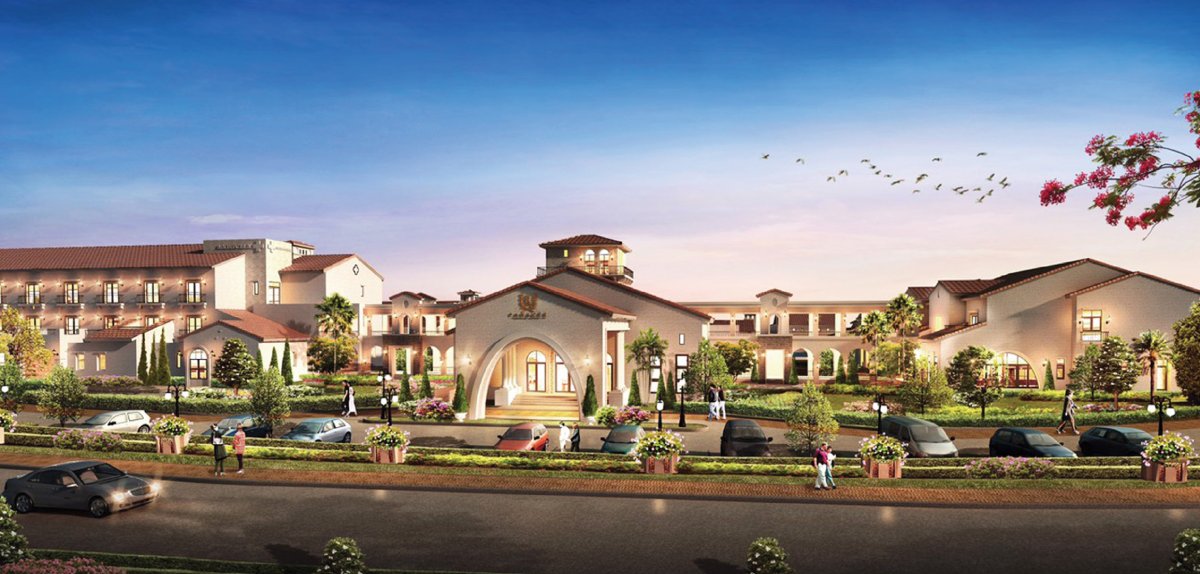
رؤية خبراء Bookimed: يستفيد المرضى في المراحل المتقدمة من الأساليب التكاملية التي تجمع بين الرعاية التقليدية والتكنولوجيا الحديثة. يقدم مستشفى Panacee Hospital Rama 2 باقات متخصصة للعلاج الحراري للأورام والعلاج المناعي تبدأ من حوالي 4,000 دولار لـ 12 جلسة. بالنسبة للحالات الجراحية المعقدة، يوفر مستشفى بامرونجراد الدولي (Bumrungrad International Hospital) الحاصل على اعتماد اللجنة الدولية المشتركة (JCI) جراحة روبوتية عالمية المستوى. يدير فريقهم متعدد التخصصات أكثر من مليون مريض سنوياً مع تقييمات للمرضى تصل إلى 4.6 نجوم.
| تايلاند | تركيا | إسبانيا | |
|---|---|---|---|
| نانو نايف NanoKnife | ≈ $7,500 / 255,000฿ | ≈ $9,500 / 323,000฿ | ≈ $9,500 / 323,000฿ |
| منظومة دا فينشي الجراحية | ≈ $9,500 / 323,000฿ | من $23,900 / 812,600฿ | ≈ $9,500 / 323,000฿ |
| سايبر نايف CyberKnife | ≈ $9,500 / 323,000฿ | من $4,900 / 166,600฿ | من $14,800 / 503,200฿ |
| جراحة سرطان المعدة | ≈ $11,000 / 374,000฿ | من $10,500 / 357,000฿ | من $28,500 / 969,000฿ |
| العلاج بالبروتون (انظر العلاج بحزم البروتون) | ≈ $38,000 / 1,292,000฿ | من $25,000 / 850,000฿ | من $43,300 / 1,472,200฿ |
مزاياك وضماناتك مع Bookimed
أسعار مباشرة
Bookimed لا يضيف رسوماً إضافية على أسعار علاج سرطان المعدة. الأسعار مأخوذة من قوائم الأسعار الرسمية للعيادات. تدفع مباشرة في العيادة مقابل علاجك عند وصولك إلى البلد.
عيادات وأطباء معتمدون فقط
Bookimed ملتزم بسلامتك. نحن نعمل فقط مع المؤسسات الطبية التي تحافظ على معايير دولية عالية في علاج سرطان المعدة ولديها التراخيص اللازمة لخدمة المرضى الدوليين في جميع أنحاء العالم.
مساعدة مجانية على مدار الساعة
Bookimed يقدم مساعدة خبراء مجانية. منسق طبي شخصي يدعمك قبل وأثناء وبعد العلاج، ويحل أي مشاكل. لن تكون وحيداً أبداً في رحلة علاج سرطان المعدة.

منسقك الطبي الشخصي في Bookimed
- يدعمك في كل مرحلة
- المساعدة في اختيار العيادة الطبية المناسبة والطبيب المناسب
- يضمن الوصول السريع والمريح إلى المعلومات
اكتشف أفضل سرطان المعدة العيادات في تايلاند: 3 خيارات معتمدة والأسعار




احصلوا على تقييم طبي لـ سرطان المعدة في تايلاند: استشيروا أطباء ذوي خبرة الآن
عرض جميع الأطباء
asawadech Sanbua
يتخصص الدكتور سانبوا في العلاج الحراري للأورام (Oncothermia) - وهو علاج موجه لسرطان المعدة - مع 19 سنة من الخبرة في استخدام هذه التكنولوجيا المتقدمة.
- 19 سنة من الخبرة في علاج الأورام بالإشعاع
- معتمد في علاجات الأورام الحرارية
- أجرى أكثر من 900 علاج للسرطان
- خبير في تخطيط العلاج الإشعاعي ثنائي وثلاثي الأبعاد، وIMRT، وVMAT
- تدرب في الرعاية التلطيفية في جامعة خون كاين

Yongyut Sirivatanauksorn
الدكتور سيريفاتاناوكسورن هو جراح متخصص يركز حصرياً على علاج الجهاز الهضمي، بما في ذلك سرطان المعدة.
- يعمل كجراح أورام في مستشفى بامرونجراد الدولي
- يعالج سرطانات الجهاز الهضمي المعقدة التي تتطلب دقة جراحية
- تخصصه الفرعي يضمن خبرة مركزة في أورام الجهاز الهضمي
مواد ذات صلة
كم تكلفة علاج سرطان المعدة؟
كتب بواسطة Halina Shubala
مشاركة المحتوى
قصص فيديو من مرضى Bookimed
 Anna Leonova
أسئلة متكررة حول علاج سرطان المعدة في تايلاند
هل علاج سرطان المعدة في تايلاند آمن للمرضى الدوليين؟
علاج سرطان المعدة في تايلاند آمن ويتبع البروتوكولات الطبية الدولية. تحافظ المراكز الرائدة على اعتماد اللجنة الدولية المشتركة (Joint Commission International) وتستخدم مجالس أورام متعددة التخصصات. تخدم المرافق المتخصصة مثل مستشفى بامرونجراد الدولي أكثر من 1,000,000 مريض سنويًا. وهي تستخدم الجراحة الروبوتية والعلاج المناعي المتقدم لرعاية دقيقة.
- الاعتماد الدولي: تحمل العديد من المستشفيات شهادات اللجنة الدولية المشتركة وشهادات الأيزو للسلامة.
- الخبرة المتخصصة: يركز جراحون مثل الدكتور يونغ يوت سيريفاتانأوكسورن بشكل خاص على جراحة الأورام المعدية المعوية.
- التكنولوجيا المتقدمة: توفر المرافق استئصال المعدة الروبوتي، والعلاج الكيميائي داخل الصفاق مفرط الحرارة، وجراحة سايبر نايف الإشعاعية.
- الرعاية المتكاملة: تجمع مراكز الأورام بين العلاج المناعي القائم على الأدوية والعلاجات الموجهة مثل العلاج الحراري للأورام.
رؤية خبير Bookimed: المستشفيات التايلاندية فريدة من نوعها لأنها تدير أحجامًا هائلة من المرضى بكفاءة دون التضحية بالسرعة. يعالج مستشفى بامرونجراد الدولي مرضى من أكثر من 190 دولة بوجود 1300 طبيب. هذا الحجم الكبير يعني أن الجراحين غالبًا ما يتمتعون بخبرة عملية أكبر في استئصال المعدة المعقد مقارنة بنظرائهم الغربيين. ومع ذلك، يجب على المرضى التأكد من أن باقتهم تتضمن خطة متابعة مفصلة عند عودتهم إلى ديارهم.
إجماع المرضى: غالبًا ما يشيد المرضى بالتنظير الداخلي ذي المستوى العالمي والرعاية في المراحل المبكرة التي أنقذت حياتهم. يشي
ما هي المؤهلات الأورام التي يمتلكها الجراحون التايلانديون لعلاج سرطان المعدة؟
يحمل جراحو سرطان المعدة التايلانديون شهادات البورد من المجلس الطبي التايلاندي بعد إكمال فترة إقامة لمدة 4 سنوات. يخضع الكثيرون لزمالة في جراحة الأورام لمدة عامين وهم أعضاء في جمعية جراحي الأورام في تايلاند. غالبًا ما يكمل كبار المتخصصين زمالات في الولايات المتحدة أو اليابان.
- شهادة البورد: يجب على الجراحين إكمال 4 سنوات من الإقامة في الجراحة العامة في تايلاند.
- تخصص فرعي في الأورام: غالبًا ما يكمل المتخصصون زمالة إضافية لمدة عامين في جراحة الأورام.
- الزمالات الدولية: يحمل كبار الأطباء أوراق اعتماد من مؤسسات غربية أو مراكز آسيوية مرموقة.
- المرافق المعتمدة: يعمل الخبراء في مستشفيات معتمدة من قبل اللجنة الدولية المشتركة (JCI) باستخدام بروتوكولات موحدة.
رؤية خبير Bookimed: تتركز الخبرة في مجال الأورام في تايلاند بشكل كبير في المراكز المعتمدة من JCI مثل مستشفى بامرونجراد الدولي. يخدم هذا المركز وحده 1,000,000 مريض سنويًا ويعمل به أكثر من 1,300 طبيب. تظهر البيانات أن هذه المراكز ذات الحجم الكبير توفر أفضل وصول إلى فرق متعددة التخصصات. الدكتور يونغ يوت سيريفاتاناوكسورن في بامرونجراد هو متخصص في جراحات الجهاز الهضمي المعقدة. اختيار المستشفيات التي لديها هذا المستوى من حجم المرضى يضمن عادةً وصولاً أفضل إلى الرعاية المتكاملة.
إجماع المرضى: يلاحظ المرضى أن الجراحين في المراكز الكبيرة غالبًا ما يكون لديهم تدريب دولي من سنغافورة أو اليابان. يوصون باختيار المستشفيات المعتمدة من JCI حيث يعمل الجراحون ضمن فرق أورام كاملة بدلاً من ال
ما هي المستشفيات المعتمدة في تايلاند التي تقدم جراحة سرطان المعدة للسياح؟
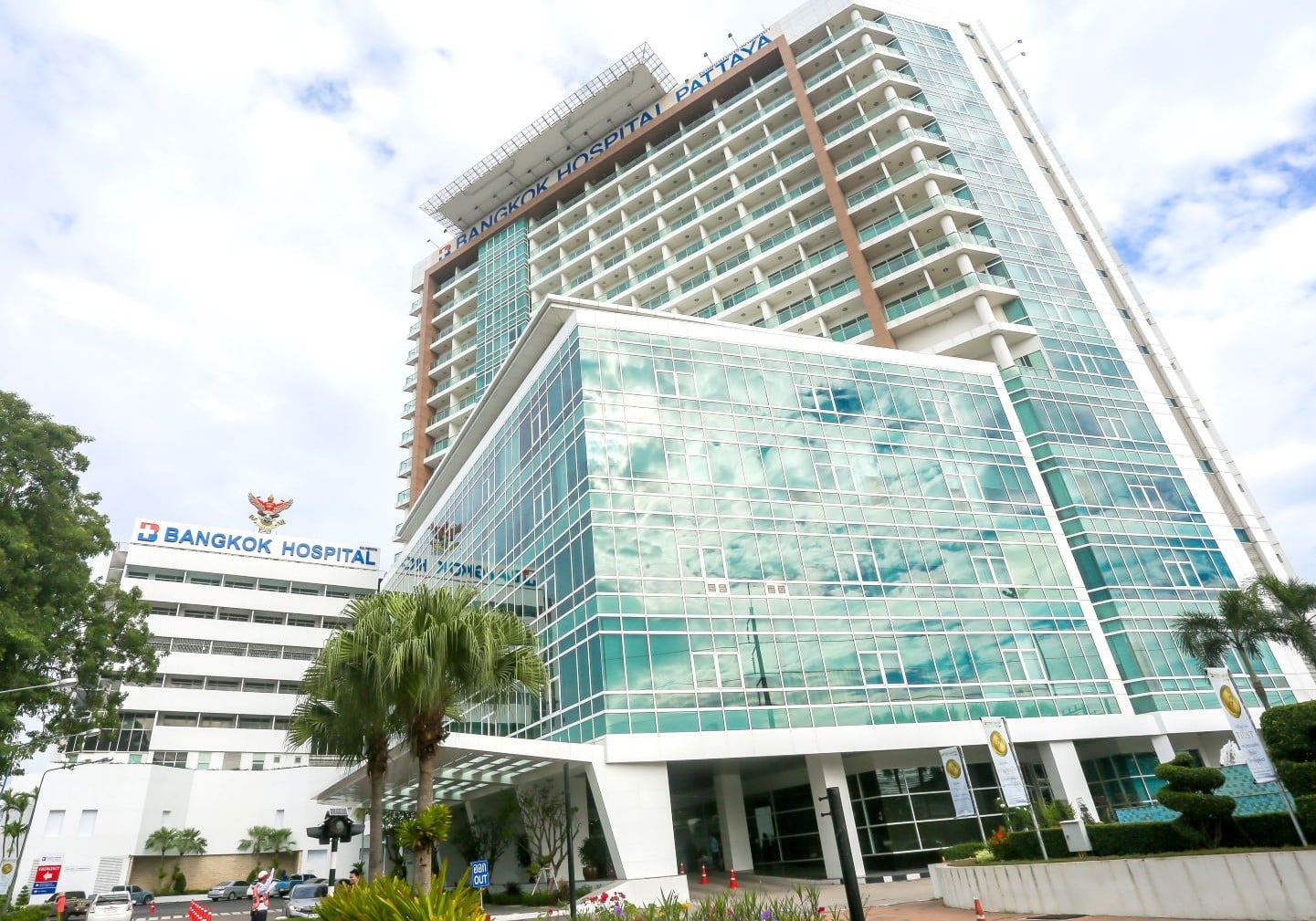
تقدم المستشفيات التايلاندية المعتمدة مثل مستشفى بامرونجراد الدولي ومستشفى بانكوك باتايا جراحة سرطان المعدة للسياح الدوليين. توفر هذه المرافق المعتمدة من قبل اللجنة الدولية المشتركة (JCI) عمليات استئصال المعدة بالمنظار وبمساعدة الروبوت. تستخدم المراكز المتخصصة مثل مركز هورايزون للسرطان مجالس أورام متعددة التخصصات وتشخيصات متقدمة تعتمد على الذكاء الاصطناعي لرعاية أورام دقيقة.
- اعتماد المستشفى: تمتلك المراكز الرائدة شهادات سلامة من JCI وGlobal Healthcare Accreditation (GHA).
- التكنولوجيا الجراحية: يستخدم الجراحون أنظمة Da Vinci الروبوتية لاستئصال المعدة طفيف التوغل.
- خبراء متخصصون: الدكتور يونغ يوت سيريفاتاناوكسورن في بامرونجراد متخصص في جراحة الأورام المعدية المعوية.
- خدمات الدعم: توفر المرافق مترجمين فوريين وأقساماً دولية مخصصة للتنسيق اللوجستي.
رؤية خبير Bookimed: تعالج المراكز الرائدة في تايلاند مثل بامرونجراد أكثر من 1,000,000 مريض سنوياً، حيث يأتي نصفهم من 190 دولة. يسمح هذا الحجم الهائل للعيادات بالحفاظ على أكثر من 70 قسماً متخصصاً ومئات المترجمين. تظهر بياناتنا أنه بينما تعتبر جراحة الأورام هي المعيار، تقدم مراكز مثل مستشفى باناسي راما 2 أيضاً باقات علاج حراري للأورام متكاملة تبدأ من حوالي 4000 دولار لتكملة العلاج التقليدي.
إجماع المرضى: غالباً ما يؤكد المرضى على التنسيق السلس بين جراحتهم وتعافيهم، مشيرين بشكل خاص إلى راحة النقل المتكامل من المطار ومباني المستشفيات المخصصة للأورام في بانكوك. يقدر الكثيرون الحصول
هل استئصال المعدة بالمنظار (ثقب المفتاح) أو الروبوتي متاح، ومتى يتم اختياره؟
يتوفر استئصال المعدة بالمنظار والروبوتي في تايلاند في مراكز معتمدة من اللجنة الدولية المشتركة (JCI). يختار الجراحون طرق المنظار للسرطان في مراحله المبكرة لضمان تعافٍ أسرع. يُفضل الجراحة بمساعدة الروبوت باستخدام نظام دافنشي للحالات المتقدمة أو التشريح المعقد الذي يتطلب تشريحًا دقيقًا للعقد الليمفاوية.
- مزايا الروبوت: تسمح الأدوات ذات المعصم والرؤية ثلاثية الأبعاد بحركات دقيقة في المساحات الضيقة.
- المرشحون المثاليون: تناسب الجراحة بالمنظار الحالات المبكرة. تساعد الجراحة الروبوتية المرضى الذين يعانون من السمنة أو الحالات المتقدمة.
- فوائد التعافي: تؤدي الأساليب طفيفة التوغل عادةً إلى ألم أقل وفقدان دم أقل.
- الوصول إلى الخبراء: تستخدم مراكز مثل مستشفى بامرونجراد الدولي الذكاء الاصطناعي والأنظمة الروبوتية لعلم الأورام.
رؤية خبير Bookimed: المشهد الطبي في تايلاند فريد من نوعه لأن أفضل عياداتها تدير أحجامًا هائلة من المرضى. يعالج مستشفى بامرونجراد الدولي 1,000,000 مريض سنويًا ويحتفظ بالعديد من تصنيفات نيوزويك للتكنولوجيا الذكية. عندما يتم إجراء عمليات متخصصة مثل استئصال المعدة الروبوتي في هذه المراكز ذات الحجم الكبير، يمكن لأطباء مثل الدكتور يونغ يوت سيريفاتاناوكسورن الاستفادة من بيانات مؤسسية واسعة النطاق لتحسين الدقة الجراحية. غالبًا ما يكون هذا المستوى من البنية التحتية أكثر قوة من العيادات الصغيرة في مناطق أخرى.
كم من الوقت يجب أن أبقى في تايلاند للحصول على خطة علاج كاملة لسرطان المعدة؟
يجب على المرضى التخطيط لإقامة مدتها 21 يوماً للجراحة والتعافي الأولي في تايلاند. تتطلب خطط العلاج الشاملة التي تشمل العلاج الكيميائي أو الإشعاعي عادةً من 3 إلى 6 أشهر. توفر المراكز ذات الكفاءة العالية مثل مستشفى بامرونجراد الدولي استئصال المعدة الروبوتي والعلاجات الموجهة المتقدمة للحالات الأورام المعقدة.
- الإقامة في المستشفى: توقع إقامة من 7 إلى 14 يوماً في المستشفى بعد استئصال المعدة الرئيسي.
- فترة التعافي: خطط لـ 3 أسابيع في الموقع للجراحة ورعاية المتابعة الأساسية.
- دورات العلاج: غالباً ما تمتد خطط العلاج الكيميائي أو الإشعاعي من 3 إلى 6 أشهر إجمالاً.
- البرامج المتقدمة: قد تتضمن برامج الأورام الحرارية والعلاج المناعي المكثفة إقامة فندقية لمدة 45 يوماً.
رؤية خبير Bookimed: تايلاند هي مركز عالمي للأورام يخدم 1,000,000 مريض سنوياً في المستشفيات الكبرى. بينما يستغرق التعافي الجراحي 3 أسابيع، تظهر البيانات أن العيادات المتخصصة مثل Panacee توصي بـ 45 يوماً للعلاج المناعي المتكامل. تضمن هذه الإقامة الأطول سلامة المريض أثناء العلاجات على المستوى الخلوي غير المتوفرة في باقات الجراحة القياسية.
إجماع المرضى: يشير المرضى إلى أنه على الرغم من أن التعافي من الجراحة سريع، إلا أن الإقامات الأولية غالباً ما تمتد إلى 8 أسابيع لبدء العلاج الكيميائي. يؤكد الكثيرون على حجز سكن محلي بالقرب من المستشفى لإدارة الانتقال من التغذية الوريدية إلى الأطعمة اللينة.
ما مدى سرعة عودتي إلى المنزل بالطائرة بعد استئصال المعدة، وهل هناك قيود من شركات الطيران؟
يمكن للمرضى عادةً السفر بالطائرة بعد 10 إلى 14 يوماً من استئصال المعدة بالمنظار بعد موافقة الجراح. تتطلب الجراحة المفتوحة فترة انتظار من 6 إلى 8 أسابيع للشفاء الآمن. غالباً ما تطلب شركات الطيران خطاباً يفيد باللياقة للطيران. يمنع هذا الجدول الزمني حدوث مضاعفات مثل جلطات الدم أو الضغط على الغرز بسبب تغيرات ضغط المقصورة.
- نافذة السفر: انتظر من 2 إلى 6 أسابيع للرحلات الدولية بعد استئصال المعدة البطني الكبير.
- التقنية الجراحية: قد يحصل مرضى المنظار على تصريح بالسفر خلال 10 إلى 14 يوماً.
- سلامة الطيران: يمكن أن يؤدي انخفاض ضغط المقصورة إلى تمدد الغازات الداخلية والضغط على الدبابيس الجراحية.
- سياسة شركة الطيران: تتطلب معظم شركات الطيران تصريحاً طبياً للسفر في غضون 21 يوماً من الجراحة.
- الوقاية من تجلط الأوردة العميقة (DVT): استخدم جوارب الضغط وامشِ كل ساعة لمنع حدوث جلطات دموية تهدد الحياة.
رؤية خبير Bookimed: تخدم المستشفيات التايلاندية مثل مستشفى بامرونجراد الدولي أكثر من 500,000 مريض دولي سنوياً. منسقوهم خبراء في توفير وثائق اللياقة للطيران المحددة التي تطلبها شركات الطيران. تتضمن بعض الباقات المتخصصة في بانكوك إقامات فندقية لمدة 45 يوماً. وهذا يسمح بالتعافي تحت الإشراف قبل رحلة الطيران الطويلة إلى المنزل.
إجماع المرضى: ينصح المرضى بحجز مقعد بجانب الممر للمشي بشكل متكرر بعد الجراحة. يلاحظ الكثيرون أن رشف مشروبات الإلكتروليت يساعد في إدارة مشاكل الترطيب الشائعة بعد جراحة استئصال المعدة.