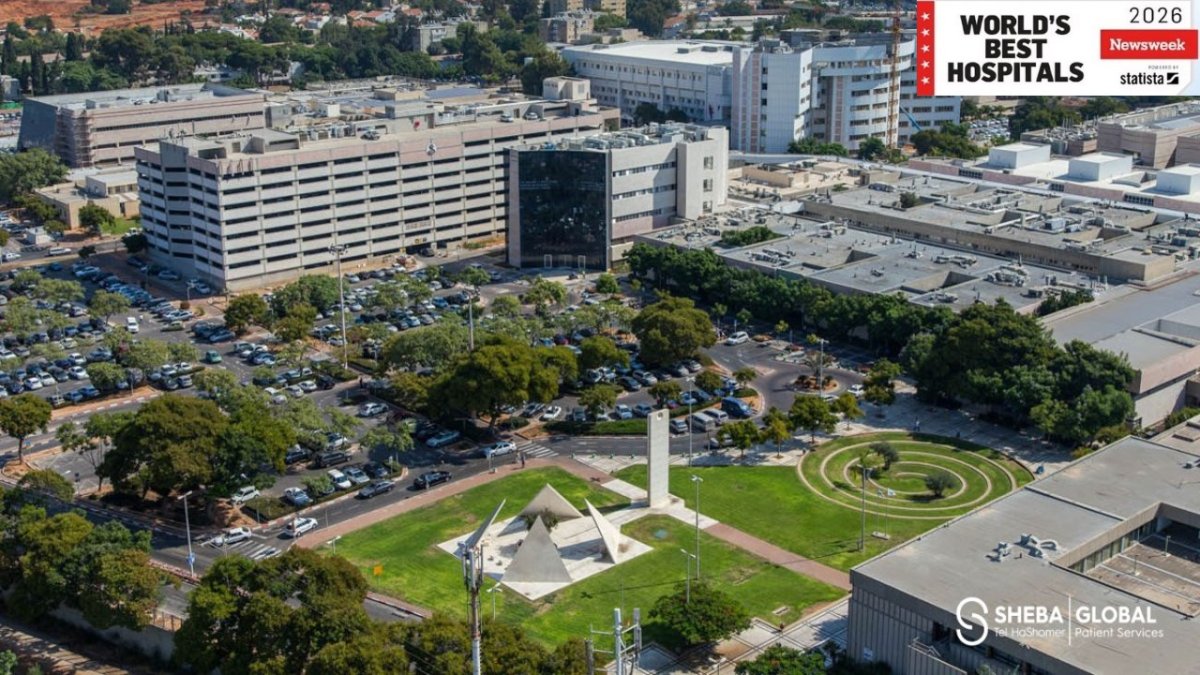
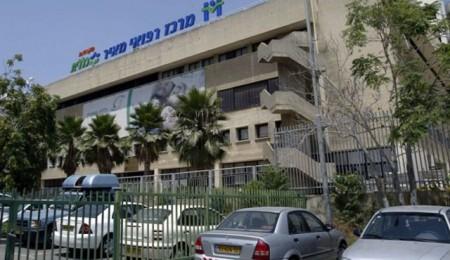
تشمل أفضل المستشفيات لعلاج سرطان المعدة في إسرائيل مركز شيبا الطبي، ومركز سوراسكي الطبي (إيخيلوف)، ومركز هداسا الطبي. توفر هذه المرافق المعتمدة من قبل اللجنة الدولية المشتركة (JCI) استئصال المعدة المتقدم، وتقنية HIPEC، والجراحة الروبوتية Da Vinci. وهي تحافظ على معدلات نجاح عالية في علاج الأورام من خلال مجالس الأورام متعددة التخصصات وبروتوكولات الطب الدقيق.
- مركز شيبا الطبي: أكبر مرفق إقليمي يعالج 2,000,000 مريض سنوياً مع برامج HIPEC متخصصة.
- مركز سوراسكي الطبي: يبلغ عن معدل نجاح في علاج الأورام بنسبة 90% باستخدام استئصال المعدة بمساعدة الروبوت والعلاجات الموجهة.
- مركز هداسا الطبي: يتبع بروتوكولات المستشفيات الجامعية للحالات المعقدة مع أكثر من 40,000 عملية جراحية سنوياً.
- مركز أسوتا الطبي: شبكة خاصة توفر وصولاً سريعاً إلى إجراءات جراحة الأورام الهضمية بالمنظار والروبوت.
رؤية خبير Bookimed: غالباً ما تكشف بيانات حجم المرضى عن خبرة خفية في تقنيات جراحية محددة. بينما يعالج مركز سوراسكي أكثر من 400,000 مريض سنوياً، يجلب متخصصون مثل الدكتور جوزيف كلاوزنر أكثر من 45 عاماً من الخبرة في جراحات الجهاز الهضمي المعقدة. اختيار مركز ذو حجم كبير مع جراحين كبار يجرون أكثر من 1,000 إجراء يضمن الوصول إلى بروتوكولات تعافي محسنة ومخاطر مضاعفات أقل.
إجماع المرضى: يشير المرضى إلى قيمة الحصول على خطة علاج بسرعة من خلال استشارات عن بعد مع متخصصين مثل الدكتورة بيليس شارون أو البروفيسور أيالا هوبرت. غالباً ما يكون التنسيق الشخصي هو العامل الح