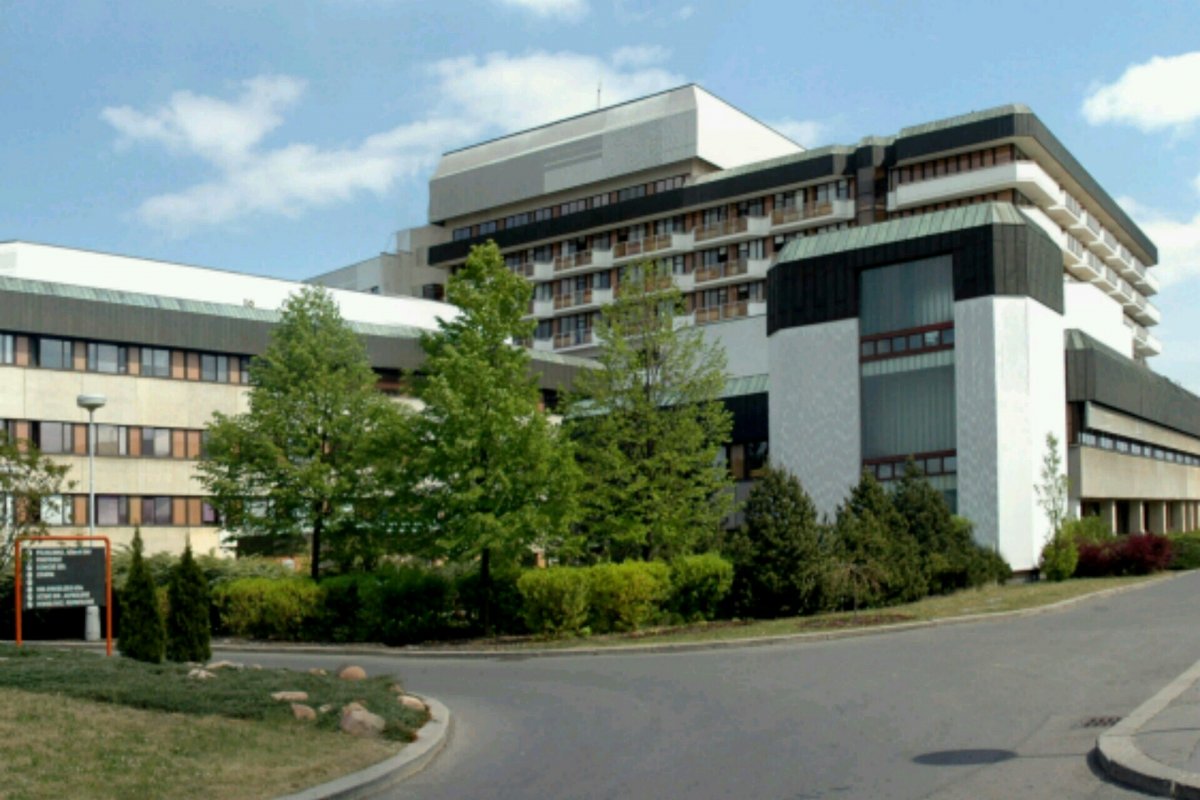
Robotic Surgery Center in St. Zdislava Hospital
جمهورية التشيك, فيلكي ميزيريسي
العيادة معتمدة من قبل : 


تمت مراجعة المقالة طبيا من قبل
فهد مولود
من $900. تعتمد النفقات الإجمالية على مرحلة السرطان، والطريقة الجراحية المختارة، ومستوى المنشأة. غالباً ما يجد المرضى توفيراً بنسبة 40-60% مقارنة بالولايات المتحدة. تقع أفضل مراكز العلاج في براغ وفيلكي ميزيريتشي.
تكاليف علاج سرطان المعدة النموذجية في جمهورية التشيك
رؤية خبراء Bookimed: يجب على المرضى الذين يبحثون عن رعاية أورام عالية الدقة إعطاء الأولوية للمراكز التي تمتلك تكنولوجيا متخصصة. تُعد الجراحة الروبوتية في مستشفى سانت زدسلافا (St. Zdislava Hospital) مثالية لعمليات الاستئصال المعقدة، حيث أجرى الدكتور ياروسلاف تفاروزيك أكثر من 3500 إجراء روبوتي. بالنسبة للحالات المتقدمة، يُعد مركز علاج البروتون في براغ الأكبر في أوروبا. وتعتبر الرعاية متعددة التخصصات في مستشفى نا هومولسي (Nemocnice Na Homolce) الأفضل للمرضى الذين يعانون من حالات قلبية وعائية مصاحبة.
| جمهورية التشيك | تركيا | إسبانيا | |
|---|---|---|---|
| نانو نايف NanoKnife | ≈ $9,500 | ≈ $9,500 | ≈ $9,500 |
| منظومة دا فينشي الجراحية | ≈ $6,500 | من $23,900 | من $16,800 |
| سايبر نايف CyberKnife | ≈ $25,000 | من $4,900 | من $14,800 |
| جراحة سرطان المعدة | من $13,000 | من $10,500 | من $27,000 |
| العلاج بالبروتون (انظر العلاج بحزم البروتون) | ≈ $24,000 | من $25,000 | من $43,300 |

أجرى أكثر من 3500 جراحة روبوتية – يرأس الدكتور تفاروزيك مركز الجراحة الروبوتية في مستشفى القديسة زديسلافا.
كتب بواسطة Halina Shubala
 Anna Leonova
تشمل أفضل المستشفيات لعلاج سرطان المعدة في جمهورية التشيك مستشفى موتول الجامعي ومعهد ماساريك التذكاري للسرطان. تعد هذه المراكز الجامعية العامة رائدة في الخبرة الأورام. تتخصص مرافق مثل مركز الجراحة الروبوتية في مستشفى سانت زدسلافا في عمليات استئصال المعدة طفيفة التوغل باستخدام نظام دافنشي.
رؤية خبير Bookimed: بينما تقدم المرافق الخاصة مثل Nemocnice Na Homolce رعاية حديثة، غالبًا ما تتعامل المستشفيات الجامعية العامة مع حالات الأورام الأكثر تعقيدًا. يتميز مستشفى سانت زدسلافا بحجم العمليات الجراحية. لقد أجرى أكثر من 4000 عملية روبوتية. تشير بياناتنا إلى أن اختيار مركز متخصص في الأساليب الروبوتية غالبًا ما يؤدي إلى فترات إقامة أقصر في المستشفى.
إجماع المرضى: غالبًا ما يوصي المرضى بتوظيف مترجم لغة إنجليزية في وقت مبكر للتنقل بكفاءة في أنظمة المستشفيات العامة. يقترح الكثيرون إعطاء الأولوية للجراحين ذوي الخبرة العالية الذين يجرون ما لا يقل عن 20 عملية استئصال معدة سنويًا للحصول على أفضل النتائج الجراحية.
يتمتع مرضى سرطان المعدة في جمهورية التشيك بمعدل بقاء إجمالي لمدة خمس سنوات بنسبة 32%. تعتمد النتائج بشكل كبير على المرحلة. يصل مرضى المرحلة الأولى إلى معدل بقاء لمدة خمس سنوات بنسبة 69%. تستخدم العيادات المتخصصة روبوتات دا فينشي والعلاج بالبروتون لتحسين النتائج الناجحة.
رؤية خبير Bookimed: في حين أن معدلات البقاء على قيد الحياة غالبًا ما ترتبط بالتشخيص المبكر، فإن اختيار التكنولوجيا يعد عامل تمييز رئيسي. أجرى مركز الجراحة الروبوتية في مستشفى سانت زدسلافا أكثر من 4000 عملية روبوتية. تظهر بياناتنا أن المراكز المتخصصة مثل هذا المركز تتعامل مع أكثر من 2300 مريض سنويًا. يسمح هذا الحجم الكبير غالبًا بإجراءات استئصال العقد الليمفاوية D2 الأكثر دقة، والتي تعتبر ضرورية للبقاء على قيد الحياة على المدى الطويل.
إجماع المرضى: يقدر المرضى النهج متعدد التخصصات في براغ، حيث تراجع مجالس الأورام كل حالة. وغالبًا ما يذكرون أن الخيارات المتقدمة مثل العلاج بالبروتون أو استئصال المعدة الروبوتي توفر عملية تعافي أكثر راحة.
تقدم جمهورية التشيك علاجات عالية الدقة لسرطان المعدة بما في ذلك استئصال المعدة بمساعدة الروبوت والعلاج بالبروتون. يتمكن المرضى من الوصول إلى مراكز متخصصة تجري أكثر من 4000 إجراء روبوتي. تجمع الرعاية متعددة التخصصات بين الجراحة المتقدمة وأدوية العلاج المناعي مثل نيفولوماب وبروتوكولات العلاج الكيميائي الحديثة مثل FLOT.
رؤية خبير Bookimed: بينما يبحث الكثيرون عن رعاية الأورام في براغ، فإن أكبر حجم من عمليات استئصال المعدة الروبوتية يحدث في فيلكي ميزيريتشي. أجرى الدكتور ياروسلاف تفاروزيك أكثر من 3500 إجراء روبوتي شخصياً. غالباً ما تؤدي هذه الخبرة المركزة في مستشفى سانت زدسلافا إلى نتائج جراحية أفضل من المرافق متعددة التخصصات العامة.
إجماع المرضى: يؤكد المرضى على أهمية إجراء اختبار HER2 مبكراً للوصول إلى الأدوية الموجهة مثل تراستوزوماب. يلاحظ الكثيرون أن اللجوء إلى القطاع الخاص يسرع بشكل كبير الجدول الزمني لبدء العلاج المناعي مقارنة بالخيارات العامة.
يتضمن التحضير الطبي تنسيق الوثائق الشاملة والتحسين البدني قبل السفر. يجب على المرضى الحصول على تقارير علم الأمراض الرقمية، ومسح PET/CT، وخطاب موقع من طبيب الأورام. تعد ترجمة السجلات إلى الإنجليزية أو التشيكية أمراً ضرورياً لتجنب تأخير التشخيص. كما أن تنظيم تأمين السفر الذي يغطي الأورام بشكل صريح يعد خطوة حاسمة.
رؤية خبير Bookimed: بينما تتعامل مراكز براغ مثل Nemocnice Na Homolce مع أكثر من 15,000 عملية جراحية سنوياً، غالباً ما توجد الخبرة الروبوتية في مراكز متخصصة. تظهر البيانات أن الدكتور ياروسلاف تفاروزيك في مستشفى سانت زديسلافا قد أجرى أكثر من 3,500 إجراء روبوتي. يضمن اختيار المراكز الروبوتية ذات الحجم الكبير الوصول إلى جراحين معتمدين من قبل منتجي التكنولوجيا مثل Intuitive Surgical.
إجماع المرضى: يؤكد المرضى على أهمية إكمال جميع اختبارات القلب والدم في المنزل لوقف التأخير لمدة شهرين. يقترحون تخزين أدوية
يشمل التعافي بعد استئصال المعدة الروبوتي في المستشفيات التشيكية عادةً إقامة في المستشفى تتراوح من 5 إلى 10 أيام. يبدأ المرضى في المشي في غضون 24 ساعة لمنع حدوث جلطات. يبدأ التغذية المبكرة برشفات من الماء. يعود معظم المرضى إلى الأنشطة الخفيفة في غضون 14 يومًا وإلى العمل الكامل في غضون 4 أسابيع.
رؤية خبير Bookimed: بينما تركز معظم المراكز على المسالك البولية، أجرت مستشفيات مثل مركز الجراحة الروبوتية في مستشفى سانت زدسلافا أكثر من 4000 عملية روبوتية. غالبًا ما يسمح هذا الحجم الكبير ببروتوكولات تعافي متخصصة. قد يساعد موقعهم في محمية طبيعية أيضًا في تقليل توتر المريض خلال الأسبوع الأول. أجرى الدكتور ياروسلاف تفاروزيك أكثر من 3500 إجراء روبوتي. تساهم هذه الخبرة الواسعة عادةً في تعافي وظيفي أسرع. يجب على المرضى إعطاء الأولوية للمراكز التي يكون فيها الجراحون معتمدين من قبل شركة Intuitive Surgical.
إجماع المرضى: يؤكد المرضى أن المشي المبكر كل ساعتين في اليوم الأول أمر حيوي. يلاحظ الكثيرون أن التعب المستمر يمكن أن يستمر لمدة تصل إلى 6 أشهر بينما يستقر الوزن.
توفر مراكز الأورام التشيكية المتخصصة مثل مستشفى سانت زديسلافا والمستشفى الجامعي العام في براغ العلاج الكيميائي داخل الصفاق مفرط الحرارة (HIPEC) لسرطان المعدة المتقدم. تجمع هذه المرافق بين الجراحة الاختزالية للورم والعلاج الكيميائي المسخن لاستهداف الانبثاث البريتوني. تعتمد ملاءمة العلاج على مراجعة متعددة التخصصات لانتشار الورم.
رؤية خبير Bookimed: بينما يبحث الكثيرون عن HIPEC في براغ، يتميز مستشفى سانت زديسلافا بحجم العمليات الجراحية. أجرى الدكتور ياروسلاف تفاروزيك أكثر من 3500 إجراء روبوتي هناك. غالباً ما يترجم هذا الحجم الكبير إلى دقة أفضل خلال المرحلة الاختزالية المعقدة قبل بدء HIPEC.
إجماع المرضى: يشير المرضى إلى أن توافر HIPEC لسرطان المعدة قد يكون محدوداً في المستشفيات العامة الكبيرة. يقترح الكثيرون الحصول على رأي ثانٍ من مراكز جراحية متخصصة للتأكد مما إذا كنت مؤهلاً للإجراء.
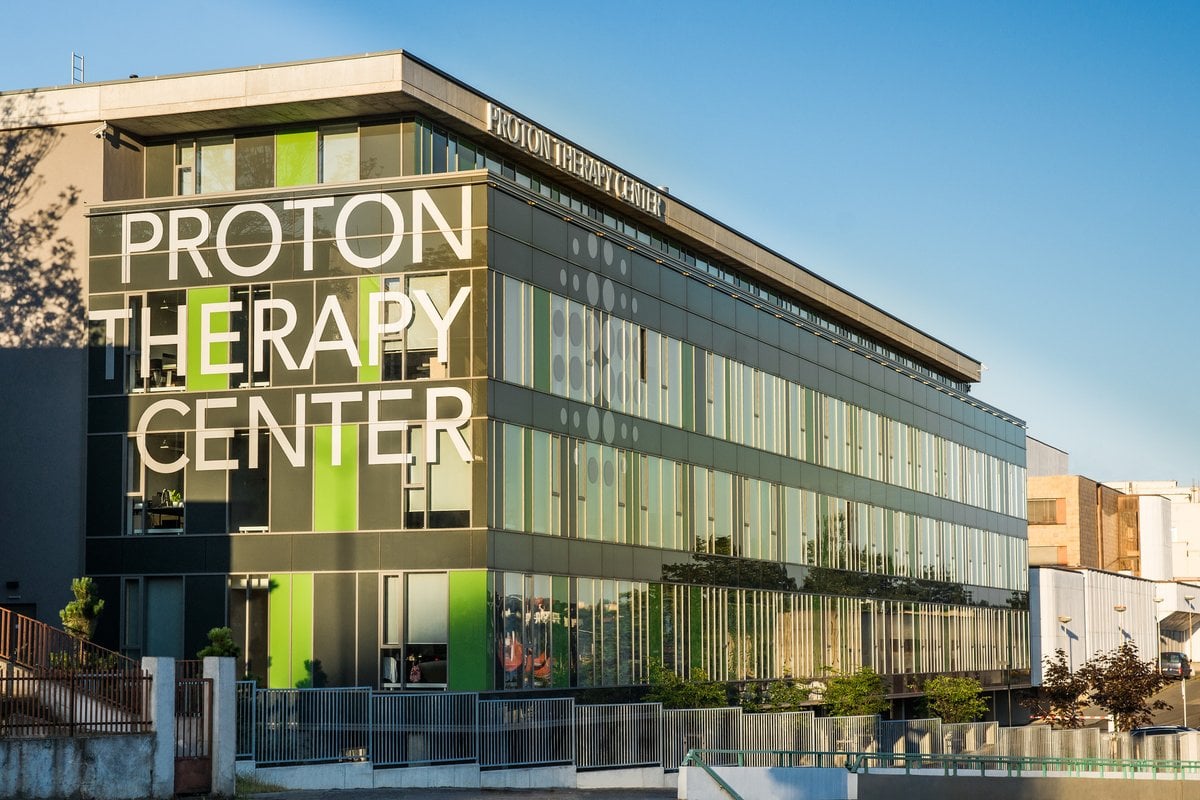
يعالج العلاج بالبروتونات في براغ سرطان المعدة باستخدام تقنية المسح الضوئي بالقلم (Pencil Beam Scanning). توفر هذه الطريقة الإشعاع بدقة مليمترية. وهي تحمي الأعضاء الحساسة مثل الكلى والكبد من التلف. يستخدمها المتخصصون للأورام غير القابلة للجراحة أو تكرار الإصابة بالسرطان بالقرب من الهياكل الحيوية.
رؤية خبير Bookimed: تعمل براغ كمركز أوروبي للعلاج بحزمة البروتونات. يعمل مركز العلاج بالبروتونات جنبًا إلى جنب مع المستشفيات الجراحية مثل Nemocnice Na Homolce. يعد هذا التعاون متعدد التخصصات أمرًا حيويًا لحالات الجهاز الهضمي. يمكن للمرضى الوصول إلى الجراحة الروبوتية في مستشفى سانت زدسلافا لإزالة الورم الأولي. ثم يتلقون العلاج بالبروتونات للعلاج الموجه بعد الجراحة أو في حالة التكرار.
إجماع المرضى: يلاحظ المرضى أن العلاج بالبروتونات يسبب غثيانًا وتعبًا أقل من الإشعاع التقليدي. يقترح الكثيرون إحضار الفحوصات الحديثة إلى الاستشارات لتسريع عملية الأهلية.