حج القحف في تايلاند — احصل على 3 عيادات مطابقة مع التكاليف


تمت مراجعة المقالة طبيا من قبل
فهد مولود
ما هي تكلفة حج القحف في تايلاند؟ اكتشف الآن
تتراوح تكلفة جراحة فتح الجمجمة في تايلاند بين $11,500 / 391,000฿ و $16,500 / 561,000฿. يعتمد السعر النهائي على الحالة الصحية ومستوى تعقيد الجراحة واختيار المستشفى. تشمل الرسوم المعيارية في بانكوك التصوير العصبي وأجور الجراح وإقامة العناية المركزة والأدوية الأساسية بعد الجراحة.
- تعقيد الحالة: تزيد تكلفة إزالة أورام الدماغ عادةً بنسبة 50-80% عن جراحات فتح الجمجمة الناتجة عن الإصابات.
- التقنية الجراحية: تؤثر الإجراءات المتخصصة مثل التحفيز العميق للدماغ أو إزالة الأكياس على إجمالي التكلفة.
- مستوى المستشفى: تقدم مرافق بانكوك الرائدة والمعتمدة من JCI باقات جراحية شاملة.
- الإقامة في المستشفى: تؤدي الحاجة إلى مراقبة مكثفة أو فترات تعافي أطول إلى زيادة الفاتورة النهائية.
رأي خبراء Bookimed: تعد تايلاند مركزاً عالمياً لجراحة الأعصاب وتضم أكثر من 130 مركزاً طبياً. يبرز مستشفى بامرونجراد الدولي كخيار مثالي، حيث يستقبل 500,000 مريض دولي سنوياً. حاصل على اعتماد GHA النخبة وJCI، مما يضمن معايير سلامة عالمية. يوفر اختيار مركز طبي في بانكوك قيمة أفضل، حيث تقدم هذه المستشفيات رعاية متكاملة وتقنيات روبوتية متطورة للحالات المعقدة.
| تايلاند | تركيا | إسبانيا | |
|---|---|---|---|
| حج القحف | ≈ $11,500 / 391,000฿ | من $8,900 / 302,600฿ | من $32,400 / 1,101,600฿ |
مزاياك وضماناتك مع Bookimed
أسعار مباشرة
Bookimed لا يضيف رسوماً إضافية على أسعار حج القحف. الأسعار مأخوذة من قوائم الأسعار الرسمية للعيادات. تدفع مباشرة في العيادة مقابل حج القحف عند وصولك.
عيادات وأطباء معتمدون فقط
Bookimed ملتزم بسلامتك. نحن نعمل فقط مع المؤسسات الطبية التي تحافظ على معايير دولية عالية في حج القحف ولديها التراخيص اللازمة لخدمة المرضى الدوليين في جميع أنحاء العالم.
مساعدة مجانية على مدار الساعة
Bookimed يقدم مساعدة خبراء مجانية. منسق طبي شخصي يدعمك قبل وأثناء وبعد العلاج، ويحل أي مشاكل. لن تكون وحيداً أبداً في رحلة حج القحف.

منسقك الطبي الشخصي في Bookimed
- يدعمك في كل مرحلة
- المساعدة في اختيار العيادة الطبية المناسبة والطبيب المناسب
- يضمن الوصول السريع والمريح إلى المعلومات
اكتشف أفضل حج القحف العيادات في تايلاند: 2 خيارات معتمدة والأسعار





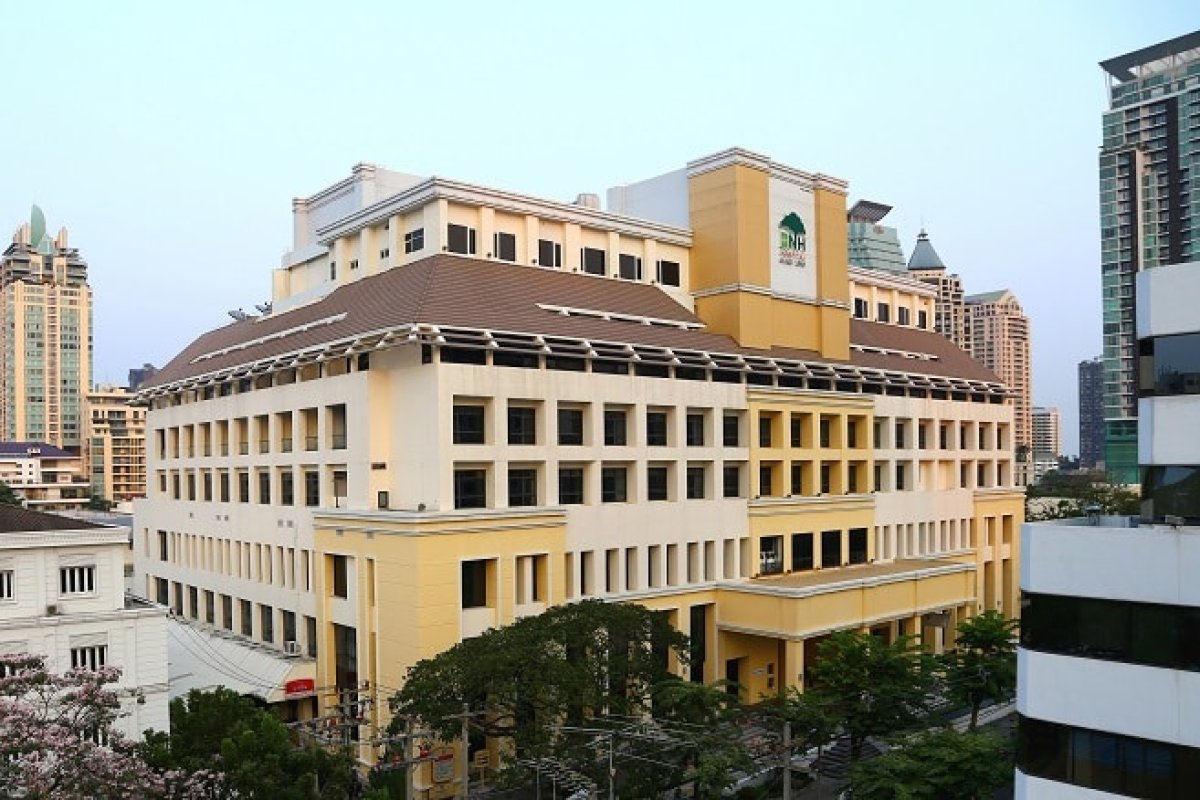
نظرة عامة على حج القحف في تايلاند
- حج القحف - من $11,500
يتضمن الإجراء فتح الجمجمة للوصول إلى المخ ، مما يمكن الأطباء من علاج الحالات العصبية بشكل فعال.
اليوم الأول: الوصول
- قابل مندوب المستشفى في المطار.
- الانتقال إلى الفندق.
- الراحة والتأقلم مع البيئة الجديدة.
اليوم الثاني: ما قبل العملية
- الانتقال من الفندق إلى العيادة.
- استشارة جراح أعصاب.
- اخضع لتصوير الأوعية بالتصوير المقطعي المحوسب.
- قدمت المساعدة اللغوية خلال المشاورات.
اليوم الثالث: حج القحف
- الوصول إلى العيادة.
- التحضير للجراحة تحت التخدير العام.
- الخضوع لحجر القحف الذي يستمر من 3-5 ساعات.
- مراقبة ما بعد الجراحة في وحدة العناية المركزة.
اليوم 4-7: بعد العملية
- البقاء في وحدة العناية المركزة للمراقبة.
- نقل إلى جناح عادي مع تحسن الحالة.
- يبدأ العلاج الطبيعي حسب الضرورة.
- المساعدة اللغوية لجميع التحديثات والاستشارات.
الأسبوع 2-3: إعادة التأهيل
- استمر في العلاج الطبيعي في المستشفى.
- الانتقال إلى الفندق ومواصلة إعادة التأهيل للمرضى الخارجيين.
- العودة التدريجية إلى الأنشطة اليومية الخفيفة.
الأسبوع 4-6: التعافي
- العودة التدريجية إلى العمل.
- تجنب الأنشطة والرياضات الشاقة.
- مواعيد المتابعة مع جراح الأعصاب.
تذكر أن عملية الشفاء لكل مريض فريدة وتعتمد على حالتهم الصحية العامة ، ومدى تعقيد الجراحة ، واستجابة أجسامهم للجراحة وإعادة التأهيل.
ماذا يحب المرضى:
- يكلف. تتراوح تكلفة حج القحف في تايلاند من 7000 دولار إلى 15000 دولار. هذا أرخص بكثير مقارنة بدول أخرى مثل سنغافورة حيث يبلغ متوسط السعر حوالي 25000 دولار.
- احتراف الأطباء . يثني المرضى على قدرة الأطباء على التواصل بشكل جيد باللغة الإنجليزية وخبرتهم في إجراء العملية. غالبًا ما يتم تسليط الضوء على احترافهم ، بشهادات من منظمات طبية معترف بها وسجل حافل بالإجراءات الناجحة.
- مستوى الخدمة. تقدم المستشفيات خدمات ممتازة ، مع تخصيص شخص خاص للتعامل مع المرضى الأجانب. كما أنها توفر أماكن إقامة للعائلات داخل مباني المستشفى ، مما يضمن الراحة والراحة للمرضى وأحبائهم.
- فعالية حج القحف. أبلغ المرضى عن وقت شفاء أسرع من المتوقع ، مما يشير إلى فعالية إجراء حج القحف في تايلاند.
- الخدمات اللوجستية. يقدر المرضى النظام المنظم جيدًا ، من الاستشارة الأولية إلى العملية الفعلية والرعاية اللاحقة للعملية. التواصل فعال أيضًا ، مع استجابات سريعة من الفريق الطبي.
ما لا يحبه المرضى:
- يعبر المرضى عن قلقهم بشأن موقع المستشفى البعيد عن وسط المدينة. هذا يجعل من الصعب عليهم الوصول إلى الفنادق الجيدة القريبة.
- قد لا تتحدث بعض الممرضات الإنجليزية جيدًا ، مما قد يشكل حاجزًا للاتصال للمرضى الأجانب.
- في حين أن التكلفة أقل بشكل عام في تايلاند ، فقد لا يزال بعض المرضى يجدونها باهظة الثمن ، خاصةً من البلدان ذات التكاليف الطبية المنخفضة.
- إيداع Bookimed: 200 دولار أو 200 يورو.
- وديعة العيادة: ادفع نسبة محددة مقدمًا.
بصفتنا المنصة العالمية الرائدة في مجال السياحة العلاجية ، فإننا نتحمل مسؤولية كبيرة أمام عملائنا - المرضى والمراكز الطبية على حد سواء. تستند جميع المعلومات المقدمة على Bookimed.com إلى البحث والاستبصار والخبرة وتفي بالاهتمام الكبير المتعلق بالمنتج وما يلي:
نظام التصنيف التلقائي الذكي
نحن نشكل قوائمنا للعيادات والأطباء مع لوائح صارمة لنظام التصنيف التلقائي الذكي الخاص بنا. يعتمد النظام على معدلات Bookimed الحقيقية للمرضى لتوفير المعلومات الأكثر موضوعية وشفافية حول العيادات والخدمات الطبية في تايلاند هناك.
يجمع عالم البيانات ذو الخبرة لدينا البيانات يوميًا ، ويراقب ويحسن نظام التصنيف باستخدام التعلم الآلي والذكاء الاصطناعي لضمان تحديث نظام التصنيف وتقديم نتائج دقيقة.
تجربة الناس الحقيقية فقط
نحن نجمع آراء عملاء Bookimed فقط بعد الحصول على خبرة طبية مع العيادة في تايلاند - لذلك يمكن للجميع على المنصة الوثوق بالمنشأة التي يختارونها. نحن نسعى جاهدين لجعل المحتوى على منصتنا مفيدًا قدر الإمكان ونضمن حرية التعبير عن الآراء النقدية. وبالتالي ، ننشر مراجعات إيجابية وسلبية ، بهدف أن نكون مصدرًا لاتخاذ قرارات مستنيرة لعملائنا في المستقبل.
مواضيع ذات مستويات عالية من الخبرة والسلطة والجدارة بالثقة
على موقع Bookimed.com ، قد تجد الاختيار والراحة للعثور على أفضل الحلول الطبية من كبار مزودي الخدمات الطبية في تايلاند في مكان واحد فقط ، وغالبًا بأسعار تنافسية. للتأكد من تقديم أحدث المعلومات ، يقوم ممثلو العيادة بتحديث السير الذاتية للأطباء ، وقدرات العيادات ، والصور قبل وبعد ، والأسعار ، والحزم ، والعروض الخاصة بأنفسهم قريبًا. يمكنك مقابلة ممثل العيادة والتحقق من تاريخ المحتوى المحدث في صفحة كل عيادة في تايلاند للتأكد من مصداقيتها.
تم إنشاء مدونتنا والقطع الداعمة من قبل مؤلفين محترفين يتمتعون بخبرة لا تقل عن 3 سنوات في الكتابة الطبية ويتم تحريرها بواسطة متخصصين طبيين يتمتعون بخبرة إكلينيكية وبحثية ذات صلة - تم تعيينهم جميعًا بعناية في الفريق. نحن نسعى جاهدين لتعزيز وصول المريض إلى المعلومات الصحية ، مما يجعلها خبيرة ولكن يسهل فهمها. تتبع جميع القطع إرشادات التحرير الخاصة بـ Bookimed.
القيم المحجوزة
نحن مصنوعون من الناس ومن أجلهم - وهذه هي قيمتنا الأساسية. هذا هو السبب في أن جميع البيانات المقدمة على المنصة يتم جمعها وتحريرها ومراجعتها وتحديثها بانتظام من قبل مرضانا والعيادات الشريكة لنا في تايلاند وفريقنا ، بما في ذلك المجلس الاستشاري الطبي Bookimed ، الذي يتكون من الأطباء المشهورين عالميًا ذوي القيمة خبرة تزيد عن 20 عامًا من الممارسة ، وسمعة طيبة. تعلم المزيد عنا وعن مهمتنا .
في حال وجدت أي خطأ أو لديك أي أسئلة حول المعلومات المقدمة على Bookimed.com ، فلا تتردد في الاتصال بنا على marketing@bookimed.com .
احصل على تقييم طبي لـ حج القحف في تايلاند: اختر أخصائيك من بين الأفضل في هذا المجال
عرض جميع الأطباء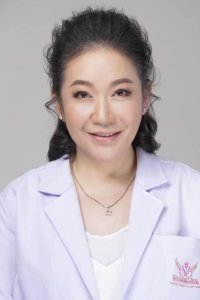
Siriporn Cheawchanwej
متخصص في الطب التجميلي مع تدريب متقدم من مؤسسات دولية، بما في ذلك الأكاديمية الأمريكية للطب التجميلي.
- دبلوم في الطب التجميلي من الأكاديمية الأمريكية للطب التجميلي، المؤتمر الأوراسي
- حضر العديد من الندوات الدولية حول ريستيلان (Restylane) وتوكسين البوتولينوم
- تدرب على تصميم الوجه في جامعة ماي فاه لوانغ
- شارك في منتدى خبراء تجميل الأنف في آسيا والمحيط الهادئ في كوريا
قصص فيديو من مرضى Bookimed
المراجعات
جميع المراجعات

مشاركة المحتوى
 Anna Leonova
أسئلة متكررة حول حج القحف في تايلاند
ما هي مدة فترة التعافي بعد جراحة بضع القحف؟
يتطلب التعافي بعد جراحة بضع القحف عادةً من 6 إلى 8 أسابيع للأنشطة اليومية الأساسية، بينما قد يستغرق الشفاء الكامل لعظم الجمجمة والاستعادة الإدراكية الكاملة 12 شهرًا. يبقى المرضى عادةً في المستشفى في تايلاند لمدة 5 إلى 10 أيام لمراقبة وظائف المخ الحيوية ومنع حدوث مضاعفات.
- الإقامة في المستشفى: توقع من 5 إلى 10 أيام من المراقبة الداخلية للتعامل مع أي تورم محتمل أو نوبات.
- إزالة الغرز: تقوم الفرق الطبية عادةً بإزالة الغرز أو الدبابيس الجراحية في غضون 7 إلى 14 يومًا.
- العودة إلى العمل: يستأنف معظم المرضى مهامهم المكتبية في غضون 6 إلى 8 أسابيع بعد الحصول على التصريح الطبي.
- الاندماج الكامل: يحدث الاندماج الكامل لعظم الجمجمة واستقرار مستويات الطاقة عادةً بين 6 و 12 شهرًا.
رؤية خبير Bookimed: بينما يشعر العديد من المرضى بالقدرة البدنية بعد 4 أسابيع، غالبًا ما يتأخر التحمل الإدراكي. تشير البيانات الخاصة بتايلاند إلى أن المراكز المتخصصة مثل مستشفى بامرونجراد الدولي تستخدم الذكاء الاصطناعي والتصوير الرقمي لتتبع هذا الانتقال. يجب على المرضى التخطيط لإقامة لمدة 2 إلى 4 أسابيع في البلاد بعد الخروج لضمان مراقبة عصبية مستقرة قبل السفر.
إجماع المرضى: يصف الكثيرون الأسبوع الأول بالشعور كـ "زومبي" بسبب التعب الشديد وضبابية الدماغ. إعطاء الأولوية للعلاج الطبيعي من اليوم الأول هو النصيحة الأكثر شيوعًا لاستعادة التوازن والقوة بشكل أسرع.
ما هي مؤهلات جراحي الأعصاب التايلانديين الذين يجرون عمليات حج القحف؟
يخضع جراحو الأعصاب التايلانديون الذين يجرون عمليات حج القحف لـ 11 إلى 14 عاماً من التدريب المتخصص. ويشمل ذلك الحصول على شهادة الطب لمدة 6 سنوات، والخدمة الحكومية الإلزامية، وإقامة في جراحة الأعصاب لمدة 5 سنوات. كما يحمل معظم المتخصصين في المراكز المعتمدة من اللجنة الدولية المشتركة (JCI) زمالات دولية وشهادة المجلس التايلاندي لجراحة الأعصاب.
- الأساس الأكاديمي: يجب على الجراحين الحصول على شهادة من جامعات معتمدة من المجلس الطبي التايلاندي.
- تدريب الإقامة: برنامج مدته 5 سنوات يركز على جراحة داخل القحف العملية تحت إشراف الخبراء.
- شهادة المجلس: الإكمال الناجح الإلزامي للامتحانات المهنية للمجلس التايلاندي لجراحة الأعصاب.
- الخبرة الدولية: يكمل العديد من الجراحين زمالات إضافية في مؤسسات في الولايات المتحدة أو المملكة المتحدة.
- معايير الخبرة: عادةً ما يتمتع كبار المتخصصين بأكثر من 10 سنوات من الخبرة السريرية بعد التخصص.
رؤية خبير Bookimed: على الرغم من أن سمعة المستشفيات عالية في مراكز مثل بومرونجراد الدولي، أعط الأولوية للجراحين الذين لديهم ما بين 300 إلى 500 عملية حج قحف مسجلة. تظهر البيانات أن جراحي الأعصاب التايلانديين النخبة غالباً ما يحتفظون بشهادات مزدوجة. فهم يحملون بشكل متكرر أوراق اعتماد المجلس الأمريكي إلى جانب شهاداتهم التايلاندية المحلية.
إجماع المرضى: يوصي المرضى بالتحقق من طلاقة الجراح في اللغة الإنجليزية وبروتوكولات وحدة العناية المركزة. يقترح الكثيرون التحقق من PubMed لمعرفة الأبحاث الم
ما هي أفضل المستشفيات المعتمدة من قبل اللجنة الدولية المشتركة (JCI) لإجراء جراحة بضع القحف في تايلاند؟
يُعد مستشفى بامرونجراد الدولي، ومستشفى بانكوك الدولي، ومستشفى فيثاني من المؤسسات الرائدة المعتمدة من قبل اللجنة الدولية المشتركة (JCI) لإجراء جراحات بضع القحف في تايلاند. تدمج هذه المراكز تقنيات الملاحة العصبية المتقدمة والتصوير بالرنين المغناطيسي أثناء الجراحة لعلاج أورام المخ والحالات الوعائية. يحمل معظم الجراحين من الدرجة الأولى شهادات البورد الأمريكي أو زمالات دولية في جراحة الأعصاب.
- بامرونجراد الدولي: يُجري أكثر من 200 عملية بضع قحف سنويًا داخل مركز معتمد من قبل Elite GHA وJCI.
- بانكوك الدولي: مصنف كأفضل مركز لطب الأعصاب في تايلاند مع تخطيط جراحي متخصص باستخدام الرنين المغناطيسي 3T.
- مستشفى فيثاني: يضم مركزًا عصبيًا متخصصًا يركز على إعادة التأهيل بعد الجراحة بمساعدة الروبوت.
- ساميتيفيج سوخومفيت: يستخدم التصوير المقطعي بالإصدار البوزيتروني (PET-CT) والتصوير المتقدم للحصول على آراء ثانية معقدة لاستئصال أورام المخ.
- سيريراج بياماهاراجكارون: يُشغل 15 جناحًا جراحيًا هجينًا كأول مستشفى جامعي عام معتمد من قبل JCI.
رؤية خبير Bookimed: على الرغم من أن العديد من المستشفيات حاصلة على اعتماد JCI، إلا أن بامرونجراد يتميز بخدمة مرضى من 190 دولة. يشير حجم المرضى المرتفع الذي يصل إلى مليون مريض سنويًا إلى وجود بنية تحتية قوية لجراحات الأعصاب المعقدة. غالبًا ما يترجم هذا النطاق الدولي إلى تنسيق أكثر سلاسة للمرضى الأجانب مقارنة بالمراكز الإقليمية الأصغر.
إجماع المرضى: يوصي المرضى ذوو الخبرة بالتخطيط لإقا
هل سيكون لدي ندبة مرئية على رأسي بعد عملية حج القحف في تايلاند؟
يتم إخفاء معظم ندبات حج القحف في تايلاند داخل خط الشعر، وتصبح غير مرئية تقريبًا مع نمو الشعر مرة أخرى. يعطي الجراحون في المرافق رفيعة المستوى مثل مستشفى بامرونجراد الدولي الأولوية للنتائج التجميلية باستخدام تقنيات ثقب المفتاح، والخياطة الطبقية، والشقوق التي تحافظ على الشعر لضمان تلاشي العلامات طويلة المدى إلى خطوط رفيعة وشاحبة.
- موضع الشق: عادةً ما يضع الجراحون الشقوق خلف خط الشعر الطبيعي لإخفاء الندبات المستقبلية.
- إغلاقات متقدمة: تمنع الغرز الجلدية القابلة للامتصاص أو الغراء الطبي مظهر السحاب المرئي التقليدي.
- جراحة طفيفة التوغل: تستخدم الأساليب التنظيرية أو تقنيات ثقب المفتاح نقاط دخول أصغر، مما يقلل بشكل كبير من صدمة الأنسجة.
- جدول التعافي: عادةً ما يتسطح الاحمرار الأولي ويفتح لونه في غضون 6 إلى 12 شهرًا.
رؤية خبير Bookimed: تقود تايلاند في تكنولوجيا جراحة الأعصاب، حيث تُصنف عيادات مثل مستشفى بامرونجراد الدولي ضمن أكثر 30 عيادة تقدمًا في العالم. تسمح هذه البيئة عالية التقنية للجراحين باستخدام المساعدة الروبوتية والتصوير الرقمي لإجراء شقوق أصغر وأكثر دقة.
إجماع المرضى: أفاد المرضى أنه على الرغم من أن الشقوق تبدو بارزة في البداية، إلا أن الشعر عادةً ما يغطي الندبات الخطية في غضون 3 إلى 6 أ