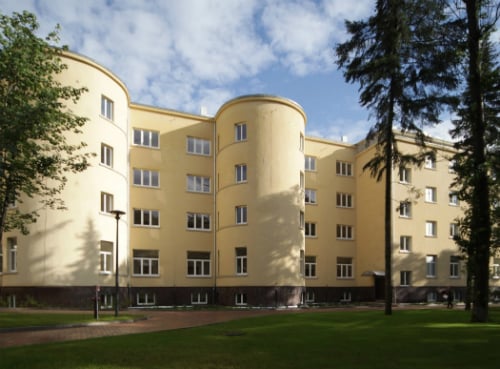
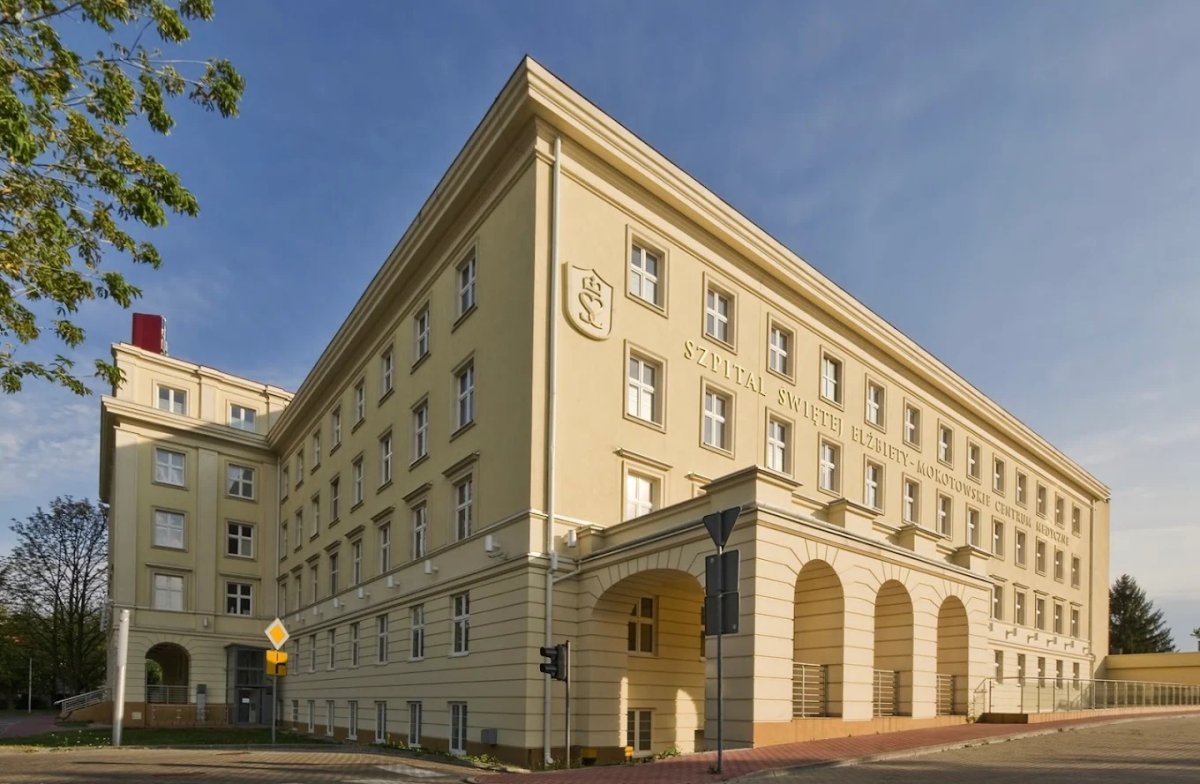
University Hospital in Krakow
بولندا, كراكوف


تمت مراجعة المقالة طبيا من قبل
فهد مولود
من $160. وتبلغ تكلفة الإجراءات الرئيسية مثل جراحة سرطان المعدة ما بين $9,500 إلى $15,500، بينما تتراوح تكلفة العلاج الكيميائي لسرطان المعدة بين السعر عند الطلب إلى السعر عند الطلب. يوفر المرضى عادةً ما بين 50-80% مقارنة بالأسعار في الولايات المتحدة. تقع أفضل مراكز العلاج في كراكوف، ووارسو، وأوتفوك.
تكاليف علاج سرطان المعدة النموذجية في بولندا
رؤية خبراء Bookimed: يستفيد المرضى الذين يعانون من حالات معقدة من المراكز متعددة التخصصات مثل المستشفى الجامعي في كراكوف. حيث يستقبل 455,000 مريض سنوياً عبر 103 أقسام متخصصة. وللحصول على إشعاع دقيق، يقدم معهد الجراحة السيبرانية تقنية CyberKnife المتخصصة. أما المرضى الذين يعانون من مضاعفات قلبية-أورامية فيجب عليهم التفكير في المركز الصحي الأوروبي في أوتفوك. يتميز هذا المرفق بوجود القسم الوحيد في بولندا المخصص لطب القلب والأورام متعدد التخصصات لتوفير رعاية متكاملة.
| بولندا | تركيا | إسبانيا | |
|---|---|---|---|
| نانو نايف NanoKnife | ≈ $7,500 | ≈ $9,500 | ≈ $9,500 |
| منظومة دا فينشي الجراحية | ≈ $6,500 | من $23,900 | ≈ $9,500 |
| سايبر نايف CyberKnife | ≈ $6,500 | من $4,900 | من $14,800 |
| جراحة سرطان المعدة | ≈ $9,500 | من $10,500 | من $28,500 |
| العلاج بالبروتون (انظر العلاج بحزم البروتون) | ≈ $85,000 | من $25,000 | من $43,300 |
Bookimed لا يضيف رسوماً إضافية على أسعار علاج سرطان المعدة. الأسعار مأخوذة من قوائم الأسعار الرسمية للعيادات. تدفع مباشرة في العيادة مقابل علاجك عند وصولك إلى البلد.
Bookimed ملتزم بسلامتك. نحن نعمل فقط مع المؤسسات الطبية التي تحافظ على معايير دولية عالية في علاج سرطان المعدة ولديها التراخيص اللازمة لخدمة المرضى الدوليين في جميع أنحاء العالم.
Bookimed يقدم مساعدة خبراء مجانية. منسق طبي شخصي يدعمك قبل وأثناء وبعد العلاج، ويحل أي مشاكل. لن تكون وحيداً أبداً في رحلة علاج سرطان المعدة.


الدكتور أندريه ورونسكي هو طبيب أورام متفانٍ في المركز الأوروبي للصحة في أوتفوك، ويركز على علاج سرطان المعدة.
كتب بواسطة Halina Shubala
 Anna Leonova
يُظهر علاج سرطان المعدة في بولندا معدل بقاء على قيد الحياة لمدة 5 سنوات يبلغ حوالي 26%. يختلف النجاح بشكل كبير حسب المرحلة. تصل معدلات البقاء على قيد الحياة في الحالات التي يتم اكتشافها في مرحلة مبكرة وتعالج بالجراحة إلى 70%. تؤدي الإزالة الكاملة للورم (استئصال R0) إلى معدل بقاء على قيد الحياة لمدة 5 سنوات بنسبة 43.5%.
رؤية خبير Bookimed: بينما يبلغ متوسط البقاء على قيد الحياة الإجمالي 26%، يعالج المستشفى الجامعي في كراكوف 455,000 مريض سنوياً. هذا الحجم الكبير هو مؤشر جودة رئيسي. غالباً ما تستخدم المراكز ذات هذه القدرة نظام Da Vinci الروبوتي. يؤكد جراحون خبراء مثل الدكتور أندريه ورونسكي أن المراكز ذات الحجم الكبير تحقق عادةً هوامش جراحية أفضل.
إجماع المرضى: يلاحظ المرضى أن الكشف المبكر يغير النتائج بشكل كبير. ويؤكدون على أهمية التحقق من حجم عمليات استئصال المعدة التي يجريها الجراح والبحث عن دعم غذائي للتعافي بعد الجراحة.
تتوفر علاجات روبوتية متقدمة لسرطان المعدة في بولندا في مراكز الأورام المتخصصة والمستشفيات الأكاديمية الكبيرة. تستخدم المرافق أنظمة مثل منصة da Vinci الروبوتية لإجراء استئصال دقيق للمعدة. توفر هذه الإجراءات صدمة أقل، وفقدان دم أقل، وتعافيًا أسرع مقارنة بالجراحة المفتوحة التقليدية.
رؤية خبير Bookimed: بينما تتقدم الجراحة الروبوتية، تتميز بولندا بمراكزها الأكاديمية المتخصصة. يعالج المستشفى الجامعي في كراكوف وحده 455,000 مريض سنويًا عبر 103 أقسام. يشير هذا الحجم الهائل من المرضى إلى أن الجراحين في مثل هذه المؤسسات يكتسبون خبرة كبيرة في الحالات المعقدة. عند التفكير في الخيارات الروبوتية، امنح الأولوية لهذه المراكز ذات الحجم الكبير حيث يحافظ الجراحون على أعلى كفاءة فنية من خلال الإجراءات المتكررة.
إجماع المرضى: يلاحظ المرضى أنه على الرغم من ظهور التكنولوجيا الروبوتية، يظل معيار الرعاية فعالًا للغاية مع تقنيات تنظير البطن. يؤكد الكثيرون أن الخبرة العملية للجراح تهم أكثر من الآلة المحددة المستخدمة للاستئصال.
تشمل أفضل المستشفيات لعلاج سرطان المعدة في بولندا مستشفى جامعة كراكوف والمركز الأوروبي للصحة في أوتفوك. توفر هذه المرافق استئصال المعدة المتقدم، وعلاج HIPEC، واستئصال المعدة بمساعدة الروبوت. وهي تستخدم مجالس الأورام متعددة التخصصات وأقسامًا متخصصة في طب القلب والأورام لإدارة الحالات المعقدة.
رؤية خبراء Bookimed: على الرغم من أهمية المكانة، إلا أن حجم العمليات هو أقوى مؤشر على النجاح في إجراءات المعدة. يتميز مستشفى جامعة كراكوف بأكثر من 1000 طبيب و1600 سرير. غالبًا ما يرتبط هذا النطاق الضخم بجراحين مثل الدكتور أندري ورونسكي الذين يحافظون على معدلات إجراءات أعلى. بالنسبة لسرطان المعدة، تبلغ المراكز ذات هذه الأحجام العالية عادةً عن فعالية بنسبة 85% للتدخلات الجراحية في المراحل المبكرة.
إجماع المرضى: يؤكد المرضى على أهمية بروتوكولات العلاج الكيميائي المساعد ويؤكدون أن وجود فريق واحد يدير جميع مراحل العلاج يقلل من التأخير. يوصي العديد من الناجين بطلب تقارير مرحلة المرض والتقارير المرضية مكتوبة بلغة بسيطة قبل تحديد موعد الجراحة.
تُقدم جراحة الأعصاب في بولندا رعاية عالية الجودة في مرافق معتمدة من قبل اللجنة الدولية المشتركة (JCI) والمنظمة الدولية للمعايير (ISO). يلتزم جراحو الأعصاب البولنديون بمعايير تدريب صارمة معتمدة من قبل الاتحاد الأوروبي. وقد أكمل العديد منهم زمالات في الولايات المتحدة أو ألمانيا. وتتوفر التقنيات المتقدمة، مثل جهاز سايبر نايف وجهاز جاما نايف والأنظمة الروبوتية، على نطاق واسع في المراكز الخاصة.
رأي خبراء بوكيمد: تُظهر البيانات وجود علاقة وثيقة بين تخصص العيادة وأصول مرضاها. تعالج عيادة KCM أكثر من 700 مريض دولي سنويًا، وهي متخصصة في جراحة العمود الفقري طفيفة التوغل. يُمكّنها هذا الحجم من العمل من تقديم باقات خدمات متخصصة، تشمل غالبًا حواجز تشخيصية وزرعات محددة،
يُعدّ جراحو الأعصاب البولنديون متخصصين ذوي كفاءة عالية، إذ أتموا ما لا يقل عن 13 عامًا من التدريب الطبي المكثف. يشمل ذلك ست سنوات من الدراسة في كلية الطب، و13 شهرًا من التدريب العملي، وست سنوات من الإقامة. ويجب عليهم اجتياز امتحان التخصص الحكومي (PES)، وغالبًا ما يحصلون على شهادة من الجمعية الأوروبية لجمعيات جراحة الأعصاب (EANS).
رأي خبراء بوكيميد: تشير البيانات إلى أن جراحي الأعصاب البولنديين غالبًا ما يتخصصون في تقنيات بالغة التخصص، مثل نظام ApiFix أو نظام SED-YESS لتنظير الفقرات القطنية. ويجمع أخصائيون مثل الدكتور ستانيسواف كويك من عيادة KCM بين أبحاث ما بعد الدكتوراه والممارسة الجراحية النشطة. هذا المزيج من المعرفة الأكاديمية المتعمقة والخبرة الجراحية الوا
من بين أفضل عيادات جراحة الأعصاب في بولندا مستشفى كارولينا، وعيادة KCM، ومراكز أكاديمية رائدة مثل مستشفى جامعة كراكوف. تقدم هذه المؤسسات علاجات متطورة لأمراض العمود الفقري والدماغ، مطابقة لمعايير الجودة ISO، وتضم أخصائيين أعضاء في منظمات دولية مثل AO Spine.
رأي خبراء بوكيمد: بينما يتجه الكثيرون إلى أكبر المستشفيات، تُظهر البيانات أن عيادات مثل مستشفى كارولينا تُقدم كفاءة أعلى في العمليات الجراحية الاختيارية. فمع وجود أكثر من 40 طبيباً متخصصاً في هذه المنشأة التي تضم 30 سريراً، تكون نسبة الأطباء إلى المرضى أعلى بكثير مما هي عليه في المراكز الجامعية الحكومية. وهذا يعني رعاية ما بعد الجراحة أكثر عناية، وجدولة أسرع بكثير لإجراءات مثل علاج الانزلاق الغضروفي
في بولندا، يركز طب جراحة الأعصاب بشكل أساسي على جراحات العمود الفقري واستئصال أورام الدماغ. وتُجري المستشفيات بشكل متكرر عمليات استئصال القرص المجهرية، ودمج الفقرات، وتحفيز الدماغ العميق. وتستخدم مراكز مثل مستشفى كارولينا وعيادة كي سي إم تقنيات طفيفة التوغل لعلاج الانزلاق الغضروفي، وإصابات العمود الفقري، والاضطرابات العصبية المعقدة.
رأي خبراء بوكيميد: أصبحت بولندا مركزًا متخصصًا في تثبيت العمود الفقري. تتعاون عيادات مثل مستشفى كارولينا مع الفرق الرياضية الوطنية، مما يعكس خبرتها العالية في علاج إصابات العمود الفقري المعقدة. تُظهر بياناتنا أن هذه المؤسسات غالبًا ما تُدمج إعادة التأهيل مباشرةً في العلاج الجراحي. هذا الدمج يقلل من خطر الم
تتوفر خدمات إعادة التأهيل العصبي على نطاق واسع في بولندا من خلال مراكز متخصصة ومستشفيات متعددة التخصصات. وتشمل هذه البرامج التعافي بعد السكتة الدماغية، وإصابات الحبل الشوكي، والأمراض التنكسية. وتقدم مؤسسات مثل مستشفى كارولينا في وارسو وعيادة KCM علاجًا تحت إشراف طبي. وتتضمن معظم برامج جراحة الأعصاب تقييمًا أوليًا لإعادة التأهيل بعد العملية.
رأي خبراء بوكيمد: تشير البيانات إلى أن العيادات التي تستقبل أعدادًا كبيرة من المرضى الدوليين، مثل عيادة KCM، غالبًا ما تُدرج إعادة التأهيل الأساسية ضمن برامجها الجراحية. تُعد هذه ميزة هامة، إذ قد يكون تنسيق إعادة التأهيل العصبي بشكل مستقل في بولندا أمرًا صعبًا. يضمن اختيار عيادة تضم أخصائي إعادة تأهيل متواجدًا فيها بدء التعافي في غضون 24 ساعة بعد الجراحة، وهو
من أبرز جراحي الأعصاب البولنديين الدكتور يوري كسينيوك والدكتور ماتشي بويكو من مستشفى كارولينسكا في وارسو. يتخصص هذان الطبيبان في جراحة العمود الفقري طفيفة التوغل وتقنيات التنظير الداخلي. وهما حاصلان على شهادات دولية وعضوان في الجمعية البولندية لجراحة العمود الفقري ومنظمة يوروسباين.
رأي خبراء بوكيمد: تُظهر البيانات وجود تركيز عالٍ من الأخصائيين ذوي الكفاءة العالية في وارسو. فمستشفى كارولينا وحده يوظف أكثر من 40 أخصائيًا حاصلين على شهادات مزدوجة في جراحة الأعصاب وجراحة العظام. هذا النهج متعدد التخصصات نادر، ويتيح علاجًا أكثر دقة للحالات المعقدة التي تشمل الأعصاب والعظام معًا.
هل يستطيع المرضى الأجانب الحصول على الرعاية الطبية بسهولة؟
يُمكن للمرضى الدوليين الحصول على رعاية جراحية عصبية مُيسّرة في بولندا من خلال مراكز خاصة مُتخصصة في وارسو وجيلينيا غورا. تُتيح هذه المراكز الوصول المُباشر إلى أحدث الإجراءات الجراحية، مثل جراحة سايبر نايف وجراحة العمود الفقري بالمنظار. تُسهّل المستشفيات المُعتمدة من قِبل اللجنة الدولية المشتركة (JCI) والمنظمة الدولية للمعايير (ISO) الإجراءات على المرضى الدوليين من خلال توفير خدمات تنسيق ودعم لغوي مُخصصة.
رأي خبراء بوكيميد: تتمتع مراكز جراحة الأعصاب الخاصة في بولندا بميزة مزدوجة: تدفق كبير للمرضى وخبرة متخصصة. فعلى سبيل المثال، يعالج مستشفى جامعة كراكوف أكثر من 450 ألف مريض