العودة إلى الصفحة الرئيسية

كيف نعمل؟

لقد قمنا بتحويل عملية البحث عن العيادة، وجعلناها بسيطة وسريعة وشخصية.
أجب عن بعض الأسئلةقم بإجراء اختبار قصير لمشاركة أهدافك العلاج الإشعاعي لسرطان المعدة الخاصة بك.
احصل على عروض مخصصة٣ عيادات تم اختيارها بعناية بناءً على إجاباتك، ستقدّم خطط علاج وتقديرات تكلفة مخصصة لك.
اختر الخيار الأفضلقارن بين العروض واختر العيادة الأنسب لك.
يمكنك أيضًا تصفح 17 عيادة أدناه.
820К+ مريضًا حصلوا على المساعدة منذ عام 2014
50 دول
1,500 عيادات
6K+ تقييمات
3K+ طبيب مؤهل

ما هي تكلفة العلاج الإشعاعي لسرطان المعدة في تركيا؟ اكتشف الآن

السعر المتوسط ل في تركيا هو $6,940. الحد الأدنى للسعر هو $3,250 والحد الأقصى $10,630.
تم التحقق من البيانات بواسطة Bookimed اعتبارًا من July 2026، استنادًا إلى طلبات المرضى والعروض الرسمية من 50 عيادة حول العالم. تستند التكاليف المتوسطة إلى الفواتير الحقيقية (2025–2026) ويتم تحديثها شهريًا. قد تختلف الأسعار الفعلية.

اكتشف أفضل العلاج الإشعاعي لسرطان المعدة العيادات في تركيا: 17 خيارات معتمدة والأسعار

تم تصنيف العيادات بواسطة نظام Bookimed الذكي، باستخدام تحليل علوم البيانات عبر 5 معايير رئيسية.
Memorial Şişli Hospital
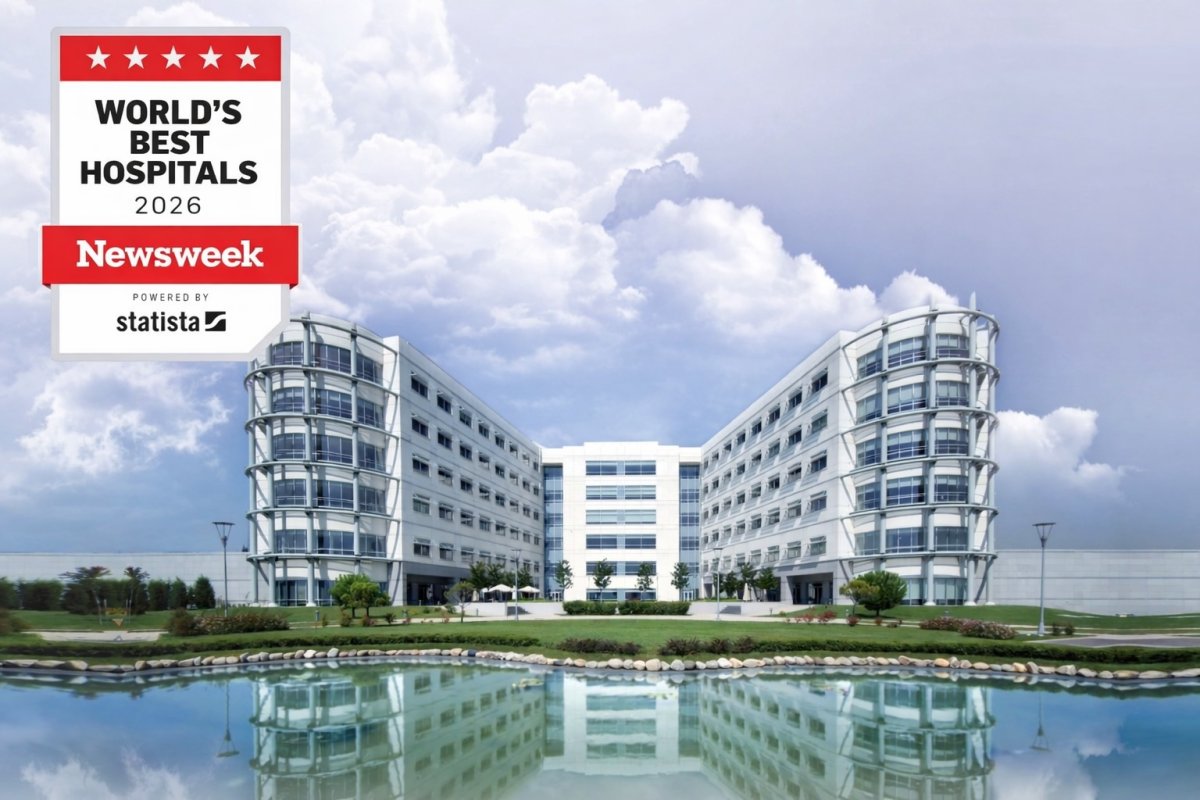
Anadolu Medical Center
Hisar Intercontinental Hospital
مستشفى جامعة ميديبول ميجا
Memorial Bahçelievler Hospital
لقد شاهدتم 5 من 17 عيادات

نظرة عامة على العلاج الإشعاعي لسرطان المعدة في تركيا

الوجبات الجاهزة
الإجراءات والتكاليف ذات الصلة
كيف نعمل؟
ماذا تتوقع
المزايا
دفع
مرضى يوصي -
85%
وقت الجراحة - 15 ساعات
البقاء في البلاد - 10 ايام
إعادة تأهيل - 30 ايام
تخدير - تخدير عام
تمت معالجة الطلبات - 46119
مراجعات المرضى التي تم التحقق منها - 12
رسوم الحجز - $0

احصل على تقييم طبي لـ العلاج الإشعاعي لسرطان المعدة في تركيا. استشر الآن 12 أطباء ذوي الخبرة.

عرض جميع الأطباء
يؤكد

Mustafa Solak

20سنة خبره ١٦ سنة

يتخصص الدكتور مصطفى سولاك في سرطانات الجهاز الهضمي، حيث يتمتع بخبرة واسعة اكتسبها من التدريب في معهد السرطان بجامعة هاسيتيب ومركز إم دي أندرسون للسرطان.

  • الإقامة في مستشفى شيشلي إتفال للتعليم والبحوث في إسطنبول
  • زمالة في علم الأورام في معهد السرطان بجامعة هاسيتيب
  • خبرة في علاج مجموعة واسعة من السرطانات بما في ذلك سرطان المعدة
  • تدرب في مركز إم دي أندرسون للسرطان - الرائد عالمياً في علاج السرطان
يؤكد

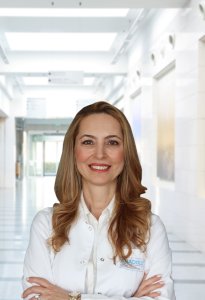
Banu Atalar

26سنة خبره ١٦ سنة

الدكتورة بانو أتالار طبيبة أورام إشعاعية حاصلة على شهادة البورد (تركيا، 2004). تشغل منصب أستاذة في جامعة أجيبادم MAA (2018–الآن) وطبيبة سريرية في مركز الأناضول الطبي (2026–الآن). تلقت تدريبها في جامعة إسطنبول وكلية جراح باشا. في عام 2011 أتمّت زمالة أبحاث سريرية بجامعة ستانفورد في الجراحة الإشعاعية التجسيمية. يتركز عملها على أورام الجهاز العصبي المركزي والأورام الصدرية وأورام الجهاز الهضمي. نحو 75% من رعايتها تشمل الجراحة الإشعاعية التجسيمية SRS وSRS التكيفية الموجّهة بالرنين المغناطيسي.

تشمل تكريماتها جائزة ASCO IDEA (2004)، وجائزة الإرشاد الدولية من IASLC (2018)، وH.FACR (2025). لها 72 منشوراً دولياً مُحكّماً. تشمل مناصبها القيادية رئاسة الجمعية التركية للأورام الإشعاعية (2025–27) ورئاسة لجنة الجمعيات الوطنية في ESTRO (2024–27). عملت في لجنة إرشادات الموارد المتدرجة في ASCO (2013–18) وفي لجنتي الاجتماع والترشيحات في RSS. نظّمت مؤتمرات وطنية (2023، 2025) وكانت متحدثة مدعوة في اجتماعات كبرى.

يؤكد

Sefik Igdem

30سنة خبره ١٦ سنة

يتخصص البروفيسور شفيق إيغديم في علاج الأورام بالإشعاع في مستشفى غايريتبي فلورنس نايتنجيل.

  • تلقى تدريبه في جامعة إسطنبول - إحدى كليات الطب الرائدة في تركيا
  • خبير في العلاجات المتوافقة لسرطان البروستاتا
  • يستخدم تقنيات Truebeam Stx و Halcyons المتقدمة
  • أستاذ مشارك سابق في جامعة T.R. Demiroğlu Bilim
يؤكد

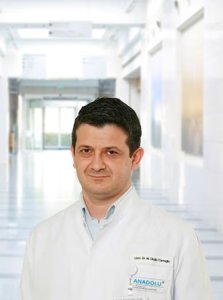
Mehmet Dogu Canoglu

20سنة خبره ١٦ سنة

الدكتور Mehmet Doğu Canoğlu اختصاصي علاج الأورام بالإشعاع. تخرّج في كلية الطب بجامعة كوجالي، وأتمّ اختصاصه في علاج الأورام بالإشعاع بجامعة كوجالي بين عامي 2006 و2012.

أدّى خدمته الإلزامية في مستشفى ديار بكر للتدريب والبحوث، ثم عمل في مستشفى باغجلار للتدريب والبحوث وفي مستشفى جامعة ميديبول ميغا بين عامي 2015 و2017. ومنذ عام 2017 يعمل اختصاصي علاج الأورام بالإشعاع في مركز الأناضول الطبي.

قصص فيديو من مرضى Bookimed

Amanda
لقد عاملونا أنا ومرافقي بلطف شديد — لا أكنّ سوى الإعجاب للفريق بأكمله!
إجراء: إستئصال الثدي
Randolph
ابقَ قويًا، وكن على دراية، ولا تستهين أبدًا بقوة العلاجات المتقدمة ونظام الدعم المتين.
إجراء: التجميع الإشعاعي لسرطان الكبد

المراجعات

جميع المراجعات
Saniya Abdulova • العلاج بالإشعاع
كازاخستان
٢٩ أبريل ٢٠١٩
مراجعة تم التحقق منها.
مستشفى ليف كلينك اختلط تشخيصي. لمدة ساعتين ، اعتقدت أنني مصابة بالسرطان. كتبت إليهم على الفور ، وجاء الجواب في ساعتين ونصف ، لأنه لم يكن لديهم وقت للتحقق من ذلك. طوال كل هذا الوقت ، شعرت أنا وعائلتي بالجنون من الرعب. الآن كتبوا لي أن المترجمين كانوا مخطئين. لكن الورم الحميد في الغدة النخامية هو نفسه مكتوب بجميع اللغات. والتكوين الخبيث للغدة النكفية هو تشخيص مختلف تماما.
مجهول • العلاج بالإشعاع
روسيا الاتحادية
٢٤ يناير ٢٠١٩
مراجعة تم التحقق منها.
"عيادة نوصي بالتأكيد
عندما اكتشفوا ما هو مطلوب في العيادة ، لم يكن لديهم أي فكرة عن مكان الركض ومن يتصل بهم. ساعد المنسقون في التقاط العيادة. هناك حصلنا على طبيب. كل شيء سار على ما يرام ، والطبيب هو محترف حقيقي. بشكل منفصل ، أود أن أشير إلى الموقف تجاه المرضى. لقد التقينا في المطار ، وتم نقلنا إلى العيادة وكان هناك مترجم فوري ينتظر بالفعل هناك. حرفيًا "باليد" نقلنا إلى الأطباء ، تم نقلهم جميعًا. ثم قدموا سيارة أجرة إلى الفندق. خلال العملية ، تم توفير جناح لشخصين - للمريض والشخص المصاحب ، تم تضمين وجبات كلاهما في تكلفة العملية. بعد العملية ، استشر الطبيب ، والتأكد من أنه يمكنك العودة. وعندها فقط أجاب على الأسئلة التي ظهرت عن بعد. بالتأكيد أوصي العيادة
مجهول • العلاج الكيميائي
كازاخستان
٧ نوفمبر ٢٠١٨
مراجعة تم التحقق منها.
بدا الأطباء محترفين
بدا الأطباء المهنية. ترجمة ذات جودة منخفضة من التركية إلى الروسية والعكس. لسبب ما ، بعد فحص الأشعة المقطعية المحوسبة (ربما صدفة) ، عند العودة إلى المنزل ، كان الوضع أسوأ بشكل كبير. اضطررت إلى إجراء عملية جراحية عاجلة ، على الرغم من أن أطباء الأورام الأتراك لم يروا الحاجة لإجراء عملية جراحية ، لكنهم عرضوا الانتظار لمدة شهر.
Максим Гришай • العلاج بالإشعاع
أوكرانيا
٣ يوليو ٢٠١٩
مراجعة تم التحقق منها.
شكرا لك الزلفي على الترجمة
شكرا لإرادة من القسم الدولي لتنظيم العلاج. كل شيء سار على أعلى مستوى. شكرا لزلفيا للترجمة بفضل الدكتورة بيلين باسم و ديليك أنال على احترافهم ودعمهم.
Лилия Moseichuk • العلاج بالإشعاع
أوكرانيا
١ مارس ٢٠١٩
مراجعة تم التحقق منها.
أنا أتلقى العلاج في عيادة ميديبول
أنا أعالج في عيادة ميديبول. مستوى الخدمة والكفاءة المهنية مرتفع للغاية.

مشاركة المحتوى

Twitter XLinkedinFacebookWhatsAppEmail
أحصل على الرابط
محدث: 07/03/2019
تأليف
Anna Leonova
Anna Leonova
رئيس فريق تسويق المحتوى
محررة طبية معتمدة لديها خبرة تزيد عن 10 سنوات، طوّرت محتوى Bookimed الموثوق، مدعومة بماجستير في علم اللغة ومقابلات مع خبراء طبيين من جميع أنحاء العالم.
تمت المراجعة من قبل المستشار الطبي في Bookimed
فهد مولود
محرر طبي وعالم بيانات
طبيب عام. حاصل على 4 جوائز علمية. خدم في غرب آسيا. رئيس الفريق الطبي الناطق بالعربية سابقا ومسؤول عن معالجة البيانات ودقة المحتوى الطبي حاليا.
فهد مولود Linkedin
قد تحتوي هذه الصفحة على معلومات تتعلق بمختلف الحالات الطبية والعلاجات وخدمات الرعاية الصحية المتوفرة في بلدان مختلفة. يرجى العلم أن المحتوى مقدم لأغراض إعلامية فقط ولا ينبغي تفسيره على أنه نصيحة أو إرشادات طبية. يرجى استشارة طبيبك أو أخصائي طبي مؤهل قبل البدء أو تغيير العلاج الطبي.

أسئلة متكررة حول العلاج الإشعاعي لسرطان المعدة في تركيا

هذه الأسئلة الشائعة مأخوذة من مرضى حقيقيين يبحثون عن رعاية طبية عبر Bookimed. يتم تقديم الإجابات من قبل منسقين طبيين ذوي خبرة وممثلين موثوقين من العيادات.

What types of radiation therapy are available for stomach cancer in Turkey?

Turkish oncology centers offer advanced radiation therapies including Intensity-Modulated Radiation Therapy (IMRT), Volumetric Modulated Arc Therapy (VMAT), and Stereotactic Body Radiation Therapy (SBRT). These high-precision techniques utilize specialized systems like TrueBeam STx and CyberKnife to target gastric tumors while protecting the liver and kidneys.

  • IMRT and VMAT: Advanced computer-controlled beams conform to 3D tumor shapes for better organ sparing.
  • SBRT and Radiosurgery: Robotic CyberKnife systems deliver concentrated doses to small tumors in 3–5 sessions.
  • Image-guided therapy: Real-time CT or X-ray imaging ensures sub-millimeter accuracy before every treatment session.
  • Proton therapy: Available at select specialized centers for extreme precision using protons instead of X-rays.

Bookimed Expert Insight: While basic 3D-radiotherapy is available, 90% of international patients in Turkey choose private centers like Anadolu or Memorial for IMRT. These clinics offer TrueBeam STx technology which tracks breathing movements. This specific feature is vital for stomach cancer as it prevents the radiation beam from hitting healthy tissue during natural respiration.

Patient Consensus: Patients often report that private centers provide better English support and more comfortable 4–6 week stays. Many travelers suggest arranging a telemedicine second opinion before arrival to confirm if radiation is adjuvant or palliative.

Are Turkish hospitals accredited and safe for cancer care?

Turkish oncology centers are highly safe and globally accredited. Turkey holds the second-highest number of JCI-accredited facilities worldwide. Specialized centers like Anadolu Medical Center maintain affiliations with Johns Hopkins Hospital and hold certifications from the European Society for Medical Oncology (ESMO) and the Organisation of European Cancer Institutes (OECI).

  • International standards: Over 50 Turkish hospitals meet JCI gold-standard safety and hygiene protocols.
  • Advanced technology: Clinics utilize TrueBeam STx, Elekta Versa HD, and CyberKnife for precise radiation.
  • Specialist expertise: Many oncologists, like Dr. Merdan Fayda, hold fellowships from top US institutions.
  • Government oversight: The Turkish Ministry of Health conducts rigorous inspections twice every year.

Bookimed Expert Insight: While many look for low costs, the real value in Turkey is the concentration of multi-certified centers. Anadolu Medical Center is one of the few globally to hold both OECI accreditation and Newsweek World's Best Hospital status. This combination of European clinical standards and American-affiliated protocols creates a safety profile comparable to top-tier Western institutions.

Patient Consensus: Patients emphasize the importance of having a medical translator for complex oncology terms. They recommend securing a detailed treatment plan in standard formats to ensure seamless coordination with home-country doctors.

What side effects should I expect from radiation therapy, and how are they managed?

Patients undergoing stomach cancer radiation in Turkey should expect localized fatigue, skin irritation, and digestive changes. Most side effects appear within 2–3 weeks of starting treatment. Advanced technologies like Varian TrueBeam and MR-Linac help minimize damage to surrounding healthy organs, reducing the severity of these symptoms.

  • Digestive management: Nausea and appetite loss typically peak during weeks 2–3 of the treatment cycle.
  • Skin care: Expect redness or peeling; use unscented lotions and wear soft cotton clothing.
  • Fatigue control: Bone-deep exhaustion is common by week 4; short daily walks improve energy.
  • Dietary adjustment: Manage diarrhea with a food diary to identify spicy or dairy triggers.

Bookimed Expert Insight: Data from leading Istanbul centers like Anadolu Medical Center shows a trend toward using MR-guided adaptive radiotherapy. This technology allows doctors to adjust the radiation beam in real-time as the stomach moves during breathing. This precision significantly lowers the risk of late-stage digestive ulcers and chronic bowel issues compared to standard radiation.

Patient Consensus: Many patients recommend eating a small meal before appointments while appetite is still present. They emphasize that anti-nausea medication like ondansetron is essential for maintaining a normal routine during peak weeks.

How long does the full radiation therapy course last?

A full radiation therapy course for stomach cancer typically lasts 5 to 6 weeks. Patients receive daily sessions Monday through Friday to allow healthy tissue recovery. The total treatment timeline, including initial sessions and post-therapy observation, generally spans 1 to 2 months.

  • Daily schedule: Sessions occur 5 days weekly with weekends off for cell recovery.
  • Session duration: Most appointments last 30 to 45 minutes including setup and positioning.
  • Radiation delivery: Active beam time usually lasts only 5 to 10 minutes per session.
  • Total sessions: Standard curative protocols involve 25 to 30 radiotherapy fractions in total.
  • Palliative timeline: Symptom-focused treatment may conclude faster, often within 1 to 2 weeks.

Bookimed Expert Insight: While standard protocols take 5 weeks, clinics like Memorial Şişli Hospital and Anadolu Medical Center use TrueBeam STx technology. This precision equipment often reduces daily beam time. It ensures higher dose accuracy which helps patients maintain better energy levels during the typical fatigue peak in week 4.

Patient Consensus: Many patients find that fatigue starts during the third week of treatment. They recommend tracking skin changes and side effects from the first day to manage recovery effectively over the full 6-week period.

What support services are provided for international patients?

Turkish oncology centers provide comprehensive logistical support including medical visa assistance, 24/7 multi-language translation, and coordinated airport-to-hotel transfers. Accredited facilities like Anadolu Medical Center and Memorial Şişli integrate clinical triage with personal coordination to ensure seamless transitions for stomach cancer patients receiving radiation therapy.

  • Travel logistics: Clinics arrange VIP airport pickups and ground transportation for all medical appointments.
  • Language support: Professional interpreters assist during radiation simulations and side-effect management consultations.
  • Visa assistance: Dedicated departments quickly handle invitation letters for e-visas and medical extensions.
  • Accommodation services: Staff assist with hotel bookings often located 10-15 minutes from the clinic.
  • Follow-up care: Centers provide free virtual check-ins and teleconsultations after patients return home.

Bookimed Expert Insight: While most clinics offer basic translation, top-tier centers like Anadolu Medical Center maintain formal affiliations with Johns Hopkins Hospital. This allows for international-standard care coordination. Some facilities even provide tailored meals for oncology patients and their families as part of their person-centered care certifications.

Patient Consensus: Patients value having 24/7 access to English-speaking coordinators who manage everything from airport arrivals to medication schedules. Many recommend confirming translator availability specifically for technical radiation sessions to ensure clear communication with techs.

What are the side effects of radiation therapy for stomach cancer in Turkey?

Radiation therapy for stomach cancer in Turkey may cause diarrhoea, nausea, weight loss, abdominal pain and skin irritation. Techniques like IMRT and stereotactic treatments at JCI-accredited clinics help limit damage to healthy tissue and manage side effects effectively.

  • Diarrhoea: Common and managed with anti-diarrhoeal drugs like Imodium.
  • Weight loss: Typical 10–20% drop; hydration and easy-to-digest foods recommended.
  • Skin irritation: Treated with specialised creams to prevent sunburn-like reactions.
  • Long-term bowel sensitivity: Low-residue diet advised to reduce symptoms.
  • Techniques: IMRT, CyberKnife, and TrueBeam protect healthy tissue nearby.

Bookimed Expert Insight: Clinics like Anadolu Medical Center and Memorial Şişli Hospital offer precise radiation systems such as TrueBeam and CyberKnife, which reduce typical side effects while providing effective tumour targeting. Australian patients can bring existing medical reports, avoiding extra tests, and benefit from treatments at half the cost found locally in Australia.

Patient Consensus: Patients in Turkey report managing diarrhoea well with diet and medication. Many find skin irritation mild due to creams. Weight loss is common but manageable with hydration and comfort foods like pasta. Long-term bowel care keeps recovery steady.

What technologies are used for stomach cancer radiation therapy in Turkey?

Stomach cancer radiation therapy in Turkey uses advanced techniques like Intensity-Modulated Radiation Therapy (IMRT), MR-guided adaptive stereotactic radiosurgery (SRS), and proton therapy. Leading hospitals feature technologies such as Varian TrueBeam, Elekta Versa HD, CyberKnife, and Gamma Knife to target tumours precisely while protecting healthy tissue.

  • IMRT and VMAT: allow precise dose delivery, limiting damage to nearby organs.
  • MR-guided adaptive SRS: uses MRI during treatment to adapt radiation accurately.
  • Robotic systems: CyberKnife and Gamma Knife provide high-precision, non-invasive options.
  • Linear accelerators: Varian TrueBeam and Elekta Versa HD are standard at top centres.
  • Thermoradiotherapy: combines heat and radiation to boost tumour control.

Bookimed Expert Insight: Turkey’s high patient volume drives access to multiple radiation methods. Clinics like Anadolu Medical Center use proton therapy and MR-Linac, rare in many countries. New facilities such as Medipol Bahçelievler offer Halcyon systems for stereotactic radiotherapy, giving Australians wider tech options and better treatment precision.

Patient Consensus: Radiation therapy in Turkey often costs about half of Western countries. Patients report clinics accept international reports and suggest simple diet changes to manage side effects during treatment.

Why choose Turkey for stomach cancer radiation therapy?

Turkey offers precise radiation therapy for stomach cancer using techniques like IMRT, CyberKnife, and proton therapy. Clinics such as Anadolu Medical Center and Memorial Şişli Hospital hold Joint Commission International (JCI) accreditation, which ensures high safety and care standards. Treatment often involves multidisciplinary teams and modern imaging for accurate targeting.

  • Techniques available: IMRT, 4D radiotherapy, CyberKnife, proton therapy, brachytherapy
  • High-precision treatment: Targets tumours, sparing healthy tissue with millimetre accuracy
  • Top clinics: Anadolu Medical Center, Memorial Şişli Hospital hold JCI and ISO certifications
  • Diagnostic imaging: Uses PET-CT, MRI, and CT scans for exact treatment planning
  • Expert oncologists: Specialists trained in USA and Europe, experienced in gastrointestinal cancers

Bookimed Expert Insight: Experienced radiation oncologists in Turkey, such as Dr Merdan Fayda, use techniques like 4D radiotherapy and Gamma Knife. Clinics like Anadolu handle 65,000 patients yearly and work with multidisciplinary teams, offering modern tech plus personalised care. Australian patients benefit from internationally accredited facilities with global protocols.

Patient Consensus: Patients appreciate the expert care and high-tech equipment in Turkey. Australian patients note good support managing side effects like diarrhoea and weight loss during treatment. Multiple oncologist opinions are advised to feel confident, with Turkey’s centres offering comprehensive diagnostic tools and treatment plans.

When is radiation therapy used for stomach cancer in Turkey?

Radiation therapy for stomach cancer in Turkey is used mainly before surgery to shrink tumours, after surgery to reduce recurrence risk, and for advanced inoperable cases to manage symptoms. Modern techniques like IMRT and CyberKnife improve accuracy and minimise side effects.

  • Neoadjuvant therapy: Shrinks borderline tumours before surgery for better removal.
  • Adjuvant radiation: Given after surgery with positive margins or incomplete D2 dissection.
  • Definitive chemoradiation: Used when surgery is not possible or the patient is unfit.
  • Palliative care: Controls symptoms such as pain, bleeding or obstructions in late stages.
  • Recurrence treatment: Targets local cancer that returns and was not previously irradiated.

Bookimed Expert Insight: Clinics in Istanbul like Anadolu Medical Center and Memorial Şişli Hospital offer multidisciplinary care combining radiation therapy tools such as MR Linac and TrueBeam. This combination suits Australians as these centres accept medical reports from Australia and use targeted approaches, reducing side effects while covering complex cases including pre- and post-op therapy.

Patient Consensus: Patients praise radiation in Turkey for easing pain and managing advanced stomach cancer symptoms. Many appreciate that existing Australian scans are accepted, avoiding repeated tests. Consultations in Turkey help clarify if radiation is for symptom relief or tumour control before committing.

How long do I need to stay in Turkey for stomach cancer radiation therapy?

Radiation therapy for stomach cancer in Turkey usually requires 5 to 6 weeks of daily sessions, Monday to Friday. Patients stay for the full treatment course plus extra days for pre-treatment planning and recovery. Advanced techniques like IMRT and proton therapy may change the exact duration.

  • Typical duration: 25 to 30 sessions over 5–6 weeks on an outpatient basis.
  • Pre-treatment planning: imaging and consultations usually take about 5 days.
  • Recovery: a few days after treatment before travel is common.
  • Combined treatments: Chemoradiotherapy can extend the overall length of stay.
  • Key clinics: Memorial Şişli, Anadolu Medical Center, and Hisar Hospital offer JCI-accredited oncology care.

Bookimed Expert Insight: Some Istanbul hospitals like Medipol Bahçelievler use TrueBeam STx and Halcyon systems for stereotactic radiotherapy that shortens treatment to 1–5 days. For standard stomach cancer radiation, plan at least 6 weeks in Turkey. Checking your specific protocol is important, as palliative cases require less time, around 2–3 weeks. Bookimed’s top Turkish clinics usually bundle planning and recovery days, which helps avoid unexpected extensions.

Patient Consensus: Australians report needing 6 to 8 weeks in Turkey to comfortably complete radiation and recovery. Daily treatments mean no travel breaks during therapy. Many find local support with interpreters and coordinators helpful for smooth care during their stay.

احصل على استشارة مجانية

حدد أفضل طريقة للاتصال بك