نانو نايف NanoKnife في تركيا — احصل على 3 عيادات مطابقة مع التكاليف


تمت مراجعة المقالة طبيا من قبل
فهد مولود
ما هي تكلفة نانو نايف NanoKnife في تركيا؟ اكتشف الآن
تتراوح تكلفة تقنية NanoKnife في تركيا بين $9,500 و $15,500. يعتمد السعر النهائي على العضو المستهدف ومرحلة الورم والتخطيط التشخيصي اللازم. تشمل باقات الخدمات في معظم العيادات التركية التنقلات والمساعدة اللغوية والاستشارات الأولية في علم الأورام.
- سرطان البروستاتا: من $9,500 إلى $15,500 لعلاج كي الأنسجة غير العكوس (IRE).
- سرطان البنكرياس: من $9,500 إلى $15,500 لعلاج الأورام المتقدمة موضعياً.
- أورام الكبد: من $9,500 إلى $15,500 حسب عدد مناطق الاستئصال.
- المرحلة التشخيصية: تضيف فحوصات ما قبل العلاج والخزعات عادةً 15-20% إلى التكلفة الأساسية للإجراء.
- الإقامة في المستشفى: تتطلب حالات الأعضاء الداخلية المعقدة غالباً 2-3 ليالٍ من المراقبة الداخلية المتخصصة.
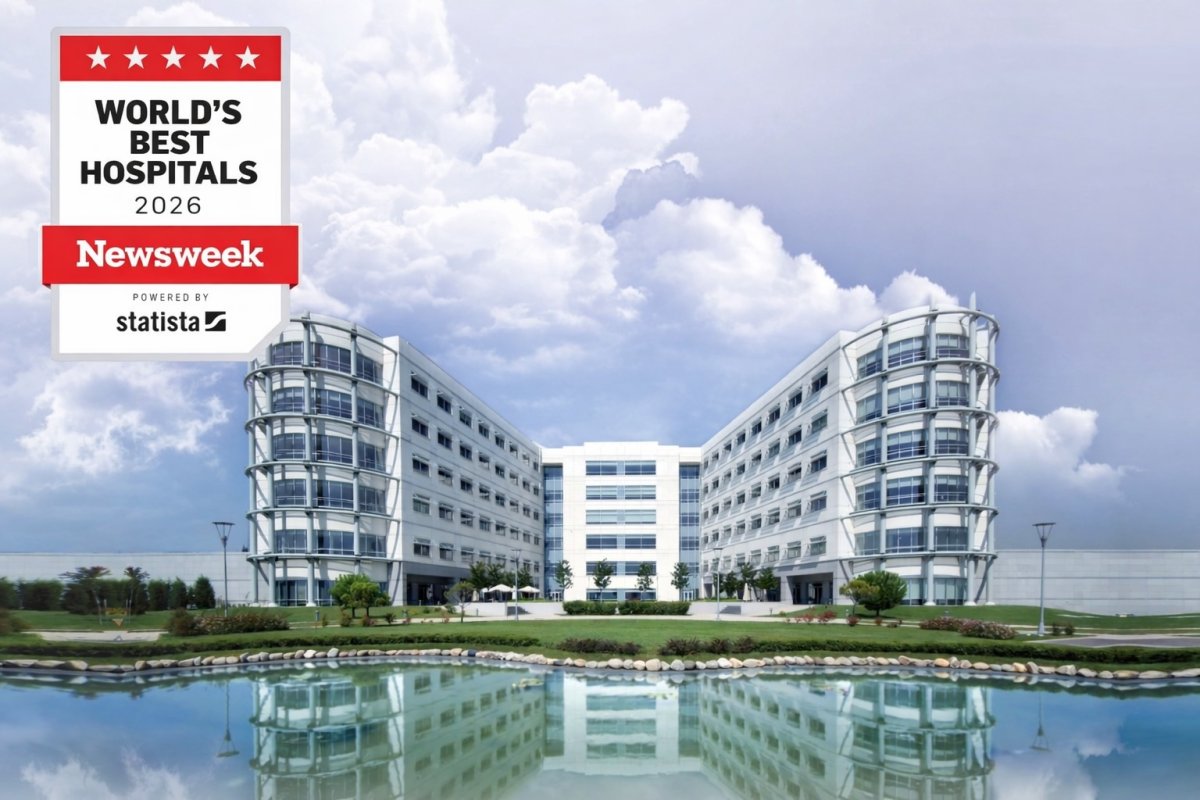
رأي خبراء Bookimed: يوفر اختيار مراكز في إسطنبول مثل مركز أناضولو الطبي أو ميديبول ميغا رعاية معتمدة من JCI. تضمن شراكة أناضولو مع مستشفى جونز هوبكنز تطبيق بروتوكولات تطابق المعايير الأمريكية المتميزة بتكلفة أقل. تبدأ باقات التشخيص في ميديبول من حوالي 2,350 $، وتشمل صور أشعة مقطعية ورنيناً مغناطيسياً حديثة. تقدم المراكز ذات الإقبال العالي قيمة أفضل من خلال تضمين لوجستيات شاملة في عروض أسعارها القياسية.
المزايا الرئيسية
لماذا تختار تركيا لعلاج NanoKnife؟
- عيادات معتمدة: المستشفيات المعتمدة من JCI والمراكز المعتمدة من وزارة الصحة التركية تقدم رعاية عالية الجودة.
- التقنيات الحديثة: استخدام أحدث أنظمة NanoKnife، مثل نظام AngioDynamics' NanoKnife IRE، يسمح بعلاج دقيق للأورام مع تقليل الضرر للأنسجة المحيطة.
- نسب نجاح عالية: يظهر NanoKnife فعالية تتراوح بين 80-90% في علاج سرطانات البنكرياس والمستقيم. وهذا يعزز بشكل كبير نتائج المرضى.
- جراحون خبراء: أطباء الأورام المشهورون، مثل البروفيسور سادي كرم أوكتور في مستشفى ميموريال بهتشليفلر، لديهم خبرة واسعة. لقد أجروا أكثر من 500 عملية ناجحة باستخدام NanoKnife.
احصل على حلول NanoKnife المتقدمة في العيادات الموثوقة من $9,500.
| تركيا | إسبانيا | ألمانيا | |
|---|---|---|---|
| نانو نايف NanoKnife | ≈ $9,500 | ≈ $9,500 | ≈ $9,500 |
مزاياك وضماناتك مع Bookimed
أسعار مباشرة
Bookimed لا يضيف رسوماً إضافية على أسعار نانو نايف NanoKnife. الأسعار مأخوذة من قوائم الأسعار الرسمية للعيادات. تدفع مباشرة في العيادة مقابل نانو نايف NanoKnife عند وصولك.
عيادات وأطباء معتمدون فقط
Bookimed ملتزم بسلامتك. نحن نعمل فقط مع المؤسسات الطبية التي تحافظ على معايير دولية عالية في نانو نايف NanoKnife ولديها التراخيص اللازمة لخدمة المرضى الدوليين في جميع أنحاء العالم.
مساعدة مجانية على مدار الساعة
Bookimed يقدم مساعدة خبراء مجانية. منسق طبي شخصي يدعمك قبل وأثناء وبعد العلاج، ويحل أي مشاكل. لن تكون وحيداً أبداً في رحلة نانو نايف NanoKnife.

منسقك الطبي الشخصي في Bookimed
- يدعمك في كل مرحلة
- المساعدة في اختيار العيادة الطبية المناسبة والطبيب المناسب
- يضمن الوصول السريع والمريح إلى المعلومات
اكتشف أفضل نانو نايف NanoKnife العيادات في تركيا: 6 خيارات معتمدة والأسعار








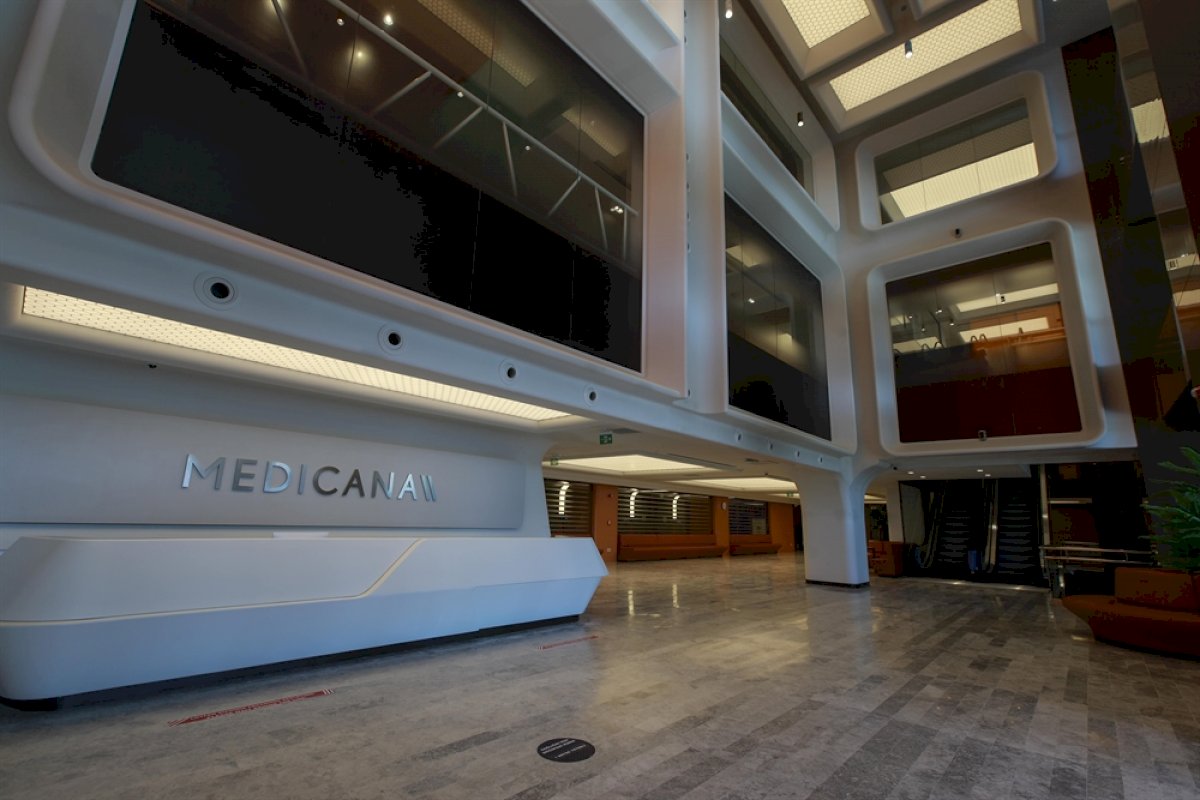
Medicana International Izmir Hospital



نظرة عامة على نانو نايف NanoKnife في تركيا
- نانو نايف NanoKnife - من $9,500
يستخدم هذا العلاج نبضات كهربائية لاستهداف الخلايا الضارة وتدميرها ، مما يوفر علاجًا دقيقًا وبأقل قدر من الآثار الجانبية.
اليوم الأول - الوصول
- الوصول إلى البلد والتحقق من مكان إقامتك.
- الراحة والتأقلم مع البيئة الجديدة.
اليوم 2 - ما قبل العملية
- قم بزيارة المستشفى من أجل استشارتك الأولية.
- قابل طبيب الأورام وأخصائي الأشعة للتقييم.
- اخضع للفحوصات الطبية اللازمة مثل التصوير المقطعي المحوسب أو التصوير بالرنين المغناطيسي أو الموجات فوق الصوتية.
اليوم 3 - ما قبل العملية
- مراجعة نتائج الاختبار مع المتخصصين.
- ناقش إجراء NanoKnife والنتائج المحتملة.
اليوم الرابع - إجراء NanoKnife
- الوصول إلى المستشفى في الصباح الباكر.
- اخضع للتخدير - عادة تخدير عام.
- تستغرق عملية NanoKnife حوالي 2-3 ساعات.
- توقع البقاء في المستشفى طوال الليل للمراقبة.
اليوم الخامس - ما بعد العملية
- قابل الأطباء لتقييم أولي بعد العملية.
- ابدأ الأنشطة الخفيفة حسب نصيحة الطبيب.
الأسبوع الأول - إعادة التأهيل
- ابدأ تمارين خفيفة لاستعادة قوتك.
- حضور مواعيد المتابعة مع المختصين.
الأسبوع 2-4 - إعادة التأهيل
- تواصل مع التمارين الموصوفة.
- العودة تدريجيًا إلى الأنشطة اليومية العادية.
الأسبوع 5-6 - إعادة التأهيل
- العودة إلى العمل حسب طبيعة عملك.
- استأنف الرياضة والأنشطة البدنية الأخرى بعناية.
يرجى ملاحظة أن الجدول الزمني للتعافي لكل مريض قد يختلف تبعًا لحالته الصحية الفردية ، وحجم الورم وموقعه ، ولياقته البدنية العامة. استشر أطبائك دائمًا واتبع نصائحهم للحصول على أفضل نتيجة ممكنة.
ماذا يحب المرضى:
- يكلف. تتراوح تكلفة NanoKnife في تركيا من 10000 دولار إلى 12000 دولار. للمقارنة ، في البلدان الأخرى ، يكون متوسط السعر غالبًا 20000 دولار أو أكثر. هذا يجعل تركيا خيارًا ميسور التكلفة للعديد من المرضى.
- احتراف الأطباء. يقدر المرضى المستوى العالي من الاحتراف الذي أظهره الأطباء في تركيا. إنهم يظهرون معرفة وخبرة عميقة في تنفيذ إجراء NanoKnife.
- مستوى الخدمة. إن مستوى الخدمة في تركيا جدير بالثناء. غالبًا ما يذكر المرضى الردود السريعة على استفساراتهم والكفاءة العامة للفرق الطبية.
- فعالية NanoKnife. أثبت NanoKnife في تركيا فعاليته في علاج المرضى. تقدم هذه التقنية الحديثة نتائج واعدة وتعزز نوعية حياة المرضى.
- الخدمات اللوجستية. يجد المرضى أن الخدمات اللوجستية منظمة بشكل جيد. من حجز المواعيد إلى المتابعة ، تكون العملية سلسة وخالية من المتاعب.
ما لا يحبه المرضى:
- وقت الانتظار. أعرب بعض المرضى عن عدم رضاهم عن أوقات الانتظار. شعروا أنه يمكن جدولة الإجراء بشكل أسرع.
- حاجز اللغة. واجه عدد قليل من المرضى تحديات بسبب الحواجز اللغوية. ومع ذلك ، عادة ما يكون المترجمون متاحين للمساعدة.
- رعاية ما بعد الجراحة. شعر بعض المرضى أنه يمكن تحسين الرعاية بعد العملية. لقد شعروا أن تعليمات المتابعة الأكثر تفصيلاً ستكون مفيدة.
- إيداع Bookimed: 200 دولار أو 200 يورو.
- وديعة العيادة: ادفع نسبة محددة مقدمًا.
احصل على تقييم طبي لـ نانو نايف NanoKnife في تركيا: اختر أخصائيك من بين الأفضل في هذا المجال
عرض جميع الأطباء
Mustafa Solak
يتخصص الدكتور سولاك في علاج أنواع مختلفة من السرطان، بما في ذلك سرطان الثدي والرئة والجهاز الهضمي، مع تدريب مكثف في أفضل المؤسسات.
- أكمل زمالة في معهد السرطان بجامعة حجة تبه
- تدرب في مركز إم دي أندرسون للسرطان بجامعة تكساس
- متخصص في سرطانات الثدي والخصية والمبيض والرأس والرقبة
- يعمل في مستشفى هيسار إنتركونتيننتال

Mustafa Serkan Alemdar
يتخصص الدكتور علمدار في طب الأورام مع تدريب مكثف في جامعة أكدنيز - الرائدة في رعاية مرضى السرطان.
- حاصل على شهادة البورد في طب الأورام منذ عام 2018
- أكثر من _doctor_9570_ سنوات من الخبرة في طب الأورام
- يعمل في مجمع مستشفيات ميديكال بارك أنطاليا

Tahsin Ozatli
يتخصص الأستاذ المشارك تحسين أوزاتلي في سرطانات الثدي والرئة والجهاز الهضمي في مستشفى جامعة إستينيا ليف.
- أكثر من عقد من الخبرة في علم الأورام
- عمل في عيادة أنقرة للأورام ومستشفى أرضروم الإقليمي للتدريب والبحوث
- تمت ترقيته إلى أستاذ مشارك في عام 2016
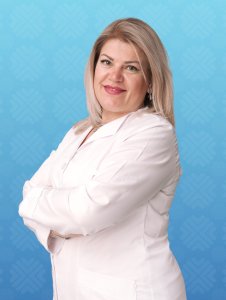
Gul Alco
الأستاذة الدكتورة غُل ألتشو أخصائية علاج الأورام بالإشعاع ولديها خبرة تقارب 27 عاماً. تعالج سرطانات الثدي والرئة والبروستاتا والجهاز الهضمي والأورام النسائية والجهاز العصبي المركزي والرأس والعنق والأنسجة الرخوة والعظام باستخدام العلاج الإشعاعي.
تشمل خبرتها العلاج الإشعاعي التكيفي والجراحة الإشعاعية. تستخدم تقنيات إشعاعية متقدمة لتقديم رعاية مخصصة قائمة على الأدلة ضمن بيئة متعددة التخصصات محورها المريض.
قصص فيديو من مرضى Bookimed
المراجعات
جميع المراجعاتمشاركة المحتوى
 Anna Leonova
أسئلة متكررة حول نانو نايف NanoKnife في تركيا
ما هي معدلات نجاح تقنية NanoKnife لسرطان البروستاتا والكبد؟
تظهر معدلات نجاح تقنية NanoKnife لسرطان البروستاتا إزالة الورم بنسبة تتراوح بين 70% و85% خلال 24 شهراً، مع احتفاظ 95% من المرضى بالقدرة على التحكم في البول. بالنسبة لأورام الكبد التي يقل حجمها عن 3 سم، يصل نجاح الاستئصال الأولي إلى 90% إلى 98% في المراكز التركية المعتمدة من قبل JCI مثل مركز الأناضول الطبي.
- البقاء على قيد الحياة من سرطان البروستاتا: يبلغ متوسط البقاء على قيد الحياة بدون تقدم المرض لمدة خمس سنوات 75% إلى 80% للحالات الموضعية.
- الحفاظ على الوظيفة الجنسية: يحافظ حوالي 70% إلى 90% من الرجال على وظيفتهم الجنسية بعد العلاج.
- السيطرة على سرطان الكبد: تصل معدلات السيطرة الموضعية على الآفات الصغيرة إلى 60% إلى 75% في تركيا.
- البقاء على قيد الحياة بدون نقائل: تتجاوز معدلات النجاح في منع انتشار السرطان 95% في العديد من المجموعات الدراسية.
رؤية خبير Bookimed: يعتمد النجاح بشكل كبير على حجم الورم وحجم العمليات التي يجريها الجراح. تظهر البيانات أن أفضل النتائج تحدث مع الأورام أحادية البؤرة التي يقل حجمها عن 2 سم. في تركيا، أجرى خبراء مثل البروفيسور أوزكان أونوك أكثر من 800 إجراء للبروستاتا. عادةً ما يحقق الجراحون ذوو الخبرة العالية دقة أفضل عند وضع أقطاب NanoKnife بالقرب من الهياكل الحيوية.
إجماع المرضى: يبلغ المرضى عن تعافٍ سريع وعودة إلى العمل في غضون أيام. يقدر معظمهم انخفاض خطر الآثار الجانبية مقارنة بالجراحة التقليدية أو الإشعاع.
ما هي أنواع السرطان التي يتم علاجها عادةً باستخدام NanoKnife في تركيا؟
يعالج NanoKnife في تركيا بشكل أساسي سرطانات البروستاتا والبنكرياس والكبد والكلى. تستخدم تقنية التثقيب الكهربائي غير القابل للانعكاس (IRE) نبضات كهربائية غير حرارية. وهي مثالية للأورام الموجودة بالقرب من الأوعية الدموية أو الأعصاب الحساسة حيث يشكل الاستئصال التقليدي القائم على الحرارة أو الجراحة مخاطر عالية على المرضى.
- سرطان البروستاتا: يُستخدم كعلاج بؤري للحفاظ على الوظيفة البولية والجنسية.
- سرطان البنكرياس: يستهدف الأورام المتقدمة محلياً وغير القابلة للجراحة بالقرب من الأوعية الدموية الرئيسية في البطن.
- سرطان الكبد: يعالج الأورام الأولية والنقائل غير المناسبة للإزالة الجراحية.
- سرطان الكلى: يُطبق على كتل الكلى الصغيرة لتجنب إزالة الكلية بالكامل.
رؤية خبير Bookimed: على الرغم من أن العديد من العيادات تقدم NanoKnife، إلا أن فجوة الخبرة كبيرة. تمتلك مراكز مثل مركز الأناضول الطبي شهادة IASIOS لعلم الأورام التداخلي. وهذا يضمن التزامهم بالمعايير الأوروبية الصارمة. تظهر البيانات أن المرضى غالباً ما يختارون تركيا عندما تُعتبر الأورام صعبة الاستئصال في بلدانهم الأصلية.
إجماع المرضى: يصف الكثيرون هذه التكنولوجيا بأنها تغير قواعد اللعبة للحفاظ على وظائف الأعضاء. يسلط المرضى الضوء على الحركة السريعة في غضون 24-48 ساعة والآثار الجانبية الدنيا مقارنة بالجراحة الغازية.
ما هي المستشفيات التركية الأكثر شهرة لعلاج NanoKnife؟
تعد مراكز Anadolu Medical Center وMedipol Mega University Hospital وMemorial Şişli من المستشفيات التركية الرائدة والمعترف بها لعلاج NanoKnife. تتخصص هذه المراكز المعتمدة من قبل JCI في علاج أورام البنكرياس والكبد والبروستاتا المعقدة باستخدام التثقيب الكهربائي غير القابل للانعكاس (IRE). وقد أجرى جراحون خبراء مثل البروفيسور الدكتور بولنت كاراغوز أكثر من 900 عملية.
- Anadolu Medical Center: تابع لـ Johns Hopkins Medicine، ويضم متخصصين لديهم أكثر من 900 عملية NanoKnife.
- Medipol Mega: يستخدم تصوير الرنين المغناطيسي 3T وPET-CT لرسم خرائط دقيقة للورم أثناء إجراء IRE.
- Memorial Şişli: أول عيادة تركية خاصة معتمدة من JCI مع مركز أورام مخصص عالي الكفاءة.
- Medicana International Izmir: رائدة في الاستئصال البؤري لسرطان البروستاتا للحفاظ على الوظائف الحيوية.
رؤية خبير Bookimed: بينما يختار الكثيرون إسطنبول بسبب تركيزها العالي للمرافق المعتمدة من JCI، يتميز Medicana International Izmir بتطبيقات NanoKnife في المسالك البولية. تظهر البيانات أن المرضى غالبًا ما يتجاهلون إزمير، ومع ذلك، فإن هذا المركز يعمل خصيصًا على تحسين العلاج البؤري لحماية الوظائف البولية والجنسية بشكل أفضل من أجنحة الأورام العامة.
إجماع المرضى: يؤكد المرضى على أهمية التحقق من خبرة الجراح الفردية مع تقنية IRE بدلاً من العلامة التجارية للمستشفى فقط. غالبًا ما يتم الاستشهاد بالوصول إلى منسقين متجاوبين خلال مرحلة الاستفسار كعامل رئيسي في اختيار مراكز الأورام التركية.
ما هي الفوائد السريرية الرئيسية لاختيار تقنية NanoKnife بدلاً من الاستئصال الحراري أو الجراحة؟
توفر تقنية NanoKnife بديلاً غير حراري للاستئصال باستخدام نبضات كهربائية عالية الجهد لتدمير الخلايا السرطانية. يحافظ هذا التثقيب الكهربائي غير القابل للانعكاس على هيكل الأنسجة السليمة، مما يجعله أكثر أماناً للأورام القريبة من الأعصاب أو الأوعية الدموية أو القنوات الصفراوية الحيوية، حيث تخاطر الجراحة أو الطرق المعتمدة على الحرارة بحدوث ضرر دائم.
- حماية الهياكل الحيوية: النبضات عالية الجهد تجنب الأوعية الدموية والأعصاب مع استهداف أغشية الخلايا الخبيثة فقط.
- نتائج وظيفية متفوقة: يحافظ مرضى سرطان البروستاتا على 95-99% من التحكم في البول ومعدلات أعلى للوظيفة الجنسية.
- لا يوجد تأثير تبديد الحرارة: تظل الفعالية ثابتة بالقرب من الأوعية الدموية الرئيسية التي عادة ما تبدد الحرارة أثناء الاستئصال الحراري.
- الحفاظ على خيارات العلاج: يضمن الحد الأدنى من الندبات بقاء المرضى مؤهلين للجراحة أو الإشعاع في المستقبل إذا لزم الأمر.
رؤية خبير Bookimed: تظهر البيانات السريرية من مراكز تركية رائدة مثل مركز الأناضول الطبي أن NanoKnife يتم اختياره بشكل متكرر للحالات غير القابلة للجراحة. يؤكد جراحون ذوو خبرة مثل الدكتور أوزكان أونوك أن هذه التكنولوجيا تسد الفجوة للمرضى الذين قيل لهم سابقاً إن أورامهم قريبة جداً من أعضاء حيوية.
إجماع المرضى: يقدر العديد من المرضى
كم تستغرق العملية وما هو وقت التعافي المتوقع؟
تستغرق إجراءات NanoKnife في تركيا عادةً من ساعتين إلى 4 ساعات، على الرغم من أن الحالات المعقدة قد تصل إلى 6 ساعات. يبقى المرضى عادةً في المستشفى لمدة يوم إلى 3 أيام للمراقبة. يمتد التعافي الأولي من أسبوع إلى أسبوعين، بينما يستغرق الشفاء الوظيفي الكامل من 4 إلى 8 أسابيع.
- مدة الجراحة: تنتهي معظم الإجراءات في غضون ساعتين إلى 4 ساعات تحت توجيه الأشعة المقطعية أو الموجات فوق الصوتية.
- الإقامة في المستشفى: توقع من يوم إلى 3 أيام من المراقبة الداخلية في مرافق مثل مركز الأناضول الطبي.
- التعافي الأولي: يعود المرضى عمومًا إلى الأنشطة الخفيفة في غضون 7 إلى 14 يومًا بعد الإجراء.
- التعافي الكامل: يتطلب الشفاء الداخلي الكامل والاستعادة الوظيفية عادةً من 4 إلى 8 أسابيع.
رؤية خبير Bookimed: على الرغم من أن المرضى غالبًا ما يشعرون بتحسن في غضون 14 يومًا، تقترح المراكز ذات الحجم الكبير في تركيا مثل Medipol Mega تأجيل رحلات العودة حتى بعد متابعة التصوير لمدة أسبوعين. يضمن هذا استقرار مناطق التثقيب الكهربائي غير القابل للانعكاس (IRE) قبل الإجهاد البدني للسفر الدولي.
إجماع المرضى: يبلغ العديد من المرضى أن التعب والألم المستمر قد يستمران لمدة تصل إلى 6 أسابيع. يوصون بشدة بالحصول على نسخة رقمية من جميع ملفات التصوير من العيادة التركية قبل المغادرة.