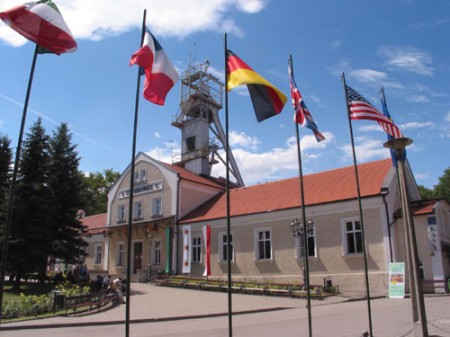
University Hospital in Krakow
بولندا, كراكوف


تمت مراجعة المقالة طبيا من قبل
فهد مولود
من $100. تبلغ تكلفة الإجراءات الرئيسية مثل إعادة التأهيل باستخدام جهاز Lokomat ما بين $1,900 و $4,000، بينما تتراوح تكلفة برنامج إعادة التأهيل الشامل بين السعر عند الطلب و السعر عند الطلب. تعتمد النفقات على شدة الإصابة، واحتياجات التمريض، ومدة العلاج. وغالباً ما يوفر المرضى ما بين 50 إلى 70% مقارنة بالأسعار في الولايات المتحدة. تقع أفضل مراكز العلاج في كراكوف، وفيليتشنكا، وأوسترون.
تكاليف إعادة التأهيل النموذجية بعد علاج إصابات الحبل الشوكي في بولندا
رؤية خبراء Bookimed: للتعافي العصبي المعقد، يوفر المستشفى الجامعي في كراكوف عمقاً سريرياً هائلاً من خلال 103 أقسام متخصصة. يجب على المرضى الذين يبحثون عن رعاية عصبية متقدمة مدمجة مع رعاية القلب التفكير في منتجع Uzdrowisko Ustron الصحي، حيث تعد هذه المنشأة جزءاً من شبكة American Heart of Poland. وللحصول على تعافي فريد معزز للرئة، يوفر مجمع فيليتشنكا الصحي إشرافاً طبياً على عمق 135 متراً تحت الأرض في مناخ علاجي دقيق.
| بولندا | تركيا | إسبانيا | |
|---|---|---|---|
| علاج فويتا - Vojta Therapy | ≈ $480 | من $230 | ≈ $600 |
| العلاج الوظيفي باستخدام فأرة الكمبيوتر الرأسية | ≈ $550 | ≈ $450 | ≈ $750 |
| العلاج التأهيلي بواسطة جهاز لوكومات (Lokomat) | ≈ $1,900 | من $300 | من $170 |
| العلاج التأهيلي بواسطة الهيكل الخارجي (Exoskeleton) | ≈ $2,300 | ≈ $1,800 | ≈ $1,800 |
| العلاج التأهيلي بنظام فيكتور كيت (Vector Gait System) | ≈ $2,800 | من $1,300 | ≈ $3,800 |
Bookimed لا يضيف رسوماً إضافية على أسعار علاج العلاج التأهيلي بعد اصابة الحبل الشوكي. الأسعار مأخوذة من قوائم الأسعار الرسمية للعيادات. تدفع مباشرة في العيادة مقابل علاجك عند وصولك إلى البلد.
Bookimed ملتزم بسلامتك. نحن نعمل فقط مع المؤسسات الطبية التي تحافظ على معايير دولية عالية في علاج العلاج التأهيلي بعد اصابة الحبل الشوكي ولديها التراخيص اللازمة لخدمة المرضى الدوليين في جميع أنحاء العالم.
Bookimed يقدم مساعدة خبراء مجانية. منسق طبي شخصي يدعمك قبل وأثناء وبعد العلاج، ويحل أي مشاكل. لن تكون وحيداً أبداً في رحلة علاج العلاج التأهيلي بعد اصابة الحبل الشوكي.

 Anna Leonova
توفر عيادات إصابات الحبل الشوكي (SCI) المتخصصة في بولندا إعادة تأهيل عصبي شاملة داخل مستشفيات معتمدة من اللجنة الدولية المشتركة (JCI) وتابعة للجامعات. تستخدم هذه المراكز أجهزة تدريب المشي الروبوتية وفرقاً متعددة التخصصات. تدير مرافق مثل المستشفى الجامعي في كراكوف تعافي الإصابات المعقدة من خلال برامج مكثفة للمرضى الداخليين وبروتوكولات عصبية متقدمة.
رؤية خبراء Bookimed: مشهد إعادة التأهيل في بولندا فريد من نوعه بسبب قدرته المؤسسية الهائلة. يحتفظ المستشفى الجامعي في كراكوف بأكثر من 1,600 سرير وأكثر من 1,000 طبيب. يضمن هذا النطاق حصول مرضى إصابات الحبل الشوكي على وصول فوري إلى 103 أقسام متخصصة. غالباً ما توفر المراكز الأكاديمية الكبيرة دعماً طبياً أكثر استقراراً للحالات المعقدة مقارنة بالعيادات الخاصة الصغيرة.
إجماع المرضى: يؤكد المرضى أن إعادة التأهيل الناجحة تركز على الاستقلالية بدلاً من مجرد المشي. يقترح الكثيرون إعطاء الأولوية للعيادات التي توفر جداول يومية مكثفة تشمل إدارة المثانة والتدريب على حركة الكرسي المتحرك.
تستخدم بولندا أنظمة روبوتية متقدمة مثل Lokomat وهياكل Rewalk الخارجية لاستعادة الحركة بعد إصابات الحبل الشوكي. تجمع العيادات بين هذه الأنظمة والعلاجات الفيزيائية المكثفة مثل TheraSuit وبدلات التحميل Adele. تسهل هذه التقنيات الحركة عالية التكرار لتحفيز المرونة العصبية وتحسين التعافي الوظيفي.
رؤية خبير Bookimed: يكشف تحليل البيانات السريرية أن البرامج البولندية الأكثر فعالية تعطي الأولوية لتكرار الجلسات على حداثة الآلة. في حين أن جلسة Lokomat الواحدة قد تكلف حوالي 2100 دولار، فإن البرامج التي تحقق أفضل النتائج تدمج ذلك مع 3-4 ساعات من العلاج اليدوي اليومي. يخدم المستشفى الجامعي في كراكوف 455,000 مريض سنويًا، مما يشير إلى أن المراكز الأكاديمية ذات الحجم الكبير غالبًا ما توفر الدعم الفني الأكثر استقرارًا للمعدات الروبوتية المعقدة.
إجماع المرضى: يلاحظ المرضى أنه على الرغم من أن الروبوتات تعزز الدافع والقدرة على التحمل، إلا أن المكاسب الحقيقية تأتي من البرامج التي توفر كثافة عالية وتفاعلًا يوميًا مع المعالج. يوصي الكثيرون بالتحقق من الدقائق الفعلية التي يتم قضاؤها في الهيكل
تستغرق إعادة التأهيل الداخلي لإصابات الحبل الشوكي في بولندا عادةً من 60 إلى 120 يومًا. تركز الإقامات في الرعاية الصحية العامة على معالم التنقل الوظيفي. غالبًا ما توفر المراكز الخاصة دورات مكثفة تتراوح من 14 إلى 30 يومًا. تشمل كتل العلاج عالية الكثافة من 4 إلى 6 ساعات علاج يوميًا. غالبًا ما يمتد التعافي من 6 إلى 12 شهرًا مع زيارات متكررة.
رؤية خبير Bookimed: تقدم بولندا عددًا كبيرًا من مراكز إعادة التأهيل. نحن نتابع أكثر من 85 عيادة متخصصة في جميع أنحاء البلاد. تدير مراكز مثل المستشفى الجامعي في كراكوف أعدادًا هائلة من المرضى. يسمح هذا النطاق باستخدام معدات متخصصة مثل Lokomat وTheraSuit. توفر المنتجعات الصحية الأصغر في أوسترون أو فيليتشكا مناخات دقيقة فريدة للتعافي. يستفيد المرضى من عدة كتل مكثفة مدتها أسبوعان بدلاً من إقامة واحدة طويلة. يسمح هذا النهج التكراري بتكيف بدني أفضل بين جلسات التدريب عالية الكثافة.
إجماع المرضى: يشير المرضى إلى أن الوصول إلى معالم مثل الانتقالات المستقلة يحدد تاريخ الخروج الفعلي. ويؤكدون على أهمية التحقق من ساعات العلاج اليومية لضمان أن تكون الإقا
يتوفر العلاج بالخلايا الجذعية لإصابات الحبل الشوكي في بولندا من خلال العيادات الخاصة ومراكز الأبحاث. يتم تقديم هذه العلاجات بموجب قاعدة الإعفاء الاستشفائي الخاصة بوكالة الأدوية الأوروبية. وهذا يسمح بعلاجات مخصصة. تستخدم معظم المراكز الخلايا الجذعية الوسيطة أو الخلايا الغمدية الشمية.
رؤية خبير Bookimed: تخدم بولندا أكثر من 170 طلب إعادة تأهيل من خلال Bookimed، وتحتل المرتبة الرابعة عالميًا من حيث اهتمام المرضى. في حين تقدم المراكز الكبيرة مثل مستشفى جامعة كراكوف مساعدة طبية تقليدية، غالبًا ما تجمع العيادات المتخصصة بين الخلايا وإعادة التأهيل. تظهر البيانات أن المرضى غالبًا ما يختارون بولندا لتقنيات راسخة مثل Lokomat أو الهياكل الخارجية بدلاً من الخلايا وحدها.
إجماع المرضى: يلاحظ المرضى أن التحسينات غالبًا ما تأتي من العلاج الطبيعي المكثف المقترن بالحقن. ينصح الكثيرون بالتحقق من مصدر الخلية المحدد وخطوات المعالجة لتجنب ادعاءات التسويق الغامضة.
تركز أهداف إعادة التأهيل لإصابات الحبل الشوكي (SCI) على تعظيم الاستقلالية والوظيفة البدنية من خلال الرعاية متعددة التخصصات. تعطي البرامج الأولوية للتعافي العصبي مع منع المضاعفات الثانوية مثل قرح الضغط. تستخدم المراكز البولندية تقنيات روبوتية وعلاجاً طبيعياً متخصصاً لمساعدة المرضى على الانتقال إلى أنماط حياة مستقلة ذات جودة عالية.
رؤية خبير Bookimed: توفر بولندا ميزة استراتيجية من خلال الجمع بين الأساليب التقليدية مثل علاج فويتا (Vojta Therapy) والأنظمة عالية التقنية. تدير مرافق مثل المستشفى الجامعي في كراكوف أكثر من 450,000 مريض سنوياً عبر 103 قسماً. يضمن هذا الحجم السريري الهائل أن يتمتع المعالجون بخبرة عميقة مع مستويات مختلفة من الإصابات. تستخدم بعض المراكز المتخصصة حتى مناخات دقيقة تحت الأرض في مناجم الملح لتعزيز التعافي التنفسي أثناء إعادة التأهيل.
إجماع المرضى: يؤكد المرضى على التركيز على الانتصارات الصغيرة مثل توازن الجلوس وإتقان الكرسي المتحرك بدلاً من المشي. ويشيرون إلى أن تعلم إدارة الجلد والمثانة في وقت مبكر أمر ض
عادةً ما يرى المرضى الذين يعانون من إصابات الحبل الشوكي غير الكاملة أهم تعافٍ عصبي خلال الأشهر الثلاثة إلى الستة الأولى. بينما يستقر التقدم بعد 12 شهرًا، غالبًا ما تستمر المكاسب الوظيفية إلى أجل غير مسمى من خلال المرونة العصبية. يستعيد ما يقرب من 20% إلى 75% من الأفراد بعض القدرة على المشي بحلول العام الأول.
رؤية خبير Bookimed: توفر بولندا بنية تحتية للرعاية الصحية ذات قدرة عالية، مع مراكز رئيسية مثل مستشفى الجامعة في كراكوف التي تدير أكثر من 450,000 مريض سنويًا. يسمح هذا الحجم الكبير للعيادات بالحفاظ على معدات إعادة تأهيل متنوعة، تتراوح من أنظمة Lokomat الروبوتية إلى بيئات فريدة مثل منجم ملح Wieliczka لدعم الجهاز التنفسي. يمكن للمرضى اختيار مرافق متخصصة بناءً على هذه المزايا التكنولوجية أو البيئية المميزة.
إجماع المرضى: يلاحظ المرضى أن التقدم غالبًا ما يأتي في دفعات غير متساوية بدلاً من صعود سلس، مما يجعل من المهم تتبع المعالم الصغيرة مثل الحركة في السرير أو توازن الجلوس. ويشيرون إلى أن التعافي الحسي والحركي يحدث غالبًا بشكل أسرع من تحسن
تُقدم جراحة الأعصاب في بولندا رعاية عالية الجودة في مرافق معتمدة من قبل اللجنة الدولية المشتركة (JCI) والمنظمة الدولية للمعايير (ISO). يلتزم جراحو الأعصاب البولنديون بمعايير تدريب صارمة معتمدة من قبل الاتحاد الأوروبي. وقد أكمل العديد منهم زمالات في الولايات المتحدة أو ألمانيا. وتتوفر التقنيات المتقدمة، مثل جهاز سايبر نايف وجهاز جاما نايف والأنظمة الروبوتية، على نطاق واسع في المراكز الخاصة.
رأي خبراء بوكيمد: تُظهر البيانات وجود علاقة وثيقة بين تخصص العيادة وأصول مرضاها. تعالج عيادة KCM أكثر من 700 مريض دولي سنويًا، وهي متخصصة في جراحة العمود الفقري طفيفة التوغل. يُمكّنها هذا الحجم من العمل من تقديم باقات خدمات متخصصة، تشمل غالبًا حواجز تشخيصية وزرعات محددة،
يُعدّ جراحو الأعصاب البولنديون متخصصين ذوي كفاءة عالية، إذ أتموا ما لا يقل عن 13 عامًا من التدريب الطبي المكثف. يشمل ذلك ست سنوات من الدراسة في كلية الطب، و13 شهرًا من التدريب العملي، وست سنوات من الإقامة. ويجب عليهم اجتياز امتحان التخصص الحكومي (PES)، وغالبًا ما يحصلون على شهادة من الجمعية الأوروبية لجمعيات جراحة الأعصاب (EANS).
رأي خبراء بوكيميد: تشير البيانات إلى أن جراحي الأعصاب البولنديين غالبًا ما يتخصصون في تقنيات بالغة التخصص، مثل نظام ApiFix أو نظام SED-YESS لتنظير الفقرات القطنية. ويجمع أخصائيون مثل الدكتور ستانيسواف كويك من عيادة KCM بين أبحاث ما بعد الدكتوراه والممارسة الجراحية النشطة. هذا المزيج من المعرفة الأكاديمية المتعمقة والخبرة الجراحية الوا
من بين أفضل عيادات جراحة الأعصاب في بولندا مستشفى كارولينا، وعيادة KCM، ومراكز أكاديمية رائدة مثل مستشفى جامعة كراكوف. تقدم هذه المؤسسات علاجات متطورة لأمراض العمود الفقري والدماغ، مطابقة لمعايير الجودة ISO، وتضم أخصائيين أعضاء في منظمات دولية مثل AO Spine.
رأي خبراء بوكيمد: بينما يتجه الكثيرون إلى أكبر المستشفيات، تُظهر البيانات أن عيادات مثل مستشفى كارولينا تُقدم كفاءة أعلى في العمليات الجراحية الاختيارية. فمع وجود أكثر من 40 طبيباً متخصصاً في هذه المنشأة التي تضم 30 سريراً، تكون نسبة الأطباء إلى المرضى أعلى بكثير مما هي عليه في المراكز الجامعية الحكومية. وهذا يعني رعاية ما بعد الجراحة أكثر عناية، وجدولة أسرع بكثير لإجراءات مثل علاج الانزلاق الغضروفي
في بولندا، يركز طب جراحة الأعصاب بشكل أساسي على جراحات العمود الفقري واستئصال أورام الدماغ. وتُجري المستشفيات بشكل متكرر عمليات استئصال القرص المجهرية، ودمج الفقرات، وتحفيز الدماغ العميق. وتستخدم مراكز مثل مستشفى كارولينا وعيادة كي سي إم تقنيات طفيفة التوغل لعلاج الانزلاق الغضروفي، وإصابات العمود الفقري، والاضطرابات العصبية المعقدة.
رأي خبراء بوكيميد: أصبحت بولندا مركزًا متخصصًا في تثبيت العمود الفقري. تتعاون عيادات مثل مستشفى كارولينا مع الفرق الرياضية الوطنية، مما يعكس خبرتها العالية في علاج إصابات العمود الفقري المعقدة. تُظهر بياناتنا أن هذه المؤسسات غالبًا ما تُدمج إعادة التأهيل مباشرةً في العلاج الجراحي. هذا الدمج يقلل من خطر الم