علاج العلاج التأهيلي بعد اصابة الحبل الشوكي في إسبانيا — احصل على 3 عيادات مختارة خصيصاً لك


تمت مراجعة المقالة طبيا من قبل
فهد مولود
كيف نعمل؟
ما هي تكلفة العلاج التأهيلي بعد اصابة الحبل الشوكي إجراءات التشخيص والعلاج في إسبانيا؟ اعرف الآن
من $170. تعتمد النفقات الإجمالية على مستوى الإصابة، وكثافة البرنامج، ومدة الإقامة. يمكن للمرضى تحقيق وفورات تقريبية تتراوح بين 60-65% مقارنة بالولايات المتحدة. تشمل أفضل الوجهات الطبية لإعادة التأهيل العصبي برشلونة، ومدريد، وماربيا.
تكاليف إعادة التأهيل النموذجية بعد علاج إصابات الحبل الشوكي في إسبانيا
- إعادة التأهيل الداخلي: السعر عند الطلب
- إعادة التأهيل باستخدام نظام Lokomat: من $170
- إعادة التأهيل باستخدام الهيكل الخارجي (Exoskeleton): $1,800 – $3,500
- إعادة التأهيل باستخدام بدلة الفضاء TheraSuit: $2,800 – $5,000
- إعادة التأهيل الشامل: السعر عند الطلب
- علاج فويتا (Vojta therapy): $600 – $1,100
- إعادة التأهيل باستخدام نظام Re-step: $6,500 – $11,000
- إعادة التأهيل على جهاز الوقوف (Verticalizer): السعر عند الطلب
- إعادة التأهيل باستخدام بدلة التحميل Adele: السعر عند الطلب
- علاج غروس (Gross therapy): السعر عند الطلب
رؤية خبراء Bookimed: للتعافي العصبي المعقد، توفر المراكز المعتمدة من اللجنة الدولية المشتركة (JCI) في برشلونة رعاية عالية القيمة. يقدم مركز تيكنون الطبي (Centro Médico Teknon) علاجات متقدمة بالخلايا الجذعية للتعافي من الصدمات إلى جانب العلاج الطبيعي التقليدي. يفضل المرضى الذين يبحثون عن تصحيح ميكانيكي حيوي متخصص ماربيا، حيث يستخدم مركز الدكتور بلوم للميكانيكا الحيوية 60 طريقة حاصلة على براءة اختراع. تعتبر المراكز ذات الكثافة العالية مثل مستشفى كيرون برشلونة (Hospital Quiron Barcelona) الأفضل للمرضى الذين يحتاجون إلى تصوير تشخيصي متكامل وعلاجات بمساعدة الروبوت.
| تركيا | إسبانيا | ألمانيا | |
|---|---|---|---|
| علاج فويتا - Vojta Therapy | من $230 | ≈ $600 | ≈ $700 |
| العلاج الوظيفي باستخدام فأرة الكمبيوتر الرأسية | ≈ $450 | ≈ $750 | ≈ $1,000 |
| العلاج التأهيلي بواسطة جهاز لوكومات (Lokomat) | من $300 | من $170 | ≈ $7,500 |
| العلاج التأهيلي بواسطة الهيكل الخارجي (Exoskeleton) | ≈ $1,800 | ≈ $1,800 | ≈ $6,500 |
| العلاج التأهيلي بنظام فيكتور كيت (Vector Gait System) | من $1,300 | ≈ $3,800 | ≈ $6,500 |
اكتشف أفضل العلاج التأهيلي بعد اصابة الحبل الشوكي العيادات في إسبانيا: 6 خيارات معتمدة والأسعار











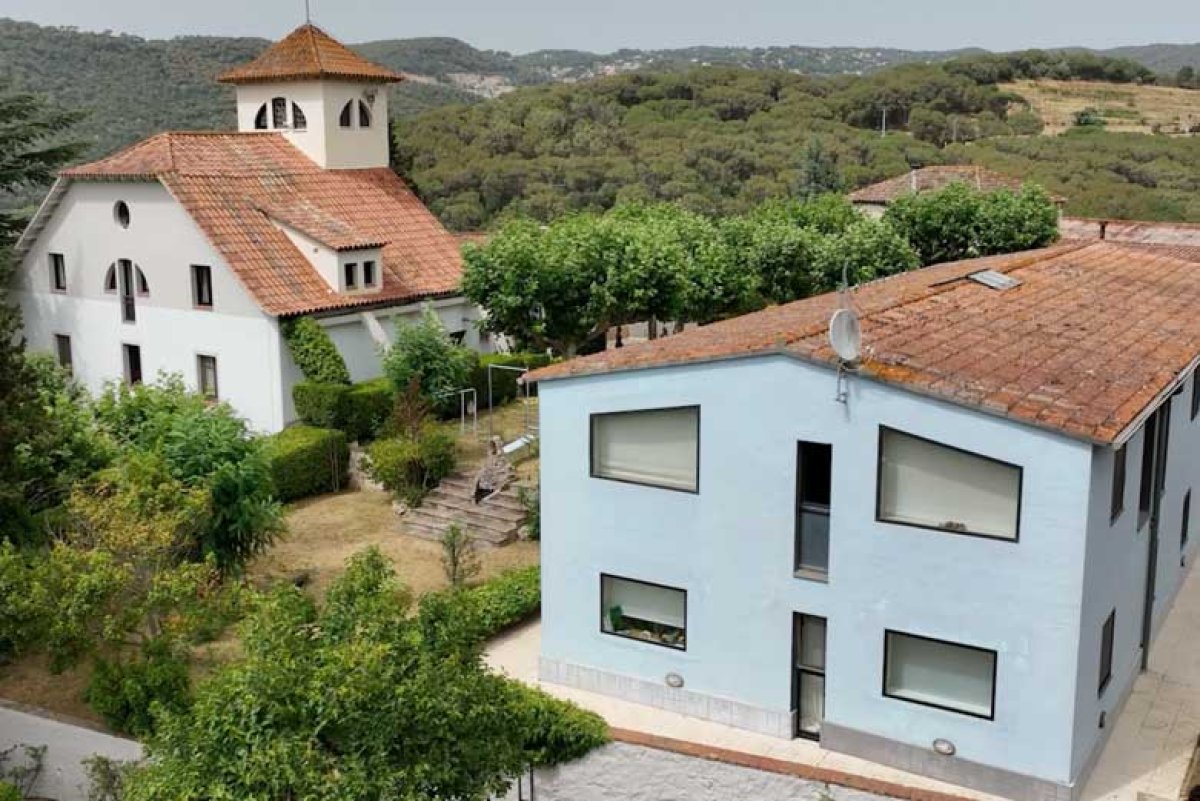
Clínicas CITA
مشاركة المحتوى
قصص فيديو من مرضى Bookimed
 Anna Leonova
أسئلة متكررة حول علاج العلاج التأهيلي بعد اصابة الحبل الشوكي في إسبانيا
ما هي أفضل مراكز إعادة التأهيل المتخصصة في إصابات الحبل الشوكي (SCI) في إسبانيا؟
تستضيف إسبانيا مراكز رائدة لإصابات الحبل الشوكي (SCI)، وأبرزها المستشفى الوطني لشلل الحبل الشوكي (Hospital Nacional de Paraplejicos) في توليدو ومعهد غوتمان (Guttmann Institute) في برشلونة. هذه المرافق حاصلة على اعتماد اللجنة الدولية المشتركة (JCI). وهي تستخدم روبوتات متقدمة مثل Lokomat والهياكل الخارجية لإعادة التأهيل العصبي. تشمل الخيارات الخاصة الرائدة مركز تكنون الطبي (Centro Medico Teknon) وQuironsalud Madrid.
- معهد غوتمان: مركز مرجعي وطني معتمد من JCI متخصص في إصابات العمود الفقري شديدة التعقيد.
- مستشفى شلل الحبل الشوكي: المرفق الحكومي الرئيسي الذي يضم 222 سريراً مخصصاً لأبحاث إصابات الحبل الشوكي.
- مركز تكنون الطبي: معروف بجراحة الأعصاب المتقدمة والعلاج بالخلايا الجذعية في التعافي من الصدمات.
- التقنيات المتخصصة: تستخدم المراكز أنظمة Lokomat وTheraSuit وعلاج Vojta للتعافي الحركي.
رؤية خبير Bookimed: بينما يعتبر غوتمان وتوليدو هما المعيار، يعمل مركز تكنون الطبي في برشلونة كبديل متطور للتعافي عالي المستوى. يعالج المركز 10,000 مريض سنوياً ويدير جراحات أعصاب معقدة. يقدم الدكتور يفغيني بلوم في ماربيا نهجاً ميكانيكياً حيوياً فريداً مع أكثر من 60 براءة اختراع. تركز هذه المنهجية على استعادة الأنسجة الضامة دون جراحة أو أدوية.
إجماع المرضى: يشير المرضى إلى أن اختيار مركز يتمتع بحجم كبير من حالات إصابات الحبل الشوكي أمر حيوي. غالباً ما يعتمد النجاح على الخدمات المتكاملة مثل مهارات استخدام الكراسي المتحركة وبرامج إدارة المثا
ما هي العلاجات أو العلاجات الروبوتية المتاحة في المرافق الإسبانية؟
توفر المرافق الطبية الإسبانية تدريبًا متقدمًا على المشي باستخدام الروبوتات وإعادة التأهيل العصبي باستخدام أنظمة مثل Lokomat و Erigo. توفر هذه التقنيات تكرارًا مكثفًا للحركة لإصابات الحبل الشوكي. تدمج المراكز الرائدة في برشلونة ومدريد الهياكل الخارجية الآلية مع العلاج الميكانيكي الحيوي المخصص لاستعادة الوظيفة الحركية والحركة.
- أنظمة المشي: توفر روبوتات Lokomat القائمة على جهاز المشي تدريبًا موجهًا ومتكررًا للغاية على المشي.
- علاج الأطراف العلوية: تساعد هياكل Armeo Spring الخارجية المرضى على إعادة تعلم حركات اليد الوظيفية.
- التكنولوجيا القابلة للارتداء: تسهل هياكل ReWalk الخارجية المشي القائم وإعادة تنظيم الجهاز العصبي.
- البدلات المتخصصة: توفر بدلات التحميل TheraSuit و Adele تحفيزًا فسيولوجيًا مكثفًا أثناء الحركة.
رؤية خبير Bookimed: يقدم مشهد إعادة التأهيل في إسبانيا انقسامًا فريدًا بين المراكز الجراحية ذات الحجم الكبير ومراكز الميكانيكا الحيوية المتخصصة. بينما يتعامل مستشفى كيرون برشلونة ومركز تكنون الطبي مع آلاف العمليات الروبوتية سنويًا، يركز مركز الدكتور بلوم للميكانيكا الحيوية في ماربيا على طرق الأنسجة الضامة الحاصلة على براءة اختراع. قد يجد المرضى الذين يسعون للتعافي من صدمات العمود الفقري أفضل قيمة من خلال الجمع بين بيئات التعافي في البحر الأبيض المتوسط وهذه البروتوكولات الميكانيكية الخاصة.
إجماع المرضى: يلاحظ المرضى أن علاج المشي الروبوتي يعمل بشكل أفضل عند إقرانه بإشراف مستمر من المعالج. يؤكد الكثيرون أن هذه
هل يمكن لإعادة التأهيل عكس الشلل الناتج عن إصابة الحبل الشوكي؟
لا يمكن لإعادة التأهيل عكس الشلل الناتج عن إصابات الحبل الشوكي الكاملة بشكل كامل. ومع ذلك، فهي تستعيد الوظيفة بشكل كبير في الإصابات غير الكاملة من خلال الاستفادة من المرونة العصبية. تستخدم المراكز الإسبانية تقنيات متقدمة مثل Lokomat والهياكل الخارجية لمساعدة المرضى على استعادة الحركة، وزيادة الاستقلالية، ومنع المضاعفات الثانوية.
- الإمكانات العصبية: غالبًا ما تسمح الإصابات غير الكاملة باستعادة كبيرة للحركة من خلال التحفيز الموجه للمسارات العصبية.
- الروبوتات المتقدمة: تستخدم العيادات المتخصصة أنظمة Lokomat و Re-step لإعادة تدريب المشي والتوازن.
- طرق خاصة: تستخدم مراكز مثل مركز الدكتور بلوم للميكانيكا الحيوية مناهج ميكانيكية حيوية حاصلة على براءة اختراع للتجديد الطبيعي.
- إشراف الخبراء: يجلب متخصصون مثل الدكتور يفغيني بلوم أكثر من 50 عامًا من الخبرة في إعادة التأهيل السريري.
رؤية خبير Bookimed: يقدم مشهد إعادة التأهيل في إسبانيا انقسامًا فريدًا بين المراكز الأكاديمية ذات الحجم الكبير والعيادات الميكانيكية الحيوية المتخصصة. بينما يتعامل مستشفى كويرون برشلونة مع 40,000 مريض سنويًا ببنية تحتية ضخمة، تركز المراكز الأصغر في ماربيا على بروتوكولات خاصة مكثفة وحاصلة على براءة اختراع. إذا كان هدفك هو إعادة التدريب العصبي بدلاً من مجرد التكيف، فإن عيادات ماربيا المتخصصة هذه غالبًا ما توفر ساعات علاج ميكانيكي أكثر تخصيصًا.
إجماع المرضى: يؤكد المرضى أن التقدم يُقاس بمكاسب صغيرة ولكنها تغير الحياة مثل تحسين قبضة اليد أو تحمل الجلوس.
ما الذي يجب علي التحقق منه مع مركز إعادة تأهيل إصابات النخاع الشوكي في إسبانيا قبل التسجيل؟
تحقق من أن المنشأة الإسبانية تحمل حالة CSUR أو اعتماد JCI. تضمن هذه التعيينات الحصول على إذن لحالات إصابات النخاع الشوكي المعقدة. تأكد من الوصول اليومي إلى التقنيات المتخصصة مثل Lokomat أو TheraSuit. يجب عليك أيضًا التحقق من دعم اللغة والرعاية المسالك البولية المتخصصة قبل السفر إلى إسبانيا.
- التعيين الوطني: اسأل عما إذا كانت المنشأة حاصلة على حالة CSUR من وزارة الصحة الإسبانية.
- التكنولوجيا المتخصصة: تأكد من الوصول في الموقع إلى تدريب المشي Lokomat وأجهزة الهيكل الخارجي.
- نسب الرعاية: اطلب الساعات اليومية المضمونة للعلاج الطبيعي والمهني الفردي.
- الإشراف الطبي: تأكد من أن الفريق يضم أطباء فيزيائيين مدربين على إصابات النخاع الشوكي، وأطباء مسالك بولية، وطاقم تمريض متخصص.
رؤية خبير Bookimed: تحتل إسبانيا المرتبة السادسة عالميًا في الطلبات الطبية، ويرجع ذلك جزئيًا إلى المراكز المتخصصة. تقدم عيادات مثل مركز الميكانيكا الحيوية للدكتور بلوم في ماربيا طرقًا خاصة وأكثر من 60 براءة اختراع. تخدم المراكز الأكاديمية الأكبر مثل Clinica Universidad de Navarra 140,000 مريض سنويًا. عند الاختيار، أعط الأولوية للعيادات الحاصلة على شهادة JCI، والتي غالبًا ما تحصل عليها أفضل المستشفيات الخاصة في إسبانيا أولاً.
إجماع المرضى: يؤكد المرضى على أهمية التحقق مما إذا كان المركز يعالج إصابات النخاع الشوكي يوميًا بدلاً من حالات السكتة الدماغية العامة. كما يلاحظون أن الحمام الخالي تمامًا من العوائق أمر حيوي للاستقلالية أثناء التعافي.
ما الذي يمكنني توقعه من جدول إعادة التأهيل اليومي المعتاد للمرضى الداخليين؟
تتبع إعادة التأهيل للمرضى الداخليين في إسبانيا جدولاً أسبوعياً منظماً لمدة 5 إلى 6 أيام. يشارك المرضى عادةً في ما لا يقل عن 3 ساعات من العلاج النشط يومياً. تستخدم المراكز المتخصصة تقنيات روبوتية مثل Lokomat وأجهزة الوقوف. توازن الروتين بين العمل البدني المكثف والإدارة الطبية وفترات التعافي الأساسية.
- كثافة العلاج: تشمل الجلسات اليومية تدريباً مركزاً على المشي باستخدام تقنية Lokomat أو الهيكل الخارجي.
- الروتين الصباحي: تركز الساعات الأولى على العلاج الوظيفي للعناية الشخصية وارتداء الملابس والاستقلالية.
- الإشراف الطبي: يقدم الممرضون رعاية على مدار 24 ساعة بما في ذلك إدارة القسطرة والوقاية من قرح الضغط.
- المعدات المتخصصة: غالباً ما تتميز البرامج ببدلات TheraSuit أو Adele للتحكم الحركي.
- فترات التعافي: تسمح فترات الراحة المجدولة للجهاز العصبي بالتعافي بين الجلسات الصباحية.
رؤية خبير Bookimed: غالباً ما تدمج مراكز إعادة التأهيل الإسبانية التحليل الميكانيكي الحيوي إلى جانب العلاج الطبيعي التقليدي. يستخدم الدكتور يفغيني بلوم في مركزه في ماربيا طرقاً خاصة مع أكثر من 60 براءة اختراع لاستهداف تعافي الأنسجة الضامة. هذا التركيز الميكانيكي الحيوي هو بديل مميز للبروتوكولات القياسية القائمة على الأدوية الموجودة في المستشفيات العامة. بينما تركز المراكز العامة على الاستقرار، تعطي هذه المرافق الخاصة الأولوية للتجديد الطبيعي لحالات إصابات العمود الفقري المعقدة.
إجماع المرضى: يلاحظ المرضى أن الجدول الزمني مرهق ع
ما هي خدمات الدعم طويلة الأجل الموجودة لإعادة الاندماج في المجتمع في إسبانيا؟
توفر إسبانيا إعادة اندماج منظمة لمرضى إصابات النخاع الشوكي من خلال الأنظمة الصحية الإقليمية والدعم البلدي. تركز الخدمات على الاستقلالية طويلة الأجل من خلال شهادة الإعاقة، ومنح تكييف المنزل، وإعادة التأهيل المهني. تنسق البرامج مع مراكز متخصصة في برشلونة ومدريد لضمان الانتقال من الرعاية الداخلية إلى العيش في المجتمع.
- شهادة الإعاقة: تفتح الباب أمام المساعدات المالية الأساسية، وخصومات النقل، والأهلية للحصول على الخدمات طويلة الأجل.
- تعديلات المنزل: تقدم البلديات منحاً لتركيب المنحدرات، والحمامات التي يسهل الوصول إليها، وتوسيع الأبواب.
- مساعدة التنقل: يشمل الدعم إعانات سيارات الأجرة المكيفة، وتصاريح وقوف السيارات، وإمكانية الوصول إلى وسائل النقل العام.
- إعادة التأهيل المهني: تساعد البرامج المتخصصة في تكييف مكان العمل وإعادة التدريب لمسارات التوظيف.
رؤية خبير Bookimed: تعتمد جودة الحياة بعد الخروج من المستشفى بشكل كبير على استعادة الوظيفة الميكانيكية الحيوية. في مركز الدكتور بلوم للميكانيكا الحيوية في ماربيا، ينصب التركيز على طرق غير جراحية حاصلة على براءة اختراع يستخدمها رواد الفضاء. يهدف هذا النهج المتخصص إلى استعادة الأساس المادي للجسم، مما يمكن أن يقلل بشكل كبير من الحاجة طويلة الأجل لخدمات الرعاية الخارجية.
إجماع المرضى: يؤكد المرضى أن الحصول على شهادة الإعاقة هو الخطوة الأولى الحيوية للوصول إلى الخدمات المحلية. يلاحظ الكثيرون أن التواصل مع مجموعات دعم الأقران يوفر النصائح الأكثر عملية للتنقل في الحياة اليومية والنقل