العلاج التأهيلي بعد اصابة الحبل الشوكي العلاج في النمسا - التكاليف 2026


تمت مراجعة المقالة طبيا من قبل
فهد مولود
ما هي تكلفة العلاج التأهيلي بعد اصابة الحبل الشوكي إجراءات التشخيص والعلاج في النمسا؟ اعرف الآن
تتراوح تكلفة إعادة التأهيل بعد إصابة الحبل الشوكي في النمسا عادةً ما بين $5,000 إلى $9,000 للجلسات المساعدة بالروبوت. أما الإجراءات المتقدمة مثل التدريب على المشي باستخدام الهيكل الخارجي (Exoskeleton) فتتراوح تكلفتها بين $4,200 و $8,200. تعتمد النفقات الإجمالية على مستوى الإصابة، ومدة الإقامة، ومستوى المنشأة. وغالباً ما يجد المرضى توفيراً بنسبة 20-30% مقارنة بالولايات المتحدة. وتشمل أفضل المدن للتعافي فيينا ولاسنيتزهوه.
تكاليف إعادة التأهيل المعتادة بعد إصابة الحبل الشوكي في النمسا
- إعادة التأهيل للمرضى الداخليين: السعر عند الطلب
- إعادة التأهيل الشامل: السعر عند الطلب
- إعادة التأهيل باستخدام الهيكل الخارجي (Exoskeleton): $4,200 – $8,200
- إعادة التأهيل باستخدام جهاز "Lokomat": $5,000 – $9,000
- إعادة التأهيل بنظام Re-step: $7,500 – $12,500
- علاج فويتا (Vojta therapy): $800 – $1,700
- إعادة التأهيل على جهاز الوقوف (Verticalizer): السعر عند الطلب
- إعادة التأهيل ببدلة الفضاء TheraSuit: $3,800 – $6,800
- إعادة التأهيل ببدلة التحميل Adele: السعر عند الطلب
- علاج غروس (Gross therapy): السعر عند الطلب
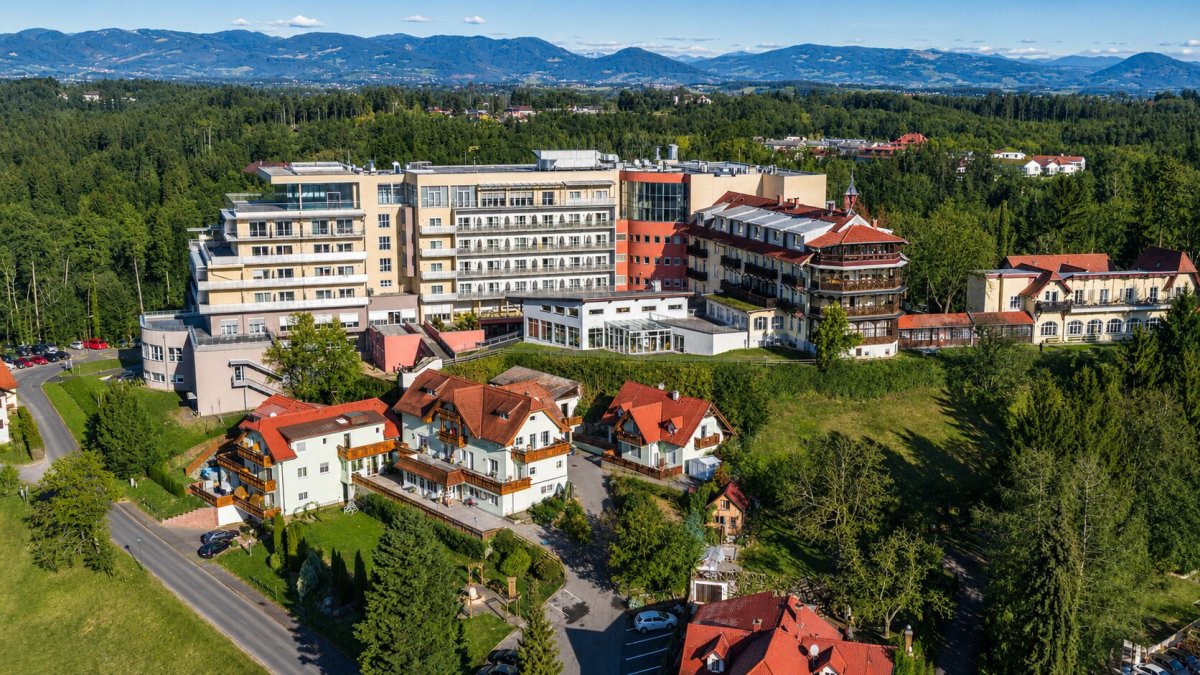
رؤية خبراء Bookimed: يستفيد المرضى الذين يحتاجون إلى تعافٍ عصبي وتقويمي متخصص من العيادات الحاصلة على شهادة ISO. يُعد مستشفى لاسنيتزهوه الخاص (Private Hospital Lassnitzhöhe) مثالياً لأولئك الذين يبحثون عن بيئة هادئة. يعالج هذا المركز البالغين والأطفال ويتمتع بتصنيف 5 نجوم. كما يوفر رعاية شاملة بسعة 289 سريراً وبنية تحتية حديثة. إن اختيار مثل هذه المراكز الراسخة يضمن الوصول إلى وحدات إعادة تأهيل متنوعة لإصابات العمود الفقري المعقدة.
| النمسا | تركيا | إسبانيا | |
|---|---|---|---|
| علاج فويتا - Vojta Therapy | ≈ $800 | من $230 | ≈ $600 |
| العلاج الوظيفي باستخدام فأرة الكمبيوتر الرأسية | ≈ $950 | ≈ $450 | ≈ $750 |
| العلاج التأهيلي بواسطة جهاز لوكومات (Lokomat) | ≈ $5,000 | من $300 | من $170 |
| العلاج التأهيلي بواسطة الهيكل الخارجي (Exoskeleton) | ≈ $4,200 | ≈ $1,800 | ≈ $1,800 |
| العلاج التأهيلي بنظام فيكتور كيت (Vector Gait System) | ≈ $9,000 | من $1,300 | ≈ $3,800 |
مزاياك وضماناتك مع Bookimed
أسعار مباشرة
Bookimed لا يضيف رسوماً إضافية على أسعار علاج العلاج التأهيلي بعد اصابة الحبل الشوكي. الأسعار مأخوذة من قوائم الأسعار الرسمية للعيادات. تدفع مباشرة في العيادة مقابل علاجك عند وصولك إلى البلد.
عيادات وأطباء معتمدون فقط
Bookimed ملتزم بسلامتك. نحن نعمل فقط مع المؤسسات الطبية التي تحافظ على معايير دولية عالية في علاج العلاج التأهيلي بعد اصابة الحبل الشوكي ولديها التراخيص اللازمة لخدمة المرضى الدوليين في جميع أنحاء العالم.
مساعدة مجانية على مدار الساعة
Bookimed يقدم مساعدة خبراء مجانية. منسق طبي شخصي يدعمك قبل وأثناء وبعد العلاج، ويحل أي مشاكل. لن تكون وحيداً أبداً في رحلة علاج العلاج التأهيلي بعد اصابة الحبل الشوكي.

منسقك الطبي الشخصي في Bookimed
- يدعمك في كل مرحلة
- المساعدة في اختيار العيادة الطبية المناسبة والطبيب المناسب
- يضمن الوصول السريع والمريح إلى المعلومات
اكتشف أفضل العلاج التأهيلي بعد اصابة الحبل الشوكي العيادات في النمسا: 1 خيار معتمدة والأسعار

مشاركة المحتوى
قصص فيديو من مرضى Bookimed
 Anna Leonova
أسئلة متكررة حول علاج العلاج التأهيلي بعد اصابة الحبل الشوكي في النمسا
ما هي الأهداف الوظيفية التي تستهدفها برامج إعادة تأهيل إصابات الحبل الشوكي النمساوية؟
تستهدف برامج إعادة التأهيل النمساوية لإصابات الحبل الشوكي تحقيق أقصى قدر من الاستقلالية وإعادة الاندماج في المجتمع. وتركز هذه البرامج على استعادة القدرة على الحركة باستخدام تقنيات روبوتية متطورة مثل لوكومات وإكسو جي تي. ويعمل المرضى على إتقان أنشطة الحياة اليومية، بما في ذلك العناية الذاتية، والتحكم في المثانة، واستقرار وظائف الجهاز التنفسي.
- التدريب على الحركة: تستخدم البرامج الهيكل الخارجي وجهاز لوكومات للتدريب على المشي والمرونة العصبية.
- الاستقلالية اليومية: يركز العلاج الوظيفي على ارتداء الملابس والاستحمام والانتقال الآمن من السرير إلى الكرسي.
- إدارة الأعضاء: يقوم الأخصائيون بوضع روتينات ذاتية الإدارة للأمعاء والمثانة لمنع العدوى.
- سلامة الأنسجة: يتعلم المرضى سلوكيات تخفيف الضغط الحيوية للقضاء على خطر الإصابة بقرح الضغط.
رأي خبراء بوكيمد: تركز مراكز إعادة التأهيل، مثل مستشفى لاسنتزهوهي الخاص، على تقوية الجزء العلوي من الجسم لتسهيل استخدام الكرسي المتحرك اليدوي. وبينما يأمل العديد من المرضى في استعادة قدرتهم على المشي، فإن أفضل النتائج تتحقق من خلال التركيز على ثبات الجذع. تُشكل هذه القوة الأساسية حجر الزاوية في تناول الطعام وارتداء الملابس والتنقل على مختلف أنواع
هل يتبع التأهيل نموذجًا متعدد التخصصات في النمسا؟
يتبع نظام إعادة التأهيل النمساوي نموذجًا متعدد التخصصات يخضع لرقابة صارمة، وفقًا لأطر الرعاية الصحية الوطنية. وتتعاون فرق من أطباء الأعصاب، وأخصائيي العلاج الطبيعي، وأخصائيي العلاج الوظيفي في علاج إصابات الحبل الشوكي. يدمج هذا النهج المنظم الدعم الطبي والجسدي والنفسي في مختلف المرافق السريرية، مثل مستشفى لاسنتزهوهي الخاص.
- الرعاية القائمة على المراحل: يتبع العلاج أربع مراحل موحدة تبدأ من إعادة التعبئة الحادة وتنتهي بالرعاية المجتمعية.
- الكوادر المتخصصة: يتألف فريق الرعاية الأساسي من أخصائيين طبيين متفانين، وعلماء رياضيين، وأخصائيين نفسيين.
- التكنولوجيا المتقدمة: تستخدم المرافق أنظمة روبوتية مثل لوكومات وأجهزة الرفع العمودية لاستعادة المهارات الحركية.
- الرقابة التنظيمية: يتم رصد مستويات التوظيف ومؤشرات الجودة قانونياً لضمان توحيد المعايير.
رأي خبراء بوكيمد: من أبرز نقاط القوة في النمسا نظام المسارات السريرية المتخصصة. فالمراكز ذات السعة العالية، مثل مستشفى لاسنتزهوهي الخاص الذي يضم 289 سريراً، تركز بشكل كامل على مسارات طبية محددة. ويتيح هذا التخصص للفرق الطبية اكتساب خبرة معمقة في إصابات الحبل الشوكي. ويستفيد المرضى من معدات متخصصة، مثل نظام ري-ستيب وبدلات أديل، التي ن
ما هي العلاجات الروبوتية المتقدمة المتاحة لإصابات الحبل الشوكي في النمسا؟
تستخدم العلاجات الروبوتية المتقدمة لإصابات الحبل الشوكي في النمسا تقنيات تدريب المشي بمساعدة الروبوتات والهياكل الخارجية القابلة للارتداء. تعمل هذه الأنظمة على تعزيز المرونة العصبية من خلال مهام متكررة. توفر المراكز المتخصصة أنظمة لوكومات وري-ستيب وبدلات إكسو جي تي. هذه التقنيات معتمدة من قبل الجمعية النمساوية لضمان الجودة.
- تدريب المشي: تعمل أنظمة لوكومات على إعادة تدريب أنماط المشي باستخدام أرجل روبوتية مدمجة في جهاز المشي.
- المشي على الأرض: تسمح الهياكل الخارجية التي تعمل بالبطارية مثل EksoGT للمرضى بالوقوف والمشي.
- محاكاة التضاريس: تعمل أحذية Re-step على محاكاة الأسطح غير المنتظمة لتحسين التوازن في العالم الحقيقي.
- الطرف العلوي: توفر أنظمة Armeo دعمًا للوزن لإعادة تأهيل حركة الكتف والمعصم.
رأي خبراء بوكيمد: يضم مستشفى لاسنيتزهوهي الخاص 289 سريرًا، وهو متخصص في إعادة تأهيل العمود الفقري للبالغين والأطفال. تتيح هذه السعة الكبيرة تقديم رعاية متكاملة تجمع بين التدريب الروبوتي على المشي والعلاج المائي المكثف. ويستفيد المرضى من معايير معتمدة من ISO تضمن سلامتهم التامة خلال جلسات العلاج الروبوتي عالية الكثافة.
إجماع
ما هي المراكز المتخصصة التي تقدم خدمات إعادة التأهيل العصبي الرائدة لإصابات الحبل الشوكي في النمسا؟
تضمّ مراكز إعادة التأهيل العصبي الرائدة في النمسا لإصابات الحبل الشوكي مرافق AUVA العامة مثل باد هارينغ، ومؤسسات خاصة مثل مستشفى لاسنتزهوه الخاص. وتعتمد هذه المراكز بروتوكولات معتمدة من ISO وتقنيات روبوتية مثل لوكومات. وتُعطي مسارات الرعاية المتخصصة الأولوية لاستعادة وظائف الجهاز العصبي اللاإرادي وتحقيق الاستقلالية على المدى الطويل.
- الأنظمة الروبوتية: تستخدم العيادات نظامي Exoskeleton و Lokomat لتدريب المشي والحركة.
- العلاجات المتخصصة: تشمل البرامج علاج فوجتا وأنظمة ري-ستيب لتجديد الأعصاب.
- معايير المنشأة: تحافظ مراكز مثل مستشفى لاسنتزهوهي الخاص على شهادات الجودة EN ISO 9001:2008.
- الخبرة السريرية: توفر المراكز التابعة للجامعات مثل مركز كريستيان دوبلر كلينيك رعاية عصبية حرجة عالية المستوى.
رأي خبراء بوكيمد: يتميز مستشفى لاسنتزهوه الخاص بتقديمه برنامجًا علاجيًا مكثفًا، حيث يوفر ما يصل إلى 33 جلسة فردية أسبوعيًا. غالبًا ما يكون هذا التردد العالي أكثر فعالية من البروتوكولات القياسية. كما تضمن سعته البالغة 289 سريرًا توفر فرق متخصصة للحالات المعقدة، تركز على التعافي العضلي الهيكلي والعصبي.
إجماع المرضى: يؤكد
ما الذي يتضمنه جدول العلاج اليومي النموذجي للمرضى المقيمين في المستشفى؟
يتطلب إعادة تأهيل إصابات الحبل الشوكي للمرضى المقيمين في النمسا 15 ساعة من العلاج أسبوعيًا. ويخضع المرضى عادةً لثلاث ساعات من التدريب المكثف يوميًا على مدار خمسة أيام. وتتضمن الجداول اليومية دمج تدريب المشي باستخدام جهاز لوكومات الروبوتي مع أنشطة وظيفية مثل ارتداء الملابس والعناية الشخصية لتعزيز المرونة العصبية والاستقلالية إلى أقصى حد.
- الروتين الصباحي: تقوم الممرضات بفحص العلامات الحيوية والإشراف على أنشطة الحياة اليومية في الساعة 6:30 صباحاً.
- فترة التدريب المكثف: تركز الجلسات الصباحية على الحركة العامة باستخدام أجهزة الرفع العمودية أو تقنية الهيكل الخارجي.
- التعافي في منتصف النهار: فترة راحة إلزامية تلي الغداء لمنع الإرهاق البدني والعقلي.
- التطبيق الوظيفي: تستخدم جلسات ما بعد الظهر علاج TheraSuit أو Vojta لتحسين مهارات حركية محددة.
رأي خبراء بوكيمد: تستخدم عيادات مثل مستشفى لاسنتزهوهي الخاص نسبة عالية من الأسرة إلى المبنى لضمان بقاء المعالجين على مقربة من غرف النقاهة. يتيح هذا النظام للموظفين تحويل إجراءات الحمام الروتينية إلى جلسات علاجية فورية. غالبًا ما يجد المرضى في المرافق الحاصلة على شهادة الأيزو أن عمليات النقل المتكررة من أسرة متخصصة توفر تقدمًا وظيفيًا أك
ما هي مدة الإقامة المتوسطة في قسم إعادة التأهيل للمرضى الداخليين؟
تستغرق فترة إعادة التأهيل للمرضى الداخليين المصابين بإصابات الحبل الشوكي في النمسا عادةً ما بين 4 و12 أسبوعًا. ويقضي معظم المرضى من 6 إلى 8 أسابيع في مرافق متخصصة. وتعتمد هذه المدة على استقرار الحالة الصحية وأهداف الاستقلالية القابلة للقياس. وتولي المراكز الأوروبية أولوية قصوى للتعافي الوظيفي ومعايير السلامة.
- المعالم الوظيفية: يتطلب الخروج من المستشفى الاستقلالية في التنقلات والرعاية الذاتية الأساسية.
- مستوى الإصابة: غالباً ما تتطلب إصابات الفقرات العنقية العلوية فترات إقامة أطول من إصابات الفقرات السفلية.
- التكنولوجيا المتقدمة: تستخدم العيادات النمساوية أجهزة لوكومات والهياكل الخارجية لتسريع الحركة.
- إدارة المضاعفات: قد تطول فترة الإقامة في حالة حدوث التهابات أو تقرحات ضغط.
رأي خبراء بوكيمد: يوفر مستشفى لاسنتزهوهي الخاص 289 سريرًا، وهي سعة كبيرة بالنسبة لإعادة التأهيل في أوروبا. يتيح هذا العدد الكبير وجود فرق متخصصة في طب الأعصاب وجراحة العظام. عادةً ما توفر المرافق الكبيرة تجهيزات أكثر، مثل المسابح الداخلية وغرف العلاج. تساعد هذه الموارد المرضى على تلبية متطلبات التأمين الصارمة بكفاءة أكبر.
إجماع المرضى: