العودة إلى الصفحة الرئيسية
820К+ مريضًا حصلوا على المساعدة منذ عام 2014
50 دول
1,500 عيادات
6K+ تقييمات
3K+ طبيب مؤهل

ما هي تكلفة تحص صفراوي إجراءات التشخيص والعلاج في تايلاند؟ اعرف الآن

Cholelithiasis treatment cost in Thailand typically involves diagnostic workups and surgical intervention. A consultation with a gastroenterologist runs from السعر عند الطلب to السعر عند الطلب, while a biochemical blood analysis generally ranges from السعر عند الطلب to السعر عند الطلب. Total expenses depend on the surgical approach, hospital tier, and patient complications. Patients often see 30-50% savings compared to the US. Top cities for this treatment include Bangkok, Pattaya, and Chiang Mai.

Typical Cholelithiasis Treatment Costs in Thailand

  • Consultation with a gastroenterologist: السعر عند الطلب
  • Gastroscopy: السعر عند الطلب
  • Biochemical blood analysis: السعر عند الطلب
  • Extended analysis of blood: السعر عند الطلب
  • Coagulogram: السعر عند الطلب
  • ECG: السعر عند الطلب

Bookimed Expert Insight: Patients seeking high-tech solutions should prioritize JCI-accredited centers like Bumrungrad International Hospital. This facility utilizes advanced robotic surgery and AI-driven diagnostics for complex gallstone cases. For efficient, rapid diagnoses, Intrarat Hospital offers ISO-certified care with 26 specialized departments. Those requiring integrated gastrointestinal care benefit from specialists like Dr. Pichai Kittipanyaworakul, who holds advanced diplomas in hepatology.

مزاياك وضماناتك مع Bookimed

أسعار مباشرة

Bookimed لا يضيف رسوماً إضافية على أسعار علاج تحص صفراوي. الأسعار مأخوذة من قوائم الأسعار الرسمية للعيادات. تدفع مباشرة في العيادة مقابل علاجك عند وصولك إلى البلد.

عيادات وأطباء معتمدون فقط

Bookimed ملتزم بسلامتك. نحن نعمل فقط مع المؤسسات الطبية التي تحافظ على معايير دولية عالية في علاج تحص صفراوي ولديها التراخيص اللازمة لخدمة المرضى الدوليين في جميع أنحاء العالم.

مساعدة مجانية على مدار الساعة

Bookimed يقدم مساعدة خبراء مجانية. منسق طبي شخصي يدعمك قبل وأثناء وبعد العلاج، ويحل أي مشاكل. لن تكون وحيداً أبداً في رحلة علاج تحص صفراوي.

لماذا نحن؟

منسقك الطبي الشخصي في Bookimed

  • يدعمك في كل مرحلة
  • المساعدة في اختيار العيادة الطبية المناسبة والطبيب المناسب
  • يضمن الوصول السريع والمريح إلى المعلومات

اكتشف أفضل تحص صفراوي العيادات في تايلاند: 5 خيارات معتمدة والأسعار

تم تصنيف العيادات بواسطة نظام Bookimed الذكي، باستخدام تحليل علوم البيانات عبر 5 معايير رئيسية.
Intrarat Hospital
Bumrungrad International Hospital
MedConsult Bangkok Medical Clinic
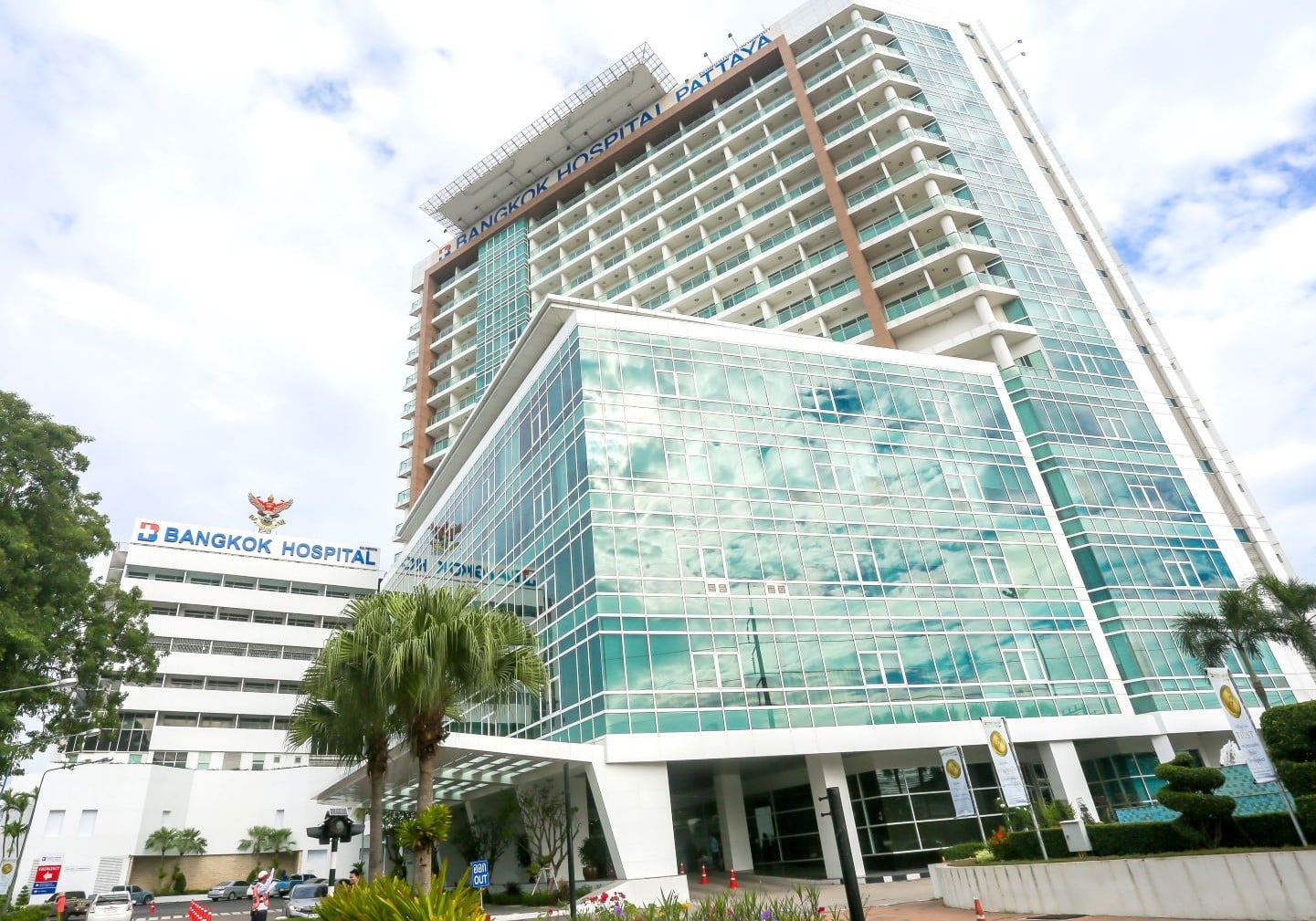
Bangkok Hospital Pattaya
Sikarin Hospital

احصلوا على تقييم طبي لـ تحص صفراوي في تايلاند: استشيروا أطباء ذوي خبرة الآن

عرض جميع الأطباء
يؤكد

Pichai Kittipanyaworakul

15سنة خبره ١٦ سنة

Pichai Kittipanyaworakul، دكتور في الطب (M.D.)، طبيب باطني متخصص في أمراض الجهاز الهضمي والكبد.

التعليم: دكتور في الطب (M.D.)، كلية الطب، جامعة تشيانغ ماي.

الاعتمادات: دبلوم في الطب الباطني، مستشفى تشولالونغكورن التذكاري، جمعية الصليب الأحمر التايلاندي. دبلوم في الطب الباطني (أمراض الجهاز الهضمي والكبد)، كلية الطب بمستشفى راماثيبودي، جامعة ماهيدول.

مشاركة المحتوى

Twitter XLinkedinFacebookWhatsAppEmail
أحصل على الرابط

قصص فيديو من مرضى Bookimed

Dayana
جمعت بين إجازتي في أنطاليا والفحص الطبي.
إجراء: فحص صحة الإناث (انظر فحص النساء)
Igor
كان رائعاً! التنقلات والإقامة والعلاج - كل شيء مشمول.
إجراء: زرع الأسنان
مستشفى: WestDent Clinic
Marina
قام Bookimed بكل شيء من أجلي. لم أضطر للقلق بشأن أي شيء.
إجراء: فحص صحة الإناث (انظر فحص النساء)
مستشفى: Severance Hospital
محدث: 10/22/2024
تأليف
Anna Leonova
Anna Leonova
رئيس فريق تسويق المحتوى
محررة طبية معتمدة لديها خبرة تزيد عن 10 سنوات، طوّرت محتوى Bookimed الموثوق، مدعومة بماجستير في علم اللغة ومقابلات مع خبراء طبيين من جميع أنحاء العالم.
تمت المراجعة من قبل المستشار الطبي في Bookimed
فهد مولود
محرر طبي وعالم بيانات
طبيب عام. حاصل على 4 جوائز علمية. خدم في غرب آسيا. رئيس الفريق الطبي الناطق بالعربية سابقا ومسؤول عن معالجة البيانات ودقة المحتوى الطبي حاليا.
فهد مولود Linkedin
قد تحتوي هذه الصفحة على معلومات تتعلق بمختلف الحالات الطبية والعلاجات وخدمات الرعاية الصحية المتوفرة في بلدان مختلفة. يرجى العلم أن المحتوى مقدم لأغراض إعلامية فقط ولا ينبغي تفسيره على أنه نصيحة أو إرشادات طبية. يرجى استشارة طبيبك أو أخصائي طبي مؤهل قبل البدء أو تغيير العلاج الطبي.

أسئلة متكررة حول علاج تحص صفراوي في تايلاند

هذه الأسئلة الشائعة مأخوذة من مرضى حقيقيين يبحثون عن رعاية طبية عبر Bookimed. يتم تقديم الإجابات من قبل منسقين طبيين ذوي خبرة وممثلين موثوقين من العيادات.

هل من الآمن إجراء جراحة المرارة في تايلاند؟

جراحة المرارة في تايلاند آمنة للغاية في المرافق المعتمدة من JCI. تتبع هذه المستشفيات البروتوكولات العالمية لاستئصال المرارة بالمنظار. تبلغ المراكز الرائدة عن معدلات نجاح تصل إلى 95%. غالباً ما يكون لدى الجراحين الخبراء تدريب وشهادات دولية من الكلية الملكية للجراحين في تايلاند.

  • المرافق المعتمدة: تحمل مستشفيات مثل Bumrungrad International شهادات جودة JCI وGHA.
  • التقنيات الجراحية: يستخدم أكثر من 95% من الإجراءات طرق التنظير طفيف التوغل للتعافي.
  • مكافحة العدوى: تحافظ المستشفيات الخاصة من الدرجة الأولى على معدلات عدوى ما بعد الجراحة تقترب من الصفر بالمائة.
  • الوصول إلى التكنولوجيا: تستخدم المراكز أنظمة تنظير ثلاثية الأبعاد و4K متقدمة للحصول على رؤية دقيقة وعالية الوضوح.

رؤية خبير Bookimed: تحتل تايلاند المرتبة السابعة عالمياً في شبكتنا للطلبات الطبية. تخدم المراكز ذات الكثافة العالية مثل Bumrungrad أكثر من مليون مريض سنوياً. يضمن حجمها الكبير أن الجراحين يديرون آلاف حالات المرارة. يرتبط هذا الحجم الكبير ارتباطاً مباشراً بالسلامة المستمرة والرعاية المتخصصة.

إجماع المرضى: يلاحظ المرضى أن المستشفيات الخاصة الكبيرة تقدم خدمة فعالة للغاية وطاقم عمل يتحدث الإنجليزية. ويؤكدون أنه على الرغم من أن الجراحة روتينية، يجب عليك تخصيص أيام إضافية قبل العودة إلى الوطن.


Is laparoscopic (keyhole) surgery better than open surgery for cholelithiasis treatment in Thailand?

Laparoscopic (keyhole) surgery is better than open surgery for cholelithiasis in Thailand. It offers faster recovery, less pain, and smaller scars with lower infection risk. Most patients return to normal activities within two weeks. Thai hospitals provide quality laparoscopic care backed by international accreditation.

  • Recovery speed: laparoscopic surgery patients resume normal activities in about 2 weeks.
  • Post-op pain: keyhole surgery causes less pain and smaller scars than open surgery.
  • Complication risk: laparoscopy lowers infection and bleeding chances versus open surgery.
  • Patient volume: Bumrungrad treats over 1 million patients yearly with JCI and ISO accreditation.
  • Follow-up care: digestive normalisation takes 4–6 weeks; diet adjustment is vital.

Bookimed Expert Insight: Thai hospitals like Bumrungrad and Sikarin offer JCI-accredited laparoscopic surgery with strong patient volumes. Patients seeking lasting value often choose mid-tier hospitals with good international reputations, balancing cost and care options. Early recovery support, including gas relief and heating pads, is widely recommended.

Patient Consensus: Patients appreciate quicker healing and less pain after laparoscopic surgery in Thailand. Many mention returning to spicy Thai food sooner and recommend hospitals like St. Louis and Paolo for good care and reasonable prices. Managing shoulder pain with walking and gas-relief meds often helps after surgery.

Is it safe to have gallbladder surgery in Thailand for cholelithiasis?

Gallbladder surgery for cholelithiasis in Thailand is generally safe at private hospitals. JCI-accredited centres offer laparoscopic cholecystectomy with low complication rates and fast recovery. Patients are often discharged within 1–2 days. Top hospitals like Bumrungrad and Bangkok Hospital maintain excellent safety standards.

  • Accreditation: Bumrungrad and Bangkok Hospital Pattaya hold JCI and ISO certifications.
  • Surgical approach: Laparoscopic keyhole surgery reduces pain and speeds recovery.
  • Safety record: Major Thai private hospitals have very low rates of infection or bile leakage.
  • Recovery time: Patients often walk within 4–6 hours and resume light activity quickly.
  • Diagnostics: Hospitals use ECG, gastroscopy, and detailed blood tests before surgery.

Bookimed Expert Insight: Bumrungrad International attracts over 1 million patients yearly, half from overseas, reflecting trust in Thai care. Intrarat Hospital, despite being newer, serves 100,000 patients annually with ISO certification. Checking hospital accreditation like JCI or ISO helps identify quality centres offering safe procedures for international patients, including Australians.

Patient Consensus: Patients note gallbladder surgery in Thailand is cost-effective and smooth at private hospitals. Many recommend having the procedure before any infection appears and advise a low-fat diet post-surgery. Recovery is quick, with regular walking encouraged but heavy exercise avoided initially.

How long does the recovery take after gallbladder surgery for cholelithiasis in Thailand?

Recovery after gallbladder surgery for cholelithiasis in Thailand usually takes about 2 weeks for most patients. Laparoscopic surgery involves a short hospital stay and allows return to light activities within this time. Full comfort and diet adjustments may last up to 6 to 8 weeks.

  • Hospital stay: Usually same-day or 1 night for laparoscopic surgery.
  • Return to light work: Possible within 4 days to 2 weeks, depending on job type.
  • Diet: Normal meals resume after 3 to 4 weeks, with a low-fat, low-spice diet advised.
  • Post-op symptoms: Shoulder pain and digestion changes may persist up to 6 to 8 weeks.

Bookimed Expert Insight: Leading Bangkok hospitals like Bumrungrad and Intrarat treat 100,000+ patients yearly, offering quick laparoscopic gallbladder surgery recovery. Patients with desk jobs often resume work within a week, while those in physical roles allow 2+ weeks. Support at home during the first week boosts mobility and healing.

Patient Consensus: Patients in Thailand find pain mainly in the first week, easing with walking and heat packs. Most note it helps to follow a bland, soft diet early on. Many highlight the importance of rest and gentle activity to manage shoulder pain and digestion changes during recovery.

Do I need to have my gallbladder removed if I have no symptoms of cholelithiasis when seeking treatment in Thailand?

Gallbladder removal is usually not needed if gallstones cause no symptoms in Thailand. Surgery is considered only for large stones, polyps, or high-risk conditions. Private hospitals in Thailand offer thorough check-ups with experienced gastroenterologists and surgeons to decide the best approach.

  • Diagnostic tests: include ECG, gastroscopy, and biochemical blood analysis.
  • High-risk cases: removal advised for stones over 2 cm or polyps above 1 cm.
  • Special factors: calcified gallbladder or severe diabetes increase removal likelihood.
  • Clinics: Bangkok Hospital Pattaya, Bumrungrad, and Intrarat Hospital provide advanced care.
  • Consultation: gastroenterologist Dr Pichai Kittipanyaworakul offers expert assessment in Bangkok.

Bookimed Expert Insight: Thailand’s top private hospitals have global accreditations like Joint Commission International (JCI), making them safe for careful evaluation. Clinics such as Bumrungrad use AI diagnostics and telemedicine to monitor asymptomatic gallstones. Many surgeries are avoided through precise risk assessments, saving patients unnecessary operations.

Patient Consensus: Patients travelling to Thailand note that doctors usually recommend surgery only for symptoms. They advise watching for pain and avoiding rich foods to prevent attacks. Many value having clear warning signs explained before any decision on surgery.

Can gallstones be dissolved instead of having surgery in Thailand for cholelithiasis?

Gallstones in Thailand are rarely dissolved with medication due to low success and slow results. Surgery, mainly laparoscopic cholecystectomy, is the preferred, effective treatment for cholelithiasis.

  • Dissolution medication: Ursodeoxycholic acid may dissolve small cholesterol gallstones under 5 mm.
  • Treatment duration: Dissolution can take 6–12 months with 30–50% success and high recurrence risk.
  • Surgical preference: Laparoscopic gallbladder removal is standard and offers a one-time, reliable cure.
  • Non-surgical methods: ERCP removes duct stones but does not treat the gallbladder itself.
  • Diagnostic services: Thai clinics use gastroscopy, ECG, and blood tests to assess gallstone complications.

Bookimed Expert Insight: Thailand’s top hospitals like Bumrungrad and Intrarat focus on surgery over dissolution. Medical centres perform extensive diagnostics but rarely offer non-surgical gallstone dissolution. Surgery packages are widely available, making surgery the quicker, more dependable option for Australian patients.

Patient Consensus: Patients in Thailand note that medication to dissolve stones takes ages and may not fix gallbladder issues. Most say surgery gave faster, lasting relief. Many Australians highlight the thorough checks and quick hospital care available for gallstone surgery.

What should I eat after gallbladder surgery for cholelithiasis when treated in Thailand?

After gallbladder surgery in Thailand, focus on low-fat, bland foods like steamed chicken, plain rice, and clear soups. Avoid spicy, fried, and fatty Thai dishes for at least 4–6 weeks. Drink plenty of water, and small frequent meals help ease digestion.

  • Hydration: Drink water and electrolyte drinks to reduce nausea and aid recovery.
  • Food choices: Eat bland items like chicken noodle soup, mashed potatoes, and rice.
  • Avoid: Fatty meats, fried foods, spicy dishes, dairy, sweets, alcohol, and eggs early on.
  • Reintroduction: Slowly add small fat portions after 3–4 weeks while monitoring tolerance.
  • Local advice: Ask for "mai nam man" (no oil) in stir-fries to reduce fat intake.

Bookimed Expert Insight: Thailand’s top hospitals, like Bumrungrad International and Intrarat Hospital, treat large international patient volumes. Many patients benefit from combining bland diet advice with local low-fat Thai dishes. Some recover better by starting with simple clear soups and gradually adding mild, steamed options unique to Thai cuisine.

Patient Consensus: Patients in Thailand say bland soups and steamed chicken helped prevent nausea early on. They note it’s smart to avoid spicy street food initially. Hydration and small meals made a big difference during recovery.

What are the top hospitals in Thailand for cholelithiasis treatment?

Top hospitals in Thailand for cholelithiasis treatment include Bumrungrad International Hospital and Intrarat Hospital, known for advanced care and international standards. Both provide minimally invasive surgery options, with Bumrungrad recognised globally for quality and safety by Joint Commission International (JCI) and ISO.

  • Bumrungrad International Hospital: JCI-accredited, serves 1,000,000 patients yearly, advanced tech like robotic surgery.
  • Intrarat Hospital: ISO 9001:2015 certified, 200 doctors across 26 departments, treats 100,000 patients annually.
  • Sikarin Hospital: JCI and ISO certified, focused on gastroenterology and serves international patients from Australia.
  • Bangkok Hospital Pattaya: JCI-accredited, main hospital for eastern Thailand, part of Bangkok Hospital Group.
  • MedConsult Bangkok Clinic: Smaller centre with a focus on international patients from Australia and beyond.

Bookimed Expert Insight: Bumrungrad leads with 1,300 doctors and global recognition as a top hospital. Intrarat stands out recently with its modern ISO certification and broad patient volume. For Australians, Sikarin Hospital is a strong choice due to its good rating and experience treating patients from the region.

Patient Consensus: Patients note Thailand offers quality gallstone treatment at private and university hospitals. Bangkok Hospital Group is praised for care quality, but some prefer mid-range hospitals for cost balance. Language support and after-hours clinics at public hospitals help Australians navigate care.

احصل على استشارة مجانية

حدد أفضل طريقة للاتصال بك