علاج تحص صفراوي في إسبانيا: 12 مستشفيات


تمت مراجعة المقالة طبيا من قبل
فهد مولود
كيف نعمل؟
ما هي تكلفة تحص صفراوي إجراءات التشخيص والعلاج في إسبانيا؟ اعرف الآن
تتضمن تكلفة علاج حصوات المرارة في إسبانيا عادةً التشخيصات الأساسية مثل استشارة طبيب الجهاز الهضمي، والتي تتراوح ما بين $170 إلى $350. يختلف التدخل الجراحي لحصوات المرارة بناءً على الطريقة المتبعة، حيث تُعد الجراحة بالمنظار والجراحة التقليدية الخيارين الأساسيين. تعتمد التكاليف الإجمالية على مستوى العيادة، وخبرة الجراح، ومدة الإقامة في المستشفى. يمكن للمرضى توقع توفير ما بين 65-80% مقارنة بالولايات المتحدة، مع توفر رعاية فائقة الجودة في برشلونة ومدريد وبامبلونا.
تكاليف علاج حصوات المرارة النموذجية في إسبانيا
- استشارة طبيب الجهاز الهضمي: $170 – $350
- تحليل الدم الكيميائي الحيوي: من $120
- تنظير المعدة: من $520
رؤية خبراء Bookimed: بالنسبة للحالات المعقدة التي تتطلب جراحة عالية الدقة، توفر المراكز الحاصلة على اعتماد اللجنة الدولية المشتركة (JCI) مثل Centro Médico Teknon أو Clinica Universidad de Navarra خبرة متميزة. تُعد هذه المؤسسات مثالية للمرضى الذين يبحثون عن متخصصين مرموقين مثل الدكتور خورخي مويسيس ساندروس، الذي يتمتع بخبرة تمتد لـ 31 عاماً. يجب على المرضى الذين يعطون الأولوية للتعافي السريع البحث عن مراكز ذات قدرات جراحية روبوتية، مثل مستشفى كيرون برشلونة (Hospital Quiron Barcelona)، الذي يستقبل أكثر من 40,000 مريض سنوياً. وفي حين أن الغرف الخاصة الفاخرة و"الأجنحة الملكية" تزيد من التكاليف، إلا أنها توفر راحة فائقة للمرضى الدوليين. وللتركيز المتخصص على الجهاز الهضمي، تقدم عيادة ServiDigest برامج متخصصة تستند إلى أكثر من 40 عاماً من الممارسة السريرية في برشلونة.
اكتشف أفضل تحص صفراوي العيادات في إسبانيا: 12 خيارات معتمدة والأسعار





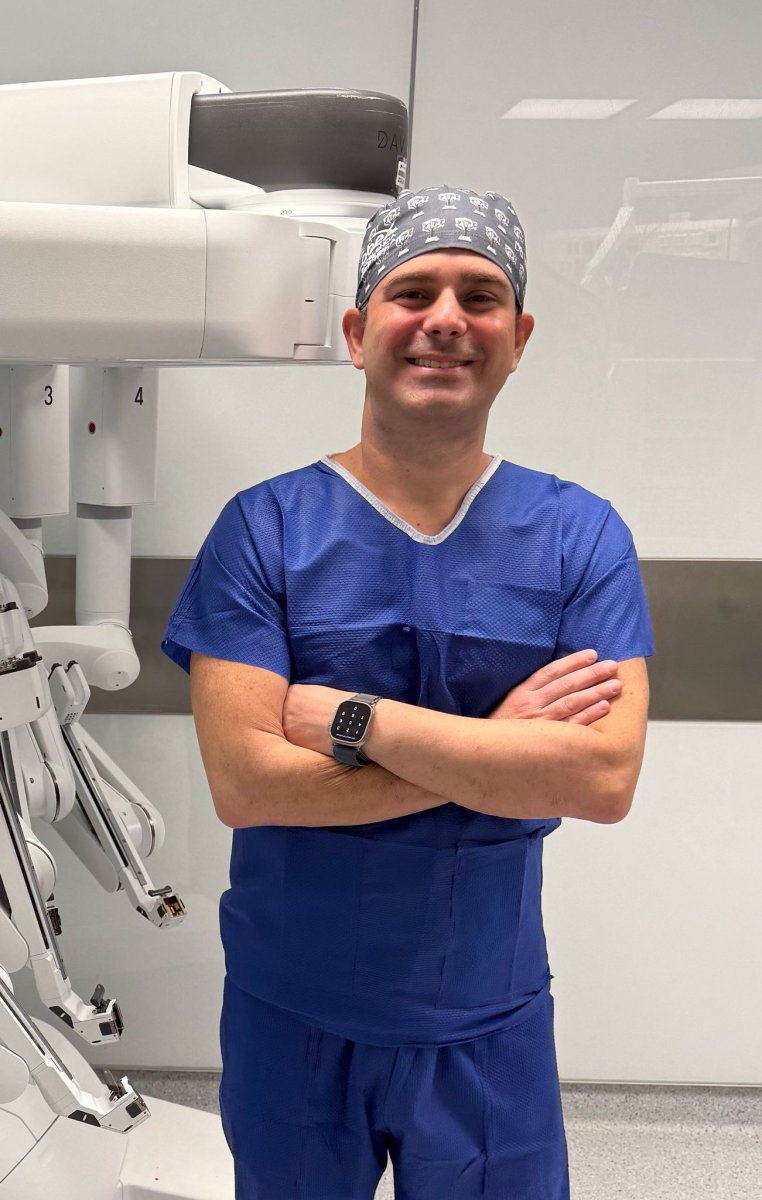
عيادة أمراض الجهاز الهضمي وجراحة القولون Centro PAD
Carlos Garcia Vasquez






SJD Barcelona Children’s Hospital



Medical and Surgical Center ServiDigest





احصل على تقييم طبي لـ في إسبانيا. استشر الآن 8 أطباء ذوي الخبرة.
عرض جميع الأطباءCarlos Garcia Vasquez
جرّاح في الجراحة العامة وجراحة الجهاز الهضمي. يركز على جراحات القولون والمستقيم والشرج وجدار البطن طفيفة التوغل. رئيس مشارك، Infanta Elena University Hospital (2021–). جرّاح معاون، Fundación Jiménez Díaz (2013–).
الاعتمادات: دكتوراه في الجراحة بامتياز مع مرتبة الشرف العليا (UAM). معتمد في الجراحة الروبوتية (Da Vinci X/Xi/5). تدريب متقدم في الجراحة العامة بالمنظار (IRCAD، ستراسبورغ). اختصاصي في الجراحة العامة وجراحة الجهاز الهضمي (Fundación Jiménez Díaz).
الإنجازات: باحث (2013–).

Jorge Moises Sandrus
الدكتور ساندراس، رئيس قسم الطب الباطني في مركز تيكنون الطبي (Centro Médico Teknon)، يتمتع بعقود من الخبرة المتخصصة في أمراض الكلى والطب الباطني.
- تخصص في أمراض الكلى في مستشفى كلينيك في برشلونة
- كبير الأخصائيين في قسم الطب الباطني في تيكنون منذ عام 2009
- عضو في الجمعية الإسبانية لأمراض الكلى
- أطروحة الدكتوراه ركزت على أمراض الكلى
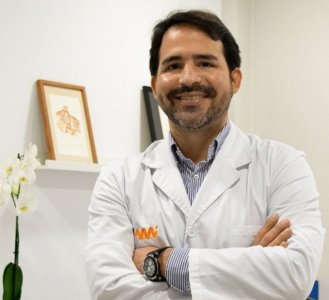
Michel Blé

Miquel Sans Cuffí
يتخصص الدكتور سانس كوفي في اضطرابات الجهاز الهضمي، مع خبرة بحثية وسريرية واسعة في أمراض الجهاز الهضمي.
- أكمل التدريب بعد التخرج في جامعة كيس وسترن ريسرف، الولايات المتحدة الأمريكية
- مؤلف لأكثر من 150 منشوراً و500 عرض تقديمي في المؤتمرات
- عضو في العديد من جمعيات أمراض الجهاز الهضمي المرموقة
- يركز على أمراض الأمعاء الالتهابية والتهاب الأمعاء المزمن
مشاركة المحتوى
قصص فيديو من مرضى Bookimed
 Anna Leonova
أسئلة متكررة حول علاج تحص صفراوي في إسبانيا
ما هي طرق العلاج الرئيسية المتاحة لحصوات المرارة في إسبانيا؟
استئصال المرارة بالمنظار هو العلاج الأساسي لحصوات المرارة المصحوبة بأعراض في إسبانيا. تستخدم المراكز المعتمدة من قبل اللجنة الدولية المشتركة (JCI) في مدريد وبرشلونة منصات متقدمة بمساعدة الروبوت مثل Da Vinci لإزالة المرارة بدقة. تعالج الإجراءات التنظيرية المتخصصة مثل ERCP انسدادات القناة المعقدة لضمان رعاية صفراوية شاملة.
- جراحة المنظار: إزالة المرارة طفيفة التوغل يتم إجراؤها عبر 3 إلى 4 شقوق صغيرة.
- المساعدة الروبوتية: دقة محسنة باستخدام أنظمة Da Vinci في مراكز مثل مستشفى كيرون برشلونة.
- استخراج ERCP: إزالة الحصوات بالمنظار من القناة الصفراوية عبر أنبوب مرن.
- حزمة التشخيص: تشمل البروتوكولات القياسية تحليل الدم الكيميائي الحيوي، وتخطيط التخثر، واستشارة أخصائي الجهاز الهضمي.
رؤية خبير Bookimed: تحتل إسبانيا المرتبة الرابعة عالمياً في طلبات المرضى على منصتنا، مدفوعة بمراكز ذات حجم كبير مثل Centro Médico Teknon الذي يجري 23,500 عملية سنوياً. يستفيد المرضى من جراحين مثل الدكتور كارلوس غارسيا فاسكيز في Centro PAD، الذي يحمل شهادات محددة في أحدث منصة Da Vinci 5. غالباً ما يكون هذا العمق في الخبرة الروبوتية عاملاً حاسماً للمرضى الذين يبحثون عن أوقات تعافي أسرع مقارنة بجراحة المنظار القياسية.
إجماع المرضى: يشير المرضى إلى أن الالتزام بنظام غذائي قليل الدسم يساعد في إدارة الأعراض مؤقتاً أثناء انتظار إحالة الأخصائي. يؤكد معظمهم أن جراحة المنظار هي حل سريع ومفضل على عدم القدرة على التنبؤ بنوبات الألم المتكررة.
ما هي الأساليب غير الجراحية المتاحة لعلاج حصوات المرارة في إسبانيا؟
يعطي العلاج غير الجراحي لحصوات المرارة في إسبانيا الأولوية للمراقبة النشطة والإذابة الدوائية للمرضى المؤهلين. يستخدم أطباء الجهاز الهضمي العلاج بحمض الصفراء عن طريق الفم لإذابة حصوات الكوليسترول المحددة. توفر التقنيات التنظيرية المتقدمة مثل تصوير البنكرياس والقنوات الصفراوية بالتنظير الباطني (ERCP) وتفتيت الحصوات بالموجات التصادمية بدائل طفيفة التوغل لانسدادات القنوات داخل المرافق المعتمدة من اللجنة الدولية المشتركة (JCI).
- إذابة الحصوات عن طريق الفم: يصف الأطباء حمض أورسوديوكسيكوليك للحصوات الصغيرة غير المتكلسة.
- تنظير ERCP: يقوم المتخصصون بإزالة انسدادات القناة الصفراوية باستخدام أنابيب مرنة وبالونات.
- تفتيت الحصوات بالموجات التصادمية: تعمل الموجات الصوتية على تفتيت الحصوات الكبيرة إلى قطع أصغر يمكن تمريرها.
- التصريف عبر الجلد: يقوم أطباء الأشعة بتخفيف ضغط المرارة للمرضى غير المؤهلين للتخدير.
- المراقبة الانتظارية: يراقب الأطباء الحصوات التي لا تسبب أعراضًا من خلال تتبع النظام الغذائي ونمط الحياة.
رؤية خبير Bookimed: تحتل إسبانيا المرتبة الرابعة عالميًا على منصة Bookimed من حيث طلبات المرضى، مدفوعة بمراكز مثل Centro Médico Teknon و Hospital Quiron Barcelona. تعالج هذه المرافق ما يصل إلى 450,000 مريض سنويًا وتؤكد على الرعاية متعددة التخصصات. للحالات غير الجراحية، ابحث عن متخصصين مثل الدكتور خوسيه ميغيل إستيبان لوبيز-جامار. وهو رائد في التنظير البيئي ولديه أكثر من 20 عامًا من الخبرة في تشخيص الجهاز الهضمي المتقدم.
ما هي المدن والمستشفيات التي تعتبر من الطراز الأول لرعاية حصوات المرارة في إسبانيا؟
تعد مدريد وبرشلونة وبامبلونا المراكز الإسبانية الرئيسية لرعاية حصوات المرارة. تمتلك مرافق من الطراز الأول مثل Centro Médico Teknon و Clínica Universidad de Navarra اعتماد JCI. وهي متخصصة في استئصال المرارة بالمنظار وبمساعدة الروبوت. توفر هذه المراكز تشخيصات سريعة، بما في ذلك تنظير المعدة وتحليل الدم، لاضطرابات القناة الصفراوية.
- التكنولوجيا الجراحية: توفر مراكز مثل مستشفى كيرون برشلونة جراحة روبوتية و23 غرفة عمليات.
- الخبرة المتخصصة: يركز مركز Centro PAD في مدريد، المتخصص في جراحة الجهاز الهضمي، على بروتوكولات التعافي السريع.
- حجم العمليات المرتفع: يجري مركز Centro Médico Teknon 23,500 عملية سنوياً مع 400 طبيب متخصص.
- التشخيص المتقدم: توفر المرافق إجراءات ERCP وPET-CT والرنين المغناطيسي لإدارة حصوات القناة الصفراوية المعقدة.
رؤية خبير Bookimed: بينما الهيبة مهمة، انظر إلى المراكز المتخصصة مثل Centro PAD في مدريد. على الرغم من أنه يخدم 600 مريض فقط سنوياً، إلا أنه يركز بشكل خاص على جراحة الجهاز الهضمي. تقدم هذه العيادة منصات روبوتية Da Vinci وتقنيات تنظير متخصصة. غالباً ما توفر المراكز الأصغر والأكثر تركيزاً تخطيطاً جراحياً فردياً أكثر من المستشفيات العامة ذات الحجم الكبير.
إجماع المرضى: يؤكد المرضى على أهمية العثور على مستشفيات تقدم الجراحة في نفس وقت الدخول إذا حدث التهاب في المرارة. وغالباً ما يشيرون إلى أن الوصول إلى ERCP على مدار الساعة طوال أيام الأسبوع لحصوات القناة الصفراوية يمنع عمليات النقل المرهقة بين المست
كم من الوقت يجب أن أخطط للبقاء في إسبانيا لجراحة حصوات المرارة والمتابعة؟
خطط للبقاء في إسبانيا لمدة 7 إلى 10 أيام لاستئصال المرارة بالمنظار. تتطلب الجراحة المفتوحة من 14 إلى 21 يوماً للتعافي الآمن. تضمن هذه الجداول الزمنية اجتيازك للمتابعة الأولى. كما أنها تقلل من المخاطر مثل جلطات الدم أو مضاعفات ضغط المقصورة أثناء رحلة العودة.
- الإقامة في المستشفى: توقع من 0 إلى ليلة واحدة للمنظار أو من 2 إلى 4 ليالٍ للجراحة المفتوحة.
- الفحوصات قبل الجراحة: خصص يوماً واحداً لتحاليل الدم وتخطيط القلب والاستشارة مع أخصائي الجهاز الهضمي.
- توقيت المتابعة: حدد موعد فحص الجرح الأول بعد 7 إلى 10 أيام من الإجراء.
- تصريح السفر: احصل على شهادة لياقة للطيران من جراحك قبل التوجه إلى المطار.
رؤية خبراء Bookimed: تظهر البيانات أن اختيار مراكز متخصصة مثل Digestive Surgery and Gastroenterology Specialist Centro PAD في مدريد يوفر الوصول إلى تقنية Da Vinci الروبوتية. يركز هذا النهج الروبوتي بشكل خاص على التعافي السريع مع ندبات أقل. على الرغم من أن أوقات الإقامة تظل متشابهة لسلامة الطيران، إلا أن المرضى في مثل هذه المراكز عالية التقنية غالباً ما يشعرون بأنهم قادرون على الحركة للسفر في وقت أقرب بكثير من أولئك الذين يخضعون للجراحة المفتوحة التقليدية.
إجماع المرضى: يشير المرضى إلى أن أول 72 ساعة هي الأصعب بسبب آلام الغازات والغثيان. ويؤكدون أنه على الرغم من أنك قد تغادر المستشفى بسرعة، فمن المحتمل أن تشعر بالإرهاق الشديد بحيث لا يمكنك السفر لعدة أيام.
هل يتم تغطية علاج حصوات المرارة في إسبانيا للمرضى الدوليين؟
يحصل المرضى الدوليون على تغطية لعلاج حصوات المرارة في إسبانيا بناءً على حالة إقامتهم وتأمينهم. يمكن لمواطني الاتحاد الأوروبي الذين يستخدمون بطاقة التأمين الصحي الأوروبية (EHIC) الوصول إلى الرعاية العامة في حالات الطوارئ. أما السياح من خارج الاتحاد الأوروبي، فيدفعون عادةً من مالهم الخاص أو يستخدمون تأميناً طبياً خاصاً لجراحات المرارة الاختيارية.
- معايير الطوارئ: تقوم المستشفيات العامة بتثبيت الحالات الحادة بغض النظر عن القدرة على الدفع مقدماً.
- الإقامة في الاتحاد الأوروبي: تغطي بطاقة التأمين الصحي الأوروبية (EHIC) رعاية المرارة الضرورية طبياً.
- المعاهدات الثنائية: يمكن لمواطنين محددين من تشيلي أو المغرب الوصول إلى الرعاية عبر شهادات من بلدانهم الأصلية.
- الخيارات الخاصة: توفر مرافق مثل Centro Médico Teknon جراحات اختيارية للمرضى الذين يدفعون بأنفسهم.
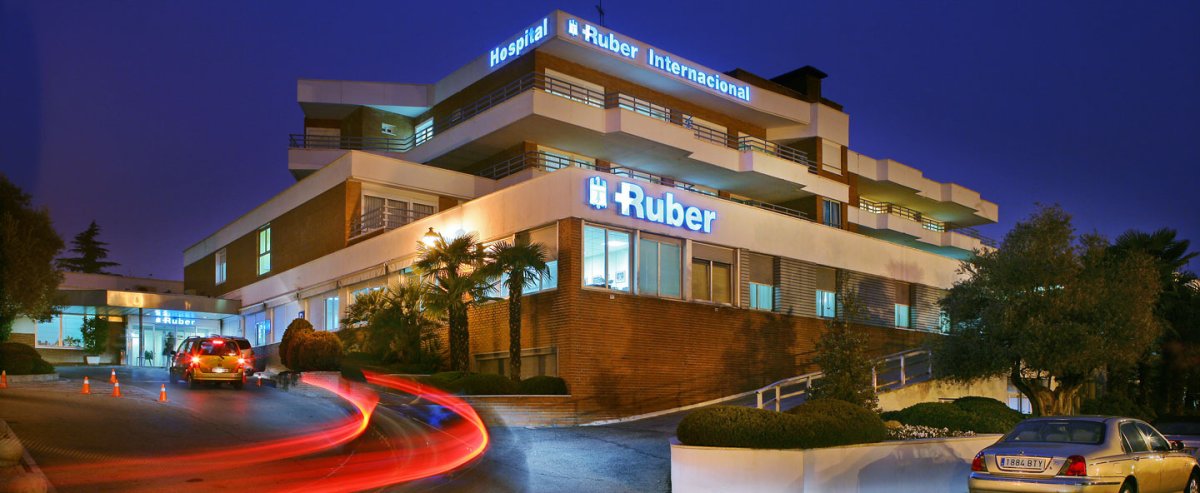
رؤية خبير Bookimed: على الرغم من شيوعها في المملكة المتحدة أو الولايات المتحدة، إلا أن فترات الانتظار للجراحات الاختيارية في النظام العام الإسباني قد تكون طويلة. تظهر البيانات أن المراكز ذات الكثافة العالية مثل Hospital Ruber Internacional أو Quironsalud Madrid تخدم أكثر من 25,000 مريض سنوياً. اختيار هذه المرافق الخاصة المعتمدة من JCI يسمح للمسافرين بتجاوز قوائم الانتظار العامة وتأمين جراحين متخصصين مثل الدكتور سانشيز ياغي على الفور.
إجماع المرضى: يشير المرضى إلى أنه على الرغم من ضمان التثبيت في حالات الطوارئ، فإن التعامل مع الأوراق اللازمة للحصول على تغطية جراحية كاملة أم
ما هي التعديلات الغذائية الضرورية بعد استئصال المرارة؟
يجب على المرضى تقليل تناول الدهون إلى أقل من 30% من السعرات الحرارية اليومية خلال الأسابيع الأربعة الأولى بعد الجراحة. تناول وجبات صغيرة من 4 إلى 6 حصص يمنع التحميل الزائد على الجهاز الهضمي لأن الصفراء تتدفق الآن باستمرار. أدخل الألياف القابلة للذوبان تدريجياً مثل الشوفان لتحقيق استقرار الهضم مع تجنب الأطعمة المقلية والدهنية ومنتجات الألبان عالية الدهون.
- تكرار الوجبات: تناول 4 إلى 6 حصص صغيرة لإدارة تدفق الصفراء المستمر.
- تقييد الدهون: حدد إجمالي الدهون اليومية بأقل من 30% من السعرات الحرارية.
- الأطعمة الصلبة الخفيفة: أعط الأولوية للخبز المحمص والأرز والموز والبروتينات الخالية من الدهون مثل السمك الأبيض.
- تناول الألياف: أضف الألياف القابلة للذوبان تدريجياً للمساعدة في تماسك البراز الرخو بشكل طبيعي.
- تجنب المحفزات: قيد بصرامة الأطعمة المقلية والنقانق والصلصات الثقيلة المعتمدة على الكريمة.
رؤية خبير Bookimed: تركز المراكز الإسبانية مثل Centro PAD في مدريد على التعافي السريع من خلال تقنيات الروبوت Da Vinci أو التنظير. تظهر بياناتنا أن العيادات ذات الحجم الكبير، مثل Quironsalud Barcelona التي تخدم 40,000 مريض سنوياً، غالباً ما توفر استشارات متخصصة مع أطباء الجهاز الهضمي. يساعد استخدام هؤلاء الخبراء المرضى على تحديد ما إذا كانت مشاكل الجهاز الهضمي المستمرة هي تعديلات مؤقتة بعد الجراحة أو إسهال حمض الصفراء الذي يتطلب علاجاً محدداً.
إجماع المرضى: يلاحظ المرضى أن ردود الفعل تجاه الأطعمة الدهنية مثل