علاج تحص صفراوي في النمسا — احصل على 3 عيادات مختارة خصيصاً لك


تمت مراجعة المقالة طبيا من قبل
فهد مولود
كيف نعمل؟
ما هي تكلفة تحص صفراوي إجراءات التشخيص والعلاج في النمسا؟ اعرف الآن
تتضمن تكلفة علاج حصوات المرارة في النمسا عادةً التشخيصات الأساسية مثل تحليل الدم الكيميائي الحيوي، والذي يتراوح سعره بين $70 و $160. غالبًا ما يخضع المرضى لعملية جراحية لاستئصال المرارة، وتتأثر النفقات الإجمالية بالتقنية الجراحية ومكانة العيادة. يوفر اختيار النمسا لهذه الإجراءات توفيرًا يتراوح بين 20-50% تقريبًا مقارنة بالولايات المتحدة. تتركز معظم العلاجات الدولية في فيينا وغراتس.
تكاليف علاج حصوات المرارة النموذجية في النمسا
- استشارة طبيب الجهاز الهضمي: من $140
- تحليل الدم الكيميائي الحيوي: $70 – $160
- تحليل دم موسع: $150 – $400
- تنظير المعدة: من $500
- اختبار تخثر الدم (Coagulogram): $50 – $150
- تخطيط كهربائية القلب (ECG): من $60
رؤية خبراء Bookimed: بالنسبة لاضطرابات القناة الصفراوية المعقدة، يقدم الخبراء التابعون للجامعات أعلى مستوى من الرعاية. يتخصص الأساتذة في عيادة فيينا الخاصة (Wiener Privatklinik)، مثل مارتن شيندل، في جراحة الكبد والبنكرياس والقنوات الصفراوية. يجب على المرضى الذين يبحثون عن بيئات تركز على السلامة التفكير في مستشفى دوبلينج الخاص (Döbling Private Hospital). تحافظ هذه المنشأة على معايير معتمدة من اللجنة الدولية المشتركة (JCI) وتسجل معدلات مضاعفات أقل بكثير من المتوسطات الوطنية. تُعد هذه المراكز المتميزة الأفضل للمرضى الذين يحتاجون إلى فرق جراحية متعددة التخصصات.
اكتشف أفضل تحص صفراوي العيادات في النمسا: 3 خيارات معتمدة والأسعار
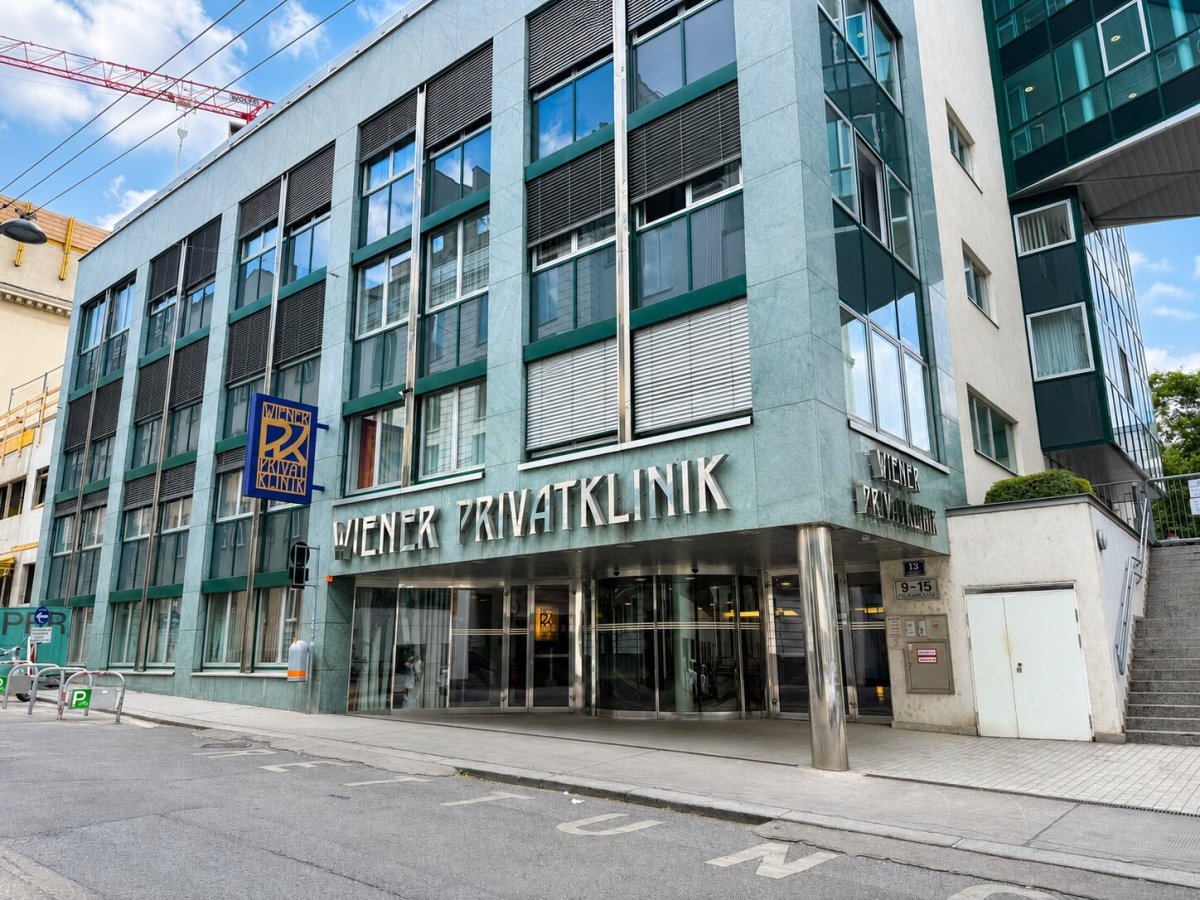







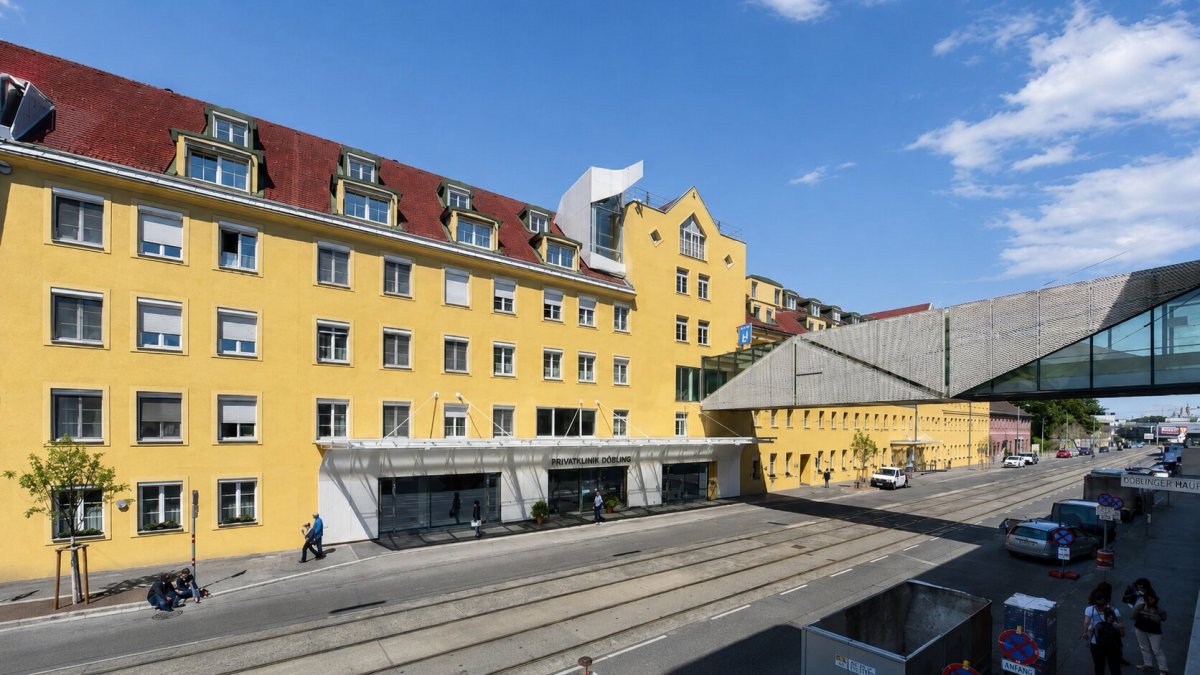
احصلوا على تقييم طبي لـ تحص صفراوي في النمسا: استشيروا أطباء ذوي خبرة الآن
عرض جميع الأطباء
Camel Kopty
متخصص في الطب الباطني وأمراض الدم/الأورام، مع التركيز على العلاجات الجهازية للحالات المعقدة في عيادة فيينا الخاصة (Wiener Privatklinik).
- تخرج من جامعة فيينا الطبية
- أكثر من 36 سنة من الخبرة في علم الأورام
- خبير في العلاج الكيميائي، والعلاج الموجه، والعلاج المناعي
- يؤكد على الرعاية الشاملة والداعمة للمرضى

Martin Schindl
يتخصص البروفيسور شيندل في جراحة الكبد والبنكرياس والقنوات الصفراوية - وهو مجال رئيسي لحالات تحصي الصفراوية المعقدة. يجمع بين عقود من الخبرة الجراحية والقيادة الأكاديمية في جامعة فيينا الطبية.
- خبير في جراحة الكبد والبنكرياس منذ العقد الأول من القرن الحادي والعشرين
- استشاري أول في عيادة فيينا الخاصة (Wiener Privatklinik) لأورام البطن
- باحث منشور حول تجدد الكبد والنتائج الجراحية
- أستاذ الجراحة في جامعة فيينا الطبية

Dr Arnulf Ferlitsch
الدكتور فيرليتش هو أخصائي رائد في أمراض الجهاز الهضمي والكبد، وحاصل على العديد من الجوائز لأبحاثه وعمله السريري.
- أكمل دراسته الطبية في جامعة فيينا
- تدرب في أمراض الجهاز الهضمي والكبد في مستشفى فيينا العام
- أسس مختبر ديناميكا الدم الكبدية في جامعة فيينا الطبية
- رئيس قسم الطب الباطني الأول في مستشفى الإخوة الرحماء (Barmherzigen Brüder) في فيينا
- حاصل على العديد من جوائز أفضل ملخص بحثي من UEGW
مشاركة المحتوى
قصص فيديو من مرضى Bookimed
 Anna Leonova
أسئلة متكررة حول علاج تحص صفراوي في النمسا
هل أحتاج إلى علاج إذا لم تسبب حصى المرارة أي أعراض؟
لا تتطلب حصى المرارة غير المصحوبة بأعراض أو الخفية عادةً علاجًا. تشير الإحصائيات إلى أن 80% من المرضى لا يعانون من أي أعراض ولا يحتاجون إلى تدخل جراحي. توصي الإرشادات الطبية في النمسا باتباع نهج المراقبة الدقيقة. ويعود ذلك إلى أن مخاطر الجراحة تفوق عمومًا احتمالية حدوث مضاعفات تلقائية ضئيلة في حالات حصى المرارة الخفية.
- حجم العتبة: يوصى بالعلاج إذا كانت الحصى أكبر من 3 سنتيمترات للوقاية من سرطان المرارة.
- التغيرات الهيكلية: تتطلب المرارة الخزفية ذات الجدران المتكلسة تدخلاً جراحياً وقائياً بسبب خطر التحول الخبيث.
- انسداد القناة الصفراوية: يجب إزالة حصى القناة الصفراوية حتى في حالة عدم وجود أعراض لمنع العدوى.
- الحالات عالية الخطورة: غالباً ما تتطلب الأمراض الانحلالية المزمنة مثل فقر الدم المنجلي جراحة وقائية.
رأي خبراء بوكيمد: يُعدّ الاختيار بين المراكز الأكاديمية الكبرى والمستشفيات الخاصة المتخصصة في فيينا أمرًا بالغ الصعوبة. يعالج مستشفى فيينا العام (AKH) عددًا هائلاً من المرضى سنويًا، يصل إلى 595,000 مريض. في المقابل، يُسجّل مستشفى دوبلينغ الخاص معدلات مضاعفات أقل بكثير من المعدل الطبيعي. إذا كنت تعاني من حصى المرارة بدون أعراض مع وجود عوامل خطر محددة، فإن استشارة جر
ما هو العلاج الجراحي القياسي لحصى المرارة في النمسا؟
يُعدّ استئصال المرارة بالمنظار العلاج الجراحي القياسي لحصى المرارة في النمسا. تُجرى هذه العملية الجراحية طفيفة التوغل لإزالة المرارة وفقًا للإرشادات السريرية الألمانية. يستخدم الجراحون عادةً تقنية أربعة مناظير. في الحالات الطارئة، تُستكمل الجراحة في غضون 24 ساعة لضمان سلامة المريض.
- دواعي التدخل الجراحي: يستخدم في حالات أمراض حصى المرارة المصحوبة بأعراض أو الحصى التي يزيد حجمها عن 3 سم.
- إدارة القناة الصفراوية: يقوم الجراحون بإجراء تنظير القنوات الصفراوية والبنكرياسية بالمنظار قبل إزالة المرارة إذا كانت هناك حصوات في القنوات الصفراوية.
- فترة النقاهة: عادةً ما يبقى المرضى في المستشفى لمدة تتراوح بين يومين وخمسة أيام.
- النهج الأقل توغلاً: لا تزال الجراحة بالمنظار هي المعيار الذهبي في معظم الحالات الاختيارية.
رأي خبراء بوكيمد: بينما تسعى العديد من الدول إلى السماح بتخريج المرضى في نفس اليوم، تُعطي المستشفيات النمساوية الخاصة، مثل مستشفى فيينا الخاص ومستشفى دوبلينغ الخاص، الأولوية للسلامة. فهي تُبقي المرضى في المستشفى لمدة تتراوح بين ليلتين وخمس ليالٍ للمراقبة. ويدعم هذا النهج أساتذة ذوو كفاءة عالية في جامعة فيينا الطبية. وتشير البيانات إلى أن هذه العيادات تُعطي الأولوية
كم من الوقت يستغرق التعافي من عملية استئصال المرارة بالمنظار في النمسا؟
يستغرق التعافي بعد استئصال المرارة بالمنظار في النمسا عادةً من أسبوع إلى أسبوعين للعودة إلى النشاط الطبيعي. ويستغرق الشفاء الداخلي الكامل عادةً من 4 إلى 6 أسابيع. وتولي الإرشادات السريرية النمساوية أولوية قصوى للسلامة، لذا يُنصح بالإقامة في المستشفى لمدة تتراوح بين ليلة واحدة وثلاث ليالٍ لمراقبة المضاعفات المبكرة بعد الجراحة.
- الإقامة في المستشفى: يبقى المرضى في المستشفى لمدة تتراوح بين ليلة واحدة وثلاث ليالٍ لإدارة الألم والمراقبة.
- النشاط الأولي: يوصى بالمشي على مهل لمدة 24 ساعة للمساعدة في تبديد الغاز الجراحي.
- قيود الرفع: يجب على المرضى تجنب رفع الأشياء التي يزيد وزنها عن 5 كيلوغرامات لمدة أسبوع واحد على الأقل.
- الإجازة المرضية: غالباً ما يحصل العمال اليدويون على إجازة مرضية لمدة تتراوح بين 3 إلى 4 أسابيع.
رأي خبراء بوكيمد: تُظهر البيانات السريرية تركيزًا واضحًا على السلامة في فيينا. ففي مستشفى دوبلينغ الخاص، تُعدّ معدلات المضاعفات أقل بكثير من المعايير الدولية. ويرجع ذلك على الأرجح إلى تفضيل النمسا للعلاج الداخلي الذي يستمر لعدة أيام مقارنةً بنماذج العيادات الخارجية في بلدان أخرى. ويستفيد المرضى من رعاية أساتذة من جامعة فيينا الطبية في عيادات مثل عيادة فيينا الخا
ماذا يحدث إذا سدّت حصوة المرارة القناة الصفراوية؟
يؤدي انسداد القناة الصفراوية بحصاة إلى ارتداد الصفراء إلى مجرى الدم، مما يسبب ألمًا شديدًا في البطن واصفرارًا في الجلد. وإذا تُرك دون علاج، فقد يؤدي إلى مضاعفات خطيرة، مثل التهاب القناة الصفراوية أو التهاب البنكرياس الحاد. في مثل هذه الحالات، يلزم التدخل الطبي العاجل.
- طبيعة الألم: ألم مستمر وشديد في الجزء العلوي الأيمن من البطن، ويمتد إلى لوح الكتف.
- العلامات الجسدية: يشير اصفرار العينين والجلد إلى ارتفاع مستويات البيليروبين.
- التغيرات الهضمية: يؤدي انسداد القنوات الصفراوية إلى بول داكن اللون وبراز فاتح اللون بلون الطين.
- المخاطر الطبية: يمكن أن تؤدي الانسدادات غير المعالجة إلى تسمم الدم أو تلف الكبد الذي يهدد الحياة.
رأي خبراء بوكيميد: يوفر النظام الطبي في فيينا فرصًا فريدة لعلاج أمراض القناة الصفراوية. تضم مؤسسات مثل مستشفى فيينا العام أكثر من 40 عيادة جامعية، مما يتيح التعاون السريع بين المتخصصين. ويتخصص جراحون مثل الدكتور مارتن شيندل من مستشفى فيينا الخاص في الحالات المعقدة لأمراض الكبد والقنوات الصفراوية. غالبًا ما يعالج هؤلاء المتخصصون المرضى الذين يعانون من حصى القناة الصفراوية وأمراض الكبد المصاحبة لها. يساعد هذا النهج الشامل على تقليل المضاعفات بعد الجراحة.<
ما هي المستشفيات في النمسا التي تشتهر بجودة جراحات حصى المرارة العالية؟
تُقدّم المستشفيات النمساوية عمليات جراحية عالية الجودة لإزالة حصى المرارة باستخدام تقنيات تنظير البطن المتقدمة في مرافق معتمدة من قبل اللجنة الدولية المشتركة (JCI) والمنظمة الدولية للمعايير (ISO). وتتخصص مراكز رائدة مثل مستشفى فيينا العام (AKH) ومستشفى فيينا الخاص في استئصال المرارة بأقل قدر من التدخل الجراحي. وتضم هذه المؤسسات أقسامًا متخصصة في أمراض الكبد والقنوات الصفراوية، وجراحين ذوي خبرة في جراحة الأحشاء من جامعة فيينا الطبية.
- مستشفى مدينة فيينا (AKH): مركز أكاديمي نمساوي رائد يضم أقسامًا متخصصة في أمراض الكبد والقنوات الصفراوية لعلاج الحالات المعقدة.
- عيادة فيينا الخاصة: عيادة خاصة رائدة تضم أكثر من 30 قسمًا وأساتذة جراحة تابعين للجامعة.
- مستشفى دوبلينغ الخاص: مستشفى معتمد من قبل اللجنة الدولية المشتركة (JCI) ويبلغ عن معدلات مضاعفات أقل بكثير من المعايير الدولية.
- فرق جراحية ذات خبرة: جراحون مثل الدكتور مارتن شيندل متخصصون في التدخلات المعقدة في الكبد والبنكرياس والقنوات الصفراوية.
رأي خبراء بوكيمد: تُظهر البيانات فرقًا واضحًا بين المستشفيات الأكاديمية العامة الكبيرة والعيادات الخاصة المتخصصة في فيينا. فبينما يعالج مستشفى الأكاديمية النمساوية (AKH) عددًا هائلً
هل من الممكن علاج حصى المرارة دون استئصال المرارة في النمسا؟
في النمسا، يُمكن علاج حصى المرارة بطرق غير جراحية باستخدام إذابة الأحماض الصفراوية أو تفتيت الحصى. هذه الطرق مُخصصة فقط لحصى الكوليسترول الصغيرة غير المُتكلسة. يُوصي الأطباء النمساويون عمومًا باستئصال المرارة كعلاج نهائي للحالات المصحوبة بأعراض لمنع تكرار تكون الحصى.
- العلاج بحمض الصفراء: تعمل أقراص حمض أورسوديوكسيكوليك على إذابة الحصى الصغيرة في غضون 6 إلى 12 شهرًا.
- تفتيت الحصى بالموجات الصدمية: تعمل الموجات الصوتية على تفتيت الحصى في مراكز طبية متخصصة في فيينا.
- إجراء ERCP: تسمح الطرق التنظيرية بإزالة الحصى العالقة في القناة الصفراوية المشتركة.
- المراقبة النشطة: غالباً لا تتطلب الحصى التي لا تسبب أعراضاً تدخلاً طبياً أو جراحياً نشطاً.
رأي خبراء بوكيمد: بينما يركز الكثيرون ممن يبحثون عن خيارات علاجية غير جراحية على العلاج الدوائي، تُولي عيادات فيينا الكبرى، مثل مستشفى فيينا العام (AKH)، أهمية قصوى لدقة التشخيص. تعالج هذه المؤسسة 595,000 مريض سنويًا، وتستخدم ستة مختبرات متخصصة لتأكيد تركيب الحصى. يضمن اختيار مركز يتمتع بهذه الإمكانيات التشخيصية الواسعة عدم اضطرارك لقضاء شهور في علاجات لإذابة الحصى المتكلسة التي يصعب إذابتها.
كيف يتم تشخيص حصى المرارة في النمسا قبل العلاج؟
يبدأ التشخيص في النمسا بالفحص السريري والتاريخ الطبي. يُعدّ التصوير بالموجات فوق الصوتية للبطن الطريقة التصويرية الأساسية لتأكيد وجود حصى المرارة. ويُكمّل الأطباء ذلك بتحاليل الدم لتقييم وظائف الكبد ومستويات إنزيمات البنكرياس. يضمن هذا النهج التشخيص قبل اتخاذ قرار بشأن العلاج الجراحي أو التحفظي.
- الفحص البدني: يتحقق الأطباء من وجود علامات مثل علامة مورفي للكشف عن التهاب المرارة.
- التصوير بالموجات فوق الصوتية للبطن: يمكن للتصوير بالموجات فوق الصوتية القياسي الكشف عن حصى المرارة بطريقة غير جراحية في أكثر من 90% من الحالات.
- فحوصات الدم: تقيّم الفحوصات المخبرية مستويات البيليروبين، وإنزيمات الكبد، وعدد خلايا الدم البيضاء للكشف عن العدوى.
- تقنيات التصوير الإضافية: يمكن أن يساعد التصوير بالرنين المغناطيسي للقنوات الصفراوية والبنكرياسية أو الموجات فوق الصوتية التنظيرية في الكشف عن الحصى المخفية في القنوات الصفراوية.
- التنظير المعدي: في العيادات المتخصصة، يمكن استخدام التنظير المعدي لاستبعاد أمراض أخرى في الجهاز الهضمي أثناء عملية التشخيص.
رأي خبراء بوكيمد: يستفيد المرضى الذين يطلبون خدمات التشخيص في المراكز ال