علاج تحص صفراوي في إسرائيل — احصل على 3 عيادات مختارة خصيصاً لك


تمت مراجعة المقالة طبيا من قبل
فهد مولود
كيف نعمل؟
ما هي تكلفة تحص صفراوي إجراءات التشخيص والعلاج في إسرائيل؟ اعرف الآن
اكتشف أفضل تحص صفراوي العيادات في إسرائيل: 11 خيارات معتمدة والأسعار











Herzliya Medical Center
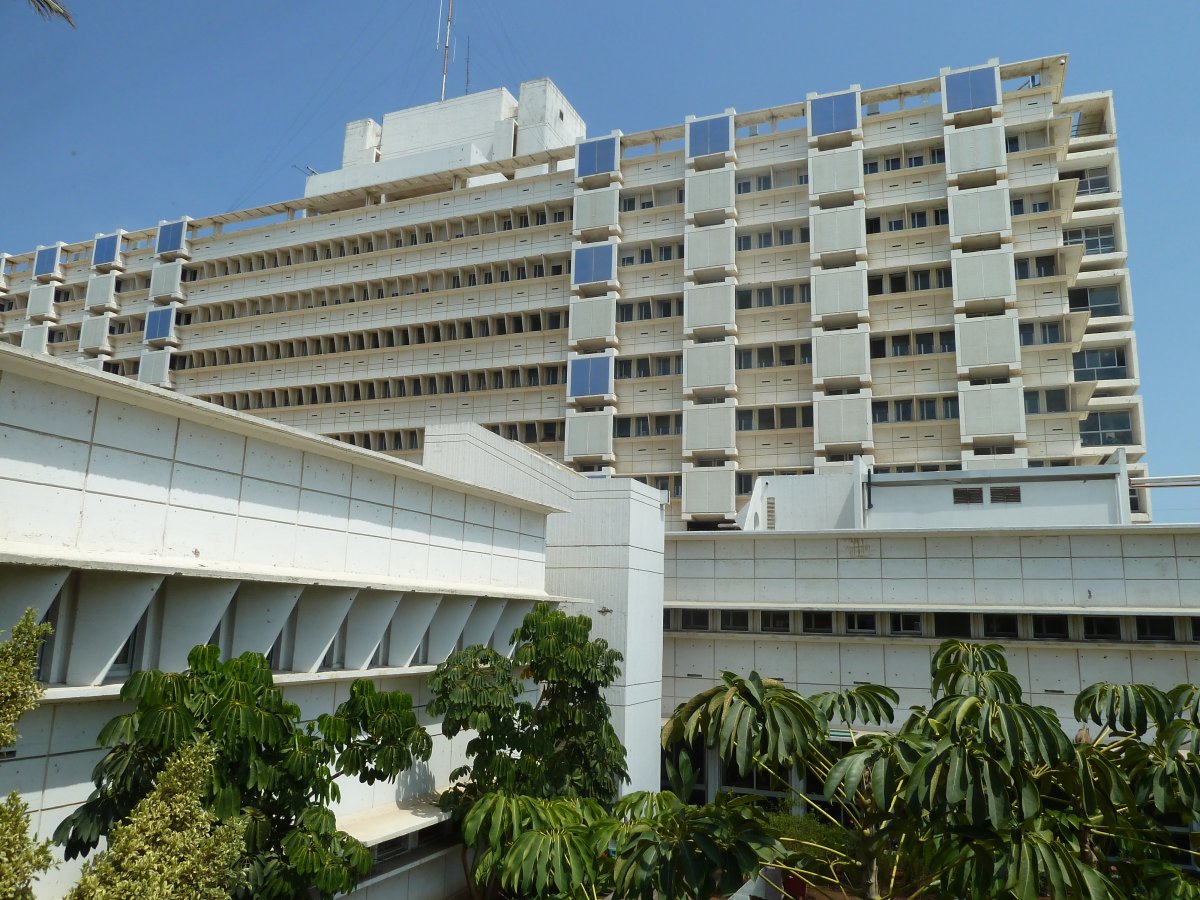
State Hospital Edith Wolfson
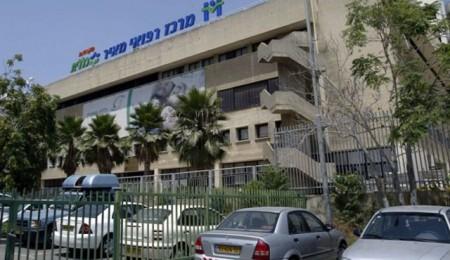
Meir Medical Center
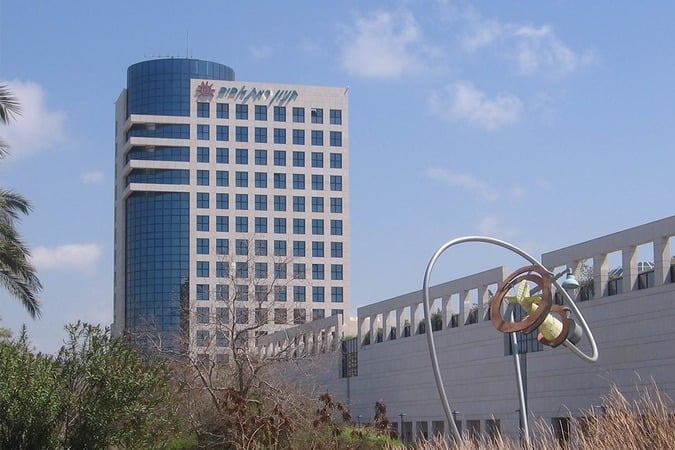
Ramat Aviv Medical Center

Shaare Zedek Medical Center
احصل على تقييم طبي لـ في إسرائيل. استشر الآن 9 أطباء ذوي الخبرة.
عرض جميع الأطباء
Nadir Arber
أكثر من _doctor_45_عاماً_ من الخبرة التي تركز على الوقاية من أمراض الجهاز الهضمي وعلاجها. يرأس البروفيسور أربر مركز الوقاية من السرطان في مركز سوراسكي الطبي.
- يرأس مركز الوقاية المتكامل من السرطان في مركز سوراسكي الطبي
- تدريب زمالة متخصص في مركز أمريكي (نيويورك-بريسبيتيريان)
- نشر أكثر من 300 ورقة علمية في أمراض الجهاز الهضمي والأورام
- عضو في منظمات دولية رائدة مثل الجمعية الأمريكية لأمراض الجهاز الهضمي
- خبير في التشخيص المبكر لأورام الجهاز الهضمي

Oren Shebolet
أورين شيبوليت هو خبير إسرائيلي رائد في أمراض الكبد، ويرأس وحدة الكبد في مركز سوراسكي (إيخيلوف) الطبي المرموق.
- أكثر من 61 سنة من الخبرة كأخصائي في أمراض الجهاز الهضمي وأمراض الدم
- متخصص في علاج جميع أمراض الكبد، بما في ذلك الحالات المعقدة
- مؤلف لأكثر من 60 منشوراً علمياً و100 تقرير مؤتمر
- عضو في الجمعيات الأوروبية والأمريكية لدراسة أمراض الكبد

Erwin Santo
الدكتور إروين سانتو هو طبيب جهاز هضمي إسرائيلي بارز ساعد في تأسيس الجمعية الأوروبية للتنظير الهضمي. يرأس قسم الجهاز الهضمي في مركز سوراسكي الطبي (إيخيلوف).
- رئيس قسم الجهاز الهضمي في مركز سوراسكي الطبي الرئيسي في إسرائيل لأكثر من 37 سنة
- خبير في تشخيص وعلاج أمراض الكبد والبنكرياس
- رائد في استخدام الموجات فوق الصوتية التداخلية في إسرائيل
- أدار سابقاً وحدة التنظير التداخلي في نفس المركز
- عضو في جمعيات رائدة مثل الجمعية الأمريكية لأمراض الجهاز الهضمي

Ron Greenberg
يرأس قسم جراحة القولون والمستقيم في مركز سوراسكي الطبي (إيخيلوف) ويتمتع بخبرة تزيد عن 35 سنة كجراح في البطن.
- يجري جراحات مفتوحة وطفيفة التوغل لحصوات المرارة
- خبير في جراحات ويبل المتقدمة (استئصال البنكرياس والاثني عشر)
- جراح عام معتمد متخصص في جراحة البطن
مشاركة المحتوى
قصص فيديو من مرضى Bookimed
 Anna Leonova
أسئلة متكررة حول علاج تحص صفراوي في إسرائيل
هل استئصال المرارة بالمنظار في إسرائيل آمن للمرضى الدوليين؟
تعتبر عملية استئصال المرارة بالمنظار في إسرائيل آمنة للغاية. تصل معدلات النجاح إلى 95% في المرافق المعتمدة من قبل اللجنة الدولية المشتركة (JCI). غالبًا ما يتمتع الجراحون بخبرة تزيد عن 20 عامًا. تستخدم معظم العمليات أدوات روبوتية أو طفيفة التوغل متقدمة. تضمن الرقابة الحكومية رقابة صارمة على الجودة لجميع المرضى الدوليين.
- معدل النجاح: يحافظ الجراحون على معدل نجاح يصل إلى 95% في الإجراءات طفيفة التوغل.
- الإقامة في المستشفى: يبقى المرضى عادةً في المستشفى لمدة يوم إلى يومين.
- التعافي الكامل: يعود معظم المرضى إلى أنشطتهم الطبيعية في غضون 7 إلى 10 أيام.
- حجم العمليات الجراحية: تجري المراكز الكبرى مثل أسوتا أكثر من 92,000 عملية سنويًا.
رؤية خبير Bookimed: بينما تدير المستشفيات العامة مثل سوراسكي أحجامًا هائلة من المرضى، توفر المراكز الخاصة مزايا أمان فريدة. يسمح مركز أسوتا الطبي للمرضى باختيار أخصائيهم الأول بشكل شخصي. هذا الاختيار حيوي لأن الجراحين الذين يجرون عددًا كبيرًا من العمليات غالبًا ما يكون لديهم معدلات مضاعفات أقل. قد يؤدي اختيار أخصائي لديه تركيز مخصص على تشوهات القناة الصفراوية إلى تحسين النتائج بعد الجراحة بشكل أكبر.
إجماع المرضى: يؤكد المرضى أن التعافي السريع غالبًا ما يسمح بالعودة إلى العمل في غضون أسبوع واحد. كما يوصون بالتحقق من أن الفرق تتحدث الإنجليزية بطلاقة لتجنب أي تأخير في التواصل.
ما هي التقنيات الحديثة المتوفرة لإزالة حصوات المرارة في إسرائيل؟
تركز إزالة حصوات المرارة الحديثة في إسرائيل على التقنيات طفيفة التوغل مثل استئصال المرارة بالمنظار والجراحة بمساعدة الروبوت. يقوم الجراحون الإسرائيليون بإجراء أكثر من 99% من العمليات بالمنظار. تستخدم المراكز المتقدمة نظام دافنشي الروبوتي وتقنية ERCP للحالات المعقدة. تضمن هذه الطرق تعافيًا سريعًا مع الحد الأدنى من الندوب.
- استئصال المرارة بالمنظار: إجراء قياسي يستخدم 3-4 شقوق صغيرة لإزالة المرارة.
- الجراحة بمساعدة الروبوت: تستخدم أنظمة دافنشي للرؤية ثلاثية الأبعاد والدقة العالية.
- جراحة الموقع الواحد: إزالة المرارة عبر شق صغير واحد في السرة.
- تقنية ERCP: طريقة تنظيرية لإزالة الحصوات مباشرة من القنوات الصفراوية.
رؤية خبير Bookimed: تُظهر المراكز الطبية الإسرائيلية تركيزًا كبيرًا على الأبحاث المتقدمة لتحصي الصفراوية. على سبيل المثال، حصل البروفيسور زامير هالبرين في مركز سوراسكي الطبي على منحة متخصصة لأبحاث حصوات المرارة. غالبًا ما يؤدي هذا العمق الأكاديمي إلى اعتماد أدوات تصوير أحدث تساعد في تجنب إصابة القناة الصفراوية. عند اختيار منشأة، ضع في اعتبارك المستشفيات التابعة للجامعات مثل هداسا أو سوراسكي للوصول إلى هذه البروتوكولات المتخصصة القائمة على الأبحاث.
إجماع المرضى: يشير المرضى إلى أنه من المهم السؤال مباشرة عن الخيارات الروبوتية أو جراحة الشق الواحد. ويؤكدون أنه على الرغم من أن المرافق الخاصة قد توفر جدولة أسرع، إلا أن المنظار القياسي في المستشفيات العامة موثوق للغاية وعادة ما يسمح بالخروج في غضون 24 ساعة.
كم من الوقت سأبقى في المستشفى ومتى يمكنني السفر إلى المنزل بعد جراحة المرارة؟
تتطلب جراحة المرارة بالمنظار في إسرائيل عادةً الخروج في نفس اليوم أو البقاء ليلة واحدة في المستشفى. يسافر المرضى عادةً إلى المنزل بعد 10 إلى 14 يومًا من الإجراء. تتطلب الجراحة المفتوحة إقامة أطول تتراوح من 2 إلى 6 أيام، وغالبًا ما تستلزم انتظارًا لمدة أسبوعين قبل السفر جوًا.
- الإقامة في المستشفى: يعود معظم مرضى المنظار إلى المنزل في غضون 24 ساعة من الجراحة.
- التعافي الجراحي: تتطلب الجراحة المفتوحة من 2 إلى 6 أيام للمراقبة داخل المستشفى.
- الرحلات القصيرة: غالبًا ما يمكن للمرضى السفر لمدة 1 إلى 2 ساعة بعد 7 أيام.
- الرحلات الطويلة: يوصى بالانتظار لمدة 3 أسابيع للرحلات التي تتجاوز 6 ساعات.
رؤية خبير Bookimed: تتعامل المراكز الطبية الإسرائيلية مثل Sourasky وAssuta مع أحجام جراحية هائلة، حيث تجري أكثر من 30,000 إلى 90,000 عملية سنويًا. يسمح هذا التردد العالي للجراحين بتحسين التقنيات طفيفة التوغل التي تعطي الأولوية للخروج في نفس اليوم. يجب على المرضى ملاحظة أن المراكز الخاصة مثل Assuta تسمح لهم باختيار جراحهم المحدد ونوع الغرفة لتجربة تعافي أكثر تخصيصًا.
إجماع المرضى: يشير المرضى إلى أن القدرة على المشي والأكل دون ألم كبير هي العلامات الرئيسية على أنهم مستعدون للخروج. ويؤكدون على طلب المساعدة في المطار لنقل الأمتعة لتجنب أي ضغط على شقوق البطن أثناء رحلة العودة.
هل أنا مؤهل للجراحة؟ كيف يتم التعامل مع حصوات القناة الصفراوية؟
أنت مؤهل للجراحة إذا كنت تعاني من مغص صفراوي أو التهاب أو يرقان. يوصي المتخصصون بإجراء عملية جراحية للحصوات التي يزيد حجمها عن 2 سم أو في حالة تكلس جدار المرارة. تستخدم المراكز الإسرائيلية مثل مركز سوراسكي الطبي (إيخيلوف) تقنيات طفيفة التوغل لتنظيف القنوات وإزالة المرارة بأمان.
- الإزالة عن طريق ERCP: يعمل التنظيف بالمنظار على إزالة حصوات القناة قبل جراحة المرارة.
- استئصال المرارة بالمنظار: يقوم الجراحون بإزالة المرارة من خلال شقوق صغيرة في البطن.
- تصوير القنوات الصفراوية أثناء الجراحة: تضمن الأشعة السينية في الوقت الفعلي أثناء الجراحة عدم بقاء أي حصوات في القناة.
- مؤشرات الخطر: يوصى بالجراحة في حالة المرارة الخزفية أو وجود سلائل كبيرة.
رؤية خبير Bookimed: تظهر البيانات من المراكز الإسرائيلية الرائدة تفضيلاً للعلاج المتسلسل. غالبًا ما يخضع المرضى لـ ERCP لتنظيف القناة الصفراوية أولاً. عادة ما يتم استئصال المرارة بعد 4 إلى 6 أسابيع. قد تقدم العيادات الخاصة المتخصصة مثل مركز أسوتا الطبي إجراءات مشتركة في نفس اليوم. يقلل هذا النهج من خطر التكرار بنسبة 50% الذي يظهر عند ترك المرارة.
إجماع المرضى: يؤكد المرضى أن الموجات فوق الصوتية قد تفوت الحصوات في القناة الصفراوية. يوصي الكثيرون بطلب تصوير القناة الصفراوية بالرنين المغناطيسي (MRCP) إذا استمر اليرقان أو الألم المستمر. ويشيرون إلى أن إزالة الحصوات عن طريق ERCP عادة ما تكون غير مؤلمة وتوفر راحة فورية.
هل ستكون هناك ندوب مرئية وكيف يتم التعامل معها؟
يؤدي علاج حصوات المرارة بالمنظار في إسرائيل إلى ندوب طفيفة. يستخدم الجراحون شقوقًا تتراوح من 0.5 إلى 1 بوصة (حوالي 1.2 إلى 2.5 سم). عادة ما تتلاشى هذه العلامات لتصبح خطوطًا باهتة في غضون 12 شهرًا. يمكن لجراحة المنظار ذات الشق الواحد (SILS) تقليل الرؤية بشكل أكبر عن طريق إخفاء نقطة الدخول داخل السرة.
- النهج الجراحي: تستخدم تقنيات المنظار 3-4 شقوق صغيرة في الجزء العلوي من البطن.
- طريقة الإغلاق: يستخدم الأطباء غرزًا تحت الجلد أو غراء الجلد لشفاء أكثر سلاسة.
- حجم الجرح: يبلغ طول الشقوق النموذجية لاستئصال المرارة من 0.5 إلى 1 سم فقط.
- تقنيات متخصصة: تسمح تقنية SILS باستئصال المرارة من خلال شق سري صغير واحد.
رؤية خبير Bookimed: يعطي المتخصصون الإسرائيليون مثل الدكتور رون غرينبيرغ في مركز سوراسكي الطبي الأولوية لجراحة البطن طفيفة التوغل. تظهر البيانات أن مركز أسوتا الطبي يجري 92,000 عملية سنويًا مع خيارات واسعة للمرضى. اختيار مركز ذو حجم عمليات كبير يزيد من فرص الوصول إلى تقنية SILS التي لا تترك أي علامات خارجية مرئية تقريبًا.
إجماع المرضى: يشير المرضى إلى أن ندوب السرة يكاد يكون من المستحيل العثور عليها بمجرد التئامها. يؤكد معظمهم أن وضع هلام السيليكون بدءًا من الأسبوع الثالث يلاشي أي علامات متبقية بشكل كبير.
ما هي المستندات التي يجب أن أجهزها قبل السفر؟
يتطلب السفر إلى إسرائيل لعلاج حصوات المرارة جواز سفر ساري المفعول لمدة ستة أشهر بعد إقامتك. يجب على المرضى أيضًا إعداد الملفات الطبية بما في ذلك فحوصات الموجات فوق الصوتية للمرارة، واختبارات الدم، والتقارير الطبية الحديثة. يدخل معظم الزوار بدون تأشيرة لمدة تسعين يومًا. تأكد من حصولك على دعوتك الطبية قبل المغادرة.
- تصريح السفر: يحصل معظم المواطنين على تصريح إقامة B2 عند الحدود.
- التقارير الطبية: أحضر تحاليل الدم الكيميائية الحيوية الحديثة ونتائج تخثر الدم.
- بيانات التصوير: احمل صور الموجات فوق الصوتية أو الرنين المغناطيسي الأصلية على قرص رقمي.
- قائمة الأدوية: قم بتضمين الوصفات الطبية الموقعة من الطبيب لجميع الأدوية المزمنة الحالية.
رؤية خبير Bookimed: غالبًا ما تقوم المراكز الطبية الإسرائيلية مثل سوراسكي أو أسوتا بإجراء مراجعات أولية لملفاتك الطبية. إن توفير نسخ رقمية واضحة من تخطيط القلب واختبارات الدم مسبقًا يمكن أن يختصر وقت التحضير. يساعد هذا الأطباء في تأكيد تاريخ جراحتك قبل حتى أن تستقل رحلتك.
إجماع المرضى: يذكر المرضى أنه من الضروري الاحتفاظ بنسخ احتياطية رقمية لجميع الدعوات الطبية. كما يلاحظون أن وجود قائمة مترجمة للأدوية الحالية يجعل دخول المستشفى أسرع بكثير بمجرد الوصول إلى تل أبيب.
ما هي المدن التي تقدم أقصر فترات انتظار لجراحة المرارة؟
تقدم تل أبيب والقدس أقصر فترات انتظار لجراحة المرارة في إسرائيل. تجري المراكز الطبية الكبرى في هذه المدن أكثر من 30,000 عملية جراحية سنويًا. غالبًا ما تتلقى الحالات الحادة العلاج في غضون 24 ساعة. توفر العيادات الخاصة في تل أبيب بشكل متكرر جدولة في اليوم التالي لإجراءات تنظير البطن.
- حجم جراحي مرتفع: يجري مركز سوراسكي الطبي 34,000 عملية سنويًا، مما يضمن جدولة سريعة.
- سرعة المرافق الخاصة: يكمل مركز أسوتا الطبي في تل أبيب 92,000 عملية جراحية سنويًا مع حد أدنى من قوائم الانتظار.
- أولوية الطوارئ: تؤدي نوبات المرارة الموثقة أو الالتهاب الشديد إلى إجراء الجراحة في غضون 1 إلى 3 أيام.
- كثافة المتخصصين: تضم القدس وتل أبيب أكثر من 3,000 طبيب مجتمعين، مما يقلل من تأخيرات الاستشارة.
رؤية خبير Bookimed: تحافظ المستشفيات الخاصة الإسرائيلية مثل مركز أسوتا الطبي على معدل دوران جراحي أعلى من نظيراتها العامة. بينما يبلغ متوسط فترات الانتظار العامة من 1 إلى 4 أسابيع، تتخصص المرافق الخاصة في إنجاز الإجراءات خلال 48 ساعة. يجب على المرضى الذين يحتاجون إلى تدخل سريع استهداف مستشفيات تل أبيب. تمتلك هذه المراكز أعلى تركيز للمرافق المعتمدة من JCI ووحدات متخصصة في أمراض الجهاز الهضمي.
إجماع المرضى: يلاحظ المرضى أن الإبلاغ عن ألم شديد أو نوبات متكررة يسرع العملية بشكل كبير. وجد الكثيرون أن طلب العلاج في تل أبيب أو حيفا سمح بإجراء جراحة فورية تقريبًا بعد زيارة غرفة الطوارئ.
لماذا تُعد إسرائيل واحدة من الوجهات الرائدة في جراحة الأعصاب؟
تُعدّ إسرائيل مركزًا رائدًا في جراحة الأعصاب بفضل مزيجها من التطورات الطبية عالية التقنية والخبرات الجراحية المتميزة. وتستخدم مرافق متطورة مثل مركز شيبا الطبي أنظمة ملاحة تعتمد على الذكاء الاصطناعي والتصوير بالرنين المغناطيسي أثناء الجراحة في الوقت الفعلي. وتشير المراكز المتخصصة إلى نسبة نجاح تصل إلى 98% في العمليات الجراحية المعقدة، بما في ذلك جراحة الدماغ مع اليقظة وعلاج اضطرابات الحركة.
- التكنولوجيا المتقدمة: تستخدم العيادات الموجات فوق الصوتية المركزة الموجهة بالرنين المغناطيسي (MRgFUS) والأنظمة الروبوتية لإجراء الشقوق.
- الخبرة الجراحية: يقود جراحون مثل الدكتور تسفي رام جمعيات دولية بخبرة تزيد عن 25 عامًا.
- الوصول السريع: يمكن للمرضى الدوليين عادةً تحديد مواعيد لإجراء عمليات جراحية معقدة في الدماغ أو العمود الفقري في غضون 2-4 أسابيع.
- الرعاية الطبية المعتمدة: المراكز الكبيرة مثل سوراسكي (إيشيلوف) وأسوتا معتمدة من قبل اللجنة الدولية المشتركة، مما يؤكد سلامتها.
رأي خبراء بوكيمد: تُظهر البيانات فرقًا واضحًا بين خيارات العلاج في القطاعين العام والخاص في إسرائيل. تُجري المراكز الخاصة، مثل مركز أسوتا الطبي، أكثر من 92,000 عملية جراحية سنويًا، وتتيح للمرضى اختيار جراح را
ما هي أنواع الأمراض العصبية التي يتم علاجها في إسرائيل؟
يعالج جراحو الأعصاب الإسرائيليون طيفاً واسعاً من الحالات، بدءاً من أورام الدماغ والحبل الشوكي وصولاً إلى الاضطرابات الوظيفية المعقدة. وتستخدم المراكز المتخصصة أحدث التقنيات، مثل جهاز جاما نايف، والتحفيز العميق للدماغ، والتصوير بالرنين المغناطيسي أثناء الجراحة، لتشخيص دقيق للغاية لحالات الصرع، ومرض باركنسون، وأمراض الأوعية الدموية الدماغية.
- الأمراض السرطانية: علاج الأورام الدبقية والأورام السحائية وأورام الغدة النخامية باستخدام استئصال قاعدة الجمجمة.
- الاضطرابات الوظيفية: علاج مرض باركنسون والرعاش الأساسي باستخدام التحفيز العميق للدماغ.
- أمراض العمود الفقري: تصحيح الجنف، وانزلاق الغضروف، وأورام العمود الفقري باستخدام الأنظمة الروبوتية.
- علاج أمراض الأوعية الدموية الدماغية: العلاج الجراحي لتمدد الأوعية الدموية الدماغية والتشوهات الشريانية الوريدية باستخدام التدخلات داخل الأوعية الدموية.
- جراحة الأعصاب للأطفال: رعاية متخصصة لاستسقاء الرأس والتشوهات الخلقية في مراكز طب الأطفال المتخصصة.
رأي خبراء بوكيمد: غالبًا ما تجمع المستشفيات الإسرائيلية بين تخصصات طبية متعددة لمعالجة الحالات المعقدة. ففي مركز سوراسكي ا
ما هي المستشفيات في إسرائيل التي تشتهر بأقسام جراحة الأعصاب فيها؟
تضم إسرائيل مراكز جراحة أعصاب عالمية المستوى، مثل مركز سوراسكي الطبي، ومركز شيبا الطبي، ومركز هداسا الطبي. وتُعدّ هذه المؤسسات رائدة عالميًا في علاج أورام الدماغ المعقدة، وأمراض العمود الفقري، واضطرابات الحركة. وتستخدم أحدث التقنيات، مثل جهاز جاما نايف، والأنظمة الروبوتية، والتصوير بالرنين المغناطيسي أثناء الجراحة.
- سوراسكي (إيخيلوف): يجري أكثر من 2500 عملية جراحية عصبية سنوياً في تل أبيب بنسبة نجاح تبلغ 98%.
- مركز شيبا الطبي: مصنف ضمن أفضل عشرة مستشفيات في العالم، حيث يعالج 1.9 مليون مريض سنوياً.
- مركز هداسا الطبي: مرشح لجائزة نوبل للسلام. رائد في جراحة الأعصاب للأطفال والعلاج الجيني.
- مركز أسوتا الطبي: أكبر منشأة طبية خاصة في إسرائيل. متخصص في جراحات العمود الفقري والدماغ طفيفة التوغل.
- مستشفى شنايدر للأطفال: مركز رائد في جراحة الأعصاب للأطفال، يعالج 275000 طفل سنوياً.
رأي خبراء بوكيمد: تُظهر بياناتنا أنه بينما يلجأ معظم المرضى للعلاج في تل أبيب، يُقدّم مركز رامبام الطبي في حيفا رعايةً فريدةً لإصابات الدماغ. فهو يضم وحدةً متخصصةً للعناية المركزة العصبية تُعالج ما يقارب مليون مريض سنويًا. وهذا ما يجعله