تحص صفراوي العلاج في ألمانيا - التكاليف 2026


تمت مراجعة المقالة طبيا من قبل
فهد مولود
ما هي تكلفة تحص صفراوي إجراءات التشخيص والعلاج في ألمانيا؟ اعرف الآن
تعتمد تكلفة علاج حصوات المرارة في ألمانيا عادةً على ما إذا كان المريض يحتاج إلى تدخل جراحي أو إجراء تنظيري. من $170. تتأثر التكاليف بمستوى العيادة، مثل المستشفيات الجامعية مقابل المرافق الخاصة. وغالباً ما يحقق المرضى وفورات تتراوح بين 30-50% مقارنة بالولايات المتحدة. تشمل أهم وجهات العلاج هامبورغ وفرانكفورت وسولينغن.
تكاليف علاج حصوات المرارة النموذجية في ألمانيا
- استشارة طبيب الجهاز الهضمي: من $170
- تنظير المعدة: من $400
- تحليل الدم الكيميائي الحيوي: من $96
- تحليل الدم الموسع: من $150
- تحليل تخثر الدم (Coagulogram): من $40
- تخطيط كهربية القلب (ECG): $50 – $60
رؤية خبراء Bookimed: يستفيد المرضى الذين يحتاجون إلى رعاية متخصصة في القنوات الصفراوية من المراكز البحثية في ألمانيا. يُعد مستشفى أسكليبيوس بارمبيك (Asklepios Hospital Barmbek) خياراً أول للمرضى الدوليين، حيث يحتل المرتبة الأولى من قبل تحالف جودة السفر الطبي (Medical Travel Quality Alliance). وبالنسبة لأولئك الذين يبحثون عن تكنولوجيا متقدمة، يوفر المركز الطبي في سولينغن جراحة حديثة بمساعدة الروبوت بقيادة جراحي أحشاء ذوي خبرة. كما تقدم عيادة نوردويست (Nordwest Clinic) في فرانكفورت رعاية متعددة التخصصات ذات قيمة عالية، باستخدام الموجات فوق الصوتية ثلاثية الأبعاد المبتكرة للتشخيص الدقيق.
مزاياك وضماناتك مع Bookimed
أسعار مباشرة
Bookimed لا يضيف رسوماً إضافية على أسعار علاج تحص صفراوي. الأسعار مأخوذة من قوائم الأسعار الرسمية للعيادات. تدفع مباشرة في العيادة مقابل علاجك عند وصولك إلى البلد.
عيادات وأطباء معتمدون فقط
Bookimed ملتزم بسلامتك. نحن نعمل فقط مع المؤسسات الطبية التي تحافظ على معايير دولية عالية في علاج تحص صفراوي ولديها التراخيص اللازمة لخدمة المرضى الدوليين في جميع أنحاء العالم.
مساعدة مجانية على مدار الساعة
Bookimed يقدم مساعدة خبراء مجانية. منسق طبي شخصي يدعمك قبل وأثناء وبعد العلاج، ويحل أي مشاكل. لن تكون وحيداً أبداً في رحلة علاج تحص صفراوي.

منسقك الطبي الشخصي في Bookimed
- يدعمك في كل مرحلة
- المساعدة في اختيار العيادة الطبية المناسبة والطبيب المناسب
- يضمن الوصول السريع والمريح إلى المعلومات
اكتشف أفضل تحص صفراوي العيادات في ألمانيا: 33 خيارات معتمدة والأسعار







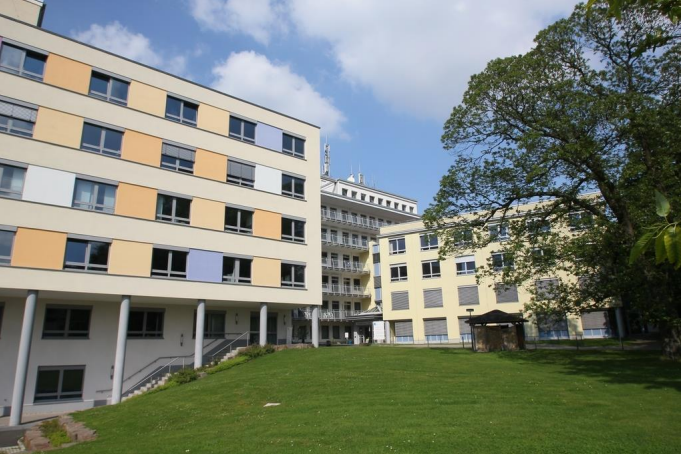
Bethanien Clinic





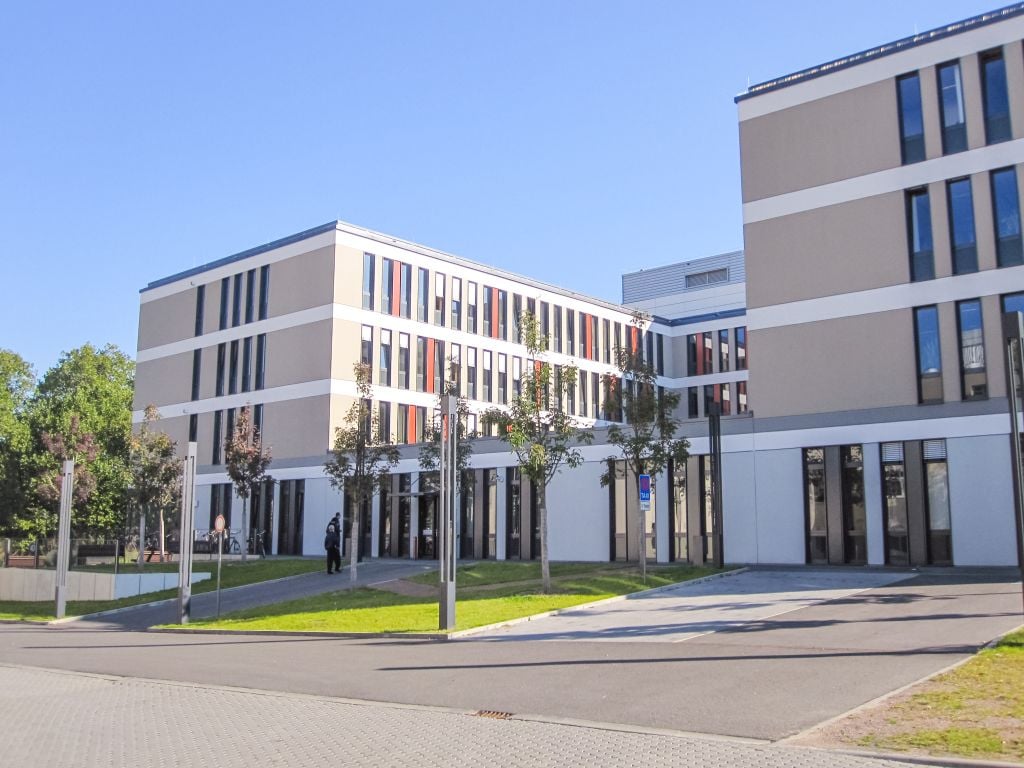

District hospital Burghausen

Hospital in the Pfeiffer`s foundations
احصلوا على تقييم طبي لـ تحص صفراوي في ألمانيا: استشيروا أطباء ذوي خبرة الآن
عرض جميع الأطباء
Peter Schenker
أخصائي في الجراحة طفيفة التوغل مع أكثر من 19 سنة من الخبرة – يقود الدكتور شينكر الجراحة في مستشفى سولينغن الأكاديمي مع التركيز على أمراض الجهاز الهضمي.
- خبير في الجراحة الأورامية والجراحة الحشوية
- رائد في التقنيات الحديثة لجراحة البنكرياس وزراعة الأعضاء
- كبير الجراحين في مركز سرطان القولون والمستقيم في بوخوم – أول مركز معتمد في ألمانيا
- منسق مركز سرطان البنكرياس (Oncocert)
- يحاضر في الجامعات الطبية ويجري ورش عمل للأقران

Viktor Alexander Krol
يقود الدكتور كرول أقسام أمراض الجهاز الهضمي والطب الباطني في مستشفى سانت مارتينوس، وهو متخصص في العلاجات المتقدمة لاضطرابات الجهاز الهضمي.
- أكثر من _doctor_8945_عاماً_ من الخبرة في أمراض الجهاز الهضمي والطب الباطني
- مدير مركز معتمد لعلاج السمنة يستخدم تقنيات جراحة السمنة والمناظير
- خبير في اضطرابات المرارة وأمراض الكبد
- يستخدم إجراءات التنظير والموجات فوق الصوتية للتشخيص الدقيق

Siegbert Rossol
36 سنة متخصص في أمراض الجهاز الهضمي – يتمتع الدكتور روسول بخبرة عميقة في اضطرابات الكبد والجهاز الهضمي في عيادة نوردويست.
- زميل المجلس الأوروبي لأمراض الجهاز الهضمي
- تدريب متقدم في التصوير بالموجات فوق الصوتية التداخلي والعلاجات بالمنظار
- عضو في العديد من الجمعيات المرموقة لأمراض الكبد والجهاز الهضمي
- نشر أبحاث في مجلات طبية وطنية ودولية

Rainer Porschen
صُنف ضمن أفضل 100 طبيب في ألمانيا لعلاج آفات الجهاز الهضمي من قبل مجلة Focus. يرأس البروفيسور بورشين عيادة الطب الباطني في بريمن-أوست.
- متخصص في أورام الجهاز الهضمي مع خبرة
- يضع المبادئ التوجيهية الألمانية لعلاج سرطان المريء
- حاصل على الجائزة السريرية في أمراض الجهاز الهضمي
- تدرب في معهد إم دي أندرسون للسرطان في الولايات المتحدة
مشاركة المحتوى
قصص فيديو من مرضى Bookimed
 Anna Leonova
أسئلة متكررة حول علاج تحص صفراوي في ألمانيا
هل تتطلب جميع حصوات المرارة استئصالاً جراحياً فورياً في العيادات الألمانية؟
تتبع العيادات الألمانية إرشادات صارمة ولا تتطلب جراحة فورية لجميع حصوات المرارة. تعتمد الرعاية الطبية على الأعراض بدلاً من وجود الحصوات. عادةً ما يراقب الجراحون المرضى الذين لا يعانون من أعراض لأن مخاطر الإجراء قد تفوق الفوائد. تُخصص الجراحة الفورية للمضاعفات مثل الالتهاب الحاد أو الانسداد.
- المراقبة بدون أعراض: حوالي 50% من المرضى الذين لا يعانون من حصوات يظلون بدون أعراض لأكثر من 10 سنوات.
- الحالات المصحوبة بأعراض: يتم جدولة الجراحة الاختيارية بعد أسابيع للمرضى الذين يعانون من مغص مراري متكرر.
- معايير الطوارئ: يقوم الجراحون بإجراءات تنظير البطن في غضون 24 ساعة لالتهاب المرارة الحاد.
- استثناءات محددة: يُنصح بالجراحة الوقائية للحصوات التي تتجاوز 3 سنتيمترات أو الجدران المتكلسة.
رؤية خبير Bookimed: بينما تخدم المراكز الكبرى مثل Charite - Universitätsmedizin Berlin أكثر من 800,000 مريض سنوياً، توفر الأقسام المتخصصة الأصغر غالباً وصولاً أسرع للإجراءات الاختيارية. يجلب الدكتور سيغبرت روسول في عيادة نوردويست أكثر من 30 عاماً من الخبرة في التصوير بالموجات فوق الصوتية التداخلية. يساعد هذا في التمييز بين النتائج العرضية والحصوات التي تتطلب تدخلاً جراحياً. اختيار عيادة ذات أحجام جراحية حشوية عالية يضمن إدارة أفضل للحالات المعقدة.
إجماع المرضى: يشير المرضى إلى أن الأطباء غالباً ما ينصحون بمراقبة الحصوات التي يتم العثور عليها عرضياً بدلاً من التسرع في الجراحة. يؤكد الكثيرون على أهمية فحوصات الدم والموجات فوق الصوتية المنتظمة قب
ما هي التقنية الجراحية الأساسية التي يستخدمها جراحو الأحشاء الألمان؟
يستخدم جراحو الأحشاء الألمان بشكل أساسي الجراحة طفيفة التوغل (MIS). وهم يركزون على التقنيات بالمنظار والجراحة بمساعدة الروبوت لعلاج حالات مثل حصوات المرارة. تستخدم هذه الطرق شقوقاً صغيرة لتقليل الصدمات الجسدية. تعطي المراكز الرائدة في برلين وفرانكفورت الأولوية لهذه الأساليب الدقيقة التي لا تسبب نزيفاً من أجل تعافٍ أسرع.
- النهج القياسي: تنظير البطن التقليدي هو الأسلوب المعتمد لاستئصال المرارة وإصلاح الفتق.
- الأنظمة الروبوتية: يستخدم الجراحون منصات دا فينشي لعمليات الاستئصال الأورام المعقدة وإجراءات تجويف الجسم العميق.
- أدوات الدقة: تعمل تقنية التصور ثلاثي الأبعاد المتقدمة على تصفية ارتعاش اليد أثناء جراحات الجهاز الهضمي المعقدة.
- التقنيات الهجينة: يقوم المتخصصون بإجراءات الحفاظ على الأعضاء مثل LECS لأورام الجهاز الهضمي في مراحلها المبكرة.
رؤية خبير Bookimed: تدير الأقسام الجراحية الألمانية أعداداً هائلة من المرضى. يعالج مستشفى شاريتيه - يونيفرسيتاتسميدتسين برلين أكثر من 845,000 مريض سنوياً. يسمح هذا التردد العالي للجراحين بإتقان بروتوكولات محددة بمساعدة الروبوت. يشير الدكتور بيتر شينكر في المركز الطبي في سولينغن إلى أن الأقسام تتوسع بنشاط في مجال الروبوتات لعلاج أورام الأحشاء. غالباً ما يضمن اختيار مستشفى جامعي الوصول إلى هذه الفرق الروبوتية المتخصصة.
إجماع المرضى: يلاحظ المرضى أن جراحة المنظار تبدو سريعة ومباشرة. يذكر الكثيرون أن الألم بعد العملية غالباً ما يكون أقل مما كان متوقعاً، على الرغم من أن البعض يعاني من انت
ماذا يحدث إذا تم العثور على حصوات مرارية في كل من المرارة والقنوات الصفراوية؟
يتطلب العثور على حصوات في كلا الموقعين تدخلاً طبياً على مرحلتين. يجب على الأطباء تنظيف القناة الصفراوية لمنع اليرقان أو التهاب البنكرياس قبل إزالة المرارة بالكامل. يضمن هذا التسلسل بقاء المسارات الهضمية مفتوحة مع التخلص من العضو الذي ينتج حصوات في المستقبل.
- أولوية العلاج: عادة ما يقوم الأطباء بإجراء تصوير البنكرياس والقنوات الصفراوية بالمنظار (ERCP) لتنظيف القنوات الصفراوية أولاً.
- الهدف الجراحي: تلي ذلك عملية استئصال المرارة بالمنظار لإزالة مصدر تكوين الحصوات.
- الوقاية من المخاطر: تنظيف القناة يمنع الالتهابات التي تهدد الحياة مثل التهاب القنوات الصفراوية الحاد أو الإنتان.
- أدوات التشخيص: يستخدم الجراحون تصوير القنوات الصفراوية بالرنين المغناطيسي (MRCP) أو تحاليل الدم الكيميائية الحيوية لتأكيد مواقع حصوات القناة.
رؤية خبير Bookimed: بينما يعتقد الكثيرون أن جراحة المرارة هي حل بسيط من خطوة واحدة، غالباً ما تستخدم المستشفيات الجامعية الألمانية نهجاً مزدوج التخصص. نظراً لأن القناة الصفراوية تتطلب طبيب جهاز هضمي تدخلي والمرارة تتطلب جراح أحشاء، فإن جدولة هذه الإجراءات متتالية خلال فترة إقامة واحدة في المستشفى هو المفتاح. في عيادات مثل المركز الطبي في سولينغن، الذي يعالج 60,000 مريض سنوياً، يقوم متخصصون مثل الدكتور بيتر شينكر بتنسيق هذه الخطوات متعددة التخصصات لمنع المرضى من الحاجة إلى دخول المستشفى مرة ثانية بعد أسابيع.
إجماع المرضى: يلاحظ المرضى أن حصوات القناة غالباً ما يتم اكتشافها عن طريق اختبارات الدم حتى لو بدت ال
ما هو الجدول الزمني النموذجي للتعافي بعد جراحة المنظار في ألمانيا؟
يستغرق التعافي بعد جراحة المنظار في ألمانيا عمومًا من أسبوع إلى 6 أسابيع. تسمح الإجراءات التشخيصية البسيطة بالعودة إلى الروتين اليومي في غضون 7 أيام. تتطلب العمليات الجراحية الكبرى مثل استئصال المرارة بالمنظار من 4 إلى 6 أسابيع للشفاء الكامل للأنسجة الداخلية. يستأنف معظم المرضى الأنشطة الخفيفة في غضون 14 يومًا.
- التحريك الفوري: تفرض العيادات المشي الخفيف في غضون ساعات للحفاظ على الدورة الدموية.
- الإقامة في المستشفى: غالبًا ما يغادر المرضى العيادة في غضون يوم إلى يومين بعد الجراحة.
- القيود البدنية: تحظر الإرشادات الألمانية رفع أكثر من 5 كيلوغرامات لمدة 4 إلى 6 أسابيع.
- إجازة مرضية: يقدم الأطباء عادةً من 2 إلى 6 أسابيع كفترة تعافي رسمية مدفوعة الأجر.
رؤية خبير Bookimed: في حين تتفوق العيادات الألمانية في التعافي الجراحي السريع، فإن الميزة الحقيقية هي نظام إعادة التأهيل المنظم. تؤكد المراكز الكبيرة مثل مجمع عيادات شمال الراين-وستفاليا أو المركز الطبي في سولينغن على الحركة المبكرة لمنع المضاعفات. اختيار عيادة تتبع بروتوكولات التحريك الصارمة بعد الجراحة يمكن أن يقلل بشكل كبير من خطر حدوث مشاكل ثانوية مثل جلطات الدم أو احتقان الرئة.
إجماع المرضى: يؤكد المرضى أنه على الرغم من أن الندوب الصغيرة تلتئم بسرعة، إلا أن الإرهاق الداخلي وتغيرات الهضم تستمر لفترة أطول. يقترح الكثيرون البدء بوجبات خفيفة والمشي يوميًا للتعامل مع آلام الغازات الشائعة بعد الجراحة.
هل الجراحات الروبوتية مثل نظام دافنشي متاحة على نطاق واسع لاستئصال المرارة؟
استئصال المرارة الروبوتي باستخدام نظام دافنشي متاح على نطاق واسع في ألمانيا. تستخدم المراكز الجامعية الكبيرة والعيادات المتخصصة الآن الجراحة بمساعدة الروبوت في 24% إلى 26% من الحالات. وفي حين تظل جراحة المناظير القياسية شائعة، يستمر اعتماد الروبوتات في النمو في المستشفيات الحضرية الكبرى والمؤسسات الأكاديمية.
- توافر الجراحة: تقدم شبكات كبرى مثل شاريتيه برلين ومستشفى جامعة إرلانجن أنظمة روبوتية.
- التركيز على التدخل الجراحي البسيط: تؤكد العيادات في سولينجن على توسيع أقسام الروبوتات لإجراءات الجهاز الهضمي.
- دقة محسنة: توفر المنصات الروبوتية رؤية ثلاثية الأبعاد عالية الدقة ومفاصل أدوات فائقة.
- الحالات المعقدة: يفضل الجراحون غالبًا الروبوتات للمرضى الذين يعانون من مؤشر كتلة جسم أعلى أو التهاب حاد.
رؤية خبير Bookimed: عادة ما تقود المستشفيات الجامعية الألمانية مثل شاريتيه برلين أو إرلانجن في حجم العمليات الروبوتية. ركزت العيادات الأصغر مثل المركز الطبي في سولينجن على الروبوتات بعد الحصول على شهادات متخصصة في الأورام. وعلى الرغم من مشاركة 82 عيادة ألمانية في شبكتنا، فإن الاختيار غالبًا ما يعتمد على ما إذا كان كبير الجراحين، مثل الدكتور بيتر شينكر، متخصصًا في الجراحة الحشوية بمساعدة الروبوت.
إجماع المرضى: يشير المرضى إلى أن جراحة المناظير القياسية لا تزال هي المعيار اليومي للحالات الأساسية. يعطي العديد من المسافرين الأولوية لخبرة الجراح المحددة على ما إذا كان يتم استخدام روبوت أثناء الإجراء.
هل ستؤثر إزالة المرارة على عملية الهضم على المدى الطويل؟
لا تؤثر إزالة المرارة بشكل كبير على عملية الهضم على المدى الطويل لدى معظم المرضى. يستمر الكبد في إنتاج العصارة الصفراوية، التي تتدفق الآن مباشرة إلى الأمعاء الدقيقة. بينما يتكيف الجهاز الهضمي عادةً في غضون أسابيع، قد تعاني نسبة صغيرة من تغيرات طفيفة ومستمرة في معالجة الدهون.
- تدفق الصفراء: تتحرك الصفراء في تيار مستمر بدلاً من تخزينها وتركيزها.
- فترة التكيف: يعود معظم المرضى إلى نظام غذائي طبيعي وغير مقيد في غضون بضعة أشهر.
- الحساسية للدهون: قد تؤدي حصص كبيرة من الأطعمة الدهنية أو المقلية إلى إلحاح هضمي مؤقت.
- أعراض ما بعد الجراحة: تنطوي حالات نادرة على براز رخو مزمن، يمكن إدارته من خلال تعديلات غذائية بسيطة أو أدوية.
رؤية خبراء Bookimed: تركز المستشفيات الجامعية الألمانية مثل شاريتيه أو إيسن على الفحص الشامل قبل الجراحة، بما في ذلك تصوير القنوات الصفراوية بالمنظار (ERCP) وتنظير المعدة، لضمان أن الأعراض مرتبطة بالمرارة فقط. يساعد هذا المعيار التشخيصي العالي في منع متلازمة ما بعد استئصال المرارة من خلال التأكد من عدم وجود مشاكل هضمية أخرى قبل الجراحة. تستخدم عيادات مثل المركز الطبي سولينجن طرقاً روبوتية وبالمنظار لتقليل الندبات الداخلية، مما يدعم عودة أسرع لوظيفة الأمعاء الطبيعية.
إجماع المرضى: يبلغ الكثير من الناس عن شعورهم بالتحسن بعد الجراحة لأن الألم المزمن والغثيان الناجم عن الحصوات يتوقف أخيراً. يقترحون الاحتفاظ بمذكرات طعام في البداية لتحديد محفزات معينة وإعادة إدخال الأطعمة المفضلة ببطء.
هل يمكنني اختيار بدائل غير جراحية لإذابة أو تفتيت الحصوات؟
تعتبر الطرق غير الجراحية مثل تفتيت الحصوات أو العلاج بالإذابة عن طريق الفم ممكنة تقنيًا للحصوات الصغيرة غير المتكلسة. ومع ذلك، نادرًا ما يوصي بها أطباء الجهاز الهضمي الألمان بسبب ارتفاع معدلات تكرار الإصابة. يعطي معظم المتخصصين الأولوية للجراحة طفيفة التوغل لعلاج المرارة نفسها ومنع حدوث مضاعفات مستقبلية.
- تفتيت الحصوات بالموجات التصادمية: تعمل الموجات الصوتية عالية الطاقة على تفتيت الحصوات ولكنها تحمل مخاطر عالية لتكرار الإصابة.
- علاج الإذابة: تعمل أدوية مثل حمض أورسوديوكسيكوليك ببطء فقط على الحصوات الصغيرة القائمة على الكوليسترول.
- المتطلبات التشخيصية: تستخدم العيادات الموجات فوق الصوتية ثلاثية الأبعاد وتحاليل الدم الكيميائية الحيوية لتقييم تكوين الحصوات.
- الاتجاه السريري: تؤكد المراكز الكبرى مثل شاريتيه برلين على الجراحة لتخفيف الأعراض على المدى الطويل.
رؤية خبير Bookimed: بينما يبحث المرضى غالبًا عن التفتيت غير الجراحي، يركز كبار المتخصصين الألمان مثل الدكتور سيغبرت روسول في عيادة نوردويست على التصوير بالموجات فوق الصوتية التداخلي والتنظير الداخلي. تظهر البيانات من أكثر من 75 عيادة أن المستشفيات الأكاديمية الألمانية تعطي الأولوية لاستئصال المرارة لأن تفتيت الحصوات لا يعالج خلل وظائف العضو الأساسي. إذا اخترت العلاج الدوائي، فاستعد لمدة تتراوح من 6 إلى 24 شهرًا من العلاج دون ضمان النتائج.
إجماع المرضى: يشير المرضى إلى أنه على الرغم من أن النظام الغذائي والأدوية يمكن أن يقللا من النوبات مؤقتًا، إلا أن الكثيرين يحتاجو
ما هي المستشفيات في ألمانيا التي تحظى بأعلى التقييمات في جراحة الأعصاب؟
تضم ألمانيا بعضًا من أرقى أقسام جراحة الأعصاب في العالم، بقيادة مستشفى شاريتيه الجامعي في برلين ومستشفى جامعة هايدلبرغ. وتتميز هذه المراكز بخبرتها الواسعة في علاج أورام الدماغ المعقدة وأمراض الأوعية الدموية الدماغية. ولتحقيق أقصى قدر من الفعالية في عملياتها، تستخدم هذه المراكز أحدث التقنيات، مثل التصوير بالرنين المغناطيسي أثناء الجراحة والتوجيه العصبي بمساعدة الحاسوب.
- مستشفى شاريتيه برلين: يُجري أكثر من 5000 عملية جراحية سنوياً. ويرأس العيادة جراح الأعصاب الشهير الدكتور بيتر فايكوتشي.
- المركز الطبي في سولينجن: أجرى الدكتور رالف بوهل أكثر من 4000 عملية جراحية، بما في ذلك جراحات العمود الفقري طفيفة التوغل.
- عيادة أسكليبيوس نورد: مجهزة بنظام التصوير بالرنين المغناطيسي الثنائي الوحيد في ألمانيا أثناء الجراحة لضمان الدقة الجراحية في الوقت الحقيقي أثناء إزالة الورم.
- عيادة نوردويست: تم الاعتراف بها من قبل مجلة نيوزويك كمستشفى رائد في مجال الابتكار في تكنولوجيا الموجات فوق الصوتية ثلاثية الأبعاد.
رأي خبراء بوكيمد: تشير البيانات إلى أن اختيار المراكز ذات الحجم الجراحي الكبير غالبًا ما يؤدي إلى توصيات علاجية أكثر تحفظًا. ففي مركز سولينجن الطبي، الذي يعالج أكثر من 60,000 مريض
ما هي نسب نجاح العمليات الجراحية العصبية المعقدة في ألمانيا؟
في ألمانيا، تتميز العمليات الجراحية العصبية بالغة التعقيد بمستوى أمان استثنائي. تصل نسبة نجاح عمليات دمج الفقرات إلى 99%، بينما تبلغ نسبة النجاة بعد استئصال أورام الدماغ الأولية 97%. كما يتمتع المرضى بقدرة عالية على الاعتماد على أنفسهم في أداء وظائفهم اليومية، حيث يغادر أكثر من 82% منهم المستشفى مباشرةً بعد العلاج. وتولي المراكز الألمانية اهتماماً بالغاً بالحفاظ على الوظائف العصبية باستخدام أحدث تقنيات التخطيط العصبي.
- استئصال الورم: يحقق الجراحون استئصالًا كاملاً للورم في 87.2% من حالات النقائل الدماغية.
- النجاح في علاج أمراض الأوعية الدموية: أفادت المستشفيات الألمانية بنسبة نجاة بلغت 98.7% لحالات تمدد الأوعية الدموية غير الممزقة.
- تحسن الحالة العصبية: يشهد ما يقرب من 43% من المرضى تحسناً في المعايير الوظيفية بعد عمليات الاستئصال المعقدة.
- سلامة التدخلات الجراحية: في المراكز الجراحية الكبيرة، تتراوح معدلات بقاء المرضى على قيد الحياة بعد جراحة العمود الفقري بين 98-99%.
رأي خبراء بوكيمد: يُجري جراحون ذوو خبرة، مثل الدكتور أوفه كولر من عيادة أسكليبيوس ألتونا، أكثر من 2000 عملية جراحية سنويًا. تُشير البيانات إلى أن هؤلاء المتخصصين يحافظون على معدلات نجاح تصل إلى 90%، حتى
ما هي التقنيات المتقدمة المتوفرة عادةً في عيادات جراحة الأعصاب الألمانية؟
تُدخل عيادات جراحة الأعصاب الألمانية بانتظام أدوات رقمية عالية الدقة وتقنيات تصوير فوري في الممارسة الجراحية. تشمل التقنيات الرئيسية الملاحة العصبية الحاسوبية لجراحات الدماغ والحبل الشوكي. تستخدم مؤسسات مثل عيادة أسكليبيوس نورد التصوير بالرنين المغناطيسي أثناء الجراحة للتحقق من استئصال الورم في الوقت الفعلي. توفر هذه الأنظمة للجراحين نظام ملاحة ثلاثي الأبعاد.
- الملاحة العصبية: توفر تصورًا ثلاثي الأبعاد وتتبعًا فوريًا للأدوات لتحقيق دقة جراحية تصل إلى مستوى أقل من المليمتر.
- التصوير أثناء العملية: تسمح أنظمة مثل التصوير بالرنين المغناطيسي أثناء العملية (iMRI) والتصوير المقطعي المحوسب ذي الذراع O (O-arm CT) بالتأكيد الفوري على نجاح عملية الاستئصال.
- المراقبة العصبية: تراقب الوظائف الحركية والحسية أثناء الجراحة لحماية الجهاز العصبي.
- التشخيص الفلوري: يتم استخدام صبغة 5-ALA لتسليط الضوء على حدود الورم من أجل إزالته بشكل أكثر اكتمالاً.
- المساعدة الروبوتية: تعمل أنظمة مثل نظام دافنشي على تحسين الدقة في الإجراءات المعقدة ذات التدخل الجراحي البسيط.
رأي خبراء بوكيمد: تُجري مراكز طبية كبيرة، مثل مستشفى شاريتيه الج