علاج عدم انتظام ضربات القلب في تايلاند: 9 مستشفيات


تمت مراجعة المقالة طبيا من قبل
فهد مولود
كيف نعمل؟
ما هي تكلفة عدم انتظام ضربات القلب إجراءات التشخيص والعلاج في تايلاند؟ اعرف الآن
تعتمد تكلفة علاج عدم انتظام ضربات القلب في تايلاند عادةً على الملف التشخيصي والتدخل المختار، حيث يتراوح سعر تخطيط القلب الكهربائي (ECG) القياسي من $19 / 650฿ إلى $50 / 1,700฿. من $6,500 / 221,000฿. تختلف التكاليف بناءً على التكنولوجيا المستخدمة، ومستوى العيادة، وتعقيد اضطراب نظم القلب. يمكن للمرضى توقع توفير ما بين 40-70% مقارنة بالولايات المتحدة. تتركز معظم الرعاية المتخصصة في بانكوك وباتايا وفوكيت.
تكاليف علاج عدم انتظام ضربات القلب النموذجية في تايلاند
- استشارة طبيب قلب: من $60 / 2,000฿
- تخطيط القلب الكهربائي (ECG): $19 / 650฿ – $50 / 1,700฿
- تصوير القلب بالرنين المغناطيسي: $600 / 20,400฿ – $850 / 28,900฿
- الاستئصال بالترددات الراديوية: من $1,800 / 61,200฿
- الاستئصال بالتبريد للقلب: $7,000 / 238,000฿ – $9,500 / 323,000฿
- الاستئصال بالترددات الراديوية مع رسم الخرائط ثلاثي الأبعاد: من $6,500 / 221,000฿
رؤية خبراء Bookimed: تستفيد الحالات المعقدة التي تتطلب رسم خرائط عالي التقنية من المراكز المعتمدة من اللجنة الدولية المشتركة (JCI) مثل مستشفى بامرونجراد الدولي. ولإدارة صحة القلب على المدى الطويل، يقدم مركز لونجا لصحة القلب برامج متخصصة للتنشيط غير الجراحي. يجب على المرضى الذين يبحثون عن أيدٍ خبيرة التفكير في مستشفى بانكوك باتايا، حيث يتمتع كبار المتخصصين مثل الدكتور مانون سومرانثين بأكثر من 30 عامًا من الخبرة في إجراءات أجهزة تنظيم ضربات القلب والدعامات.
اكتشف أفضل عدم انتظام ضربات القلب العيادات في تايلاند: 9 خيارات معتمدة والأسعار
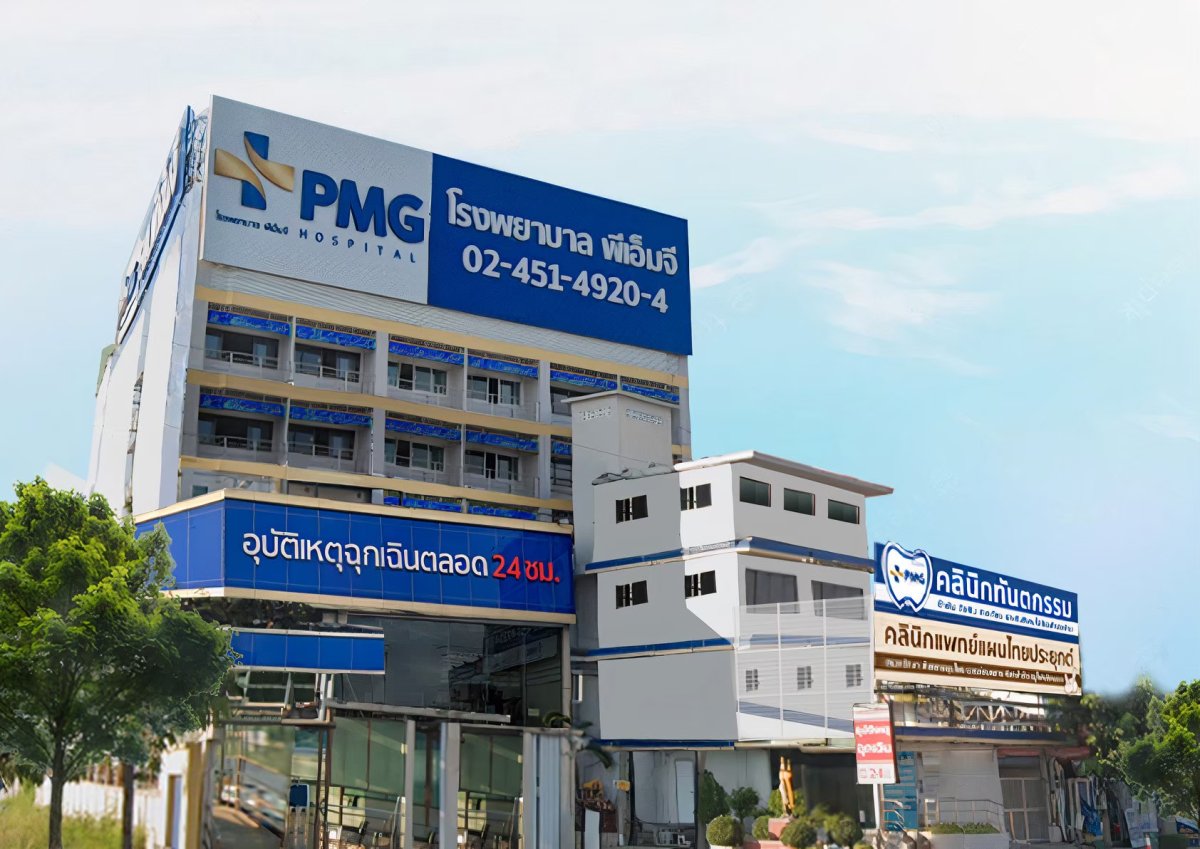


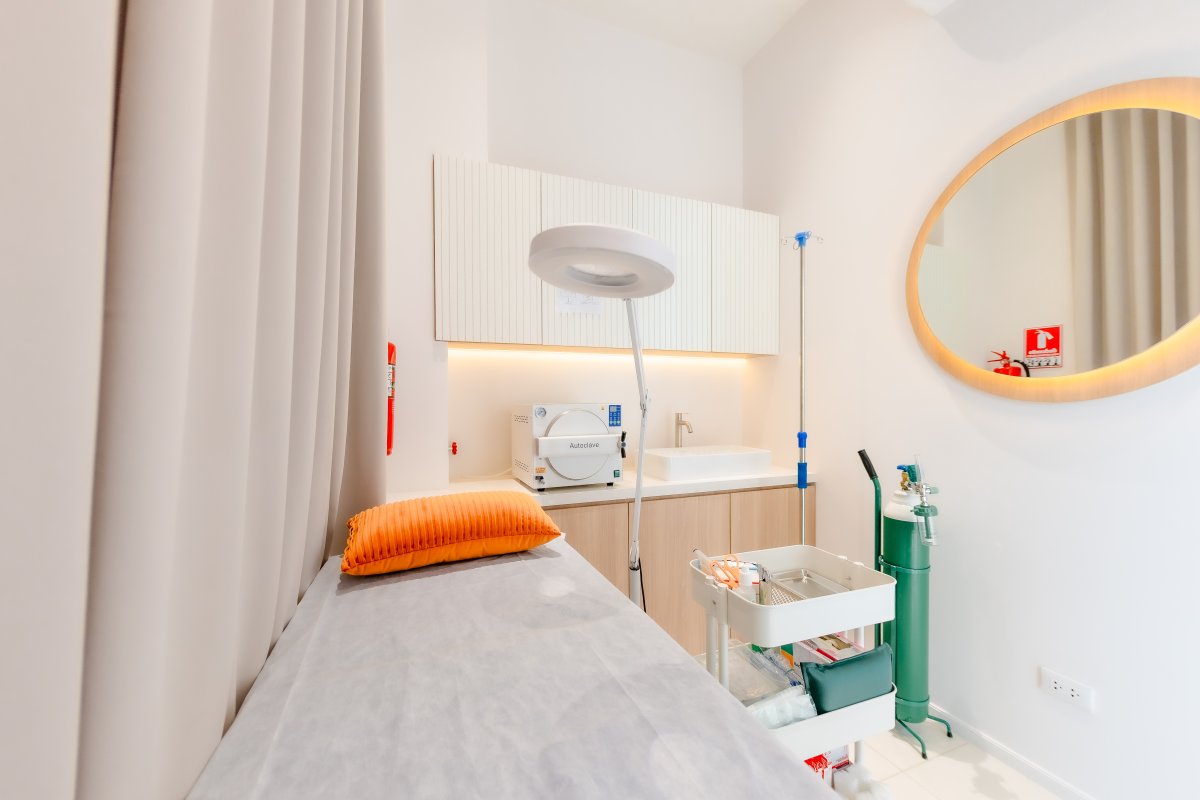
PrimeCare Bkk



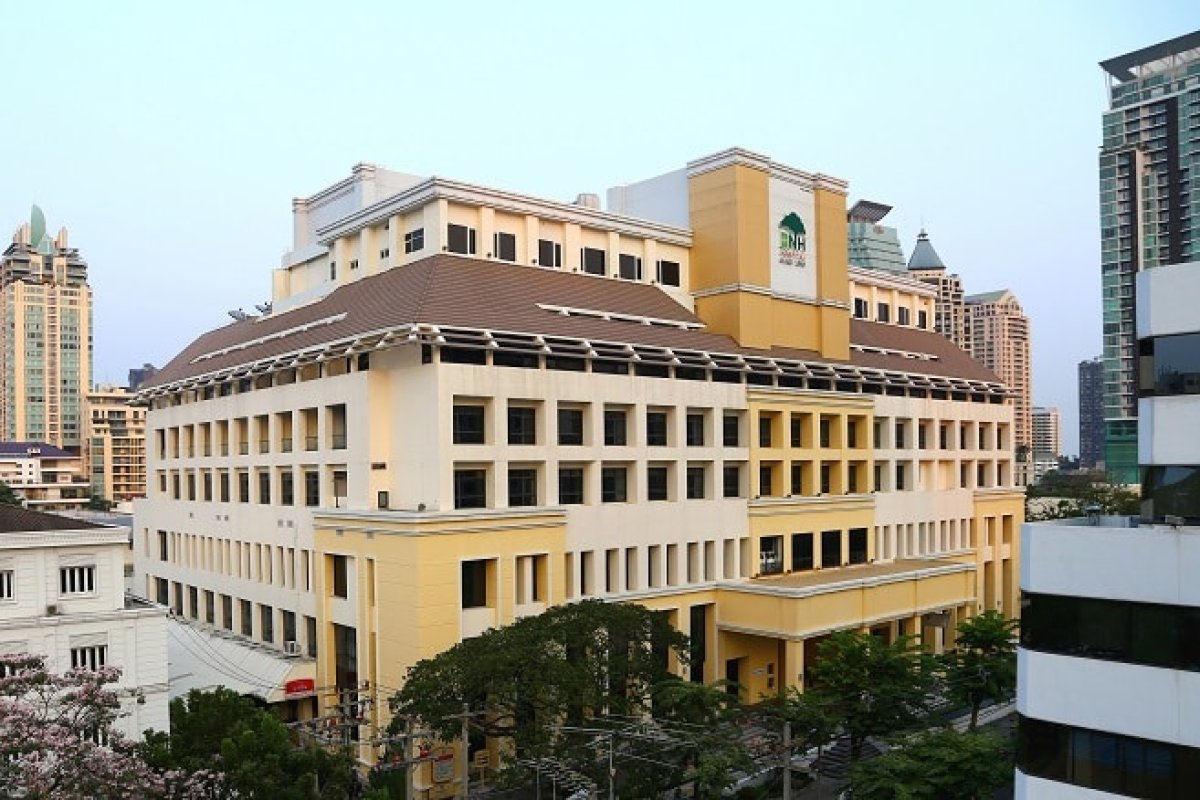
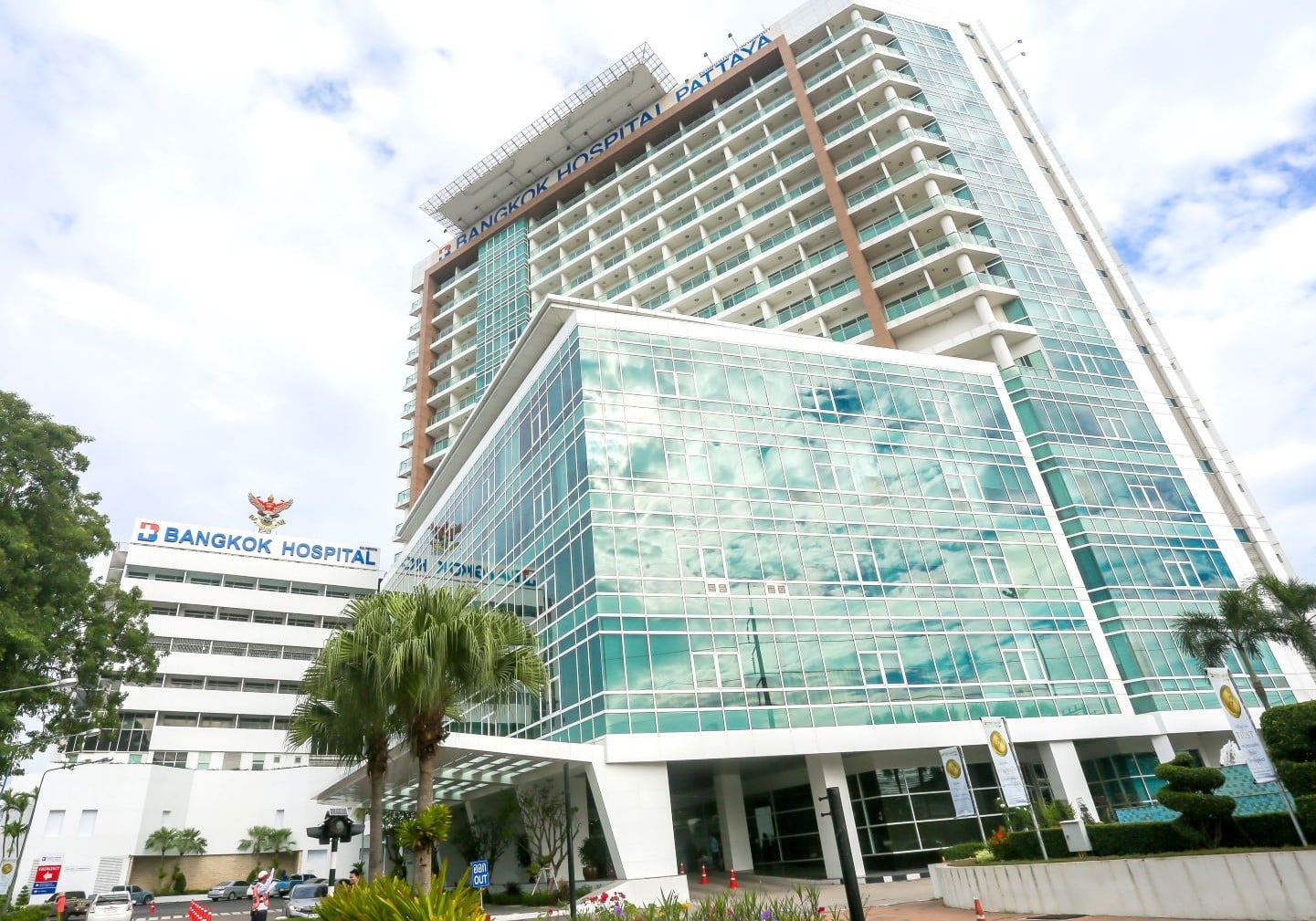



The Demarest Clinic
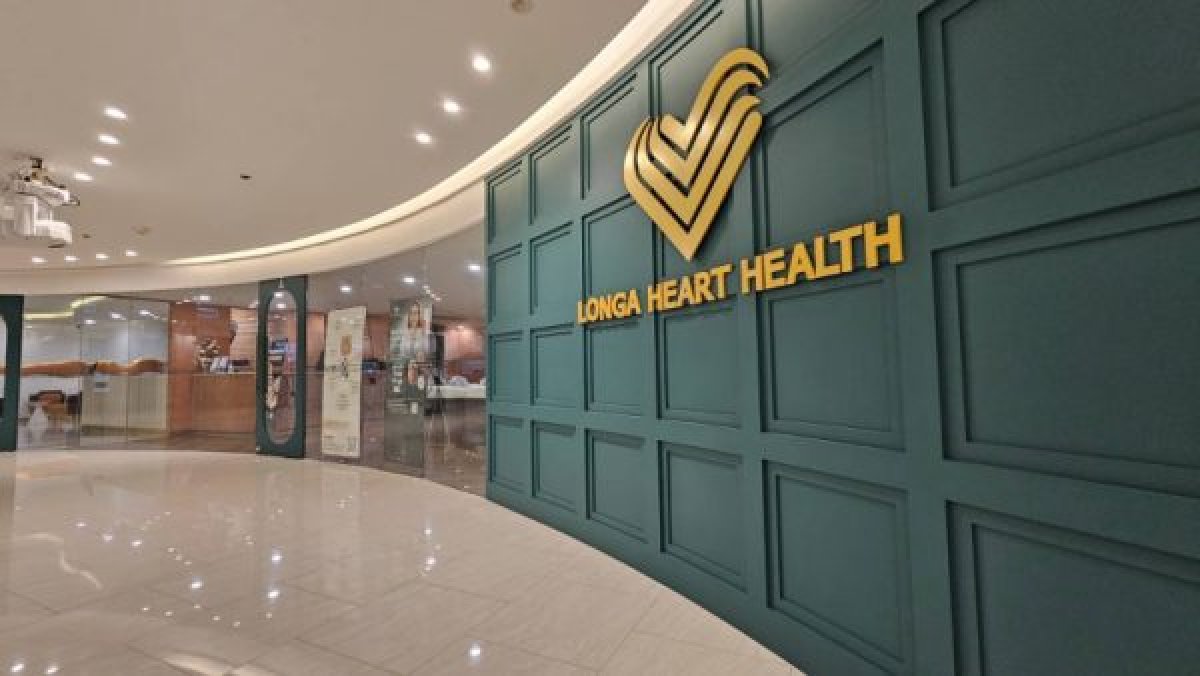
Longa Heart Health Medical Center
Ratanapunt Incharoensakdi


MedConsult Bangkok Medical Clinic
احصل على تقييم طبي لـ في تايلاند. استشر الآن 9 أطباء ذوي الخبرة.
عرض جميع الأطباء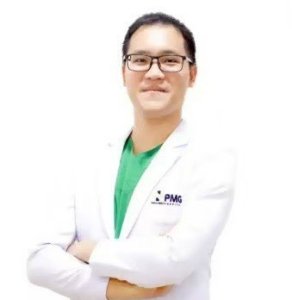
sarunyoo Suttipongkeat
الدكتور Sarunyoo Suttipongkeat متخصص في أمراض القلب وطب القلب التداخلي. أكمل زمالة سريرية في طب القلب التداخلي (2015–2016) وزمالة في أمراض القلب (2013–2015) في قسم أمراض القلب، كلية الطب بمستشفى سيريراج، جامعة ماهيدول، بانكوك، تايلاند.
أتمّ الإقامة في الطب الباطني (2010–2013) وسنة الامتياز (2009–2010) في مستشفى Buddhachinnaraj Phitsanulok. حصل على درجة دكتوراه في الطب (مرتبة الشرف الثانية) من كلية الطب بمستشفى سيريراج، جامعة ماهيدول (2002–2009). درس في مدرسة تريام أودوم سوكسا (1998–200
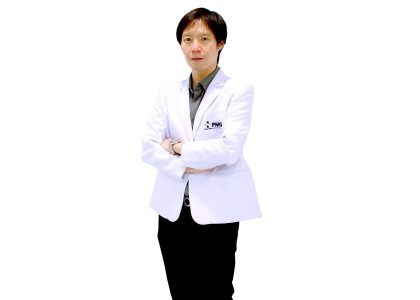
Purich Surunchupakorn
الدكتور Purich Surunchupakorn، دكتوراه في الطب، متخصص في الطب الباطني وطب القلب. كما تلقّى تدريبًا في طب القلب التداخلي.
الاعتمادات والتدريب: دكتوراه في الطب، كلية الطب، جامعة تشولالونغكورن، بانكوك (2006). شهادة البورد التايلندي في الطب الباطني (2012). تخصص دقيق في طب القلب (2014). تخصص دقيق في طب القلب التداخلي (2015).
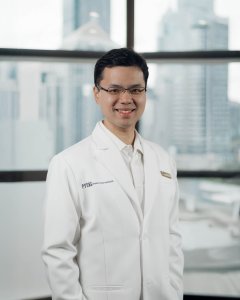
Wissarut Sakulpaptong
يتخصص الدكتور ساكولباب تونغ في تخطيط صدى القلب المتقدم في مستشفى الملك تشولالونغكورن التذكاري، وهو مركز رائد لأمراض القلب في تايلاند.
- كبير زملاء أمراض القلب في مستشفى الملك تشولالونغكورن التذكاري
- خبير في تخطيط صدى القلب عبر الصدر وعبر المريء
- طور مسار رعاية احتشاء عضلة القلب غير المصحوب بارتفاع القطعة ST (NSTEMI) لتحسين نتائج المرضى
- حاصل على العديد من الجوائز للتميز الأكاديمي ورعاية المرضى
Ratanapunt Incharoensakdi
رائد في علاجات أمراض القلب غير الجراحية – ساهم الدكتور راتانابونت في تشكيل رعاية القلب الحديثة في تايلاند على مدى _doctor_9839_عاماً_.
- مؤسس مركز بانكوك للقلب – أول مركز متخصص للقلب في تايلاند
- تدرب في طب القلب في جامعة كيوتو وجامعة هامبورغ
- استشاري أول في طب القلب في مستشفى بانكوك ومستشفى بومرونجراد الدولي
- متخصص في طب القلب الوقائي وبرامج التنشيط الشاملة
مشاركة المحتوى
قصص فيديو من مرضى Bookimed
 Anna Leonova
أسئلة متكررة حول علاج عدم انتظام ضربات القلب في تايلاند
هل يتم إجراء استئصال القسطرة لاضطراب النظم القلبي بواسطة أخصائيي فيزيولوجيا كهربائية معتمدين في تايلاند، وما هي الاعتمادات التي تحملها المستشفيات؟
يقوم أخصائيو الفيزيولوجيا الكهربائية المعتمدون بإجراء استئصال القسطرة في تايلاند في مرافق معتمدة من قبل اللجنة الدولية المشتركة (JCI). يحمل هؤلاء المتخصصون شهادة من المجلس الطبي التايلاندي. غالبًا ما يكمل كبار الأطباء زمالات إضافية في الولايات المتحدة أو أوروبا. يستخدمون الترددات الراديوية ورسم الخرائط ثلاثي الأبعاد لحالات اضطراب النظم القلبي المعقدة.
- مؤهلات المتخصص: غالبًا ما يحمل المتخصصون زمالات من جمعية إيقاع القلب (Heart Rhythm Society).
- اعتماد المستشفى: تحافظ المراكز الرائدة على معايير JCI و GHA و ISO.
- التكنولوجيا المتقدمة: تستخدم العيادات استئصال الترددات الراديوية مع رسم الخرائط ثلاثي الأبعاد والاستئصال بالتبريد.
- معايير المنشأة: يحمل مستشفى بانكوك باتايا اعتماد Temos International Healthcare.
رؤية خبير Bookimed: بينما يبحث الكثيرون عن مراكز في بانكوك، يخدم مستشفى بانكوك باتايا 400,000 مريض سنويًا ويحمل اعتماد Temos الفريد. يقيم هذا الاعتماد بشكل خاص جودة رعاية المرضى الدوليين. إنه يوفر بديلاً عالي الحجم للعاصمة لجراحات القلب المعقدة والتدخلات القلبية.
إجماع المرضى: غالبًا ما يذكر المرضى شعورهم بالاطمئنان بسبب التدريب الدولي للمتخصصين التايلانديين. يلاحظ الكثيرون أن رعاية التمريض في مرافق بانكوك الأكبر تتجاوز توقعاتهم للمراقبة بعد الإجراء.
ما هو معدل النجاح النموذجي لاستئصال القسطرة بالترددات الراديوية أو بالبالون الثلجي لاضطرابات النظم الشائعة مثل تسرع القلب الأذيني البطيني العُقدي (AVNRT)، أو الرفرفة الأذينية، أو الرجفان الأذيني الانتيابي في تايلاند؟
تتراوح معدلات نجاح استئصال القسطرة في تايلاند لاضطرابات النظم الشائعة بين 80% و95%. تحافظ المراكز المتخصصة على هذه المعايير العالية لإجراءات مثل الاستئصال بالترددات الراديوية وبالبالون الثلجي. يقوم أخصائيو الفيزيولوجيا الكهربائية المتخصصون بإجراء هذه العلاجات في مرافق معتمدة من اللجنة الدولية المشتركة (JCI). تحتل تايلاند المرتبة السابعة عالمياً في شعبية السياحة العلاجية.
- نجاح AVNRT: تبلغ معظم المراكز عن معدلات نجاح تصل إلى 98% لهذه الحالة.
- الرفرفة الأذينية: تحقق إجراءات الرفرفة الجانبية اليمنى النموذجية نجاحاً في أكثر من 95% من الحالات.
- الرجفان الأذيني الانتيابي: تتراوح معدلات نجاح الاستئصال الأولي عادةً بين 70% و80%.
- اعتمادات العيادات: تحافظ المرافق الرائدة مثل مستشفى بامرونجراد ومستشفى سيكارين على اعتماد JCI.
رؤية خبير Bookimed: تُظهر مراكز القلب التايلاندية درجة عالية من التخصص بين الرعاية غير الجراحية والجراحية. أجرى الدكتور راتانابونت إنشاروينساكدي أكثر من 5000 إجراء. تعالج العيادات ذات الحجم الكبير مثل بامرونجراد 1,000,000 مريض سنوياً. يضمن هذا الحجم احتفاظ الجراحين بكفاءة عالية في تقنيات الاستئصال المعقدة. يجب على المرضى البحث عن متخصصين لديهم أكثر من 30 عاماً من الخبرة. هذا المستوى من الخبرة شائع في المؤسسات الكبرى الموجودة في بانكوك.
إجماع المرضى: يلاحظ المرضى أن اختيار طبيب ذي خبرة يؤدي إلى نتائج أفضل على المدى الطويل. يؤكد الكثيرون أن الاستئصال بالبالون الثلجي يوفر تعافياً أسرع مع ألم أقل. غالباً ما يو
كم من الوقت يجب أن يبقى مرضى عدم انتظام ضربات القلب في تايلاند قبل وبعد إجراء الاستئصال، وما هي التصاريح الطبية المطلوبة؟
عادةً ما يبقى مرضى عدم انتظام ضربات القلب في تايلاند لمدة تتراوح بين 7 إلى 10 أيام في المجموع. يشمل ذلك يومين لرسم خرائط القلب قبل الجراحة وما يصل إلى 7 أيام للمراقبة بعد الجراحة. يحتاج معظم المرضى إلى ليلة واحدة في المستشفى للمراقبة بعد انتهاء إجراء الاستئصال.
- مدة السفر: خطط لمدة 10 أيام لتغطية التشخيص والمتابعة.
- الإقامة في المستشفى: تتطلب معظم المراكز ليلة واحدة من المراقبة الداخلية.
- التصريح الطبي: يشمل تخطيط كهربائية القلب (ECG) واستشارة مع طبيب قلب تايلاندي.
- التصوير التشخيصي: قد تتطلب الحالات المتخصصة إجراء تصوير بالرنين المغناطيسي للقلب لرسم الخرائط.
- التقنية القياسية: يستخدم الجراحون رسم الخرائط ثلاثي الأبعاد والاستئصال بالترددات الراديوية للدقة.
رؤية خبير Bookimed: تتخصص مراكز القلب التايلاندية في الرعاية ذات الحجم الكبير. يعالج مستشفى بامرونجراد الدولي 1,000,000 مريض سنويًا. يسمح هذا الحجم للجراحين مثل الدكتور مانون سومرانثين بالحفاظ على خبرتهم لأكثر من 30 عامًا. اختر المرافق الحاصلة على اعتمادات JCI و GHA لضمان السلامة للمرضى الدوليين.
إجماع المرضى: يجد المرضى مرحلة التعافي أسهل مما كان متوقعًا. ويشيرون إلى أن شرح نتائج رسم الخرائط ثلاثي الأبعاد بوضوح من قبل الفريق الطبي يقلل من القلق قبل الإجراء.
هل تستخدم المستشفيات التايلاندية أنظمة رسم خرائط ثلاثية الأبعاد متطورة (CARTOS, EnSite, Rhythmia)، وتخطيط صدى القلب داخل القلب، وقسطرة قوة التلامس لعمليات الاستئصال المعقدة؟
تستخدم المستشفيات التايلاندية المعتمدة من قبل اللجنة الدولية المشتركة (JCI) أنظمة رسم خرائط ثلاثية الأبعاد متطورة وتخطيط صدى القلب داخل القلب لعمليات استئصال القلب المعقدة. تستخدم المراكز الرائدة في بانكوك وباتايا استئصال الترددات الراديوية مع رسم خرائط ثلاثي الأبعاد لعلاج الرجفان الأذيني وتسرع القلب البطيني. تتميز المرافق الحديثة بمختبرات قسطرة عالية التقنية يعمل بها أخصائيون في الفيزيولوجيا الكهربية مدربون دولياً.
- أنظمة رسم الخرائط: يعمل رسم الخرائط ثلاثي الأبعاد عالي الكثافة على تحسين الدقة أثناء إجراءات عدم انتظام ضربات القلب المعقدة.
- التصوير التشخيصي: يستخدم المتخصصون تخطيط صدى القلب المتقدم والتصوير بالرنين المغناطيسي لتصور دقيق للقلب.
- الخبرة السريرية: تخدم مرافق مثل مستشفى بامرونجراد أكثر من مليون مريض عبر 70 قسماً.
- المعايير الدولية: تحافظ المستشفيات الرائدة على شهادات JCI وGHA وISO للسلامة.
رؤية خبير Bookimed: غالباً ما توفر مراكز القلب التايلاندية علاجات عالية التقنية بأسعار تنافسية، حيث تتراوح باقات رسم الخرائط ثلاثية الأبعاد من 12,000 دولار إلى 18,000 دولار. في حين يركز العديد من السياح الطبيين على اسم المستشفى، فإن القيمة الحقيقية تكمن في التدريب المتخصص للجراح. على سبيل المثال، يحمل الدكتور مانون سومرانثين في مستشفى بانكوك باتايا مؤهلات متقدمة من جامعة ستانفورد، وهو مؤشر جودة رئيسي لحالات الفيزيولوجيا الكهربية المعقدة.
إجماع المرضى: يبلغ المرضى عن رضا عالٍ عن المعدات الحديثة والموظفين الذين يتحدثون ا
ما هي رعاية المتابعة والمراقبة عن بعد التي يمكن للمرضى الأجانب الوصول إليها بمجرد عودتهم إلى ديارهم؟
يصل المرضى الذين يعالجون عدم انتظام ضربات القلب في تايلاند إلى الرعاية عن بعد من خلال منصات الطب عن بعد المتقدمة وتطبيقات الصحة الرقمية المتكاملة. تستخدم المراكز المعتمدة من JCI بوابات آمنة لمشاركة نتائج التشخيص بعد الجراحة. غالبًا ما يستخدم المرضى الدوليون أجهزة تخطيط القلب المحمولة لنقل البيانات في الوقت الفعلي إلى فريق الجراحة التايلاندي الخاص بهم للمراقبة طويلة المدى.
- المراقبة الرقمية: يقوم الجراحون بمراجعة عمليات تحميل تخطيط القلب المحمول وبيانات الأجهزة الذكية من خلال تطبيقات صحية آمنة.
- الاستشارات الافتراضية: تسمح زيارات الفيديو المجدولة لأطباء القلب بتعديل الأدوية ومراقبة تقدم التعافي.
- تنسيق البيانات: توفر المستشفيات تقارير رقمية لتسليم سريري سلس للمتخصصين المحليين في بلد المريض.
- التواصل السريع: تضمن المراسلة المباشرة عبر المنصات المشفرة استجابات سريعة للاستفسارات الطبية غير الطارئة.
رؤية خبير Bookimed: تعطي مراكز أمراض القلب التايلاندية الأولوية للتكامل الرقمي لخدمة قاعدة مرضاها الدوليين التي تبلغ 50%. يستخدم مستشفى بامرونجراد الدولي تكنولوجيا المباني الذكية والسجلات الصحية الإلكترونية (EHR) لتبسيط المتابعات عن بعد. تؤكد العيادات المتخصصة مثل Longa Heart Health على تنشيط القلب والأوعية الدموية على المدى الطويل. نوصي بطلب بروتوكول مراقبة رسمية عن بعد قبل الخروج من المستشفى. يدير بعض الأطباء الرئيسيين، مثل أولئك الموجودين في Longa، أكثر من 5000 إجراء ويقدمون طب قلب وقائي مخصص عبر القنوات الرقمية.
إجماع المرضى:
هل سيكون لدي ندوب دائمة أو شقوق مرئية بعد استئصال القسطرة؟
عادةً لا يترك استئصال القسطرة ندوبًا دائمة مرئية أو شقوقًا كبيرة. يستخدم أطباء القلب في تايلاند وخزات إبرة طفيفة التوغل بدلاً من الجروح الجراحية. تلتئم نقاط الإدخال الصغيرة هذه في الفخذ أو الرقبة عادةً لتصبح علامات أصغر من النمش في غضون بضعة أشهر.
- حجم الشق: يبلغ عرض الوخزات من 2 إلى 3 مليمترات فقط.
- طريقة الإغلاق: يتم إغلاق معظم مواقع الوصول بضغط مباشر ولا تتطلب غرزًا.
- الجدول الزمني للشفاء: تتلاشى علامات الفخذ عادةً تمامًا في غضون 6 أشهر.
- الآثار الجانبية المؤقتة: قد تستمر الكدمات أو الكتل الصغيرة لمدة تتراوح من أسبوع إلى 4 أسابيع.
رؤية خبير Bookimed: غالبًا ما تستخدم المراكز التايلاندية المعتمدة من قبل اللجنة الدولية المشتركة (JCI) مثل مستشفى بامرونجراد الدولي تقنية رسم خرائط ثلاثية الأبعاد متقدمة. غالبًا ما تقلل هذه الدقة من الحاجة إلى إعادة وضع القسطرة عدة مرات. يمكن أن تؤدي التعديلات الأقل إلى تقليل صدمة الأنسجة الموضعية في موقع الإدخال. يساعد هذا في ضمان التئام مواقع الوخز بشكل نظيف دون مضاعفات مثل الكدمات الكبيرة.
إجماع المرضى: يلاحظ المرضى أن النقاط الصغيرة في منطقة الفخذ تختفي تمامًا. ويؤكدون أن أي كدمات أولية تبدو أسوأ من العلامات الصغيرة الفعلية التي تشبه النمش.
ما هي المدن التايلاندية التي توفر أعلى تركيز لبرامج علاج عدم انتظام ضربات القلب ذات السمعة الطيبة مع فرق تتحدث الإنجليزية؟
بانكوك هي المركز الرئيسي لعلاج عدم انتظام ضربات القلب في تايلاند. وهي تستضيف مرافق معتمدة من قبل اللجنة الدولية المشتركة (JCI) مع مراكز متخصصة في الفيزيولوجيا الكهربائية. تتركز معظم البرامج ذات السمعة الطيبة في هذه العاصمة. تتميز هذه المراكز بأطباء قلب يتحدثون الإنجليزية ومدربين في الولايات المتحدة أو اليابان أو أوروبا. وهي توفر تقنيات متقدمة للرسم الخرائطي ثلاثي الأبعاد والاستئصال.
- مراكز متخصصة: تضم بانكوك مراكز مثل مستشفى بامرونجراد الدولي ومستشفى سيكارين.
- إجراءات متقدمة: يقوم الأطباء بإجراء استئصال بالترددات الراديوية، والاستئصال بالتبريد للقلب، والرسم الخرائطي ثلاثي الأبعاد.
- مؤهلات الخبراء: يتمتع جراحون مثل الدكتور راتانابونت إنشاروينساكدي بخبرة تزيد عن 40 عاماً.
- المعايير العالمية: تمتلك المرافق الرائدة اعتماد الرعاية الصحية العالمية ومعايير الأيزو الدولية.
رؤية خبير Bookimed: بينما تهيمن بانكوك على الرعاية المتخصصة، تعمل باتايا كمركز ثانوي موثوق للتدخلات القلبية. يحمل مستشفى بانكوك باتايا اعتمادات JCI وTemos. وهو يدير أكثر من 400,000 مريض سنوياً. وهذا يجعله خياراً استراتيجياً للمرضى الذين يبحثون عن خبرة سريرية عالية الحجم خارج العاصمة المزدحمة.
إجماع المرضى: يشير المرضى إلى أن بانكوك ضرورية لعمليات استئصال الرجفان الأذيني المعقدة. ويقترحون إحضار السجلات الطبية الكاملة من المنزل لمنع التأخير في التشخيص أثناء الاستشارة الأولى.