علاج عدم انتظام ضربات القلب في كوريا الجنوبية — احصل على 3 عيادات مختارة خصيصاً لك


تمت مراجعة المقالة طبيا من قبل
فهد مولود
كيف نعمل؟
ما هي تكلفة عدم انتظام ضربات القلب إجراءات التشخيص والعلاج في كوريا الجنوبية؟ اعرف الآن
من $30. تعتمد النفقات الإجمالية على مستوى المستشفى، واستخدام تقنية التصوير ثلاثي الأبعاد، وحالة التأمين الخاصة بالمريض. يمكن للمرضى توقع توفير ما بين 30-50% مقارنة بالولايات المتحدة. تشمل أفضل المدن لرعاية القلب سيول وإنشيون.
تكاليف علاج عدم انتظام ضربات القلب النموذجية في جمهورية كوريا
- استشارة طبيب قلب: $50 – $55
- تخطيط كهربية القلب (ECG): من $30
- الاستئصال بالترددات الراديوية: من $8,000
رؤية خبراء Bookimed: بالنسبة للحالات المعقدة مثل الرجفان الأذيني، توفر المراكز المتخصصة في سيول أعلى قيمة. يُعد مستشفى جامعة سيول الوطنية (SNUH) خياراً أولياً، حيث يعمل كمرفق طبي رئاسي. يجب على المرضى الذين يبحثون عن رعاية متخصصة للأطفال التفكير في مستشفى سيجونغ (SEJONG HOSPITAL) في إنشيون. أجرى الدكتور سونغ هو كيم هناك أكثر من 1200 تدخل قلبي. توفر هذه المؤسسات الحاصلة على اعتماد اللجنة الدولية المشتركة (JCI) بنية تحتية رقمية متطورة، مما يضمن الدقة للمرضى الذين يحتاجون إلى التحكم في إيقاع القلب عبر القسطرة.
| كوريا الجنوبية | تركيا | إسبانيا | |
|---|---|---|---|
| تجمد القلب | ≈ $9,500 | من $8,100 | من $20,200 |
| الترددات اللاسلكية | من $8,000 | من $5,200 | من $22,400 |
| الاجتثاث بالترددات الراديوية مع رسم الخرائط ثلاثية الأبعاد | ≈ $9,500 | من $10,400 | من $22,400 |
اكتشف أفضل عدم انتظام ضربات القلب العيادات في كوريا الجنوبية: 9 خيارات معتمدة والأسعار










احصل على تقييم طبي لـ في كوريا الجنوبية. استشر الآن 6 أطباء ذوي الخبرة.
عرض جميع الأطباء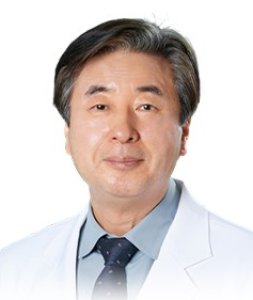
Ahn Taehun
الدكتور آن تايهون طبيب أمراض قلب حاصل على درجتي الطب والدكتوراه، ومدير مركز أمراض القلب والأوعية الدموية. يختص بمرض الشريان التاجي، بما في ذلك الذبحة الصدرية واحتشاء عضلة القلب. ويعالج أيضًا ارتفاع ضغط الدم، وأمراض صمامات القلب، وقصور القلب، وفرط شحميات الدم. تشمل خبرته طب القلب التداخلي، وتخطيط صدى القلب، وتصوير القلب والأوعية الدموية. ويعالج كذلك تصلب الشرايين، وأمراض انسداد الشرايين، واعتلال عضلة القلب التوسعي، والتهاب عضلة القلب.
تولى عدة مناصب قيادية. شغل منصب رئيس مجلس إدارة الجم
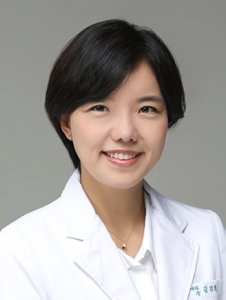
Kyung Hee Kim
الدكتورة كيونغ هي كيم، MD, PhD، مديرة مركز زراعة القلب ورئيسة قسم أمراض القلب في مستشفى إنشيون سيجونغ. حصلت على درجات MD وMS وPhD من كلية الطب بجامعة سيول الوطنية، وأكملت زمالات دولية، منها إجراء أبحاث في مايو كلينك.
تشمل خبرتها فشل القلب المتقدم، تقييم وإدارة الزرع، الدعم الدوري الميكانيكي (VAD، ECMO)، ارتفاع ضغط الدم الرئوي، اعتلالات عضلة القلب المعقدة، وأمراض القلب الوراثية والصمامية وعيوب القلب الخلقية لدى البالغين.
تقود رعاية قلبية متعددة التخصصات، وتطوّر بروتوكولات سريرية
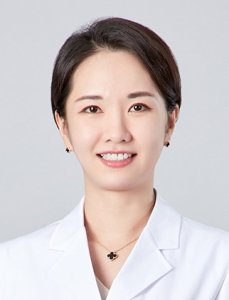
Min Jeong Kim
الدكتورة مين-جونغ كيم، طبيبة قلب تحمل درجتي الطب (MD) والدكتوراه (PhD)، تعمل في مستشفى إنتشون سيجونغ. تركز على طب القلب التدخلي، وفشل القلب، وارتفاع ضغط الدم، وطب القلب الوقائي.
حصلت على درجتي MD وPhD من كلية الطب بجامعة سيول الوطنية، وأتمت تدريباً متقدماً في الطب الباطني وأمراض القلب والأوعية في مركز طبي رائد في كوريا.
تشمل خبرتها مرض الشريان التاجي، وفشل القلب المزمن، واضطرابات نظم القلب، وارتفاع ضغط الدم. تجري تصوير الشرايين التاجية بالقسطرة والتدخل التاجي عبر الجلد، وتتقن تخ
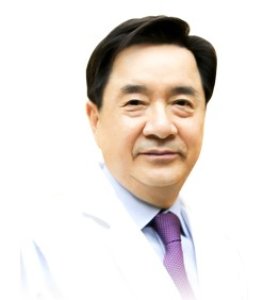
Oh Dongju
الدكتور أوه دونغجو (MD، PhD) طبيب قلب. يختص بارتفاع ضغط الدم، فرط شحميات الدم، الذبحة الصدرية، احتشاء عضلة القلب، أمراض الصمامات، اعتلال عضلة القلب التوسعي، والتهاب عضلة القلب. يشمل عمله أيضًا تصلب الشرايين وأمراض الانسداد الشرياني. وهو متمرس في تخطيط صدى القلب والتصوير القلبي الوعائي.
أكمل زمالة أمراض القلب في كلية الطب بجامعة إيموري. كما عمل مدرسًا سريريًا في قسم الطب بكلية طب وايل كورنيل، جامعة كورنيل. تولى العديد من المناصب القيادية: رئيسًا لـ KSIC؛ مديرًا للنشر والشؤون العامة والع
مشاركة المحتوى
قصص فيديو من مرضى Bookimed
 Anna Leonova
أسئلة متكررة حول علاج عدم انتظام ضربات القلب في كوريا الجنوبية
ما هي خيارات علاج عدم انتظام ضربات القلب الرئيسية المتاحة في كوريا الجنوبية؟
توفر كوريا الجنوبية علاجات متقدمة لاضطراب نظم القلب بما في ذلك استئصال القسطرة بالترددات الراديوية، والاستئصال بالتبريد، ورسم خرائط القلب ثلاثي الأبعاد. تستخدم المراكز المتخصصة في سيول وإنشيون البنية التحتية الرقمية لزرع أجهزة تنظيم ضربات القلب ومزيلات الرجفان. يقوم أخصائيو الفيزيولوجيا الكهربية ذوو الخبرة العالية بإجراء هذه العمليات طفيفة التوغل بمعدلات نجاح تصل إلى 90% لحالات معينة.
- استئصال القسطرة: يستخدم الترددات الراديوية أو الطاقة الباردة لتحييد إيقاعات القلب غير المنتظمة.
- رسم خرائط القلب ثلاثي الأبعاد: يستخدم التصوير الرقمي لتحديد مسببات اضطراب النظم بدقة عالية.
- الأجهزة القابلة للزرع: تشمل أجهزة تنظيم ضربات القلب، وأجهزة تقويم نظم القلب ومزيلات الرجفان (ICDs)، وعلاج إعادة التزامن لمرضى فشل القلب.
- المراقبة التشخيصية: توجه دراسات تخطيط القلب الشاملة، والرنين المغناطيسي للقلب، والفيزيولوجيا الكهربية تخطيط العلاج.
رؤية خبير Bookimed: يعد حجم المرضى مؤشراً رئيسياً للسلامة في تدخلات القلب في كوريا الجنوبية. بينما يخدم مستشفى جامعة سيول الوطنية أكثر من 10,000 مريض يومياً، توفر مراكز إنشيون مثل مستشفى سيجونغ خبرة متخصصة. على سبيل المثال، أجرى الدكتور سونغ هو كيم أكثر من 1,200 تدخل قلبي. يساعد اختيار المراكز ذات الحجم الكبير في ضمان الوصول إلى تقنيات رسم الخرائط الرقمية المتقدمة التي تحسن دقة الإجراء.
إجماع المرضى: غالباً ما يلاحظ المرضى أن الخضوع للاستئصال في وقت مبكر يساعدهم على تجنب الآثار الجانبية للأدوية على ا
ما مدى خبرة أخصائيي الفيزيولوجيا الكهربائية للقلب الكوريين، وأين توجد مراكز عدم انتظام ضربات القلب الرئيسية؟
يتمتع أخصائيو الفيزيولوجيا الكهربائية للقلب في كوريا الجنوبية بخبرة عالية. فهم يكملون من 8 إلى 10 سنوات من التدريب المتخصص قبل الممارسة. تقع مراكز عدم انتظام ضربات القلب الرئيسية في سيول وإنشيون. تستخدم العيادات الرائدة مثل مستشفى جامعة سيول الوطنية بوندانغ أنظمة رقمية متكاملة للتدخلات الدقيقة القائمة على القسطرة.
- معايير التدريب: يخضع المتخصصون لسنة تدريب داخلي و4 سنوات من الإقامة.
- الزمالة المتقدمة: يكمل الخبراء سنتين في أمراض القلب وسنة إلى سنتين من الزمالة المتخصصة.
- المراكز الرئيسية: تتركز المراكز الثالثة في سيول وإنشيون للرعاية المعقدة.
- الوصول إلى التكنولوجيا: تستخدم المراكز رسم الخرائط ثلاثي الأبعاد وعزل البالون بالتبريد للحصول على نتائج استئصال دقيقة.
رؤية خبير Bookimed: يؤثر الحجم السريري بشكل كبير على نتائج المرضى في كوريا. يدير مركز جاشون الجامعي الطبي أكثر من 38,000 مريض سنوياً. يعالج مستشفى جامعة سيول الوطنية بوندانغ 1,500,000 مريض كل عام. تضمن أحجام المرضى الهائلة هذه أن يحافظ أخصائيو الفيزيولوجيا الكهربائية الكوريون على كفاءة تقنية عالية من خلال التكرار المتكرر للإجراءات.
إجماع المرضى: يقدر المرضى كفاءة أنظمة المستشفيات الرقمية. ويلاحظون أن الرعاية المنسقة وتكنولوجيا رسم الخرائط المتقدمة تجعل الإجراء يبدو روتينياً وآمناً.
ما هو التقييم الذي سيخضع له المريض الدولي قبل الإجراء، وكم يستغرق من الوقت؟
عادةً ما يكمل المرضى الدوليون الذين يخضعون لعلاج عدم انتظام ضربات القلب في كوريا الجنوبية تقييماً شاملاً للقلب في غضون يوم واحد إلى 3 أيام. يشمل هذا التقييم المتخصص تحاليل الدم، والأشعة السينية للصدر، والتصوير التشخيصي المتقدم مثل التصوير بالرنين المغناطيسي للقلب أو رسم الخرائط ثلاثي الأبعاد. عادةً ما يقوم الجراحون بإجراء الفحوصات البدنية النهائية قبل 48 ساعة من الإجراء.
- طرق التشخيص: يشمل التقييم تخطيط القلب الكهربائي (ECG)، والتصوير بالرنين المغناطيسي للقلب، واستشارات مع طبيب القلب.
- الإطار الزمني للعلاج: تقوم المراكز الطبية عموماً بإجراء التقييمات النهائية قبل يوم واحد إلى 3 أيام من الجراحة.
- الإجراءات المتقدمة: تُستخدم تقنيات رسم الخرائط مثل رسم الخرائط ثلاثي الأبعاد للترددات الراديوية أو الاستئصال بالتبريد.
- معايير المرافق: تحافظ معظم المستشفيات على اعتماد JCI أو شهادة KOIHA لضمان الجودة والسلامة.
رؤية خبير Bookimed: تعمل البنية التحتية الرقمية في كوريا الجنوبية على تقليل أوقات انتظار التقييم بشكل كبير مقارنة بأوروبا أو أمريكا الشمالية. تعمل المراكز الرائدة مثل مستشفى جامعة سيول الوطنية بأنظمة رقمية بالكامل. وهذا يسمح للأطباء بمراجعة تخطيطات القلب المحملة والتاريخ الطبي قبل وصول المريض. غالباً ما يضغط هذا التحضير عملية التصريح قبل الجراحة في الموقع في نافذة زمنية واحدة مدتها 4 ساعات.
إجماع المرضى: يلاحظ المرضى أن الحصول على التصريح قبل الجراحة يتم بشكل أسرع بكثير مما هو عليه في بلدهم، وغالباً في غضون 48 ساعة. وي
ما هي المدة المتوقعة للبقاء في المستشفى ووقت التعافي بعد استئصال القسطرة؟
يتطلب استئصال القسطرة في جمهورية كوريا عادةً البقاء في المستشفى لليلة واحدة للمراقبة. يعود معظم المرضى إلى الأنشطة اليومية الخفيفة في غضون ثلاثة إلى سبعة أيام. يجب تجنب رفع الأشياء الثقيلة والتمارين الشاقة لمدة أسبوع تقريبًا لضمان التئام الموقع بشكل صحيح.
- المراقبة في المستشفى: عادةً ما يتم الخروج في غضون 24 ساعة بعد فترة المراقبة.
- رعاية ما بعد الإجراء: يجب على المرضى الاستلقاء بشكل مسطح لمدة 4 إلى 6 ساعات بعد التدخل.
- روتين العمل: يعود معظم الأفراد إلى العمل المكتبي في غضون يومين إلى ثلاثة أيام.
- حدود النشاط: تجنب رفع أكثر من 10 أرطال (حوالي 4.5 كجم) لمدة أسبوع كامل على الأقل.
- الالتئام الداخلي: يستغرق استقرار أنسجة القلب والندوب الكاملة حوالي 8 إلى 12 أسبوعًا.
رؤية خبير Bookimed: تعطي مراكز القلب والأوعية الدموية في كوريا الجنوبية مثل مستشفى سيفيرانس الأولوية للكفاءة، وغالبًا ما تدير إقامات لمدة ليلة واحدة حيث قد تتطلب المرافق الأمريكية وقتًا أطول. يستخدم كبار المتخصصين مثل الدكتور سونغ هو كيم تقنيات رسم الخرائط ثلاثية الأبعاد المتقدمة والاستئصال بالتبريد لتقليل وقت الإجراء. يسمح هذا النهج القائم على التكنولوجيا والحجم الكبير للمرضى الدوليين بالتخطيط لرحلات طبية أقصر دون المساس بمعايير السلامة.
إجماع المرضى: يشير المرضى إلى أن ألم الفخذ يصل إلى ذروته في اليوم الثاني تقريبًا وينصحون باستخدام أكياس الثلج على الفور. يؤكد الكثيرون أن آثار التخدير المتبقية يمكن أن تسبب خمولًا كبيرًا لمدة تصل إل
هل يترك استئصال القسطرة ندبات مرئية، وما الذي يجب أن أتوقعه في موقع الوخز؟
يترك استئصال القسطرة القليل من الندبات المرئية أو لا يترك أي ندبات على الإطلاق لأنه يستخدم مواقع وخز صغيرة. عادة ما يصل الجراحون إلى القلب عبر الأوردة في الفخذ أو الرقبة. تلتئم هذه الفتحات الصغيرة التي يبلغ قطرها 2 ملم عادةً لتصبح علامات غير مرئية في غضون عدة أشهر دون الحاجة إلى أي غرز.
- مظهر الوخز: تشبه مواقع الدخول وخزات الإبر الصغيرة التي تتلاشى في غضون أسابيع.
- الوصول عبر الفخذ: يضمن الوصول الفخذي القياسي بقاء أي علامات طفيفة مخفية بشكل طبيعي.
- عملية الشفاء: قد تظل هناك علامات بيضاء صغيرة ولكنها تتطلب عادةً فحصًا دقيقًا.
- التعافي الأولي: الكدمات السوداء والزرقاء والحساسية في الموقع شائعة لمدة 1-2 أسبوع.
- الإغلاق الداخلي: قد تتشكل كتلة صلبة صغيرة بينما يمتص الجسم الدم.
رؤية خبير Bookimed: غالبًا ما تستخدم مراكز الفيزيولوجيا الكهربائية في كوريا الجنوبية أغلفة 6F فائقة الدقة لتقليل صدمة الوخز. في حين أن الوصول القياسي عبر الفخذ غير مرئي تقريبًا، يجب على المرضى التأكد مما إذا كان الوصول عبر الرقبة مطلوبًا. تعطي العيادات الكورية الحديثة الأولوية للدخول عبر الفخذ لضمان عدم وجود ندبات مرئية على الرقبة أو الصدر. يساعد طلب خطة تعافي خاصة بالموقع في ضمان إغلاق الفتحة التي يبلغ قطرها 2 مم بشكل مثالي دون تهيج الجلد.
إجماع المرضى: أفاد المرضى أن الاستلقاء بشكل مسطح لمدة 6 ساعات بعد العملية أمر حيوي لمنع حدوث كدمات أكبر. يلاحظ معظمهم أن أي علامات صغيرة على الفخذ الداخلي لا يمكن رؤيتها إلا عند الفحص الد
ما هي المخاطر المعترف بها ومعدلات المضاعفات في المراكز الكورية؟
يحافظ علاج عدم انتظام ضربات القلب في كوريا على معايير سلامة عالية، حيث تبلغ معدلات النجاح في المراكز المتخصصة ما بين 70% و90%. تحدث مضاعفات خطيرة مثل تضيق الوريد الرئوي أو إصابة العصب الحجابي في أقل من 1% من الحالات. تمتلك مرافق مثل مستشفى سيفيرانس اعتماد JCI، مما يضمن بروتوكولات صارمة لسلامة المرضى والإجراءات.
- خطر السكتة الدماغية: تبلغ المراكز ذات الحجم الكبير عن خطر منخفض يتراوح بين 1% إلى 2% أثناء التخثر.
- مواقع الوصول: يحدث نزيف في نقاط إدخال القسطرة لدى حوالي 1% إلى 3% من المرضى.
- معدلات النجاح: تتجاوز نسبة نجاح استئصال الرجفان الأذيني الانتيابي 70% في المحاولة الأولى.
- سلامة التنظير: تظهر إجراءات الجهاز الهضمي التشخيصية معدلات ثقب منخفضة للغاية تتراوح بين 0.007% إلى 0.02%.
رؤية خبير Bookimed: تؤثر ريادة كوريا في الرعاية الصحية الرقمية بشكل مباشر على سلامة الإجراءات. أصبح مستشفى جامعة سيول الوطنية في بوندانغ أول مستشفى رقمي بالكامل في عام 2004. يقلل نظام BESTcare الخاص بهم من الأخطاء الطبية عن طريق أتمتة السجلات. يدعم هذا التركيز التكنولوجي متخصصين مثل الدكتور سونغ هو كيم، الذي أجرى أكثر من 1200 تدخل قلبي مع التركيز على تقليل المخاطر الغازية.
إجماع المرضى: يشير المرضى إلى أنه على الرغم من أن برامج الفيزيولوجيا الكهربائية الكورية من الدرجة الأولى، إلا أن حواجز اللغة يمكن أن تسبب سوء فهم بسيط حول التعافي. يوصي الكثيرون باستخدام تطبيقات الترجمة لسد فجوات التواصل فيما يتعلق بمخاطر ما بعد الإجراء ورعاية المتابعة.
هل يغطي التأمين الصحي الوطني الكوري الإجراء للمرضى الأجانب، وما هي خيارات الدفع المتاحة؟
لا يغطي التأمين الصحي الوطني في كوريا الجنوبية السياح الطبيين الأجانب الذين يزورون البلاد لعلاج عدم انتظام ضربات القلب. تقتصر التغطية على المقيمين الأجانب الذين يقيمون لأكثر من 6 أشهر ولديهم بطاقة تسجيل أجنبي (Alien Registration Card) سارية. يجب على المرضى الدوليين المقيمين لفترات قصيرة دفع التكاليف بالكامل باستخدام النقد أو بطاقات الائتمان أو التأمين الخاص.
- أهلية التأمين: إلزامي للمقيمين الذين يقيمون لأكثر من 6 أشهر من خلال خدمة التأمين الصحي الوطني.
- معدلات الدفع المشترك: يدفع المرضى المؤمن عليهم 20% للرعاية الداخلية و30-60% للزيارات الخارجية.
- طرق الدفع: تقبل العيادات بطاقات الائتمان الرئيسية والتحويلات المصرفية والمدفوعات عبر الهاتف المحمول مثل KakaoPay.
- سعة المستشفى: يعالج مستشفى سيفيرانس 1.6 مليون مريض خارجي سنوياً من خلال مراكز متخصصة في أمراض القلب والأوعية الدموية.
رؤية خبير Bookimed: بينما يدفع معظم المرضى الدوليين السعر الكامل، فإن اختيار مركز مثل مستشفى جامعة سيول الوطنية (SNUH) يوفر الوصول إلى البروتوكولات التي يستخدمها رئيس كوريا الجنوبية. تستخدم المرافق الكبيرة مثل مستشفى بوندانغ التابع لجامعة سيول الوطنية (SNUBH) النظام الرقمي BESTcare لتبسيط عملية الفوترة لـ 1,500,000 مريض يعالجونهم سنوياً.
إجماع المرضى: يشير المرضى إلى أنه من الضروري التحقق مما إذا كان التأمين الخاص في بلدك الأصلي يغطي الإجراءات في الخارج قبل السفر. يؤكد الكثيرون على أهمية توضيح هياكل الدفع المحددة مباشرة مع المنشأة لضمان عملية خر