علاج عدم انتظام ضربات القلب في ألمانيا — احصل على 3 عيادات مختارة خصيصاً لك


تمت مراجعة المقالة طبيا من قبل
فهد مولود
كيف نعمل؟
ما هي تكلفة عدم انتظام ضربات القلب إجراءات التشخيص والعلاج في ألمانيا؟ اعرف الآن
تختلف تكلفة علاج اضطراب النظم في ألمانيا حسب الإجراءات والاختبارات التشخيصية المحددة المتضمنة. تبدأ التشخيصات الأولية والاستشارات، بما في ذلك الاختبارات المخبرية وتخطيط صدى القلب، من $2,400. يمكن أن تتراوح دراسة الفيزيولوجيا الكهربائية المدمجة مع الاستئصال بالقسطرة من $21,950 إلى $24,100، بينما تكلف إجراء تقويم نظم القلب الأبسط مع الاختبارات التمهيدية حوالي $10,950. تشمل الخيارات الإضافية الاستئصال بالترددات الراديوية، بتكاليف تتراوح بين $17,500 و $19,700. يتم تحديد خطة العلاج والتكاليف المرتبطة بها بعد تقييم شامل من قبل الأخصائيين.
| تركيا | إسبانيا | ألمانيا | |
|---|---|---|---|
| تجمد القلب | من $8,100 | من $20,200 | ≈ $22,000 |
| الترددات اللاسلكية | من $5,200 | من $22,400 | من $14,900 |
| الاجتثاث بالترددات الراديوية مع رسم الخرائط ثلاثية الأبعاد | من $10,400 | من $22,400 | من $13,500 |
اكتشف أفضل عدم انتظام ضربات القلب العيادات في ألمانيا: 19 خيارات معتمدة والأسعار



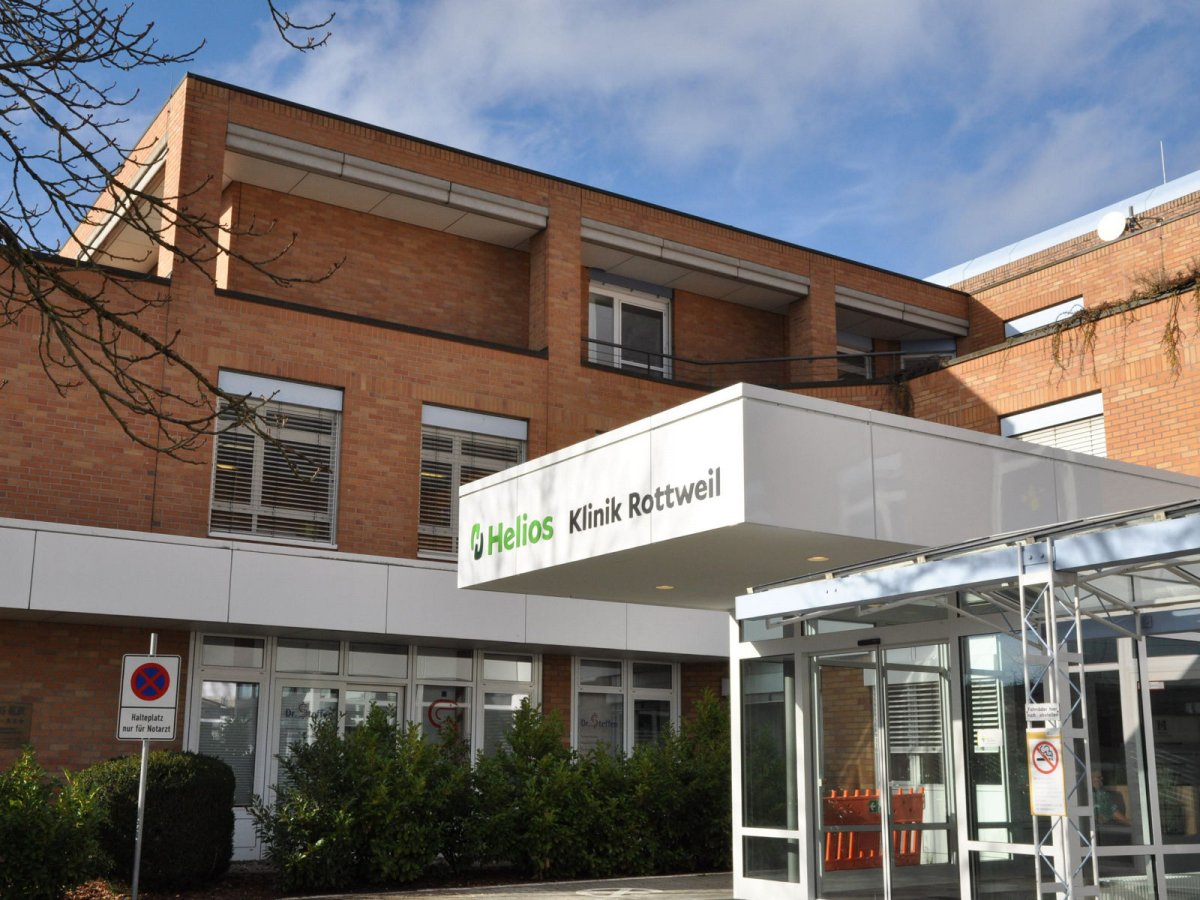


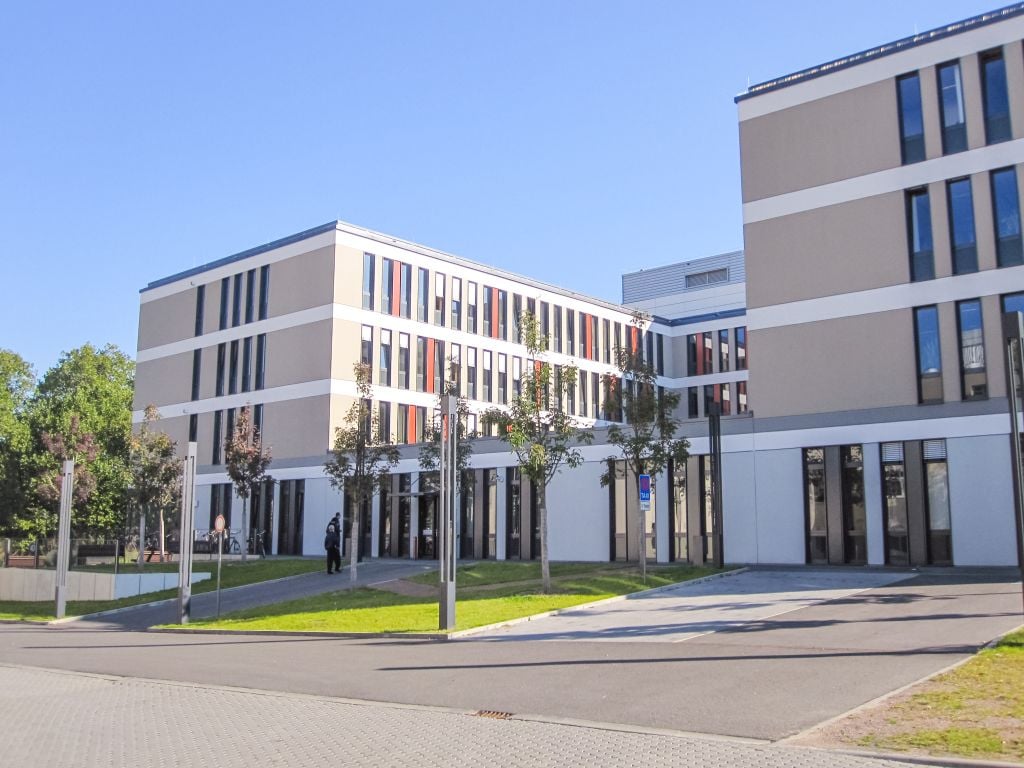

Hospital in the Pfeiffer`s foundations

Bavaria in Kreischa
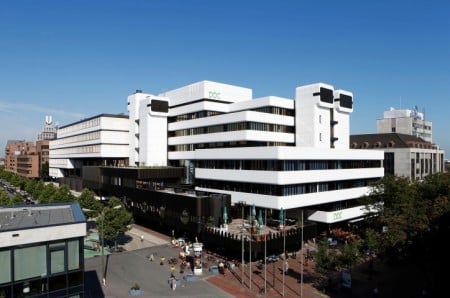
Diagnostic Center DOC Dortmund

German Heart Centre Munich
احصل على تقييم طبي لـ في ألمانيا. استشر الآن 9 أطباء ذوي الخبرة.
عرض جميع الأطباء
Viktor Alexander Krol
يقود الدكتور فيكتور ألكسندر كرول أقسام أمراض الجهاز الهضمي والطب الباطني في مستشفى مارتينوس، وهو متخصص في الرعاية الشاملة للحالات المعقدة.
- يرأس مركزاً معتمداً لعلاج السمنة باستخدام أساليب جراحية وتنظيرية متقدمة
- خبير في تشخيص وعلاج أمراض الجهاز القلبي الوعائي
- يستخدم أحدث تقنيات التشخيص لاضطرابات الجهاز الهضمي والتمثيل الغذائي
- يوفر خطط علاج فردية لكل مريض

Marc Ulrich Becher
يتخصص البروفيسور الدكتور مارك-أولريش بيشر في علاجات عدم انتظام ضربات القلب المتقدمة في مستشفى شتادتيسيس كلينيكوم سولينغن، وهي عيادة تتمتع بسمعة دولية قوية.
- يجري ما بين 3000 إلى 4000 إجراء تشخيصي وعلاجي للقلب سنويًا
- خبير في العلاجات المعتمدة على القسطرة بما في ذلك إغلاق الثقبة البيضاوية السالكة (PFO) وزائدة الأذين الأيسر
- يستخدم تقنيات متطورة مثل تفتيت الحصى داخل الأوعية الدموية للتضيق المتكلس
- يوفر جاهزية القسطرة على مدار 24 ساعة لحالات القلب الحادة
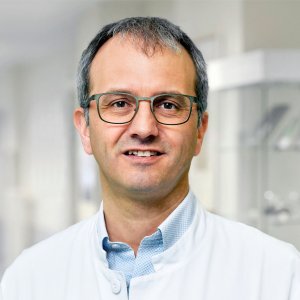
Armin Sause Chief Physician Of Cardiology And Cardiac Electrophysiology
الدكتور (Dr. med.) آرمين زاوزه هو كبير أطباء طب القلب وعلم نظم القلب في مستشفى هيليوس الجامعي في ووبرتال، أحد أبرز مراكز القلب في ألمانيا. وبقيادته أصبح القسم مركزاً متخصصاً في علم نظم القلب والفيزيولوجيا الكهربائية للقلب، ويعتمد الفريق تقنيات حديثة وبروتوكولات علاجية قائمة على الأدلة.
تشمل خبرته علاج الرجفان الأذيني، والاستئصال بالقسطرة وبالترددات الراديوية مع التخطيط ثلاثي الأبعاد، وزراعة أجهزة تنظيم ضربات القلب ومقوِّم نظم القلب ومزيل الرجفان القابل للزرع (ICD)، إضافةً إلى التشخيصات
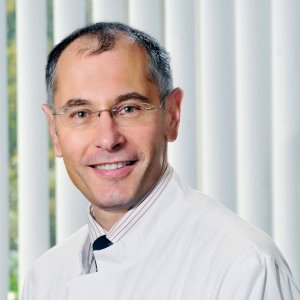
Melchior Seyfarth Director Of The Department Of Cardiology
مشاركة المحتوى
قصص فيديو من مرضى Bookimed
 Anna Leonova
أسئلة متكررة حول علاج عدم انتظام ضربات القلب في ألمانيا
ما مدى أمان إجراءات استئصال القسطرة لاضطرابات نظم القلب التي يتم إجراؤها في المراكز الألمانية؟
تعتبر عملية استئصال القسطرة في ألمانيا آمنة للغاية، حيث تتجاوز معدلات البقاء على قيد الحياة داخل المستشفى 99.7%. تجري المراكز المتخصصة أكثر من 100,000 إجراء سنوياً مع الحفاظ على مخاطر منخفضة للمضاعفات. الأمان مماثل لما هو عليه في الولايات المتحدة. تعمل تقنيات رسم الخرائط ثلاثية الأبعاد المتقدمة وتقنية الكريوبالون على تعزيز الدقة ونتائج المرضى بشكل أكبر.
- معدلات البقاء على قيد الحياة: تشير مجموعات البيانات الألمانية إلى أن معدل البقاء على قيد الحياة داخل المستشفى يتراوح بين 99.77% و 99.95%.
- حجم المركز: تُظهر العيادات ذات الحجم الكبير التي تجري أكثر من 100 عملية استئصال سنوياً ملفات أمان أفضل بكثير.
- تأثير التكنولوجيا: يقلل استئصال الكريوبالون من مخاطر مضاعفات معينة بنسبة 50% مقارنة بالطرق التقليدية.
- معدلات النجاح: يبلغ المرضى عن نجاح بنسبة 80% إلى 90% لاضطرابات نظم القلب الشائعة مثل الرجفان الأذيني.
رؤية خبير Bookimed: تظهر البيانات أن تميز الأمان الألماني ينبع من التخصص الشديد داخل الشبكات ذات الحجم الكبير. يقوم الدكتور مارك أولريش بيشر في المركز الطبي في سولينغن بإجراء 3,000 إلى 4,000 إجراء قلبي سنوياً. هذا الحجم الفردي أكثر أهمية للأمان من حجم المستشفى. تخدم العيادات مثل مجمع شمال الراين-وستفاليا أكثر من 145,000 مريض، مما يضمن تعامل الفرق مع المضاعفات النادرة بدقة روتينية.
إجماع المرضى: يصف المرضى الإجراء بأنه طفيف التوغل ولكنهم يشيرون إلى أن التعافي قد يتضمن عدة أسابيع من التعب. يؤكد الكثيرون على أهمية التحقق من
ما هي مدة الإقامة في المستشفى وفترة التعافي بعد عملية الاستئصال (الاجتثاث) في ألمانيا؟
تستغرق الإقامة في المستشفى لإجراء عملية استئصال القلب في ألمانيا عادةً من يوم إلى يومين. يبقى معظم المرضى في المستشفى لليلة واحدة على الأقل للمراقبة. عادةً ما يتم استئناف الأنشطة الخفيفة في غضون 3 أيام. يستغرق التئام أنسجة القلب الداخلية حوالي 8 إلى 12 أسبوعاً ليكتمل.
- المراقبة الروتينية: يجب على المرضى الاستلقاء بشكل مسطح لمدة 4 إلى 6 ساعات بعد الجراحة.
- مدة الإقامة في المستشفى: قد تتطلب الحالات المعقدة مثل الرجفان الأذيني من 2 إلى 4 أيام.
- قيود النشاط: يُمنع رفع الأثقال التي تزيد عن 4.5 كجم (10 أرطال) لمدة أسبوع واحد.
- العودة إلى العمل: غالباً ما يعود الموظفون المكتبيون إلى العمل في غضون يومين إلى 3 أيام.
رؤية خبير Bookimed: على الرغم من أن المراكز الألمانية مثل مستشفى أسكليبيوس بارمبيك تتعامل مع أكثر من 110,000 مريض سنوياً، إلا أنها تحافظ على معايير صارمة للمرضى الداخليين. وهذا يضمن السلامة للمرضى الدوليين. غالباً ما تعطي العيادات الأولوية لتقنية رسم الخرائط ثلاثية الأبعاد لاضطرابات النظم المعقدة. هذه الدقة يمكن أن تقلل من الوقت المستغرق في غرفة العمليات.
إجماع المرضى: يذكر المرضى أنهم يشعرون بالتعب لبضعة أيام لكنهم يجدون الإجراء مباشراً. يؤكد الكثيرون على اتباع قيود رفع الأثقال لضمان التئام موقع الإدخال في الفخذ دون مشاكل.
ما هي أنواع اضطرابات نظم القلب التي يتم علاجها جراحياً في ألمانيا وما هي التقنيات المتاحة؟
تعالج العيادات الألمانية الرجفان الأذيني، والرفرفة الأذينية، وتسرع القلب فوق البطيني، وتسرع القلب البطيني باستخدام تقنيات جراحية متقدمة. تستخدم المراكز المتخصصة عزل الأوردة الرئوية ورسم الخرائط ثلاثية الأبعاد باستخدام أنظمة CARTO. تشمل الإجراءات استئصال الترددات الراديوية، والعلاج بالتبريد بالبالون، واستئصال المجال النبضي الناشئ لاستعادة النظم بدقة.
- طرق العلاج: تقدم العيادات الاستئصال القائم على الحرارة بالترددات الراديوية والعلاج القائم على البرودة بالبالون.
- الرجفان الأذيني: يقوم الجراحون بعزل الأوردة الرئوية لمنع الإشارات الكهربائية غير المنتظمة.
- رسم الخرائط الدقيق: يستخدم المتخصصون أنظمة CARTO 3 و EnSite لتصوير القلب بدقة مليمترية.
- الحالات المعقدة: توفر مراكز الخبراء نهجاً فوق قلبي ورسم خرائط الركيزة لتسرع القلب البطيني.
رؤية خبير Bookimed: تُظهر مراكز أمراض القلب الألمانية كفاءة إجرائية عالية، حيث تجري المختبرات المتخصصة مثل تلك الموجودة في المركز الطبي في سولينغن أكثر من 3000 تدخل قلبي سنوياً. بينما تتعامل العيادات الجامعية مثل شاريتيه مع الحالات المعقدة، غالباً ما توفر المستشفيات الأكاديمية وصولاً أسرع إلى نفس تقنيات رسم الخرائط ثلاثية الأبعاد التي يستخدمها أعضاء مجلس الجمعية الأوروبية لأمراض القلب.
إجماع المرضى: يلاحظ المرضى أن إجراءات مثل الاستئصال غالباً ما يتم إجراؤها تحت التخدير الموضعي بدلاً من التخدير العام. يؤكد الكثيرون على أهمية إحضار جهاز تخطيط كهربائية القلب المحمول لمراقبة نظم القلب خلال فترة ا
ما هي الفحوصات التشخيصية التي تتم قبل إجراء عملية الاستئصال (Ablation) في ألمانيا، ومدى سرعة إتمامها للمسافرين؟
تتميز الفحوصات التشخيصية في ألمانيا بكونها انسيابية للغاية. يمكن للمسافرين غالبًا إكمال جميع الاختبارات اللازمة في غضون يوم إلى يومين بعد الوصول. عادةً ما تتم التقييمات الأولية ومراجعة السجلات الطبية عبر الإنترنت قبل السفر، مما يضمن الجاهزية الفورية للتخطيط السريري أو إجراءات الاستئصال.
- التخطيط الكهربائي: يتم تتبع أنماط عدم انتظام ضربات القلب باستخدام تخطيط القلب القياسي بـ 12 اتجاهًا وجهاز هولتر لمدة 24 ساعة.
- تصوير القلب: توفر تخطيط صدى القلب والرنين المغناطيسي للقلب صورًا تشريحية ثلاثية الأبعاد عالية الدقة.
- السلامة قبل الإجراء: يتم إجراء تخطيط صدى القلب عبر المريء لاستبعاد وجود جلطات دموية قبل الاستئصال بفترة وجيزة.
- التحقق المخبري: تتحقق تحاليل الدم من مستويات التخثر، ووظائف الكلى، وتوازن الإلكتروليتات الحيوي.
رؤية خبير Bookimed: تحتل ألمانيا المرتبة الثانية عالميًا من حيث حجم مرضى القلب بفضل مراكزها عالية الكفاءة. يخدم مجمع عيادات شمال الراين-وستفاليا أكثر من 145,000 مريض سنويًا، بل ويقوم باعتماد طياري الطيران المدني. هذا الحجم الهائل يسمح للمراكز بتجميع الفحوصات التشخيصية في نافذة زمنية مدتها 24 ساعة. يجب على المسافرين اختيار العيادات الحاصلة على اعتماد ISO أو JCI لضمان تلبية هذه الجداول الزمنية الضيقة لمعايير السلامة الدولية.
إجماع المرضى: غالبًا ما يتفاجأ المرضى بالسرعة، واصفين العملية بأنها تشبه خط الإنتاج الطبي. وبينما يرغب البعض في استشارات أطول، يقدر معظمهم إنجاز التشخيص والجراحة في غضون أيام قليلة من و
هل يتم نشر نتائج الإجراء أو اعتمادها، وكيف تقارن المراكز الألمانية دوليًا؟
تحافظ مراكز القلب الألمانية على تصنيفات دولية للنخبة من خلال أطر الجودة الوطنية الإلزامية والنشر الواسع للنتائج. غالبًا ما تصنف مؤسسات مثل شاريتيه برلين ضمن أفضل 10 مراكز على مستوى العالم. تشارك المراكز في السجل الألماني للاستئصال لضمان الشفافية في معدلات النجاح وبروتوكولات سلامة المرضى.
- تقارير الجودة: يجب على جميع مستشفيات الرعاية الحادة نشر تقارير جودة منظمة كل عامين.
- الاعتماد المتخصص: تمتلك المرافق الكبرى تصنيفات ضمن أفضل 10 مراكز لأمراض القلب في مجلة Focus للتميز السريري.
- نجاح الاستئصال: تشير السجلات الداخلية إلى معدلات نجاح تتراوح بين 90% إلى 95% لإجراءات الرجفان الأذيني.
- حجم كبير: تعالج المراكز الرائدة مثل مجمع عيادات شمال الراين-وستفاليا أكثر من 190,000 مريض سنويًا.
رؤية خبير Bookimed: يعد حجم المرضى هو المؤشر الأكثر موثوقية للنجاح في الفيزيولوجيا الكهربائية الألمانية. تظهر البيانات أن مراكز مثل مستشفى أسكليبيوس بارمبيك تعالج 80,000 مريض قلب سنويًا. يقوم الدكتور مارك أولريش بيشر في سولينجن بإجراء ما يصل إلى 4,000 عملية سنويًا. يرتبط هذا التردد العالي عادةً بمخاطر مضاعفات أقل مقارنة بالعيادات الدولية ذات الحجم الأقل.
إجماع المرضى: يلاحظ المرضى أنه على الرغم من أن النتائج الطبية ممتازة، إلا أن تجربة المستشفى يمكن أن تبدو وكأنها خط إنتاج سريع الحركة. يؤكد الكثيرون على أهمية استخدام أجهزة مراقبة مستقلة لتتبع إيقاع قلوبهم خلال فترة التعافي التي تبلغ 3 أشهر بعد الاستئصال.
أين توجد أكبر مراكز عدم انتظام ضربات القلب للمرضى الناطقين بالإنجليزية، وما هو الدعم المتاح في الموقع؟
تشمل مراكز عدم انتظام ضربات القلب الرئيسية للمرضى الناطقين بالإنجليزية مركز إيقاع القلب في جامعة نيويورك (NYU) ومستشفى رويال برومبتون في المملكة المتحدة. تدير هذه المرافق أكثر من 4000 إجراء سنوياً. كما توفر المستشفيات الجامعية الألمانية مثل شاريتيه برلين وأسكليبيوس سانت جورج خدمات فيزيولوجيا كهربائية عالية الحجم مع مكاتب دولية مخصصة.
- طاقم متخصص: يوظف رويال برومبتون 16 ممرضاً متخصصاً في عدم انتظام ضربات القلب للعناية بالاستئصال والأجهزة.
- تشخيصات عالية الحجم: تجري جامعة كاليفورنيا (UCLA) حوالي 14000 فحص للأجهزة سنوياً من خلال عيادتها الخارجية.
- المساعدة اللغوية: تقدم المراكز الألمانية مثل أسكليبيوس بارمبيك طاقماً طبياً ومنسقين يتحدثون الإنجليزية.
- المراقبة المتكاملة: توفر المراكز الرائدة عيادات أجهزة في الموقع لأجهزة تنظيم ضربات القلب ومراقبة القلب عن بُعد.
رؤية خبير Bookimed: تظهر البيانات السريرية أن أكبر مراكز القلب الألمانية تعمل غالباً كـ "ناقلات" عالية الحجم للحفاظ على معدلات نجاح عالية. على سبيل المثال، يقوم الدكتور مارك أولريش بيشر في سولينغن بإجراء ما يصل إلى 4000 عملية سنوياً. يضمن هذا التردد العالي دقة جراحية، ولكن يجب على المرضى طلب أوراق الخروج باللغة الإنجليزية مسبقاً لأن الألمانية هي اللغة الافتراضية للسجلات الطبية.
إجماع المرضى: يشير المرضى إلى أنه على الرغم من كفاءة الجراحة، إلا أن التواصل للمتابعة قد يكون موجزاً. يؤكد الكثيرون على أهمية إحضار تطبيق ترجمة للأعمال الورقية الإدارية حتى في المستشفيات ال
هل سيكون لدي ندوب مرئية بعد الاستئصال بالقسطرة أو الجراحة؟
عادةً لا يترك الاستئصال بالقسطرة أي ندوب مرئية لأنه يستخدم ثقوبًا صغيرة في الفخذ. تلتئم نقاط الدخول هذه عمومًا في غضون أسابيع دون ترك علامات دائمة. يتطلب الاستئصال الجراحي شقوقًا جسدية تؤدي إلى ندوب مرئية. يختلف حجم الندبة من علامات صغيرة على الصدر إلى شق أكبر في منتصف الصدر.
- الوصول بالقسطرة: يستخدم الجراحون وخزات إبرة في مناطق الفخذ أو الرقبة أو الكتف.
- الإطار الزمني للشفاء: تختفي مواقع الثقب الصغيرة عادةً تمامًا في غضون شهر إلى شهرين.
- جراحة طفيفة التوغل: تتطلب طرق تنظير الصدر عدة شقوق صغيرة يبلغ طولها حوالي 1.2 إلى 1.9 سم.
- الجراحة المفتوحة: قد تترك الأساليب الجراحية التقليدية ندبة بطول عدة سنتيمترات في وسط الصدر.
رؤية خبير Bookimed: بينما يركز معظم المرضى على جماليات الجلد، تعطي المراكز الألمانية مثل مستشفى أسكليبيوس سانت جورج الأولوية للندوب الداخلية المتخصصة للغاية. يجري الدكتور مارك أولريش بيشر في مركز سولينجن الطبي 3000-4000 إجراء قلبي سنويًا. غالبًا ما يستخدم المتخصصون ذوو الحالات الكثيرة رسم الخرائط ثلاثية الأبعاد لضمان دقة العلامات الداخلية. هذه الدقة هي ما يوقف عدم انتظام ضربات القلب فعليًا، بغض النظر عن مظهر الجلد الخارجي.
إجماع المرضى: يصف المرضى مواقع القسطرة بأنها ضمادتان صغيرتان تختفيان بسرعة دون أي علامات طويلة الأمد. بالنسبة للخيارات الجراحية، يقترحون استخدام شرائح السيليكون وتجنب التعرض لأشعة الشمس لمدة عام واحد للمساعدة في تلاشي الندوب.
ما هي المستشفيات في ألمانيا التي تحظى بأعلى التقييمات في جراحة الأعصاب؟
تضم ألمانيا بعضًا من أرقى أقسام جراحة الأعصاب في العالم، بقيادة مستشفى شاريتيه الجامعي في برلين ومستشفى جامعة هايدلبرغ. وتتميز هذه المراكز بخبرتها الواسعة في علاج أورام الدماغ المعقدة وأمراض الأوعية الدموية الدماغية. ولتحقيق أقصى قدر من الفعالية في عملياتها، تستخدم هذه المراكز أحدث التقنيات، مثل التصوير بالرنين المغناطيسي أثناء الجراحة والتوجيه العصبي بمساعدة الحاسوب.
- مستشفى شاريتيه برلين: يُجري أكثر من 5000 عملية جراحية سنوياً. ويرأس العيادة جراح الأعصاب الشهير الدكتور بيتر فايكوتشي.
- المركز الطبي في سولينجن: أجرى الدكتور رالف بوهل أكثر من 4000 عملية جراحية، بما في ذلك جراحات العمود الفقري طفيفة التوغل.
- عيادة أسكليبيوس نورد: مجهزة بنظام التصوير بالرنين المغناطيسي الثنائي الوحيد في ألمانيا أثناء الجراحة لضمان الدقة الجراحية في الوقت الحقيقي أثناء إزالة الورم.
- عيادة نوردويست: تم الاعتراف بها من قبل مجلة نيوزويك كمستشفى رائد في مجال الابتكار في تكنولوجيا الموجات فوق الصوتية ثلاثية الأبعاد.
رأي خبراء بوكيمد: تشير البيانات إلى أن اختيار المراكز ذات الحجم الجراحي الكبير غالبًا ما يؤدي إلى توصيات علاجية أكثر تحفظًا. ففي مركز سولينجن الطبي، الذي يعالج أكثر من 60,000 مريض
ما هي نسب نجاح العمليات الجراحية العصبية المعقدة في ألمانيا؟
في ألمانيا، تتميز العمليات الجراحية العصبية بالغة التعقيد بمستوى أمان استثنائي. تصل نسبة نجاح عمليات دمج الفقرات إلى 99%، بينما تبلغ نسبة النجاة بعد استئصال أورام الدماغ الأولية 97%. كما يتمتع المرضى بقدرة عالية على الاعتماد على أنفسهم في أداء وظائفهم اليومية، حيث يغادر أكثر من 82% منهم المستشفى مباشرةً بعد العلاج. وتولي المراكز الألمانية اهتماماً بالغاً بالحفاظ على الوظائف العصبية باستخدام أحدث تقنيات التخطيط العصبي.
- استئصال الورم: يحقق الجراحون استئصالًا كاملاً للورم في 87.2% من حالات النقائل الدماغية.
- النجاح في علاج أمراض الأوعية الدموية: أفادت المستشفيات الألمانية بنسبة نجاة بلغت 98.7% لحالات تمدد الأوعية الدموية غير الممزقة.
- تحسن الحالة العصبية: يشهد ما يقرب من 43% من المرضى تحسناً في المعايير الوظيفية بعد عمليات الاستئصال المعقدة.
- سلامة التدخلات الجراحية: في المراكز الجراحية الكبيرة، تتراوح معدلات بقاء المرضى على قيد الحياة بعد جراحة العمود الفقري بين 98-99%.
رأي خبراء بوكيمد: يُجري جراحون ذوو خبرة، مثل الدكتور أوفه كولر من عيادة أسكليبيوس ألتونا، أكثر من 2000 عملية جراحية سنويًا. تُشير البيانات إلى أن هؤلاء المتخصصين يحافظون على معدلات نجاح تصل إلى 90%، حتى
ما هي التقنيات المتقدمة المتوفرة عادةً في عيادات جراحة الأعصاب الألمانية؟
تُدخل عيادات جراحة الأعصاب الألمانية بانتظام أدوات رقمية عالية الدقة وتقنيات تصوير فوري في الممارسة الجراحية. تشمل التقنيات الرئيسية الملاحة العصبية الحاسوبية لجراحات الدماغ والحبل الشوكي. تستخدم مؤسسات مثل عيادة أسكليبيوس نورد التصوير بالرنين المغناطيسي أثناء الجراحة للتحقق من استئصال الورم في الوقت الفعلي. توفر هذه الأنظمة للجراحين نظام ملاحة ثلاثي الأبعاد.
- الملاحة العصبية: توفر تصورًا ثلاثي الأبعاد وتتبعًا فوريًا للأدوات لتحقيق دقة جراحية تصل إلى مستوى أقل من المليمتر.
- التصوير أثناء العملية: تسمح أنظمة مثل التصوير بالرنين المغناطيسي أثناء العملية (iMRI) والتصوير المقطعي المحوسب ذي الذراع O (O-arm CT) بالتأكيد الفوري على نجاح عملية الاستئصال.
- المراقبة العصبية: تراقب الوظائف الحركية والحسية أثناء الجراحة لحماية الجهاز العصبي.
- التشخيص الفلوري: يتم استخدام صبغة 5-ALA لتسليط الضوء على حدود الورم من أجل إزالته بشكل أكثر اكتمالاً.
- المساعدة الروبوتية: تعمل أنظمة مثل نظام دافنشي على تحسين الدقة في الإجراءات المعقدة ذات التدخل الجراحي البسيط.
رأي خبراء بوكيمد: تُجري مراكز طبية كبيرة، مثل مستشفى شاريتيه الج