علاج عدم انتظام ضربات القلب في الهند: 12 مستشفيات


تمت مراجعة المقالة طبيا من قبل
فهد مولود
ما هي تكلفة عدم انتظام ضربات القلب إجراءات التشخيص والعلاج في الهند؟ اعرف الآن
| الهند | تركيا | إسبانيا | |
|---|---|---|---|
| تجمد القلب | ≈ $3,800 | من $8,100 | من $20,200 |
| الترددات اللاسلكية | من $3,000 | من $5,400 | من $22,500 |
| الاجتثاث بالترددات الراديوية مع رسم الخرائط ثلاثية الأبعاد | ≈ $4,800 | من $10,400 | من $22,500 |
مزاياك وضماناتك مع Bookimed
أسعار مباشرة
Bookimed لا يضيف رسوماً إضافية على أسعار علاج عدم انتظام ضربات القلب. الأسعار مأخوذة من قوائم الأسعار الرسمية للعيادات. تدفع مباشرة في العيادة مقابل علاجك عند وصولك إلى البلد.
عيادات وأطباء معتمدون فقط
Bookimed ملتزم بسلامتك. نحن نعمل فقط مع المؤسسات الطبية التي تحافظ على معايير دولية عالية في علاج عدم انتظام ضربات القلب ولديها التراخيص اللازمة لخدمة المرضى الدوليين في جميع أنحاء العالم.
مساعدة مجانية على مدار الساعة
Bookimed يقدم مساعدة خبراء مجانية. منسق طبي شخصي يدعمك قبل وأثناء وبعد العلاج، ويحل أي مشاكل. لن تكون وحيداً أبداً في رحلة علاج عدم انتظام ضربات القلب.

منسقك الطبي الشخصي في Bookimed
- يدعمك في كل مرحلة
- المساعدة في اختيار العيادة الطبية المناسبة والطبيب المناسب
- يضمن الوصول السريع والمريح إلى المعلومات
اكتشف أفضل عدم انتظام ضربات القلب العيادات في الهند: 12 خيارات معتمدة والأسعار














Dr. Rela Institute & Medical Centre
احصل على تقييم طبي لـ في الهند. استشر الآن 7 أطباء ذوي الخبرة.
عرض جميع الأطباء
MC Sandeep
الدكتور إم سي سانديب هو طبيب قلب في مستشفيات "كيورا" (Cura Hospitals) في بنغالور. وهو حاصل على درجة الماجستير في العلوم في طب القلب من المملكة المتحدة، وعضو في الكلية الملكية للأطباء في لندن. يجري الطبيب إجراءات تداخلية في هذه المنشأة الحاصلة على شهادة الأيزو.
- يجري عمليات تصوير الأوعية التاجية، ورأب الأوعية مع تركيب الدعامات، وزراعة أجهزة تنظيم ضربات القلب.
- يعالج حالات مثل قصور القلب المزمن وأمراض الشرايين التاجية.
- حاصل على شهادات مهنية تشمل زمالة الجمعية الأوروبية
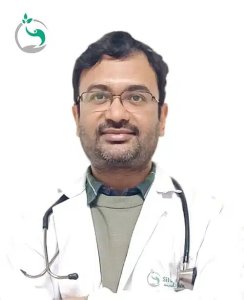
Nitin Parashar
الدكتور نيتين باراشار اختصاصي في أمراض القلب والفيزيولوجيا الكهربائية للقلب في مستشفى سيلفرستريك متعدد التخصصات في جورجاون. يحمل زمالة الكلية الملكية للأطباء (MRCP) من لندن، وزمالة ما بعد الدكتوراه في الفيزيولوجيا الكهربائية للقلب. شغل الدكتور باراشار منصب أستاذ مساعد في أمراض القلب في معهد عموم الهند للعلوم الطبية (AIIMS) في نيودلهي، ومعهد سري تشيترا تيرونال للعلوم الطبية والتكنولوجيا (SCTIMST). يعمل في منشأة معتمدة من اللجنة الدولية المشتركة (JCI)، وتعالج 1,500 مريض سنويًا.
- يجري
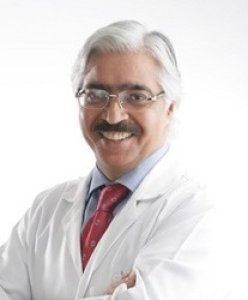
Ashok Seth

Amar Prabhudesai
يتخصص الدكتور عمار برابوديساي في علاج حالات عدم انتظام ضربات القلب مع التركيز على الرعاية الشخصية.
- طبيب قلب في مستشفيات مانيبال
- يصمم خطط علاجية تناسب احتياجات المريض الفردية
- مكرس لتحسين نتائج صحة القلب
مشاركة المحتوى
قصص فيديو من مرضى Bookimed
 Anna Leonova
أسئلة متكررة حول علاج عدم انتظام ضربات القلب في الهند
هل الهند خيار آمن للمرضى الدوليين؟
تعد الهند وجهة آمنة وذات موثوقية عالية للمرضى الدوليين. تمتلك أفضل مستشفياتها اعتماد اللجنة الدولية المشتركة (JCI) وشهادة المجلس الوطني لاعتماد المستشفيات ومقدمي الرعاية الصحية (NABH). تتوافق السلامة السريرية في هذه المرافق مع المعايير الغربية. اللغة الإنجليزية هي اللغة الأساسية للتواصل الطبي.
- شهادات المستشفيات: تتبع 45 منشأة معتمدة من JCI المعايير الذهبية العالمية للجودة.
- القوى العاملة الطبية الخبيرة: غالبًا ما يكون لدى المتخصصين تدريب من مؤسسات رائدة في الولايات المتحدة أو المملكة المتحدة.
- إمكانية الوصول اللغوي: يقلل الموظفون الناطقون بالإنجليزية من مخاطر التواصل أثناء علاجات عدم انتظام ضربات القلب المعقدة.
- البنية التحتية للدعم: تدير المستشفيات الرئيسية عمليات النقل من المطار والمساعدة في الحصول على التأشيرات الطبية.
رؤية خبير Bookimed: ترتبط سلامة المرضى في الهند ارتباطًا وثيقًا بحجم العمل المؤسسي. تعالج مرافق مثل مستشفيات مانيبال وأبولو إندرابراستا أكثر من 1,000,000 مريض سنويًا. يسمح هذا التردد العالي للجراحين بالتعامل مع الحالات المعقدة بدقة احترافية. تستخدم عيادات مثل مستشفى جلوبال مومباي تقنية IBM Watson المتقدمة لتعزيز دقة العلاج.
إجماع المرضى: يلاحظ الزوار أن بروتوكولات التعقيم في المراكز رفيعة المستوى غالبًا ما تتجاوز توقعاتهم. يجدون أنه من المفيد البقاء محليًا لمدة تتراوح بين أسبوعين إلى 4 أسابيع للتعافي والمتابعة الأولية.
ما هي معدلات النجاح ونتائج الشفاء التي يمكن أن يتوقعها مرضى عدم انتظام ضربات القلب في الهند؟
يختبر مرضى عدم انتظام ضربات القلب في الهند معدلات نجاح تتجاوز 95% لتسرع القلب فوق البطيني من خلال استئصال القلب. تبلغ المراكز المتقدمة عن معدل نجاح يتراوح بين 90% إلى 98% لعمليات زرع أجهزة تنظيم ضربات القلب. تتراوح نتائج الرجفان الأذيني الانتيابي من 70% إلى 85% في المرافق المعتمدة من اللجنة الدولية المشتركة (JCI) التي تستخدم تقنية رسم الخرائط ثلاثية الأبعاد.
- نتائج الاستئصال: تصل معدلات نجاح الرجفان الأذيني عادةً إلى 70% إلى 85% للحالات الانتيابية.
- نجاح جهاز تنظيم ضربات القلب: تبلغ المراكز المتخصصة مثل فورتيس عن معدلات نجاح تتجاوز 98% لعمليات زرع الأجهزة.
- التكنولوجيا المتقدمة: تستخدم مرافق مثل مستشفيات مانيبال رسم الخرائط ثلاثية الأبعاد لتعزيز دقة وسلامة الاستئصال.
- الحجم السريري: تخدم الشبكات الرائدة مثل أبولو 1,000,000 مريض سنويًا، مما يحافظ على مستويات عالية من الكفاءة.
رؤية خبير Bookimed: ترتبط معدلات النجاح في الهند بقوة بالحجم المؤسسي وليس فقط بالمعدات. تجري مرافق مثل مستشفى جلوبال تشيناي 18,000 عملية سنويًا، مما يبني خبرة جراحية كبيرة. يجب على المرضى إعطاء الأولوية للعيادات التي تجري أكثر من 200 عملية استئصال سنويًا لضمان نتائج تتماشى مع المعايير العالمية.
إجماع المرضى: يلاحظ المرضى أن المراكز الخاصة مثل أبولو أو فورتيس توفر نجاحًا أفضل بكثير مقارنة بالمستشفيات متوسطة المستوى. يسلط الكثيرون الضوء على أهمية اختيار أطباء فيزيولوجيا كهربائية ذوي خبرة لتجنب الإجراءات المتكررة للحالات المعقدة مثل الرجفان الأذيني.
ما هي خيارات العلاج الرئيسية المتاحة لاضطراب نظم القلب في الهند؟
توفر الهند إدارة متقدمة لاضطراب نظم القلب من خلال الاستئصال بالترددات الراديوية، والتخطيط ثلاثي الأبعاد، وزراعة الأجهزة المتخصصة. تستخدم المراكز الرائدة المعتمدة من JCI في دلهي ومومباي وبنغالورو مختبرات الفيزيولوجيا الكهربائية لتصحيح الإيقاع بدقة. تتراوح العلاجات من الإدارة الطبية بمضادات اضطراب النظم إلى إجراءات المتاهة المعقدة وأجهزة تنظيم ضربات القلب بدون أسلاك.
- الاستئصال طفيف التوغل: يستخدم الترددات الراديوية أو الاستئصال بالتبريد لتدمير الأنسجة التي تسبب إيقاعات غير منتظمة.
- تخطيط القلب ثلاثي الأبعاد: تعمل التصوير الكهربائي عالي الدقة على تعزيز الدقة أثناء إجراءات استئصال القسطرة المعقدة.
- الأجهزة القابلة للزرع: تنظم أجهزة تنظيم ضربات القلب وأجهزة تقويم نظم القلب ومزيلات الرجفان (ICDs) ضربات القلب وتمنع السكتة القلبية المفاجئة.
- إجراء المتاهة الجراحي: ينشئ أنماطًا استراتيجية من الأنسجة الندبية لمنع الإشارات الكهربائية الشاردة.
رؤية خبراء Bookimed: يعمل حجم المرضى كمؤشر جودة حاسم في الهند. تخدم مستشفيات مانيبال وأبولو أكثر من 1,000,000 مريض سنويًا لكل منهما. يسمح هذا التكرار العالي للإجراءات لأخصائيي الفيزيولوجيا الكهربائية الهنود بالحفاظ على معدلات نجاح عالية. حتى أن عيادات مثل فورتيس جورجاون مصنفة من بين أكثر المستشفيات تقدمًا من الناحية التقنية على مستوى العالم.
إجماع المرضى: يشير المرضى إلى أن المراكز الخاصة توفر وصولاً أسرع بكثير إلى الاستئصال مقارنة بالمرافق العامة. يؤكد الكثيرون على أهمية تتبع الأعراض باس
ما هي المستشفيات في الهند الأكثر شهرة في إدارة اضطراب النظم القلبي المتقدمة؟
تشمل المستشفيات الهندية الرائدة في إدارة اضطراب النظم القلبي المتقدمة مستشفى أبولو إندرابراستا، وفورتيس جورجاون، ومستشفى ميدانتا. توفر هذه المرافق المعتمدة من قبل اللجنة الدولية المشتركة (JCI) وحدات متخصصة في الفيزيولوجيا الكهربائية. وهي تستخدم رسم الخرائط ثلاثي الأبعاد واستئصال الترددات الراديوية لعلاج اضطرابات نظم القلب المعقدة بدقة عالية ومعدلات نجاح مرتفعة.
- وحدات متخصصة: مختبرات فيزيولوجيا كهربائية (EP) مخصصة منفصلة عن أمراض القلب التداخلية القياسية.
- تكنولوجيا متقدمة: تنفيذ أنظمة رسم الخرائط ثلاثية الأبعاد وتقنيات القسطرة الروبوتية.
- خبراء رائدون: رعاية يقودها متخصصون مثل الدكتور سوباش تشاندرا في مستشفى BLK.
- شهادات رئيسية: تحمل المرافق اعتمادات JCI وNABH وتصنيفات أفضل المستشفيات في العالم من مجلة نيوزويك.
رؤية خبير Bookimed: يعد حجم المرضى مؤشر جودة رئيسي في رعاية القلب الهندية. تعالج مستشفيات مانيبال ومستشفى أبولو أكثر من 1,000,000 مريض سنويًا. يسمح هذا النطاق الهائل للجراحين بالتخصص بشكل دقيق في اضطرابات نظم معينة. غالبًا ما تؤدي هذه الممارسة عالية التردد إلى نتائج تقنية أفضل في إجراءات الاستئصال المعقدة.
إجماع المرضى: غالبًا ما يذكر المرضى أن وجود مختبر فيزيولوجيا كهربائية داخلي يعد مصدر ارتياح. إنهم يقدرون التفسيرات التفصيلية التي تقدمها فرق التنسيق خلال مرحلة التشخيص.
هل يمكن علاج عدم انتظام ضربات القلب بشكل دائم بدلاً من مجرد إدارته؟
يمكن علاج بعض حالات عدم انتظام ضربات القلب بشكل دائم من خلال إجراءات متقدمة مثل استئصال القسطرة. تصل معدلات النجاح لتسرع القلب فوق البطيني إلى 98%. في حين أن حالات مثل الرجفان الأذيني غالباً ما يتم إدارتها بشكل مزمن، فإن التدخل المبكر في مراكز القلب الهندية المتخصصة يحسن بشكل كبير فرص الشفاء على المدى الطويل.
- استئصال القسطرة: يستخدم الحرارة أو البرودة لتدمير أنسجة القلب التي تسبب إيقاعات غير منتظمة.
- معدلات النجاح: تصل نتائج الشفاء إلى 90% لتسرع القلب فوق البطيني والرفرفة الأذينية.
- التخطيط المتقدم: يعمل الاستئصال الموجه بالتخطيط ثلاثي الأبعاد على تحديد وتحييد الدوائر الكهربائية القصيرة المعقدة بدقة.
- الأسباب الثانوية: يعالج المحفزات الكامنة مثل اختلال توازن الغدة الدرقية لحل عدم انتظام ضربات القلب بشكل دائم.
رؤية خبير Bookimed: يعد حجم المرضى مؤشراً رئيسياً للنجاح في إجراءات علاج عدم انتظام ضربات القلب في الهند. يخدم مستشفى أبولو إندرابراستا ومستشفيات مانيبال أكثر من 1,000,000 مريض سنوياً. يسمح هذا النطاق الهائل للجراحين بالحفاظ على كفاءة عالية في عمليات الاستئصال المعقدة الموجهة بالتخطيط ثلاثي الأبعاد. غالباً ما يرتبط اختيار منشأة تجري أكثر من 500 إجراء سنوياً بنتائج علاجية أفضل على المدى الطويل.
إجماع المرضى: يشير المرضى إلى أن فقدان الوزن وتجنب الكحول بعد الإجراء أمران حيويان لمنع التكرار. يؤكد الكثيرون أن العثور على أخصائي فيزيولوجيا كهربائية متخصص أمر ضروري لتحقيق الشفاء الدائم بدلاً من استخدام الأدوية على الم
كم تستغرق فترة التعافي بعد استئصال القسطرة أو زراعة الجهاز؟
عادةً ما يسمح التعافي بعد استئصال القسطرة القلبية في الهند بالعودة إلى الأنشطة الطبيعية في غضون سبعة أيام. تتطلب زراعة أجهزة القلب، مثل أجهزة تنظيم ضربات القلب أو أجهزة تقويم نظم القلب وإزالة الرجفان (ICD)، عمومًا من أربعة إلى ستة أسابيع للشفاء التام. يتم خروج معظم المرضى من المرافق المعتمدة من قبل اللجنة الدولية المشتركة (JCI) في غضون 24 ساعة.
- الإقامة في المستشفى للاستئصال: يعود معظم المرضى إلى منازلهم في نفس اليوم بعد قضاء ليلة واحدة.
- القيود البدنية للاستئصال: تجنب رفع أثقال تزيد عن 4.5 كجم (10 أرطال) لمدة أسبوع واحد على الأقل.
- العناية بجرح الجهاز: حافظ على موقع الشق جافًا تمامًا خلال الأيام السبعة الأولى.
- حركة الذراع للجهاز: تجنب رفع الذراع فوق مستوى الكتف لمدة ستة أسابيع.
رؤية خبير Bookimed: تحافظ مراكز القلب الرائدة في الهند، مثل مستشفى جلوبال في تشيناي وفورتيس جورجاون، على معايير سلامة عالية مع أكثر من 18,000 عملية سنويًا. تُظهر بياناتنا أن المرافق التي تستخدم تقنية التصوير ثلاثي الأبعاد غالبًا ما توفر استئصالًا أكثر دقة، مما قد يساعد في استقرار إيقاع القلب بشكل أسرع خلال فترة الشفاء التي تستغرق ثلاثة أشهر. يضمن اختيار المستشفيات المعتمدة من JCI أن تعافيك يتبع البروتوكولات الدولية لإدارة الجروح ورعاية المتابعة.
إجماع المرضى: يشير المرضى إلى أهمية وجود شخص للمساعدة في المنزل خلال الأيام القليلة الأولى. ويؤكدون على اتباع قيود الرفع بصرامة لمنع تحرك أسلاك الجهاز من مكانها.