عدم انتظام ضربات القلب العلاج في ليتوانيا - التكاليف 2026


تمت مراجعة المقالة طبيا من قبل
فهد مولود
ما هي تكلفة عدم انتظام ضربات القلب إجراءات التشخيص والعلاج في ليتوانيا؟ اعرف الآن
| تركيا | إسبانيا | |
|---|---|---|
| تجمد القلب | من $8,100 | من $20,200 |
| الترددات اللاسلكية | من $5,200 | من $22,400 |
| الاجتثاث بالترددات الراديوية مع رسم الخرائط ثلاثية الأبعاد | من $10,400 | من $22,400 |
مزاياك وضماناتك مع Bookimed
أسعار مباشرة
Bookimed لا يضيف رسوماً إضافية على أسعار علاج عدم انتظام ضربات القلب. الأسعار مأخوذة من قوائم الأسعار الرسمية للعيادات. تدفع مباشرة في العيادة مقابل علاجك عند وصولك إلى البلد.
عيادات وأطباء معتمدون فقط
Bookimed ملتزم بسلامتك. نحن نعمل فقط مع المؤسسات الطبية التي تحافظ على معايير دولية عالية في علاج عدم انتظام ضربات القلب ولديها التراخيص اللازمة لخدمة المرضى الدوليين في جميع أنحاء العالم.
مساعدة مجانية على مدار الساعة
Bookimed يقدم مساعدة خبراء مجانية. منسق طبي شخصي يدعمك قبل وأثناء وبعد العلاج، ويحل أي مشاكل. لن تكون وحيداً أبداً في رحلة علاج عدم انتظام ضربات القلب.

منسقك الطبي الشخصي في Bookimed
- يدعمك في كل مرحلة
- المساعدة في اختيار العيادة الطبية المناسبة والطبيب المناسب
- يضمن الوصول السريع والمريح إلى المعلومات
اكتشف أفضل عدم انتظام ضربات القلب العيادات في ليتوانيا: 2 خيارات معتمدة والأسعار



احصلوا على تقييم طبي لـ عدم انتظام ضربات القلب في ليتوانيا: استشيروا أطباء ذوي خبرة الآن
عرض جميع الأطباء
Aidietis Audrius
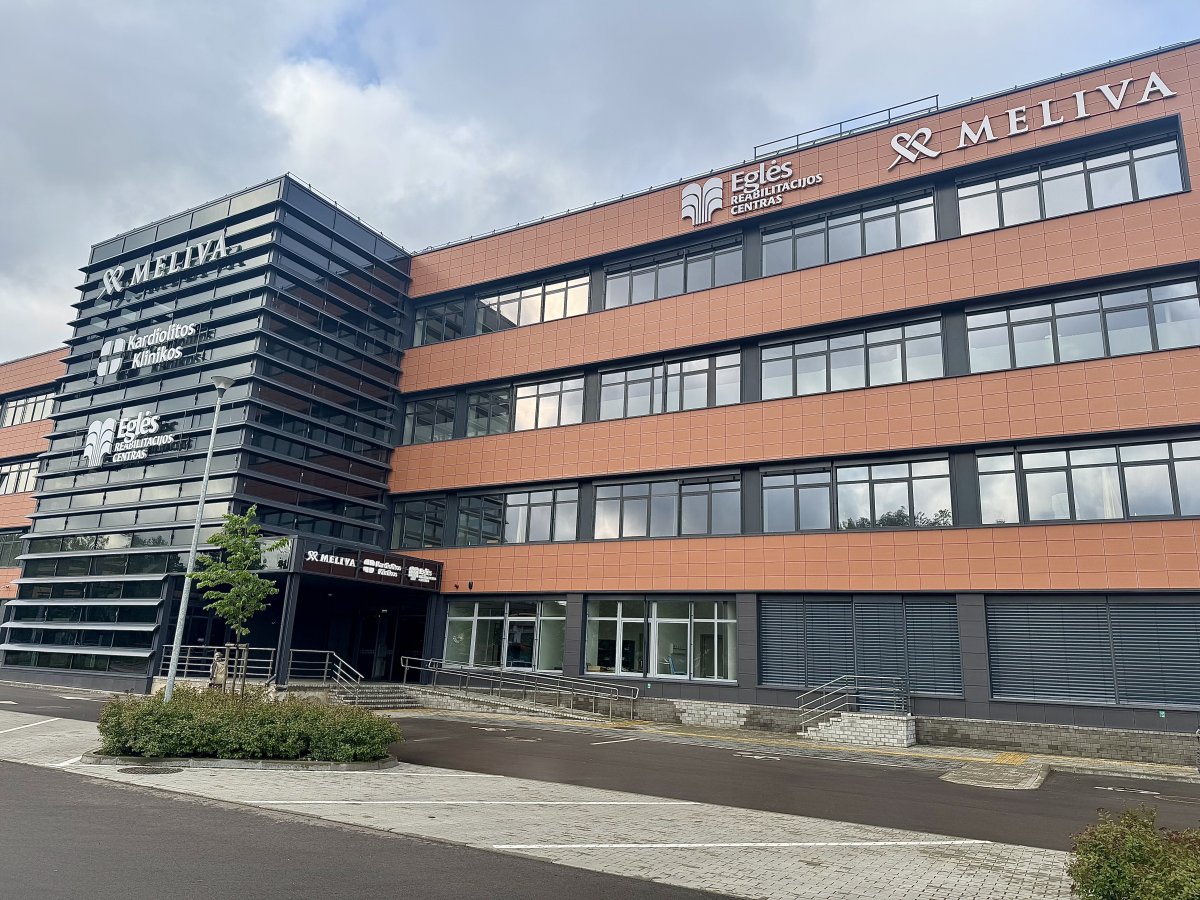
عيديتيس أودريوس هو أخصائي نظم قلب متفرغ، مما يعني أنه يركز بشكل خاص على اضطرابات نظم القلب مثل عدم انتظام ضربات القلب في مستشفى ميليفا كارديوليتا.
- حاصل على شهادة في كل من أمراض القلب ونظم القلب
- خبرة متخصصة في تشخيص مشاكل النظم المعقدة
- يمارس عمله في مستشفى مجهز بمرافق رعاية قلبية متخصصة
- يركز ممارسته السريرية بالكامل على إدارة نظم القلب

Sudikiene Rita
ريتا سوديكيني هي طبيبة قلب متخصصة في طب الأطفال، تركز على اضطرابات نظم القلب لدى الأطفال.
- متخصصة في حالات عدم انتظام ضربات القلب لدى الأطفال
- تعمل في مركز التشخيص والعلاج الطبي
- تقدم رعاية مخصصة للمرضى الصغار
مشاركة المحتوى
قصص فيديو من مرضى Bookimed
 Anna Leonova
أسئلة متكررة حول علاج عدم انتظام ضربات القلب في ليتوانيا
ما هي العيادات الأعلى تقييمًا لعلاج عدم انتظام ضربات القلب في ليتوانيا؟
تشمل العيادات الأعلى تقييمًا لعلاج عدم انتظام ضربات القلب في ليتوانيا مستشفى ميليفا كارديوليتا (Meliva Kardiolita Hospital) ومركز التشخيص والعلاج الطبي. تحمل هذه المرافق اعتماد اللجنة الدولية المشتركة (Joint Commission International) المرموق. وهي توفر تقنيات متقدمة في الفيزيولوجيا الكهربائية، والتصوير ثلاثي الأبعاد، والاستئصال بالترددات الراديوية. يستفيد المرضى من البنية التحتية الحديثة والطاقم الطبي الذي يتحدث الإنجليزية.
- أخصائيون خبراء: يقوم الدكتور أودريوس أيديتيس بإجراء عمليات قلب معقدة في مستشفى ميليفا كارديوليتا.
- الشهادات السريرية: تحتفظ المرافق باعتمادات اللجنة الدولية المشتركة (Joint Commission International) و(Temos International Healthcare).
- إجراءات متقدمة: توفر المراكز الاستئصال بالترددات الراديوية وإجراء MAZE طفيف التوغل.
- حجم كبير: يخدم مستشفى ميليفا كارديوليتا حوالي 298,000 مريض سنويًا عبر 33 قسمًا.
رؤية خبير Bookimed: بينما تعد المستشفيات الجامعية العامة رائدة وطنية في مجال الأبحاث، توفر المراكز الخاصة في فيلنيوس وصولًا أسرع بكثير. يدير مستشفى ميليفا كارديوليتا حجمًا هائلاً يبلغ 298,000 مريض سنويًا. يعكس تقييمه العالي البالغ 4.7 بنية تحتية قوية تدعم التصوير ثلاثي الأبعاد المعقد والاستئصال. يساعد اختيار هذه المرافق الخاصة المرضى الدوليين على تجاوز فترات الانتظار الطويلة الشائعة في النظام العام.
إجماع المرضى: يشير المرضى إلى أن مراكز القلب الخاصة في فيلنيوس هي أسرع البدائل للحصول على الرعاية. ويؤكدون
من هم كبار أخصائيي عدم انتظام ضربات القلب الذين يمارسون المهنة في ليتوانيا؟
من بين كبار أخصائيي عدم انتظام ضربات القلب في ليتوانيا البروفيسور أودريوس أيديتيس والدكتور جوستيناس بوركاوسكاس في مستشفى ميليفا كارديوليتا. تتخصص الدكتورة ريتا سوديكيني في حالات الأطفال في مركز التشخيص والعلاج الطبي. يستخدم هؤلاء الخبراء مرافق معتمدة من قبل اللجنة الدولية المشتركة (JCI) في فيلنيوس. وهم يقدمون خدمات متقدمة في الفيزيولوجيا الكهربائية واستئصال القلب.
- البروفيسور أودريوس أيديتيس: خبير يتمتع بخبرة تزيد عن 45 عاماً في مستشفى ميليفا كارديوليتا.
- الدكتور جوستيناس بوركاوسكاس: متخصص في جراحات القلب المعقدة وعلاج عدم انتظام ضربات القلب.
- الدكتورة ريتا سوديكيني: تركز على اضطرابات إيقاع القلب لدى الأطفال في فيلنيوس.
- الشهادات السريرية: تمتلك المراكز الرئيسية اعتمادات رعاية صحية دولية من JCI وTemos.
رؤية خبير Bookimed: تظهر البيانات حجماً كبيراً يزيد عن 298,000 مريض سنوياً في مستشفى ميليفا كارديوليتا. تضم المنشأة 33 قسماً متخصصاً بما في ذلك وحدة أمراض القلب المخصصة. يشير هذا التدفق السريري المرتفع إلى أن الجراحين يتعاملون مع حالات الإيقاع المعقدة يومياً. غالباً ما يختار المرضى من المملكة المتحدة والدول الاسكندنافية هذه العيادات الخاصة في فيلنيوس. فهي توفر وصولاً أسرع بكثير إلى تخطيط القلب ومراقبة هولتر مقارنة بالأنظمة العامة.
إجماع المرضى: يشير المرضى إلى أن العيادات الخاصة توفر وصولاً في نفس الأسبوع للفحوصات التشخيصية. يحظى أخصائيو الفيزيولوجيا الكهربائية المحليون بتقدير كبير لعلاج تسرع القلب فوق البطيني الروتيني
ما هي إجراءات عدم انتظام ضربات القلب الحديثة التي يتم إجراؤها في ليتوانيا؟
تشمل إجراءات عدم انتظام ضربات القلب الحديثة في ليتوانيا الاستئصال بالترددات الراديوية، والاستئصال بالتبريد للقلب، ودراسات الفيزيولوجيا الكهربائية الموجهة بالتصوير ثلاثي الأبعاد. تستخدم المراكز المتخصصة في فيلنيوس الاستئصال بالمجال النبضي غير الحراري وزراعة أجهزة تنظيم ضربات القلب بدون أسلاك. توفر هذه المرافق المعتمدة من قبل JCI علاجات طفيفة التوغل للرجفان الأذيني المعقد وتسرع القلب البطيني.
- استئصال القسطرة: يستخدم الترددات الراديوية أو الاستئصال بالتبريد لتحييد أنسجة القلب غير الطبيعية.
- التصوير ثلاثي الأبعاد: تحدد الأنظمة المتقدمة بدقة المحفزات الكهربائية لتحسين النجاح.
- زراعة الأجهزة: تشمل الإجراءات تركيب أجهزة تنظيم ضربات القلب وأجهزة تقويم نظم القلب ومزيلات الرجفان القابلة للزرع (ICD).
- الإجراءات الهجينة: قد يجمع الجراحون بين نهج القسطرة والنهج الجراحي للحالات المستمرة.
رؤية خبير Bookimed: تسلط بيانات حجم المرضى الضوء على فجوة كبيرة في الخبرة في المنطقة. يدير مستشفى Meliva Kardiolita وحده 298,000 مريض سنوياً مع أكثر من 500 طبيب. غالباً ما يؤدي هذا التكرار العالي للإجراءات إلى دقة تقنية أفضل في جراحات الاستئصال الدقيقة. يضمن اختيار هذه المراكز ذات السعة العالية الوصول إلى متخصصين على دراية بتعقيدات إيقاع القلب المختلفة.
إجماع المرضى: يقدر المرضى استخدام تقنية التصوير ثلاثي الأبعاد لدقتها. يوصي الكثيرون بترتيب مترجم والتخطيط لإقامة لمدة أسبوع للمراقبة المناسبة بعد الجراحة.
ما هي معدلات النجاح المنشورة لتدخلات عدم انتظام ضربات القلب في المراكز الليتوانية؟
تُبلغ مراكز القلب الليتوانية عن معدلات نجاح لاستئصال الرجفان الأذيني الانتيابي تصل إلى 84% خلال 12 شهرًا. يستخدم المتخصصون تقنيات رسم الخرائط ثلاثية الأبعاد المتقدمة والاستئصال بالتبريد لعلاج اضطرابات النظم المعقدة. تحافظ إجراءات الفيزيولوجيا الكهربائية العامة على فعالية تتراوح بين 90% إلى 95%. تُبلغ المرافق المعتمدة من قبل JCI في فيلنيوس عن نجاح بنسبة 99% لجراحات القلب المتعلقة بالشرايين التاجية.
- الرجفان الأذيني: تتراوح معدلات النجاح للحالات المستمرة بين 70% و75% سنويًا.
- رعاية الأطفال: تُظهر استراتيجيات التحكم في الإيقاع فعالية إجمالية تصل إلى 96.2%.
- الاستئصال الجراحي: تُظهر البيانات أن 67% من المرضى يحافظون على إيقاع طبيعي بعد 5 سنوات.
- تأثير التكنولوجيا: يساعد رسم الخرائط ثلاثية الأبعاد المحوسب في تحقيق نجاح بنسبة 95% في علاج اضطرابات النظم المعقدة.
رؤية خبراء Bookimed: تشير بيانات حجم المرضى إلى أن كبار المراكز الليتوانية تعمل بكفاءة عالية، حيث يخدم مستشفى Meliva Kardiolita 298,000 مريض سنويًا. يشير هذا النطاق الهائل إلى أن أطباء مثل الدكتور Aidietis Audrius يحافظون على كفاءة عالية من خلال الممارسة المستمرة. تجذب العيادات الخاصة مثل المركز الطبي للتشخيص والعلاج 10% من المرضى من الخارج. غالبًا ما تعكس هذه الثقة الدولية نقصًا في أوقات الانتظار مقارنة بالخيارات العامة.
إجماع المرضى: يلاحظ المرضى أن رعاية القلب في فيلنيوس تلبي معايير أوروبا الغربية مع بقائها أكثر بأسعار معقولة. يؤكد الكثيرون أن العيادات الخاصة توف
ما هي المدة التي يجب أن يخطط المرضى الدوليون للبقاء فيها في ليتوانيا بعد إجراء علاج عدم انتظام ضربات القلب؟
يجب على المرضى الدوليين التخطيط للبقاء في ليتوانيا لمدة تتراوح بين 7 إلى 10 أيام. تغطي هذه الفترة الإجراء الطبي في المستشفى والمراقبة الأساسية بعد الجراحة. يقضي معظم المرضى يوماً واحداً في المستشفى. إن البقاء لمدة أسبوع واحد على الأقل قبل السفر جواً يقلل من مخاطر السفر مثل تكرار عدم انتظام ضربات القلب.
- الإقامة لاستئصال القسطرة: خطط للبقاء من 6 إلى 7 أيام في ليتوانيا لضمان الشفاء المناسب.
- التعافي من أجهزة القلب: يحتاج مرضى أجهزة تنظيم ضربات القلب ومزيلات الرجفان (ICD) عادةً إلى 8 إلى 10 أيام إجمالاً.
- المراقبة في المستشفى: توفر عيادات مثل مستشفى Meliva Kardiolita مراقبة على مدار 24 ساعة بعد الإجراء.
- سلامة الطيران: يوصي المتخصصون بالانتظار لمدة 7 أيام بعد الاستئصال لضمان استقرار أنسجة القلب.
رؤية خبير Bookimed: بينما تشير الإرشادات السريرية إلى 7 أيام، تعالج المرافق الأكبر مثل مستشفى Meliva Kardiolita ما يقرب من 300,000 مريض سنوياً. هذا الحجم الكبير يعني أن مواعيد المتابعة محددة بدقة. يجب على المرضى الدوليين حجز 3 أيام إضافية في الفندق لاستيعاب فترات التقييم الثابتة هذه دون التسرع في رحلات العودة.
إجماع المرضى: يؤكد المرضى على أهمية البقاء بالقرب من العيادة لمدة 12 يوماً على الأقل لضمان راحة البال. يقترح الكثيرون التجهيز لرحلة مدتها أسبوعان للتعامل مع أي تأخير محتمل في المراقبة أو تهيج القلب الناتج عن ضغط المقصورة.
ما هي الوثائق الطبية التي يجب على المرضى إحضارها لعلاج عدم انتظام ضربات القلب في ليتوانيا؟
يجب على المرضى الذين يسعون للحصول على رعاية لاضطراب نظم القلب في ليتوانيا إحضار جواز سفر ساري المفعول، وإثبات التأمين الصحي، وتاريخ قلبي شامل. تشمل الوثائق الأساسية مخططات كهربية القلب (ECG) الحديثة، وتقارير جهاز هولتر، ونتائج تخطيط صدى القلب. تساعد هذه السجلات أطباء القلب مثل الدكتور Aidietis Audrius في مستشفى Meliva Kardiolita على تتبع تغيرات الإيقاع بمرور الوقت.
- الهوية: جواز سفر ساري المفعول أو بطاقة هوية وطنية إلزامي لجميع الزيارات السريرية.
- اختبارات القلب: قم بتضمين مخططات كهربية القلب من السنوات الثلاث الماضية وتقارير جهاز هولتر الكاملة.
- ملفات التصوير: أحضر كلاً من ملخصات تخطيط صدى القلب المكتوبة وملفات التصوير الفعلية على محركات أقراص USB.
- نتائج المختبر: قدم اختبارات وظائف الغدة الدرقية الحديثة، والإلكتروليتات، ونتائج تعداد الدم الكامل.
- قائمة الأدوية: وثق أدوية عدم انتظام ضربات القلب الحالية، والجرعات المحددة، والتوقيت الدقيق للتناول.
رؤية خبير Bookimed: تظهر البيانات من عيادات فيلنيوس مثل مستشفى Meliva Kardiolita ومركز التشخيص والعلاج الطبي أنهم يخدمون أكثر من 350,000 مريض مجتمعين سنويًا. نظرًا لأن 10% من هؤلاء المرضى يأتون من الخارج، فقد قامت هذه المرافق بتبسيط أنظمة السجلات الخارجية. أوصي بإحضار نسخ مادية ومحركات أقراص USB حتى للزيارات المحلية. لا تتزامن أنظمة المستشفيات الليتوانية دائمًا بشكل مثالي، لذا فإن امتلاك أرشيف رقمي خاص بك يمنع تأخير التشخيص.
إجماع المرضى: يؤكد المرضى