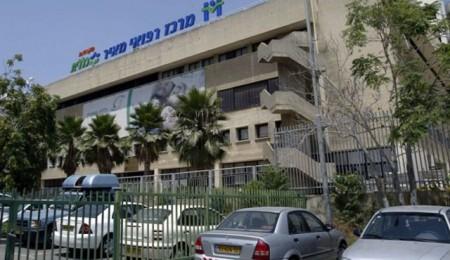
Sourasky Medical Center (Ichilov)
إسرائيل, Tel Aviv
Rosso Raphael
27سنة خبره ١٦ سنة

العيادة معتمدة من قبل : 





تمت مراجعة المقالة طبيا من قبل
فهد مولود
من $60. تعتمد النفقات الإجمالية على التعقيد السريري، ونوع المنشأة، والحاجة إلى تقنية رسم الخرائط ثلاثية الأبعاد المتخصصة. وغالباً ما يحقق المرضى الدوليون وفورات تتراوح بين 60-90% مقارنة بالأسعار في الولايات المتحدة. وتتركز الرعاية الرائدة في تل أبيب والقدس وحيفا.
تكاليف علاج عدم انتظام ضربات القلب النموذجية في إسرائيل
رؤية خبراء Bookimed: يجب على المرضى الذين يبحثون عن خبرة جراحية عالية المستوى التفكير في مركز سوراسكي الطبي، الذي يجري 34,000 عملية سنوياً. وللحصول على رعاية مخصصة، يتيح مركز أسوتا الطبي للمرضى اختيار جراحهم الخاص ونوع الغرفة الخاصة. تُدار الحالات المعقدة للأطفال بشكل أفضل في الأقسام المتخصصة مثل تلك التي تديرها الدكتورة ليفيا كابوستا. يقدم مركز هداسا الطبي قيمة كبيرة للإجراءات التداخلية، حيث أجرى متخصصون مثل الدكتور موني شوفي أكثر من 2,000 تدخل ناجح.
| إسرائيل | تركيا | إسبانيا | |
|---|---|---|---|
| تجمد القلب | ≈ $16,000 | من $8,100 | من $20,200 |
| الترددات اللاسلكية | ≈ $9,500 | من $5,400 | من $22,500 |
| الاجتثاث بالترددات الراديوية مع رسم الخرائط ثلاثية الأبعاد | ≈ $11,000 | من $10,400 | من $22,500 |

متخصص في أمراض القلب التداخلية في مركز سوراسكي الطبي، وتدرب في مؤسسات مرموقة مثل مستشفى لينوكس هيل في نيويورك.
متخصص في اضطرابات نظم القلب مع تدريب متقدم في الفيزيولوجيا الكهربائية – يقوم الدكتور رافائيل بإجراء علاج الاستئصال وزراعة أجهزة تنظيم ضربات القلب في مركز سوراسكي الطبي.

خبير في أجهزة عدم انتظام ضربات القلب، يقوم الدكتور ليفي يهودا بتركيب أجهزة تنظيم ضربات القلب وتقديم رعاية قلبية مكثفة في مركز سوراسكي الطبي (إيخيلوف).

صُنف كواحد من أفضل 5 جراحي قلب في إسرائيل. يتمتع الدكتور أمير بخبرة تزيد عن _doctor_3451_ عاماً في حالات القلب المعقدة، ويجري عمليات مثل مجازة الشريان التاجي في مركز سوراسكي الطبي.
 Anna Leonova
تشمل أفضل المستشفيات الإسرائيلية لعلاج عدم انتظام ضربات القلب مركز سوراسكي الطبي، ومركز شيبا الطبي، ومركز هداسا الطبي. تستخدم هذه المرافق المعتمدة من قبل اللجنة الدولية المشتركة (JCI) تقنيات رسم الخرائط ثلاثية الأبعاد والاستئصال بالتبريد لعلاج اضطرابات الإيقاع المعقدة. يتخصص خبراء بارزون مثل الدكتور سامي فيسكين والدكتور روسو رافائيل في تقنيات الاستئصال المتقدمة.
رؤية خبير Bookimed: يتميز مركز سوراسكي الطبي بحجم عملياته الكبير ودمج الأبحاث. ساهم الدكتور سامي فيسكين وحده في أكثر من 150 مقالة تمت مراجعتها من قبل الأقران. غالبًا ما يترجم هذا الانخراط الأكاديمي العالي إلى وصول مبكر إلى بروتوكولات الاستئصال الجديدة قبل أن تصبح معايير عالمية. يجد المرضى الذين يبحثون عن علاج لحالات وراثية نادرة مثل متلازمة QT الطويلة أو متلازمة بروجادا خبرة مركزة هنا.
إجماع المرضى: يشير المرضى إلى أن المرافق الخاصة مثل أسوتا توفر جدولة أسرع بكثير ودعمًا أكبر باللغة الإنجليزية. يذكر الكثيرون أن إحضار مخططات كهربية سابقة كاملة أمر ضرور
تستخدم إسرائيل تقنيات استئصال عالية الدقة بما في ذلك الاستئصال بالمجال النبضي (PFA)، ورسم الخرائط الكهربائية التشريحية ثلاثية الأبعاد، وأنظمة التبريد بالبالون. تستخدم المراكز الرائدة مثل مركز سوراسكي الطبي وهداسا رسم خرائط CARTO 3 ونظام FARAPULSE PFA. تحدد هذه الأدوات المتقدمة مصادر عدم انتظام ضربات القلب بدقة متناهية لضمان معدلات نجاح عالية.
رؤية خبير Bookimed: غالبًا ما يغفل المرضى أن المراكز الأكاديمية مثل رمبام وهداسا توفر وصولاً مبكرًا إلى البروتوكولات البحثية. تشارك هذه المستشفيات في تجارب عالمية لتقنيات مثل الاستئصال بالمجال النبضي قبل أن تصبح معيارًا في أماكن أخرى. يمكن أن يوفر اختيار منشأة ذات ثقل بحثي المزيد من خيارات العلاج لحالات عدم انتظام ضربات القلب المعقدة أو المتكررة.
إجماع المرضى: يشير المرضى إلى أن اختيار المتخصصين ذوي الخبرة العالية غالبًا ما يؤدي إلى معدلات نجاح تتراوح بين 80% إلى 90% للرجفان الأذيني. يوصي الكثيرون بالتحقق مما إذا كان جهاز Watchman متاحًا بعد الإجراء للم
تُبلغ مراكز القلب والأوعية الدموية الإسرائيلية عن معدلات نجاح تصل إلى 99% لاضطرابات النظم البسيطة. يصل نجاح الرجفان الأذيني (AF) إلى 67% عند 12 شهرًا. يتعافى معظم المرضى في غضون يومين إلى 3 أيام. يكتمل التئام أنسجة القلب بالكامل عادةً في غضون 3 أشهر. تحافظ المرافق الرائدة مثل سوراسكي وأسوتا على اعتماد JCI للسلامة.
رؤية خبير Bookimed: توفر المراكز الخاصة الإسرائيلية مثل أسوتا وهيرتسليا ميزة متميزة من خلال اختيار الطبيب. يمكن للمرضى اختيار متخصصين محددين في الفيزيولوجيا الكهربية مثل الدكتور روسو رافائيل أو الدكتور إيهود هورين. هذا أمر حيوي لأن البيانات السريرية تظهر أن النتائج تتحسن مع حجم حالات المتخصص. تتعامل المراكز العامة الأكبر مثل سوراسكي أو هداسا مع ما يصل إلى 1,000,000 مريض سنويًا. يضمن هذا الحجم الكبير أن تكون الفرق ذات خبرة عالية في إدارة رسم الخرائط ثلاثي الأبعاد المعقد والاستئصال بالتبريد.
إجماع المرضى: يشير المرضى إلى أن حدوث قفزات طفيفة في الإيقاع خلال الشهر الأول أمر طبيعي. ويؤكدون أن اتباع خطط مضادات التخثر وتجنب التمارين الشاقة لمدة شهر أمر ضروري للنجاح على المدى الطويل
تعالج المراكز الطبية الإسرائيلية بشكل روتيني الرجفان الأذيني، وتسرع القلب فوق البطيني، واضطرابات النظم البطينية باستخدام الفيزيولوجيا الكهربائية المتقدمة. تستخدم الوحدات المتخصصة في هداسا وسوراسكي رسم الخرائط ثلاثي الأبعاد والاستئصال بالتبريد. كما أنها تدير المتلازمات الوراثية المعقدة مثل بروجادا ومتلازمة QT الطويلة من خلال تصنيف المخاطر ووضع أجهزة تقويم نظم القلب ومزيل الرجفان القابل للزرع (ICD).
رؤية خبير Bookimed: تتحول أمراض القلب الإسرائيلية بسرعة من الأدوية طويلة الأمد إلى الاستئصال النهائي بالقسطرة للحالات المقاومة للأدوية. يمثل الدكتور سامي فيسكين في سوراسكي والدكتور موني شوفى في هداسا مستوى من الخبرة مع آلاف الإجراءات التي تم تنفيذها. يضمن هذا الحجم الكبير في المراكز الرئيسية حصول حتى متلازمات النظم الوراثية النادرة على رعاية موحدة قائمة على السجلات.
إجماع المرضى:
يعد رسم الخرائط ثلاثي الأبعاد واستئصال البالون بالتبريد تقنيات تكميلية لعلاج الرجفان الأذيني في إسرائيل. يوفر رسم الخرائط تصوراً للقلب عالي الدقة لتوجيه حرارة الترددات الراديوية. يستخدم استئصال البالون بالتبريد طاقة باردة لتجميد الأوردة الرئوية في خطوة واحدة. تحافظ كلتا الطريقتين على معدلات نجاح تتراوح بين 70-85% للحالات النوبية.
رؤية خبير Bookimed: في حين أن البالون بالتبريد غالباً ما يكون أسرع للحالات القياسية، يستخدم كبار المتخصصين في إسرائيل مثل الدكتور روسو رافائيل في مركز سوراسكي الطبي (إيخيلوف) بشكل متكرر رسم الخرائط ثلاثي الأبعاد للإجراءات المعقدة أو المتكررة. تستخدم المرافق واسعة النطاق مثل هداسا، التي تجري أكثر من 35,000 عملية جراحية سنوياً، أنظمة رسم الخرائط المتقدمة هذه لعزل مسببات الأوردة الرئوية الإضافية التي قد يغفل عنها البالون القياسي.
إجماع المرضى: غالباً ما يختار المرضى الذين يعانون من الرجفان الأذيني النوبي البالون بالتبريد لقصر وقت الإجراء النشط الذي يتراوح بين 2
يخضع المرضى الدوليون الذين يسعون للحصول على علاج لاضطراب نظم القلب في إسرائيل لتقييم متعدد المراحل. يجب أن يكون المرشحون مستقرين طبياً دون إصابة حديثة باحتشاء عضلة القلب. يتطلب الجراحون في المرافق المعتمدة من اللجنة الدولية المشتركة (JCI) مثل مركز أسوتا الطبي سجلات طبية مفصلة، وتصويراً رقمياً، ونتائج تخطيط كهربية القلب (ECG). يتم تأكيد الترشح النهائي بعد إجراء اختبارات تشخيص القلب في الموقع.
رؤية خبير Bookimed: غالباً ما تقبل مراكز أمراض القلب الإسرائيلية الحالات المعقدة التي يتم رفضها في أماكن أخرى. على سبيل المثال، يستخدم مركز سوراسكي الطبي (إيخيلوف) تقنيات رسم خرائط ثلاثية الأبعاد متقدمة وتشخيصات مدعومة بالذكاء الاصطناعي. وهذا يسمح لأخصائيين مثل الدكتور روسو رافائيل بعلاج اضطرابات نظم القلب عالية الخطورة بدقة عالية. يعني هذا النهج المعتمد على التكنولوجيا أن المرضى الذين لديهم مؤشر كتلة جسم يزيد عن 35 أو وظائف كلى ضعيفة قد يظلون مؤهلين ب
يتمتع المرضى الذين يعالجون من عدم انتظام ضربات القلب في إسرائيل بإمكانية الوصول إلى مراقبة متقدمة عن بُعد عبر أجهزة تخطيط القلب التي تدعم الاتصال الخلوي وبوابات المرضى الآمنة. تستخدم المراكز الرائدة مثل مركز سوراسكي الطبي ومركز هداسا الطبي منصات الطب عن بُعد للاستشارات الافتراضية. تسمح هذه الأنظمة للمتخصصين الدوليين بمراجعة إيقاعات القلب وتعديل الأدوية من الخارج.
رؤية خبير Bookimed: تُظهر البيانات الصادرة عن أفضل المؤسسات الإسرائيلية اعتمادًا كبيرًا على السجلات الصحية الإلكترونية (EHRs) المتكاملة. تخدم مراكز مثل سوراسكي وهداسا أكثر من 1,000,000 مريض سنويًا وتستخدم هذه الأنظمة الرقمية لضمان تسليم البيانات بسلاسة. تتمثل الاستراتيجية الذكية في اختيار متخصص مثل الدكتور آري روث، الذي يركز بشكل خاص على الطب عن بُعد وتشخيص القلب لسد الفجوة بين تل أبيب وبلدك الأصلي.
إجماع المرضى: يؤكد المرضى على أهمية التأكد من أن أجهزة المراقبة المحمولة مثل Kardia متوا
تُعدّ إسرائيل مركزًا رائدًا في جراحة الأعصاب بفضل مزيجها من التطورات الطبية عالية التقنية والخبرات الجراحية المتميزة. وتستخدم مرافق متطورة مثل مركز شيبا الطبي أنظمة ملاحة تعتمد على الذكاء الاصطناعي والتصوير بالرنين المغناطيسي أثناء الجراحة في الوقت الفعلي. وتشير المراكز المتخصصة إلى نسبة نجاح تصل إلى 98% في العمليات الجراحية المعقدة، بما في ذلك جراحة الدماغ مع اليقظة وعلاج اضطرابات الحركة.
رأي خبراء بوكيمد: تُظهر البيانات فرقًا واضحًا بين خيارات العلاج في القطاعين العام والخاص في إسرائيل. تُجري المراكز الخاصة، مثل مركز أسوتا الطبي، أكثر من 92,000 عملية جراحية سنويًا، وتتيح للمرضى اختيار جراح را
يعالج جراحو الأعصاب الإسرائيليون طيفاً واسعاً من الحالات، بدءاً من أورام الدماغ والحبل الشوكي وصولاً إلى الاضطرابات الوظيفية المعقدة. وتستخدم المراكز المتخصصة أحدث التقنيات، مثل جهاز جاما نايف، والتحفيز العميق للدماغ، والتصوير بالرنين المغناطيسي أثناء الجراحة، لتشخيص دقيق للغاية لحالات الصرع، ومرض باركنسون، وأمراض الأوعية الدموية الدماغية.
رأي خبراء بوكيمد: غالبًا ما تجمع المستشفيات الإسرائيلية بين تخصصات طبية متعددة لمعالجة الحالات المعقدة. ففي مركز سوراسكي ا
تضم إسرائيل مراكز جراحة أعصاب عالمية المستوى، مثل مركز سوراسكي الطبي، ومركز شيبا الطبي، ومركز هداسا الطبي. وتُعدّ هذه المؤسسات رائدة عالميًا في علاج أورام الدماغ المعقدة، وأمراض العمود الفقري، واضطرابات الحركة. وتستخدم أحدث التقنيات، مثل جهاز جاما نايف، والأنظمة الروبوتية، والتصوير بالرنين المغناطيسي أثناء الجراحة.
رأي خبراء بوكيمد: تُظهر بياناتنا أنه بينما يلجأ معظم المرضى للعلاج في تل أبيب، يُقدّم مركز رامبام الطبي في حيفا رعايةً فريدةً لإصابات الدماغ. فهو يضم وحدةً متخصصةً للعناية المركزة العصبية تُعالج ما يقارب مليون مريض سنويًا. وهذا ما يجعله