علاج عدم انتظام ضربات القلب في النمسا — احصل على 3 عيادات مختارة خصيصاً لك


تمت مراجعة المقالة طبيا من قبل
فهد مولود
كيف نعمل؟
ما هي تكلفة عدم انتظام ضربات القلب إجراءات التشخيص والعلاج في النمسا؟ اعرف الآن
تعتمد تكلفة علاج عدم انتظام ضربات القلب في النمسا عادةً على مدى تعقيد التشخيص والتقنية الجراحية المختارة. من $60. تتأثر النفقات الإجمالية بمستوى العيادة واستخدام تقنيات التصوير ثلاثي الأبعاد المتقدمة. يمكن للمرضى العثور على رعاية قلبية متخصصة في المراكز الطبية الكبرى مثل فيينا وغراتس.
تكاليف علاج عدم انتظام ضربات القلب النموذجية في النمسا
- استشارة طبيب قلب: $190 – $340
- تخطيط كهربية القلب (ECG): من $60
- تصوير القلب بالرنين المغناطيسي: $700 – $1,200
- الاستئصال بالترددات الراديوية: $7,500 – $12,000
- الاستئصال بالترددات الراديوية مع التصوير ثلاثي الأبعاد: $13,000 – $21,000
- الاستئصال بالتبريد للقلب: $14,500 – $24,500
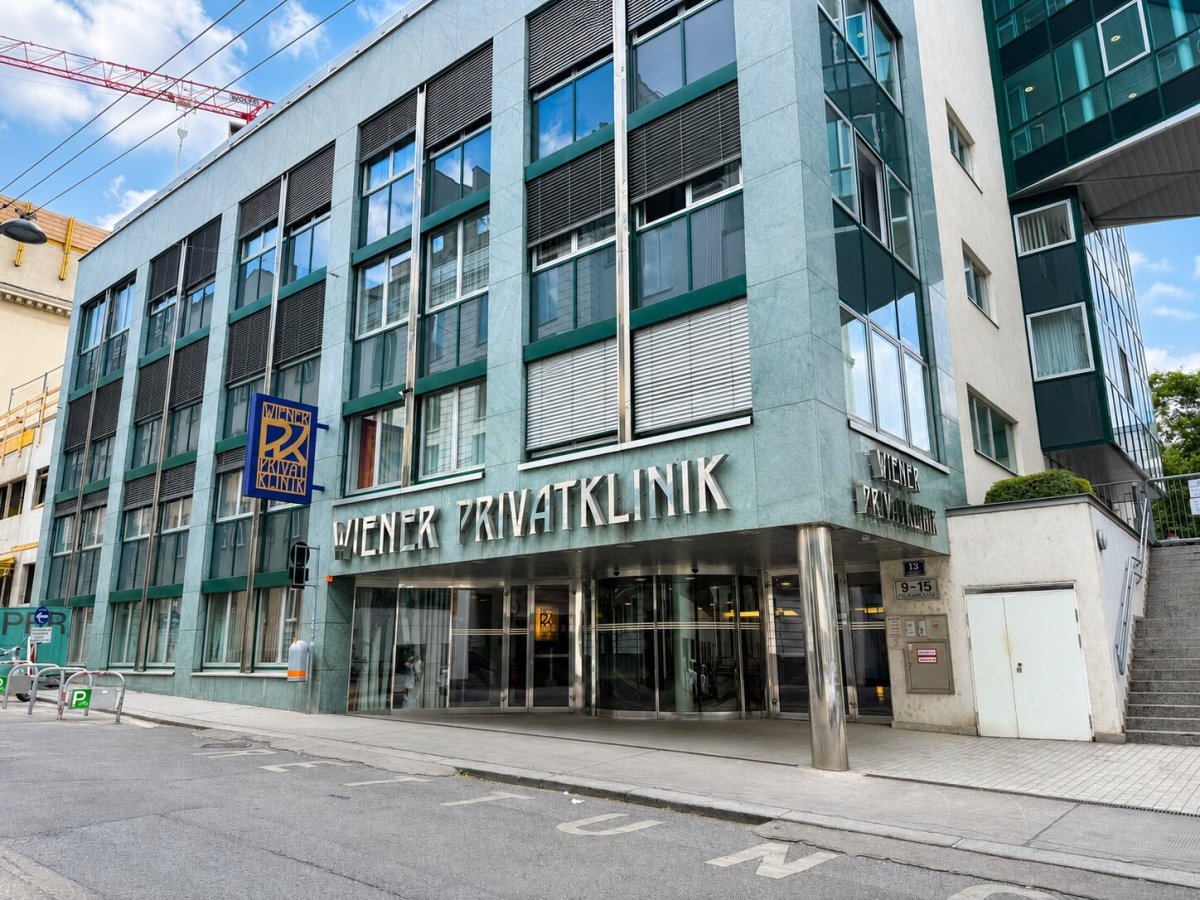
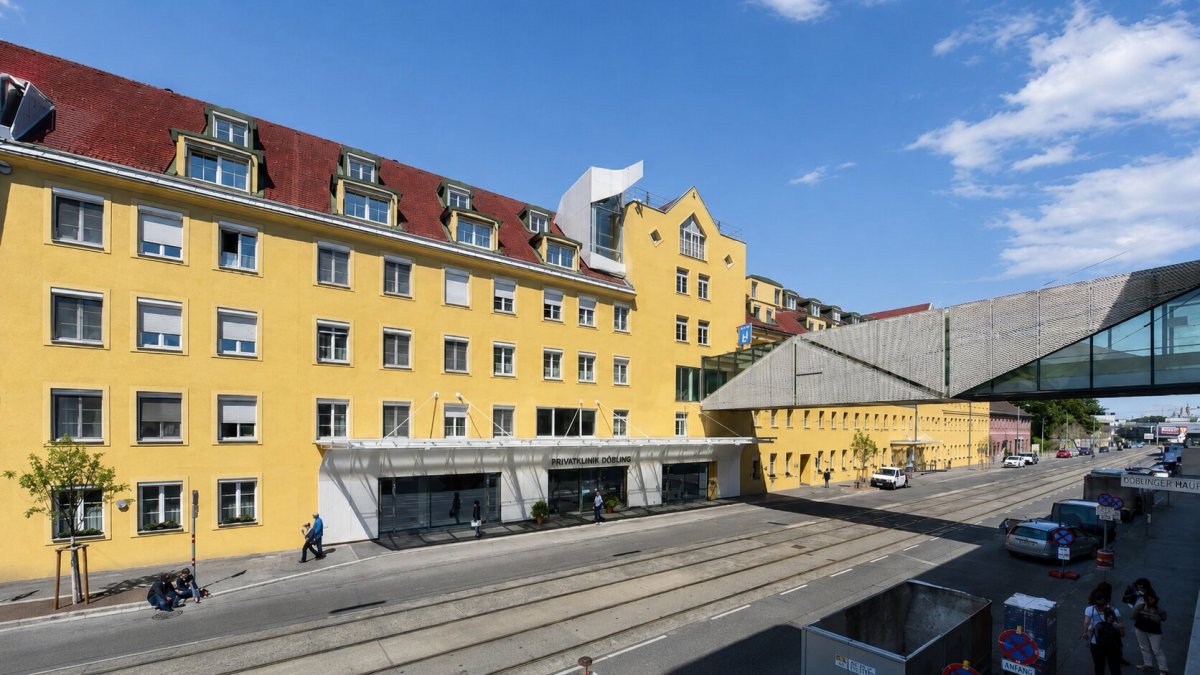
رؤية خبراء Bookimed: يستفيد المرضى الذين يبحثون عن دقة تشخيصية عالية من مراكز مثل عيادة فيينا الخاصة (Wiener Privatklinik). يضم فريقهم أساتذة من جامعة فيينا الطبية متخصصين في التقنيات المعتمدة على القسطرة. بالنسبة للحالات المعقدة التي تنطوي على مشاكل في نظم القلب والمشاكل الهيكلية، يقدم مستشفى فيينا العام (AKH) خبرة متعددة التخصصات. تعالج هذه المنشأة أكثر من 590,000 مريض سنوياً باستخدام تقنيات قلبية مبتكرة. بالنسبة لأولئك الذين يعطون الأولوية للسلامة، يحافظ مستشفى دوبلينج الخاص (Döbling Private Hospital) على معدلات مضاعفات أقل بكثير من المتوسطات الوطنية.
| النمسا | تركيا | إسبانيا | |
|---|---|---|---|
| تجمد القلب | ≈ $14,500 | من $8,100 | من $20,200 |
| الترددات اللاسلكية | ≈ $7,500 | من $5,400 | من $22,400 |
| الاجتثاث بالترددات الراديوية مع رسم الخرائط ثلاثية الأبعاد | ≈ $13,000 | من $10,400 | من $22,400 |
اكتشف أفضل عدم انتظام ضربات القلب العيادات في النمسا: 5 خيارات معتمدة والأسعار






Leech Private Clinic
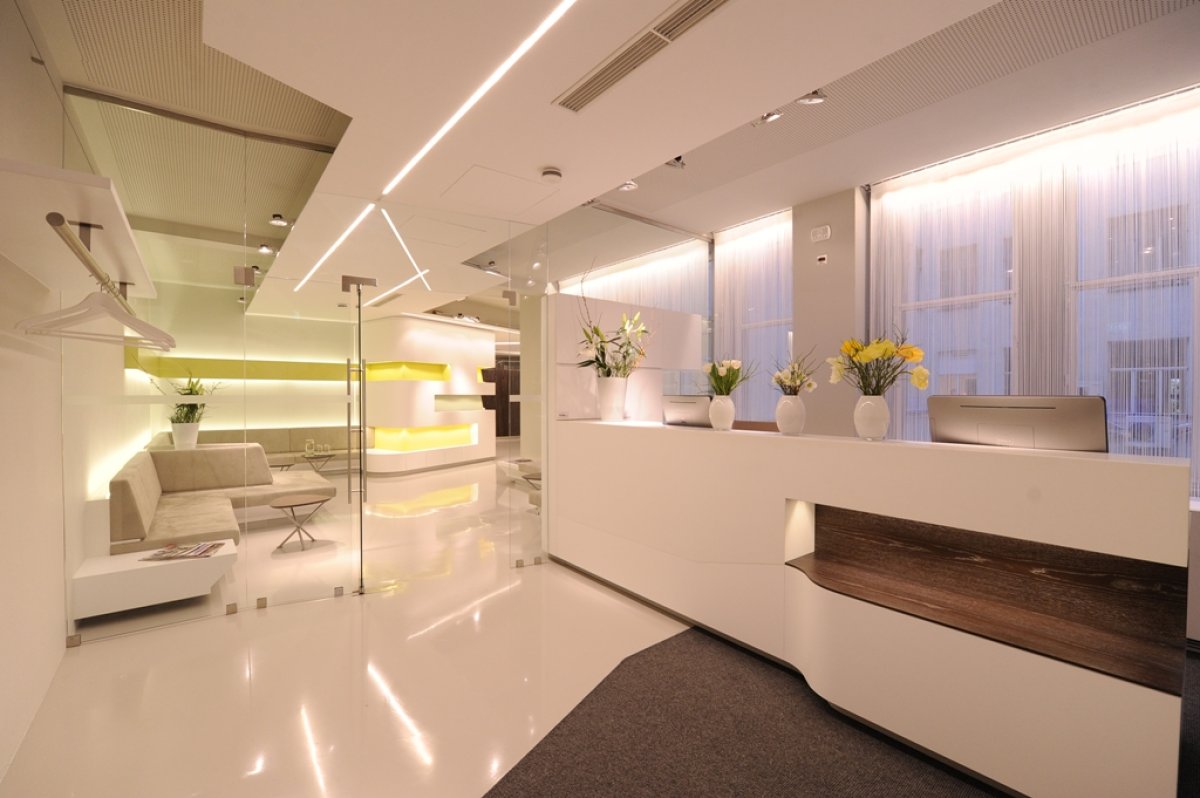
JUVENIS
احصل على تقييم طبي لـ في النمسا. استشر الآن 6 أطباء ذوي الخبرة.
عرض جميع الأطباء
Christoph Kopp
يتخصص الدكتور كريستوف كوب في إدارة عدم انتظام ضربات القلب، ويتمتع بعقود من الخبرة في أمراض القلب في مستشفى فيينا الخاص (Wiener Privatklinik)، حيث يدمج بين التشخيص المتقدم والرعاية الوقائية.
- تخرج من جامعة فيينا الطبية وتدرب في مستشفى فيينا العام
- يركز على أمراض الشرايين التاجية، وارتفاع ضغط الدم، وعدم انتظام ضربات القلب
- يستخدم تخطيط صدى القلب، وجهاز هولتر، والأشعة المقطعية للشرايين التاجية للتشخيص الدقيق
- يؤكد على الوقاية القائمة على نمط الحياة والعلاج المخصص

David Weidenauer
يتخصص الدكتور ديفيد ويدينور في التشخيص الدقيق لاضطرابات النظم القلبي المعقدة في عيادة فيينا الخاصة (Wiener Privatklinik)، حيث يجمع بين التصوير القلبي الحديث والعلاج الشخصي.
- تدرب في طب القلب التداخلي في مستشفى فيينا العام
- خبير في تخطيط صدى القلب وتصوير الشرايين التاجية بالأشعة المقطعية
- تخرج بامتياز من جامعة فيينا الطبية
- يركز على اضطرابات النظم، وفشل القلب، وأمراض الشرايين التاجية

Gunther Laufer
رئيس قسم جراحة القلب في مستشفى فيينا العام – متخصص في حالات عدم انتظام ضربات القلب المعقدة.
- يقود فريقاً من أخصائيي القلب
- يركز على علاجات عدم انتظام ضربات القلب المتقدمة
- يعمل في واحدة من أفضل المستشفيات في النمسا
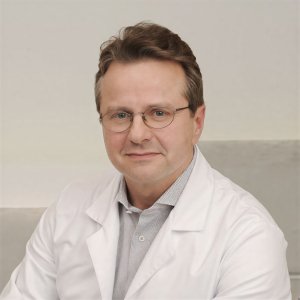
Christoph Kopp
الأستاذ الجامعي المشارك الدكتور كريستوف كوب متخصص في الطب الباطني، ويحمل أيضًا مؤهلات اختصاص في أمراض القلب وطب الأوعية الدموية. يزاول عمله في مركز JUVENIS الطبي في فيينا، وهو طبيب أوّل في جامعة فيينا الطبية.
نال درجة الدكتوراه في الطب البشري من جامعة فيينا عام 1992. وكان زميلًا باحثًا في كلية طب هارفارد/بيث إسرائيل ديكونس بين 1993 و1996. أكمل تدريب الاختصاص في الطب الباطني بين 1997 و2004. حصل على إجازة التدريس الجامعي (venia docendi) وعُيّن أستاذًا جامعيًا مشاركًا عام 2004. أكمل تدريب
المراجعات
جميع المراجعاتمشاركة المحتوى
قصص فيديو من مرضى Bookimed
 Anna Leonova
أسئلة متكررة حول علاج عدم انتظام ضربات القلب في النمسا
ما مدى أمان استئصال اضطراب النظم القلبي بالقسطرة في المراكز النمساوية؟
يُعدّ استئصال الرجفان الأذيني بالقسطرة في النمسا إجراءً آمناً للغاية، حيث تصل نسبة نجاحه إلى 98% أو 99% في علاج اضطرابات نظم القلب الشائعة. وتلتزم المراكز النمساوية، مثل مستشفى فيينا العام (AKH)، بالمعايير الصارمة للجمعية الأوروبية لنظم القلب. وتحدث المضاعفات الخطيرة في 1% إلى 2.4% فقط من الحالات. وتُسهم تقنيات رسم الخرائط ثلاثية الأبعاد المتقدمة في تقليل المخاطر إلى أدنى حد.
- معدلات النجاح: أكثر من 90% للحالات الشائعة مثل AVNRT في المراكز النمساوية المتخصصة.
- معايير السلامة: تقوم مؤسسات مثل مستشفى دوبلينغ الخاص بتطبيق أهداف اللجنة الدولية المشتركة (JCI) الدولية لسلامة المرضى.
- معدل البقاء على قيد الحياة: الإجراءات آمنة للغاية، حيث يبلغ معدل البقاء على قيد الحياة 99.9٪ في أوروبا.
- التكنولوجيا: تستخدم المراكز تقنية رسم الخرائط ثلاثية الأبعاد والاستئصال بالتبريد لحماية أنسجة القلب السليمة.
رأي خبراء بوكيمد: تُظهر البيانات تفوقًا واضحًا في معايير السلامة في المراكز الرئيسية في فيينا. يُعالج مستشفى فيينا العام (AKH) أكثر من 595,000 مريض سنويًا، ويعمل فيه 1,600 طبيب. يضمن هذا الحجم الكبير حفاظ جراحين مثل البروفيسور ماريك إيرليخ على أعلى مستويات الخبرة. ويؤكد اختيار المراكز
ما هي المستشفيات النمساوية التي تقدم برامج علاجية شاملة في مجال الفيزيولوجيا الكهربية لعلاج اضطرابات النظم المعقدة؟
تُقدّم المستشفيات النمساوية، بما فيها مستشفى فيينا العام (AKH) ومستشفى فيينا الخاص، مجموعةً كاملةً من خدمات الفيزيولوجيا الكهربية لعلاج اضطرابات النظم القلبية المعقدة. وتستخدم هذه المراكز تقنيات التصوير ثلاثي الأبعاد والاستئصال بالترددات الراديوية. كما تُقدّم مؤسساتٌ مثل مستشفى جامعة غراتس ومستشفى دوبلينغ الخاص خدماتٍ متقدمةً في طب القلب التدخلي في مرافق مُطابقة لمعايير ISO.
- مستشفى فيينا العام: يقدم إجراءات هجينة طفيفة التوغل تجمع بين تنظير الصدر واستئصال القسطرة.
- عيادة فيينا الخاصة: لديها مختبرات قسطرة متخصصة تحت إشراف متخصصين مثل الدكتور كريستوف كوب.
- الوصول إلى التكنولوجيا: تستخدم المراكز تقنية رسم الخرائط ثلاثية الأبعاد والاستئصال بالتبريد القلبي من أجل العلاج الدقيق.
- التخصص: يدير البروفيسور الدكتور ماريك إيرليخ برامج أمراض القلب الشاملة في مستشفى AKH فيينا.
رأي خبراء بوكيمد: غالبًا ما يختار المرضى الذين يبحثون عن علاج شامل لاضطراب نظم القلب في النمسا بين العدد الكبير من المرضى في مستشفى فيينا العام (AKH Vienna) والرعاية المتخصصة التي تقدمها عيادة فيينا الخاصة (Wiener Privatklinik). يعالج مستشفى فيينا العام حوالي 600,000 مريض سنويًا، وهو رائد في مجال البحث. في
ما هي الفحوصات المطلوبة قبل السفر إلى النمسا لإجراء عملية الاستئصال؟
يشمل التحضير قبل عملية استئصال الرجفان الأذيني في النمسا فحصًا شاملًا للقلب. تتضمن الفحوصات الرئيسية تخطيط كهربية القلب (ECG)، وتخطيط صدى القلب، والتصوير بالرنين المغناطيسي (MRI)، أو التصوير المقطعي المحوسب (CT) للقلب. غالبًا ما يطلب الأخصائيون تخطيطًا دقيقًا باستخدام دراسات الفيزيولوجيا الكهربية وفحوصات الدم لقياس المؤشرات الأيضية لضمان سلامة العملية ونجاحها.
- التصوير القلبي: يوفر التصوير بالرنين المغناطيسي أو التصوير المقطعي المحوسب للقلب للجراحين خريطة ثلاثية الأبعاد للفحص.
- التخطيط الفيزيولوجي الكهربائي: يمكن أن تساعد الدراسات الفيزيولوجية الكهربائية في تحديد المصدر المحدد لاضطراب النظم القلبي.
- التشخيص المختبري: تساعد اختبارات إيوينغ ودراسات تخثر الدم في مراقبة المخاطر المرتبطة بالتخدير والنزيف.
- تحقق من أدويتك: تحقق من جميع الأدوية المضادة لاضطراب النظم التي تتناولها قبل 7 أيام من رحلتك إلى النمسا.
خبرة بوكيمد: يُمكن للمرضى تبسيط زيارتهم باختيار عيادات مثل مستشفى فيينا العام (AKH) أو مستشفى فيينا الخاص. يعمل في هذه المراكز أساتذة من جامعة فيينا الطبية. يتيح هذا الارتباط الأكاديمي الوصول إلى فحوصات متخصصة، مثل التصوير ثلاثي الأبعاد والاستئصال بالتبريد. تُظهر بيان
كم من الوقت سيستغرقه سائح طبي في النمسا لإجراء عملية استئصال اضطراب النظم القلبي، وكيف ستكون الرعاية اللاحقة؟
لإجراء عملية استئصال اضطراب النظم القلبي، ينبغي على السياح الطبيين التخطيط للإقامة في النمسا لمدة تتراوح بين 7 و10 أيام. وتستغرق فترة الإقامة في المستشفى عادةً من يوم إلى يومين للمراقبة. ويبقى معظم المرضى في المنطقة لمدة تتراوح بين 5 و7 أيام إضافية للتأكد من استقرار حالتهم قبل العودة إلى ديارهم.
- الإقامة في المستشفى: توقع قضاء يوم أو يومين للمراقبة القلبية والعناية بموقع الجرح.
- التعافي في الموقع: البقاء في مكان قريب لمدة 5-7 أيام لإجراء فحص سريري نهائي.
- النشاط البدني: تجنب رفع الأثقال والتمارين الشاقة لمدة أسبوع إلى أسبوعين.
- العناية بالجرح: حافظ على جفاف موضع القسطرة وتجنب الاستحمام لمدة 7 أيام.
رأي خبراء بوكيمد: يتيح اختيار مركز كبير مثل مستشفى فيينا العام (AKH) الوصول إلى برامج علاجية متخصصة لتمدد الأوعية الدموية واضطرابات نظم القلب. تُظهر بياناتنا أن هذه المؤسسات الكبيرة تعالج أكثر من 590,000 مريض سنويًا. غالبًا ما يؤدي هذا العدد الكبير من الحالات إلى انخفاض معدلات المضاعفات وبروتوكولات مراقبة ما بعد الجراحة أكثر تطورًا مقارنةً بالمؤسسات الأصغر.
ملاحظات المرضى: يلاحظ المرضى أنه على الرغم من سرعة الخ