عيادات استئصال سرطان الكبد في إسبانيا


تمت مراجعة المقالة طبيا من قبل
فهد مولود
كيف نعمل؟
ما هي تكلفة استئصال سرطان الكبد في إسبانيا؟ اكتشف الآن
من $24,000. يعتمد السعر النهائي على الأسلوب الجراحي، وتعقيد الورم، وموقع العيادة في مدن مثل برشلونة أو مدريد أو بامبلونا. تشمل معظم المستشفيات الإسبانية الاستشارات، والتخدير، وإقامة المريض لعدة أيام.
- استئصال الكبد: من $18,700 للإزالة الجراحية الجزئية للكبد.
- علاج SIRT: من $20,200 لتقديم إشعاع داخلي يستهدف الخلايا الخبيثة.
- تباين المدن: قد تزيد تكلفة الإقامة في مستشفيات برشلونة بنسبة 15-20% مقارنةً بالعيادات الإقليمية.
- الجراحة طفيفة التوغل: تتطلب تقنيات المناظير معدات متخصصة، مما قد يرفع الرسوم الجراحية الأولية.
رأي خبراء Bookimed: يضمن اختيار مركز معتمد مثل سنتيرو ميدييكو تكنون أو كلينيكا يونيفرسيداد دي نافارا الحصول على رعاية معتمدة من JCI. تقدم هذه المؤسسات غالباً باقات جراحية شاملة تبدأ من حوالي 23,500 $. يوفر هذا قيمة كبيرة مقارنة بالأسعار غير المجمعة. يتمتع جراحون بارزون مثل لانا بييليتش في تكنون بخبرة البورد الأمريكي للجراحة. يمثل هذا المزيج بين التدريب وفق المعايير الأمريكية وكفاءة التكاليف الإسبانية خياراً ذكياً للمرضى الدوليين.
| تركيا | إسبانيا | ألمانيا | |
|---|---|---|---|
| استئصال سرطان الكبد | من $12,000 | من $24,000 | ≈ $30,000 |
| علاج SIRT | من $25,500 | من $20,200 | ≈ $17,000 |
| استئصال الكبد | من $9,300 | من $18,700 | من $18,000 |
اكتشف أفضل استئصال سرطان الكبد العيادات في إسبانيا: 9 خيارات معتمدة والأسعار









SJD Barcelona Children’s Hospital








نظرة عامة على استئصال سرطان الكبد في إسبانيا
- استئصال سرطان الكبد - من $24,000
يقضي هذا الإجراء على خلايا الكبد الخبيثة ، مما يوفر فرصة للشفاء التام بدقة جراحية.
- علاج SIRT - من $20,200
هذا العلاج هو إجراء قائم على الهدف ، حيث يتم توصيل الإشعاع لأورام الكبد ، مما يضمن الحد الأدنى من التأثير على الأنسجة السليمة.
- استئصال الكبد - من $18,700
يتضمن الإجراء إزالة الأجزاء التالفة من الكبد لمنع انتشار المرض ، مما يضمن تحسين وظائف الكبد.
اليوم الأول - الوصول
- الوصول إلى المستشفى وتسجيل الوصول.
- قابل طبيب الرعاية الأولية الخاص بك.
- احصل على الجدول الزمني للإجراءات القادمة.
اليوم 2 - ما قبل العملية
- استشارة طبيب كبد وجراح.
- الخضوع للفحوصات الطبية اللازمة مثل فحوصات الدم والأشعة المقطعية.
- اخضع للتصوير بالرنين المغناطيسي لتأكيد مرحلة سرطان الكبد.
- اخضع لاختبار وظائف الكبد.
- مناقشة حول التخدير والتحضير للعملية.
اليوم 3 - العملية
- الوصول إلى غرفة العمليات.
- الحصول على تخدير عام.
- اخضع لعملية استئصال سرطان الكبد (استئصال الكبد).
- تستغرق العملية عادةً من 4 إلى 8 ساعات.
اليوم 4 - بعد العملية
- ابق في غرفة الإنعاش بعد الجراحة مباشرة.
- انتقل إلى عنبر عادي بعد استقراره.
من اليوم الخامس إلى اليوم الرابع عشر - التعافي في المستشفى
- المراقبة المنتظمة من قبل فريق الرعاية الصحية.
- اخضع لعلاج طبيعي لطيف.
- ابدأ في اتباع نظام غذائي خفيف.
- استأنف تدريجيًا الأنشطة العادية تحت التوجيه.
الأسبوع الثالث إلى الأسبوع الثامن - إعادة التأهيل في المنزل
- تواصل مع الأدوية الموصوفة.
- اتبع خطة نظام غذائي متوازن.
- استأنف العمل بعد 6 أسابيع.
- العودة إلى الأنشطة العادية بعد 8 أسابيع.
يرجى ملاحظة أن هذا دليل عام ، وقد تختلف الحالات الفردية.
- إيداع Bookimed: 200 دولار أو 200 يورو.
- وديعة العيادة: ادفع نسبة محددة مقدمًا.
احصل على تقييم طبي لـ استئصال سرطان الكبد في إسبانيا: اختر أخصائيك من بين الأفضل في هذا المجال
عرض جميع الأطباء
Carlos Garcia Vasquez
جرّاح في الجراحة العامة وجراحة الجهاز الهضمي. يركز على جراحات القولون والمستقيم والشرج وجدار البطن طفيفة التوغل. رئيس مشارك، Infanta Elena University Hospital (2021–). جرّاح معاون، Fundación Jiménez Díaz (2013–).
الاعتمادات: دكتوراه في الجراحة بامتياز مع مرتبة الشرف العليا (UAM). معتمد في الجراحة الروبوتية (Da Vinci X/Xi/5). تدريب متقدم في الجراحة العامة بالمنظار (IRCAD، ستراسبورغ). اختصاصي في الجراحة العامة وجراحة الجهاز الهضمي (Fundación Jiménez Díaz).
الإنجازات: باحث (2013–).

Lana Bijelic
تتخصص الدكتورة لانا بييليتش في علاج السرطان البريتوني وجراحة سرطان الكبد في مركز تيكنون الطبي (Centro Médico Teknon). تدربت على يد البروفيسور بول شوغاربيكر في الولايات المتحدة.
- جراحة معتمدة من المجلس الأمريكي للجراحة
- خبيرة في العمليات الجراحية الأورامية المعقدة
- حائزة على جوائز متعددة للتميز الجراحي
- عضو في الجمعية الدولية لجراحة الكبد والبنكرياس والقنوات الصفراوية
- مديرة الأبحاث في مستشفى إينوفا فيرفاكس (2015-2019)
قصص فيديو من مرضى Bookimed
المراجعات
جميع المراجعات


مشاركة المحتوى
 Anna Leonova
أسئلة متكررة حول استئصال سرطان الكبد في إسبانيا
ما هي الطرق الأساسية لإزالة سرطان الكبد جراحياً أو بطرق أخرى في إسبانيا؟
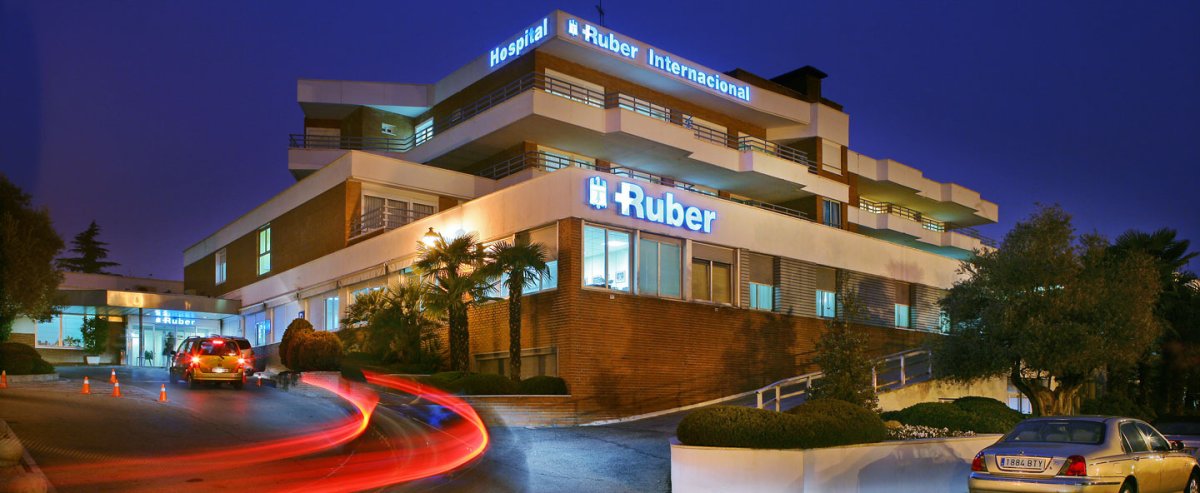
تزيل إسبانيا سرطان الكبد من خلال الاستئصال الجراحي، وزراعة الكبد، والاستئصال طفيف التوغل. تستخدم المراكز المتخصصة مثل Centro Médico Teknon و Hospital Ruber Internacional الجراحة بمساعدة الروبوت والعلاجات الموجهة مثل SIRT لعلاج الأورام المعقدة. تعطي هذه الطرق الأولوية للحفاظ على الأنسجة السليمة مع ضمان معدلات نجاح عالية للحالات القابلة للجراحة.
- الاستئصال الجراحي: إزالة جزء الكبد المصاب بالسرطان مع الحفاظ على الأنسجة السليمة القابلة للتجدد.
- زراعة الكبد: استبدال الكبد المريض في حالات المراحل المبكرة مع وجود تليف كبدي مصاحب.
- الاستئصال الحراري: تدمير الأورام الصغيرة باستخدام ترددات الراديو أو طاقة الميكروويف بدون شقوق جراحية كبيرة.
- علاجات الانصمام: استخدام TACE أو SIRT لقطع إمدادات الدم وتقليص الأورام الكبيرة.
رؤية خبير Bookimed: تستفيد مراكز الأورام الإسبانية من نهج متعدد الوسائط حيث ينتقل المرضى غالبًا بين العلاجات. على سبيل المثال، يستخدم بعض الأطباء العلاج الكيميائي الانصمامي لتقليص الأورام حتى تصبح صغيرة بما يكفي للاستئصال الجراحي. تظهر البيانات أن طلب رأي ثانٍ في مراكز متخصصة مثل مستشفى نافارا يمكن أن يحدد إمكانية إعادة الاستئصال للحالات التي صُنفت سابقاً على أنها غير قابلة للجراحة.
إجماع المرضى: يؤكد المرضى أن التصوير المتقدم مثل الأشعة المقطعية ضروري لتحديد القابلية للجراحة في وقت مبكر. يشدد العديد من الناجين على أن خطة العلاج المرحلية، التي تجمع بين العلاج الكيميائي والجراحة، أدت إلى تعافيهم بنجاح.
أين تقع المراكز الرائدة لعلاج سرطان الكبد في إسبانيا؟
تستضيف إسبانيا مراكز مرموقة لعلاج سرطان الكبد متخصصة في سرطان الخلايا الكبدية والاستئصال المعقد. تستخدم المرافق الرائدة مثل Centro Médico Teknon و Hospital Ruber Internacional معايير اللجنة الدولية المشتركة (JCI) وتقنيات متقدمة مثل CyberKnife لتقديم رعاية متعددة التخصصات في برشلونة ومدريد.
- شهادات العيادات: تحمل مرافق مثل Centro Médico Teknon اعتماد اللجنة الدولية المشتركة (JCI).
- التكنولوجيا المتقدمة: تستخدم المراكز تقنيات Gamma Knife ICON و CyberKnife و Da Vinci Xi للدقة.
- أبرز المتخصصين: يقدم جراحون مثل Lana Bijelic في عيادة Teknon خبرة معتمدة من المجلس الأمريكي للجراحة.
- البحث السريري: يوفر Quironsalud Madrid الوصول إلى تجارب سريرية مبتكرة لمرضى الأورام.
رؤية خبير Bookimed: بينما تعد مدريد وبرشلونة المحورين الرئيسيين، تبرز Clinica Universidad de Navarra في بامبلونا بطول عمرها ومؤهلاتها. كانت أول مستشفى إسباني يحصل على شهادة JCI ويتم تصنيفها باستمرار كواحدة من أفضل المؤسسات الخاصة، مما يجعلها خياراً موثوقاً للغاية لعلاج الأورام المعقد المتعلق بالأعضاء.
إجماع المرضى: يعتمد النجاح في علاج سرطان الكبد على التعاون السلس بين فرق الجراحة والأشعة والأورام. يعطي المرضى الأولوية للمؤسسات التي تقدم جراحات عالية التعقيد ولجان أورام متكاملة في موقع واحد.
ما هي الأعراض التي تؤدي عادةً إلى إجراء فحص سرطان الكبد؟
يبدأ المتخصصون الطبيون في إجراء فحص سرطان الكبد عندما يعاني المرضى من اليرقان، أو فقدان الوزن غير المبرر، أو آلام مستمرة في الجزء العلوي الأيمن من البطن. تشمل مؤشرات التشخيص وجود كتل صلبة تحت الأضلاع، وتعب مزمن، وبول داكن اللون. غالبًا ما يؤدي الاكتشاف المبكر إلى إجراء تصوير للبطن أو تحاليل دم لبروتين ألفا-جنيني.
- مؤشرات الألم: انزعاج في الجزء العلوي الأيمن من البطن، أو لوح الكتف، أو الظهر.
- التغيرات الجسدية: اليرقان، أو تورم البطن بسبب السوائل، أو وجود كتلة صلبة محسوسة.
- أعراض الجهاز الهضمي: غثيان، وفقدان الشهية، والشعور بالشبع بسرعة بعد الأكل.
- العلامات الأيضية: فقدان وزن غير مقصود، وبراز شاحب (طباشيري)، وسهولة حدوث كدمات.
رؤية خبير Bookimed: غالبًا ما يخلط المرضى بين أعراض سرطان الكبد المبكرة ومشاكل المرارة أو ارتجاع الحمض. تظهر البيانات أن المراكز الإسبانية المعتمدة من JCI مثل Centro Médico Teknon أو Hospital Ruber Internacional تستخدم الرنين المغناطيسي بقوة 3 تسلا وجهاز CyberKnife للتشخيص الدقيق والعلاج غير الجراحي. إذا أظهر التصوير وجود آفة، فعادة ما تؤكد الخزعة المرحلة.
إجماع المرضى: يبلغ العديد من المرضى أن تشخيصهم جاء بعد فحوصات لأسباب غير ذات صلة. إنهم يؤكدون على عدم تجاهل الحكة المستمرة أو الانزعاج الغامض في البطن الذي غالبًا ما يتم استبعاده كاضطراب هضمي طفيف.