استئصال الكبد في ألمانيا — احصل على 3 عيادات مطابقة مع التكاليف


تمت مراجعة المقالة طبيا من قبل
فهد مولود
ما هي تكلفة استئصال الكبد في ألمانيا؟ اكتشف الآن
من $18,000. يعتمد السعر النهائي على حجم الورم، وتعقيد الجراحة، ومستوى العيادة. تشمل هذه التكلفة الجراحة، والتخدير، والإقامة في المستشفى لمدة تتراوح بين 5 إلى 10 أيام.
- استئصال الكبد الجزئي: يضيف عادةً 10 إلى 15 % إلى التكلفة الأساسية لإزالة الورم الموضعي.
- استئصال الفص الكبدي: تزيد تكلفته عن الاستئصال الجزئي لأنه يتضمن إزالة فص كامل من الكبد.
- الاستئصال الموسع: تضاف عليه علاوة تتراوح بين 30 إلى 40 % للحالات الورمية المعقدة التي تتطلب إعادة بناء متخصصة.
- الجراحة الروبوتية: تضيف غالباً 20 إلى 25 % فوق تكلفة الطريقة الجراحية المفتوحة نظراً لاستخدام معدات خاصة.
رأي خبراء Bookimed: يُعد اختيار مركز تابع لجامعة مثل عيادة أسكليبيوس ألتونا خياراً متوازناً من حيث القيمة. تجمع هذه المراكز بين كثرة العمليات الجراحية والخيارات التقنية المتقدمة كالجراحة الروبوتية. توفر عيادة نوردويست مثلاً التصوير بالموجات فوق الصوتية ثلاثي الأبعاد والعلاجات الموجهة، وهي ضرورية للتخطيط الدقيق. يوفر جراحون محترفون مثل البروفيسور حسين بكطاش في بريمن خبرة أورام متخصصة تبرر هيكل الأسعار الألماني المنظم.
المزايا الرئيسية
لماذا يختار المرضى ألمانيا لإجراء استئصال الكبد؟
- العيادات المعتمدة: تضم ألمانيا عيادات معتمدة من KTQ ومستشفيات حاصلة على شهادة ISO 9001. تضمن هذه الشهادات معايير عالية في رعاية المرضى والسلامة.
- أحدث التقنيات: استخدام تقنيات مثل استئصال الكبد بالمنظار والجراحة بمساعدة الروبوت، مع معدات من علامات تجارية رائدة مثل Medtronic وStryker، يعزز الدقة ويقلل من وقت التعافي.
- نسب نجاح عالية: تتمتع عمليات استئصال الكبد في ألمانيا بنسب نجاح تتراوح بين 85-90% للحالات الحميدة. أما بالنسبة للأورام الخبيثة، فتتراوح نسبة النجاح بين 70-80%.
- جراحون خبراء: جراحون متخصصون في أمراض الكبد والمرارة، والعديد منهم أعضاء في الجمعية الألمانية للجراحة العامة والجراحة الحشوية (DGAV)، قاموا بإجراء أكثر من 500 عملية استئصال كبد. وهذا يدل على خبرتهم الواسعة وكفاءتهم العالية.
احصل على حلول متقدمة لاستئصال الكبد في عيادات موثوقة من $18,000.
| تركيا | إسبانيا | ألمانيا | |
|---|---|---|---|
| استئصال الكبد | من $9,300 | من $18,700 | من $18,000 |
مزاياك وضماناتك مع Bookimed
أسعار مباشرة
Bookimed لا يضيف رسوماً إضافية على أسعار استئصال الكبد. الأسعار مأخوذة من قوائم الأسعار الرسمية للعيادات. تدفع مباشرة في العيادة مقابل استئصال الكبد عند وصولك.
عيادات وأطباء معتمدون فقط
Bookimed ملتزم بسلامتك. نحن نعمل فقط مع المؤسسات الطبية التي تحافظ على معايير دولية عالية في استئصال الكبد ولديها التراخيص اللازمة لخدمة المرضى الدوليين في جميع أنحاء العالم.
مساعدة مجانية على مدار الساعة
Bookimed يقدم مساعدة خبراء مجانية. منسق طبي شخصي يدعمك قبل وأثناء وبعد العلاج، ويحل أي مشاكل. لن تكون وحيداً أبداً في رحلة استئصال الكبد.

منسقك الطبي الشخصي في Bookimed
- يدعمك في كل مرحلة
- المساعدة في اختيار العيادة الطبية المناسبة والطبيب المناسب
- يضمن الوصول السريع والمريح إلى المعلومات
اكتشف أفضل استئصال الكبد العيادات في ألمانيا: 6 خيارات معتمدة والأسعار







نظرة عامة على استئصال الكبد في ألمانيا
- استئصال سرطان الكبد - من $30,000
يقضي هذا الإجراء على خلايا الكبد الخبيثة ، مما يوفر فرصة للشفاء التام بدقة جراحية.
- علاج SIRT - من $17,000
هذا العلاج هو إجراء قائم على الهدف ، حيث يتم توصيل الإشعاع لأورام الكبد ، مما يضمن الحد الأدنى من التأثير على الأنسجة السليمة.
- استئصال الكبد - من $18,000
يتضمن الإجراء إزالة الأجزاء التالفة من الكبد لمنع انتشار المرض ، مما يضمن تحسين وظائف الكبد.
اليوم الأول: الوصول
- الوصول إلى المستشفى.
- قابل الفريق الجراحي.
- استكمال إجراءات التسجيل.
اليوم الثاني: استشارات ما قبل العملية
- استشر طبيب الكبد.
- ناقش مع طبيب التخدير.
- اخضع للفحوصات الطبية اللازمة.
اليوم الثالث: إجراءات إضافية
- التحضير للجراحة.
- ربما تخضع لخزعة الكبد.
- التشاور النهائي مع الجراح.
اليوم الرابع: استئصال الكبد
- إدارة التخدير العام.
- إجراء استئصال الكبد (6-8 ساعات).
- نقل إلى غرفة الإنعاش بعد الجراحة.
اليوم 5-14: بعد العملية
- المراقبة في وحدة العناية المركزة.
- ابدأ رعاية ما بعد الجراحة.
- البقاء في المستشفى لمدة 7-10 أيام.
الأسبوع 2-6: إعادة التأهيل
- ابدأ نشاطًا بدنيًا لطيفًا.
- العودة تدريجيًا إلى النظام الغذائي الطبيعي.
- حضور مواعيد المتابعة.
الأسبوع 6-12: إعادة التأهيل المتقدم
- العودة إلى العمل والأنشطة العادية.
- استمر في إدارة صحة الكبد.
- لاحظ تحسنًا وتعافيًا ملحوظًا.
يرجى ملاحظة أن الجدول الزمني أعلاه هو دليل عام وقد تختلف الحالات الفردية.
- إيداع Bookimed: 200 دولار أو 200 يورو.
- وديعة العيادة: ادفع نسبة محددة مقدمًا.
بصفتنا المنصة العالمية الرائدة في مجال السياحة العلاجية ، فإننا نتحمل مسؤولية كبيرة أمام عملائنا - المرضى والمراكز الطبية على حد سواء. تستند جميع المعلومات المقدمة على Bookimed.com إلى البحث والاستبصار والخبرة وتفي بالاهتمام الكبير المتعلق بالمنتج وما يلي:
نظام التصنيف التلقائي الذكي
نحن نشكل قوائمنا لعيادات استئصال الكبد والأطباء في ألمانيا مع لوائح صارمة لنظام التصنيف التلقائي الذكي الخاص بنا. يعتمد النظام على أسعار Bookimed الحقيقية للمرضى لتوفير المعلومات الأكثر موضوعية وشفافية حول العيادات والخدمات الطبية هناك.
يجمع عالم البيانات ذو الخبرة لدينا البيانات يوميًا ، ويراقب ويحسن نظام التصنيف باستخدام التعلم الآلي والذكاء الاصطناعي لضمان تحديث نظام التصنيف وتقديم نتائج دقيقة.
تجربة الناس الحقيقية فقط
نحن نجمع آراء عملاء Bookimed فقط بعد الحصول على خبرة طبية مع عيادة استئصال الكبد في ألمانيا - لذلك يمكن للجميع على المنصة الوثوق بالمنشأة التي يختارونها. نحن نسعى جاهدين لجعل المحتوى على منصتنا مفيدًا قدر الإمكان ونضمن حرية التعبير عن الآراء النقدية. وبالتالي ، ننشر مراجعات إيجابية وسلبية ، بهدف أن نكون مصدرًا لاتخاذ قرارات مستنيرة لعملائنا في المستقبل.
مواضيع ذات مستويات عالية من الخبرة والسلطة والجدارة بالثقة
على موقع Bookimed.com ، قد تجد الخيار والراحة للعثور على أفضل الحلول الطبية لاستئصال الكبد من كبار مزودي الخدمات الطبية في ألمانيا في مكان واحد فقط ، وغالبًا بأسعار تنافسية. للتأكد من تقديم أحدث المعلومات ، يقوم ممثلو عيادة استئصال الكبد بتحديث السير الذاتية للأطباء ، وقدرات العيادات ، والصور قبل وبعد ، والأسعار ، والحزم ، والعروض الخاصة بأنفسهم قريبًا. يمكنك مقابلة ممثل عيادة استئصال الكبد والتحقق من تاريخ المحتوى المحدث في صفحة كل عيادة للتأكد من مصداقيتها.
تم إنشاء مدونتنا والقطع الداعمة من قبل مؤلفين محترفين يتمتعون بخبرة لا تقل عن 3 سنوات في الكتابة الطبية ويتم تحريرها بواسطة متخصصين طبيين يتمتعون بخبرة إكلينيكية وبحثية ذات صلة - تم تعيينهم جميعًا بعناية في الفريق. نحن نسعى جاهدين لتعزيز وصول المريض إلى المعلومات الصحية ، مما يجعلها خبيرة ولكن يسهل فهمها. تتبع جميع القطع إرشادات التحرير الخاصة بـ Bookimed.
القيم المحجوزة
نحن مصنوعون من الناس ومن أجلهم - وهذه هي قيمتنا الأساسية. هذا هو السبب في أن جميع البيانات المقدمة على المنصة يتم جمعها وتحريرها ومراجعتها وتحديثها بانتظام من قبل مرضانا وعيادات استئصال الكبد الشريكة لنا في ألمانيا وفريقنا ، بما في ذلك المجلس الاستشاري الطبي Bookimed ، الذي يتكون من الأطباء المشهورين عالميًا مع خبرة قيمة تزيد عن 20 عامًا من الممارسة ، وسمعة طيبة. تعلم المزيد عنا وعن مهمتنا .
في حال وجدت أي خطأ أو لديك أي أسئلة حول المعلومات المقدمة على Bookimed.com ، فلا تتردد في الاتصال بنا على marketing@bookimed.com .
احصل على تقييم طبي لـ استئصال الكبد في ألمانيا. استشر الآن 7 أطباء ذوي الخبرة.
عرض جميع الأطباء
Viola Fox
يتخصص الدكتور فوكس في استئصال الكبد لحالات الأورام المعقدة في المركز الطبي في سولينغن، حيث يدمج العلاجات الموجهة مع التشخيص الجزيئي.
- كبير أطباء أمراض الدم والأورام والرعاية التلطيفية منذ عام 2021
- أخصائي مؤهل في علم الوراثة مع التركيز على بيولوجيا الأورام
- عضو نشط في الجمعية الأمريكية لأبحاث السرطان
- نائب كبير الأطباء في عيادة أمراض الرئة في كولونيا منذ عام 2011
- مشارك في أبحاث البيولوجيا الجزيئية لعلاجات السرطان المبتكرة

Peter Schenker
كبير الجراحين في عيادة سولينغن والمتخصص في استئصال الكبد طفيف التوغل – أدخل أساليب جراحية حديثة وتقنيات روبوتية.
- منسق مركز سرطان البنكرياس (Oncocert)
- أخصائي في الجراحة الحشوية مع التركيز على أورام الجهاز الهضمي
- يدير مركز سرطان القولون والمستقيم في بوخوم – أول مركز معتمد في ألمانيا
- باحث ومحاضر نشط في جراحة الأورام
Wolfgang Schröder
Lars Bönicke
قصص فيديو من مرضى Bookimed
المراجعات
جميع المراجعاتمشاركة المحتوى
 Anna Leonova
حقائق سريعة عن استئصال الكبد
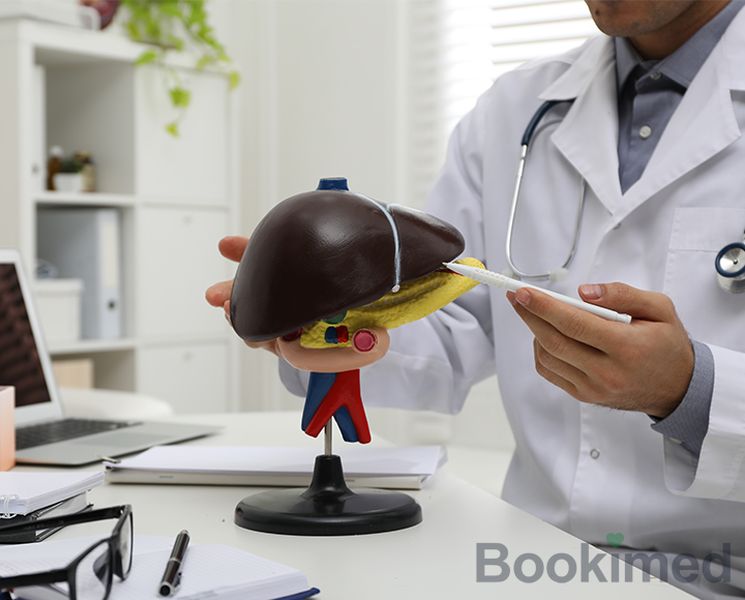
استئصال الكبد
يتضمن استئصال الكبد، والمعروف أيضًا باسم استئصال الكبد، استئصال جزء من الكبد جراحيًا لعلاج أورام الكبد أو غيرها من الحالات المرضية المتعلقة بالكبد.
أسئلة متكررة حول استئصال الكبد في ألمانيا
هل يتعين على المرضى الدوليين دفع تكاليف العلاج مقدماً؟
يجب على المرضى الدوليين الذين يسعون لإجراء استئصال الكبد في ألمانيا عادةً دفع التكاليف التقديرية للعلاج بالكامل قبل وصولهم. تتطلب المستشفيات الألمانية تصريحاً مالياً، مثل التحويل المصرفي أو ضمان السفارة، لتأكيد المواعيد للعمليات الجراحية الاختيارية الكبرى وتأمين الموارد الطبية اللازمة.
- متطلبات الدفع: يجب على المرضى الذين يدفعون على نفقتهم الخاصة تحويل 100% من التكلفة التقديرية للجراحة قبل تحديد الموعد.
- التحقق من الفواتير: تتطلب مستشفيات مثل شاريتيه برلين أو سولينجن إثباتاً مالياً قبل تأكيد مواعيد الجراحة.
- إعفاء التأمين: يتم التنازل عن الدفع النقدي المسبق إذا قدمت شركة تأمين معتمدة خطاب ضمان.
- حالة الطوارئ: يتم إجراء التثبيت الفوري المنقذ للحياة بغض النظر عن الدفع، متبوعاً بإجراءات الفوترة القياسية.
رؤية خبير Bookimed: بينما يعتقد الكثيرون أن جميع العيادات الألمانية تتبع نفس نظام الفوترة، غالباً ما يكون لدى المستشفيات الجامعية مثل شاريتيه - جامعة برلين الطبية متطلبات إيداع مسبق أكثر صرامة مقارنة بالعيادات البلدية. من $18,000.
إجماع المرضى: يجد المرضى الذين يخططون لعلاجهم أن العيادات المتخصصة تعطي الأولوية لأولئك الذين لديهم تحويلات مؤكدة. ينصح معظمهم بطلب تقدير مفصل في وقت مبكر لتجنب التأخير في حالات الأورام عالية الخطورة.
ما هي معدلات النجاح المتوقعة لاستئصال الكبد في العيادات الألمانية؟
تصل معدلات نجاح استئصال الكبد في العيادات الألمانية إلى 85% إلى 90% للحالات الحميدة و70% إلى 80% للأورام الخبيثة. تحقق المراكز ذات الحجم الكبير مثل مستشفى شاريتيه برلين أو سولينغن معدلات إزالة كاملة للورم بنسبة 97% باستخدام تقنيات تنظير البطن وبروتوكولات جراحية كبدية صفراوية متخصصة.
- البقاء على قيد الحياة من الناحية الأورامية: يصل معدل البقاء على قيد الحياة لمدة 5 سنوات لمرضى النقائل القولونية المستقيمة إلى 64% في المراكز الألمانية المتخصصة.
- معدل الوفيات في المستشفيات: تحافظ المرافق المتخصصة على معدلات وفيات منخفضة تبلغ 4.6% لعمليات الاستئصال الخبيثة المعقدة.
- سرطان الكبد الأولي: يتراوح معدل البقاء على قيد الحياة لمدة 5 سنوات لسرطان الخلايا الكبدية من 30% إلى 63% بعد الجراحة.
- الدقة الجراحية: تقلل أساليب تنظير البطن في العيادات المتميزة معدلات المضاعفات الكبرى إلى 5% فقط.
رؤية خبير Bookimed: تظهر البيانات فجوة كبيرة في الأداء بين المستشفيات العامة والمراكز ذات الحجم الكبير. في ألمانيا، تنخفض معدلات الوفيات لجراحات سرطان الكبد بنسبة تقارب 40% عند إجرائها في مرافق تتعامل مع أعداد كبيرة من المرضى. تستخدم عيادات مثل شاريتيه برلين، التي تخدم أكثر من 800,000 مريض سنوياً، الذكاء الاصطناعي والجراحة الروبوتية للتعامل مع حالات غالباً ما تُعتبر غير قابلة للجراحة في أماكن أخرى.
إجماع المرضى: يؤكد المرضى أن النجاح يعتمد بشكل كبير على معدل استئصال R0، الذي يشير إلى الإزالة الكاملة للورم. يسلط الكثيرون الضوء على راحة البال التي تو
ما هي المخاطر الرئيسية بعد استئصال الكبد؟
تشمل المخاطر الرئيسية بعد استئصال الكبد فشل الكبد بعد استئصال الكبد، وتسرب الصفراء، والنزيف الجراحي الكبير. تظل معدلات النجاح مرتفعة في المراكز الألمانية مثل شاريتيه أو سولينجن، حيث تدير فرق الأورام متعددة التخصصات خطر حدوث مضاعفات بنسبة 20 إلى 30 بالمائة من خلال التصوير ثلاثي الأبعاد المتقدم والمراقبة.
- فشل الكبد: يحدث إذا لم تتمكن الأنسجة المتبقية من دعم وظائف الحياة، مما يسبب اليرقان أو الاستسقاء.
- تسرب الصفراء: قد تتسرب السوائل من القنوات التالفة إلى البطن، مما يتطلب تصريفًا خارجيًا طويل الأمد.
- النزيف الداخلي: تزيد الطبيعة الوعائية للكبد من مخاطر النزيف خلال الـ 48 ساعة الأولى.
- مشاكل الجهاز التنفسي: قد يحدث تراكم السوائل حول الرئتين أو الالتهاب الرئوي بسبب تقييد التنفس.
- خطر العدوى: يتطلب احتمال حدوث خراجات داخل البطن أو عدوى في موقع الجراحة بعد الخروج مراقبة مستمرة.
رؤية خبير Bookimed: تحافظ المستشفيات الجامعية الألمانية على معايير سلامة عالية من خلال استخدام مراكز متخصصة معتمدة من قبل الجمعية الألمانية للسرطان. تظهر البيانات أن عيادات مثل بريمن-ميته أو سولينجن تجري هذه العمليات الجراحية المعقدة بشكل متكرر، وغالبًا ما تدمج متخصصين في جراحة زراعة الأعضاء والجراحة الحشوية. هذه الخبرة المزدوجة بالغة الأهمية لأن الجراحين ذوي الخبرة في زراعة الأعضاء مجهزون بشكل فريد لإدارة التعقيدات الوعائية ومتطلبات التجديد لاستئصال الكبد الكبير.
إجماع المرضى: غالبًا ما يقلق المرضى أكثر بشأن خلل وظائف الكب
ما مقدار الكبد الذي يمكن إزالته بأمان وهل سيتجدد؟
يمكن للجراحين إزالة ما يصل إلى 75% من الكبد السليم بأمان. تتجدد الأنسجة المتبقية بسرعة، وعادة ما تستعيد 75-90% من كتلتها الأصلية في غضون 3 أشهر. تعتمد السلامة على بقايا الكبد المستقبلية، والتي تتطلب ما لا يقل عن 30% من الحجم للحفاظ على الوظائف الأيضية الحيوية أثناء التعافي.
- الجدول الزمني للتجديد: يبدأ النمو الأولي على الفور، مع استعادة معظم الحجم في غضون 8 إلى 12 أسبوعًا.
- التعافي الوظيفي: بينما يعود الحجم بسرعة، تستغرق الوظيفة الكيميائية الحيوية والأيضية الكاملة عادةً من 3 إلى 6 أشهر.
- الحد المسموح به للمرضى: يحتاج المرضى الذين يعانون من تليف الكبد أو الكبد الدهني إلى بقايا أكبر بنسبة 40-50% من أجل السلامة.
- عامل الأمان: تضمن التصوير الدقيق قبل الجراحة الحفاظ على تدفق الدم إلى الجزء المتبقي من الكبد.
رؤية خبراء Bookimed: تستخدم المستشفيات الجامعية الألمانية مثل شاريتيه أو المراكز المتخصصة مثل بريمن-ميته نهجًا مرحليًا للحالات المعقدة. قد يقوم الجراحون بإجراء انصمام الوريد البابي قبل أسابيع من الجراحة. تعمل هذه التقنية على تنمية الجزء السليم من الكبد عمدًا بينما يظل الورم في الجانب الآخر. هذا النمو الاستباقي يجعل عمليات الاستئصال الضخمة أكثر أمانًا للمريض بشكل ملحوظ.
إجماع المرضى: غالبًا ما يقلق المرضى بشأن النسبة المئوية الدقيقة التي تمت إزالتها، لكن التجربة تظهر أن جودة الكبد تهم أكثر من الحجم المحدد. يبلغ الكثيرون عن شعورهم بالتعافي الوظيفي قبل وقت طويل من إظهار صورهم أن الكبد قد نما بالكامل مرة أخرى.
ما هي التقنيات المتقدمة المستخدمة لاستئصال الكبد في ألمانيا؟
يستخدم استئصال الكبد المتقدم في ألمانيا أنظمة مساعدة روبوتية، وملاحة رقمية ثلاثية الأبعاد، وبروتوكولات تجديد مرحلية مثل ALPPS. تستخدم مراكز الكبد والقنوات الصفراوية الألمانية، التي غالبًا ما تكون معتمدة من قبل الجمعية الألمانية للجراحة العامة وجراحة الأحشاء، فلورة الإندوسيانين الأخضر وأجهزة الشفط الجراحي بالموجات فوق الصوتية لزيادة الدقة مع الحفاظ على الأنسجة السليمة.
- المنصات الروبوتية: يستخدم الجراحون أنظمة DaVinci أو Hugo RAS لقطاعات الكبد الخلفية العلوية.
- الملاحة الرقمية: تقوم النمذجة ثلاثية الأبعاد وتراكبات الواقع المعزز بتحديد مواقع الأورام بدقة أثناء الجراحة.
- قطع المتني: يقوم جهاز الشفط الجراحي بالموجات فوق الصوتية (CUSA) بتفتيت الأنسجة مع الحفاظ على الأوعية الدموية الحيوية.
- التجديد المرحلي: يؤدي ALPPS وانصمام الوريد البابي إلى تحفيز نمو سريع لأنسجة الكبد السليمة.
رؤية خبير Bookimed: تعمل المستشفيات الجامعية الألمانية مثل Charite أو Solingen على نطاق واسع، حيث تخدم غالبًا من 60,000 إلى 845,000 مريض سنويًا. يخلق هذا الحجم ميزة متميزة. بينما يعد تنظير البطن الأساسي شائعًا عالميًا، تقوم هذه المراكز ذات الحجم الكبير بشكل روتيني بإجراء عمليات إعادة بناء وعائية معقدة نادرًا ما تحاول العيادات الأصغر القيام بها. في Solingen، يخصص قسم الجراحة ميزانيات متطورة لتوسيع الروبوتات، مما يضمن توافق التكنولوجيا مع خبرة الجراح.
إجماع المرضى: يؤكد المرضى على اختيار المراكز ذات الحجم الكبير بدلاً من التسويق العام لضمان قيام الف
ما هي المستشفيات في ألمانيا التي تعتبر من الطراز الأول لجراحة الكبد؟
تعتبر مستشفى شاريتيه الجامعي في برلين، ومستشفى جامعة هايدلبرغ، ومستشفى جامعة لودفيغ ماكسيميليان في ميونيخ من أفضل المستشفيات في ألمانيا لجراحة الكبد. تتخصص هذه المراكز الأكاديمية في استئصال الكبد المعقد، وعمليات زراعة الأعضاء من متبرعين أحياء، وعلم الأورام بمساعدة الروبوت، وغالباً ما تعمل كمراكز إحالة رئيسية للحالات الكبدية الصفراوية الصعبة في جميع أنحاء أوروبا.
- خبرة متخصصة: تستخدم شاريتيه برلين الذكاء الاصطناعي والجراحة الروبوتية لاستئصال الكبد الورمي بدقة عالية.
- الريادة في زراعة الأعضاء: يتمتع مستشفى جامعة هايدلبرغ بسمعة استثنائية في عمليات زراعة الكبد المعقدة من متبرعين أحياء.
- علم الأورام المعتمد: مركز سولينغن الطبي هو مركز معتمد من قبل الجمعية الألمانية للسرطان ومعترف به من قبل مجلة Focus.
- التشخيص المتقدم: تستخدم عيادة نوردويست في فرانكفورت الموجات فوق الصوتية ثلاثية الأبعاد للتخطيط الجراحي الدقيق للأورام.
رؤية خبير Bookimed: بينما تتعامل المستشفيات الجامعية مثل شاريتيه مع أعلى مستويات التعقيد، توفر المستشفيات التعليمية الأكاديمية مثل مركز سولينغن الطبي حلاً وسطاً استراتيجياً. فهي تحافظ على معايير جراحية عالية وتصنيفات مجلة Focus، ولكنها غالباً ما توفر وصولاً أكثر سهولة للمرضى الدوليين مقارنة بأكبر مراكز الأبحاث الحضرية.
إجماع المرضى: يؤكد المرضى على اختيار المستشفيات الجامعية التي تضم مجالس أورام متعددة التخصصات. يوصي معظمهم بمراكز الإحالة الكبيرة بدلاً من العيادات المحلية عندما تكون الأورام موجودة بالقرب من
ما هو الجدول الزمني للتعافي وجودة الحياة المتوقعة بعد استئصال الكبد؟
يستغرق التعافي الكامل من استئصال الكبد عادةً من 4 إلى 8 أسابيع، حيث يعود معظم المرضى إلى مستويات الطاقة الأساسية في غضون 3 إلى 6 أشهر. وبسبب القدرة التجديدية للعضو، تستعيد الوظيفة الأيضية كفاءتها مع نمو الكبد مجددًا بنسبة تصل إلى 75% من حجمه في غضون 4 أسابيع.
- الإقامة في المستشفى: توقع من 3 إلى 6 أيام من الرعاية الداخلية لمراقبة الألم والحركة.
- الحركة المبكرة: المشي لعدة دورات يوميًا بدءًا من اليوم الأول يمنع الالتهاب الرئوي وتجلط الدم.
- العودة للعمل: يمكن إدارة الوظائف المكتبية بعد شهر إلى شهرين؛ تجنب رفع الأشياء الثقيلة.
- التعافي الغذائي: الغثيان وتغيرات الشهية شائعة في البداية؛ يتم استئناف النظام الغذائي الطبيعي في غضون أسابيع.
رؤية خبير Bookimed: تؤكد المراكز الألمانية مثل مستشفى هيليوس الجامعي في فوبرتال والمركز الطبي في سولينغن على بروتوكول ERAS، الذي يعطي الأولوية للتغذية المبكرة والتقنيات طفيفة التوغل. تظهر البيانات أن العيادات هنا تخدم أكثر من 60,000 مريض سنويًا لأنها تركز على تقليل فترات الإقامة في المستشفى من خلال الجراحة بمساعدة الروبوت. اختيار مستشفى مصنف من قبل Focus غالبًا ما يضمن الوصول إلى جراحين مثل الدكتور بيتر شنكر، المتخصص في تحديث مسارات التعافي بعد الجراحة.
إجماع المرضى: غالبًا ما يكون الأسبوع الأول صعبًا بسبب الألم عند الحركة أو السعال، مما يتطلب مساعدة كبيرة في المهام الأساسية. يذكر المرضى أنه على الرغم من أن التعب يستمر لفترة أطول من المتوقع، إلا أن القدرة على التحمل على المدى الطويل تعود بم
ما هي المستشفيات في ألمانيا التي تحظى بأعلى التقييمات في جراحة الأعصاب؟
تضم ألمانيا بعضًا من أرقى أقسام جراحة الأعصاب في العالم، بقيادة مستشفى شاريتيه الجامعي في برلين ومستشفى جامعة هايدلبرغ. وتتميز هذه المراكز بخبرتها الواسعة في علاج أورام الدماغ المعقدة وأمراض الأوعية الدموية الدماغية. ولتحقيق أقصى قدر من الفعالية في عملياتها، تستخدم هذه المراكز أحدث التقنيات، مثل التصوير بالرنين المغناطيسي أثناء الجراحة والتوجيه العصبي بمساعدة الحاسوب.
- مستشفى شاريتيه برلين: يُجري أكثر من 5000 عملية جراحية سنوياً. ويرأس العيادة جراح الأعصاب الشهير الدكتور بيتر فايكوتشي.
- المركز الطبي في سولينجن: أجرى الدكتور رالف بوهل أكثر من 4000 عملية جراحية، بما في ذلك جراحات العمود الفقري طفيفة التوغل.
- عيادة أسكليبيوس نورد: مجهزة بنظام التصوير بالرنين المغناطيسي الثنائي الوحيد في ألمانيا أثناء الجراحة لضمان الدقة الجراحية في الوقت الحقيقي أثناء إزالة الورم.
- عيادة نوردويست: تم الاعتراف بها من قبل مجلة نيوزويك كمستشفى رائد في مجال الابتكار في تكنولوجيا الموجات فوق الصوتية ثلاثية الأبعاد.
رأي خبراء بوكيمد: تشير البيانات إلى أن اختيار المراكز ذات الحجم الجراحي الكبير غالبًا ما يؤدي إلى توصيات علاجية أكثر تحفظًا. ففي مركز سولينجن الطبي، الذي يعالج أكثر من 60,000 مريض
ما هي نسب نجاح العمليات الجراحية العصبية المعقدة في ألمانيا؟
في ألمانيا، تتميز العمليات الجراحية العصبية بالغة التعقيد بمستوى أمان استثنائي. تصل نسبة نجاح عمليات دمج الفقرات إلى 99%، بينما تبلغ نسبة النجاة بعد استئصال أورام الدماغ الأولية 97%. كما يتمتع المرضى بقدرة عالية على الاعتماد على أنفسهم في أداء وظائفهم اليومية، حيث يغادر أكثر من 82% منهم المستشفى مباشرةً بعد العلاج. وتولي المراكز الألمانية اهتماماً بالغاً بالحفاظ على الوظائف العصبية باستخدام أحدث تقنيات التخطيط العصبي.
- استئصال الورم: يحقق الجراحون استئصالًا كاملاً للورم في 87.2% من حالات النقائل الدماغية.
- النجاح في علاج أمراض الأوعية الدموية: أفادت المستشفيات الألمانية بنسبة نجاة بلغت 98.7% لحالات تمدد الأوعية الدموية غير الممزقة.
- تحسن الحالة العصبية: يشهد ما يقرب من 43% من المرضى تحسناً في المعايير الوظيفية بعد عمليات الاستئصال المعقدة.
- سلامة التدخلات الجراحية: في المراكز الجراحية الكبيرة، تتراوح معدلات بقاء المرضى على قيد الحياة بعد جراحة العمود الفقري بين 98-99%.
رأي خبراء بوكيمد: يُجري جراحون ذوو خبرة، مثل الدكتور أوفه كولر من عيادة أسكليبيوس ألتونا، أكثر من 2000 عملية جراحية سنويًا. تُشير البيانات إلى أن هؤلاء المتخصصين يحافظون على معدلات نجاح تصل إلى 90%، حتى
ما هي التقنيات المتقدمة المتوفرة عادةً في عيادات جراحة الأعصاب الألمانية؟
تُدخل عيادات جراحة الأعصاب الألمانية بانتظام أدوات رقمية عالية الدقة وتقنيات تصوير فوري في الممارسة الجراحية. تشمل التقنيات الرئيسية الملاحة العصبية الحاسوبية لجراحات الدماغ والحبل الشوكي. تستخدم مؤسسات مثل عيادة أسكليبيوس نورد التصوير بالرنين المغناطيسي أثناء الجراحة للتحقق من استئصال الورم في الوقت الفعلي. توفر هذه الأنظمة للجراحين نظام ملاحة ثلاثي الأبعاد.
- الملاحة العصبية: توفر تصورًا ثلاثي الأبعاد وتتبعًا فوريًا للأدوات لتحقيق دقة جراحية تصل إلى مستوى أقل من المليمتر.
- التصوير أثناء العملية: تسمح أنظمة مثل التصوير بالرنين المغناطيسي أثناء العملية (iMRI) والتصوير المقطعي المحوسب ذي الذراع O (O-arm CT) بالتأكيد الفوري على نجاح عملية الاستئصال.
- المراقبة العصبية: تراقب الوظائف الحركية والحسية أثناء الجراحة لحماية الجهاز العصبي.
- التشخيص الفلوري: يتم استخدام صبغة 5-ALA لتسليط الضوء على حدود الورم من أجل إزالته بشكل أكثر اكتمالاً.
- المساعدة الروبوتية: تعمل أنظمة مثل نظام دافنشي على تحسين الدقة في الإجراءات المعقدة ذات التدخل الجراحي البسيط.
رأي خبراء بوكيمد: تُجري مراكز طبية كبيرة، مثل مستشفى شاريتيه الج