عيادات علاج SIRT في تركيا


تمت مراجعة المقالة طبيا من قبل
فهد مولود
ما هي تكلفة علاج SIRT في تركيا؟ اكتشف الآن
من $25,500. تغطي معظم الخطط العلاجية في المراكز الطبية التركية الكريات المجهرية المشعة، وقياس الجرعات، ورسوم الأورام التداخلية، وفترة إقامة قصيرة بالمستشفى.
- نوع التقنية: قد يؤدي استخدام TheraSphere أو SIR-Spheres إلى تفاوت في السعر بنسبة 15-20%.
- موقع المستشفى: غالباً ما تكون تكلفة الباقات في مراكز إسطنبول أعلى مقارنة بمدن مثل سيواس.
- التصوير التشخيصي: تضيف فحوصات PET/CT و MRI قبل العلاج ما يقارب 450 إلى 750 $ لكل منها.
- مستوى الشراكة: تفرض المراكز المرتبطة بـ Johns Hopkins Medicine تكاليف أعلى مقابل خبراتها المتميزة.
رأي خبراء Bookimed: توفر المجمعات الطبية الكبرى في إسطنبول أفضل قيمة لحالات الكبد المعقدة. كان مستشفى ميموريال شيشلي الأول في تركيا الحاصل على اعتماد JCI. يقدم مركز أناضولو الطبي رعاية عالمية عبر ارتباطه المباشر بـ Johns Hopkins. بالنسبة للميزانيات المحدودة، يبلغ سعر العلاج الكامل في ميديبول ميغا عادة حوالي 30,000 $. يدير أخصائيو المركز أكثر من 1,000 مريض يومياً، مما يضمن كفاءة سريرية عالية. يُنصح دائماً بالتحقق مما إذا كان عرض السعر يشمل تصوير الكبد الوعائي وتقييم التحويلة.
| تركيا | إسبانيا | ألمانيا | |
|---|---|---|---|
| علاج SIRT | من $25,500 | من $20,200 | ≈ $17,000 |
مزاياك وضماناتك مع Bookimed
أسعار مباشرة
Bookimed لا يضيف رسوماً إضافية على أسعار علاج SIRT. الأسعار مأخوذة من قوائم الأسعار الرسمية للعيادات. تدفع مباشرة في العيادة مقابل علاج SIRT عند وصولك.
عيادات وأطباء معتمدون فقط
Bookimed ملتزم بسلامتك. نحن نعمل فقط مع المؤسسات الطبية التي تحافظ على معايير دولية عالية في علاج SIRT ولديها التراخيص اللازمة لخدمة المرضى الدوليين في جميع أنحاء العالم.
مساعدة مجانية على مدار الساعة
Bookimed يقدم مساعدة خبراء مجانية. منسق طبي شخصي يدعمك قبل وأثناء وبعد العلاج، ويحل أي مشاكل. لن تكون وحيداً أبداً في رحلة علاج SIRT.

منسقك الطبي الشخصي في Bookimed
- يدعمك في كل مرحلة
- المساعدة في اختيار العيادة الطبية المناسبة والطبيب المناسب
- يضمن الوصول السريع والمريح إلى المعلومات
اكتشف أفضل علاج SIRT العيادات في تركيا: 13 خيارات معتمدة والأسعار











Estophia Hospital

نظرة عامة على علاج SIRT في تركيا
- استئصال سرطان الكبد - من $12,000
يقضي هذا الإجراء على خلايا الكبد الخبيثة ، مما يوفر فرصة للشفاء التام بدقة جراحية.
- علاج SIRT - من $25,500
هذا العلاج هو إجراء قائم على الهدف ، حيث يتم توصيل الإشعاع لأورام الكبد ، مما يضمن الحد الأدنى من التأثير على الأنسجة السليمة.
- استئصال الكبد - من $9,300
يتضمن الإجراء إزالة الأجزاء التالفة من الكبد لمنع انتشار المرض ، مما يضمن تحسين وظائف الكبد.
اليوم الأول: الوصول
- الوصول إلى المنشأة الطبية للتسجيل.
- قابل منسق الرعاية الصحية للإحاطة الأولية.
اليوم 2-3: ما قبل العملية
- استشر الطبيب المعالج فيما يتعلق بالعلاج SIRT.
- إجراء الفحوصات اللازمة بما في ذلك فحوصات الدم والتصوير.
- حضور تقييم ما قبل العلاج مع أخصائي الطب النووي.
اليوم الرابع: علاج SIRT
- احضر صائماً في يوم العملية.
- احصل على مهدئ خفيف للراحة.
- الإجراء الذي يستمر من ساعة إلى ساعتين يقوم به أخصائي.
- بعد العملية ، ستتم ملاحظتك لبضع ساعات.
اليوم 5-7: ما بعد العملية
- البقاء في العيادة للمراقبة والتعافي.
- استشر الفريق الطبي بانتظام للحصول على التحديثات.
- استأنف تدريجيًا الأنشطة الخفيفة بالشكل الذي يسمح به.
الأسبوع 1-2: إعادة التأهيل
- حضور مواعيد المتابعة مع فريق العلاج.
- زيادة الأنشطة البدنية تدريجيًا على النحو الذي يسمح به.
- بحلول الأسبوع الثاني ، يمكن لمعظم المرضى العودة إلى العمل.
الأسبوع 3-4: إعادة التأهيل
- تواصل مع مواعيد المتابعة المنتظمة.
- بحلول الأسبوع الرابع ، يمكن للمرضى استئناف الرياضة والأنشطة الأخرى.
يرجى ملاحظة أن هذا دليل عام وقد تختلف الخبرات الفردية. دائما استشر مقدم الرعاية الصحية الخاص بك للحصول على مشورة شخصية.
- إيداع Bookimed: 200 دولار أو 200 يورو.
- وديعة العيادة: ادفع نسبة محددة مقدمًا.
احصل على تقييم طبي لـ علاج SIRT في تركيا: اختر أخصائيك من بين الأفضل في هذا المجال
عرض جميع الأطباء
Mustafa Solak
يتخصص الدكتور صولاك في علاج SIRT لمختلف أنواع السرطان، وقد تدرب في معهد السرطان بجامعة حاجيتيب ومركز إم دي أندرسون للسرطان.
- خبرة في سرطانات الثدي والخصية والمبيض والرئة والجهاز الهضمي
- أكمل زمالة في معهد السرطان المرموق بجامعة حاجيتيب
- تدرب في مركز إم دي أندرسون للسرطان بجامعة تكساس
- أكمل فترة الإقامة في مستشفى إسطنبول شيشلي إتفال للتدريب والبحوث

Mustafa Serkan Alemdar
يتخصص الدكتور علمدار في علاج SIRT مع تدريب مكثف في مستشفى جامعة أكدينيز.
- حاصل على شهادة البورد في الأورام الطبية منذ عام 2018
- أكثر من _doctor_9570_سنوات_ من الخبرة في علم الأورام
- يعمل في مجمع مستشفيات ميديكال بارك أنطاليا
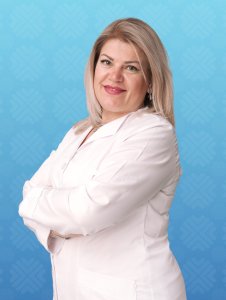
Gul Alco
الأستاذة الدكتورة غُل ألتشو أخصائية علاج الأورام بالإشعاع ولديها خبرة تقارب 27 عاماً. تعالج سرطانات الثدي والرئة والبروستاتا والجهاز الهضمي والأورام النسائية والجهاز العصبي المركزي والرأس والعنق والأنسجة الرخوة والعظام باستخدام العلاج الإشعاعي.
تشمل خبرتها العلاج الإشعاعي التكيفي والجراحة الإشعاعية. تستخدم تقنيات إشعاعية متقدمة لتقديم رعاية مخصصة قائمة على الأدلة ضمن بيئة متعددة التخصصات محورها المريض.
Abdullah Sakin
الأستاذ الدكتور عبد الله ساكن أستاذ طب الأورام. يعالج الأورام الصلبة، بما في ذلك سرطانات الرئة والثدي والجهاز الهضمي والجهاز البولي التناسلي والنسائية، وسرطانات الرأس والعنق، والميلانوما.
يقدم رعاية شخصية قائمة على الأدلة. تشمل علاجاته العلاج الكيميائي والعلاج الموجّه والعلاج المناعي والعلاج الهرموني وطب الأورام الدقيق. ألّف أكثر من 200 منشور علمي ويشارك في أبحاث سريرية دولية، ما يسهم في تطوير رعاية سرطان تتمحور حول المريض.
قصص فيديو من مرضى Bookimed
المراجعات
جميع المراجعاتمشاركة المحتوى
 Anna Leonova
أسئلة متكررة حول علاج SIRT في تركيا
ما هو علاج SIRT بالضبط وكيف يعمل؟
العلاج الإشعاعي الداخلي الانتقائي (SIRT) هو علاج موجه لأورام الكبد يقوم بتوصيل كريات مجهرية مشعة من الإيتريوم-90 (Y-90) مباشرة عبر الشريان الكبدي. وهو يستغل بيولوجيا الورم لتدمير السرطان من الداخل باستخدام إشعاع بيتا الموضعي مع الحفاظ على أنسجة الكبد السليمة والأعضاء المحيطة.
- التوصيل المباشر: يقوم أخصائيو الأشعة بتوجيه قسطرة عبر الفخذ إلى الشريان الكبدي.
- حقن الكريات المجهرية: تستقر ملايين الحبيبات المجهرية من Y-90 بشكل دائم في الأوعية التي تغذي الورم.
- الإشعاع الموضعي: ينتقل إشعاع بيتا لمسافة ملليمترات فقط، مما يمنع تلف الأنسجة السليمة البعيدة.
- تأثير مزدوج: يعمل الإجراء في الوقت نفسه على حرمان الأورام من الدم مع توفير علاج إشعاعي داخلي مكثف.
رؤية خبراء Bookimed: تهيمن تركيا على هذا المجال عالمياً، حيث تحتل المرتبة الأولى بـ 388 عيادة و7,760 طلباً تمت تلبيته. تحافظ مراكز الخبرة مثل مركز الأناضول الطبي على شهادة IASIOS، مما يثبت أنها تلبي أعلى المعايير الأوروبية في طب الأورام التداخلي. غالباً ما يختار المرضى إسطنبول لأن المراكز المتخصصة هناك تقدم فحوصات SPECT متقدمة لمنع تسرب الإشعاع إلى الرئتين أو الأمعاء.
إجماع المرضى: توقع أعراضاً تشبه إنفلونزا الإشعاع بما في ذلك الحمى والغثيان بين اليوم الثالث والسابع. يشعر معظم المرضى بالارتياح لاكتشاف أن SIRT يوفر فوائد تلطيفية تطيل العمر مع تأثير جهازي أقل بكثير من العلاج الكيميائي التقليدي.
ما هو معدل نجاح العلاج الإشعاعي الانتقائي الداخلي (SIRT) في علاج سرطان الكبد؟
تتراوح معدلات نجاح SIRT لسرطان الكبد عادةً بين 70% إلى 90% للسيطرة على المرض. يُظهر سرطان الكبد الأولي (HCC) معدلات استجابة موضوعية تتراوح بين 50% و78%. سريرياً، يعمل SIRT كجسر لعملية الزرع في 10% إلى 39% من الحالات التي كان يتعذر استئصالها سابقاً.
- معدل السيطرة على المرض: يصل إلى 70% إلى 90% عبر أنواع مختلفة من الأورام بما في ذلك الحالات النقيلية.
- الاستجابة لسرطان الكبد الأولي (HCC): يحدث انكماش موضوعي للورم في 50% إلى 78% من حالات سرطان الكبد الأولي.
- الأورام العصبية الصماوية: لوحظت استجابة استثنائية مع معدلات سيطرة على المرض تصل إلى 86% إلى 94%.
- نجاح خفض المرحلة (Downstaging): يصبح ما يصل إلى 39% من المرضى مؤهلين للجراحة بعد انكماش الورم.
رؤية خبير Bookimed: يعتمد النجاح مع SIRT في تركيا غالباً على قياس الجرعات الشخصي، والذي يمكن أن يضاعف معدلات الاستجابة من 36% إلى 71%. تحافظ مرافق مثل مركز الأناضول الطبي على شهادة IASIOS لعلم الأورام التداخلي. وهذا يضمن التزامهم بالمعايير الأوروبية المحددة المطلوبة لرسم خرائط الإشعاع الدقيقة وتوزيع الخرز.
إجماع المرضى: يجد العديد من المرضى أن SIRT يعمل كجسر فعال لزراعة الكبد. ويؤكدون أن تتبع علامات الورم شهرياً أمر ضروري لأن التطور المبكر يمكن أن يحدث حتى بعد النجاح الأولي.
من هو المرشح المثالي لهذا العلاج؟
يشمل المرشحون المثاليون لعلاج SIRT في تركيا المرضى الذين يعانون من سرطان الكبد الأولي في مرحلة متوسطة أو النقائل القولونية المستقيمة التي لا يمكن استئصالها. يجب أن يظهر المرضى المناسبون وظائف كبد محفوظة، وعادة ما تكون من فئة Child-Pugh A أو B، وحالة أداء جيدة. يستفيد إجراء الأشعة التداخلية هذا من مجهريات Y-90 لاستهداف الأورام مباشرة.
- نوع الورم: سرطان الخلايا الكبدية الأولي أو المرض النقيلي السائد في الكبد من أصل قولوني مستقيمي أو غدي صماوي.
- وظائف الكبد: يتطلب درجات Child-Pugh A أو B لضمان تحمل الكبد للإشعاع.
- حالة الأداء: يجب أن يكون لدى المرضى درجة ECOG من 0 إلى 1 للتعافي الأمثل.
- مدى المرض: تحدث أفضل النتائج عندما يقتصر السرطان على الكبد دون انتشار واسع.
رؤية خبير Bookimed: في حين أن SIRT غالبًا ما يكون الملاذ الأخير، تستخدمه المراكز ذات الحجم الكبير مثل مركز الأناضول الطبي كجسر لعملية الزرع. يضمن ارتباطهم بـ Johns Hopkins أن البروتوكولات تعكس المعايير الأمريكية. لا يزال المرضى الذين يعانون من تجلط الوريد البابي أحادي الجانب مرشحين هنا، في حين قد ترفض العديد من العيادات الصغيرة هذه الحالات المعقدة.
إجماع المرضى: يؤكد المرضى أن إجراء فحص PET-CT كامل في تركيا أمر حيوي قبل البدء. أفاد الكثيرون أن الأفراد الأصغر سنًا والأكثر لياقة تحت سن 70 يميلون إلى التعافي بشكل أسرع بكثير بعد حقن المجهريات.
ما هي الآثار الجانبية الشائعة؟
تتضمن الآثار الجانبية الشائعة لعلاج SIRT في تركيا بشكل أساسي متلازمة ما بعد الانصمام الإشعاعي، والتي تتميز بالتعب المؤقت، والغثيان الخفيف، وعدم الراحة في البطن. يعاني معظم المرضى من هذه الأعراض حيث تستهدف الكريات المجهرية المشعة أورام الكبد مع الحفاظ على الأنسجة السليمة أثناء عملية الإشعاع الداخلي هذه.
- متلازمة ما بعد الانصمام الإشعاعي: تعب مؤقت، غثيان، وحمى خفيفة تحدث بعد فترة وجيزة من العلاج.
- أعراض الجهاز الهضمي: ألم خفيف في البطن أو فقدان الشهية يزول عادة في غضون أيام.
- وظائف الكبد: تتطلب التغيرات قصيرة المدى في إنزيمات الكبد المراقبة من خلال اختبارات الدم المتابعة.
- احتياطات الإشعاع: تنصح البروتوكولات الصارمة بتجنب الاتصال الوثيق مع الأطفال لمدة 7 أيام.
رؤية خبير Bookimed: بينما يركز الكثيرون على يوم الإجراء، فإن فترة التعافي هي المكان الذي تهم فيه الجودة. تدمج مراكز إسطنبول الرائدة مثل مركز الأناضول الطبي أو Medipol Mega اختبارات دم الكبد الأساسية في بروتوكولات SIRT القياسية الخاصة بها. يسمح هذا النهج القائم على البيانات لأخصائيي الأشعة بمعايرة جرعات النظائر بدقة، مما يقلل بشكل كبير من شدة التعب بعد الإجراء مقارنة بالعيادات التي لا تحتوي على أقسام متكاملة للأورام والأشعة.
إجماع المرضى: يؤكد العديد من المرضى على أهمية التخطيط لفترة تتراوح بين 1 إلى 4 أسابيع من التعب الشديد. البقاء رطبًا وتوفر أدوية مضادة للغثيان هي التوصيات العملية الأكثر شيوعًا التي يشاركها أولئك الذين تلقوا العلاج.
كم تستغرق العملية وما هي فترة التعافي؟
يتطلب علاج SIRT في تركيا عادةً من 30 إلى 120 دقيقة للإجراء الفعلي، على الرغم من أن المرضى يبقون في العيادة طوال اليوم للتحضير والمراقبة. يتضمن التعافي الفوري تعبًا وغثيانًا يمكن السيطرة عليهما لمدة أسبوع إلى أسبوعين، مع عودة النشاط الكامل في غضون 8 إلى 12 أسبوعًا.
- مدة الإجراء: يستغرق القسطرة الفعلية من 30 إلى 120 دقيقة ضمن موعد عيادة ليوم كامل.
- الإقامة في المستشفى: يخضع معظم المرضى لهذا كإجراء خارجي مع عدة ساعات من المراقبة.
- التعافي الفوري: توقع أسبوعًا إلى أسبوعين من التعب والغثيان الخفيف كأعراض رئيسية.
- قيود النشاط: يجب على المرضى تجنب رفع الأثقال أو التمارين الشاقة لمدة أسبوع إلى أسبوعين.
- الجدول الزمني طويل الأمد: تتحسن مستويات الطاقة تدريجيًا بحلول الأسبوع السادس، مع التعافي الكامل بحلول الشهر الثالث.
رؤية خبير Bookimed: يتصدر مركز الأناضول الطبي ومستشفى ميموريال شيشلي في حجم عمليات SIRT، مستفيدين من اعتماد JCI والارتباطات الدولية مثل جونز هوبكنز. تظهر البيانات أن هذه المراكز تعطي الأولوية لعملية من مرحلتين: أسبوع محاكاة مفصل يليه توصيل الإشعاع الفعلي. هذا النهج المرحلي هو السبب في أنه يجب على المرضى التخطيط لإقامة من 7 إلى 10 أيام في إسطنبول لضمان رسم خرائط دقيقة للجرعة والسلامة.
إجماع المرضى: غالبًا ما يبلغ المرضى عن تعب مستمر خلال الشهر الأول ويؤكدون على الحاجة إلى الراحة المخطط لها مسبقًا. لاحظ الكثيرون أن استجابة الورم ليست فورية، حيث يعمل الإشعاع تدريجيًا على مدى عدة أشهر بعد ال