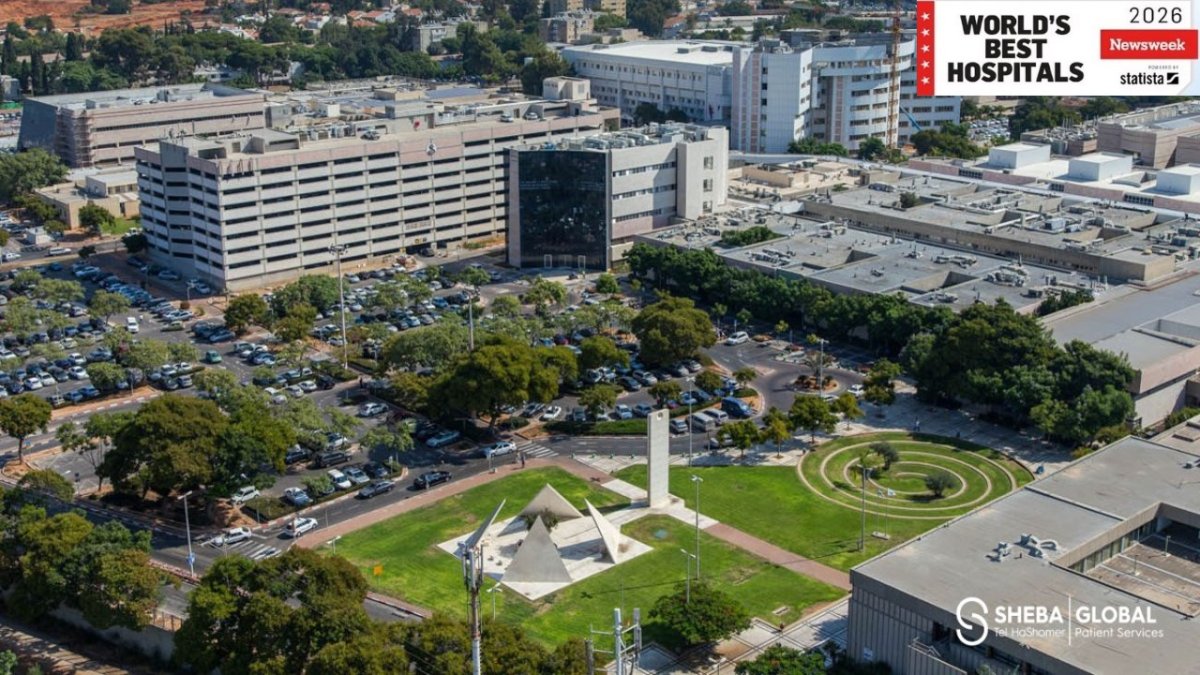
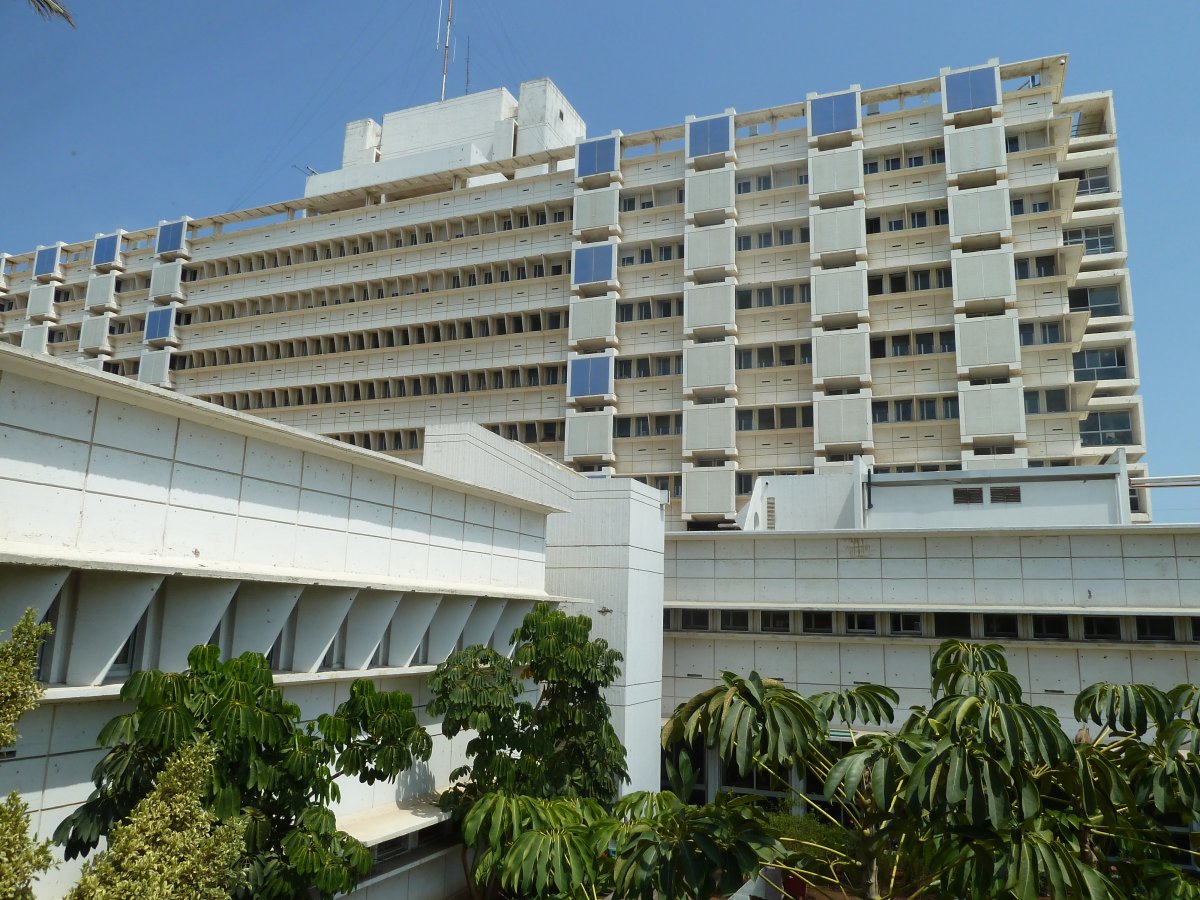
Sourasky Medical Center (Ichilov)
إسرائيل, Tel Aviv
Orit Gutfeld
27سنة خبره ١٦ سنة

العيادة معتمدة من قبل : 




تمت مراجعة المقالة طبيا من قبل
فهد مولود
من $1,500. تعتمد النفقات الإجمالية على مرحلة الورم، وضرورة إجراء جراحة ترميمية معقدة، وما إذا كانت المنشأة عامة أم خاصة. تتركز الرعاية عالية الجودة لهذه الحالة بشكل أساسي في تل أبيب والقدس وحيفا.
تكاليف علاج سرطان اللسان النموذجية في إسرائيل
رؤية خبراء Bookimed: يستفيد المرضى الذين يحتاجون إلى تدخلات معقدة في الرأس والرقبة من النهج متعدد التخصصات في مركز سوراسكي الطبي، والذي يسجل معدل نجاح في علاج الأورام بنسبة 90%. بالنسبة لأولئك الذين يعطون الأولوية لمرونة الاختيار، يوفر مركز أسوتا الطبي مسارات جراحية خاصة بمعايير معتمدة من اللجنة الدولية المشتركة (JCI). غالبًا ما تتطلب الحالات المتقدمة فرقًا متخصصة؛ ويوفر مركز هداسا الطبي إمكانية الوصول إلى أخصائيين مدرجين في قائمة فوربس وخبرة جراحية واسعة للحالات الأورام النادرة.
| إسرائيل | تركيا | إسبانيا | |
|---|---|---|---|
| استئصال سرطان اللسان | ≈ $24,000 | من $8,300 | من $24,000 |
| استئصال اللسان الجزئي | ≈ $12,500 | ≈ $4,500 | ≈ $7,500 |
| Halcyon (هالسيون) | ≈ $14,000 | ≈ $9,500 | ≈ $6,500 |

البروفيسور نادير أربر هو أخصائي وباحث رائد في مجال الوقاية من السرطان، ويركز على طرق الكشف المبكر. يرأس مركز الوقاية المتكاملة من السرطان في مركز سوراسكي الطبي.
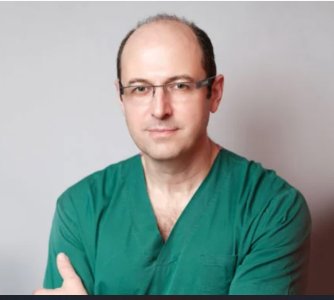
الدكتور يوري غولدس جرّاح عام يتمتع بأكثر من 20 عامًا من الخبرة السريرية. يختص بجراحات الجهاز الهضمي العلوي وجراحة الأورام. يشغل منصب نائب مدير قسم الجراحة العامة وزراعة الأعضاء في مركز شيبا الطبي بتل أبيب، ويرأس وحدة جراحة الجهاز الهضمي العلوي. أُدرِج ضمن قائمة أفضل أطباء فوربس إسرائيل لعام 2025، ومُصنّف ضمن أفضل جراحي الجهاز الهضمي في إسرائيل بحسب فوربس. في 2019، نال جائزة «طبيب العام» من وزارة الصحة الإسرائيلية.
خبير في الجراحة طفيفة التوغل والمتقدمة والروبوتية. يعالج فتق الحجاب الحا
الدكتورة أوريت غوتفيلد هي أخصائية رائدة في الأورام الخبيثة في الرأس والرقبة، وتتمتع بخبرة سريرية تزيد عن _doctor_235_عاماً_ في مجال الأورام.

البروفيسور دان فليس هو أخصائي أورام جراحي رائد في الرأس والرقبة في مركز سوراسكي الطبي.
 Anna Leonova
يتضمن علاج سرطان اللسان الأساسي في إسرائيل بروتوكولات متعددة التخصصات تركز على استئصال الورم والحفاظ على الوظائف. يعطي الجراحون الأولوية للجراحة الروبوتية عبر الفم باستخدام نظام da Vinci للدقة. تضمن علاجات الإشعاع المتقدمة مثل IMRT والجراحة المجهرية الترميمية المتخصصة احتفاظ المرضى بقدرات الكلام والبلع.
رؤية خبير Bookimed: تبلغ مراكز الأورام الإسرائيلية مثل مركز شيبا الطبي ومركز سوراسكي الطبي عن معدلات نجاح عالية لأنها تدمج الجراحة الروبوتية مع إعادة التأهيل الفوري. تظهر البيانات أن شيبا يدير أكثر من 45,000 عملية سنوية بينما يحافظ سوراسكي على معدل نجاح أورام بنسبة 90%. يسمح هذا الحجم الكبير للجراحين بإتقان تقنيات الترميم التي تحسن بشكل كبير جودة الكلام بعد الجراحة.
إجماع المرضى: يؤكد المرضى على بدء علاج الكلام والبلع قبل بدء الجراحة. ويشيرون إلى أن اختيار المراكز ذات الفرق متعددة
تؤثر جراحة سرطان اللسان في إسرائيل مؤقتًا على الكلام والبلع. يلاحظ معظم المرضى تحسنًا ملحوظًا في غضون 12 أسبوعًا مع انحسار التورم. يعتمد النجاح على حجم الورم والتقنية الجراحية. يستخدم المتخصصون استئصال اللسان الجزئي للحفاظ على الأنسجة وتعظيم وظيفة الفم على المدى الطويل.
رؤية خبير Bookimed: تعطي مراكز الأورام الإسرائيلية مثل Sourasky أو Sheba الأولوية للدقة للحفاظ على جودة الحياة. يتخصص جراحون مثل البروفيسور دان فليس في أورام الوجه والفكين لضمان الحفاظ على الكلام. تظهر البيانات أن المؤسسات التي تجري أكثر من 34,000 عملية سنويًا تتمتع بنجاح أعلى في عمليات إعادة البناء المعقدة. غالبًا ما تجمع هذه المرافق بين الجراحة ورسم الخرائط الجينومية المتقدمة للحد من إزالة الأنسجة.
إجماع المرضى: يشير المرضى إلى أنه على الرغم من أن الشهر الأول يمثل تحديًا جسديًا، إلا أن البلع يتعافى عادةً بشكل أسرع من وضوح الكلام. يؤكد الكثيرون أن البدء الفوري في علاج النطق المهني ضروري للحصول على أفضل النتائج على المدى الطويل.
تُبلغ المراكز الطبية الإسرائيلية الكبرى عن متوسط نسبة نجاح تبلغ 90% لعلاجات الأورام. يحقق مرضى سرطان اللسان في المراحل المبكرة معدلات بقاء على قيد الحياة لمدة 5 سنوات تتراوح بين 83% و90%. يعتمد النجاح في الحالات المتقدمة على مدى إصابة العقد الليمفاوية والتدخل الجراحي الفوري في مراكز متعددة التخصصات.
رؤية خبير Bookimed: بينما يصنف مركز شيبا الطبي ضمن أفضل 10 مستشفيات على مستوى العالم، يخدم مركز سوراسكي الطبي أكثر من 400,000 مريض بنسبة نجاح ثابتة في الأورام تبلغ 90%. يجب على المرضى الذين يسعون للحصول على أعلى معدلات النجاح إعطاء الأولوية للعيادات التي تدمج الجراحة الروبوتية مع العلاج الإشعاعي الدقيق، حيث أن هذه التقنيات هي المعيار في المراكز الإسرائيلية المعتمدة من قبل JCI.
إجماع المرضى: يشير المرضى إلى أن الكشف المبكر هو العامل الأكثر أهمية للحصول على نتيجة إيجابية. ويؤكدون على مناقشة النتائج الوظيفية، مثل الحفاظ على الكلام والبلع أثناء الجراحة، بدلاً من مجرد إحصائيات البقاء على قيد الحياة.
يُعد مركز سوراسكي الطبي ومركز شيبا الطبي أفضل المستشفيات الإسرائيلية لعلاج سرطان اللسان. توفر هذه المرافق المعتمدة من قبل اللجنة الدولية المشتركة (JCI) عمليات استئصال اللسان المتقدمة وإعادة البناء المجهري للأوعية الدموية للحفاظ على القدرة على الكلام. وهي توفر رعاية متخصصة متعددة التخصصات تشمل جراحي الأنف والأذن والحنجرة وأطباء الأورام داخل أقسام أورام ذات حجم عمل كبير.
رؤية خبير Bookimed: تظهر البيانات تمييزًا واضحًا بين المراكز العامة مثل شيبا والمرافق الخاصة مثل أسوتا. يخدم مركز شيبا أكثر من 1,900,000 مريض سنويًا وهو رائد في العلاجات المناعية المعقدة. تتخصص أسوتا في فترات انتظار أقصر للجراحة. قد يكون اختيار أسوتا أسرع إذا كنت بحاجة إلى تدخل جراحي فوري من قبل أستاذ معين.
إجماع المرضى: غالبًا ما يذكر المرضى احترافية الفرق الطبية. ويشيرون إلى أن إجراء جميع الاختبارات التشخيصية في مبنى واحد يوفر وقتًا كبيرًا خلال أسابيع
يتطلب علاج سرطان اللسان في إسرائيل عادةً إقامة تتراوح بين 14 إلى 28 يومًا. تغطي هذه الفترة التشخيص المتقدم، والجراحة، والتعافي الأولي الحرج. غالبًا ما تخرج المراكز الكبرى مثل سوراسكي أو شيبا مرضى الجراحة في غضون 7 أيام. تستمر رعاية المتابعة المحلية لمدة أسبوعين إضافيين.
رؤية خبير Bookimed: تعمل المراكز الطبية الإسرائيلية مثل شيبا وسوراسكي على نطاق واسع، حيث يخدم شيبا مليوني مريض سنويًا. هذا الحجم الكبير يعني أن فرق الأورام لديهم ترى حالات معقدة في الرأس والرقبة يوميًا. يجب على المرضى التحقق مما إذا كان جراحهم، مثل الدكتور دان فليس، مدرجًا في قائمة فوربس لأفضل الأطباء. غالبًا ما يقوم هؤلاء المتخصصون ذوو التصنيف العالي بتبسيط الانتقال من 7 أيام من الرعاية الداخلية إلى الرعاية الخارجية من خلال تقنيات روبوتية متقدمة.
إجماع المرضى: يشير المرضى إلى أنه من المفيد البقاء بالقرب من المستشفى في تل أبيب أو رمات غان بعد الخروج. ويؤكدون أنه على الرغم من قصر فترة الإقامة الجراحية، فإن وجود قاعدة محلية خلال الأيام الـ 14 الأولى أمر حيوي
تُعدّ إسرائيل مركزًا رائدًا في جراحة الأعصاب بفضل مزيجها من التطورات الطبية عالية التقنية والخبرات الجراحية المتميزة. وتستخدم مرافق متطورة مثل مركز شيبا الطبي أنظمة ملاحة تعتمد على الذكاء الاصطناعي والتصوير بالرنين المغناطيسي أثناء الجراحة في الوقت الفعلي. وتشير المراكز المتخصصة إلى نسبة نجاح تصل إلى 98% في العمليات الجراحية المعقدة، بما في ذلك جراحة الدماغ مع اليقظة وعلاج اضطرابات الحركة.
رأي خبراء بوكيمد: تُظهر البيانات فرقًا واضحًا بين خيارات العلاج في القطاعين العام والخاص في إسرائيل. تُجري المراكز الخاصة، مثل مركز أسوتا الطبي، أكثر من 92,000 عملية جراحية سنويًا، وتتيح للمرضى اختيار جراح را
يعالج جراحو الأعصاب الإسرائيليون طيفاً واسعاً من الحالات، بدءاً من أورام الدماغ والحبل الشوكي وصولاً إلى الاضطرابات الوظيفية المعقدة. وتستخدم المراكز المتخصصة أحدث التقنيات، مثل جهاز جاما نايف، والتحفيز العميق للدماغ، والتصوير بالرنين المغناطيسي أثناء الجراحة، لتشخيص دقيق للغاية لحالات الصرع، ومرض باركنسون، وأمراض الأوعية الدموية الدماغية.
رأي خبراء بوكيمد: غالبًا ما تجمع المستشفيات الإسرائيلية بين تخصصات طبية متعددة لمعالجة الحالات المعقدة. ففي مركز سوراسكي ا
تضم إسرائيل مراكز جراحة أعصاب عالمية المستوى، مثل مركز سوراسكي الطبي، ومركز شيبا الطبي، ومركز هداسا الطبي. وتُعدّ هذه المؤسسات رائدة عالميًا في علاج أورام الدماغ المعقدة، وأمراض العمود الفقري، واضطرابات الحركة. وتستخدم أحدث التقنيات، مثل جهاز جاما نايف، والأنظمة الروبوتية، والتصوير بالرنين المغناطيسي أثناء الجراحة.
رأي خبراء بوكيمد: تُظهر بياناتنا أنه بينما يلجأ معظم المرضى للعلاج في تل أبيب، يُقدّم مركز رامبام الطبي في حيفا رعايةً فريدةً لإصابات الدماغ. فهو يضم وحدةً متخصصةً للعناية المركزة العصبية تُعالج ما يقارب مليون مريض سنويًا. وهذا ما يجعله
من بين أبرز جراحي الأعصاب الإسرائيليين البروفيسور تسفي رام، والبروفيسور شلومي كونستانتيني، والبروفيسور إسحاق فريد من مركز سوراسكي الطبي. ويشغل هؤلاء المتخصصون مناصب قيادية في الجمعية الأوروبية لجمعيات جراحة الأعصاب (EANS) والجمعية العالمية لجراحة الأعصاب التجسيمية والوظيفية (WSSFN). ويستخدمون تقنيات رسم الخرائط المتقدمة أثناء الجراحة وأنظمة الروبوتات.
رأي خبراء بوكيمد: تشير بيانات مركز سوراسكي وشيبا إلى وجود علاقة وثيقة بين ارتفاع عدد العمليات الجراحية وسلامة المرضى. فعلى سبيل المثال، يُجري مركز سوراسكي أكثر من 34,000 عملية جراحية لعلاج الأورام سنويًا بنسبة نجاح تصل إلى 90%. لذا، ينبغي على المرضى الذين يحتاجون إلى استئصال أورام معقدة إعطاء الأولوية لمراكز كهذه، حيث يُجري الجراحون مئات العمليات الجراحية ا
يجب على المرضى الأجانب الذين يحتاجون إلى علاج جراحي للأعصاب في إسرائيل تقديم وثائق طبية كاملة، بما في ذلك نتائج التصوير بالرنين المغناطيسي أو التصوير المقطعي المحوسب الحديثة، مترجمة إلى اللغة الإنجليزية. يتطلب دخول المستشفى فحصًا سريريًا من قبل أخصائيين للتأكد من ملاءمة المريض للعلاج. غالبًا ما تطلب المستشفيات دفعًا مسبقًا كاملًا أو دفعة مقدمة كبيرة قبل تأكيد مواعيد الجراحة أو إصدار وثائق التأشيرة.
رأي خبراء بوكيمد: تُظهر البيانات أن المؤسسات الطبية الإسرائيلية الرائدة، مثل مركز شيبا الطبي ومركز هداسا الطبي، تستقبل عددًا هائلًا من المرضى، يتجاوز مليون مريض سنويًا. هذا الطلب المرتفع يعني أن العيادات تُعطي الأول