علاج الفتق الإربي في تايلاند: 4 مستشفيات


تمت مراجعة المقالة طبيا من قبل
فهد مولود
كيف نعمل؟
ما هي تكلفة الفتق الإربي إجراءات التشخيص والعلاج في تايلاند؟ اعرف الآن
تتأثر التكلفة الإجمالية لعلاج الفتق الإربي في تايلاند بعوامل مختلفة. تتراوح حزمة الخدمة الشاملة لعلاج الفتق الإربي من $11,000 إلى $12,000 وتشمل خدمات مثل الفحوصات البدنية، الجراحة بالتخدير العام، وستة أشهر من الرعاية المجانية للمتابعة. خيار آخر للإجراء، الذي قد يشمل كتلة العمود الفقري وإصلاح الفتق بشبكة صناعية، تتراوح تكلفته بين $6,200 و $6,900. تعكس هذه التكاليف استخدام تقنيات متقدمة ورعاية شخصية يقدمها مهنيون طبيون مهرة.
| تايلاند | تركيا | إسبانيا | |
|---|---|---|---|
| جراحة الفتق الإربي | من $2,800 / 95,200฿ | من $4,300 / 146,200฿ | من $7,300 / 248,200฿ |
| إصلاح الفتق الإربي بالمنظار | من $4,000 / 136,000฿ | من $3,500 / 119,000฿ | من $9,300 / 316,200฿ |
اكتشف أفضل الفتق الإربي العيادات في تايلاند: 4 خيارات معتمدة والأسعار









احصلوا على تقييم طبي لـ الفتق الإربي في تايلاند: استشيروا أطباء ذوي خبرة الآن
عرض جميع الأطباء
Dr Prasert Sujiipinyo
تم إجراء أكثر من 1100 عملية لعلاج الفتق – يجلب الدكتور براسيرت سوجيبينيو 28 سنة من الخبرة الجراحية إلى مستشفى إنتارارات.
- متخصص في إجراءات الجهاز الهضمي والبطن
- حاصل على شهادة البورد في الجراحة العامة من مستشفى راجافيثي
- خريج كلية الطب بجامعة تشيانغ ماي
- يقوم بتقييم كل حالة شخصياً لوضع خطط علاج مخصصة
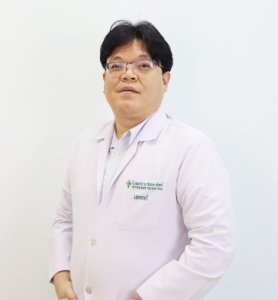
Doctor Puttapong Serttikul
الدكتور بوتتابونغ سيرتتيكول، M.D.، هو جرّاح عام. أكمل برنامج الإقامة في الجراحة العامة في Bhumibol Adulyadej Hospital عام 2014. حصل على درجة M.D. من Chulalongkorn University عام 2007. يعمل في Inthrarat Hospital (2025–حتى الآن). وشغل سابقًا مناصب في الجراحة العامة في CGH Hospital (2021–2025) وPhra Phutthabat Hospital (2014–2021).
تشمل تدريباته السريرية مناظير الجهاز الهضمي في Lopburi Cancer Hospital عام 2015. وتدرّب على ERCP في Rajavithi Hospital عام 2016. وأكمل تدريب جراحة القولون والم

Chatchai Fonglertnukul
الدكتور Chatchai Fonglertnukul، M.D.، جرّاح عام ومناظير متقدمة (رقم الترخيص الطبي 43834). حاصل على شهادة البورد في الجراحة العامة بمستشفى راجافيثي، وأتمّ زمالة في الجراحة المنظارية المتقدمة هناك.
التعليم: دكتور في الطب، كلية الطب، جامعة ثاماسات. مجالات الخبرة: الجراحة العامة، الجراحة المنظارية المتقدمة (جراحة طفيفة التوغل)، وجراحة السمنة (إنقاص الوزن).
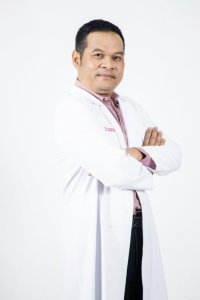
Siripong Lakkhanawong
الدكتور سيريبونج لاكاناوونج هو أخصائي في الجراحة التجميلية والجراحة العامة في عيادة سومتشاي في بانكوك. لديه أكثر من 25 عاماً من الخبرة في الحالات الطبية مع التركيز على سلامة الجراحة. يقوم بإجراء مجموعة واسعة من الإجراءات التجميلية، بما في ذلك تجديد شباب الوجه ونحت الجسم. يتمتع الدكتور لاكاناوونج أيضاً بخبرة في طب الأسرة لدعم الصحة العامة للمرضى.
- متخصص في تجميل الأنف، وشد الوجه العميق، وجراحات تكبير الثدي.
- يقوم بنحت الجسم المعقد مثل شد البطن وشفط الدهون 360 درجة.
- يعا
مشاركة المحتوى
قصص فيديو من مرضى Bookimed
 Anna Leonova
أسئلة متكررة حول علاج الفتق الإربي في تايلاند
هل جراحة الفتق الإربي بالمنظار في تايلاند آمنة وما هي المخاطر الرئيسية؟
تعد جراحة الفتق الإربي بالمنظار في تايلاند آمنة مع معدلات نجاح تصل إلى 99%. تحافظ المراكز الطبية الرائدة على اعتماد اللجنة الدولية المشتركة (JCI) وتلبي معايير السلامة العالمية. يستخدم الجراحون كاميرات ثلاثية الأبعاد عالية الدقة وشبكات متوافقة حيوياً. تساعد هذه الدقة في تقليل معدلات التكرار إلى أقل من 1%.
- معدل النجاح: تبلغ المستشفيات التايلاندية من الدرجة الأولى عن نجاح بنسبة 99% في عمليات الإصلاح بالمنظار.
- وقت التعافي: يعود المرضى عادةً إلى العمل في غضون يومين إلى 3 أيام.
- معدل المضاعفات: تظل مضاعفات الإجراء الإجمالية منخفضة، وتتراوح بين 2.9% و8%.
- سلامة الأعضاء: المخاطر على المثانة أو الأمعاء منخفضة للغاية بنسبة 0.1%.
رؤية خبراء Bookimed: غالباً ما تضم المراكز الطبية التايلاندية عيادات متخصصة في الفتق داخل مستشفيات أكبر. تركز هذه الوحدات المخصصة على حجم كبير من حالات المنظار. تظهر بياناتنا أن مستشفيات مثل بامرونجراد تعالج آلاف المرضى الدوليين سنوياً. يضمن هذا الحجم احتفاظ الجراحين بأقصى درجات الكفاءة في التقنيات طفيفة التوغل.
إجماع المرضى: يشير المرضى إلى أن كفاءة العملية قبل الجراحة تمثل ارتياحاً كبيراً. وغالباً ما يسلطون الضوء على أن الألم بعد الجراحة كان أقل بكثير مما كانوا يتوقعون.
كيف أختار بين الجراحة بالمنظار (TEP/TAPP) والجراحة المفتوحة (Lichtenstein) في تايلاند؟
يعتمد الاختيار بين تقنية TEP/TAPP والجراحة المفتوحة (Lichtenstein) في تايلاند على مدى تعقيد الفتق واحتياجات التخدير. توفر الطرق بالمنظار تعافياً أسرع وألماً مزمناً أقل. تُعد الجراحة المفتوحة المعيار الذهبي للفتق المفرد عند الرغبة في تجنب التخدير العام. غالباً ما تمتلك المراكز التايلاندية اعتماد JCI لكلا النهجين.
- وقت التعافي: يعود مرضى المنظار إلى العمل خلال 12-15 يوماً.
- نوع التخدير: تسمح الجراحة المفتوحة بخيارات تخدير موضعي أكثر أماناً.
- الحالات الثنائية: تقوم تقنية TEP/TAPP بإصلاح الفتق على كلا الجانبين في وقت واحد.
- الندبات الجراحية: تترك الفتحات طفيفة التوغل ندبات بطول 0.5-1 سم فقط.
رؤية خبير Bookimed: تتخصص العيادات التايلاندية مثل مستشفى بانكوك باتايا ومستشفى سيكارين في تقنية TEP لخروج أسرع. تظهر البيانات أن المرضى غالباً ما يختارون الجراحة المفتوحة عندما يحتاجون إلى إبقاء التكاليف قريبة من 2700 دولار. غالباً ما تشمل باقات المنظار في المرافق المتميزة ليلتين في المستشفى لمراقبة أفضل. هذه الليلة الإضافية هي عامل تمييز شائع بين عيادات بانكوك الفاخرة.
إجماع المرضى: يشير المرضى إلى أن اختيار المسار بالمنظار كان يستحق العناء بسبب الانخفاض الكبير في الانزعاج الجسدي. يقترح الكثيرون أيضاً التأكد مما إذا كانت أدوية ما بعد الجراحة مشمولة في التقدير الأولي.
ما هي العلامة التجارية للشبكة التي يتم زرعها عادةً وهل يمكن أن أعاني من حساسية تجاهها؟
يقوم الجراحون في تايلاند عادةً بزرع شبكات من البولي بروبيلين أو البوليستر مثل Prolene أو Parietex. هذه المواد المتوافقة حيوياً هي المعيار لإصلاح الفتق. على الرغم من ندرة ذلك، قد يعاني المرضى من حساسية تجاه طلاءات الشبكة أو الألياف الاصطناعية. تحدث ردود الفعل التحسسية الحقيقية في نسبة صغيرة من الحالات.
- المواد الرئيسية: تستخدم معظم الغرسات البولي بروبيلين أو البوليستر أو بولي تترافلورو إيثيلين الموسع (ePTFE).
- العلامات التجارية الرائدة: توفر Ethicon وMedtronic وBD/Bard شبكات قياسية مثل Prolene وProGrip.
- مسببات الحساسية المحتملة: قد تنشأ الحساسية من البوليمرات الاصطناعية أو الطلاءات المتخصصة المضادة للالتصاق.
- أعراض رد الفعل: تشمل العلامات الالتهاب المزمن، الحرارة الموضعية، الحكة المستمرة، أو الطفح الجلدي.
- اختبار الحساسية: قد يوصي الجراحون باختبارات رقعة الجلد للمرضى الذين يعانون من حساسية متعددة معروفة.
رؤية خبير Bookimed: يعطي متخصصو الفتق التايلانديون الأولوية للشبكات التشريحية مثل 3DMax لتقليل التهيج الموضعي. هذا الشكل المشكل مسبقاً يناسب منطقة الفخذ بشكل أفضل من الألواح المسطحة. هذا يقلل من الحاجة إلى دبابيس التثبيت. يمكن لهذا النهج أن يقلل من خطر الشعور بعدم الراحة المزمن بعد الجراحة.
إجماع المرضى: يلاحظ المرضى أن مناقشة أنواع معينة من المواد تساعد في تخفيف المخاوف بشأن الغرسات الاصطناعية. يوصون بالسؤال عن خيارات الشبكة خفيفة الوزن لضمان تكامل أكثر طبيعية مع الأنسجة.
ما هو مسار رحلة باقة السياحة العلاجية وكم من الوقت يجب أن أبقى في تايلاند؟
تتطلب علاجات الفتق الإربي في تايلاند عادةً إقامة تتراوح من 5 إلى 7 أيام. تستغرق الإجراءات عادةً من ساعة إلى ساعتين. يقضي معظم المرضى ليلة واحدة في المستشفى للمراقبة. يجب أن تبقى في البلاد لمدة 4 إلى 6 أيام للتعافي.
- بروتوكول الوصول: الوصول إلى تايلاند قبل يوم واحد من الجراحة لإجراء الفحوصات الطبية قبل الجراحة.
- الإقامة الجراحية: توقع قضاء ليلة واحدة في غرفة مستشفى خاصة بعد الإجراء الخاص بك.
- فترة التعافي: خطط لـ 4 إلى 5 أيام من الراحة المحلية قبل السفر إلى المنزل.
- القدرة على الطيران: يسمح الجراحون للمرضى بالمغادرة بعد فحص نهائي للجرح في اليوم السادس أو السابع.
رؤية خبير Bookimed: غالبًا ما تقوم المستشفيات التايلاندية مثل مستشفى بامرونجراد أو مستشفى بانكوك بتجميع اختبارات ما قبل الجراحة في اليوم الأول. تسمح هذه الكفاءة بإجراء الجراحة في اليوم الثاني. يستخدم العديد من المرضى إعفاء التأشيرة لمدة 60 يومًا. يغطي هذا بسهولة مسار رحلة الفتق القياسي لمدة أسبوع واحد دون أوراق إضافية.
إجماع المرضى: يشير المرضى إلى أن التعافي أسرع مما كان متوقعًا. يؤكد معظمهم أن حجز فندق بالقرب من المستشفى يجعل زيارات المتابعة أسهل بكثير.
متى يمكنني السفر جواً إلى المنزل وما هي القيود الجسدية التي تنطبق بعد جراحة الفتق الإربي؟
يسافر المرضى عادةً جواً بعد 4 إلى 10 أيام من جراحة الفتق الإربي في تايلاند. يُسمح برفع أوزان خفيفة فقط لمدة 4 أسابيع لضمان استقرار الشبكة. تعتمد أوقات التعافي على ما إذا كنت قد خضعت لجراحة بالمنظار أو جراحة مفتوحة. عادةً ما يسمح الجراحون بالرحلات القصيرة أولاً.
- توقيت الرحلة: سافر بعد 4 إلى 7 أيام من الجراحة بالمنظار. انتظر 14 يوماً للجراحة المفتوحة.
- قيود الرفع: تجنب رفع أكثر من 4.5 إلى 9 كجم لمدة 4 إلى 6 أسابيع.
- سلامة القيادة: يمكنك القيادة عندما تتوقف عن تناول المخدرات وتكون قادراً على الضغط على المكابح بقوة.
- العناية بالجرح: يُسمح بالاستحمام بعد 48 ساعة. تجنب الغطس في المسابح لمدة 14 يوماً.
رؤية خبير Bookimed: تُظهر بياناتنا أن العيادات التايلاندية مثل Bangpakok 9 تعطي الأولوية لإدارة ضغط البطن. غالباً ما يصف الجراحون ملينات البراز لمنع الإجهاد. هذه الخطوة حيوية لحماية موقع الإصلاح خلال الأسبوع الأول. نلاحظ أن المرضى نادراً ما يبلغون عن تكرار الحالة عند اتباع هذا البروتوكول المحدد. إنه لا يقل أهمية عن قيود الرفع نفسها.
إجماع المرضى: يشير المرضى إلى أن طلب المساعدة في المطار لنقل الأمتعة ضروري لرحلة آمنة. يقترح الكثيرون ارتداء ملابس فضفاضة لمنع التهيج في موقع الشق أثناء الرحلات الطويلة.
ما هي المدن والمستشفيات التايلاندية الأكثر شهرة لجراحة الفتق الإربي للأجانب؟
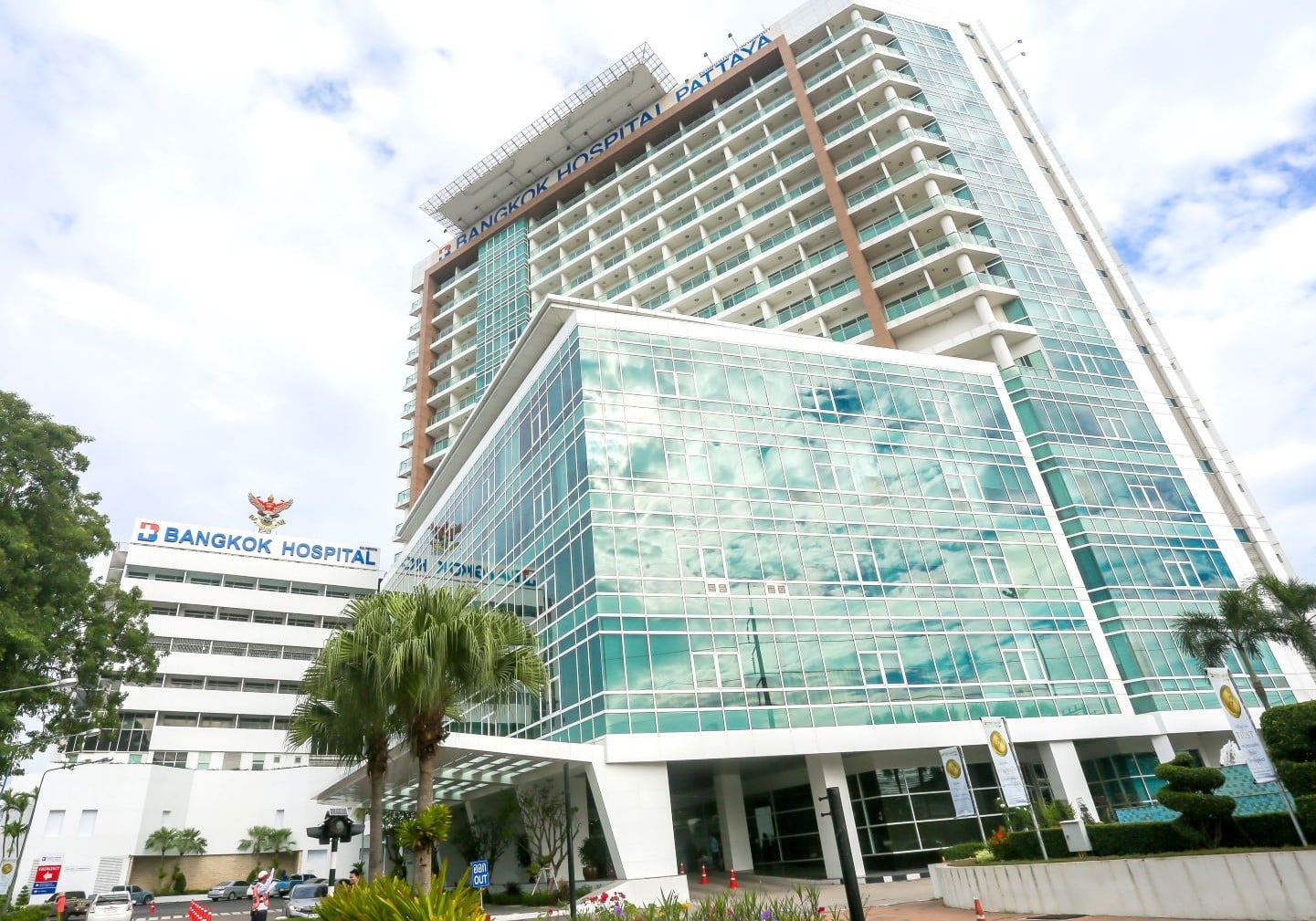
تعد بانكوك وبوكيت وباتايا المدن التايلاندية الرائدة لإصلاح الفتق الإربي. تضم هذه المراكز مستشفيات معتمدة من اللجنة الدولية المشتركة (JCI) مثل Bimrahgad ومستشفى بانكوك. وهي متخصصة في الجراحات بالمنظار والجراحات بمساعدة الروبوت للمرضى الدوليين. تضمن هذه الطرق تعافياً أسرع ومعدلات نجاح أعلى.
- المركز الطبي في بانكوك: يوفر أعلى تركيز للمرافق المعتمدة من JCI.
- مراكز التعافي في بوكيت: يوفر مستشفى بوكيت الدولي الجراحة في بيئات تعافي على طراز المنتجعات.
- خيارات جراحية متقدمة: تستخدم المراكز المتخصصة نظام دافنشي الروبوتي للدقة.
- خبرة الجراح: أجرى جراحون مثل الدكتور براسيرت سوجيربينيو أكثر من 1100 عملية جراحية.
- متطلبات السفر: يجب على المرضى البقاء لمدة 7 أيام قبل السفر جواً من أجل السلامة.
رؤية خبير Bookimed: تركز عيادات بانكوك مثل مستشفى سيكارين على الرعاية المتخصصة للسياح الطبيين. غالباً ما تتضمن باقاتهم استشارات افتراضية وخطط تعافي مفصلة. تساعد هذه الإضافات في سد الفجوة للمرضى الذين يسافرون من مناطق زمنية مختلفة. ترتبط النتائج الناجحة باختيار العيادات ذات الحجم الكبير من المرضى الدوليين.
إجماع المرضى: غالباً ما يذكر المرضى أن لطف الموظفين يجعل المستشفى يبدو أقل ترهيباً. يقدر العديد من المسافرين مدى سهولة تنسيق الجراحة مع تواريخ سفرهم.
هل سيترك الإجراء ندوباً مرئية وما مدى وضوحها؟
عادةً ما تترك جراحة الفتق الإربي في تايلاند ندوباً طفيفة. تستخدم تقنيات تنظير البطن شقوقاً صغيرة تتراوح بين 0.5 إلى 1 سم. تضمن الأساليب طفيفة التوغل أن تكون الندوب بالكاد مرئية. غالباً ما يضع الجراحون الشقوق في ثنايا الجلد الطبيعية. تتلاشى معظم الندوب لتصبح خطوطاً رفيعة في غضون 12 شهراً.
- حجم الشق: يقوم الجراحون عادةً بعمل ثلاث فتحات صغيرة يقل حجم كل منها عن 1 سم.
- استراتيجية التموضع: غالباً ما يتم إخفاء العلامات الصغيرة بالقرب من السرة أو خط البكيني.
- تكنولوجيا الإغلاق: تعمل الغرز المتقدمة وغراء الجلد على تقليل التوتر الخارجي والعلامات المرئية.
- النضج البيولوجي: تتلاشى الندوب من اللون الوردي إلى لون الجلد في غضون عام إلى عامين.
رؤية خبير Bookimed: تُظهر بياناتنا من أفضل المراكز التايلاندية تحولاً نحو الإصلاح بالمنظار. يختار معظم المرضى مراكز مثل بامرونجراد للجراحة بمساعدة الروبوت. تسمح الدقة الروبوتية بشقوق أصغر حتى من تنظير البطن القياسي. تعمل هذه المعدات المتخصصة على تحسين النتائج التجميلية بشكل كبير مقارنة بطرق الجراحة المفتوحة التقليدية.
إجماع المرضى: يشير المرضى إلى أن العلامات الصغيرة يسهل إخفاؤها بملابس السباحة. يذكر الكثيرون أنهم فوجئوا بمدى سرعة اختفاء الاحمرار بعد الجراحة.