علاج الفتق الإربي في ألمانيا — احصل على 3 عيادات مختارة خصيصاً لك


تمت مراجعة المقالة طبيا من قبل
فهد مولود
كيف نعمل؟
ما هي تكلفة الفتق الإربي إجراءات التشخيص والعلاج في ألمانيا؟ اعرف الآن
تتأثر التكلفة الإجمالية لعلاج الفتق الإربي في ألمانيا بعوامل مختلفة. تتراوح الإجراءات التشخيصية الأولية، بما في ذلك التاريخ الطبي والفحص البدني والتشخيصات المخبرية والتصوير (الموجات فوق الصوتية/الرنين المغناطيسي/الأشعة المقطعية)، بين $2,200 و $7,600. يمكن أن تتراوح تكلفة العلاج الجراحي نفسه بين $7,600 و $8,800. يتم وضع خطة العلاج النهائية بعد تقييم شامل من قبل الفريق الجراحي، لضمان نهج شخصي لكل مريض.
| تركيا | إسبانيا | ألمانيا | |
|---|---|---|---|
| جراحة الفتق الإربي | من $4,300 | من $7,300 | من $10,200 |
| إصلاح الفتق الإربي بالمنظار | من $3,500 | من $9,300 | ≈ $3,500 |
اكتشف أفضل الفتق الإربي العيادات في ألمانيا: 16 خيارات معتمدة والأسعار
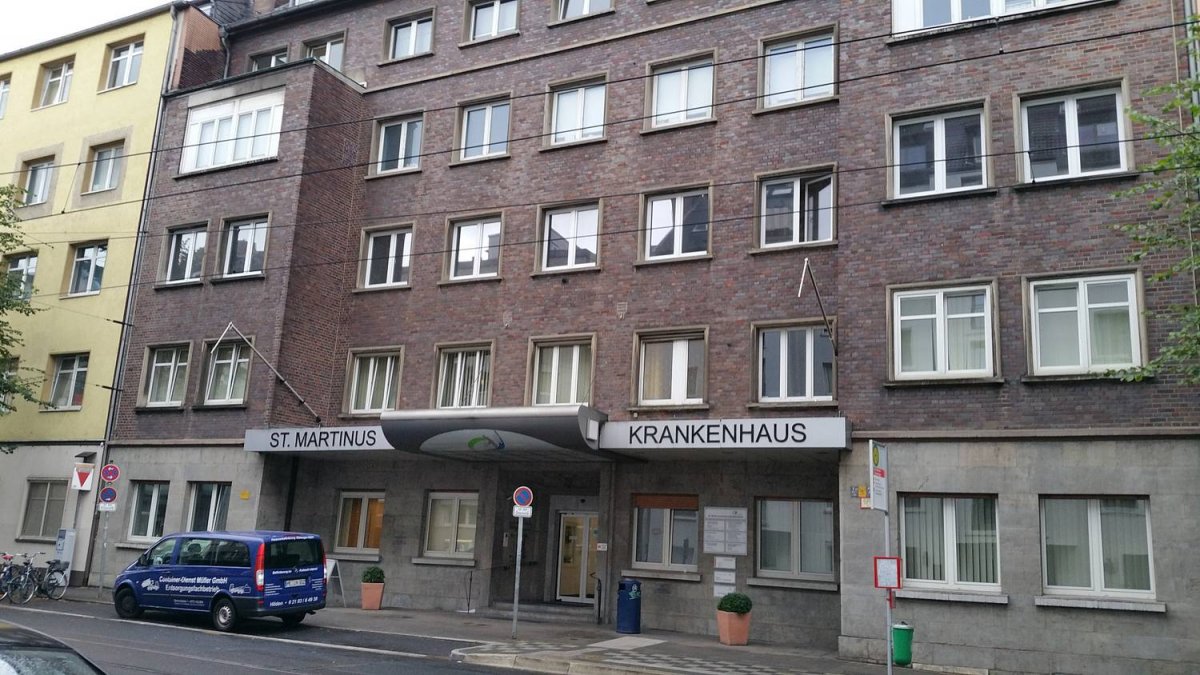
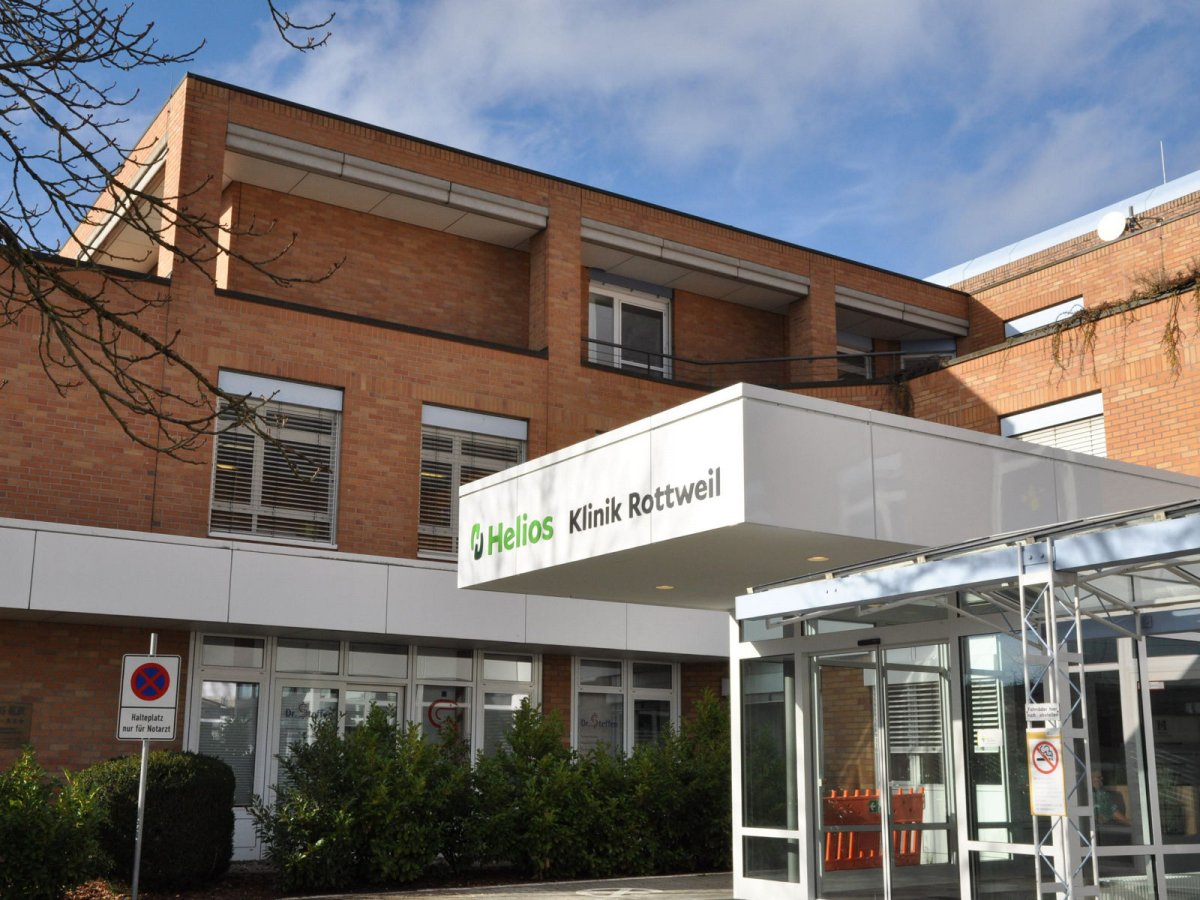








St. Marienstift Clinic

Hospital in the Pfeiffer`s foundations




احصلوا على تقييم طبي لـ الفتق الإربي في ألمانيا: استشيروا أطباء ذوي خبرة الآن
عرض جميع الأطباء
Peter Schenker
يجمع البروفيسور شينكر بين الخبرة المتخصصة في جراحة الفتق والريادة في التقنيات طفيفة التوغل في مستشفى زولينجن الأكاديمي.
- تخصص سريري إضافي في الجراحة طفيفة التوغل وجراحة الفتق
- كبير جراحي قسم الجراحة في مستشفى زولينجن الأكاديمي
- عضو الجمعية الطبية الألمانية
- أدخل طرقًا جراحية حديثة في عيادة زولينجن
- خبير في جراحة أورام الجهاز الهضمي مع التركيز على البنكرياس

Viktor Alexander Krol
يرأس الدكتور فيكتور ألكسندر كرول قسم أمراض الجهاز الهضمي والطب الباطني في مستشفى سانت مارتينوس في دوسلدورف، وهو متخصص في علاجات الجهاز الهضمي المتقدمة.
- مدير مركز علاج السمنة المعتمد
- خبير في إجراءات إنقاص الوزن بالمنظار والجراحة
- يستخدم أحدث تقنيات التشخيص لاضطرابات الجهاز الهضمي
- نهج شامل لحالات التمثيل الغذائي وأمراض القلب والأوعية الدموية
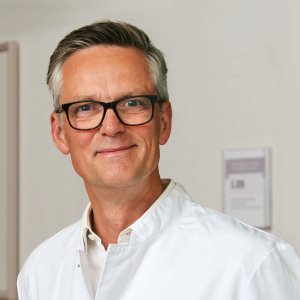
Wolfgang Schröder
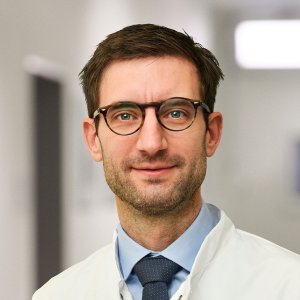
Florian Gebauer Chief Of General And Visceral Surgery
مشاركة المحتوى
قصص فيديو من مرضى Bookimed
 Anna Leonova
أسئلة متكررة حول علاج الفتق الإربي في ألمانيا
ما هي أكثر التقنيات الجراحية شيوعاً المستخدمة في ألمانيا لإصلاح الفتق الإربي؟
تستخدم ألمانيا في المقام الأول تقنيات تنظير البطن طفيفة التوغل لإصلاح الفتق الإربي، والتي تمثل أكثر من 64% من الحالات داخل المستشفيات. يستخدم الجراحون بشكل متكرر طريقتي TAPP و TEP لضمان تعافٍ أسرع، بينما يظل إجراء ليختنشتاين المفتوح هو المعيار الذهبي لحالات معينة في العيادات الخارجية أو الحالات المعقدة.
- تقنية TAPP: إصلاح ما قبل الصفاق عبر البطن هي الطريقة الأكثر شيوعاً، وتستخدم في 39% من الحالات.
- تقنية TEP: الإصلاح خارج الصفاق بالكامل يتجنب دخول تجويف البطن، ويستخدم في حوالي 20% من العمليات الجراحية.
- إجراء ليختنشتاين: يُفضل هذا الإصلاح المفتوح بالشبكة الخالية من التوتر لإعدادات العيادات الخارجية والفتق المعقد.
- تقنية شولدايس: إصلاح متخصص بالخياطة بدون شبكة يوصى به بشكل أساسي للمرضى الصغار الذين يعانون من فتق صغير.
رؤية خبير Bookimed: غالباً ما يرتبط التميز الجراحي الألماني بأحجام المرضى الكبيرة في المراكز متعددة التخصصات. على سبيل المثال، يقوم المركز الطبي Rechts der Isar بإجراء 40,000 عملية سنوياً. يعد اختيار المراكز ذات الحجم الكبير أمراً حيوياً لأن الجراحين الذين يجرون أكثر من 50 عملية إصلاح سنوياً يحققون عادةً معدلات تكرار أقل.
إجماع المرضى: يلاحظ المرضى أن إجراءات تنظير البطن TEP أو TAPP تستغرق عادةً أقل من 60 دقيقة. يقدر الكثيرون القدرة على بدء نشاط خفيف في اليوم الأول بعد الجراحة.
هل يتم استخدام الشبكة دائمًا في الإصلاح، وما هي البدائل الموجودة؟
تعتبر الشبكة هي المعيار لإصلاح الفتق الإربي في ألمانيا ولكنها ليست إلزامية. في حين أن 95% من الحالات تستخدم الشبكة لضمان انخفاض معدل التكرار، تظل البدائل غير الشبكية مثل تقنيات Shouldice أو Bassini متاحة. غالبًا ما يتم تفضيل هذه الإصلاحات القائمة على الأنسجة للمرضى الأصغر سنًا والنشطين أو أولئك الذين لديهم حساسية خاصة تجاه الشبكة.
- تقنية Shouldice: طريقة خياطة الأنسجة الطبيعية المكونة من أربع طبقات وتستخدم للفتق الأولي غير المعقد.
- طريقة Bassini: إصلاح تقليدي يعتمد على التوتر ويعزز قاع الإربية بدون مواد صناعية.
- جراحة المناظير TEP/TAPP: نهج طفيف التوغل يعتمد على الشبكة ويوفر عادةً تعافيًا أسرع من الجراحة المفتوحة.
- إصلاح Lichtenstein: المعيار الذهبي لإجراءات الشبكة المفتوحة باستخدام رقعة خالية من التوتر للتعزيز.
رؤية خبير Bookimed: تتخصص العيادات الألمانية مثل المركز الطبي في سولينغن وأسكليبيوس ألتونا في جراحة البطن ذات الحجم الكبير، حيث تجري آلاف العمليات سنويًا. تشير البيانات إلى أن المرضى الذين يبحثون عن خيارات بدون شبكة يجب أن يستهدفوا المستشفيات الجامعية أو المراكز المتخصصة في هامبورغ أو برلين. غالبًا ما توفر هذه المرافق مجموعة أوسع من تقنيات `الأنسجة النقية`. يتناقض هذا مع العيادات الإقليمية الأصغر التي قد تعتمد على الشبكة من أجل الكفاءة الموحدة.
إجماع المرضى: يلاحظ المرضى أن الجراحين غالبًا ما يوصون بالشبكة بسبب معدل تكرارها البالغ 1%. ومع ذلك، يبحث البعض بنشاط عن متخصصين في `بدون شبكة` لتجنب خطر الإصابة بألم
ما هو وقت التعافي النموذجي بعد جراحة الفتق الإربي في ألمانيا؟
يسمح التعافي من جراحة الفتق الإربي في ألمانيا عادةً بالعودة إلى الأنشطة الخفيفة في غضون يومين إلى 3 أيام. يستأنف معظم المرضى العمل المكتبي بعد أسبوع واحد. تحدث القدرة الكاملة على تحمل الأوزان للرياضة ورفع الأشياء الثقيلة عمومًا في غضون 4 إلى 6 أسابيع اعتمادًا على التقنية الجراحية المستخدمة.
- الإقامة في المستشفى: يتم خروج معظم المرضى في غضون 24 ساعة من إجراء العملية.
- النهج الجراحي: غالبًا ما يسمح الإصلاح بالمنظار بعودة أسرع إلى الروتين اليومي.
- التئام الشق: تلتئم الجروح السطحية عادةً في غضون 10 إلى 14 يومًا بعد الجراحة.
- النشاط البدني: تعتبر الرياضات المعتدلة مثل ركوب الدراجات آمنة عادةً بعد أسبوعين إلى 3 أسابيع.
رؤية خبراء Bookimed: تركز المستشفيات الأكاديمية الألمانية مثل المركز الطبي في سولينغن أو عيادة نوردويست بشكل كبير على التقنيات طفيفة التوغل. يتخصص جراحون مثل الدكتور بيتر شينكر بشكل خاص في إصلاحات الفتق المعقدة داخل مراكز معتمدة. تظهر البيانات أن هذه المرافق ذات الحجم الكبير، والتي يعالج بعضها أكثر من 60,000 مريض سنويًا، تعطي الأولوية للتحريك السريع. غالبًا ما يتلقى المرضى في هذه المؤسسات ضمادات مقاومة للماء. وهذا يسمح بالاستحمام بعد 48 ساعة فقط من الجراحة دون المساس بموقع الجراحة.
إجماع المرضى: غالبًا ما يلاحظ المرضى أن العيادات الألمانية المحلية تؤكد على المشي مبكرًا للمساعدة في الدورة الدموية. يقترح الكثيرون ارتداء ملابس فضفاضة خلال الأسبوع الأول لتجنب الضغط على الشق الذي يلتئم.
هل يمكن إجراء العملية كإجراء خارجي في ألمانيا؟
غالبًا ما يتم إجراء علاجات الفتق الإربي كإجراءات خارجية في ألمانيا. يتضمن الكتالوج الوطني AOP-Katalog إصلاحات الفتق ضمن 3300 خدمة معتمدة للجراحة الإسعافية. يستخدم الجراحون عادةً تقنيات تنظير البطن. يتم خروج المرضى في نفس اليوم إذا كانت الرعاية المنزلية والهاتف متاحين للتعافي.
- الأهلية للرعاية الخارجية: يؤكد الأطباء السلامة بناءً على AOP-Katalog وصحة المريض.
- الأفضلية الإلزامية: يتطلب القانون الألماني الجراحة الخارجية عندما يشار إليها طبياً.
- السلامة بعد الجراحة: يجب أن يحصل المرضى على دعم الرعاية المنزلية حتى صباح اليوم التالي.
- الاستثناءات السريرية: تتطلب الحالات عالية الخطورة أو نقص الدعم المنزلي دخول المستشفى.
رؤية خبير Bookimed: تتعامل العيادات الألمانية مثل تلك الموجودة في شمال الراين-وستفاليا مع أكثر من 145,000 مريض خارجي سنوياً. يضمن هذا الحجم الهائل بروتوكولات جراحة يومية مبسطة. تظهر بياناتنا أن المراكز المتخصصة مثل St. Marienstift تجري 13,000 عملية جراحية سنوياً. غالباً ما توفر هذه المرافق ذات الحجم الكبير مسارات تعافي خارجية أكثر كفاءة من المستشفيات العامة الأصغر.
إجماع المرضى: يشير المرضى إلى أنه من المهم أن يكون لديك خطة للعودة إلى المنزل. إنهم يقدرون كفاءة العيادات الألمانية لكنهم يؤكدون على وجود شخص معك في الليلة الأولى.
ما هي المستشفيات في ألمانيا التي تحظى بأعلى التقييمات في جراحة الأعصاب؟
تضم ألمانيا بعضًا من أرقى أقسام جراحة الأعصاب في العالم، بقيادة مستشفى شاريتيه الجامعي في برلين ومستشفى جامعة هايدلبرغ. وتتميز هذه المراكز بخبرتها الواسعة في علاج أورام الدماغ المعقدة وأمراض الأوعية الدموية الدماغية. ولتحقيق أقصى قدر من الفعالية في عملياتها، تستخدم هذه المراكز أحدث التقنيات، مثل التصوير بالرنين المغناطيسي أثناء الجراحة والتوجيه العصبي بمساعدة الحاسوب.
- مستشفى شاريتيه برلين: يُجري أكثر من 5000 عملية جراحية سنوياً. ويرأس العيادة جراح الأعصاب الشهير الدكتور بيتر فايكوتشي.
- المركز الطبي في سولينجن: أجرى الدكتور رالف بوهل أكثر من 4000 عملية جراحية، بما في ذلك جراحات العمود الفقري طفيفة التوغل.
- عيادة أسكليبيوس نورد: مجهزة بنظام التصوير بالرنين المغناطيسي الثنائي الوحيد في ألمانيا أثناء الجراحة لضمان الدقة الجراحية في الوقت الحقيقي أثناء إزالة الورم.
- عيادة نوردويست: تم الاعتراف بها من قبل مجلة نيوزويك كمستشفى رائد في مجال الابتكار في تكنولوجيا الموجات فوق الصوتية ثلاثية الأبعاد.
رأي خبراء بوكيمد: تشير البيانات إلى أن اختيار المراكز ذات الحجم الجراحي الكبير غالبًا ما يؤدي إلى توصيات علاجية أكثر تحفظًا. ففي مركز سولينجن الطبي، الذي يعالج أكثر من 60,000 مريض
ما هي نسب نجاح العمليات الجراحية العصبية المعقدة في ألمانيا؟
في ألمانيا، تتميز العمليات الجراحية العصبية بالغة التعقيد بمستوى أمان استثنائي. تصل نسبة نجاح عمليات دمج الفقرات إلى 99%، بينما تبلغ نسبة النجاة بعد استئصال أورام الدماغ الأولية 97%. كما يتمتع المرضى بقدرة عالية على الاعتماد على أنفسهم في أداء وظائفهم اليومية، حيث يغادر أكثر من 82% منهم المستشفى مباشرةً بعد العلاج. وتولي المراكز الألمانية اهتماماً بالغاً بالحفاظ على الوظائف العصبية باستخدام أحدث تقنيات التخطيط العصبي.
- استئصال الورم: يحقق الجراحون استئصالًا كاملاً للورم في 87.2% من حالات النقائل الدماغية.
- النجاح في علاج أمراض الأوعية الدموية: أفادت المستشفيات الألمانية بنسبة نجاة بلغت 98.7% لحالات تمدد الأوعية الدموية غير الممزقة.
- تحسن الحالة العصبية: يشهد ما يقرب من 43% من المرضى تحسناً في المعايير الوظيفية بعد عمليات الاستئصال المعقدة.
- سلامة التدخلات الجراحية: في المراكز الجراحية الكبيرة، تتراوح معدلات بقاء المرضى على قيد الحياة بعد جراحة العمود الفقري بين 98-99%.
رأي خبراء بوكيمد: يُجري جراحون ذوو خبرة، مثل الدكتور أوفه كولر من عيادة أسكليبيوس ألتونا، أكثر من 2000 عملية جراحية سنويًا. تُشير البيانات إلى أن هؤلاء المتخصصين يحافظون على معدلات نجاح تصل إلى 90%، حتى
ما هي التقنيات المتقدمة المتوفرة عادةً في عيادات جراحة الأعصاب الألمانية؟
تُدخل عيادات جراحة الأعصاب الألمانية بانتظام أدوات رقمية عالية الدقة وتقنيات تصوير فوري في الممارسة الجراحية. تشمل التقنيات الرئيسية الملاحة العصبية الحاسوبية لجراحات الدماغ والحبل الشوكي. تستخدم مؤسسات مثل عيادة أسكليبيوس نورد التصوير بالرنين المغناطيسي أثناء الجراحة للتحقق من استئصال الورم في الوقت الفعلي. توفر هذه الأنظمة للجراحين نظام ملاحة ثلاثي الأبعاد.
- الملاحة العصبية: توفر تصورًا ثلاثي الأبعاد وتتبعًا فوريًا للأدوات لتحقيق دقة جراحية تصل إلى مستوى أقل من المليمتر.
- التصوير أثناء العملية: تسمح أنظمة مثل التصوير بالرنين المغناطيسي أثناء العملية (iMRI) والتصوير المقطعي المحوسب ذي الذراع O (O-arm CT) بالتأكيد الفوري على نجاح عملية الاستئصال.
- المراقبة العصبية: تراقب الوظائف الحركية والحسية أثناء الجراحة لحماية الجهاز العصبي.
- التشخيص الفلوري: يتم استخدام صبغة 5-ALA لتسليط الضوء على حدود الورم من أجل إزالته بشكل أكثر اكتمالاً.
- المساعدة الروبوتية: تعمل أنظمة مثل نظام دافنشي على تحسين الدقة في الإجراءات المعقدة ذات التدخل الجراحي البسيط.
رأي خبراء بوكيمد: تُجري مراكز طبية كبيرة، مثل مستشفى شاريتيه الج
ما هي التدريبات المتخصصة التي يتلقاها جراحو الأعصاب الممارسون في ألمانيا؟
في ألمانيا، يتعين على جراحي الأعصاب إكمال برنامج إقامة تخصصي لمدة ست سنوات بعد التخرج من كلية الطب. يشمل هذا البرنامج المنظم العناية المركزة، والتدريب السريري، وكتابة مقالات في مجلة جراحية إلزامية. بعد ذلك، يجتاز المرشحون امتحانًا حكوميًا للحصول على لقب طبيب مقيم (Facharzt für Neurochirurgie).
- الإقامة السريرية: تتطلب من 48 إلى 72 شهرًا من الممارسة المتخصصة في جراحة الأعصاب.
- العناية المركزة: تتضمن فترة تدريب إلزامية لمدة 6 أشهر في وحدة العناية المركزة لجراحة الأعصاب.
- المجلة الجراحية: يوثق الجراحون مئات العمليات الجراحية، بما في ذلك عمليات فتح الجمجمة وجراحات العمود الفقري.
- امتحان الترخيص: يجب على المتقدمين اجتياز امتحان طبي شفوي وعملي تديره الدولة.
رأي خبراء بوكيميد: يركز التدريب الألماني في جراحة الأعصاب على الخبرة الجراحية الواسعة. فعلى سبيل المثال، أجرى الدكتور رالف بول من المركز الطبي في سولينجن أكثر من 4000 عملية جراحية. ويتمتع الدكتور يورغن كيويت من مستشفى ميوكلينيك بخبرة تزيد عن 25 عامًا. يضمن هذا النظام الدقيق أن يتعامل المتخصصون في المراكز الكبرى مع الحالات المعقدة بدقة مثبتة.
آراء المرضى: يشع
ما هي متطلبات اللغة والترخيص المطلوبة للجراحين الأجانب الراغبين في التدرب أو مراقبة العمليات الجراحية العصبية في ألمانيا؟
يجب على جراحي الأعصاب الأجانب استيفاء متطلبات لغوية وترخيصية صارمة للالتحاق بالتدريب أو فترة التدريب العملي في ألمانيا. يتطلب التدريب رخصة طبية سارية أو تصريحًا مؤقتًا. أما المتدربون، فيجب عليهم الحصول على إذن من مستشفى محدد. ويتطلب كلا الخيارين إتقانًا عاليًا للغة الألمانية للمشاركة في المناقشات السريرية وإجراء العمليات الجراحية المعقدة بأمان.
- المهارات اللغوية: مطلوب مستوى عام في اللغة الألمانية B2 ومستوى في اللغة الطبية C1 (Fachsprachprüfung) للتدريب السريري.
- الترخيص السريري: يحتاج الجراحون إلى تصريح لممارسة دائمة (Approbation) أو تصريح مهني (Berufserlaubnis) للتدريب الداخلي المؤقت الخاضع للإشراف.
- حالة المراقبة: يسمح دخول المستشفى بمراقبة العمليات الجراحية دون تحمل المسؤولية الطبية أو الحصول على ترخيص رسمي.
- تقييم المؤهلات: غالباً ما يتعين على خريجي الطب من خارج الاتحاد الأوروبي الخضوع لعملية التحقق من صحة الشهادة في غضون 3-6 أشهر.
رأي خبراء بوكيمد: غالبًا ما تُعطي العيادات الألمانية ذات الأعداد الكبيرة من المرضى، مثل عيادة نوردويست أو أسكليبيوس نورد، الأولوية للمرشحين الذين خضعوا بالفعل لتقييم أولي للوثائق. تُظهر بياناتنا أن أساتذة مثل الدكتور أوفه كولر والدكتور
هل يوجد عدد كافٍ من جراحي الأعصاب في ألمانيا لعلاج المرضى المحليين والدوليين على حد سواء؟
تضم ألمانيا أعلى نسبة من جراحي الأعصاب في أوروبا، حيث يبلغ عددهم 2.94 متخصصًا لكل 100,000 نسمة. وبفضل 184 قسمًا متخصصًا، تستطيع هذه الكفاءات المتميزة التعامل بسهولة مع تدفق المرضى الدوليين. وتُجري مراكز طبية رئيسية، مثل مستشفى شاريتيه برلين، أكثر من 4,000 عملية جراحية سنويًا. ويُوفر هذا العدد الكبير من المتخصصين قدرة إضافية على التعامل مع الحالات الدولية المعقدة.
- الكثافة التخصصية: يوجد في ألمانيا 2.94 جراح أعصاب لكل 100000 شخص، وهو ضعف المتوسط الأوروبي.
- البنية التحتية السريرية: أكثر من 182 قسمًا متخصصًا في جراحة الأعصاب تضمن سهولة الوصول الجغرافي على نطاق واسع في جميع أنحاء ألمانيا.
- الخبرة الجراحية: يقوم البروفيسور الدكتور بيتر فايكوتشي من مستشفى شاريتيه برلين بإجراء أكثر من 4000 عملية جراحية سنوياً.
- التكنولوجيا المتطورة: تستخدم عيادات مثل عيادة أسكليبيوس نورد التصوير بالرنين المغناطيسي أثناء الجراحة والتوجيه العصبي الحاسوبي.
رأي خبراء بوكيمد: على الرغم من وجود العديد من المتخصصين ذوي الكفاءة العالية في ألمانيا، إلا أن أساتذةً مثل الدكتور رالف بول أو الدكتور أوفه كولر يتركزون غالبًا في مراكز طبية كبيرة مثل هامبورغ أو سولينغن. تُظهر بياناتنا أن هذه المراكز الكبيرة