أكثر من 30 عامًا من الابتكار الرائد في الجراحة التجميلية - يدمج الدكتور هيريرو بين التخطيط ثلاثي الأبعاد الدقيق والخبرة الجمالية في مركز تيكنون الطبي.
أكثر من 200 جراحة عمود فقري طفيفة التوغل سنويًا - الدكتور أوليفر رائد في تقنيات الروبوت والحفاظ على الحركة في مركز تيكنون الطبي.
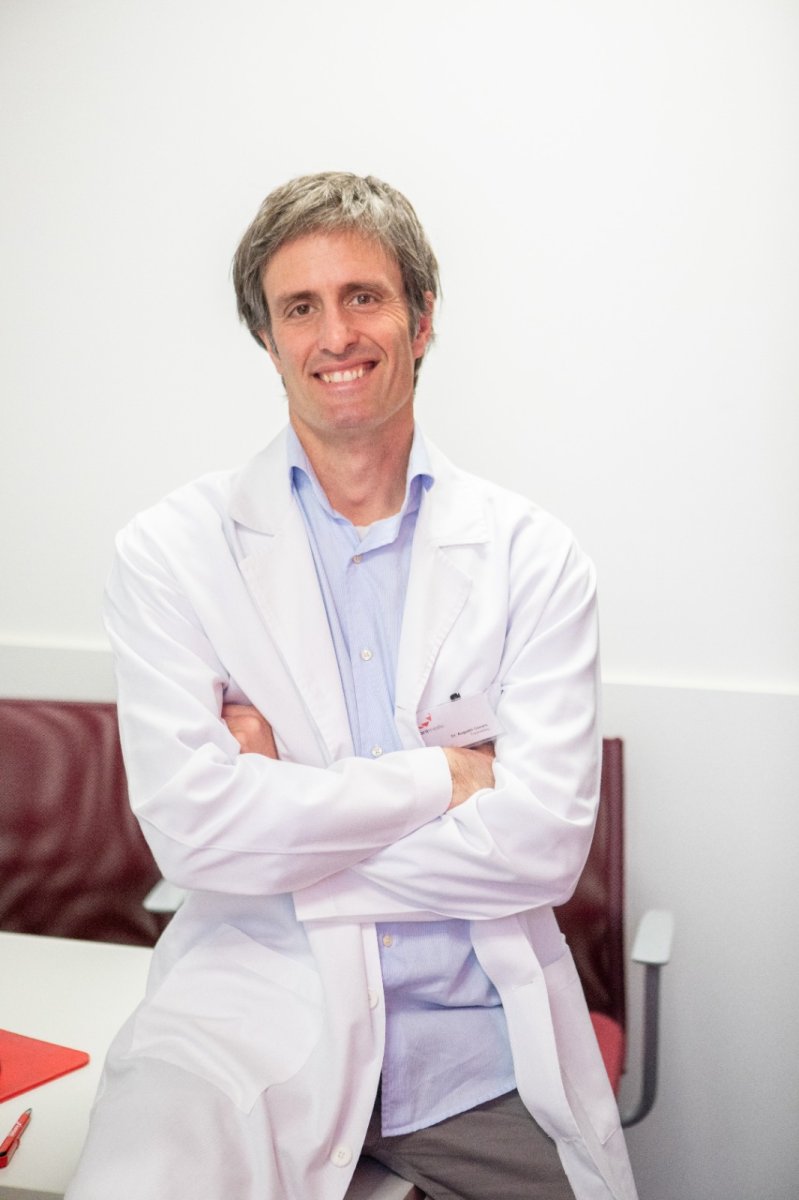
مدير معهد جراحة الأعصاب وعلوم الأعصاب في مركز تيكنون الطبي - يتخصص الدكتور كونيسا في التدخلات المعقدة للعمود الفقري.
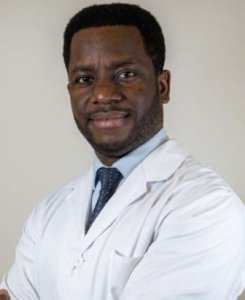
الدكتور Nnamdi Elenwoke جرّاح أعصاب في Neuroinstitut – Centro Médico Teknon (برشلونة)، وهو مركز رائد في أوروبا. يتخصص في الجراحة العصبية طفيفة التوغل والجراحة العصبية الوظيفية، ويتمتع بخبرة خاصة في تشوه أرنولد-كياري واضطرابات الوصل القحفي الفقري. تعتمد ممارسته على التقنيات المجهرية المتقدمة، وجراحة قاعدة الجمجمة بالمنظار، وجراحة الأعصاب بمساعدة الروبوت.
التعليم والتدريب: دكتوراه في الطب (2007). إقامة اختصاص جراحة الأعصاب (MIR) في مستشفى ميغيل سيرفيت، سرقسطة. تدريب متقدم في جراحة قاعدة الجمجمة بالمنظار بجامعة إيموري، أتلانتا. تدريب سريري في المستشفى الوطني لطب وجراحة الأعصاب، لندن. لديه أكثر من 15 عامًا من الخبرة في جراحات الدماغ والعمود الفقري المعقّدة.
الكفاءات الأساسية: إزالة الضغط عن الحفرة الخلفية؛ أورام الدماغ والعمود الفقري؛ جراحة العمود الفقري طفيفة التوغل؛ استسقاء الدماغ وتكهّف النخاع (السيرينغوميليا). يستخدم التصوير المتقدم والملاحة العصبية لتعزيز السلامة والحفاظ على الوظائف. الاعتمادات: الجمعية الإسبانية لجراحة الأعصاب، EANS، والكلية الرسمية للأطباء في برشلونة. له أعمال علمية منشورة ونشاط منتظم في المؤتمرات الدولية.
كتب بواسطة Veronika Kazina
تمتد فترة التعافي بعد جراحة الانزلاق الغضروفي في إسبانيا عادة من 6 إلى 12 أسبوعًا للعودة إلى الأنشطة اليومية المعتادة. يمكن لمعظم المرضى المشي في غضون 24 ساعة بعد الإجراءات الجراحية الأقل تدخلاً. يستغرق الشفاء الأولي للجروح أسبوعين. قد يستمر التجدد الكامل للأنسجة والأعصاب حتى سنة واحدة.
رأي خبير Bookimed: غالبًا ما يفضل جراحو الأعصاب الإسبان إقامة مرضاهم في المستشفى لمدة 5 أيام بعد الجراحة المجهرية لضمان المراقبة الفورية بعد العملية. في مركز Centro Médico Teknon، يستخدم الدكتور بارتولومي أوليفر التوجيه العصبي لتقليل تلف الأنسجة. يؤدي هذا الإشراف الممتد الأولي غالباً إلى جداول زمنية أكثر قابلية للتنبؤ لإعادة التأهيل مقارنة ببروتوكولات الخروج في نفس اليوم.
توافق المرضى: يشير المرضى إلى أن الألم في الساق قبل العملية ينخفض بشكل حاد عادةً بحلول الأسبوع الأول. يؤكد العديد منهم على تتبع قوة الساق بدلاً من مجرد ألم الظهر للإشارة إلى العودة الآمنة إلى الرياضة.
تُعتبر إسبانيا وجهة رائدة لجراحة القرص المنفتق، حيث تضم مراكز معتمدة من اللجنة المشتركة الدولية في برشلونة ومدريد. تتخصص مرافق رائدة مثل مركز طبي تكنون وعيادة جامعة نافارا في الجراحة المجهرية والتدخلات بمساعدة الروبوت. تقدم هذه العيادات تقنيات متقدمة مثل استئصال القرص بالمنظار لضمان الشفاء السريع والدقة العالية.
رؤية خبيرة من Bookimed: بينما يبحث الكثيرون عن المستشفى الأكبر، فإن الوحدات المتخصصة مثل معهد العمود الفقري في برشلونة داخل كيرون سالود توفر غالبًا رعاية متعددة التخصصات مصممة خصيصًا. تُظهر البيانات أن الجراحين الأعلى تقييماً مثل البروفيسور الدكتور بارتولومه أوليفر لديهم أكثر من 40 عامًا من الخبرة. يُعتبر هذا المستوى من الخبرة مؤشراً أقوى للنجاح من حجم العيادة وحده.
إجماع المرضى: يُقدر المرضى أن المتخصصين يركزون على مراجعة التصوير بعناية خلال الاستشارات لتأكيد مدى ضرورة الجراحة. كما يلاحظون أن وجود مترجم مخصص يجعل عملية الجراحة المعقدة أوضح وأقل إجهاداً.
Spain's medical protocols mandate surgery for herniated discs when conservative treatments fail after 6 to 12 weeks. Urgent intervention occurs for neurological emergencies like Cauda Equina Syndrome. Spanish specialists use 3-Tesla MRI scans to confirm nerve compression before approving microsurgical procedures at JCI-accredited centres.
Bookimed Expert Insight: Spanish neurosurgery centres focus on robot-assisted and microsurgical precision. Dr Bartolome Oliver at Centro Médico Teknon performs over 200 microsurgical operations annually. This high volume and tools like the Mazor Robotics Renaissance System help maintain high success rates.
Patient Consensus: Patients note that Spanish doctors match imaging to physical symptoms rather than treating scans alone. They appreciate having dedicated translators during consultations. Many feel confident when rehabilitation timelines are calculated by the day.
Spanish neurosurgeons prioritise minimally invasive surgery for herniated discs. Common techniques include microsurgery, endoscopic discectomy, and robot-assisted procedures. These approaches use small incisions to reduce trauma. Patients often return home within 48 hours. Leading JCI-accredited centres in Barcelona and Madrid provide these treatments.
Bookimed Expert Insight: Spain is a leader in spinal robotics. Dr Bartolome Oliver at Centro Médico Teknon was the first in Southern Europe to use the Mazor Robotics system. This technology helps with complex cases where standard microsurgery might not be enough. Australian patients should look for clinics combining robotics with neuronavigation for high precision.
Patient Consensus: Patients note that Spanish specialists provide very clear recovery timelines. They appreciate that consultations focus deeply on imaging results to plan the most precise surgical path.
Recovery from a microdiscectomy in Spain usually takes 6 to 12 weeks for a full return to daily life. Patients typically walk hours after surgery. Hospital discharge occurs within 2 to 5 days. Full tissue healing and core strengthening rehabilitation generally begin at the 6-week mark.
Bookimed Expert Insight: Spanish neurosurgery centres offer extended clinical monitoring that is hard to find elsewhere. While many countries push same-day discharge, top Barcelona clinics include 5 full hospital days in their microsurgery packages. This longer stay allows specialists like Dr Bartolome Oliver to monitor nerve decompression more closely before patients fly back to Australia.
Patient Consensus: Patients appreciate that specialists provide clear, day-by-day rehabilitation schedules during consultations. The availability of online follow-up through platforms like Zoom helps bridge the gap for international travel after spinal surgery in Spain.
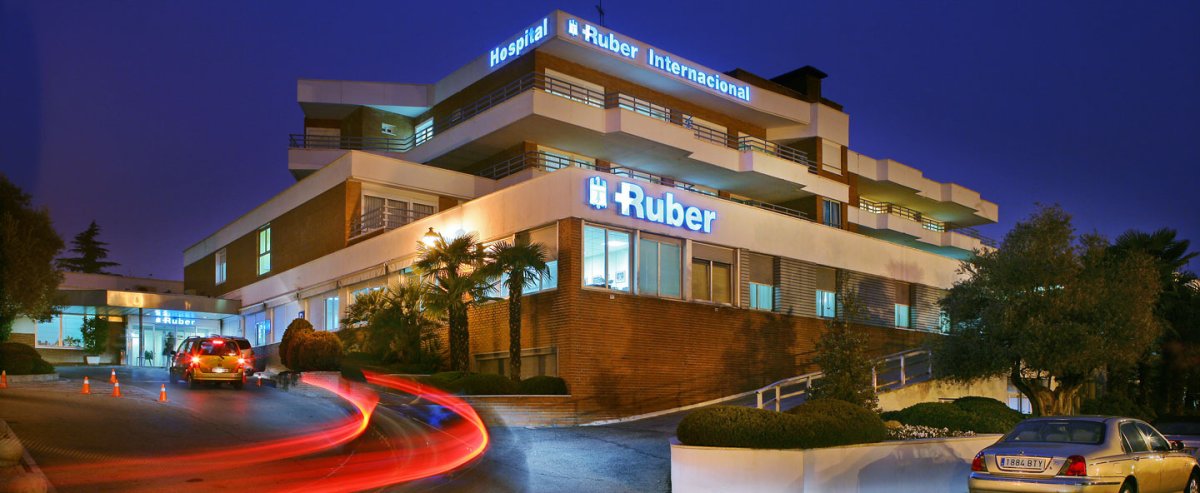
Spain specialises in herniated disc surgery at JCI-accredited centres like Centro Médico Teknon and Hospital Ruber Internacional. These facilities use robotic-assisted systems and microsurgery to treat cervical and lumbar discs. Patients often access neurosurgeons like Dr Bartolome Oliver for minimally invasive procedures.
Bookimed Expert Insight: Spain's specialised centres like Centro Médico Teknon offer formal online consultations via Teams or Zoom. This allows patients to receive a surgical plan and recovery timeline before flying. While packages with veterans like Dr Bartolome Oliver may cost around A$56,000, they typically include hospital and hotel stays.
Patient Consensus: Patients in Spain appreciate the detailed digital reviews of their scans. They also value having dedicated interpreters during face-to-face consultations. Many note that Calculating rehabilitation times by the day provides peace of mind for those travelling from abroad.
Herniated disc treatment in Spain typically requires 7 to 15 days total. Hospitalisation lasts 1 to 5 days depending on the surgical approach used. International patients need additional hotel recovery time for safe healing before long-haul flights home.
Bookimed Expert Insight: Spanish spine packages often bundle 5 hospital nights with 5 hotel nights. This 10-day structure meets the minimum safe travel window for international patients. High-volume neurosurgeons such as Dr Bartolome Oliver perform 200+ microsurgical operations annually. They use this timeline to check that wounds are healed before long aircraft flights.
Patient Consensus: Patients note that Spanish specialists provide precise daily rehabilitation schedules. They find that local recovery time allows for clear follow-up results before departing Spain.
Spanish specialists provide conservative treatments focusing on medication, physical therapy, and pain management for 3–6 weeks. Options include targeted physiotherapy, neuropathic medications like pregabalin, and pain unit interventions. Microsurgery at JCI-accredited centres is only considered if non-surgical protocols fail.
Bookimed Expert Insight: Spain ranks 5th globally for medical requests on our platform. High-volume centres like Hospital Ruber Internacional treat 25,000 patients annually. For Australians, online consultations with specialists like Dr Bartolome Oliver help with treatment planning before travelling.
Patient Consensus: Patients value the thoroughness of consultations in Spain. They note that specialists spend significant time reviewing scans and providing clear rehabilitation schedules.