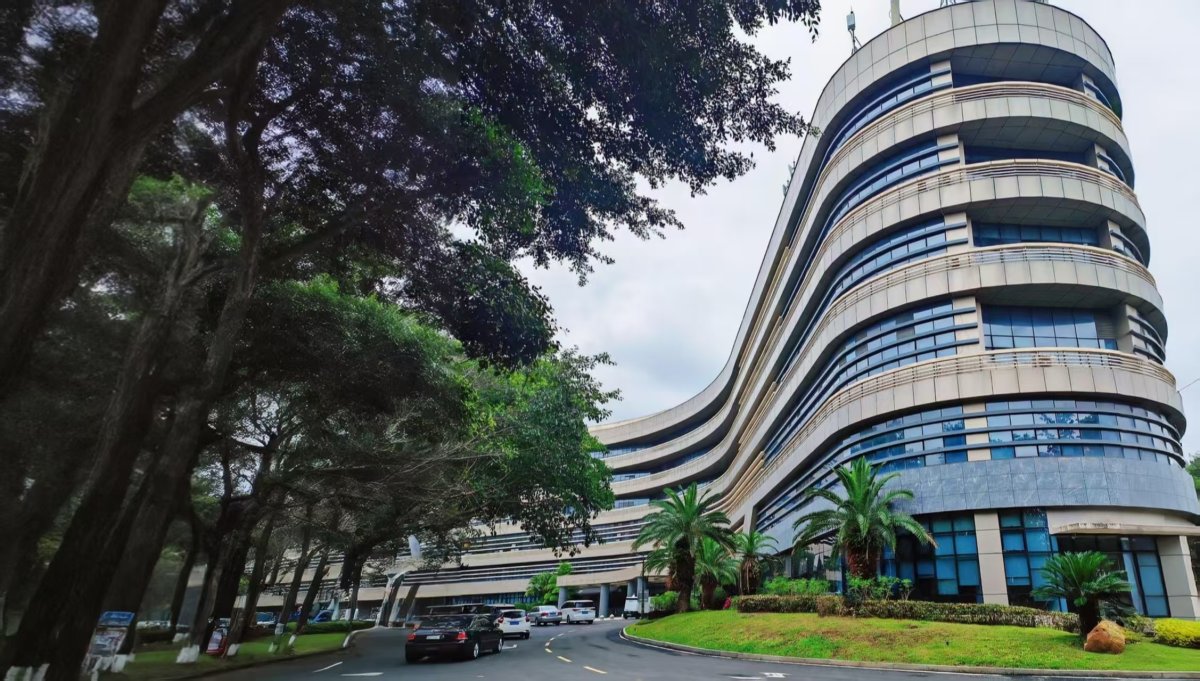
Boao International Medical Center
الصين, تشيونغهاي


تمت مراجعة المقالة طبيا من قبل
فهد مولود
من $50. تعتمد النفقات الإجمالية على الاختيار بين العلاجات التقليدية أو جراحة العمود الفقري المتقدمة، والتي غالباً ما توفر وفورات بنسبة 50-70% مقارنة بالولايات المتحدة. تشمل المراكز الطبية الرئيسية بكين وشنغهاي.
تكاليف علاج الانزلاق الغضروفي النموذجية في الصين
رؤية خبير Bookimed: يستفيد المرضى الذين يبحثون عن رعاية عالية المستوى من مراكز الدرجة الأولى (Class A level III). يُعد مستشفى ياندا الدولي (Yanda International Hospital) الحاصل على اعتماد اللجنة الدولية المشتركة (JCI) مثالياً لأولئك الذين يحتاجون إلى بروتوكولات دولية مدمجة مع الأساليب التقليدية. تخدم هذه العيادة أكثر من 2.5 مليون مريض سنوياً وتضم 3000 سرير متاح. وهي الأنسب للبالغين الذين يحتاجون إلى إعادة تأهيل شاملة أو خدمات عصبية. توفر مثل هذه المرافق تقنيات حديثة للعمود الفقري بأسعار تنافسية.
| الصين | تركيا | إسبانيا | |
|---|---|---|---|
| علاج الانزلاق الغضروفي مع تشخيص ما قبل العملية | من $9,000 | من $5,000 | من $27,000 |
| رأبُ الفقرة | ≈ $6,200 | من $4,000 | من $22,400 |
| جراحة الانزلاق الغضروفي | من $56,000 | من $5,000 | من $11,000 |
| استئصال عنق الرحم الأمامي والانصهار | ≈ $9,500 | من $8,900 | من $23,100 |
| استئصال القرص | ≈ $8,700 | من $4,500 | من $17,200 |
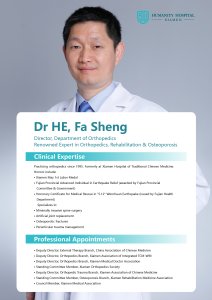
الدكتور خه فا شنغ مدير قسم جراحة العظام. يختص في جراحة العظام والتأهيل وهشاشة العظام، ويمارس المهنة منذ عام 1995. عمل سابقًا في مستشفى الطب الصيني التقليدي في شيامن.
تشمل مجالات تركيزه السريرية جراحة العمود الفقري طفيفة التوغل، واستبدال المفاصل، وكسور الهشاشة، ورعاية الإصابات.
تشمل الجوائز والتعيينات وسام عيد العمال (الأول من مايو) في شيامن وجوائز على مستوى المقاطعة عن الإنقاذ الطبي. يشغل منصب نائب رئيس في عدة جمعيات لجراحة العظام، كما أنه عضو في اللجنة الدائمة لجراحة العظام وال

الدكتور ليانغ شياو مو هو رئيس تقنيات إعادة التأهيل في مستشفى ياندا الدولي في بكين. وهو متخصص في الطب الترميمي للسكتة الدماغية وإصابات الحبل الشوكي والدماغ. يحمل الدكتور ليانغ تصنيف أخصائي طبي من الفئة الأعلى. وهو عضو في الجمعية الصينية لطب إعادة التأهيل.
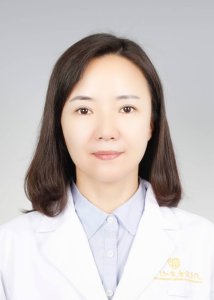
الأستاذة ليانغ شياوشياو مديرة القسم ورئيسة الأطباء في إعادة التأهيل العصبي. تحمل درجة الماجستير في طب الأعصاب. متمرسة في التعديل العصبي لاضطرابات الوعي والإدراك والحركة. يتركز عملها على حالات ناجمة عن أمراض الأوعية الدموية الدماغية، ومرض باركنسون، وحالات ذات صلة. كما تُجري حقن توكسين البوتولينوم بتوجيه الموجات فوق الصوتية لعلاج تشنج الجفن، وتشنج نصف الوجه، وتشنج الأطراف، وفرط سيلان اللعاب، وآلام الأعصاب.
الاعتمادات والمناصب: عضوة في لجان إعادة التأهيل العصبي، وإعادة تأهيل اضطرابات الإد

كتب بواسطة Veronika Kazina

كتب بواسطة Veronika Kazina
 Anna Leonova
في الصين، لا تُعدّ الجراحة الخيار العلاجي الوحيد لانزلاق الغضروف. إذ تُعطي الإرشادات الطبية الصينية الأولوية لأساليب العلاج غير الجراحية والتحفظية. وعادةً ما تشترط المستشفيات دورة علاجية غير جراحية لمدة تتراوح بين 4 و6 أسابيع قبل النظر في إجراء الجراحة.
رأي خبراء بوكيمد: بينما يُفصل العلاج الطبيعي عن الطب البديل في العديد من البلدان، فإنهما متكاملان في الصين. مستشفى ياندا الدولي معتمد من قبل اللجنة الدولية المشتركة (JCI) ويحمل تصنيف الفئة أ المستوى الثالث. هذا يعني أن المرضى يتلقون التشخيصات الغربية إلى جانب العلاج الصيني التقليدي في منشأة واحدة. يتيح هذا النهج ذو المرحلتين علاج ما يصل إلى 90% من الحالات دون جراحة.
هل يمكن للطب الصيني التقليدي أن يعالج الانزلاق الغضروفي فعلاً؟
لا يُمكن للطب الصيني التقليدي إزالة أو إعادة وضع القرص المنفتق ميكانيكيًا، بل يدعم عملية الامتصاص الطبيعي، حيث يمتص الجسم مادة القرص المنفتق. تُشير الدراسات إلى أن 24% من المرضى يشهدون امتصاصًا ملحوظًا بعد عامين من العلاج المكثف بالطب الصيني التقليدي. يهدف العلاج إلى مكافحة الالتهاب وتحسين الدورة الدموية.
رأي خبراء بوكيميد: يجمع مستشفى ياندا الدولي في بكين بين أساليب الطب الصيني التقليدي والبروتوكولات الدولية. يعالج هذا المرفق المصنف من الفئة أ 3، 2,500,000 مريض سنويًا. تُظهر بياناتنا أن المراكز ذات الحجم الكبير التي تستخدم هذا النموذج المتكامل تُحقق إدارة أكثر فعالية للألم. غالبًا ما يختار المرضى هذه العيادات المعتمدة من قبل اللجنة الدولية المشتركة (JCI) لدمج الطب الصيني الت
يشمل العلاج التحفظي في الطب الصيني التقليدي أساليب شاملة غير جراحية تجمع بين العلاج اليدوي والطب العشبي. ويهدف إلى استعادة تدفق الطاقة الحيوية (تشي) والدورة الدموية لعلاج الانزلاق الغضروفي. ويعتمد هذا النهج على الوخز بالإبر، والتدليك الصيني (توينا)، والعلاجات العشبية المتخصصة في المستشفيات الصينية، مثل مستشفى ياندا الدولي.
رأي خبراء بوكيمد: تعالج المراكز الطبية الصينية الرائدة، مثل مستشفى ياندا الدولي، ما يصل إلى 2,500,000 مريض سنويًا. يتيح هذا العدد الهائل من المرضى للعيادات تطوير بروتوكولات علاجية هجينة تجمع بين معايير السلامة المعتمدة من اللجنة الدولية المشتركة (JCI) والأساليب التقليدية. يستفيد المرضى من هذا الحجم، حيث غالبًا ما تحقق مستشفيات الفئة A III ذات الأعداد الكبيرة من المرضى نتائج أكثر
عادةً ما يؤدي علاج الانزلاق الغضروفي في الصين إلى تخفيف الألم في غضون أسبوعين إلى ستة أسابيع باستخدام الطرق غير الجراحية. ويُحقق العلاج بالإبر الصينية تحسناً ملحوظاً في غضون عشر جلسات. ويمكن للجراحة طفيفة التوغل أن تُخفف الألم بنسبة 80% خلال 48 ساعة. ويتطلب استعادة وظيفة القرص بشكل كامل عادةً أربعة أشهر من العلاج المتواصل.
رأي خبراء بوكيمد: يستقبل مستشفى ياندا الدولي في بكين عددًا هائلاً من المرضى سنويًا، يصل إلى 2,500,000 مريض. هذا التدفق الكبير للمرضى من مختلف أنحاء البلاد يُمكّن عيادات المستوى الثالث، الفئة أ، من إتقان بروتوكولات علاجية شاملة. فهي تجمع بين الجراحة الغربية المعتمدة من اللجنة الدولية المشتركة (JCI) والطب الصيني التقليدي. غالبًا ما يُسرّع هذا النه
تمتلك الصين شبكة متطورة من المستشفيات المتخصصة عالية المستوى لعلاج الانزلاق الغضروفي. وتضم هذه المؤسسات المرموقة أقسامًا متخصصة في جراحة العمود الفقري. وتقدم مؤسسات مثل مستشفى ياندا الدولي علاجًا معتمدًا من اللجنة الدولية المشتركة (JCI). وتجمع هذه المراكز بين البروتوكولات الجراحية الحديثة وأساليب إعادة التأهيل التقليدية لتحقيق أفضل النتائج في التعافي.
رأي خبراء بوكيمد: يتميز مستشفى جاندا الدولي بسعة 3000 سرير. هذه السعة الهائلة تُمكّنه من خدمة 2,500,000 مريض سنويًا. وبينما يميل العديد من المرضى الدوليين إلى التوجه نحو المستشفيات الحكومية الأكثر شهرة، فإن المراكز المعتمدة من قبل اللجنة الدولية المشتركة (JCI) مثل مستشفى جاندا غالبًا ما توفر خدمات أكثر ملاءمة للقادمين
يتطلب الألم الشديد تقييمًا سريريًا فوريًا لمنع تلف الأعصاب الذي لا رجعة فيه. عندما تعيق الأعراض الأنشطة اليومية، تستخدم المستشفيات الصينية تقنيات تصوير متقدمة مثل التصوير بالرنين المغناطيسي لتقييم ضغط الأعصاب. وتُستبدل الطرق التقليدية بتدخلات طبية موجهة مثل حقن فوق الجافية أو الجراحة طفيفة التوغل عندما تفشل العلاجات التحفظية.
رأي خبراء بوكيمد: تُجسّد أفضل مستشفيات الصين التكامل بين الطب التقليدي والحديث. يجمع مستشفى ياندا الدولي في بكين بين البروتوكولات الدولية المُثبتة وبرامج إعادة التأهيل. وهو مُصنّف ضمن الفئة "أ" المستوى الثالث، وهو أعلى تصنيف للمستشفيات في الصين. يتيح هذا

