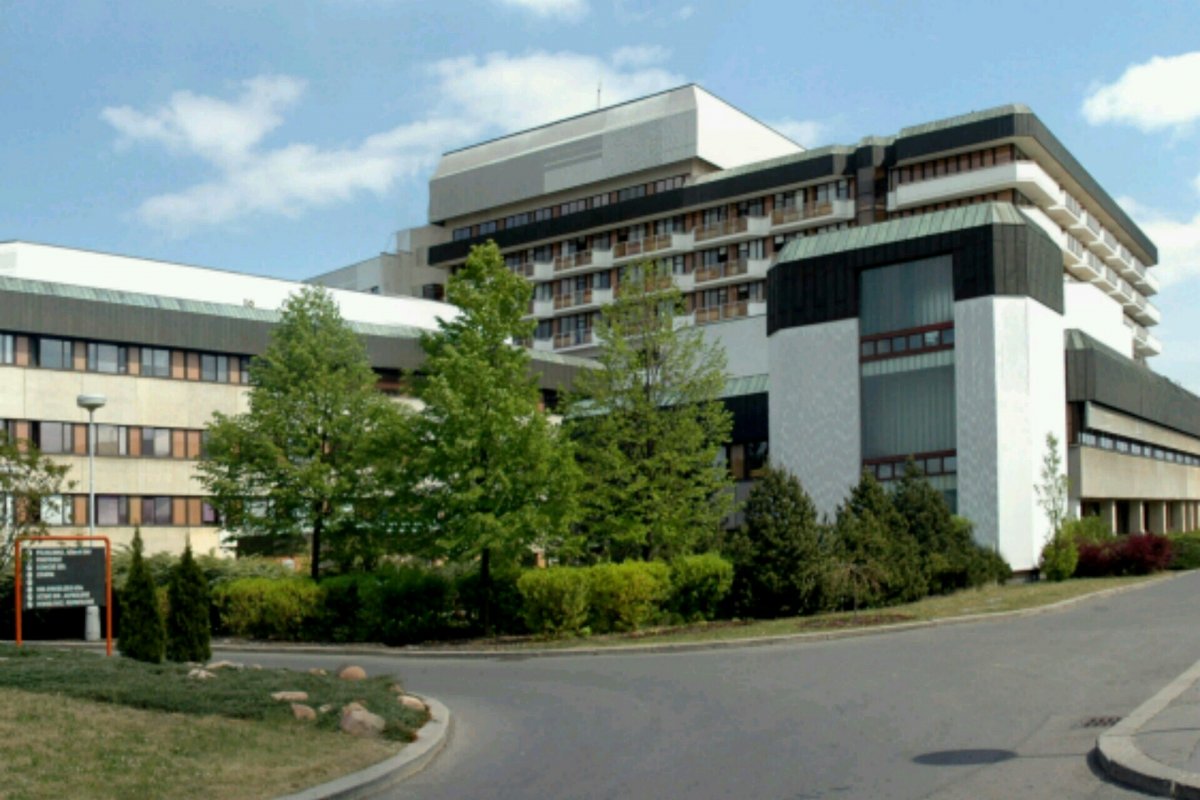
Nemocnice Na Homolce
جمهورية التشيك, Prag


تمت مراجعة المقالة طبيا من قبل
فهد مولود
تعتمد تكلفة علاج الانزلاق الغضروفي في جمهورية التشيك عادةً على النهج الجراحي، حيث تتراوح تكاليف العلاجات الأولية مثل استئصال القرص بين $7,500 و $11,500. من $230. تتأثر النفقات الإجمالية بمستوى العيادة واحتياجات إعادة التأهيل، مما يوفر وفورات تتراوح بين 40-70% مقارنة بالولايات المتحدة. تشمل أفضل المدن لهذه الإجراءات براغ، وبرنو، وفيلكي ميزيريتشي.
تكاليف علاج الانزلاق الغضروفي النموذجية في جمهورية التشيك
رؤية خبراء Bookimed: يجب على المرضى الذين يحتاجون إلى جراحة أعصاب معقدة إعطاء الأولوية للمؤسسات الحكومية متعددة التخصصات. يقوم مستشفى "نيموكنيتسي نا هومولسي" (Nemocnice Na Homolce) في براغ بإجراء أكثر من 15,000 عملية جراحية سنوياً باستخدام أساليب روبوتية متقدمة وأخرى طفيفة التوغل. بالنسبة لأولئك الذين يركزون على التعافي بعد الجراحة، يوفر مستشفى "ألتوا | بيرون" (Altoa | Beroun) لإعادة التأهيل رعاية متخصصة ومعتمدة من SAK مع إقامة متميزة بالقرب من براغ. إذا كانت الدقة بمساعدة الروبوت مطلوبة، فإن مركز الجراحة الروبوتية في مستشفى "سانت زدسلافا" (St. Zdislava Hospital) يعد خياراً رائداً، حيث أجرى أكثر من 4,000 إجراء روبوتي.
| جمهورية التشيك | تركيا | إسبانيا | |
|---|---|---|---|
| علاج الانزلاق الغضروفي مع تشخيص ما قبل العملية | ≈ $4,200 | من $5,000 | من $27,000 |
| رأبُ الفقرة | ≈ $3,200 | من $4,000 | ≈ $4,000 |
| جراحة الانزلاق الغضروفي | من $6,000 | من $5,000 | من $11,000 |
| استئصال عنق الرحم الأمامي والانصهار | ≈ $6,200 | من $9,800 | من $23,100 |
| استئصال القرص | ≈ $7,500 | من $4,500 | من $17,200 |




كتب بواسطة Veronika Kazina

كتب بواسطة Veronika Kazina
 Anna Leonova
تعتبر جراحة العمود الفقري للانزلاق الغضروفي ضرورية عندما تفشل العلاجات التحفظية بعد 6 إلى 12 أسبوعاً. الجراحة الفورية مطلوبة في حالات الطوارئ. وتشمل هذه فقدان السيطرة على المثانة، أو تخدير منطقة السرج، أو ضعف الساق الذي يزداد سوءاً بسرعة. أكثر من 90% من الحالات تُشفى بدون تدخل جراحي.
رؤية خبير Bookimed: بينما يسعى الكثيرون للجراحة للحصول على راحة فورية، تؤكد المراكز التشيكية مثل Nemocnice Na Homolce على التشخيص عالي الدقة أولاً. يقومون بإجراء أكثر من 15,000 عملية سنوياً، لكنهم يعطون الأولوية للطرق طفيفة التوغل. تظهر البيانات أن العيادات في جمهورية التشيك غالباً ما تجمع بين جراحة الأعصاب والخبرة الروبوتية. يستخدم مستشفى سانت زدسلافا نظام دافنشي للحالات المعقدة. يضمن هذا النهج المتخصص أن المرضى الذين يعانون من انحشار العصب المؤكد فقط هم من يذهبون إلى غرفة العمليات.
إجماع المرضى: يشير المرضى إلى أن الانتظار حتى علامة 3-6 أشهر أمر حيوي لأن العديد من الأقراص تُمتص بشكل طبيعي. إذا كنت تعاني من تنميل في منطقة السرج أو سقوط مفاجئ في
يركز العلاج غير الجراحي للانزلاق الغضروفي في جمهورية التشيك على العلاج الطبيعي المكثف والعلاج بالمنتجعات المعدنية المتقدم. تستخدم المراكز المتخصصة تخفيف ضغط العمود الفقري، وعلاجات المياه المعدنية الحرارية، والطب التجديدي. تستمر هذه البروتوكولات التحفظية عادةً من 8 إلى 12 أسبوعًا لتجنب التدخل الجراحي تمامًا.
رؤية خبير Bookimed: تختلف معايير إعادة التأهيل التشيكية عن العديد من الدول الغربية من خلال إعطاء الأولوية للإقامة في المنتجعات السريرية المتخصصة. في مراكز مثل Nemocnice Na Homolce، التي تخدم أكثر من 20,000 مريض سنويًا، يضمن التركيز على التشخيصات طفيفة التوغل استنفاد المسارات غير الجراحية أولاً. يجب أن يتوقع المرضى فترة تجربة تحفظية إلزامية مدتها 6 أسابيع قبل إجراء أي نقاش جراحي.
إجماع المرضى: يؤكد المرضى على بدء العلاج الطبيعي خلال الأسبوعين الأولين لتسريع التعافي. يلاحظ الكثيرون أنه على الرغم من أن النظام العام شامل، إلا أن العيادات الخاصة توفر وصولاً أسرع بكثير إلى المتخصصين.
تشمل أفضل العيادات التشيكية لعلاج الانزلاق الغضروفي مستشفى Nemocnice Na Homolce ومستشفى St. Zdislava. تتخصص هذه المراكز في جراحة الأعصاب طفيفة التوغل وإجراءات العمود الفقري بمساعدة الروبوت. كما تقدم مرافق مثل عيادة Malvazinky لإعادة التأهيل برامج تعافي تحفظية عالية التقييم لحالات العمود الفقري.
رؤية خبير Bookimed: على الرغم من أن براغ هي المركز الطبي الرئيسي، إلا أن مستشفى St. Zdislava في Velke Mezirici يوفر ميزة فريدة. يجري هذا المركز حجمًا كبيرًا من جراحات العمود الفقري الروبوتية في موقع هادئ داخل محمية طبيعية. تظهر البيانات أن هذه البيئة قد تدعم تعافيًا أفضل في المرحلة المبكرة مقارنة بالمستشفيات الحضرية المزدحمة.
إجماع المرضى: يلاحظ المرضى أن المتخصصين التشيكيين يعطون الأولوية للعلاج الطبيعي والحقن الموجه بالتصوير قبل اقتراح الجراحة. يقدر العديد من المسافرين معدات التصوير بالرنين المغناطيسي الحديثة وأوقات الانتظار الأقصر مقارنة بالمناطق الأوروبية الأخرى.
يجب على المرضى السؤال عن الجداول الزمنية للعلاجات التحفظية والتقنيات الجراحية المحددة للانزلاق الغضروفي. تغطي الأسئلة الأساسية معدلات النجاح، ومعالم التعافي، وخبرة جراح الأعصاب في الإجراءات طفيفة التوغل. يوصي معظم المتخصصين في جمهورية التشيك بالانتظار من 6 إلى 8 أسابيع قبل التفكير في الجراحة.
رؤية خبير Bookimed: بينما تدير مراكز براغ مثل Nemocnice Na Homolce أكثر من 15,000 عملية سنويًا، غالبًا ما توفر المراكز المتخصصة الأصغر رعاية أكثر تركيزًا. تُظهر بياناتنا أن المراكز الروبوتية ذات الحجم الكبير في جمهورية التشيك، مثل المركز الموجود في Velke Mezirici، تركز على معدات الدقة مثل نظام Da Vinci. يجب على المرضى السؤال عما إذا كانت الأدوات الروبوتية أو طفيفة التوغل مناسبة لموقع القرص الخاص بهم لتقليل فترات الإقامة في المستشفى.
إجماع المرضى: يؤكد المرضى على السؤال عن خطر تكرار الانزلاق الغضروفي بعد الإجراء. غالبًا ما يقترحون إحضار فحوصات التصوير بالرنين المغناطيسي على وحدة USB لضمان مراجعتها من قبل الأخصائي خلال الزيارة الأولى.
