علاج القرص الغضروفي في تركيا — احصل على 3 عيادات مختارة خصيصاً لك


تمت مراجعة المقالة طبيا من قبل
فهد مولود
كيف نعمل؟
ما هي تكلفة القرص الغضروفي إجراءات التشخيص والعلاج في تركيا؟ اعرف الآن
تختلف تكلفة علاج الانزلاق الغضروفي في تركيا بناءً على الإجراء المحدد والمتطلبات الطبية. تتراوح تكلفة التشخيصات الأولية، بما في ذلك الاستشارات والاختبارات، عادةً بين 100$ و 200$. يتم تسعير استئصال القرص مع الجراحة المجهرية القطنية بين 5,000$ و 7,000$. بالنسبة للإجراءات الأكثر تعقيدًا، مثل التثبيت الديناميكي أو استئصال القرص بالمنظار L5-S1، يمكن أن تصل الأسعار إلى 12,000$. يتم تخصيص خطة العلاج بعد تقييم شامل لحالة المريض واحتياجاته.
اكتشف أفضل القرص الغضروفي العيادات في تركيا: 60 خيارات معتمدة والأسعار


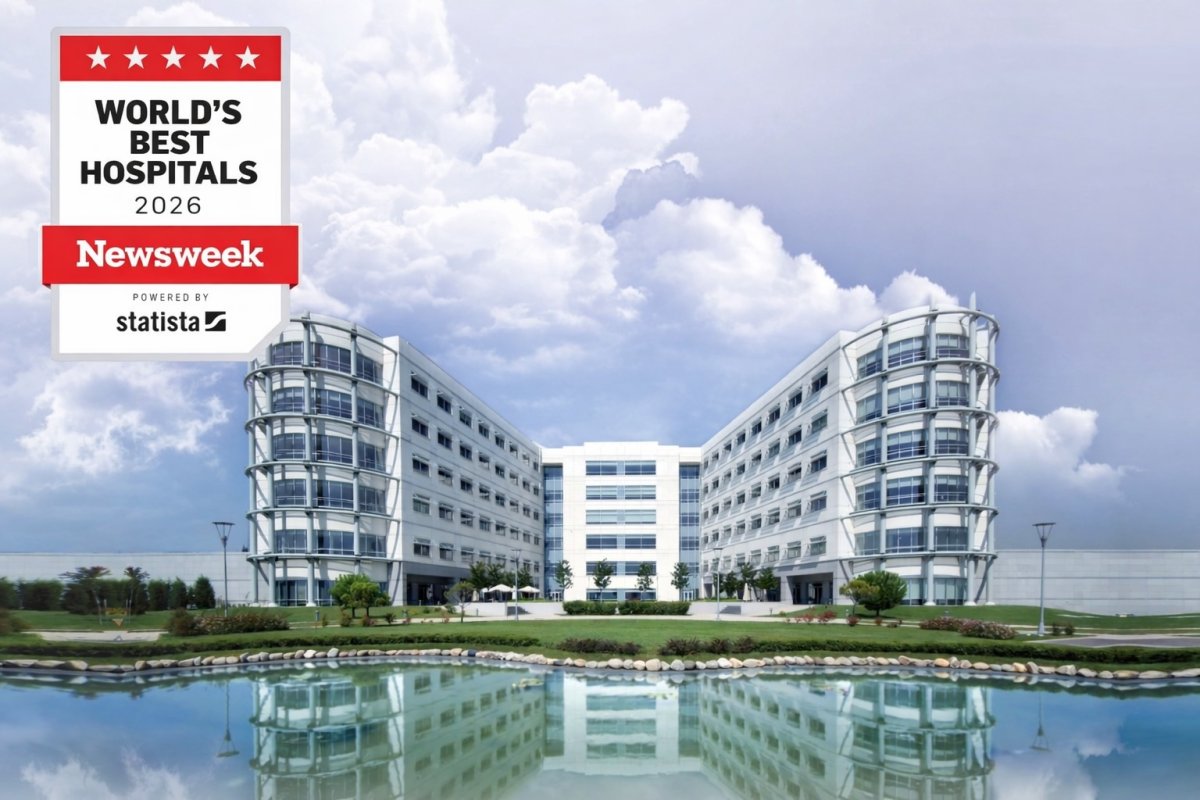



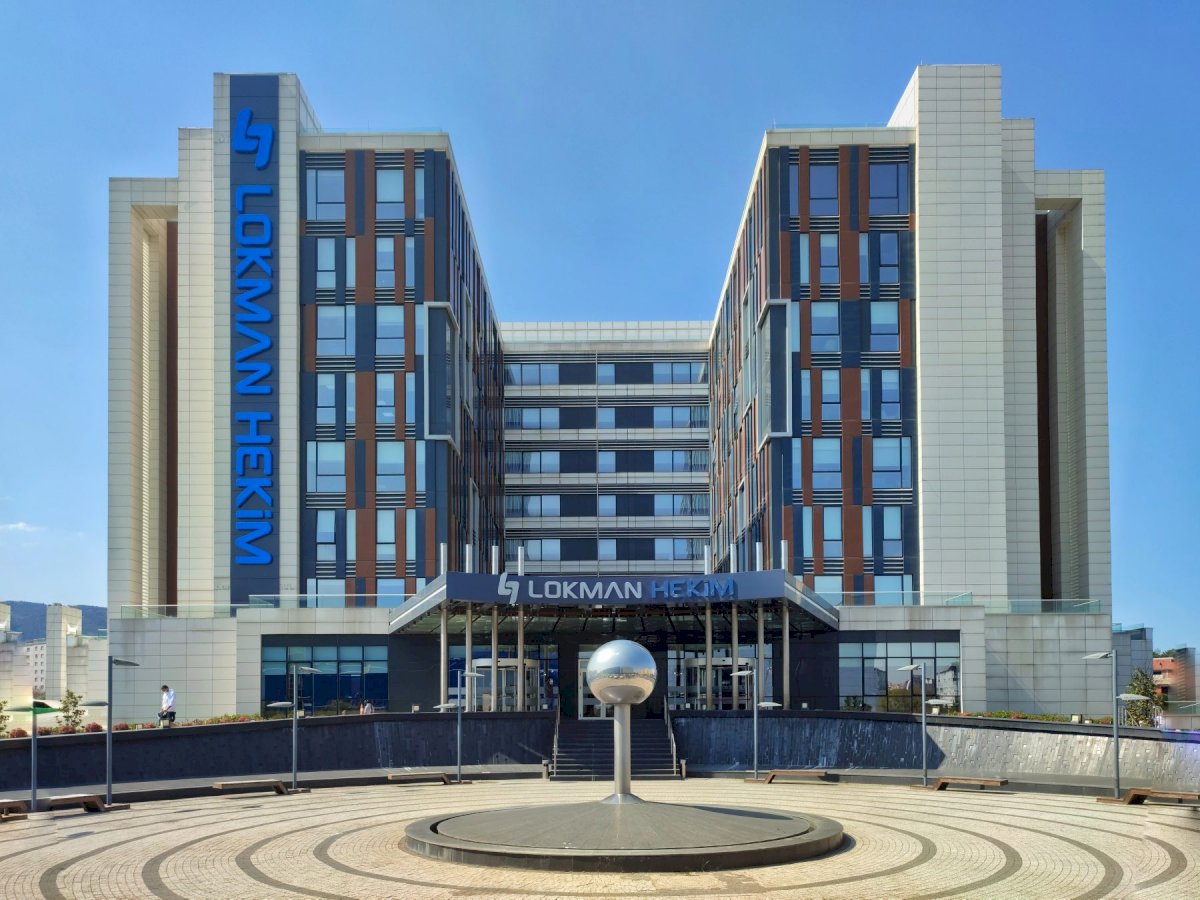



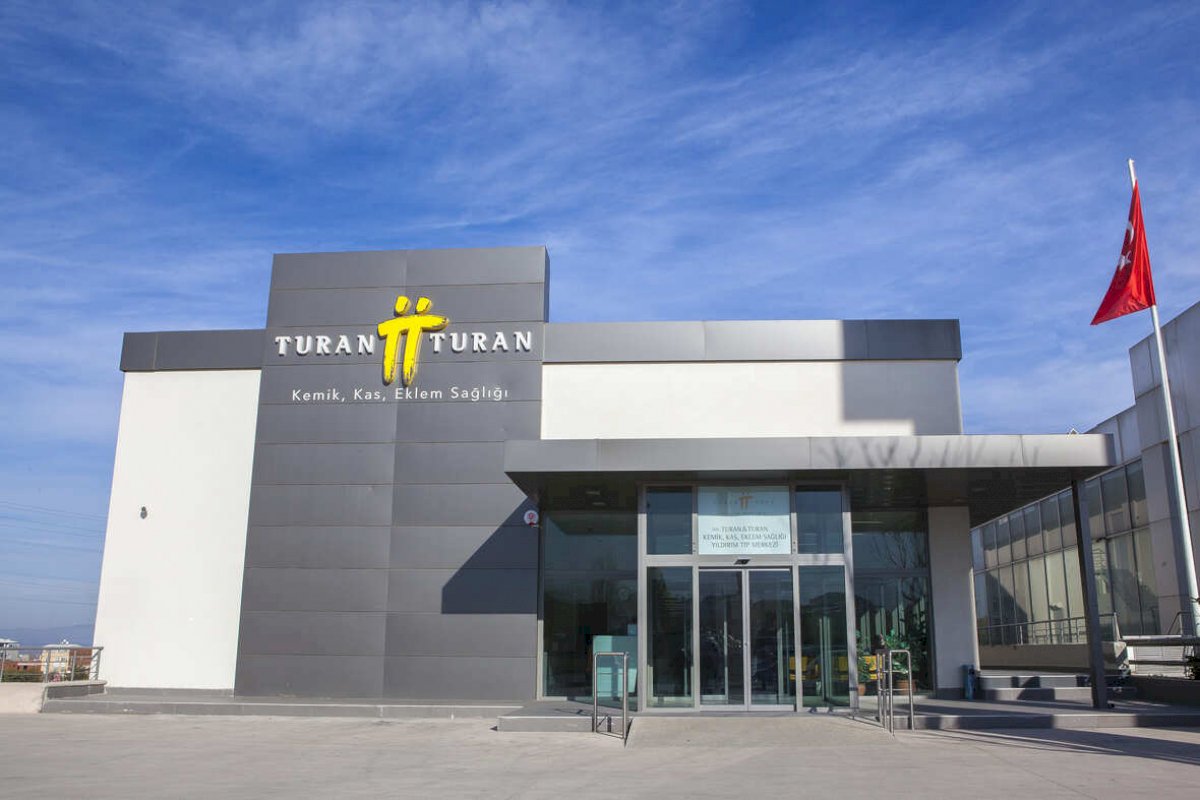
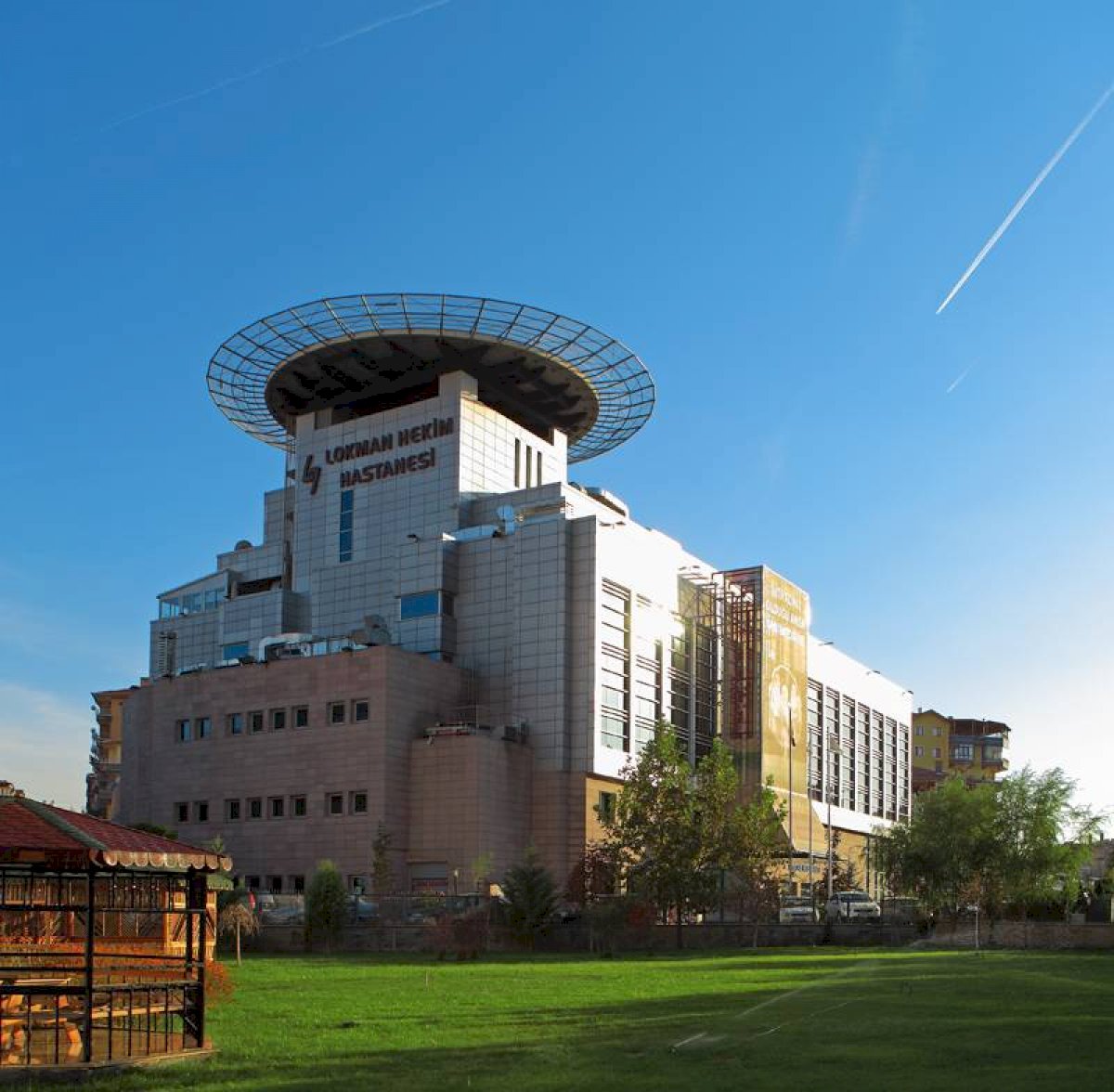
Turan Turan Health Group


احصل على تقييم طبي لـ في تركيا. استشر الآن 86 أطباء ذوي الخبرة.
عرض جميع الأطباء
Murat Yaman
الدكتور مراد يمان هو جراح تجميل وتجميل متمرس. وهو معروف بخبرته في جراحات شد البطن واستخدام التقنيات الجراحية المتقدمة لتحقيق أفضل النتائج. وقد أجرى عدداً مذهلاً من العمليات الجراحية المختلفة، بما في ذلك أكثر من 1500 عملية تجميل للأنف وتكبير للثدي، و500 عملية شد للوجه، و1,000 عملية شد للوجه، وحوالي 1,000 عملية شفط دهون باستخدام تقنية VASER lipo.

Yusuf Bayram
أجرى الدكتور يوسف بيرام أكثر من 1000 عملية جراحية للعظام في مستشفى هيسار إنتركونتيننتال. وهو متخصص في أمراض العمود الفقري وإجراءات تنظير المفاصل. حصل الدكتور بيرام على شهادته الطبية من جامعة مرمرة المرموقة. وهو يعالج حالات معقدة مثل الجنف، والحداب، وكسور العمود الفقري. حصل مستشفى هيسار على اعتماد اللجنة الدولية المشتركة (JCI) لتلبية معايير السلامة والعلاج العالية.
- خبير في تنظير مفاصل الركبة والكتف والكاحل طفيف التوغل.
- يجري عمليات استبدال مفاصل الورك والركبة والكتف.
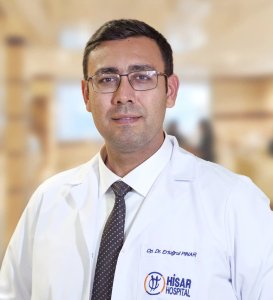
Ertugrul Pinar
تم إجراء أكثر من 900 عملية علاجية – الدكتورة بينار متخصصة في جراحة العمود الفقري في مستشفى هيسار إنتركونتيننتال.
- _doctor_9704_سنوات_ من الخبرة في جراحة الأعصاب
- خبير في أمراض العمود الفقري لدى البالغين والأطفال
- تدربت في جامعة مرمرة – واحدة من كليات الطب الرائدة في تركيا
- تتعامل مع الحالات المعقدة بما في ذلك أورام الدماغ والعمود الفقري

Zafer Orkun Toktas
الطبيب هو جراح أعصاب ذو خبرة تزيد عن 15 عاماً من الممارسة السريرية في تركيا. طوال مسيرته المهنية المتميزة، عمل الطبيب في العديد من المؤسسات الطبية البارزة، بما في ذلك مستشفى ميموريال أتاشهير، ومستشفى في إم ميديكال بارك بنديك، ومستشفى جامعة بهجيشهر ميديكال بارك جوزتيبي.
يتخصص الطبيب في الإجراءات الجراحية العصبية، ويمتلك خبرة واسعة في إدارة الحالات العصبية المعقدة وتقديم رعاية شاملة للمرضى. بفضل عمله في كل من أنظمة المستشفيات الخاصة والمرافق الحكومية، يتمتع الطبيب بخلفية سريرية واسعة في ا
المراجعات
جميع المراجعاتمواد ذات صلة

طرق وأسعار علاج الانزلاق الغضروفي في إسرائيل: استئصال القرص ، استئصال الصفيحة الفقرية
كتب بواسطة Veronika Kazina

كم تكلفة علاج الانزلاق الغضروفي؟
كتب بواسطة Veronika Kazina
مشاركة المحتوى
قصص فيديو من مرضى Bookimed
 Anna Leonova
أسئلة متكررة حول علاج القرص الغضروفي في تركيا
ما هي التقنيات الجراحية المتقدمة المتاحة في تركيا لعلاج الانزلاق الغضروفي؟
تقدم تركيا تدخلات متقدمة في العمود الفقري مثل استئصال القرص القطني بالمنظار عبر الثقبة (TELD) والجراحات بمساعدة الروبوت باستخدام نظام Mazor X Stealth. تستخدم هذه الإجراءات طفيفة التوغل شقوقاً صغيرة تصل إلى 4 مم. غالباً ما يحقق المرضى تخفيفاً للألم بنسبة 90% ويمكنهم المشي في غضون 24 ساعة.
- التقنيات بالمنظار: يستخدم الجراحون كاميرات عالية الدقة لاستئصال القرص العنقي والقطني عن طريق الجلد.
- الدقة الروبوتية: تضمن أنظمة مثل ExcelsiusGPS دقة بنسبة 99% أثناء وضع أجهزة العمود الفقري المعقدة.
- المعيار الذهبي المجهري: يوفر استئصال القرص العنقي الأمامي والدمج (ACDF) المجهري دقة جراحية فائقة.
- الخيارات غير الجراحية: يوفر استئصال النواة بالبلازما والاستئصال بالترددات الراديوية الراحة دون الحاجة إلى شقوق مفتوحة تقليدية.
رؤية خبير Bookimed: معدلات نجاح استئصال القرص في تركيا مرتفعة للغاية. على سبيل المثال، يحافظ الدكتور جاهيت كورال في مستشفى جامعة لقمان حكيم في أنقرة على معدل نجاح بنسبة 99.9%. غالباً ما يتم دعم هذا المستوى من الدقة من خلال أعداد كبيرة من المرضى. تخدم المراكز ذات السعة العالية مثل مستشفى هيسار إنتركونتيننتال أكثر من 250,000 مريض سنوياً. وهذا يسمح للجراحين باكتساب خبرة واسعة في التقنيات المعقدة وطفيفة التوغل.
إجماع المرضى: يؤكد المرضى على سرعة التعافي، مشيرين إلى أنهم غالباً ما يمشون في اليوم التالي للجراحة ويعودون إلى منازلهم في غضون أسبوع. يذكر البعض أهمية التأكد من توفر مترجمين لضمان التواصل الواضح مع الفريق الطبي
ما هو معدل النجاح الموثق والمخاطر الرئيسية لهذه الإجراءات؟
تُظهر علاجات الانزلاق الغضروفي في تركيا معدلات نجاح تتراوح بين 85% و99.9% اعتماداً على النهج الجراحي المحدد. تُعد إجراءات مثل استئصال القرص المجهري والجراحة بالمنظار إجراءات قياسية. يحافظ كبار جراحي الأعصاب على ملفات تعريف أمان عالية داخل المرافق المعتمدة من اللجنة الدولية المشتركة (JCI). يعود معظم المرضى إلى المشي في غضون يومين.
- معدل النجاح: نجاح موثق بنسبة 99.9% لاستئصال القرص في المستشفيات الجامعية المتخصصة.
- الإطار الزمني للتعافي: عادة ما يتم خروج المرضى في غضون 6 أيام بعد تركيب القرص التيتانيوم.
- المخاطر الرئيسية: يحدث انزلاق غضروفي متكرر في 10% إلى 20% من الحالات في غضون عام واحد.
- المضاعفات السريرية: تشمل المخاطر المحتملة العدوى، أو تنميل الأعصاب، أو مشاكل نادرة تتعلق بالتخدير.
رؤية خبير Bookimed: بينما تسلط العديد من العيادات الضوء على النجاح العام، فإن النتائج الأكثر موثوقية تأتي من الجراحين ذوي حجم الإجراءات المرتفع. على سبيل المثال، يتمتع الدكتور جاهد كورال في مستشفى جامعة لقمان حكيم في أنقرة بمعدل نجاح 99.9%. إن اختيار متخصص يجري أكثر من 500 عملية جراحية سنوياً يضمن بشكل كبير نتائج أفضل على المدى الطويل.
إجماع المرضى: يبلغ المرضى عن راحة فورية من الألم طويل الأمد ويؤكدون على أهمية الحصول على تشخيص دقيق بالرنين المغناطيسي. يلاحظ الكثيرون أن القدرة على المشي بعد فترة وجيزة من الجراحة تبدو مغيرة للحياة.
ما هي المؤهلات أو الشهادات التي يجب أن أبحث عنها عند التحقق من عيادة أو جراح تركي؟
يتطلب التحقق من جراحي الأعصاب الأتراك التأكد من شهادة التخصص في جراحة المخ والأعصاب وتسجيلهم في الجمعية الطبية التركية. يجب أن تحمل العيادات شهادة ترخيص السياحة الصحية الدولية من وزارة الصحة. غالبًا ما تحتفظ المرافق من الدرجة الأولى باعتماد اللجنة الدولية المشتركة (JCI) والانتماءات الأكاديمية مع المؤسسات العالمية.
- ترخيص العيادة: تأكد من شهادة ترخيص السياحة الصحية الدولية الصادرة عن وزارة الصحة.
- مجالس الجراحين: ابحث عن أعضاء الجمعية التركية لجراحة الأعصاب أو الجمعية الأوروبية لجمعيات جراحة الأعصاب.
- سلامة المرافق: أعط الأولوية للمستشفيات المعتمدة من اللجنة الدولية المشتركة لبروتوكولات السلامة الجراحية الموحدة.
- الحجم السريري: تخدم المراكز الرائدة مثل مركز الأناضول الطبي أكثر من 65,000 مريض سنويًا.
رؤية خبير Bookimed: بينما يركز الكثيرون على أسماء المستشفيات، توفر مؤهلات الجراح المحددة أمانًا أعلى. كان البروفيسور الدكتور إلهان إلماجي أول من حصل في تركيا على اعتماد الجمعية الأوروبية لجمعيات جراحة الأعصاب. وبالمثل، أكمل البروفيسور الدكتور دنيز كونيا زمالة في العمود الفقري في كلية الطب بجامعة هارفارد. إن إعطاء الأولوية للأطباء الحاصلين على زمالات غربية أو شهادات مجلس دولية يضمن عادةً الإلمام بأحدث التقنيات طفيفة التوغل.
إجماع المرضى: يؤكد المرضى أنه على الرغم من أن العيادات من الدرجة الأولى تقدم رعاية طبية ممتازة، إلا أن جودة الترجمة والتنسيق يمكن أن تختلف بشكل كبير. ويوصون بتأكيد خبرة الجراح المحدد في فحوصات التصوير با
ما الذي يتضمنه باقة علاج الانزلاق الغضروفي النموذجية للمرضى الدوليين؟
تتضمن باقات علاج الانزلاق الغضروفي القياسية في تركيا عادةً الإجراء الجراحي، والتخدير العام أو الموضعي، والاختبارات التشخيصية مثل تخطيط القلب (ECG)، والأشعة السينية للصدر، وتحاليل الدم. تغطي معظم الباقات أيضًا من ليلة إلى 3 ليالٍ في المستشفى، وخدمات النقل VIP بين المطار والعيادة، واستشارة متابعة في غضون 7 أيام. كما يتم تضمين أتعاب جراح الأعصاب وطبيب التخدير كمعيار أساسي.
- المكونات الجراحية: تشمل استئصال القرص المجهري، أو الجراحة بالمنظار، أو تقنيات الاستئصال بالترددات الراديوية.
- باقة التشخيص: تغطي تحاليل الدم قبل الجراحة، والكيمياء الحيوية، وتخطيط القلب، والأشعة السينية للصدر.
- الإقامة في المستشفى: توفر عادةً ليلة إلى ليلتين في غرفة خاصة مع رعاية تمريضية.
- الخدمات اللوجستية المشمولة: خدمات النقل VIP بين المطار والفندق والعيادة هي معيار قياسي.
- دعم اللغة: يسهل المنسقون الشخصيون أو المترجمون التواصل مع الطاقم الطبي.
رؤية خبير Bookimed: تظهر البيانات وجود فجوة كبيرة في القيمة بين المستشفيات الجامعية والمراكز المتخصصة فيما يتعلق بالتعافي بعد الجراحة. على سبيل المثال، تتضمن باقة مستشفى جامعة لقمان حكيم في أنقرة بقيمة 6500 دولار إقامة كاملة و3 ليالٍ في الفندق. في المقابل، تقدم العديد من العيادات البوتيك في إسطنبول أسعارًا أولية أقل تبلغ حوالي 3900 دولار، لكنها تستثني جميع تكاليف الفندق والوجبات، مما قد يضيف 500 إلى 800 دولار إلى ميزانيتك النهائية.
إجماع المرضى: يشير المرضى إلى أهمية التأكد مما إذا
كم من الوقت أحتاج للبقاء في تركيا لإجراء جراحة الانزلاق الغضروفي والمتابعة؟
عادةً ما يبقى المرضى في تركيا لمدة 7 إلى 10 أيام لإجراء جراحة الانزلاق الغضروفي. يسمح هذا الإطار الزمني بإجراء التشخيصات قبل الجراحة، والإجراء الجراحي، والتعافي بعد الجراحة. يحصل معظم المسافرين على تصريح بالسفر جواً بعد فحص متابعة نهائي بعد 5 إلى 8 أيام من العملية.
- الإقامة في المستشفى: توقع قضاء ليلة إلى ليلتين لإجراءات استئصال القرص المجهري طفيفة التوغل.
- الملاحظة السريرية: قد تتطلب الحالات المعقدة أو عمليات دمج الفقرات من 3 إلى 5 ليالٍ في المستشفى.
- جدول المتابعة: يقوم الجراحون بفحص الجروح وإجراء فحوصات بدنية بعد 5 أيام من الجراحة.
- تصريح السفر: عادةً ما يتم الحصول على التصريح الكامل للرحلات الدولية بين اليوم السابع والعاشر.
رؤية خبير Bookimed: اختيار الباقات التي تتضمن إقامات فندقية يبسط عملية التعافي لمرضانا. على سبيل المثال، يجمع مستشفى جامعة لقمان حكيم في أنقرة بين ليلتين في المستشفى و3 ليالٍ في الفندق. يضمن هذا الانتقال المنظم بقاء المراقبة المهنية متاحة خلال فترة الـ 5 أيام الحرجة بعد العملية.
إجماع المرضى: يشير المرضى إلى أنه على الرغم من أن الرعاية الطبية ممتازة، فإن وجود مترجم أمر حيوي لأن العديد من الموظفين يتحدثون التركية بشكل أساسي. يؤكد أولئك الذين خضعوا للجراحة في مستشفى LIV أن المشي بحلول اليوم الثاني كان مفتاح خروجهم السريع.
متى يمكنني المشي، وما مدى سرعة عودتي للعمل بعد الجراحة؟
يبدأ المرضى في تركيا عادةً في المشي في غضون 24 إلى 48 ساعة بعد جراحة الانزلاق الغضروفي. غالبًا ما يمكن استئناف العمل المكتبي في غضون أسبوعين إلى 4 أسابيع. تتطلب الوظائف التي تتطلب مجهودًا بدنيًا عادةً من 6 إلى 12 أسبوعًا للعودة الآمنة إلى النشاط الكامل.
- التحريك المبكر: يبدأ معظم المرضى في المشي لمسافات قصيرة في غضون 24 ساعة لمنع تجلط الدم.
- الخروج من المستشفى: غالبًا ما يتم خروج المرضى بعد يوم أو يومين من الملاحظة السريرية.
- العمل المكتبي: المهام عن بعد أو المكتبية تكون نموذجية بعد أسبوعين إلى 4 أسابيع من التعافي.
- العمل اليدوي: يتطلب رفع الأثقال أو أعمال البناء الانتظار لمدة لا تقل عن 3 إلى 6 أشهر.
رؤية خبير Bookimed: تفضل مراكز جراحة الأعصاب التركية مثل مركز الأناضول الطبي أو مستشفى جامعة لقمان حكيم الجراحة المجهرية طفيفة التوغل. تسمح هذه التقنيات بإقامات قصيرة للغاية في المستشفى لمدة يوم أو يومين فقط. على الرغم من أن المرضى غالبًا ما يشعرون بالاستعداد للعمل في وقت أقرب، إلا أن بياناتنا تظهر أن معدلات النجاح البالغة 99.9% التي تظهر مع جراحين مثل الدكتور جاهد كورال تعتمد على تجنب رفع الأثقال تمامًا خلال الأسابيع الستة الأولى بعد العملية.
إجماع المرضى: يفيد المرضى بأنه يتم تشجيعهم على المشي في ممرات المستشفى في وقت مبكر من اليوم الثاني. في حين أن تخفيف الألم الفوري أمر شائع، يلاحظ الكثيرون أن وجود مترجم مخصص يساعد في إدارة الأيام الأولى من جلسات العلاج الطبيعي.
هل جراحة الانزلاق الغضروفي ضرورية دائماً؟
الجراحة للانزلاق الغضروفي ليست ضرورية دائماً. يتحسن حوالي 80% إلى 90% من الحالات بالعلاجات غير الجراحية مثل العلاج الطبيعي أو الأدوية. يوصي الأطباء عادةً بـ 6 إلى 12 أسبوعاً من الرعاية التحفظية قبل التفكير في التدخل الجراحي لمعظم المرضى.
- نجاح العلاج: أفاد مستشفى جامعة لقمان حكيم في أنقرة بنسبة نجاح في استئصال القرص تبلغ 99.9%.
- النهج التحفظي: تُحل معظم الحالات بشكل طبيعي حيث يقوم الجسم بإعادة امتصاص مادة القرص المزاحة.
- مؤشرات الطوارئ: الجراحة مطلوبة في حالة فقدان السيطرة على المثانة أو الضعف التدريجي.
- التشخيص المتقدم: تستخدم العيادات التصوير بالرنين المغناطيسي (MRI) و PET-CT للتأكد مما إذا كان ضغط العصب يتطلب جراحة.
رؤية خبير Bookimed: غالباً ما يتجاهل المرضى التدخلات غير الجراحية مثل الاستئصال بالترددات الراديوية أو رأب النواة بالبلازما المتاحة في تركيا. تظهر بياناتنا أن هذه الإجراءات، المقدمة في مراكز مثل مجموعة توران توران الصحية، توفر خيارات وسطية. إنها تسد الفجوة بين العلاج الطبيعي والجراحة الغازية للألم المستمر.
إجماع المرضى: يؤكد المرضى أنه على الرغم من أن العديد من الأقراص تشفى بمرور الوقت وتمارين محددة، إلا أن أولئك الذين اختاروا الجراحة وجدوا غالباً راحة فورية من سنوات من آلام الساق المنهكة. يقترح الكثيرون الحصول على رأي ثانٍ عبر صور الرنين المغناطيسي قبل السفر للتأكد من أن الإجراء مطلوب حقاً.