القرص الغضروفي العلاج في المكسيك - التكاليف 2026


تمت مراجعة المقالة طبيا من قبل
فهد مولود
ما هي تكلفة القرص الغضروفي إجراءات التشخيص والعلاج في المكسيك؟ اعرف الآن
تختلف تكلفة علاج القرص المنفتق في المكسيك حسب الطريقة المختارة. يتم تسعير العلاج بالخلايا الجذعية، الذي يتضمن 100 مليون خلية جذعية و250 مليون إكسوسوم، بسعر $6,000. تشمل الخيارات الجراحية استئصال القرص وإعادة ضبط جذور الأعصاب، بسعر $10,000، مع تكلفة الأطراف الصناعية بمبلغ إضافي يتراوح بين $12,000 إلى $16,000. يتم تقديم إجراء جراحي آخر، يتضمن بضع الصفيحة الفقرية، وبضع الثقبة، واستئصال القرص عند مستوى L5-S1، بسعر $9,000. يتم تخصيص كل خطة علاجية لتلبية احتياجات المريض الخاصة، كما يتم تحديدها من خلال تقييم طبي شامل.
مزاياك وضماناتك مع Bookimed
أسعار مباشرة
Bookimed لا يضيف رسوماً إضافية على أسعار علاج القرص الغضروفي. الأسعار مأخوذة من قوائم الأسعار الرسمية للعيادات. تدفع مباشرة في العيادة مقابل علاجك عند وصولك إلى البلد.
عيادات وأطباء معتمدون فقط
Bookimed ملتزم بسلامتك. نحن نعمل فقط مع المؤسسات الطبية التي تحافظ على معايير دولية عالية في علاج القرص الغضروفي ولديها التراخيص اللازمة لخدمة المرضى الدوليين في جميع أنحاء العالم.
مساعدة مجانية على مدار الساعة
Bookimed يقدم مساعدة خبراء مجانية. منسق طبي شخصي يدعمك قبل وأثناء وبعد العلاج، ويحل أي مشاكل. لن تكون وحيداً أبداً في رحلة علاج القرص الغضروفي.

منسقك الطبي الشخصي في Bookimed
- يدعمك في كل مرحلة
- المساعدة في اختيار العيادة الطبية المناسبة والطبيب المناسب
- يضمن الوصول السريع والمريح إلى المعلومات
اكتشف أفضل القرص الغضروفي العيادات في المكسيك: 2 خيارات معتمدة والأسعار


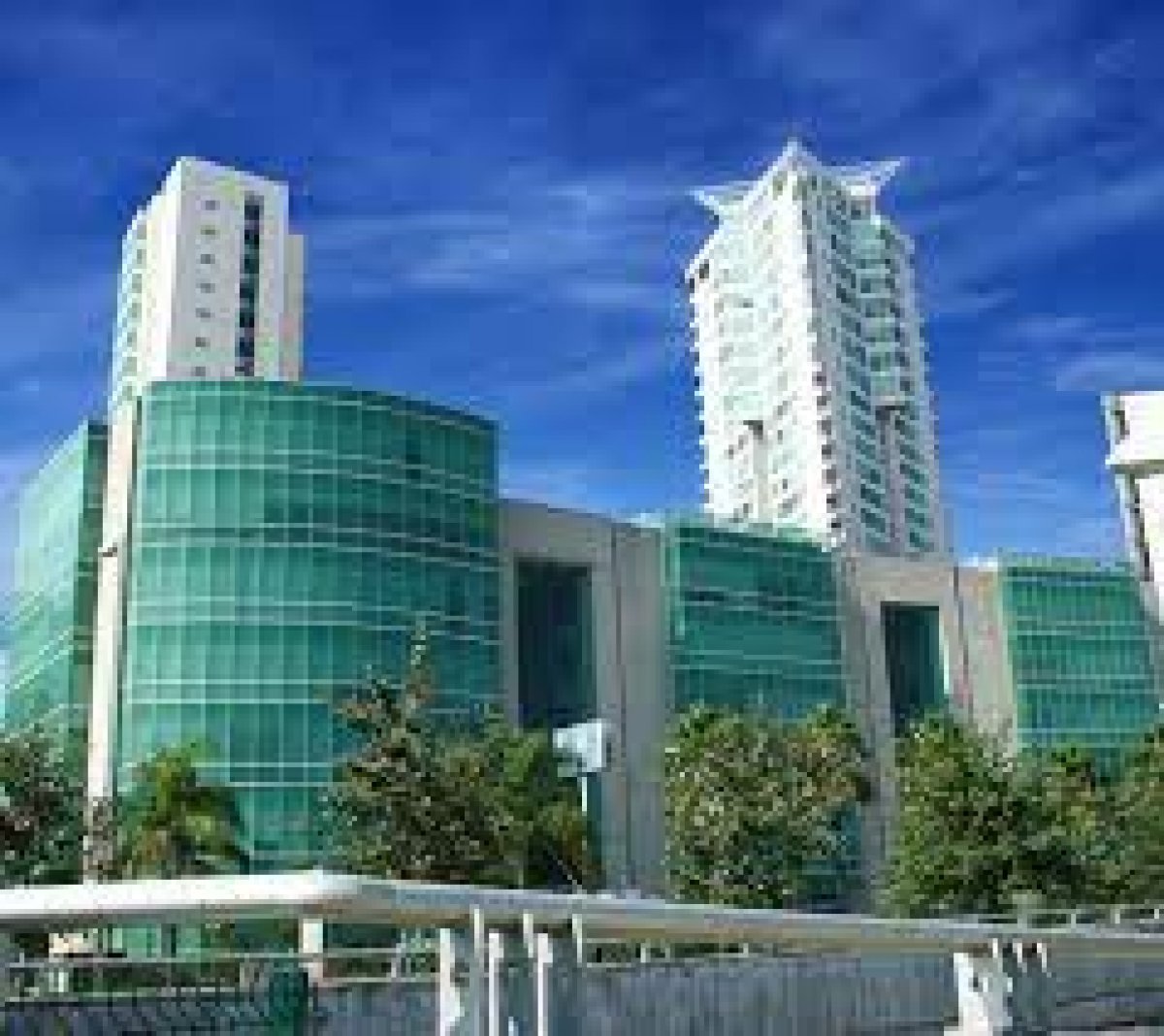
GDL High Specialty Neurosurgery
احصلوا على تقييم طبي لـ القرص الغضروفي في المكسيك: استشيروا أطباء ذوي خبرة الآن
عرض جميع الأطباء
Marco Tulio Marroquin Batres
الطبيب هو جراح تجميل حائز على جوائز ومتخصص في إجراءات الوجه والجسم. معتمد من قبل المجلس المكسيكي لجراحة التجميل والترميم، يُعترف بالطبيب كواحد من أفضل الجراحين في مكسيكو سيتي، ومعروف بشكل خاص بخبرته في شفط الدهون، وتجميل الأنف، وجراحات رفع المؤخرة البرازيلية (BBL).<\/p>
يمارس حاليًا في مركز سالوتاريس الطبي، يحمل الطبيب درجة في الطب العام من جامعة فرانسيسكو ماروكين، وتخصصًا في الجراحة العامة من جامعة سان كارلوس في غواتيمالا، وتخصصًا في جراحة التجميل والترميم من معهد جراحة الترميم ف
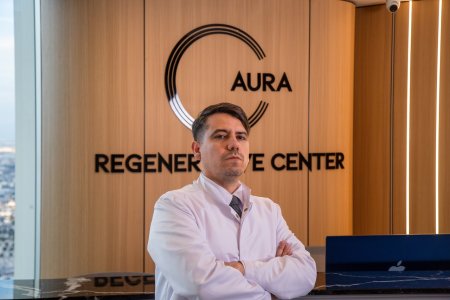
Fernando Antonio Hernández Martínez
الدكتور Fernando Antonio Hernández Martínez طبيب مرخّص في المكسيك. يمتلك خلفية قوية في طب الطوارئ تشمل الرعاية الحادة، واتخاذ القرارات الحرجة، والتقييم السريري السريع. يقدّم تقييمات دقيقة وآمنة للحالات المعقّدة.
يشغل منصب الطبيب المشرف في Aura Regenerative Center في مونتيري. يقيّم المرشحين للعلاجات الخلوية المتقدمة، بما في ذلك الخلايا الجذعية الميزنكيمية من هلام وارتون والبروتوكولات المعتمدة على الإكسوسومات. يجري مراجعات طبية شاملة ويخصّص خطط العلاج.
يتعاون مع مختبرات معتمَدة تو

Joaquin Ayala Del Muro
الدكتور خواكين أيالا ديل مورو هو جراح تجميل معتمد في مستشفى دي لا فاميليا. يشتهر بإجراءات تجديد شباب الوجه المعقدة ونحت الجسم. أكمل الدكتور أيالا ديل مورو زمالة في البرازيل تحت إشراف الراحل إيفو بيتانجي. يحتفظ بسجل طبي خالٍ من أي دعاوى قضائية أو وفيات للمرضى.
- متخصص في شد الوجه العميق، وعمليات "مامي ميك أوفر"، وجراحات ما بعد السمنة.
- يجري عمليات شفط الدهون بتقنية فايزر (Vaser)، وتكبير الثدي، وجراحة الجفون.
- يعالج المرضى في منشأة معتمدة من قبل المجلس العام للصحة في المك
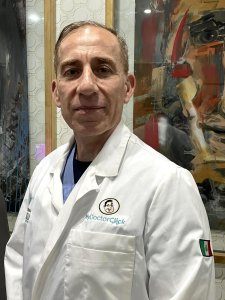
Dr Roberto Hernandez-pena
الدكتور روبرتو هيرنانديز-بينيا جرّاح أعصاب. حصل على درجة الطب (MD) من الجامعة المستقلة لباخا كاليفورنيا، وأكمل تدريبًا في جراحة الأعصاب في مدينة مكسيكو، ثم أكمل زمالة في طب الأعصاب/جراحة الأعصاب في فينيكس، أريزونا.
هو جزء من فريق جراحة أعصاب مكوّن من جرّاحَين مع الدكتور نيستور رودريغيز، الذي أكمل زمالة في ريو دي جانيرو، البرازيل. معًا يقدّمان أكثر من 18 عامًا من الخبرة الجراحية، ويُعترف بهما كأحد أبرز فرق جراحة الأعصاب في مكسيكالي.
مواد ذات صلة

طرق وأسعار علاج الانزلاق الغضروفي في إسرائيل: استئصال القرص ، استئصال الصفيحة الفقرية
كتب بواسطة Veronika Kazina

كم تكلفة علاج الانزلاق الغضروفي؟
كتب بواسطة Veronika Kazina
مشاركة المحتوى
قصص فيديو من مرضى Bookimed
 Anna Leonova
أسئلة متكررة حول علاج القرص الغضروفي في المكسيك
هل جراحة العمود الفقري في المكسيك آمنة؟
تعتبر جراحة العمود الفقري في المكسيك آمنة عند إجرائها من قبل جراحي أعصاب معتمدين في مرافق معتمدة. تستخدم المستشفيات الخاصة عالية المستوى تقنية الملاحة العصبية O-arm وتتبع معايير النظافة الدولية. يحتفظ العديد من الجراحين بمؤهلات مزدوجة في المكسيك والولايات المتحدة. يتعافى المرضى عادةً في البلاد لمدة 5 إلى 10 أيام قبل السفر.
- مؤهلات الجراح: الاعتماد من قبل المجلس المكسيكي لجراحة العظام والصدمات (CONAOT) أمر ضروري.
- معايير المرافق: تمتلك المراكز الرائدة اعتماد CSG من المجلس العام للصحة في المكسيك.
- فرق متخصصة: غالبًا ما تضم فرق جراحة الأعصاب الرائدة متخصصين حاصلين على زمالات من مؤسسات في الولايات المتحدة.
- دقة التشخيص: تعتمد النتائج الآمنة على تخطيط القلب قبل الجراحة، والتصوير بالرنين المغناطيسي، والاستشارات مع كبار جراحي الأعصاب.
رؤية خبير Bookimed: تشير البيانات إلى أن العيادات في المدن الحدودية مثل مستشفى دي لا فاميليا (Hospital de la Familia) تعمل كـ `مستشفيات دقيقة` (micro-hospitals) بوتيك مع نسبة عالية من الجراحين إلى المرضى. غالبًا ما توظف هذه المرافق فرقًا متخصصة مكونة من جراحين اثنين لإجراءات الانزلاق الغضروفي المعقدة. يسمح هذا النهج التعاوني لجراح واحد بالتركيز على الملاحة العصبية بينما يقوم الآخر بإجراء الجراحة المجهرية. هذا التكرار الداخلي هو ميزة أمان كبيرة غالبًا ما تفتقدها المستشفيات العامة الكبيرة.
إجماع المرضى: يؤكد المرضى أن الحفاظ على التواصل المستمر مع الجراح بعد العملية هو العقبة الأكبر. ينصح الكثير
ما هي خيارات العلاج المتاحة للانزلاق الغضروفي في المكسيك؟
تقدم المكسيك مجموعة كاملة من علاجات الانزلاق الغضروفي. تتراوح هذه العلاجات من العلاجات التجديدية غير الجراحية مثل حقن الخلايا الجذعية إلى الجراحات المتقدمة طفيفة التوغل. توفر المراكز المتخصصة في غوادالاخارا وميكسيكالي عمليات استئصال القرص المجهري، واستئصال الصفيحة الفقرية، واستبدال القرص الاصطناعي. تلتزم معظم المرافق بمعايير صحية صارمة من COFEPRIS وCSG.
- الخيارات التجديدية: يستخدم علاج الخلايا الجذعية الخلايا الوسيطة لإصلاح أنسجة القرص التالفة بشكل طبيعي.
- التقنيات الجراحية: يقوم الجراحون بإجراء عمليات استئصال القرص المجهري والإجراءات التنظيرية من خلال شقوق صغيرة لتعافي أسرع.
- الحفاظ على الحركة: يساعد استبدال القرص الاصطناعي في الحفاظ على حركة العمود الفقري بدلاً من الدمج الدائم.
- الدقة التشخيصية: تشمل البروتوكولات قبل الجراحة استشارات جراحي الأعصاب، ومراجعات التصوير بالرنين المغناطيسي، واختبارات معملية كاملة.
رؤية خبير Bookimed: يمكن أن يؤدي اختيار عيادة بالقرب من الحدود إلى تبسيط لوجستيات المتابعة بعد الجراحة. على سبيل المثال، يقع مستشفى دي لا فاميليا في ميكسيكالي على بعد خطوات من حدود كاليفورنيا. وهذا يسمح للمرضى بالوصول إلى فرق جراحة أعصاب رفيعة المستوى حاصلة على زمالات من الولايات المتحدة مع البقاء بالقرب من المنزل. يتمتع فريق الجراحين هناك وحده بأكثر من 15 عاماً من الخبرة الجراحية المشتركة.
إجماع المرضى: يشير المرضى إلى أنه من الضروري إجراء تصوير بالرنين المغناطيسي واستشارة في الوطن قبل السفر. يؤكد الكثيرون على
كم تستغرق فترة التعافي بعد جراحة الانزلاق الغضروفي في المكسيك؟
تسمح فترة التعافي بعد جراحة الانزلاق الغضروفي في المكسيك عادةً بالقيام بأنشطة خفيفة في غضون أسبوع إلى 4 أسابيع. يستأنف معظم المرضى روتينهم اليومي الطبيعي بين 8 و 12 أسبوعاً بعد العملية. يحصل المرضى الدوليون عموماً على تصريح طبي للسفر إلى الوطن بعد 7 إلى 10 أيام من المراقبة المحلية.
- الحركة الفورية: غالباً ما يبدأ المرضى في المشي في غضون ساعات من إجراءات استئصال القرص طفيفة التوغل.
- الإقامة في المستشفى: تتطلب المرافق الجراحية عادةً ليلة أو ليلتين للمراقبة بعد العملية.
- العودة للعمل: غالباً ما يعود الموظفون المكتبيون إلى العمل عن بُعد أو العمل الخفيف بحلول الأسبوع الثالث.
- التعافي الكامل: عادة ما يتم تقييد الرياضات عالية التأثير ورفع الأثقال لمدة 3 إلى 6 أشهر.
رؤية خبير Bookimed: تُظهر البيانات السريرية من GDL High Specialty Neurosurgery أن الفرق المتخصصة تعالج ما يقرب من 700 مريض سنوياً. غالباً ما تفضل المراكز ذات الحجم الكبير المشي الفوري والعلاج الطبيعي المبكر. يمكن أن يؤدي هذا النهج الاستباقي إلى تعافي وظيفي أسرع من بروتوكولات الراحة في الفراش التقليدية طويلة الأمد. يستفيد المرضى الذين يختارون فرقاً مثل تلك الموجودة في مستشفى دي لا فاميليا من خبرة مشتركة تتجاوز 15 عاماً من الخبرة الجراحية.
إجماع المرضى: يلاحظ المرضى أن آلام الأعصاب الشديدة غالباً ما تهدأ في غضون أسبوعين. يؤكد الكثيرون أن بدء العلاج الطبيعي في الأسبوع الأول أدى إلى تحسين حركتهم بشكل كبير مقارنة بالانتظار لفترة أطول.
ما الذي يجب أن أسأل عنه جراح العمود الفقري المكسيكي قبل الالتزام بالعلاج؟
تحقق من أن جراح العمود الفقري المكسيكي الخاص بك حاصل على شهادة البورد من المجلس المكسيكي لجراحة الأعصاب. تأكد مما إذا كان قد أكمل زمالات دولية في تقنيات خاصة بالعمود الفقري. اسأل عن حجم إجراءاتهم الروتينية مثل استئصال القرص أو استئصال الصفيحة الفقرية. يجب على المرضى وضع جدول زمني واضح للسفر بعد الجراحة قبل الالتزام.
- التحقق من الشهادة: اطلب إثبات الشهادة من Consejo Mexicano de Cirugía Neurológica.
- الخبرة الجراحية: اسأل عما إذا كان جراح الأعصاب قد أجرى أكثر من 1000 عملية ناجحة في العمود الفقري.
- المراجعة التشخيصية: تأكد من أن الجراح يراجع صور الرنين المغناطيسي شخصياً لتأكيد مصدر الألم.
- سلامة السفر: تأكد من وجود فترة تعافي تتراوح من 7 إلى 10 أيام قبل السفر جواً إلى المنزل.
رؤية خبير Bookimed: ابحث عن فرق جراحة الأعصاب التي تعمل كثنائي دائم. تستخدم المراكز ذات الحجم الكبير مثل مستشفى دي لا فاميليا (Hospital de la Familia) فرقاً مكونة من جراحين اثنين يتمتعان بأكثر من 15 عاماً من الخبرة المشتركة. غالباً ما يضمن هذا النهج التعاوني مراقبة أفضل أثناء الجراحة واستمرارية جراحية. تدير العيادات المتخصصة مثل GDL High Specialty Neurosurgery ما يقرب من 700 مريض سنوياً. يشير هذا الحجم إلى بروتوكولات محسنة لحالات الانزلاق الغضروفي المعقدة.
إجماع المرضى: يؤكد المرضى على الحاجة إلى استشارة عبر الفيديو لمراجعة نتائج الرنين المغناطيسي معاً. ويشيرون إلى أنه من الضروري توضيح من يتولى إدارة الألم والمتابعة بمجرد عودتك إلى المنزل.
هل العلاج بالخلايا الجذعية بديل واقعي لجراحة العمود الفقري في المكسيك؟
العلاج بالخلايا الجذعية هو خيار غير جراحي للانزلاق الغضروفي البسيط والتنكس المبكر. يستخدم الخلايا الجذعية الوسيطة لتقليل الالتهاب وتعزيز الإصلاح البيولوجي. على الرغم من أنه يتجنب الشقوق الجراحية الغازية، إلا أنه يظل بديلاً فقط لحالات هيكلية محددة دون ضغط عصبي شديد.
- آلية العلاج: تهدف الحقن إلى إصلاح الأنسجة بيولوجياً بدلاً من التثبيت الميكانيكي.
- الإطار التنظيمي: تسمح إرشادات COFEPRIS في المكسيك بأعداد خلايا موسعة تصل إلى 300 مليون.
- المرشحون المثاليون: غالباً ما يحصل المرضى الذين يعانون من مرض القرص التنكسي أو عرق النسا على أفضل النتائج.
- جدول التعافي: تظهر الفوائد الكاملة عادةً بين 6 و 12 شهراً بعد الإجراء.
رؤية خبير Bookimed: تشير البيانات الواردة من مراكز ذات حجم كبير مثل GDL High Specialty Neurosurgery، التي تخدم ما يقرب من 700 مريض سنوياً، إلى أن النتائج الناجحة تعتمد على تشخيصات دقيقة. نرى أن كبار جراحي الأعصاب مثل الدكتور روبرتو هيرنانديز-بينا غالباً ما يجمعون بين التدريب المكسيكي والزمالات الدولية لسد الفجوة بين الخبرة التجديدية والجراحية. يضمن هذا التخصص المزدوج حصول المرضى على الخلايا الجذعية فقط عندما تسمح السلامة الهيكلية بالإصلاح غير الميكانيكي.
إجماع المرضى: يشير العديد من المرضى إلى أنه على الرغم من أن الحقن وفرت راحة قصيرة المدى، إلا أنهم ينصحون بالحصول على تصوير بالرنين المغناطيسي مستقل لتتبع تجدد القرص الفعلي. هناك تركيز قوي على التحقق من بيانات اعتماد العيادة لتجنب تكتيكات التسويق العدوانية للغاية