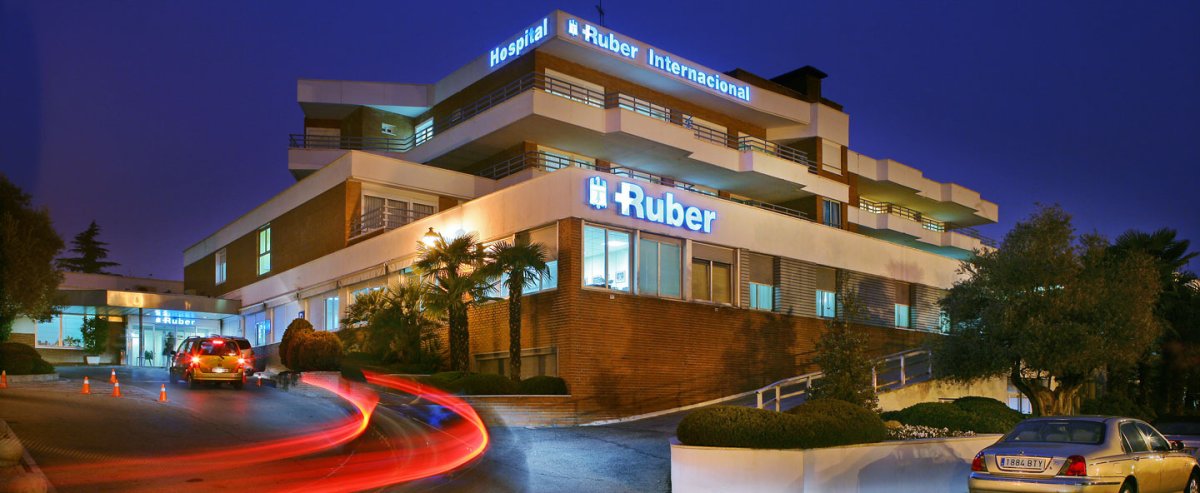
Centro Médico Teknon
إسبانيا, برشلونة
Jaume Capdevila
26سنة خبره ١٦ سنة

الاعتمادات : 


العيادة معتمدة من قبل : 





تمت مراجعة المقالة طبيا من قبل
فهد مولود
تتضمن تكلفة علاج سرطان القولون في إسبانيا عادةً فحوصات تصويرية أساسية مثل مسح PET/CT، والتي تتراوح تكلفتها بين $1,300 و $3,000. من $20,000. تعتمد النفقات الإجمالية على مرحلة السرطان، والنهج الجراحي، ومستوى العيادة، حيث توفر الرعاية الخاصة توفيرًا بنسبة 40-70% مقارنة بالولايات المتحدة. تشمل أهم مراكز العلاج برشلونة ومدريد.
تكاليف علاج سرطان القولون النموذجية في إسبانيا
رؤية خبراء Bookimed: يستفيد المرضى الباحثون عن أحدث الابتكارات الجراحية بشكل أكبر من المراكز المعتمدة من قبل اللجنة الدولية المشتركة (JCI) في برشلونة. يُعد مستشفى كيرون برشلونة (Hospital Quiron Barcelona) مثاليًا للحالات المعقدة، حيث يستفيدون من تعاون معهد بازيلغا مع المراكز الأمريكية لتطبيق بروتوكولات متقدمة. بالنسبة للإصابات البريتونية، يقدم مركز تكنون الطبي (Centro Médico Teknon) علاجات HIPEC متخصصة. وقد أجرى فريقهم الجراحي أكثر من 23,500 عملية سنويًا، مما يضمن خبرة سريرية عالية للمرضى الدوليين.
| تركيا | إسبانيا | ألمانيا | |
|---|---|---|---|
| نانو نايف NanoKnife | ≈ $9,500 | ≈ $9,500 | ≈ $9,500 |
| منظومة دا فينشي الجراحية | من $23,900 | ≈ $9,500 | ≈ $17,500 |
| سايبر نايف CyberKnife | من $4,900 | من $14,800 | من $9,000 |
| المعالجة المقطعية | من $6,700 | ≈ $7,500 | ≈ $7,500 |
| العلاج المناعي مع Keytruda (Pembolizumab) | من $4,200 | من $10,300 | من $6,000 |
الدكتور Jaume Capdevila هو طبيب مؤهل تأهيلا عاليا لسرطان الجهاز الهضمي والبنكرياس ، حاصل على شهادة في الطب والجراحة من جامعة Lleida وتخصص في طب الأورام من مستشفى Santa Creu i Sant Pau. وهو عضو في العديد من المنظمات المهنية ، بما في ذلك EORTC و ESMO و ENETS و ASCO و GEMCAD و TTD و GETHI.

أجرى أكثر من 12,000 عملية جراحية بالمنظار – يتخصص الدكتور باليستا في إجراءات جراحة سرطان القولون طفيفة التوغل باستخدام روبوت دافنشي.
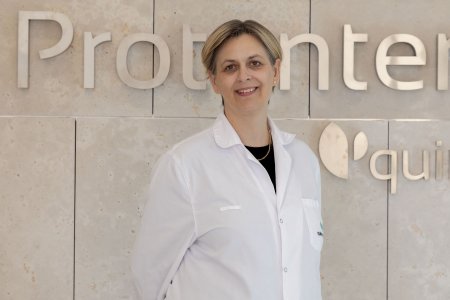
الدكتورة ستيفاني ليليان إي. بولي اختصاصية علاج الأورام بالإشعاع ورئيسة قسم علاج الأورام بالإشعاع في مركز كيرونسالود للعلاج بالبروتون في مدريد. تتولى قيادة القسم منذ يوليو/تموز 2024. يُعد المركز أول مرفق للعلاج بالبروتون في إسبانيا.
دكتوراه في الطب، جامعة لييج (1998). حاصلة على البورد في علاج الأورام بالإشعاع (2003). عضو نشط في الجمعية الأوروبية لطب أورام الأطفال وتعمل مع مجموعة أورام الدماغ ومجموعة عمل علاج الأورام بالإشعاع التابعة لها.
نشرت أكثر من 120 مقالة علمية حول أورام دما
تم إجراء أكثر من 900 علاج – تتخصص الدكتورة إلفيرا بوكسو في أورام الجهاز الهضمي المعقدة في مركز تكنون الطبي (Centro Médico Teknon).


كتب بواسطة Veronika Kazina

كتب بواسطة Veronika Kazina

كتب بواسطة Veronika Kazina

كتب بواسطة Veronika Kazina

كتب بواسطة Veronika Kazina
 Anna Leonova
تقدم إسبانيا علاجاً متعدد التخصصات لسرطان القولون من خلال الجراحة بالمنظار والجراحة الروبوتية، وتقنية HIPEC، والعلاج المناعي المتقدم. يستخدم الجراحون في المراكز المعتمدة من قبل اللجنة الدولية المشتركة (JCI) نظام دافنشي لإزالة الأورام بدقة. تتبع بروتوكولات الأورام الإسبانية معايير وكالة الأدوية الأوروبية لضمان رعاية عالية الجودة وسلامة المرضى.
رؤية خبير Bookimed: تدمج المراكز الإسبانية مثل Clinica Universidad de Navarra وCentro Médico Teknon التنميط الجيني في التشخيصات القياسية. وهذا يسمح للأطباء بتجاوز علاجات التجربة والخطأ. على سبيل المثال، غالباً ما تتضمن الباقات في Teknon علامات محددة لتعداد الدم. تساعد هذه البيانات أطباء الأورام على تخصيص جرعات العلاج المناعي فوراً بعد الفحوصات الأولية.
إجماع المرضى: يقدر المرضى سرعة الرعاية الخاصة، مشيرين إلى أنهم غالباً ما يتمكنون من بدء العلاج في غضون أسبوعين. يقدر الكثيرون خيار العلاج الكيميائي الفموي للاستخدام المنزلي وتوافر التجارب السريرية للمراحل المتقدمة.
تُبلغ إسبانيا عن معدل بقاء إجمالي لمدة 5 سنوات بنسبة 62.6% لسرطان القولون. يعمل التشخيص في مرحلة مبكرة على تحسين النتائج بشكل كبير مع معدل شفاء يقارب 90%. تساهم التقنيات الجراحية المتقدمة وبرامج الفحص في هذه الإحصائيات. تُصنف مراكز الأورام الإسبانية باستمرار من بين الأفضل في أوروبا لرعاية القولون والمستقيم.
رؤية خبير Bookimed: تقود المراكز الإسبانية مثل Centro Médico Teknon وHospital Quiron Barcelona الابتكار في مجال القولون والمستقيم لأن جراحيها كانوا رواداً في المعايير العالمية. أجرى الدكتور أنطونيو دي لاسي فورتوني أول عملية استئصال كامل للمستقيم عبر الشرج (TaTME) في العالم. تسمح هذه الخبرة لهذه العيادات بالحفاظ على معدلات نجاح عالية حتى في الحالات المعقدة التي تتطلب جراحة بالمنظار بمساعدة الروبوت.
إجماع المرضى: يشير المرضى إلى أن الكشف المبكر هو العامل الأكثر أهمية للوصول إلى معدل بقاء بنسبة 90%. يؤكد أولئك الذين عولجوا في عيادات خاصة في مدريد وبرشلونة أن
تستضيف إسبانيا مراكز أورام النخبة مثل Centro Medico Teknon و Hospital Quironsalud Barcelona. تحمل هذه المرافق اعتماد اللجنة الدولية المشتركة (JCI) وتصنيفات مجلة نيوزويك. وهي تتفوق في الجراحة الروبوتية والتشخيص المتقدم. توفر المستشفيات الإسبانية رعاية عالمية المستوى لسرطان القولون مع معدلات بقاء عالية.
رؤية خبير Bookimed: توفر الشبكة الخاصة في إسبانيا ميزة سرعة كبيرة للحالات العاجلة. في حين أن المستشفيات العامة مثل Vall d'Hebron مشهورة عالميًا، إلا أنها غالبًا ما تواجه قوائم انتظار تتراوح من 3 إلى 6 أشهر. يوفر اختيار المراكز الخاصة مثل Centro Medico Teknon وصولاً فوريًا إلى جراحين يجرون أكثر من 23,500 عملية سنويًا. هذا الإطار الزمني بالغ الأهمية لمنع تطور المرحلة في أمراض القولون والمستقيم.
إجماع المرضى: يقدر المرضى سرعة جدولة المواعيد في العيادات الخاصة مما يساعد في تجنب فترات الانتظار الطويلة في القطاع العام. يلاحظ الكثيرون أن مراجعات علم الأمراض الإسبانية دقيقة للغاية وغالبًا ما تساعد في منع العلاج الزائد غير
تضم إسبانيا متخصصين في سرطان القولون على مستوى عالمي يجرون أكثر من 1000 عملية جراحية سنويًا في مرافق معتمدة من JCI. يقود خبراء مثل الدكتور أنطونيو دي لاسي فورتوني والدكتور كارلوس باليستا لوبيز تقنيات TaTME طفيفة التوغل والتقنيات الروبوتية. تقع معظم المراكز الرئيسية في برشلونة ومدريد.
رؤية خبير Bookimed: بينما يرتبط حجم المرضى غالبًا بالجودة، فإن التميز في إسبانيا هو الوصول إلى التكنولوجيا. يخدم Centro Médico Teknon 10000 مريض سنويًا ويقدم أورام الصفاق المتخصصة. تظهر بياناتنا أن اختيار العيادات الموجودة في برشلونة غالبًا ما يوفر وصولًا أسرع إلى بروتوكولات TaTME و HIPEC المتكاملة.
إجماع المرضى: يلاحظ المرضى أن الخيارات الخاصة في مدريد وبرشلونة توفر وصولًا أسرع بكثير من الأنظمة العامة. يتم إعطاء الأولوية لحالات الحجم الكبير، ويرى الكثيرون وفورات تتراوح بين 20% إلى 50% مقارنة بالرعاية الخاصة في المملكة المتحدة.
تستغرق عملية العلاج العامة لسرطان القولون في تركيا عادةً ما بين 3 إلى 12 شهرًا، اعتمادًا بشكل كبير على مرحلة المرض. قد يكمل المرضى في المراحل المبكرة العلاج في غضون بضعة أسابيع بعد الجراحة، بينما تتبع الحالات المتقدمة التي تتطلب علاجات جهازية مثل العلاج الكيميائي جدولًا زمنيًا أطول. تتوفر نتائج التشخيص عادةً في غضون 3 إلى 7 أيام، مما يسمح ببدء العلاج بعد ذلك بوقت قصير.
رؤية خبير Bookimed: من المزايا الملحوظة في تركيا الانتقال السريع من التشخيص إلى الجراحة، والذي يحدث غالبًا في غضون 48 إلى 72 ساعة. هذا أسرع بكثير من العديد من الأنظمة الصحية الأوروبية حيث يمكن لقوائم الانتظار تأخير بدء العلاج. على سبيل المثال، في مركز الأناضول الطبي، يسمح دمج التنميط الجينومي باختيار دقيق للعلاجات الموجهة، مما يمكن أن يحسن الجدول الزمني للعلاج من خلال تجنب البروتوكولات القياسية غير الفعالة.
إجماع المرضى: غالبًا ما يذ
معظم المرضى الذين يخضعون لجراحة سرطان القولون في إسبانيا لا يحتاجون إلى فغرة دائمة. تمكن التقنيات الحديثة الجراحين من إعادة توصيل نهايات الأمعاء السليمة في 80% إلى 90% من الحالات. تحدث الفغرات الدائمة عادةً في أقل من 10% من إجراءات القولون والمستقيم التي تشمل العضلة العاصرة الشرجية.
رؤية خبير Bookimed: تستخدم مراكز الأورام الإسبانية مثل Centro Médico Teknon و Hospital Quiron Barcelona تقنية استئصال المساريق الكلي عبر الشرج (TaTME). تسمح هذه التقنية المحددة لجراحين مثل الدكتور أنطونيو دي لاسي فورتوني بإجراء جراحة الحفاظ على العضلة العاصرة حتى لأورام المستقيم المنخفضة جداً. يمكن أن يؤدي الوصول إلى هؤلاء الجراحين المتخصصين إلى منع الحاجة إلى فغرة دائمة في الحالات التي قد تفشل فيها الطرق القياسية.
إجماع المرضى: يشير المرضى إلى أن سرطانات المستقيم تحمل خطراً أعلى للإصابة بالفغرة مقارنة بمواقع القولون الأخرى. يقترح الكثيرون السؤال عن العلاج قبل الجراحة لتقليص الأورام وتحسين فرص تجنب الكيس.
تتضمن باقات المستشفيات الإسبانية لجراحة سرطان القولون عادةً الإجراء الجراحي، والتخدير، وإقامة في المستشفى لمدة تتراوح بين 4 إلى 7 أيام. غالبًا ما تغطي هذه الباقات الأدوية الأساسية بعد الجراحة والتحليل المرضي. تعطي المراكز الرائدة المعتمدة من JCI في برشلونة ومدريد الأولوية للتقنيات طفيفة التوغل مثل استئصال القولون بالمنظار أو بمساعدة الروبوت.
رؤية خبير Bookimed: على الرغم من أن الباقات الجراحية في إسبانيا شاملة، إلا أن التشخيصات مثل PET-CT أو اختبارات طفرة الجينات BRAF غالبًا ما يتم محاسبتها بشكل منفصل. تظهر بياناتنا أن الجراحين ذوي الخبرة العالية، مثل الدكتور كارلوس باليستا لوبيز الذي أجرى أكثر من 12,000 عملية بالمنظار، يستخدمون غالبًا هذه الاختبارات المحددة لتكييف النهج الجراحي قبل بدء الباقة حتى.
إجماع المرضى: يؤكد المرضى على ضرورة طلب تفصيل التكاليف مسبقًا لتوضيح ما إذا كانت استشارات المتابعة الأولى مشمولة. يلاحظ الكثيرون أن اختيار المرافق الخاصة يسرع الجدول الزمني بشكل كبير، وغالبًا ما ينتقل من التشخيص إلى الجراحة في غضون أسبوع إلى أسبوعين.