Medical Center in Solingen
ألمانيا, زولينغن
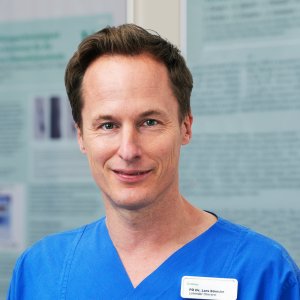
Boris Pfaffenbach
34سنة خبره ١٦ سنة

الاعتمادات : 
العيادة معتمدة من قبل : 


تمت مراجعة المقالة طبيا من قبل
فهد مولود
تختلف تكلفة علاج سرطان القولون في ألمانيا بناءً على خطة العلاج المحددة. تتراوح تكلفة التشخيص الأولي من $1,250 إلى $5,500، وتبلغ تكلفة الاستشارات مع أخصائيي الأورام حوالي $1,400. تبلغ تكلفة الإجراءات التشخيصية المتقدمة، مثل فحوصات الأشعة المقطعية، حوالي $550، بينما تتراوح تكلفة التحليل الجيني النسيجي بين $1,370 و $3,200. يتم تخصيص برنامج العلاج بعد إجراء تشخيص شامل وتقييم شخصي من قبل الفريق الطبي.
| تركيا | إسبانيا | ألمانيا | |
|---|---|---|---|
| نانو نايف NanoKnife | ≈ $9,500 | ≈ $9,500 | ≈ $9,500 |
| منظومة دا فينشي الجراحية | من $23,900 | ≈ $9,500 | ≈ $17,500 |
| سايبر نايف CyberKnife | من $4,900 | من $14,800 | من $9,000 |
| المعالجة المقطعية | من $6,700 | ≈ $7,500 | ≈ $7,500 |
| العلاج المناعي مع Keytruda (Pembolizumab) | من $4,200 | من $10,300 | من $6,000 |
يجري البروفيسور فافنباخ أكثر من 9000 تدخل تنظيري سنويًا في مستشفى كلينيكوم سولينجن.

تقود الدكتورة فيولا فوكس مركزًا معتمدًا متعدد التخصصات للسرطان في سولينغن، متخصصًا في علاجات سرطان القولون المتقدمة. وقد ساهمت أبحاثها في تحقيق تقدم كبير في علاج السرطان.

خبير في الأشعة التداخلية - يستخدم البروفيسور كايل تقنيات التصوير المقطعي المحوسب والرنين المغناطيسي المتقدمة لتشخيص سرطان القولون بدقة في مستشفى زولينجن الأكاديمي.

كتب بواسطة Veronika Kazina

كتب بواسطة Veronika Kazina

كتب بواسطة Veronika Kazina

كتب بواسطة Veronika Kazina

كتب بواسطة Veronika Kazina
 Anna Leonova
يتبع العلاج القياسي لسرطان القولون في ألمانيا إرشادات S3 المحدثة التي تركز على تحديد مرحلة الورم ومجالس الأورام متعددة التخصصات. تشمل الخيارات الأساسية الاستئصال الجراحي للأورام، والعلاج الكيميائي المساعد، والعلاج المناعي الموجه. تستخدم المراكز المعتمدة أنظمة جراحية طفيفة التوغل بالمنظار وأنظمة دافنشي الروبوتية لتحسين نتائج التعافي.
رؤية خبير Bookimed: تمثل ألمانيا مركزاً عالي الكثافة لخبرات الأورام مع 85 عيادة تخدم أكثر من 10,000 طلب. تدمج الشبكات الكبيرة مثل مستشفى أسكليبيوس بارمبيك رعاية متخصصة لسرطان القولون والمستقيم معترف بها من قبل مجلة Focus. في حين أن كبار الأساتذة مثل الدكتورة إلكه ييغر لديهم أكثر من 35 عاماً من الخبرة، تكمن الميزة الحقيقية في دمج معاهد البحوث داخل عيادات مثل نوردويست. وهذا يسمح للمرضى بالوصول إلى لقاحات مضادة للأورام فردية وابتكارات الموجات فوق الصوتية ثلاثية الأبعاد التي لم تصبح بعد معياراً في المستشفيات الإقليمية متوسطة الحجم.
إجماع المرضى:
يعد العلاج المناعي علاجًا قياسيًا لسرطان القولون في المرحلة الرابعة في ألمانيا لما يقرب من 5% من المرضى. تعتمد الأهلية على المؤشرات الجينية مثل حالة MSI-H أو dMMR. يستخدم أطباء الأورام الألمان أدوية مثل Keytruda أو Opdivo لهذه الحالات المحددة. يتلقى معظم المرضى العلاج الكيميائي بدلاً من ذلك.
رؤية خبير Bookimed: تؤكد العيادات الألمانية مثل عيادة Nordwest على اللقاحات المضادة للأورام الفردية جنبًا إلى جنب مع البروتوكولات القياسية. بينما تركز العديد من المراكز فقط على الأدوية المعتمدة، تدمج المستشفيات الأكاديمية في ألمانيا اللقاحات القائمة على الأبحاث. يوفر هذا النهج خيارات تتجاوز مثبطات PD-1 التقليدية لحالات المرحلة الرابعة المتقدمة.
إجماع المرضى: يشير المرضى إلى أنه من الضروري إجراء اختبارات MSI و BRAF على الفور. وغالبًا ما يجدون أن التأمين الخاص يساعد عند البحث عن الوصول إلى مجموعات العلاج المناعي الأحدث.
يتم علاج سرطان القولون النقيلي في ألمانيا باستخدام بروتوكولات متعددة الوسائط. وتشمل هذه العلاج الكيميائي بالهباء الجوي داخل الصفاق تحت الضغط (PIPAC)، والجراحة الروبوتية، والعلاج المناعي المصمم خصيصًا للمؤشرات الحيوية الجينية. تستخدم المراكز المتخصصة تسلسل الجيل التالي لتحديد أهداف مثل طفرات KRAS أو BRAF. تستهدف العلاجات الموضعية عالية الجرعة مثل SIRT أو NanoKnife النقائل الكبدية بشكل خاص.
رؤية خبير Bookimed: غالبًا ما تستخدم مراكز الأورام الألمانية استئصال الكبد على مرحلتين للمرضى الذين يعانون من إصابة كبدية واسعة النطاق. يسمح هذا النهج المتقدم للجراحين مثل البروفيسور الدكتور توماس دبليو كراوس باستئصال ما يصل إلى 80% من الكبد. ثم يتجدد الكبد قبل المرحلة الثانية. يمكن لهذا البروتوكول تحويل الحالات التي كانت غير قابلة للجراحة سابقًا إلى مرشحين للجراحة العلاجية.
إجماع المرضى: يؤكد المرضى على أهمية الحصول على تسلسل الجيل التالي في وقت مبكر للوصول إلى تجارب سريرية محددة. يلاحظ الكثيرون أن الآراء الثانية الافتراضية حول شرائح علم الأمراض كانت ح
تضم ألمانيا بعضًا من أرقى أقسام جراحة الأعصاب في العالم، بقيادة مستشفى شاريتيه الجامعي في برلين ومستشفى جامعة هايدلبرغ. وتتميز هذه المراكز بخبرتها الواسعة في علاج أورام الدماغ المعقدة وأمراض الأوعية الدموية الدماغية. ولتحقيق أقصى قدر من الفعالية في عملياتها، تستخدم هذه المراكز أحدث التقنيات، مثل التصوير بالرنين المغناطيسي أثناء الجراحة والتوجيه العصبي بمساعدة الحاسوب.
رأي خبراء بوكيمد: تشير البيانات إلى أن اختيار المراكز ذات الحجم الجراحي الكبير غالبًا ما يؤدي إلى توصيات علاجية أكثر تحفظًا. ففي مركز سولينجن الطبي، الذي يعالج أكثر من 60,000 مريض
في ألمانيا، تتميز العمليات الجراحية العصبية بالغة التعقيد بمستوى أمان استثنائي. تصل نسبة نجاح عمليات دمج الفقرات إلى 99%، بينما تبلغ نسبة النجاة بعد استئصال أورام الدماغ الأولية 97%. كما يتمتع المرضى بقدرة عالية على الاعتماد على أنفسهم في أداء وظائفهم اليومية، حيث يغادر أكثر من 82% منهم المستشفى مباشرةً بعد العلاج. وتولي المراكز الألمانية اهتماماً بالغاً بالحفاظ على الوظائف العصبية باستخدام أحدث تقنيات التخطيط العصبي.
رأي خبراء بوكيمد: يُجري جراحون ذوو خبرة، مثل الدكتور أوفه كولر من عيادة أسكليبيوس ألتونا، أكثر من 2000 عملية جراحية سنويًا. تُشير البيانات إلى أن هؤلاء المتخصصين يحافظون على معدلات نجاح تصل إلى 90%، حتى
تُدخل عيادات جراحة الأعصاب الألمانية بانتظام أدوات رقمية عالية الدقة وتقنيات تصوير فوري في الممارسة الجراحية. تشمل التقنيات الرئيسية الملاحة العصبية الحاسوبية لجراحات الدماغ والحبل الشوكي. تستخدم مؤسسات مثل عيادة أسكليبيوس نورد التصوير بالرنين المغناطيسي أثناء الجراحة للتحقق من استئصال الورم في الوقت الفعلي. توفر هذه الأنظمة للجراحين نظام ملاحة ثلاثي الأبعاد.
رأي خبراء بوكيمد: تُجري مراكز طبية كبيرة، مثل مستشفى شاريتيه الج
في ألمانيا، يتعين على جراحي الأعصاب إكمال برنامج إقامة تخصصي لمدة ست سنوات بعد التخرج من كلية الطب. يشمل هذا البرنامج المنظم العناية المركزة، والتدريب السريري، وكتابة مقالات في مجلة جراحية إلزامية. بعد ذلك، يجتاز المرشحون امتحانًا حكوميًا للحصول على لقب طبيب مقيم (Facharzt für Neurochirurgie).
رأي خبراء بوكيميد: يركز التدريب الألماني في جراحة الأعصاب على الخبرة الجراحية الواسعة. فعلى سبيل المثال، أجرى الدكتور رالف بول من المركز الطبي في سولينجن أكثر من 4000 عملية جراحية. ويتمتع الدكتور يورغن كيويت من مستشفى ميوكلينيك بخبرة تزيد عن 25 عامًا. يضمن هذا النظام الدقيق أن يتعامل المتخصصون في المراكز الكبرى مع الحالات المعقدة بدقة مثبتة.
آراء المرضى: يشع
يجب على جراحي الأعصاب الأجانب استيفاء متطلبات لغوية وترخيصية صارمة للالتحاق بالتدريب أو فترة التدريب العملي في ألمانيا. يتطلب التدريب رخصة طبية سارية أو تصريحًا مؤقتًا. أما المتدربون، فيجب عليهم الحصول على إذن من مستشفى محدد. ويتطلب كلا الخيارين إتقانًا عاليًا للغة الألمانية للمشاركة في المناقشات السريرية وإجراء العمليات الجراحية المعقدة بأمان.
رأي خبراء بوكيمد: غالبًا ما تُعطي العيادات الألمانية ذات الأعداد الكبيرة من المرضى، مثل عيادة نوردويست أو أسكليبيوس نورد، الأولوية للمرشحين الذين خضعوا بالفعل لتقييم أولي للوثائق. تُظهر بياناتنا أن أساتذة مثل الدكتور أوفه كولر والدكتور
تضم ألمانيا أعلى نسبة من جراحي الأعصاب في أوروبا، حيث يبلغ عددهم 2.94 متخصصًا لكل 100,000 نسمة. وبفضل 184 قسمًا متخصصًا، تستطيع هذه الكفاءات المتميزة التعامل بسهولة مع تدفق المرضى الدوليين. وتُجري مراكز طبية رئيسية، مثل مستشفى شاريتيه برلين، أكثر من 4,000 عملية جراحية سنويًا. ويُوفر هذا العدد الكبير من المتخصصين قدرة إضافية على التعامل مع الحالات الدولية المعقدة.
رأي خبراء بوكيمد: على الرغم من وجود العديد من المتخصصين ذوي الكفاءة العالية في ألمانيا، إلا أن أساتذةً مثل الدكتور رالف بول أو الدكتور أوفه كولر يتركزون غالبًا في مراكز طبية كبيرة مثل هامبورغ أو سولينغن. تُظهر بياناتنا أن هذه المراكز الكبيرة