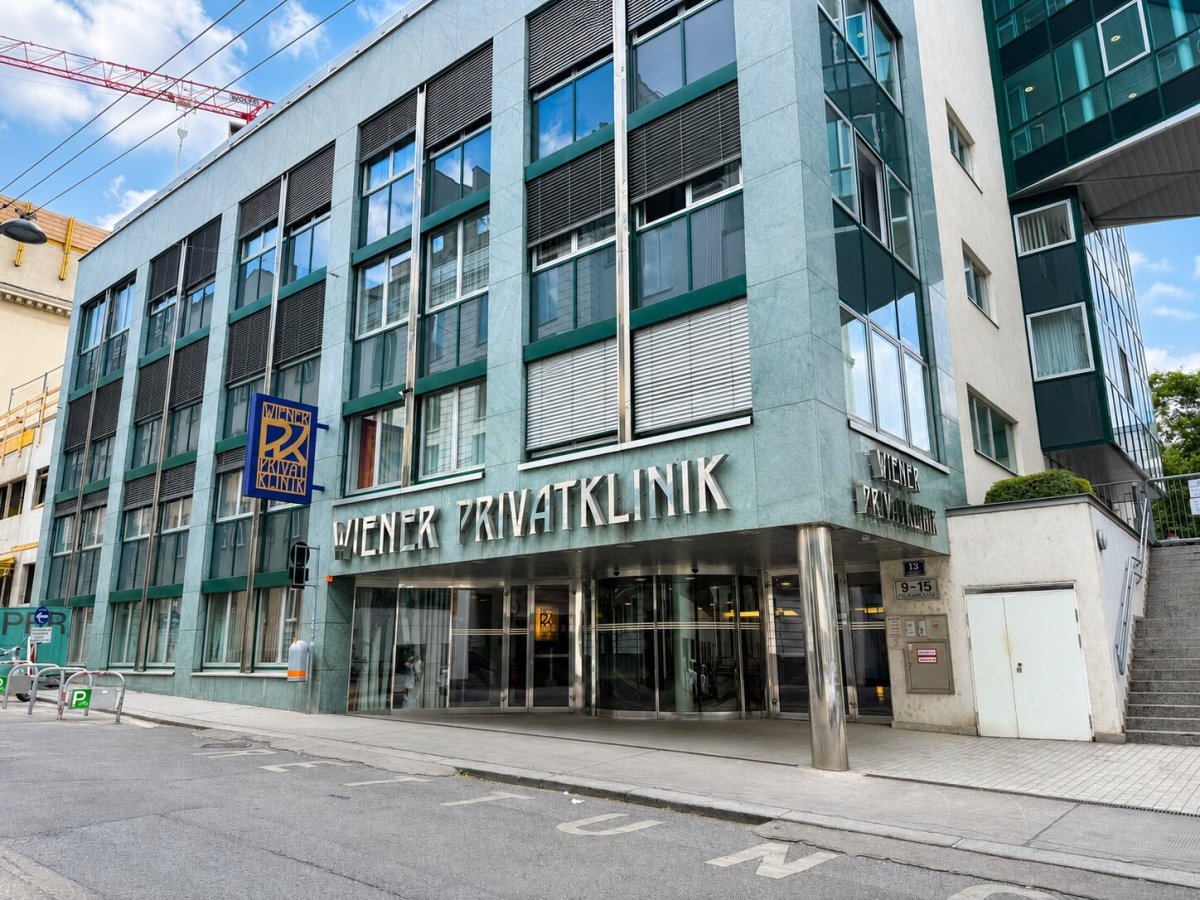
Wiener Privatklinik
النمسا, فيينا
Christoph Zielinski
44سنة خبره ١٦ سنة

الاعتمادات : 
العيادة معتمدة من قبل : 





تمت مراجعة المقالة طبيا من قبل
فهد مولود
تتضمن تكلفة علاج سرطان القولون في النمسا عادةً فحوصات تشخيصية أساسية مثل مسح PET/CT، والتي تتراوح تكلفتها بين $1,200 و $1,900. تتراوح تكلفة التدخلات الجراحية الأولية مثل استئصال القولون (استئصال الأمعاء الغليظة) بين $14,500 و $22,500، بينما تبلغ تكلفة الجراحة الروبوتية المتقدمة باستخدام نظام دافنشي الروبوتي (Da Vinci Robotic System) ما بين $14,500 و السعر عند الطلب. تعتمد النفقات الإجمالية على المرحلة السريرية، والبروتوكولات الطبية المخصصة، ومستوى المنشأة المختارة. يمكن للمرضى تحقيق وفورات تقارب 20-30% مقارنة بالولايات المتحدة. وتظل فيينا الوجهة الرئيسية للرعاية الأورامية.
تكاليف علاج سرطان القولون النموذجية في النمسا
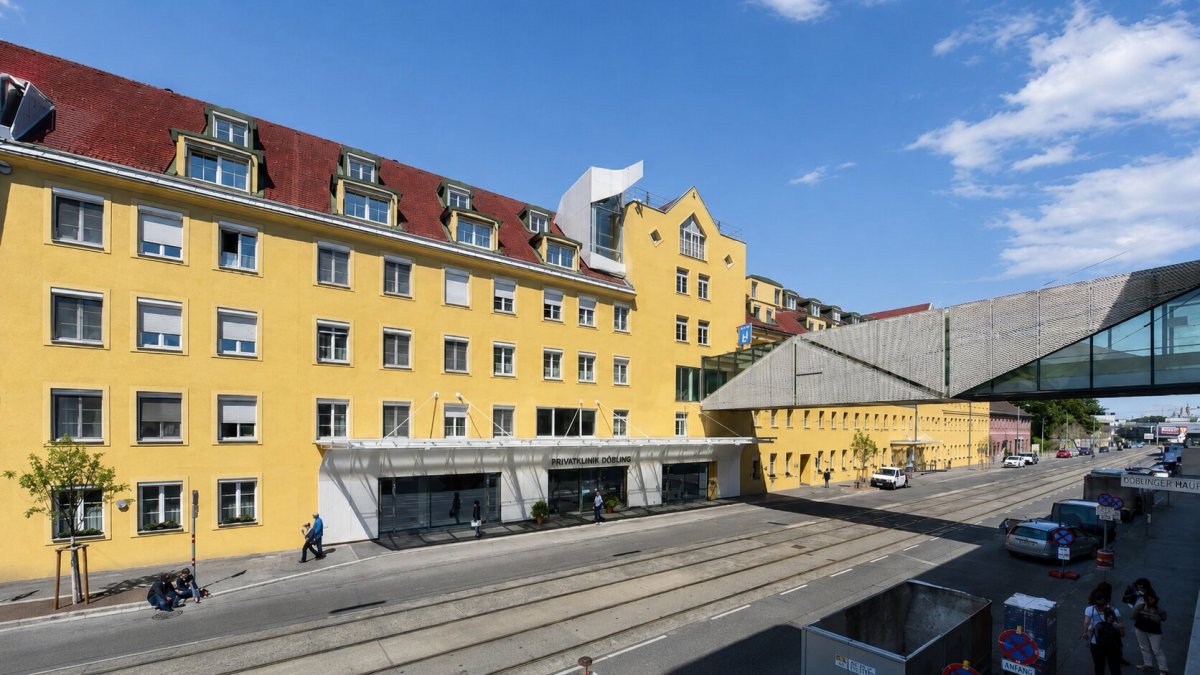
رؤية خبراء Bookimed: بالنسبة للحالات الجراحية المعقدة، فإن اختيار متخصصين عالميين مثل البروفيسور هارالد روزن يضمن الوصول إلى خبرة تزيد عن 5000 عملية جراحية. يجب على المرضى الذين يحتاجون إلى بروتوكولات أورام فردية التفكير في عيادة فيينا الخاصة (Wiener Privatklinik)، حيث يقود المدير الطبي كريستوف زيلينسكي العمل بأربعة عقود من الخبرة البحثية. يظل مستشفى دوبلينج الخاص (Döbling Private Hospital) خياراً أول لأولئك الذين يبحثون عن معايير سلامة عالية، حيث يتميز بمعدلات مضاعفات أقل من القيم الاسمية. تدمج هذه المراكز الأبحاث الصادرة عن جامعة فيينا الطبية في ممارساتها اليومية.
| النمسا | تركيا | إسبانيا | |
|---|---|---|---|
| نانو نايف NanoKnife | ≈ $25,000 | ≈ $9,500 | ≈ $9,500 |
| منظومة دا فينشي الجراحية | ≈ $14,500 | من $23,900 | ≈ $9,500 |
| سايبر نايف CyberKnife | ≈ $7,500 | من $4,900 | من $14,800 |
| المعالجة المقطعية | ≈ $9,500 | من $6,700 | ≈ $7,500 |
| العلاج المناعي مع Keytruda (Pembolizumab) | ≈ $5,800 | من $4,200 | من $10,300 |
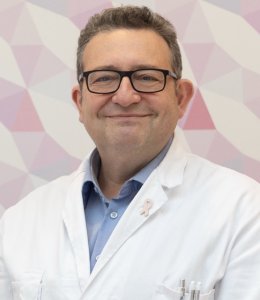
البروفيسور كريستوف زيلينسكي هو المدير المؤسس لأول مركز شامل للسرطان في النمسا ورائد عالمي في مجال العلاج المناعي للسرطان.
الدكتور ديفيد كوتسر اختصاصي طب الأورام الإشعاعي ذو خبرة طويلة في تشخيص السرطان وعلاجه. يوفّر وصولاً سريعاً إلى علاج إشعاعي دقيق وفق المعايير العلمية الراهنة.
هو عضو في مركز السرطان بعيادة فيينا الخاصة. يعرض حالة كل مريض على لجنة الأورام الداخلية، ما يتيح مناقشة متعددة التخصصات يجريها فريق ذو سمعة دولية ويساعد على اختيار أفضل علاج.
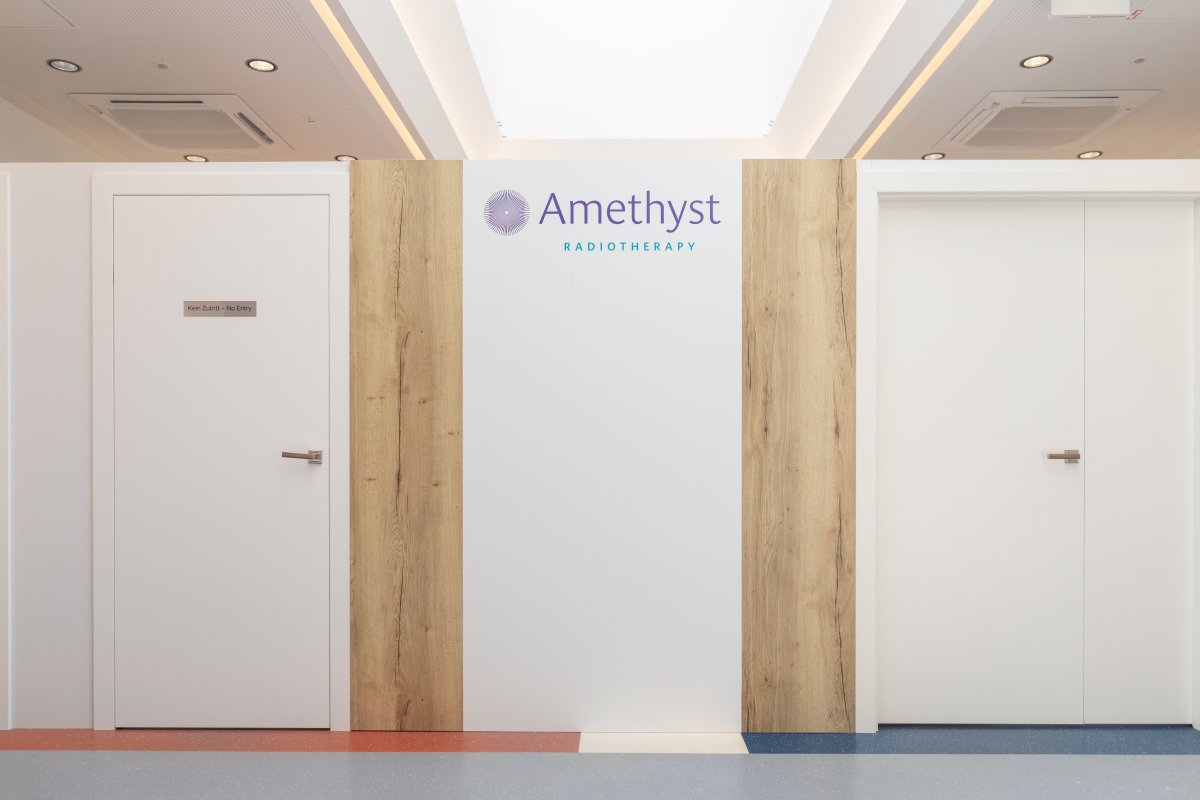
تُقدَّم جميع العلاجات الإشعاعية بالتعاون الوثيق مع Amethyst Radiotherapy في عيادة فيينا الخاصة.

يتخصص الدكتور هارالد روزن في الإجراءات التنظيرية المتقدمة لسرطانات الجهاز الهضمي، حيث يجمع بين الدقة الجراحية وخبرة الطب الباطني في عيادة فيينا الخاصة (Wiener Privatklinik).

البروفيسور كوستلر هو طبيب أورام نمساوي بارز يتمتع بخبرة تزيد عن _doctor_1748_ عاماً في علاج الأورام الصلبة. يمارس طب السرطان الشخصي القائم على الأدلة.

كتب بواسطة Veronika Kazina

كتب بواسطة Veronika Kazina

كتب بواسطة Veronika Kazina

كتب بواسطة Veronika Kazina

كتب بواسطة Veronika Kazina
 Anna Leonova
في النمسا، تلتزم معايير السلامة لجراحة سرطان القولون التزامًا صارمًا بالإرشادات الطبية للأورام التي وضعتها الجمعيات المتخصصة الوطنية. وتولي المؤسسات الطبية أولوية قصوى للتقنيات طفيفة التوغل والرعاية الموحدة قبل الجراحة وبعدها، مثل برنامج التعافي المُعزز بعد الجراحة (ERAS). أما المراكز الرائدة فهي حاصلة على شهادة الأيزو وتطبق أهداف السلامة الدولية للمرضى للحد من المضاعفات.
رأي خبراء بوكيمد: على الرغم من ارتفاع المعايير الوطنية،
يتمتع الجراحون النمساويون بخبرة واسعة في إجراء عمليات استئصال القولون بالمنظار والروبوت. ويُجري كبار المتخصصين في فيينا وسالزبورغ هذه العمليات كإجراءات روتينية. والعديد منهم أساتذة في جامعة فيينا الطبية. ويستخدمون أنظمة دافنشي، مع نسبة تحويل إلى الجراحة المفتوحة لا تتجاوز 3.2%.
رأي خبراء بوكيميد: تُظهر البيانات وجود علاقة وثيقة بين المسيرة الأكاديمية والدقة الجراحية في النمسا. يشغل جراحون بارزون، مثل الدكتور هارالد روزن والدكتور فولفغانغ كوستلر، مناصب مرموقة في الجامعات، إلى جانب عملهم في عيادات خاصة. يُعالج هؤلاء الأخصائيون ما يقارب 16,000 مريض من مختلف أنحاء العالم سنويًا في مؤسسات مثل مستشفى دوبلينغ الخاص. يضمن هذا الدور المزدوج حصول المرضى على خبرة
يشمل العلاج الجراحي لسرطان القولون في النمسا تقييمًا متعدد التخصصات لضمان سلامة المريض ودقة الجراحة. ستخضع لفحوصات دم، وتصوير مقطعي، ومناقشة إلزامية متعددة التخصصات في مجلس الأورام. يشارك أطباء الأورام والجراحون، مثل البروفيسور هارالد روزن، في هذه المراحل لتحسين تعافيك.
رأي خبراء بوكيمد: على الرغم من اعتقاد الكثيرين بأن قرار إجراء الجراحة يقع على عاتق الجراحين وحدهم، إلا أن المراكز النمساوية مثل عيادة فيينا الخاصة تشترط موافقة طبيب الأورام. وغالبًا ما يتولى البروفيسور كريستوف زيلينسكي تنسيق هذه الخطط لضمان التوافق التام بين العلاج الكيميائي والجراحة. وهذا بدوره يساهم في تجنب التأخير ويضمن استهداف النهج الج
تتطلب عملية استئصال القولون طفيفة التوغل في النمسا عادةً إقامة في المستشفى تتراوح بين يومين وخمسة أيام. ويتعافى المرضى تمامًا في غضون أربعة إلى ستة أسابيع. أما الجراحة بمساعدة الروبوت فتتيح في كثير من الأحيان إقامة أقصر في المستشفى وعودة أسرع إلى الأنشطة اليومية مع ندوب طفيفة.
رأي خبراء بوكيمد: أصبحت فيينا مركزًا رئيسيًا لجراحات الجهاز الهضمي المعقدة نظرًا لتركيزها العالي من المتخصصين الأكاديميين. فقد أجرى جراحون مثل البروفيسور هارالد روزن من مستشفى فيينا الخاص أكثر من 5000 عملية جراحية معقدة. غالبًا ما يؤدي هذا العدد الكبير من العمليات إلى انخفاض معدلات المضاعفات بشكل ملحوظ مقارنةً بالمعايير الدولية. عند اختيار عيادة في النمسا، يُنصح بالبحث عن تلك التي تُدرج استشارات الأورام ضمن خطة ال
تُقدّم العيادات النمساوية دعمًا شاملاً باللغة الإنجليزية للمرضى الدوليين. وتُوفّر المستشفيات الخاصة الكبيرة في فيينا بيئة متعددة اللغات. وغالبًا ما يتحدث كبار أطباء الأورام اللغة الإنجليزية بطلاقة. ويضمن منسقون متخصصون التواصل الفعال خلال جميع مراحل التشخيص والجراحة. وتتولى شركة بوكيميد الخدمات اللوجستية وتنسيق العيادات لضمان سلاسة العلاج.
رأي خبراء بوكيمد: غالبًا ما ترتبط جودة الدعم بتركيز العيادة على طب الأورام الدولي. تحمل كل من عيادة فيينا الخاصة ومستشفى دوبلينغ الخاص شهادات خاصة تُلبي المعايير العالمية. تُعالج هذه المستشفيات أكثر من 16,000 مريض دولي سنويًا. يضمن هذا الحجم الكبير من العمل أن يكون الكادر الإداري والطبي مُلمًا باحتياجات المرضى الناطقين باللغة الإنجليزية.
هل سأحتاج إلى فغر القولون وكيف سيتم إغلاقه؟
في النمسا، تُحدد الحاجة إلى فغر القولون أثناء علاج سرطان القولون بناءً على موقع الورم. يستخدم الجراحون فغراً مؤقتاً لحماية الأمعاء خلال فترة التعافي. عادةً ما يُغلق الفغر خلال 3 إلى 12 شهراً. يتخصص أطباء مثل الدكتور هارالد روزن في الحفاظ على جودة الحياة ووظيفة العضلة العاصرة.
رأي خبراء بوكيمد: يُعدّ اختيار أخصائي مثل الدكتور هارالد روزن من عيادة فيينا الخاصة أمرًا بالغ الأهمية لتجنب الحاجة إلى فغر القولون الدائم. فقد أجرى أكثر من 5000 عملية جراحية، وهو متخصص في تحسين جودة حياة مرضى سرطان المستقيم. غالبًا ما يحقق الأساتذة المقيمون في فيينا، والذين يتمتعون بخبرة واسعة، معدلات مضاعفات أقل من المتوسط الوطني، وذلك بفضل استخدام فرق متخصصة متعددة التخصصات في طب ال
تُعدّ فيينا المركز العلاجي الرئيسي لعدد كبير من حالات سرطان القولون والمستقيم في النمسا. وتضمّ هذه المدينة مراكز رئيسية مثل مستشفى فيينا الخاص ومستشفى فيينا العام. كما توجد عيادات كبيرة أخرى ذات قدرة استيعابية عالية في إنسبروك وغراتس وسالزبورغ. وتُجري هذه المراكز استشارات متعددة التخصصات في مجال الأورام، وتستخدم أحدث التقنيات الجراحية.
رأي خبراء بوكيميد: تعتمد العيادات الفيينية، مثل عيادة فيينا الخاصة، نموذجًا فريدًا في التوظيف. فالعديد من أطبائها البالغ عددهم 400 طبيب هم أيضًا أساتذة في جامعة فيينا الطبية. وهذا يتيح للمرضى الدوليين الوصول المباشر إلى خبرات أكاديمية رفيعة المستوى في بيئة مستشفى أسرع وأكثر خصوصية. وتشير البيانات إلى أن هؤلاء الأخصائيين غالبًا ما أدخلوا تقنيات الجراح