علاج التهاب البنكرياس في إسبانيا — احصل على 3 عيادات مختارة خصيصاً لك


تمت مراجعة المقالة طبيا من قبل
فهد مولود
كيف نعمل؟
ما هي تكلفة التهاب البنكرياس إجراءات التشخيص والعلاج في إسبانيا؟ اعرف الآن
تبدأ تكلفة علاج التهاب البنكرياس في إسبانيا عادةً باستشارة طبيب أمراض الجهاز الهضمي، والتي تتراوح بين $150 و $380. من $830. تعتمد النفقات الإجمالية على مرحلة المرض، ومدة الإقامة، ومستوى العيادة. وتوفر المرافق الحديثة في برشلونة ومدريد وبامبلونا رعاية متطورة للغاية.
تكاليف علاج التهاب البنكرياس النموذجية في إسبانيا
- استشارة طبيب أمراض الجهاز الهضمي: $150 – $380
- تنظير المعدة: من $830
- تحليل الدم الكيميائي الحيوي: من $140
رؤية خبراء Bookimed: يستفيد المرضى الذين يعانون من أمراض البنكرياس المعقدة من المراكز المعتمدة من قبل اللجنة الدولية المشتركة (JCI) مثل مركز تيكنون الطبي (Centro Médico Teknon). يُعد الدكتور سانشيز ياغي في مستشفى كيرونسالود (Quirónsalud) رائداً عالمياً في مجال التصريف البنكرياسي بالمنظار. وتعد هذه الخبرة حيوية للمرضى الذين يحتاجون إلى بدائل طفيفة التوغل بدلاً من الجراحات الكبرى. كما توفر المراكز ذات الكفاءة العالية مثل عيادة جامعة نافارا (Clínica Universidad de Navarra) فرقاً متعددة التخصصات. تخدم هذه المستشفيات أكثر من 140,000 مريض سنوياً باستخدام تقنيات التصوير الرقمي المتقدمة.
اكتشف أفضل التهاب البنكرياس العيادات في إسبانيا: 11 خيارات معتمدة والأسعار





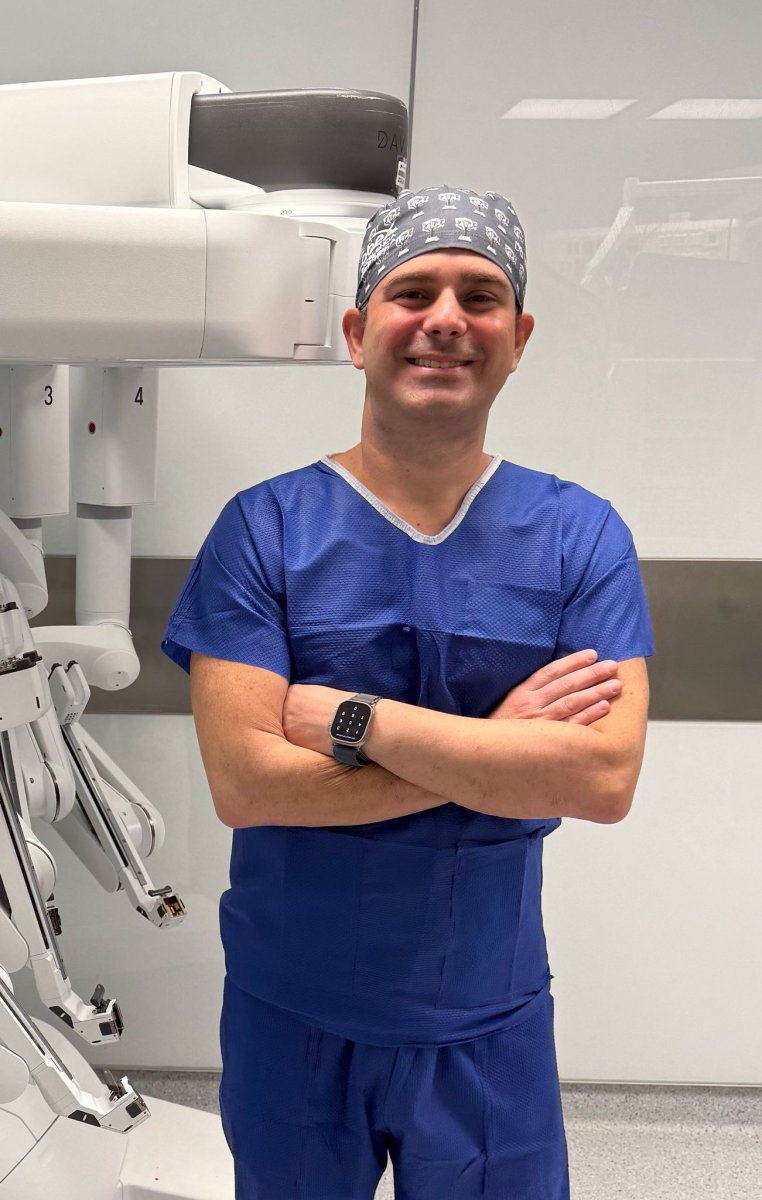
عيادة أمراض الجهاز الهضمي وجراحة القولون Centro PAD
Carlos Garcia Vasquez




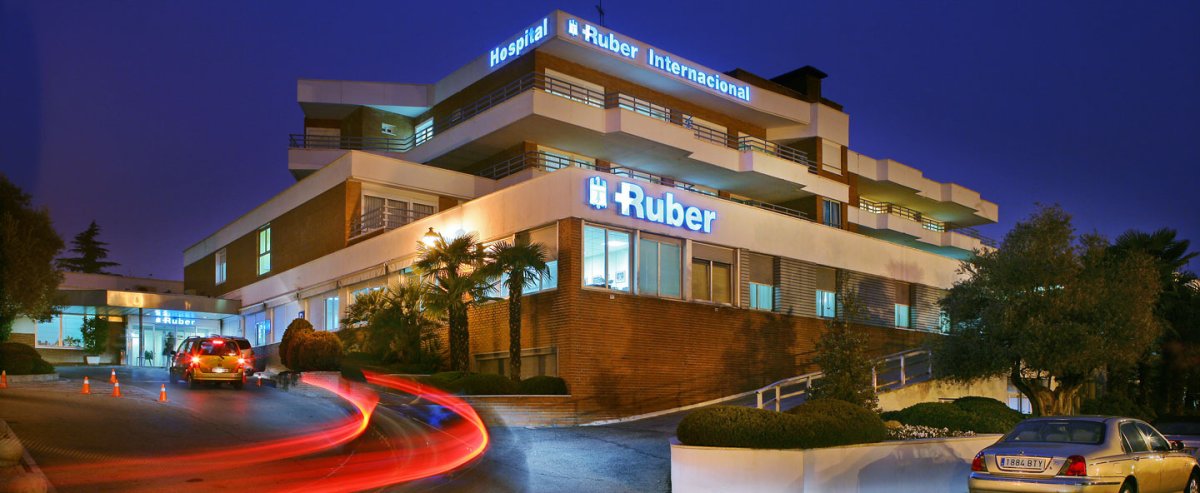



Medical and Surgical Center ServiDigest






احصل على تقييم طبي لـ في إسبانيا. استشر الآن 7 أطباء ذوي الخبرة.
عرض جميع الأطباءCarlos Garcia Vasquez
جرّاح في الجراحة العامة وجراحة الجهاز الهضمي. يركز على جراحات القولون والمستقيم والشرج وجدار البطن طفيفة التوغل. رئيس مشارك، Infanta Elena University Hospital (2021–). جرّاح معاون، Fundación Jiménez Díaz (2013–).
الاعتمادات: دكتوراه في الجراحة بامتياز مع مرتبة الشرف العليا (UAM). معتمد في الجراحة الروبوتية (Da Vinci X/Xi/5). تدريب متقدم في الجراحة العامة بالمنظار (IRCAD، ستراسبورغ). اختصاصي في الجراحة العامة وجراحة الجهاز الهضمي (Fundación Jiménez Díaz).
الإنجازات: باحث (2013–).

Jorge Moises Sandrus
يرأس الدكتور ساندروس قسم الطب الباطني في مركز تيكنون الطبي (Centro Médico Teknon)، وهو متخصص في حالات الطب الباطني المعقدة.
- متخصص في أمراض الكلى في أفضل مستشفيات برشلونة
- رئيس قسم الطب الباطني منذ عام 2009
- عضو في الجمعيات الإسبانية والكتالونية لارتفاع ضغط الدم
- أخصائي سابق في زراعة الأعضاء في مستشفى كلينيك دي برشلونة (Hospital Clínic de Barcelona)

Fermín Mearin Manrique
يتمتع البروفيسور فيرمين ميرين مانريكي بخبرة تزيد عن _doctor_1099_ عاماً في أمراض الجهاز الهضمي، وهو متخصص في اضطرابات الجهاز الهضمي في مركز تكنون الطبي (Centro Médico Teknon).
- يرأس قسم الجهاز الهضمي في مركز تكنون الطبي
- مؤسس معهد تكنون لدراسة وعلاج الإمساك وسلس البول
- تدرب في عيادة مايو ومركز ليدن الطبي الجامعي
- مؤلف لأكثر من 400 عمل علمي
Michel Blé
المراجعات
جميع المراجعاتمشاركة المحتوى
قصص فيديو من مرضى Bookimed
 Anna Leonova
أسئلة متكررة حول علاج التهاب البنكرياس في إسبانيا
هل علاج التهاب البنكرياس في إسبانيا آمن للمرضى الدوليين؟
يعد علاج التهاب البنكرياس في إسبانيا آمناً للمرضى الدوليين بفضل المعايير الطبية عالية المستوى. تمتلك مرافق مثل عيادة جامعة نافارا (Clinica Universidad de Navarra) اعتماد الجودة من اللجنة الدولية المشتركة (Joint Commission International). غالباً ما يتمتع الأخصائيون بخبرة تزيد عن 20 عاماً. ويستخدمون أنظمة دافنشي الروبوتية والتنظير المتقدم للإجراءات الطبية.
- معايير الاعتماد: تحتفظ العيادات بشهادات اللجنة الدولية المشتركة (JCI) وشهادة الأيزو 9001.
- الخبرة المتخصصة: يتمتع أطباء مثل البروفيسور فيرمين ميرين مانريكي بخبرة تزيد عن 40 عاماً.
- التكنولوجيا المتقدمة: تستخدم المراكز أنظمة دافنشي الروبوتية وجراحات المناظير عالية الدقة.
- الدقة السريرية: تشمل بروتوكولات التشخيص تحاليل الدم الموسعة، وتنظير المعدة، والموجات فوق الصوتية بالمنظار.
رؤية خبير Bookimed: توفر إسبانيا ميزة أمان فريدة من خلال حجم الرعاية الصحية الهائل والتخصص. تخدم عيادة جامعة نافارا ومستشفى روبر الدولي ما يصل إلى 140,000 مريض سنوياً. يسمح هذا التردد العالي للجراحين بصقل تقنياتهم للحالات الهضمية المعقدة. كما تقدم بعض العيادات تجارب سريرية، مما يوفر الوصول إلى أحدث العلاجات دون تكلفة.
إجماع المرضى: يشير المرضى إلى أن المستشفيات الخاصة في برشلونة ومدريد توفر طاقماً ممتازاً يتحدث الإنجليزية. ويؤكدون على أهمية إحضار السجلات الطبية المترجمة إلى قسم الطوارئ للحصول على رعاية أسرع.
ما هي أنواع التهاب البنكرياس والتدخلات التي تديرها المستشفيات الإسبانية؟
تدير المستشفيات الإسبانية حالات التهاب البنكرياس الحاد والمزمن والمناعي الذاتي باستخدام تقنيات تنظيرية وجراحية متقدمة. تستخدم المراكز الرائدة تصوير البنكرياس والقنوات الصفراوية بالمنظار (ERCP) للانسدادات الصفراوية والتصوير بالموجات فوق الصوتية بالمنظار (EUS) للتصريف الموجه. تؤكد وحدات الجهاز الهضمي المتخصصة في مدريد وبرشلونة على الجراحة بالمنظار طفيفة التوغل وبروتوكولات الإدارة الشخصية للحالات الوراثية.
- التدخلات التنظيرية: تدير ERCP و EUS الانسدادات الصفراوية وتصريف الكيسات الكاذبة للبنكرياس.
- التقنيات الجراحية: تجري المراكز استئصال المرارة بالمنظار وإجراءات تصريف Frey أو Beger المعقدة.
- الدقة التشخيصية: تستخدم المرافق تحليل الدم الكيميائي الحيوي وتنظير المعدة للتشخيص المبكر والمراقبة.
- الرعاية المعتمدة: تمتلك المستشفيات الرائدة شهادات JCI و ISO لإدارة أمراض الجهاز الهضمي عالية الجودة.
رؤية خبير Bookimed: تتعامل المراكز الإسبانية مثل Centro Médico Teknon و Hospital Ruber Internacional مع أحجام ضخمة من المرضى، وغالباً ما تتجاوز 10,000 حالة سنوياً. يسمح هذا التردد العالي للجراحين بالتخصص في إجراءات الجهاز الهضمي المعقدة التي تتجاوز الرعاية القياسية. على سبيل المثال، تدمج بعض عيادات مدريد الآن جراحة الروبوت Da Vinci لحالات جدار البطن وحالات الجهاز الهضمي المعقدة. يمكن لهذه التكنولوجيا أن توفر دقة أكبر من تنظير البطن التقليدي لعمليات إعادة بناء البنكرياس الحساسة.
إجماع المرضى: يلاحظ المرضى كفاءة مسارات التشخيص، وتحديداً
ما هي المؤهلات التي يحملها جراحو التهاب البنكرياس في إسبانيا؟
يجب على جراحي التهاب البنكرياس في إسبانيا إكمال درجة الطب لمدة 6 سنوات تليها إقامة (MIR) لمدة 5 سنوات في الجراحة العامة والجهاز الهضمي. غالبًا ما يحمل كبار المتخصصين درجة الدكتوراه (PhD) ويتابعون زمالات في جراحة الكبد والبنكرياس والقنوات الصفراوية. يحتفظ الكثيرون بشهادات من المجلس الأوروبي لتأهيل الجراحة.
- الإقامة الطبية: إكمال برنامج MIR لمدة 5 سنوات في الجراحة العامة والجهاز الهضمي.
- التخصص الفرعي: تدريب متقدم في جراحة الكبد والبنكرياس والقنوات الصفراوية (HPB) مع التركيز على البنكرياس.
- المؤهلات المتقدمة: العديد من المتخصصين مثل الدكتور ميكيل سانس كوفي يحملون درجة الدكتوراه (PhD).
- التدريب الدولي: غالبًا ما يكمل كبار الأطباء زمالات في مؤسسات مثل مايو كلينك.
رؤية خبير Bookimed: تتميز جراحة البنكرياس الإسبانية بالتخصص عالي التقنية بدلاً من الجراحة العامة الواسعة فقط. على سبيل المثال، الدكتور سانشيز ياغي في كويرونسالود ماربيا هو رائد عالمي في استخدام دعامات AXIOS مقاس 15 مم لتصريف سوائل البنكرياس. يوضح هذا أنه يجب على المرضى البحث عن جراحين يقودون وحدات متخصصة أو يحملون براءات اختراع تقنية فريدة. غالبًا ما يتمتع هؤلاء الخبراء بأكثر من 20 عامًا من الخبرة ويعملون في مرافق مثل Centro Médico Teknon أو Hospital Ruber Internacional.
إجماع المرضى: يشير المرضى إلى أنه من المهم التحقق من أحجام الحالات لإجراءات البنكرياس المحددة. ويؤكدون أنه على الرغم من أن تدريب MIR القياسي ممتاز، إلا أن التدريب المتخصص في الزمالة في مراكز HPB
كم من الوقت سأبقى في إسبانيا لعلاج التهاب البنكرياس والتعافي منه؟
تتراوح فترات الإقامة في المستشفى لعلاج التهاب البنكرياس في إسبانيا من 5 أيام إلى 3 أشهر. تتطلب الحالات الخفيفة من 5 إلى 10 أيام من الاستشفاء. تستمر الحالات المتوسطة من 14 إلى 21 يوماً. قد تتطلب النوبات الشديدة رعاية في المستشفى لمدة تصل إلى 90 يوماً. يستغرق التعافي من 3 إلى 12 أسبوعاً.
- الإقامة في المستشفى: تتطلب الحالات الخفيفة من 5 إلى 10 أيام من المراقبة داخل المستشفى.
- التعافي من الحالات الشديدة: قد تتضمن النوبات الكبرى من 4 أسابيع إلى 3 أشهر من الاستشفاء.
- مرحلة إعادة التأهيل: تقدم المراكز الإسبانية المتخصصة برامج تعافي مكثفة داخل المستشفى لمدة 21 يوماً.
- العودة إلى العمل: يستغرق التعافي الكامل عادةً ما بين 3 و 12 أسبوعاً محلياً.
رؤية خبير Bookimed: تركز العيادات الإسبانية مثل Centro Médico Teknon على سرعة التشخيص لتقصير فترات الإقامة. يستخدمون الموجات فوق الصوتية بالمنظار وتحاليل الدم المتقدمة عند الوصول. تساعد هذه الكفاءة في تحديد السبب بسرعة. غالباً ما يخضع المرضى لإزالة المرارة خلال نفس فترة الدخول. يمنع هذا البروتوكول التكرار المستقبلي والسفر الإضافي.
إجماع المرضى: يلاحظ المرضى أن سرعة التشخيصات الهضمية الإسبانية تساعدهم على الشعور بالتحسن بشكل أسرع. إنهم يقدرون الخطط الغذائية التفصيلية المقدمة قبل السفر إلى الوطن.
هل تجري المستشفيات الإسبانية جراحة التهاب البنكرياس بالمنظار أو الروبوت لتقليل الندبات؟
تستخدم المستشفيات الإسبانية تقنيات المنظار والجراحة الروبوتية لجراحة التهاب البنكرياس لتقليل الندبات المرئية بشكل كبير. تستخدم مراكز مثل عيادة جامعة نافارا (Clínica Universidad de Navarra) ومركز تكنون الطبي (Centro Médico Teknon) أنظمة متقدمة. وتشمل هذه منصة Da Vinci Xi لإجراء مناورات معقدة من خلال شقوق صغيرة.
- الدقة الروبوتية: يستخدم الدكتور كارلوس غارسيا فاسكيز نظام Da Vinci للجراحات البطنية المعقدة.
- تحسين الرؤية: يستخدم الجراحون التصوير ثلاثي الأبعاد لحماية أنسجة البنكرياس والأوعية الدموية الحساسة.
- شقوق صغيرة: تتطلب معظم الإجراءات طفيفة التوغل 5 منافذ صغيرة فقط للعملية.
- تقليل الصدمات: تؤدي تقنيات المنظار إلى فقدان دم أقل مقارنة بجراحة البطن المفتوحة.
رؤية خبير Bookimed: في حين أن العديد من المراكز ذات الحجم الكبير مثل مستشفى كيرون برشلونة (Hospital Quirón Barcelona) تعالج 40,000 مريض سنوياً، تركز الوحدات الخاصة مثل مركز PAD على جراحات متخصصة. غالباً ما توفر هذه العيادات الأحدث منصات Da Vinci Xi أو 5. وهذا يطابق قدرات المؤسسات الأكاديمية الكبرى ولكن غالباً مع جداول زمنية جراحية أكثر تخصيصاً.
إجماع المرضى: يؤكد المرضى على أهمية التحقق مما إذا كانت العيادة قادرة على إجراء جراحة بالمنظار قبل الحجز. على الرغم من أن الندبات مصدر قلق كبير، إلا أن معظمهم يشيرون إلى أن الحفاظ على وظيفة الجهاز الهضمي على المدى الطويل هو الأولوية.
هل سيتم قبول سجلاتي الطبية وصور الأشعة الخاصة بي، أم يجب تكرار الاختبارات في إسبانيا؟
يقوم الأخصائيون الإسبان عادةً بمراجعة السجلات الطبية الحالية وصور الأشعة الرقمية عالية الجودة. تقبل معظم المستشفيات الخاصة السجلات التي تعود لآخر 3 إلى 6 أشهر. غالبًا ما تكون الترجمات الرسمية مطلوبة للقبول. ومع ذلك، يطلب الأطباء بشكل متكرر تحاليل دم جديدة لتحديد أساس حالي للعلاج.
- تنسيق الصور: يفضل الأخصائيون الصور الرقمية عالية الجودة على أقراص مضغوطة أو بوابات إلكترونية.
- متطلبات الترجمة: يجب ترجمة السجلات إلى الإسبانية، وغالبًا ما يتم ذلك بواسطة مترجم محلف معتمد.
- حداثة البيانات: يجب أن تكون البيانات السريرية أقل من 6 أشهر لتكون ذات صلة.
- النظام العام: تكرر المستشفيات العامة عادةً جميع الفحوصات لضمان اتساق إدخال البيانات.
رؤية خبير Bookimed: المجموعات الخاصة مثل مجموعة Quironsalud أو Centro Médico Teknon أكثر مرونة بشكل ملحوظ مع السجلات الدولية مقارنة بالمراكز العامة. تظهر بياناتنا أن المستشفيات في برشلونة ومدريد تخدم أكثر من 400,000 مريض سنويًا. غالبًا ما يقبلون الصور الأجنبية إذا كانت تلبي معايير الجودة المعتمدة من JCI. يمكن أن يوفر لك هذا ما يقرب من 200 إلى 600 يورو من رسوم التشخيص المتكررة إذا كانت فحوصاتك حديثة.
إجماع المرضى: يشير المرضى إلى أنه من الشائع أن تكرر المستشفيات تحاليل الدم والموجات فوق الصوتية لأسباب قانونية وبروتوكولية. يقترح الكثيرون حمل نسخ رقمية على محرك أقراص USB والاستعداد لبعض التكرارات حتى مع وجود وثائق مترجمة.
ما هي المدن الإسبانية التي تضم أعلى تركيز لمراكز التهاب البنكرياس للسياح الطبيين؟
تضم مدريد وبرشلونة أعلى تركيز للمراكز المتخصصة في علاج التهاب البنكرياس في إسبانيا. تتميز هذه المراكز بمرافق معتمدة من اللجنة الدولية المشتركة (JCI) مثل مستشفى روبر الدولي (Hospital Ruber Internacional) ومركز تكنون الطبي (Centro Médico Teknon). وهي تقدم رعاية متقدمة تشمل الجراحة الروبوتية، والتصريف بالمنظار، وزراعة البنكرياس المعقدة للمرضى الدوليين.
- المراكز المتخصصة: تضم مدريد مجموعات كبرى مثل كيرونسالود (Quirónsalud) ومستشفيات إتش إم (HM Hospitales).
- تكنولوجيا التشخيص: تستخدم العيادات التصوير المقطعي بالإصدار البوزيتروني (PET-CT) والرنين المغناطيسي لرسم خرائط دقيقة للبنكرياس.
- الخبرة الجراحية: يقدم مقدمو الخدمات إجراءات البنكرياس بالمنظار وبمساعدة الروبوت دافنشي.
- الحجم السريري: تعالج المراكز الرائدة مثل مستشفى كيرون برشلونة (Hospital Quiron Barcelona) 40,000 مريض سنوياً.
رؤية خبير Bookimed: تُظهر عيادات برشلونة تركيزاً فريداً على صحة الجهاز الهضمي على المدى الطويل. على سبيل المثال، يدير مركز تكنون الطبي معهداً مخصصاً للاضطرابات الوظيفية. وفي الوقت نفسه، كان الأخصائي الدكتور سانشيز ياغي في ماربيا أول من استخدم دعامات AXIOS مقاس 15 مم على مستوى العالم. وهذا يسلط الضوء على إسبانيا كدولة رائدة في تصريف سوائل البنكرياس المبتكر.
إجماع المرضى: يشير المرضى إلى أهمية اختيار العيادات التي لديها أقسام دولية مخصصة للتنسيق. ويؤكد الكثيرون على فائدة وجود متخصصين كانوا رواداً في تقنيات تنظيرية محددة.