علاج التهاب البنكرياس في النمسا: 4 مستشفيات


تمت مراجعة المقالة طبيا من قبل
فهد مولود
كيف نعمل؟
ما هي تكلفة التهاب البنكرياس إجراءات التشخيص والعلاج في النمسا؟ اعرف الآن
تتحدد تكلفة علاج التهاب البنكرياس في النمسا بناءً على دقة التشخيص والضرورة الجراحية. من $500. تعتمد النفقات الإجمالية على مرحلة المرض، ومستوى المستشفى، وما إذا كانت هناك حاجة إلى مساعدة روبوتية. غالبًا ما يجد المرضى الدوليون وفورات كبيرة مقارنة بقطاع الرعاية الصحية الخاص في الولايات المتحدة. تتركز الرعاية عالية الجودة بشكل أساسي في فيينا وغراتس.
تكاليف علاج التهاب البنكرياس النموذجية في النمسا
- استشارة أخصائي أمراض الجهاز الهضمي: من $140
- تنظير المعدة: من $500
- تحليل الدم الكيميائي الحيوي: $70 – $160
- تحليل الدم الموسع: $150 – $400
- تخطيط كهربية القلب (ECG): من $60
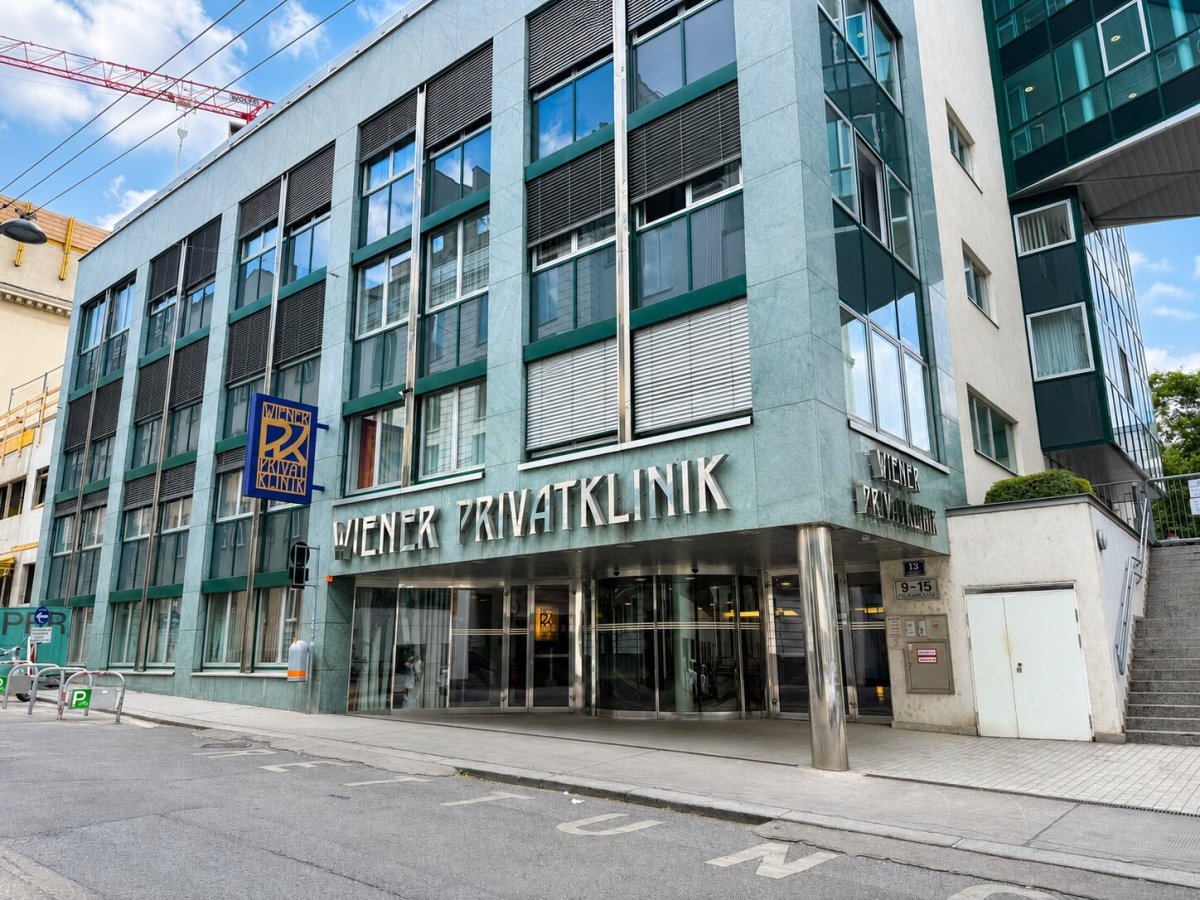
رؤية خبير Bookimed: بالنسبة للحالات المعقدة، فإن اختيار أخصائي تابع لجامعة يوفر أعلى قيمة سريرية. تضم عيادة فيينا الخاصة (Wiener Privatklinik) أساتذة من جامعة فيينا الطبية، مثل الدكتور مارتن شيندل. وهو متخصص في جراحة البنكرياس المتقدمة ويقود مجموعات علاجية متعددة التخصصات. يجب على المرضى الذين يبحثون عن مراكز ذات معدلات علاج عالية التفكير في مستشفى فيينا العام (AKH)، الذي يعالج 595,000 مريض سنويًا. توفر وحداته المتخصصة، مثل وحدة أورام الجهاز الهضمي والمريء، خبرة أكاديمية للحالات المزمنة الشديدة.
اكتشف أفضل التهاب البنكرياس العيادات في النمسا: 4 خيارات معتمدة والأسعار







Leech Private Clinic
احصلوا على تقييم طبي لـ التهاب البنكرياس في النمسا: استشيروا أطباء ذوي خبرة الآن
عرض جميع الأطباء
Camel Kopty
يتخصص الدكتور كامل قبطي في علاج التهاب البنكرياس بنهج رحيم، حيث يجمع بين خبرات الطب الباطني والأورام في عيادة فيينا الخاصة (Wiener Privatklinik).
- 36 سنة من الخبرة في أمراض الجهاز الهضمي
- متخصص في الطب الباطني وأمراض الدم/الأورام
- خريج جامعة فيينا الطبية
- يركز على العلاجات الجهازية مثل العلاج الكيميائي والمناعي
- يؤكد على الرعاية الشاملة والداعمة للمرضى

Martin Schindl
يتخصص البروفيسور شيندل في جراحة الكبد والبنكرياس والقنوات الصفراوية (HPB)، ويجري عمليات متقدمة لسرطان الكبد والبنكرياس في عيادة فيينا الخاصة (Wiener Privatklinik).
- عقود من الخبرة في الجراحة العامة وجراحة الأحشاء وزراعة الأعضاء
- خبير في زراعة الكبد وجراحة الأورام في البطن
- أستاذ الجراحة في جامعة فيينا الطبية
- نشر أبحاثاً مكثفة حول تجدد الكبد ونتائج جراحة الأورام

Univ.-Prof. Dr. Gerhard Prager
البروفيسور براجر هو خبير رائد في جراحة السمنة والتمثيل الغذائي، مع أكثر من 29 سنة من الخبرة في إجراءات الجهاز الهضمي المعقدة.
- متخصص في التقنيات طفيفة التوغل لعلاج السمنة واضطرابات التمثيل الغذائي
- رئيس برنامج جراحة السمنة والتمثيل الغذائي في جامعة فيينا الطبية
- نشر العديد من الأبحاث حول تنظيم التمثيل الغذائي والنتائج طويلة المدى
- استشاري أول في عيادة فيينا الخاصة (Wiener Privatklinik)

Dr Arnulf Ferlitsch
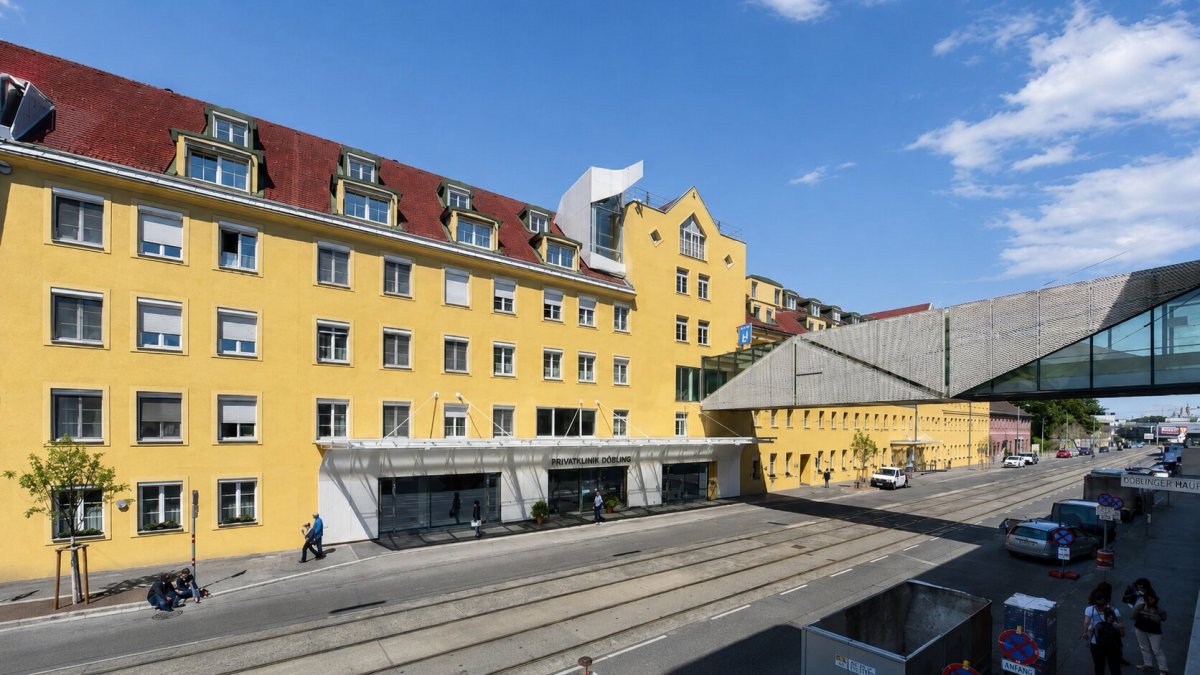
أخصائي رائد في أمراض الجهاز الهضمي والكبد - تدرب الدكتور فيرليتش في أفضل المؤسسات ويدير حالات معقدة في مستشفى دوبلينج الخاص.
- أكمل دراسته الطبية في جامعة فيينا مع تدريب في جامعة كاليفورنيا (لوس أنجلوس) وجامعة بنسلفانيا
- متخصص في أمراض الجهاز الهضمي والكبد وطب العناية المركزة الباطنية
- أسس وأدار مختبر الديناميكا الدموية الكبدية والعيادة الخارجية لتليف الكبد في جامعة فيينا الطبية
- حاصل على العديد من جوائز الأبحاث بما في ذلك جائزة أفضل ملخص من UEGW وجائزة سكودا
- رئيس قسم الطب الباطني الأول في مستشفى الإخوة الرحماء (Barmherzigen Brüder) في فيينا
مشاركة المحتوى
قصص فيديو من مرضى Bookimed
 Anna Leonova
أسئلة متكررة حول علاج التهاب البنكرياس في النمسا
هل علاج التهاب البنكرياس آمن في النمسا، وهل يتم إجراؤه على يد متخصصين مؤهلين؟
يُعدّ علاج التهاب البنكرياس في النمسا آمناً للغاية، ويُجريه خبراء في أمراض الجهاز الهضمي وجراحة الأحشاء. مؤسسات مثل مستشفى فيينا العام ومستشفى فيينا الخاص حاصلة على شهادة الأيزو وتلتزم بمعايير السلامة الخاصة باللجنة الدولية المشتركة. يخضع الأخصائيون لتدريب مكثف، معتمد من قبل الجمعية النمساوية لضمان الجودة.
- الخبرة: يقوم جراحون مثل الدكتور مارتن شيندل بتنسيق فرق متعددة التخصصات لعلاج سرطان البنكرياس والأمراض الالتهابية.
- عدد كبير من الإجراءات التي تم إجراؤها: أجرى الدكتور كامل قبطي أكثر من 28000 إجراء تنظيري تشخيصي وعلاجي.
- التشخيص الحديث: تستخدم العيادات التنظير المعدي، والكيمياء الحيوية للدم، وتقنيات التصوير المتقدمة لتحديد مرحلة المرض بدقة.
- سجلات السلامة: تشير المراكز الرائدة مثل مستشفى دوبلينغ الخاص إلى معدلات مضاعفات أقل بكثير من المتوسط العالمي.
رأي خبراء بوكيمد: على الرغم من أن المستشفيات الجامعية الحكومية تعالج المرضى الذين يعانون من أكثر الحالات تعقيدًا، إلا أن العيادات الخاصة في فيينا توفر ميزة واضحة للمرضى الدوليين. تتيح عيادة فيينا الخاصة الوصول إلى أكثر من 400 طبيب، العديد منهم أساتذة نشطون في جامعة فيينا الطبية. وهذا يُمكّن المرضى من تلقي رعاية طبية متخص
ما هي العلاجات المتوفرة لالتهاب البنكرياس المزمن في النمسا؟
في النمسا، يُعتمد نهج متعدد الوسائط لعلاج التهاب البنكرياس المزمن. يجمع العلاج بين الأساليب الطبية التحفظية والتدخلات الجراحية والتنظيرية المتقدمة. تقدم مراكز متخصصة في فيينا وغراتس العلاج بالإنزيمات البديلة، وتركيب دعامات القناة الصفراوية، وعمليات استئصال معقدة مثل عمليتي فراي وبيغر. غالبًا ما يُجري هذه العمليات جراحون ذوو كفاءة عالية في مؤسسات أكاديمية.
- العلاج الدوائي: يصف الأخصائيون العلاج الإنزيمي البديل للبنكرياس (PERT) لتصحيح اضطرابات الامتصاص.
- العلاج بالمنظار: يستخدم الأطباء تقنية ERCP وتقنية ESWL لإزالة الانسدادات في القنوات أو الحصى.
- حصر الأعصاب: يوفر حصر الضفيرة البطنية الموجه بالموجات فوق الصوتية التنظيرية تسكينًا مؤقتًا للألم في الحالات المقاومة للعلاج.
- الاستئصال الجراحي: إذا لزم الأمر، يقوم الجراحون باستئصال رأس البنكرياس مع الحفاظ على الاثني عشر أو استئصال البنكرياس بالكامل.
رأي خبراء بوكيمد: ينبغي على المرضى الذين يسعون للحصول على رعاية متخصصة البحث عن أطباء ذوي خبرة واسعة في إجراءات التشخيص. وقد أجرى الدكتور كامل كوبتي، من مستشفى فيينا الخاص، أكثر من 28,000 عملية تنظير داخلي. هذا المستوى من الخبرة بالغ الأهمية. تعالج المؤسسات الكبيرة، مثل مستشفى في
كم من الوقت سأضطر للبقاء في النمسا أثناء جراحة التهاب البنكرياس، وكيف ستكون فترة النقاهة؟
في النمسا، يتطلب العلاج الجراحي لالتهاب البنكرياس عادةً إقامة في المستشفى لمدة تتراوح بين 12 و23 يومًا. ويمكن لبعض الإجراءات الجراحية طفيفة التوغل أن تقلل هذه المدة إلى 3 أو 4 أيام. ويستغرق التعافي التام عادةً من 3 إلى 6 أشهر، ويتضمن ذلك دعمًا غذائيًا مكثفًا ومكملات إنزيمية.
- المراقبة للمرضى الداخليين: تقوم الفرق الطبية بمراقبة حالة أنابيب التصريف وخطر الإصابة بالعدوى لمدة تتراوح بين 14 و21 يومًا.
- خلال مرحلة التعافي الأولية ، يجب على المرضى تجنب رفع أوزان تزيد عن 10 كيلوغرامات لمدة 6-8 أسابيع بعد الخروج من المستشفى.
- الدعم الغذائي: لتحسين عملية الهضم، يوصى بتناول 6 إلى 8 وجبات صغيرة يوميًا قليلة الدهون.
- الرعاية طويلة الأمد: يحتاج العديد من المرضى إلى إنزيمات البنكرياس أو الأنسولين للحفاظ على وظيفة الجهاز الهضمي الطبيعية.
رأي خبراء بوكيمد: يُعطي الجراحون ذوو الخبرة في فيينا الأولوية لإجراء العمليات الجراحية ذات الحجم الكبير للحالات المعقدة. وقد أجرى الدكتور كامل كوبتي، من عيادة فيينا الخاصة، أكثر من 28,000 عملية تنظير داخلي. يُظهر هذا العدد الكبير أن اختيار أخصائيين ذوي خبرة يُساعد في إدارة ارتفاع معدل المضاعفات بعد العمليات الجراحية، وهو أمر شائع في أمراض البنكرياس.
ما هي المضاعفات أو الآثار الجانبية التي يجب أن أكون على دراية بها بعد جراحة البنكرياس؟
تُظهر العلاجات الحديثة لأمراض البنكرياس في النمسا فعالية عالية. في الحالات المعقدة، قد يُعاني المرضى من اضطرابات هضمية مؤقتة أو قصور في وظائف البنكرياس بنسبة تتراوح بين 5 و22%. تستخدم المراكز المتخصصة في فيينا تقنيات تشخيص وتصوير متقدمة لمتابعة التعافي والتعامل المبكر مع الآثار الجانبية المحتملة.
- الناسور البنكرياسي: قد يحدث تسرب السوائل من الوصلات الجراحية في 5-22% من العمليات الجراحية الكبرى.
- إفراغ المعدة: قد يسبب الشلل المؤقت للمعدة غثيانًا أو انتفاخًا لدى بعض المرضى بعد الجراحة.
- امتصاص العناصر الغذائية: يمكن أن يؤدي انخفاض إنتاج الإنزيمات إلى فقدان الوزن أو براز دهني بعد الجراحة.
- الوظيفة الهرمونية: يمكن أن تؤدي التغيرات في إنتاج الأنسولين إلى تطور أو تفاقم مشاكل نسبة السكر في الدم.
رأي خبراء بوكيمد: يوفر اختيار مؤسسات مثل مستشفى دوبلينغ الخاص أو مستشفى فيينا العام (AKH) مزايا عديدة نظرًا لكثرة المرضى الذين تستقبلهم وأقسامها الأكاديمية المتخصصة. يعالج مستشفى فيينا العام أكثر من 595,000 مريض سنويًا. يتيح هذا المعدل المرتفع للعمليات الجراحية لجراحين مثل الدكتور مارتن شيندل علاج أمراض الكبد والبنكرياس والقنوات الصفراوية المعقدة بمعدلات مضاعفات أقل بكثير من المعدلات
أين تقع مراكز علاج التهاب البنكرياس الرائدة في النمسا؟
تشمل المراكز الرائدة لعلاج التهاب البنكرياس في النمسا مستشفى فيينا العام (AKH) ومستشفى فيينا الخاص (Wiener Privatklinik). تقدم هذه المؤسسات رعاية متعددة التخصصات مع أقسام متخصصة في جراحة الكبد والقنوات الصفراوية وأمراض الجهاز الهضمي. ويمكن للمرضى الخضوع لأحدث الفحوصات التشخيصية، مثل تنظير القنوات الصفراوية والبنكرياسية بالطريق الراجع (ERCP) والتصوير بالرنين المغناطيسي للقنوات الصفراوية والبنكرياسية (MRCP)، في هذه المؤسسات المعتمدة من قبل المنظمة الدولية للمعايير (ISO).
- مستشفى فيينا العام: يعالج 595000 مريض سنوياً ويضم 42 عيادة جامعية متخصصة.
- عيادة فيينا الخاصة: تضم أكثر من 30 قسماً وقد تم ذكرها في مجلة نيوزويك.
- مستشفى دوبلينغ الخاص: يحافظ على معدل منخفض للمضاعفات ويتبع معايير السلامة الدولية JCI.
- التخصص: أجرى الدكتور كامل قبطي أكثر من 28000 عملية تنظير داخلي.
رأي خبراء بوكيمد: بينما تستقبل المستشفيات العامة، مثل مستشفى فيينا العام، أعدادًا هائلة من المرضى، توفر المراكز الخاصة إمكانية الوصول إلى نخبة من الأخصائيين الأكاديميين. فعلى سبيل المثال، يُنسق البروفيسور مارتن شيندل فريق جراحة البنكرياس في مركز السرطان الشامل، كما يُعالج المرضى في عيادة فيينا الخاصة. وهذا يُ
ما الذي تتضمنه حزمة العلاج الجراحي النموذجية لالتهاب البنكرياس للمرضى الدوليين؟
تشمل باقات العلاج الجراحي النموذجية لالتهاب البنكرياس في النمسا رعاية طبية متخصصة وتشخيصات متطورة. تتضمن هذه الباقات عادةً تصويرًا عالي الدقة، مثل التصوير بالرنين المغناطيسي أو التصوير المقطعي المحوسب. كما تغطي أتعاب الجراح والتخدير والإقامة في المستشفى لمدة تتراوح بين 3 و14 يومًا في مرافق معتمدة وفقًا لمعايير ISO.
- الفحص التشخيصي: يشمل فحص دم شامل، وتنظير المعدة، والتحليل الكيميائي الحيوي.
- الخبرة الجراحية: تشمل أتعاب جراحي الأحشاء والفرق متعددة التخصصات.
- الإقامة في المستشفى: تتراوح مدة الإقامة من 3 إلى 14 ليلة حسب مدى تعقيد العملية.
- الرعاية بعد العملية الجراحية: تشمل الاستشارات الفورية وإعطاء الأدوية الأولية في المستشفى.
رأي خبراء بوكيمد: تتميز فيينا بتركيز فريد من نوعه للخبرات الأكاديمية. ففي عيادة فيينا الخاصة، يشغل العديد من الأطباء مناصب أساتذة في جامعة فيينا الطبية. وهذا يعني أن المرضى يحصلون على راحة العيادة الخاصة إلى جانب العلاج الجراحي القائم على أحدث الأبحاث. وقد أجرى الدكتور كامل قبطي وحده أكثر من 28000 عملية تنظير داخلي. وغالبًا ما يؤدي هذا العدد الكبير من العمليات إلى زيادة دقة التشخيص لأمراض البنكرياس المعقدة.
هل ستكون هناك ندوب ظاهرة؟ ومتى يمكنني العودة إلى المنزل بعد جراحة التهاب البنكرياس؟
تعتمد الندوب الظاهرة وفترة التعافي بشكل أساسي على التقنية الجراحية المستخدمة. تترك عمليات تنظير البطن من 4 إلى 5 ندوب صغيرة. أما العمليات الجراحية المفتوحة فتتطلب شقوقًا بطنية أكبر. يستطيع معظم المرضى العودة إلى منازلهم في غضون 10 إلى 21 يومًا بعد موافقة الطبيب. غالبًا ما تُعطي العيادات النمساوية الأولوية للمتابعة الطويلة الأمد للمرضى المقيمين في المستشفى.
- الندوب بعد جراحة المنظار: تتشكل 3-5 علامات صغيرة، تتلاشى بشكل ملحوظ في غضون 12 شهرًا.
- الجراحة المفتوحة: تترك ندبة متوسطة بطول 6 بوصات، وتستخدم عادة في حالات النخر المعقدة.
- مدة الإقامة في المستشفى: في المستشفيات النمساوية، عادة ما تتم مراقبة المرضى لمدة 7-14 يومًا قبل الخروج.
- السلامة أثناء الطيران: يوصي الأطباء بتجنب الرحلات الجوية الطويلة لمدة تتراوح من 3 إلى 6 أسابيع لمنع تجلط الدم.
- السفر بالسيارة: عادة ما يكون من الممكن القيادة أو القيام برحلات قصيرة بالسيارة بعد 7 إلى 14 يومًا من الجراحة.
رأي خبراء بوكيميد: غالبًا ما يجمع كبار المتخصصين النمساويين، مثل البروفيسور مارتن شيندل من مستشفى فيينا الخاص، بين الخبرة في جراحة الأحشاء والبحث الأكاديمي. و