علاج التهاب البنكرياس في الإمارات العربية المتحدة: 2 مستشفيات


تمت مراجعة المقالة طبيا من قبل
فهد مولود
ما هي تكلفة التهاب البنكرياس إجراءات التشخيص والعلاج في الإمارات العربية المتحدة؟ اعرف الآن
Pancreatitis treatment cost in United Arab Emirates typically involves a biochemical blood analysis ranging from $100 to $150 and a consultation with a gastroenterologist costing $190 to $300. Expenses depend on disease severity, intensive care requirements, and clinic tier. Patients often find 20-40% savings compared to the US. Top cities for this treatment include Dubai, Abu Dhabi, and Zayed.
Typical Pancreatitis Treatment Costs in United Arab Emirates
- Biochemical blood analysis: $100 – $150
- Consultation with a gastroenterologist: $190 – $300
- Gastroscopy: $450 – $950
- Extended analysis of blood: $190 – $350
- ECG: $60 – $100
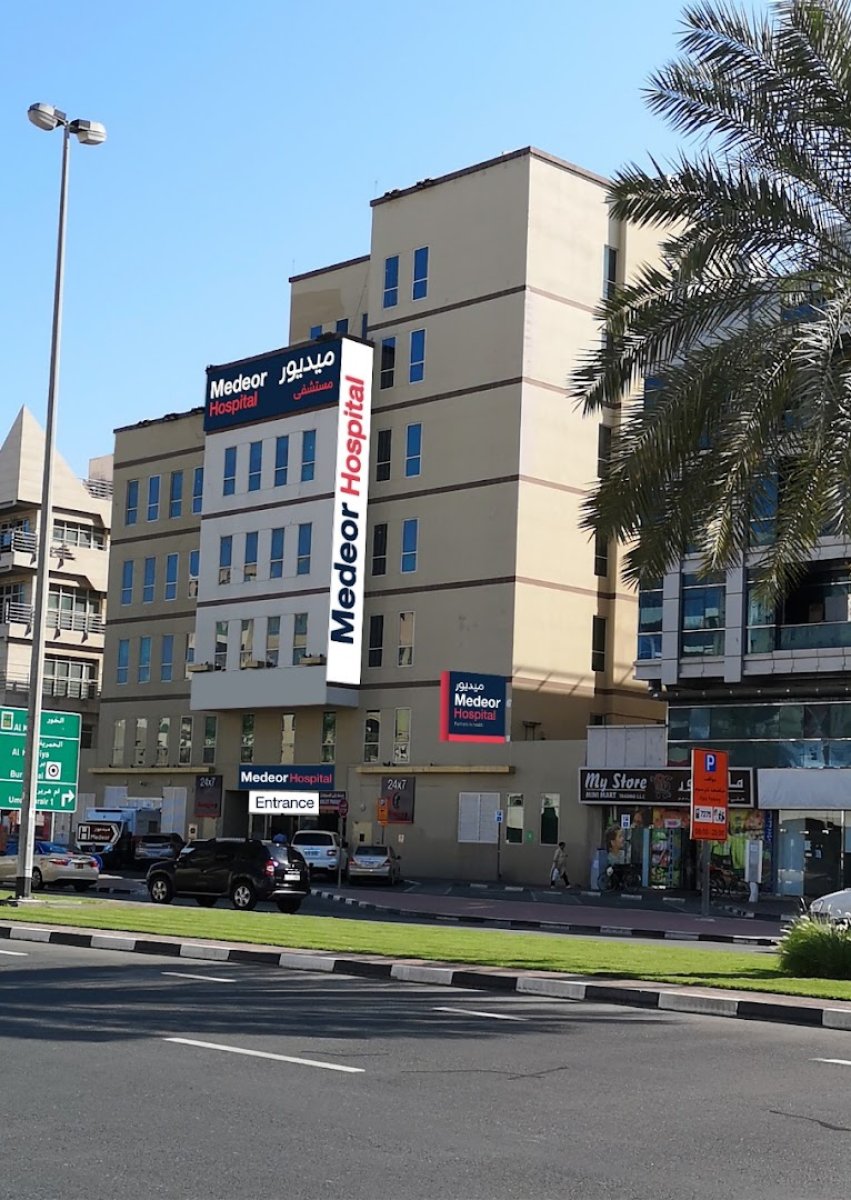
Bookimed Expert Insight: Patients with biliary pancreatitis benefit from centers like Medeor Hospital. They have performed over 4,000 therapeutic ERCP procedures. For complex cases, Aster Hospitals provide multidisciplinary care across a massive 26-hospital network. Specialist Katayoon Homayoon at Dubai London Hospital offers expert liver elastography for precise fatty liver assessment. JCI-accredited facilities in Dubai ensure international safety standards for emergency gastrointestinal procedures.
مزاياك وضماناتك مع Bookimed
أسعار مباشرة
Bookimed لا يضيف رسوماً إضافية على أسعار علاج التهاب البنكرياس. الأسعار مأخوذة من قوائم الأسعار الرسمية للعيادات. تدفع مباشرة في العيادة مقابل علاجك عند وصولك إلى البلد.
عيادات وأطباء معتمدون فقط
Bookimed ملتزم بسلامتك. نحن نعمل فقط مع المؤسسات الطبية التي تحافظ على معايير دولية عالية في علاج التهاب البنكرياس ولديها التراخيص اللازمة لخدمة المرضى الدوليين في جميع أنحاء العالم.
مساعدة مجانية على مدار الساعة
Bookimed يقدم مساعدة خبراء مجانية. منسق طبي شخصي يدعمك قبل وأثناء وبعد العلاج، ويحل أي مشاكل. لن تكون وحيداً أبداً في رحلة علاج التهاب البنكرياس.

منسقك الطبي الشخصي في Bookimed
- يدعمك في كل مرحلة
- المساعدة في اختيار العيادة الطبية المناسبة والطبيب المناسب
- يضمن الوصول السريع والمريح إلى المعلومات
اكتشف أفضل التهاب البنكرياس العيادات في الإمارات العربية المتحدة: 2 خيارات معتمدة والأسعار




Aster Hospitals, DUBAI
احصلوا على تقييم طبي لـ التهاب البنكرياس في الإمارات العربية المتحدة: استشيروا أطباء ذوي خبرة الآن
عرض جميع الأطباء
Katayoon Homayoon
أخصائي أمراض الجهاز الهضمي بخبرة 13 سنة، متخصص في اضطرابات البنكرياس والكبد – تدرب في جامعة شيراز، التي تضم أحد أكثر مراكز زراعة الأعضاء تقدمًا في العالم.
- خبير في تنظير الجهاز الهضمي العلوي وتنظير القولون الكامل
- ماهر في تصوير مرونة الكبد (إلاستوغرافيا) للتشخيص الدقيق
- يعالج حالات التهاب البنكرياس الحاد والمزمن
- يدير حالات الطوارئ المعوية المعقدة
مشاركة المحتوى
قصص فيديو من مرضى Bookimed
 Anna Leonova
أسئلة متكررة حول علاج التهاب البنكرياس في الإمارات العربية المتحدة
كيف يتم علاج التهاب البنكرياس الحاد عادةً في الإمارات العربية المتحدة؟
يركز علاج التهاب البنكرياس الحاد في الإمارات العربية المتحدة على الدخول الفوري للمستشفى لتلقي رعاية داعمة مكثفة. يعطي الأطباء الأولوية للإماهة الوريدية المكثفة، وإدارة الألم، وراحة الأمعاء. تستخدم مرافق مثل مستشفى دبي لندن ومستشفيات أستر أطباء جهاز هضمي متخصصين لاستقرار حالة المرضى ومنع مضاعفات الأعضاء الخطيرة.
- الرعاية الداعمة: يقدم المتخصصون سوائل وريدية مكثفة وراحة للأمعاء لاستقرار البنكرياس.
- التصوير التشخيصي: يستخدم المتخصصون تصوير البنكرياس والقنوات الصفراوية بالرنين المغناطيسي (MRCP) وتصوير مرونة الكبد لتقييم سريع لصحة البنكرياس.
- التدخل الصفراوي: يقوم الجراحون بإزالة انسدادات حصوات المرارة عبر تصوير البنكرياس والقنوات الصفراوية بالمنظار (ERCP) للمرضى الذين يعانون من التهاب البنكرياس الناجم عن القنوات الصفراوية.
- النهج الجراحي: يفضل الأطباء استئصال المرارة بالمنظار طفيف التوغل بمجرد تراجع الالتهاب الأولي.
رؤية خبير Bookimed: تدير الشبكات الطبية الكبيرة في دبي، مثل مستشفيات أستر، أكثر من 20,000,000 مريض سنويًا عبر 55 قسمًا. يسمح هذا الحجم الكبير من المرضى للمتخصصين مثل الدكتورة كاتايون همايون بالحفاظ على خبرتهم في حالات الطوارئ الهضمية. يجب على المرضى التحقق مما إذا كانت منشأتهم تقدم تصوير مرونة الكبد المتخصص (FibroScan) لمراقبة صحة الأعضاء على المدى الطويل بعد التعافي.
إجماع المرضى: يشير المرضى إلى أن المرافق الخاصة توفر وصولاً أسرع للطوارئ وخيارات متقدمة لإدارة الألم مثل مضخات PCA. يؤكد الكثيرون على أهمية طلب
ما هي الخيارات المتاحة لعلاج التهاب البنكرياس المزمن؟
يركز علاج التهاب البنكرياس المزمن في الإمارات العربية المتحدة على التحكم في الألم، والدعم الغذائي، والتدخلات الجراحية. يستخدم المتخصصون تصوير البنكرياس والقنوات الصفراوية بالمنظار بالطريق الراجع (ERCP) لإزالة حصوات القنوات. يشمل العلاج أيضًا العلاج ببدائل إنزيمات البنكرياس (PERT) وتعديلات نمط الحياة لمنع المزيد من تلف الأعضاء.
- طرق التشخيص: تستخدم العيادات تنظير الجهاز الهضمي العلوي وتصوير مرونة الكبد (إلاستوغرافيا) لتحديد المرحلة.
- إدارة الألم: تتراوح الخيارات من المسكنات إلى حقن الضفيرة الشمسية لعلاج آلام الأعصاب.
- العلاج بالمنظار: تعالج الدعامات وإزالة الحصوات عبر ERCP انسدادات قناة البنكرياس.
- الاستئصال الجراحي: تعمل إجراءات مثل جراحة Puestow أو Frey على تخفيف الضغط عن القنوات المتوسعة.
رؤية خبير Bookimed: تؤكد العيادات في الإمارات مثل مستشفيات Aster على نهج الحجم الكبير. تخدم شبكة Aster DM Healthcare 20,000,000 مريض سنويًا عبر 26 منشأة. تظهر البيانات أن متخصصين مثل الدكتورة كاتايون همايون يركزون على تصوير مرونة الكبد للتشخيص الدقيق. غالبًا ما يؤدي هذا الحجم الكبير من المرضى إلى وصول أسرع لإجراءات ERCP التي تتطلب وقتًا حساسًا.
إجماع المرضى: غالبًا ما يجد المرضى أن بدء العلاج ببدائل الإنزيمات مبكرًا يغير عملية الهضم بشكل جذري. يلاحظ الكثيرون أن الأنظمة الغذائية منخفضة الدهون للغاية والحساء المهروس تساعد في منع النوبات المؤلمة أثناء التعافي.
ما هي الاختبارات التشخيصية التي يجب أن أتوقعها؟
يجب على المرضى في الإمارات العربية المتحدة توقع إجراء تحاليل دم بالإضافة إلى تصوير متخصص. يعطي الأطباء الأولوية لمستويات الأميليز والليباز كعلامات أولية. غالبًا ما يتبع ذلك تصوير بالموجات فوق الصوتية للبطن لتحديد حصوات المرارة. تستخدم المراكز المتقدمة أيضًا تصوير البنكرياس والقنوات الصفراوية بالرنين المغناطيسي لتصوير قنوات البنكرياس.
- تحاليل الدم: يتم اختبار مستويات الليباز والأميليز للكشف عن الالتهاب.
- الموجات فوق الصوتية للبطن: هذا الإجراء قياسي للكشف عن مشاكل القنوات الصفراوية.
- التصوير المقطعي المحوسب (CT): تقيم فحوصات التباين تلف الأعضاء أو تجمعات السوائل.
- إجراءات التنظير: تقوم الأخصائية الدكتورة كاتايون همايون بإجراء تنظير الجهاز الهضمي العلوي.
- تصوير مرونة الكبد: تقيم فحوصات الفايبرو صحة الكبد جنبًا إلى جنب مع وظائف البنكرياس.
رؤية خبير Bookimed: تختلف سرعة التشخيص بشكل كبير حسب نوع المنشأة في دبي. تدير مستشفيات أستر 20 مليون مريض سنويًا من خلال شبكة تضم 2200 طبيب. غالبًا ما يسمح هذا الحجم الكبير بالوصول بشكل أسرع إلى مختبرات التشخيص العاجلة مقارنة بالعيادات الأصغر. اختيار منشأة بها مختبرات تشخيص في الموقع يمكن أن يقلل من أوقات الانتظار للحصول على نتائج الليباز الحرجة.
إجماع المرضى: يشير المرضى إلى أن اختبارات الليباز والأميليز هي خطوات أولى أساسية. يقترح الكثيرون طلب إجراء تصوير مقطعي في وقت مبكر إذا استمر الألم الشديد لأكثر من 48 ساعة.
هل توجد خيارات علاجية طفيفة التوغل؟
تركز الخيارات طفيفة التوغل لعلاج التهاب البنكرياس في الإمارات العربية المتحدة على التقنيات التنظيرية والإشعاعية. يستخدم المتخصصون تصوير البنكرياس والقنوات الصفراوية بالتنظير الباطني بالطريق الراجع (ERCP) لإزالة الانسدادات الصفراوية ووضع الدعامات. تتجنب هذه الإجراءات الشقوق الجراحية الكبيرة في البطن. وعادة ما تؤدي إلى تعافٍ أسرع وألم أقل مقارنة بالجراحة المفتوحة.
- العلاج بالتنظير: يستخدم الأطباء ERCP لعلاج تضيق القنوات أو إزالة الحصوات.
- استئصال النخر: تزيل التقنيات التنظيرية أنسجة البنكرياس المصابة عبر فتحات الجسم الطبيعية.
- تصريف القسطرة: يستخدم أطباء الأشعة التداخلية أنابيب صغيرة لتصريف السوائل دون جراحة.
- التصوير التشخيصي: يستخدم المتخصصون تصوير مرونة الكبد والتنظير لتحديد مرحلة المرض بدقة.
رؤية خبير Bookimed: غالبًا ما يشير حجم المرضى إلى مكان وجود الخبرة التنظيرية الأكثر دقة. تخدم مستشفيات أستر في دبي 20,000,000 مريض سنويًا عبر شبكتها. غالبًا ما تضم المراكز ذات الحجم الكبير أطباء جهاز هضمي متخصصين مثل الدكتورة كاتايون همايون. يعطي هؤلاء الخبراء الأولوية للإدارة غير الجراحية مثل فيبروسكان (FibroScan) والتنظير قبل التفكير في التدخلات الجراحية.
إجماع المرضى: يشير المرضى إلى أن ERCP هو الخيار الرئيسي لمشاكل القنوات الصفراوية. وغالبًا ما يعودون لتناول الطعام في غضون أيام. يلاحظ معظمهم أن الرعاية التحفظية مثل الصيام والسوائل تحل عادةً الحالات الحادة دون أي جراحة.
ما هي المستشفيات في الإمارات العربية المتحدة المتخصصة في أمراض البنكرياس؟
تتخصص المستشفيات الرائدة في الإمارات العربية المتحدة، بما في ذلك كليفلاند كلينك أبوظبي، ومستشفى كينغز كوليدج لندن - دبي، ومستشفيات أستر، في أمراض البنكرياس. تقدم هذه المراكز رعاية متقدمة لالتهاب البنكرياس وسرطان البنكرياس والاستئصال المعقد. تحتوي العديد من المرافق على وحدات متخصصة في الكبد والبنكرياس والقنوات الصفراوية مع فرق جراحية متعددة التخصصات.
- برامج متخصصة: تضم كليفلاند كلينك أبوظبي برنامجاً مخصصاً لأمراض البنكرياس مع إمكانيات إجراء عمليات الزرع.
- الخبرة الجراحية: تجري مدينة الشيخ شخبوط الطبية إجراءات ويبل الروبوتية وبالمنظار لأورام البنكرياس.
- تكنولوجيا التشخيص: تستخدم وحدات مثل إن إم سي للرعاية الصحية تقنيات متقدمة لتصوير البنكرياس والقنوات الصفراوية بالمنظار (ERCP) والموجات فوق الصوتية بالمنظار لانسدادات البنكرياس.
- الأطباء المتخصصون: تقدم الدكتورة كاتايون همايون في مستشفى دبي لندن خبرة في إدارة التهاب البنكرياس المعقد.
رؤية خبير Bookimed: غالباً ما يحدد حجم المرضى الخبرة السريرية في الإمارات العربية المتحدة. على سبيل المثال، تنتمي مستشفيات أستر في دبي إلى شبكة ضخمة تخدم 20,000,000 مريض سنوياً. غالباً ما يضمن اختيار مرفق ذو حجم كبير الوصول إلى أطباء الجهاز الهضمي المتخصصين، مثل أولئك الذين تدربوا في مستشفى أبو علي سينا والذين يتعاملون مع حالات الطوارئ البنكرياسية عالية الحدة وعمليات الزرع.
إجماع المرضى: يشير المرضى إلى أن المرافق التي تضم أطباء جهاز هضمي مدربين في الولايات المتحدة تتعامل مع النوبات الحادة ب