علاج التهاب البنكرياس في بولندا: 4 مستشفيات


تمت مراجعة المقالة طبيا من قبل
فهد مولود
كيف نعمل؟
ما هي تكلفة التهاب البنكرياس إجراءات التشخيص والعلاج في بولندا؟ اعرف الآن
تعتمد تكلفة علاج التهاب البنكرياس في بولندا بشكل أساسي على شدة الحالة والتدخل المطلوب. من $90. تعتمد النفقات الإجمالية على ما إذا كانت الحالة حادة أو مزمنة ومدة الإقامة في المستشفى. يمكن للمرضى تحقيق وفورات تتراوح بين 50-70% مقارنة بالولايات المتحدة. تشمل أفضل المدن للرعاية المتخصصة وارسو وكراكوف وودج.
تكاليف علاج التهاب البنكرياس النموذجية في بولندا
- استشارة طبيب الجهاز الهضمي: من $90
- تنظير المعدة: من $160
- تحليل دم موسع: من $650
- تخطيط القلب (ECG): من $28
رؤية خبراء Bookimed: بالنسبة للحالات المعقدة التي تتطلب رعاية متعددة التخصصات، توفر المراكز الكبيرة مثل المستشفى الجامعي في كراكوف موارد واسعة النطاق. حيث يعالج أكثر من 450,000 مريض سنوياً من خلال 103 أقسام متخصصة. هذا النطاق حيوي لتنسيق الدعم الجراحي والغذائي. قد يفضل المرضى الدوليون الذين يبحثون عن مسارات تشخيصية فعالة العيادات الحاصلة على معايير الأيزو (ISO) مثل عيادة KCM. تركز هذه المرافق على الأساليب الحديثة والأقل بضعاً لضمان تعافي أسرع.
اكتشف أفضل التهاب البنكرياس العيادات في بولندا: 4 خيارات معتمدة والأسعار




University Hospital in Krakow
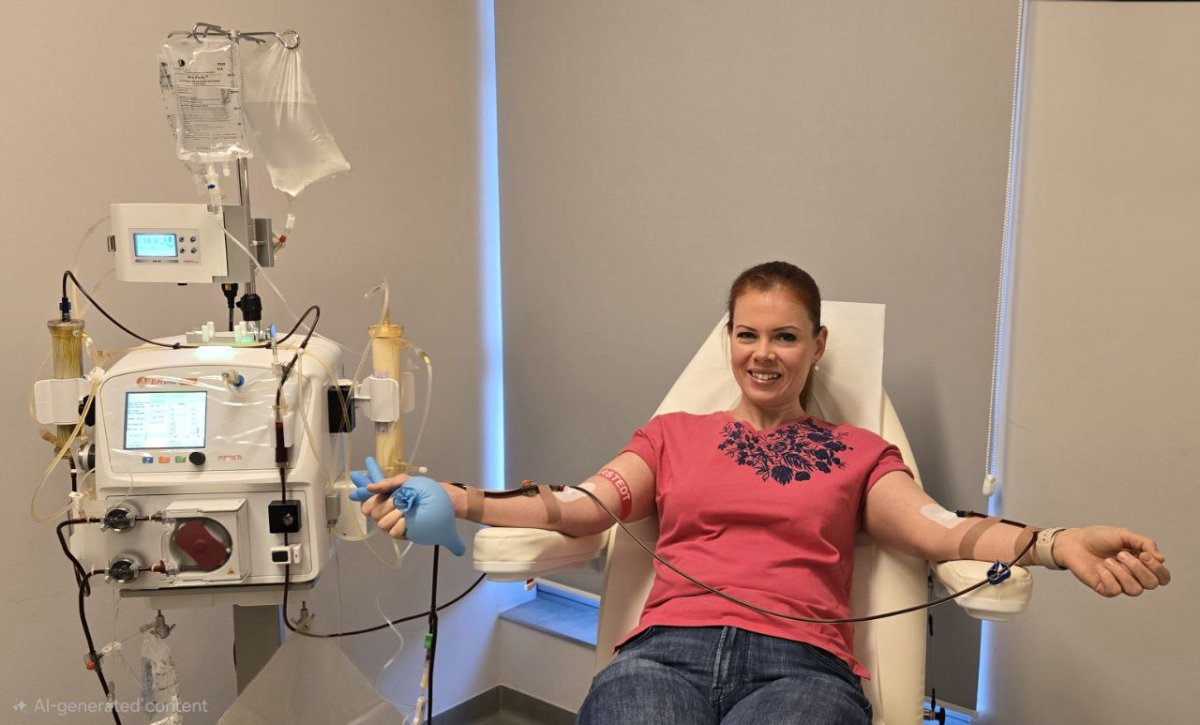
DNTRIPLED Medical Services مركز العلاج بالأفريز العلاجي
Rmed Kopernika
احصلوا على تقييم طبي لـ التهاب البنكرياس في بولندا: استشيروا أطباء ذوي خبرة الآن
عرض جميع الأطباء
Wlodzimierz Zych
الدكتور Wlodzimierz Zych أخصائي أمراض الجهاز الهضمي وأمراض الكبد. يعالج أمراض الكبد والجهاز الهضمي. يشمل عمله اضطرابات الكبد الركودية الصفراوية والمناعية الذاتية والاستقلابية. كما يدير حالات داء ترسّب الأصبغة الدموية، والداء البطني (السيلياك)، وأمراض الأمعاء الالتهابية.
التعليم والاعتماد: دكتور في الطب (MD)، 1987، كلية الطب الأولى، الأكاديمية الطبية في وارسو. دكتوراه (PhD)، 1994، CMKP. اختصاصي في الطب الباطني، 1996. اختصاصي في أمراض الجهاز الهضمي، 2004.
الخبرة: بدأ عام 1988 كمسا
مشاركة المحتوى
قصص فيديو من مرضى Bookimed
 Anna Leonova
أسئلة متكررة حول علاج التهاب البنكرياس في بولندا
هل من الآمن للمرضى الدوليين السفر إلى بولندا لعلاج التهاب البنكرياس؟
تعد بولندا وجهة آمنة لعلاج التهاب البنكرياس. تلتزم المرافق بمعايير الصحة والسلامة الصارمة للاتحاد الأوروبي. تدير المراكز الطبية الكبرى مثل المستشفى الجامعي في كراكوف حالات معقدة. تصنف تحذيرات السفر الأمريكية بولندا في المستوى 1، مما يشير إلى بيئة آمنة للغاية للمرضى الدوليين.
- معايير الاتحاد الأوروبي: تتبع المستشفيات بروتوكولات النظافة والجودة الصارمة التي يتطلبها الاتحاد الأوروبي.
- التشخيص المتخصص: تقدم المراكز تنظير المعدة، وتحليل الدم الكيميائي الحيوي، واستشارات مع أطباء الجهاز الهضمي الخبراء.
- اعتمادات العيادات: تحافظ مرافق مثل عيادة KCM على شهادات ISO لرعاية آمنة وموثوقة.
- سعة عالية: يعالج المستشفى الجامعي في كراكوف أكثر من 450,000 مريض سنويًا عبر 103 قسمًا.
رؤية خبير Bookimed: غالبًا ما يشير حجم المرضى إلى مكان وجود البنية التحتية الأكثر تعقيدًا. في حين تخدم العيادات الخاصة مثل RMED Kopernika أو عيادة KCM آلاف المرضى، فإن النطاق الهائل للمستشفى الجامعي في كراكوف - الذي يضم 1600 سرير وأكثر من 1000 طبيب - مجهز بشكل أفضل لحالات التهاب البنكرياس الحاد التي تتطلب مراقبة العناية المركزة. بالنسبة للإدارة المزمنة المستقرة، غالبًا ما توفر المراكز الخاصة المعتمدة الأصغر دعمًا مباشرًا باللغة الإنجليزية وجدولة أسرع.
إجماع المرضى: يشير المرضى إلى أن العيادات الخاصة تقدم موظفين ممتازين يتحدثون الإنجليزية، لكنهم يوصون بالتحقق من قدرات العناية المركزة قبل الحجز. من المهم تجنب السفر الجوي أثناء نوبات المرض النشطة والتأكد من أن ت
هل الأطباء البولنديون مدربون جيداً وهل يتحدثون الإنجليزية؟
يتمتع الأطباء البولنديون بتدريب عالٍ من خلال برنامج طبي صارم مدته ست سنوات وإقامة وطنية. يتحدث معظم المتخصصين في المدن الكبرى الإنجليزية بطلاقة بسبب التدريب الدولي. تحافظ مرافق مثل مستشفى الجامعة في كراكوف على المعايير العالمية للرعاية الهضمية المعقدة وعلاج التهاب البنكرياس.
- التعليم الطبي: يجب على الأطباء اجتياز الامتحان الطبي الوطني بعد ست سنوات من الدراسة.
- إتقان اللغة: الإنجليزية شائعة بين المتخصصين الأصغر سناً وفي المراكز الطبية الخاصة.
- الخبرة السريرية: تعالج المؤسسات الكبرى مثل مستشفى الجامعة في كراكوف 455,000 مريض سنوياً.
- معايير الاعتماد: تتبع المراكز الدولية مثل عيادة KCM معايير ISO للسلامة.
رؤية خبير Bookimed: يوفر النظام الطبي في بولندا توازناً فريداً بين الحجم السريري الهائل والتخصص. بينما يدير مستشفى الجامعة في كراكوف أكثر من 450,000 مريض، تركز المراكز الأصغر مثل عيادة KCM بشكل خاص على الزوار الدوليين. تخدم عيادة KCM 700 مريض أجنبي سنوياً من المملكة المتحدة وألمانيا. يشير هذا إلى أن اختيار العيادات الخاصة المتخصصة قد يضمن تواصلاً أفضل باللغة الإنجليزية مقارنة بالمؤسسات العامة الكبيرة.
إجماع المرضى: يجد المرضى أن المتخصصين البولنديين منهجيون للغاية ومؤهلون للحالات الخطيرة. على الرغم من أن الأطباء غالباً ما يتحدثون الإنجليزية جيداً، يلاحظ البعض أن إحضار ملخص طبي مترجم يساعد في التعامل مع طاقم التمريض.
ما هي بروتوكولات العلاج القياسية لالتهاب البنكرياس في بولندا؟
تتبع البروتوكولات القياسية في بولندا إرشادات نادي البنكرياس البولندي والمعايير الدولية. يركز العلاج على الإنعاش بالسوائل الموجه نحو الأهداف والتغذية المعوية المبكرة. تتضمن الحالات الشديدة نهجاً تدريجياً، يبدأ بالمضادات الحيوية ويتطور إلى التصريف طفيف التوغل إذا كانت النخر مصاباً بالعدوى. تستخدم العيادات البولندية الموجات فوق الصوتية بالمنظار لتشخيص دقيق.
- إدارة السوائل: يستخدم الأطباء لاكتات رينجر بمعدل 1.5 مل/كجم/ساعة بعد جرعة أولية.
- التحكم في الألم: تستخدم البروتوكولات علاجاً متعدد الوسائط يشمل الباراسيتامول أو الميتاميزول أو البوبرينورفين.
- الدعم الغذائي: يُفضل التغذية الفموية المبكرة في غضون 24 ساعة لتقليل المخاطر.
- النهج التدخلي: يعطي الجراحون الأولوية للتصريف بالمنظار أو عبر الجلد على الإجراءات الجراحية المفتوحة.
- الإدارة المزمنة: يشمل العلاج استبدال الإنزيمات وتفتيت الحصوات في قناة البنكرياس.
رؤية خبير Bookimed: توفر بولندا كثافة عالية من المراكز المتخصصة مع 86 عيادة متاحة لأمراض الجهاز الهضمي. تدير المرافق الأكاديمية الكبيرة مثل مستشفى الجامعة في كراكوف أكثر من 455,000 مريض سنوياً. يضمن هذا الحجم الكبير أن تستفيد حتى الحالات المعقدة من الخبرة السريرية الكبيرة والمعدات التقنية الحديثة.
إجماع المرضى: يشير المرضى إلى أن رعاية الطوارئ تبدأ غالباً ببروتوكول الصيام والسوائل الوريدية. يؤكد الكثيرون على أهمية طلب فحوصات الموجات فوق الصوتية المبكرة لتحديد حصوات المرارة بسرعة.
هل هناك متطلبات محددة للسياح الطبيين الذين يبحثون عن علاج لالتهاب البنكرياس؟
يجب على السياح الطبيين في بولندا تقديم نتائج تصوير تشخيصي ونتائج مخبرية حديثة. يطلب الجراحون مستويات الأميليز والليباز في غضون أسبوعين من العلاج. تطلب معظم العيادات في جيلينيا غورا وكراكوف الدفع مقدمًا. يجب على المرضى الاستعداد لفترة تعافي محلية تتراوح من 7 إلى 14 يومًا.
- الوثائق الطبية: قدم فحوصات الأشعة المقطعية أو الرنين المغناطيسي بتنسيق DICOM الرقمي للمراجعة الجراحية.
- التحقق المالي: مطلوب إثبات وجود أموال كافية للعلاج الخاص وطلبات التأشيرة.
- الامتثال للتأشيرة: تنطبق قواعد شنغن على الإقامات التي تصل إلى 90 يومًا للعديد من الجنسيات.
- الجاهزية السريرية: قد تكون التقييمات الطارئة في الموقع إلزامية لحالات التهاب البنكرياس الحاد قبل الجراحة.
رؤية خبير Bookimed: تقدم بولندا حجمًا كبيرًا من الرعاية، حيث يخدم المستشفى الجامعي في كراكوف 455,000 مريض سنويًا. بينما توفر المراكز الكبيرة تخصصات في الجهاز الهضمي، تخدم العيادات الخاصة الصغيرة مثل RMED Kopernika غالبًا البالغين والأطفال. تأكد دائمًا مما إذا كانت عيادتك تتطلب رقم PESEL بولندي للوصفات الطبية. يجد العديد من المرضى الدوليين أن الشراء نقدًا ضروري للأدوية بدون هذا التعريف.
إجماع المرضى: يلاحظ المرضى أنه على الرغم من أن الأطباء غالبًا ما يتحدثون الإنجليزية، فقد يتحدث طاقم التمريض البولندية فقط. من الضروري أن تكون الفحوصات الحديثة جاهزة لتجنب الرفض.
ما هي أوقات الانتظار لعلاج التهاب البنكرياس الخاص في بولندا؟
يوفر علاج التهاب البنكرياس الخاص في بولندا وصولاً سريعاً مع استشارات متخصصة متاحة في غضون 2 إلى 7 أيام. يتجنب المرضى عادةً تأخيرات النظام العام التي تصل إلى 12 أسبوعاً. غالباً ما تكون الاختبارات التشخيصية مثل تنظير المعدة وتحاليل الدم بدون وقت انتظار بعد الموعد الأولي.
- استشارات المتخصصين: عادةً ما يرى أطباء الجهاز الهضمي المرضى الخاصين في غضون 1 إلى 7 أيام.
- جدولة الجراحة: يمكن جدولة الإجراءات المعقدة في غضون 8 أيام بعد التأهيل الطبي.
- التصوير التشخيصي: الفحوصات المتخصصة مثل تصوير البنكرياس والقنوات الصفراوية بالرنين المغناطيسي (MRCP) عادةً ما يكون لها أوقات انتظار أقل من أسبوع.
- دخول المستشفى: تدير مرافق مثل المستشفى الجامعي في كراكوف أحجاماً كبيرة للرعاية الفورية.
رؤية خبير Bookimed: بينما تكون الاستشارات الأولية سريعة، قد تستغرق نتائج المختبر التشخيصي من 3 إلى 4 أسابيع. اختيار المراكز متعددة التخصصات مثل المستشفى الجامعي في كراكوف فعال. فهم يوظفون أكثر من 1000 طبيب للتعامل مع 455,000 مريض سنوياً. غالباً ما تعالج المرافق واسعة النطاق الاختبارات الداخلية بشكل أسرع من العيادات المتخصصة الأصغر.
إجماع المرضى: يشير المرضى إلى أن الخيارات الخاصة تقلل أوقات الانتظار للاستشارات إلى نفس اليوم أو اليوم التالي. يوصي الكثيرون بحجز مواعيد ERCP أو تركيب الدعامات على الفور، حيث يمكن لمواسم الصيف أن تؤخر التوفر قليلاً.
ما هي أفضل المدن في بولندا للرعاية المتخصصة للبنكرياس؟
تعد وارسو وكراكوف المدينتين البولنديتين الرائدتين للرعاية المتخصصة للبنكرياس. وتضم هذه المراكز مؤسسات أكاديمية مثل جامعة وارسو الطبية والمستشفى الجامعي في كراكوف. يحصل المرضى على تشخيصات متقدمة بما في ذلك فحوصات MRCP وجراحات الكبد والقنوات الصفراوية المعقدة التي تجريها فرق جراحية ذات خبرة عالية.
- الخبرة في وارسو: تتعامل الجامعة الطبية مع حالات التهاب البنكرياس المزمن المعقدة والحالات الحادة اللاحقة.
- القدرة الاستيعابية في كراكوف: يدير المستشفى الجامعي أكثر من 450,000 مريض عبر 103 أقسام متخصصة.
- الوصول إلى التشخيص: توفر العيادات الخاصة تنظير المعدة السريع وتحاليل الدم الكيميائية الحيوية في غضون أيام.
- المراكز الإقليمية: توفر يلينيا غورا وودج خيارات متخصصة طفيفة التوغل للمرضى الدوليين.
رؤية خبير Bookimed: حجم المرضى هو المؤشر الأكثر موثوقية للسلامة في رعاية البنكرياس. يعالج المستشفى الجامعي في كراكوف أكثر من 455,000 مريض سنوياً مع وجود 1,066 طبيباً في طاقم العمل. يضمن هذا النطاق الهائل أن يحافظ الجراحون على كفاءة عالية في الإجراءات المعقدة. في حين تخدم المدن الأصغر مثل يلينيا غورا 2,500 مريض سنوياً، فإنها تركز على علاجات متخصصة بدلاً من إدارة طوارئ البنكرياس الواسعة.
إجماع المرضى: يشير المرضى إلى أنه على الرغم من أن وارسو توفر الموظفين الأكثر ثباتاً في التحدث باللغة الإنجليزية، إلا أن أوقات الانتظار في المستشفيات العامة غالباً ما تتجاوز 3 أشهر. يوصي الكثيرون بالبدء باستشارة خاصة في مدينة كبرى لضمان الحصول على فحوصات تش
ما مدى جودة جراحة الأعصاب في بولندا؟
تُقدم جراحة الأعصاب في بولندا رعاية عالية الجودة في مرافق معتمدة من قبل اللجنة الدولية المشتركة (JCI) والمنظمة الدولية للمعايير (ISO). يلتزم جراحو الأعصاب البولنديون بمعايير تدريب صارمة معتمدة من قبل الاتحاد الأوروبي. وقد أكمل العديد منهم زمالات في الولايات المتحدة أو ألمانيا. وتتوفر التقنيات المتقدمة، مثل جهاز سايبر نايف وجهاز جاما نايف والأنظمة الروبوتية، على نطاق واسع في المراكز الخاصة.
- المؤهلات التخصصية: غالباً ما يكون الأطباء أعضاء في الرابطة الأوروبية لجمعيات جراحة الأعصاب.
- التقنيات المتقدمة: تستخدم العيادات أنظمة CyberKnife والموجات فوق الصوتية المركزة الموجهة بالرنين المغناطيسي لعلاج الدماغ غير الجراحي.
- الحجم السريري: تعالج المراكز الرائدة مثل مستشفى الجامعة في كراكوف أكثر من 455000 مريض سنوياً.
- جراحون ذوو خبرة: أجرى الدكتور ماسيج بوجكو من مستشفى كارولينا أكثر من 2500 عملية جراحية بمفرده.
رأي خبراء بوكيمد: تُظهر البيانات وجود علاقة وثيقة بين تخصص العيادة وأصول مرضاها. تعالج عيادة KCM أكثر من 700 مريض دولي سنويًا، وهي متخصصة في جراحة العمود الفقري طفيفة التوغل. يُمكّنها هذا الحجم من العمل من تقديم باقات خدمات متخصصة، تشمل غالبًا حواجز تشخيصية وزرعات محددة،
ما هي مؤهلات جراحي الأعصاب البولنديين؟
يُعدّ جراحو الأعصاب البولنديون متخصصين ذوي كفاءة عالية، إذ أتموا ما لا يقل عن 13 عامًا من التدريب الطبي المكثف. يشمل ذلك ست سنوات من الدراسة في كلية الطب، و13 شهرًا من التدريب العملي، وست سنوات من الإقامة. ويجب عليهم اجتياز امتحان التخصص الحكومي (PES)، وغالبًا ما يحصلون على شهادة من الجمعية الأوروبية لجمعيات جراحة الأعصاب (EANS).
- التعليم: يتلقى الأطباء تعليمهم الطبي (الطب) بعد 6 سنوات من الدراسة في الجامعة.
- التخصص: تشمل الإقامة 6 سنوات من التدريب المعياري في جراحة الأعصاب السريرية وعلم الأشعة العصبية.
- حجم العمليات الجراحية: غالبًا ما يقوم الأطباء المقيمون بإجراء أكثر من 1000 عملية جراحية، وهو ما يتجاوز متوسط حجم التدريب في المناطق الأخرى.
- الشهادات: العديد من المتخصصين أعضاء في منظمة AO Spine أو الجمعية البولندية لجراحة العمود الفقري.
رأي خبراء بوكيميد: تشير البيانات إلى أن جراحي الأعصاب البولنديين غالبًا ما يتخصصون في تقنيات بالغة التخصص، مثل نظام ApiFix أو نظام SED-YESS لتنظير الفقرات القطنية. ويجمع أخصائيون مثل الدكتور ستانيسواف كويك من عيادة KCM بين أبحاث ما بعد الدكتوراه والممارسة الجراحية النشطة. هذا المزيج من المعرفة الأكاديمية المتعمقة والخبرة الجراحية الوا
ما هي أفضل عيادات جراحة الأعصاب في بولندا؟
من بين أفضل عيادات جراحة الأعصاب في بولندا مستشفى كارولينا، وعيادة KCM، ومراكز أكاديمية رائدة مثل مستشفى جامعة كراكوف. تقدم هذه المؤسسات علاجات متطورة لأمراض العمود الفقري والدماغ، مطابقة لمعايير الجودة ISO، وتضم أخصائيين أعضاء في منظمات دولية مثل AO Spine.
- مستشفى كارولينا: مركز التميز الطبي التابع للفيفا، والمتخصص في جراحات العمود الفقري المعقدة ذات التدخل الجراحي المحدود.
- عيادة KCM: معترف بها دوليًا لجودة إجراءات تنظير العمود الفقري، وتخدم أكثر من 700 مريض دولي سنويًا.
- مستشفى جامعة كراكوف: مركز متعدد التخصصات كبير يقوم بإجراء أكثر من 800 عملية جراحية عصبية سنوياً منذ عام 1788.
- لوكسميد: مركز طبي خاص مرموق في وارسو متخصص في جراحة العمود الفقري المتقدمة للمرضى الدوليين.
رأي خبراء بوكيمد: بينما يتجه الكثيرون إلى أكبر المستشفيات، تُظهر البيانات أن عيادات مثل مستشفى كارولينا تُقدم كفاءة أعلى في العمليات الجراحية الاختيارية. فمع وجود أكثر من 40 طبيباً متخصصاً في هذه المنشأة التي تضم 30 سريراً، تكون نسبة الأطباء إلى المرضى أعلى بكثير مما هي عليه في المراكز الجامعية الحكومية. وهذا يعني رعاية ما بعد الجراحة أكثر عناية، وجدولة أسرع بكثير لإجراءات مثل علاج الانزلاق الغضروفي
ما هي أكثر العمليات الجراحية العصبية شيوعاً في بولندا؟
في بولندا، يركز طب جراحة الأعصاب بشكل أساسي على جراحات العمود الفقري واستئصال أورام الدماغ. وتُجري المستشفيات بشكل متكرر عمليات استئصال القرص المجهرية، ودمج الفقرات، وتحفيز الدماغ العميق. وتستخدم مراكز مثل مستشفى كارولينا وعيادة كي سي إم تقنيات طفيفة التوغل لعلاج الانزلاق الغضروفي، وإصابات العمود الفقري، والاضطرابات العصبية المعقدة.
- جراحة العمود الفقري: يعتبر استئصال القرص واستئصال الصفيحة الفقرية من العلاجات الشائعة لانزلاق القرص.
- علم الأورام العصبية: يقوم الأخصائيون بإجراء عمليات جراحية لإزالة أورام الدماغ باستخدام معدات حديثة مثل تقنية سايبر نايف.
- جراحة الأعصاب الوظيفية: يستخدم التحفيز العميق للدماغ (DBS) على نطاق واسع لعلاج اضطرابات الحركة.
- التقنيات طفيفة التوغل: يستخدم الجراحون تقنيات التنظير الداخلي لتخفيف الضغط عن العمود الفقري وعلاج أورام الغدة النخامية.
رأي خبراء بوكيميد: أصبحت بولندا مركزًا متخصصًا في تثبيت العمود الفقري. تتعاون عيادات مثل مستشفى كارولينا مع الفرق الرياضية الوطنية، مما يعكس خبرتها العالية في علاج إصابات العمود الفقري المعقدة. تُظهر بياناتنا أن هذه المؤسسات غالبًا ما تُدمج إعادة التأهيل مباشرةً في العلاج الجراحي. هذا الدمج يقلل من خطر الم