علاج ارتفاع ضغط الدم في كوريا الجنوبية: 11 مستشفيات


تمت مراجعة المقالة طبيا من قبل
فهد مولود
كيف نعمل؟
ما هي تكلفة ارتفاع ضغط الدم إجراءات التشخيص والعلاج في كوريا الجنوبية؟ اعرف الآن
| كوريا الجنوبية | تركيا | إسبانيا | |
|---|---|---|---|
| فصل البروتين الدهني منخفض الكثافة | ≈ $1,100 | ≈ $450 | ≈ $1,100 |
اكتشف أفضل ارتفاع ضغط الدم العيادات في كوريا الجنوبية: 11 خيارات معتمدة والأسعار












احصلوا على تقييم طبي لـ ارتفاع ضغط الدم في كوريا الجنوبية: استشيروا أطباء ذوي خبرة الآن
عرض جميع الأطباء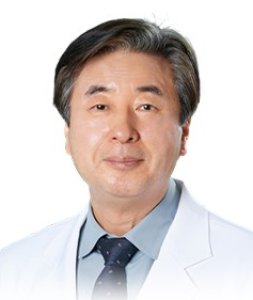
Ahn Taehun
الدكتور آن تايهون طبيب أمراض قلب حاصل على درجتي الطب والدكتوراه، ومدير مركز أمراض القلب والأوعية الدموية. يختص بمرض الشريان التاجي، بما في ذلك الذبحة الصدرية واحتشاء عضلة القلب. ويعالج أيضًا ارتفاع ضغط الدم، وأمراض صمامات القلب، وقصور القلب، وفرط شحميات الدم. تشمل خبرته طب القلب التداخلي، وتخطيط صدى القلب، وتصوير القلب والأوعية الدموية. ويعالج كذلك تصلب الشرايين، وأمراض انسداد الشرايين، واعتلال عضلة القلب التوسعي، والتهاب عضلة القلب.
تولى عدة مناصب قيادية. شغل منصب رئيس مجلس إدارة الجم
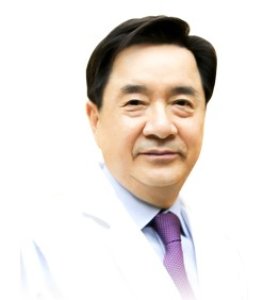
Oh Dongju
الدكتور أوه دونغجو (MD، PhD) طبيب قلب. يختص بارتفاع ضغط الدم، فرط شحميات الدم، الذبحة الصدرية، احتشاء عضلة القلب، أمراض الصمامات، اعتلال عضلة القلب التوسعي، والتهاب عضلة القلب. يشمل عمله أيضًا تصلب الشرايين وأمراض الانسداد الشرياني. وهو متمرس في تخطيط صدى القلب والتصوير القلبي الوعائي.
أكمل زمالة أمراض القلب في كلية الطب بجامعة إيموري. كما عمل مدرسًا سريريًا في قسم الطب بكلية طب وايل كورنيل، جامعة كورنيل. تولى العديد من المناصب القيادية: رئيسًا لـ KSIC؛ مديرًا للنشر والشؤون العامة والع
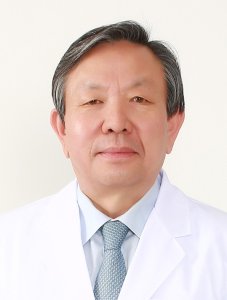
Byung Hee Oh
الأستاذ بيونغ-هي أوه، MD، PhD، طبيب قلب في مستشفى إنتشون سيجونغ. تخرّج في كلية الطب بجامعة سيول الوطنية. أكمل تدريبه في الطب الباطني وطب القلب في مستشفى جامعة سيول الوطنية. يركّز عمله السريري على قصور القلب، ومرض الشريان التاجي، وارتفاع ضغط الدم، والرجفان الأذيني، وطب القلب الوقائي.
شغل منصب أستاذ لطب القلب في جامعة سيول الوطنية. كما تولّى إدارة مركز لأمراض القلب والأوعية الدموية ورئاسة قسم طب القلب. ترأس الجمعية الكورية لأمراض القلب وقاد مجموعات وطنية لقصور القلب وارتفاع ضغط الدم. ألّ
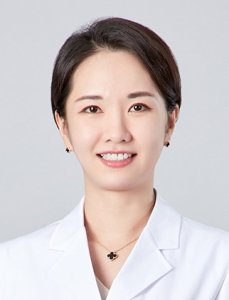
Min Jeong Kim
الدكتورة مين-جونغ كيم، طبيبة قلب تحمل درجتي الطب (MD) والدكتوراه (PhD)، تعمل في مستشفى إنتشون سيجونغ. تركز على طب القلب التدخلي، وفشل القلب، وارتفاع ضغط الدم، وطب القلب الوقائي.
حصلت على درجتي MD وPhD من كلية الطب بجامعة سيول الوطنية، وأتمت تدريباً متقدماً في الطب الباطني وأمراض القلب والأوعية في مركز طبي رائد في كوريا.
تشمل خبرتها مرض الشريان التاجي، وفشل القلب المزمن، واضطرابات نظم القلب، وارتفاع ضغط الدم. تجري تصوير الشرايين التاجية بالقسطرة والتدخل التاجي عبر الجلد، وتتقن تخ
مشاركة المحتوى
قصص فيديو من مرضى Bookimed
 Anna Leonova
أسئلة متكررة حول علاج ارتفاع ضغط الدم في كوريا الجنوبية
ما هو هدف ضغط الدم القياسي للعلاج في كوريا؟
يبلغ هدف ضغط الدم القياسي في كوريا الجنوبية أقل من 140/90 ملم زئبق لمعظم البالغين. تحافظ الجمعية الكورية لارتفاع ضغط الدم على هذا الأساس. عادة ما يحتاج المرضى المعرضون لمخاطر عالية المصابون بمرض السكري أو أمراض القلب والأوعية الدموية إلى تحكم أكثر كثافة. غالبًا ما يستهدف الخبراء أهدافًا أقل من 130/80 ملم زئبق في هذه الحالات.
- هدف عامة السكان: الهدف السريري القياسي هو أقل من 140/90 ملم زئبق.
- المجموعات عالية المخاطر: يستهدف مرضى القلب والأوعية الدموية أقل من 130/80 ملم زئبق.
- إدارة مرض السكري: الهدف المعتاد هو 140/85 ملم زئبق أو 130/80 ملم زئبق.
- المراقبة المنزلية: الأهداف أقل عند 135/85 ملم زئبق لمرضى ارتفاع ضغط الدم العام.
رؤية خبير Bookimed: تعكس مؤشرات الجودة المستوى العالي لأمراض القلب في سيول. يقوم مركز أسون الطبي بإجراء 45% من عمليات زراعة القلب في كوريا ويحافظ على معدلات نجاح تصل إلى 90%. يشير هذا الحجم إلى أن العيادات ذات تصنيفات نيوزويك غالبًا ما تدير حالات ارتفاع ضغط الدم الأكثر تعقيدًا. ابحث عن المراكز المعتمدة من JCI مثل مستشفى سيفيرانس للحصول على رعاية قلبية وعائية متكاملة.
إجماع المرضى: يلاحظ المرضى أن فرق الرعاية الكورية تؤكد بشدة على الاحتفاظ بسجلات يومية في المنزل. أفاد الكثيرون أن الأطباء يعطون الأولوية لتحكم أكثر صرامة خصيصًا لتقليل خطر الإصابة بالسكتة الدماغية.
ما هي الأدوية الأكثر شيوعاً لعلاج ارتفاع ضغط الدم في كوريا؟
يعتمد علاج ارتفاع ضغط الدم في كوريا الجنوبية بشكل أساسي على حاصرات مستقبلات الأنجيوتنسين (ARB) وحاصرات قنوات الكالسيوم (CCB). تغطي هذه الفئات الدوائية أكثر من 75% و60% من المرضى على التوالي. تفضل البروتوكولات المحلية هذه الأدوية على مثبطات الإنزيم المحول للأنجيوتنسين (ACE) لتجنب الآثار الجانبية الشائعة مثل السعال الجاف المزمن.
- حاصرات مستقبلات الأنجيوتنسين (ARB) المهيمنة: تلميسارتان ولوسارتان هما الأكثر وصفاً.
- حاصرات قنوات الكالسيوم (CCB) الرائدة: يظل أملوديبين هو حاصر قنوات الكالسيوم الأساسي المستخدم لضغط الدم.
- العلاج المركب: تُطبق أنظمة العلاج المزدوج باستخدام تركيبات الحبة الواحدة على 44% من المرضى.
- تكرار الوصفات: تُستخدم مدرات البول وحاصرات بيتا في 22% و15% من الحالات المعالجة على التوالي.
رؤية خبير Bookimed: تظهر البيانات من مؤسسات رفيعة المستوى مثل مركز أسان الطبي ومستشفى جامعة سيول الوطنية تحولاً كبيراً نحو الرقمنة. تستخدم هذه المراكز أنظمة متقدمة مثل BESTcare لتتبع الالتزام بالأدوية على المدى الطويل. يضمن هذا التركيز الرقمي مراقبة المرضى الذين يتلقون علاجات مزدوجة معقدة بدقة أعلى مما هو عليه في الأنظمة الورقية التقليدية.
إجماع المرضى: يشير المرضى إلى أن الأطباء غالباً ما يبدأون العلاج بأملوديبين أو لوسارتان نظراً لتوفرها العالي. وعلى الرغم من فعاليتها، يؤكد الكثيرون على ضرورة مراقبة تورم الساقين أو الدوار، خاصة عند استخدام حبوب مركبة بجرعات عالية.
هل تعد تعديلات نمط الحياة جزءاً من إرشادات ارتفاع ضغط الدم الرسمية في كوريا؟
تعد تعديلات نمط الحياة ركيزة أساسية في إرشادات ارتفاع ضغط الدم الكورية الرسمية. تفرض الجمعية الكورية لارتفاع ضغط الدم العلاج غير الدوائي لجميع المرضى. تعطي التوصيات المحددة الأولوية لتقليل الصوديوم إلى أقل من 6 جرام يومياً. تنفذ العيادات هذه التغييرات جنباً إلى جنب مع الأدوية أو كمرحلة علاج أولية.
- حد الصوديوم: تقيد الإرشادات تناول الملح اليومي بأقل من 6 جرام إجمالاً.
- الأنماط الغذائية: يوصي الأطباء باتباع أنظمة غذائية على الطريقة الكورية غنية بالخضروات والأسماك والبقوليات.
- أهداف الوزن: يهدف المرضى إلى مؤشر كتلة جسم أقل من 25 للتحكم الأمثل في الضغط.
- توقيت العلاج: قد يخضع المرضى ذوو المخاطر المنخفضة لتغييرات في نمط الحياة لمدة تصل إلى 3 أشهر.
رؤية خبير Bookimed: بينما تتبع العديد من الدول أنظمة DASH الغذائية الغربية، تدمج مراكز القلب الرائدة في كوريا الجنوبية مثل مركز أسان الطبي استشارات غذائية متخصصة لتعديل الأطعمة الأساسية التقليدية عالية الصوديوم. تظهر بياناتنا أن المرافق الكبرى في سيول تستخدم غالباً المراقبة المتنقلة لمدة 24 ساعة للتحقق مما إذا كانت تغييرات نمط الحياة وحدها كافية قبل البدء في بروتوكولات الأدوية مدى الحياة.
إجماع المرضى: يلاحظ المرضى أن الأطباء يؤكدون بصرامة على تقليل الملح من الأطعمة الشائعة مثل الكيمتشي والراميون. يوصي الكثيرون بدمج هذه التغييرات الغذائية مع المشي اليومي لمدة 30 دقيقة لرؤية تحسن كبير في ضغط الدم.
هل يوصى بمراقبة ضغط الدم في المنزل (HBPM) للمرضى في كوريا الجنوبية؟
يوصى بشدة بمراقبة ضغط الدم في المنزل في كوريا الجنوبية لتشخيص ارتفاع ضغط الدم وإدارته. تنصح الجمعية الكورية لارتفاع ضغط الدم بحد أقصى 135/85 ملم زئبقي للقراءات المنزلية. يساعد استخدام أجهزة الذراع الآلية المعتمدة في تحديد ارتفاع ضغط الدم المقنع ويحسن بشكل كبير النتائج القلبية الوعائية على المدى الطويل.
- حد التشخيص: يتم تأكيد ارتفاع ضغط الدم إذا وصلت المتوسطات المنزلية إلى 135/85 ملم زئبقي.
- أفضل الممارسات: قم بقياس ضغط الدم 1-3 مرات في الجلسة الواحدة مرتين يومياً.
- التوقيت الأمثل: تحقق في غضون ساعة واحدة من الاستيقاظ وقبل النوم.
- نوع الجهاز: استخدم أجهزة قياس ضغط الدم العضدية المعتمدة بدلاً من أجهزة قياس المعصم.
رؤية خبراء Bookimed: كوريا الجنوبية هي مركز عالمي لأمراض القلب حيث تدير مؤسسات مثل مستشفى سيفيرانس ومركز آسان الطبي ملايين المرضى. تظهر بياناتنا اتجاهاً نحو الرقمنة الكاملة في عيادات مثل مستشفى جامعة سيول الوطنية في بوندانغ. بالنسبة للمرضى، هذا يعني أن القراءات المنزلية لم تعد مخصصة للسجلات الشخصية فقط. بل يتم دمجها بشكل متزايد في أنظمة الرعاية الصحية الرقمية لمراجعتها من قبل المتخصصين في الوقت الفعلي.
إجماع المرضى: يلاحظ المرضى أن المراقبة المنزلية تكشف عن ارتفاعات ضغط الدم الناتجة عن "تأثير المعطف الأبيض" والتي غالباً ما يتم تفويتها أثناء زيارات العيادة القصيرة. يوصي الكثيرون بمعايرة جهاز القياس المنزلي الخاص بك مقابل جهاز المستشفى أثناء موعدك الأول لضمان الدقة.
ما هي نسبة البالغين الكوريين الذين لديهم ضغط دم مسيطر عليه بالفعل؟
تظهر البيانات الحديثة أن 62.2% من البالغين الكوريين يحافظون الآن على مستويات ضغط دم مسيطر عليها. يمثل هذا علامة فارقة وطنية مهمة في صحة القلب والأوعية الدموية. تظل المعدلات هي الأعلى بين أولئك الذين يتلقون علاجاً طبياً نشطاً. يستخدم حوالي 76% من مرضى ارتفاع ضغط الدم حالياً أدوية ضغط الدم.
- نجاح العلاج: يحقق المرضى الذين يتناولون الأدوية سيطرة على ضغط الدم في 72% إلى 73% من الحالات.
- فجوة الوعي: حوالي 78.6% من البالغين يدركون أنهم مصابون بارتفاع ضغط الدم قبل بدء العلاج.
- التفاوت العمري: تنخفض معدلات السيطرة لدى الشباب الذين تتراوح أعمارهم بين 20 و39 عاماً بشكل ملحوظ إلى 32.9%.
- نتائج كبار السن: يصل البالغون الذين تزيد أعمارهم عن 65 عاماً إلى معدلات سيطرة تقترب من 60% من خلال المراقبة المستمرة.
رؤية خبير Bookimed: ترتبط معدلات السيطرة المرتفعة في كوريا بالتخصص المؤسسي الشديد في أمراض القلب. تجري مرافق مثل مركز أسون الطبي 45% من عمليات زراعة القلب في البلاد. تضمن هذه الخبرة المركزة أن حتى حالات ارتفاع ضغط الدم المعقدة والمقاومة تستفيد من البروتوكولات المستخدمة في المراكز الجراحية ذات الحجم الكبير. يجب على المرضى إعطاء الأولوية للعيادات التي تضم مراكز قلب وأوعية دموية متكاملة للحصول على مراقبة أكثر دقة على مدار 24 ساعة.