علاج ارتفاع ضغط الدم في إسرائيل — احصل على 3 عيادات مختارة خصيصاً لك


تمت مراجعة المقالة طبيا من قبل
فهد مولود
كيف نعمل؟
ما هي تكلفة ارتفاع ضغط الدم إجراءات التشخيص والعلاج في إسرائيل؟ اعرف الآن
| إسرائيل | تركيا | إسبانيا | |
|---|---|---|---|
| فصل البروتين الدهني منخفض الكثافة | ≈ $1,600 | ≈ $450 | ≈ $1,100 |
اكتشف أفضل ارتفاع ضغط الدم العيادات في إسرائيل: 11 خيارات معتمدة والأسعار








Assaf Harofeh Medical Center


Herzliya Medical Center
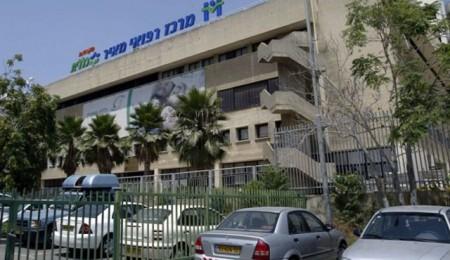
Meir Medical Center

Kaplan Medical Center
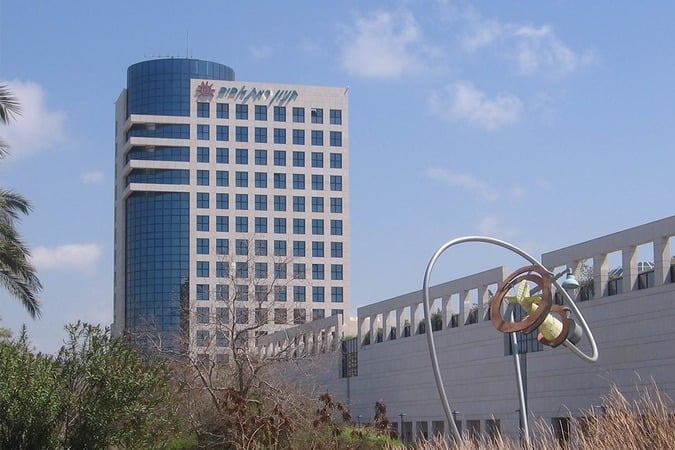
Ramat Aviv Medical Center

Shaare Zedek Medical Center
احصل على تقييم طبي لـ في إسرائيل. استشر الآن 12 أطباء ذوي الخبرة.
عرض جميع الأطباء
Helkin Amir
يقود الدكتور هيلكين أمير خدمة أمراض القلب الهيكلية في مركز تل أبيب الطبي، وهو متخصص في حالات القلب المعقدة.
- أكثر من _doctor_3449_عاماً_ من الخبرة في الطب الباطني وأمراض القلب
- طبيب أول حاصل على تدريب تداخلي متقدم من مستشفى لينوكس هيل في نيويورك
- محاضر أكاديمي في كلية هداسا للطب والجامعة العبرية في القدس
- مؤلف لعشرات المنشورات المهنية والعروض التقديمية في المؤتمرات

Levi Yehuda
يتخصص الدكتور يهودا في رعاية القلب والأوعية الدموية مع تدريب في العناية المركزة في مركز شيبا الطبي - أكبر مستشفى في إسرائيل.
- عضو في جمعية القلب الأمريكية والاتحاد الأوروبي لأطباء القلب
- خبير في دعامات الشرايين التاجية وتركيب أجهزة تنظيم ضربات القلب
- مدرب في العناية المركزة لحالات الطوارئ القلبية
- يجري عمليات زراعة صمامات القلب والإجراءات القلبية المعقدة

Bella Koifman
يرأس الدكتور كويفمان قسم تخطيط صدى القلب في مركز سوراسكي الطبي - وهو أداة تشخيصية رئيسية لمضاعفات ارتفاع ضغط الدم.
- متخصص في أمراض الشرايين التاجية واضطرابات صمامات القلب
- تدرب في مستشفى رويال برومبتون المرموق في لندن
- باحث نشط في الكشف المبكر عن أمراض القلب
- يدير برامج إعادة التأهيل القلبي في إيخيلوف

Gideon Uretzky
جراح قلب رائد في مركز سوراسكي الطبي (إيخيلوف) – خبير في إجراءات القلب طفيفة التوغل.
- أستاذ محاضر في جامعة تل أبيب
- متخصص في جراحة القلب طفيفة التوغل وإعادة تأهيل القلب
- رائد في استخدام أساليب أقل توغلاً لتحسين التعافي
- خبرة واسعة في إدارة حالات ارتفاع ضغط الدم المعقدة
مشاركة المحتوى
قصص فيديو من مرضى Bookimed
 Anna Leonova
أسئلة متكررة حول علاج ارتفاع ضغط الدم في إسرائيل
ما هي العلاجات المبتكرة لارتفاع ضغط الدم المتاحة في إسرائيل؟
تقدم إسرائيل علاجات متقدمة لارتفاع ضغط الدم مثل استئصال التعصيب الكلوي وعلاج تنشيط مستقبلات الضغط للحالات المقاومة. تستخدم المراكز الرائدة في تل أبيب والقدس الاستئصال بالترددات الراديوية والموجات فوق الصوتية العلاجية لتحييد أعصاب الكلى المفرطة النشاط. تنظم هذه الإجراءات طفيفة التوغل ضغط الدم بفعالية عندما تفشل الأدوية.
- استئصال التعصيب الكلوي: إجراء يعتمد على القسطرة باستخدام الترددات الراديوية أو الموجات فوق الصوتية لاستئصال أعصاب الكلى المفرطة النشاط.
- تقنية TIVUS: موجات فوق صوتية عالية التردد غير جراحية تستهدف أعصاب الكلى بدقة دون الإضرار بجدران الأوعية الدموية.
- تنشيط مستقبلات الضغط: أجهزة قابلة للزرع تحفز مستشعرات الضغط الطبيعية لتحفيز خفض ضغط الدم داخلياً.
- فصادة البروتين الدهني منخفض الكثافة (LDL): ترشيح دم متخصص يساعد في إدارة ارتفاع ضغط الدم الشديد المصحوب بمستويات عالية من الدهون.
رؤية خبير Bookimed: تحقق أقسام أمراض القلب الإسرائيلية مثل تلك الموجودة في مركز سوراسكي الطبي وهداسا معدلات تحكم أعلى من خلال فرق متعددة التخصصات. تظهر بياناتنا أن هذه المراكز تجمع بين أطباء القلب التداخلية والمراقبة المدعومة بالذكاء الاصطناعي. على سبيل المثال، يتمتع الدكتور أربيل يارون في سوراسكي بأكثر من 15 عاماً من الخبرة في أمراض القلب الهيكلية والاستئصال بالترددات الراديوية الوريدية.
إجماع المرضى: يؤكد المرضى أن استئصال التعصيب الكلوي في المستشفيات الإسرائيلية الكبرى يمكن أن يخفض ضغط الدم بمقدار 20 نقطة في غضون أشهر. يقدر الك
ما هي أفضل المستشفيات لعلاج ارتفاع ضغط الدم في إسرائيل؟
تشمل أفضل المستشفيات لعلاج ارتفاع ضغط الدم في إسرائيل مركز سوراسكي الطبي، ومركز هداسا الطبي، ومركز رمبام الطبي. تقدم هذه المرافق المعتمدة من قبل اللجنة الدولية المشتركة (JCI) عيادات متخصصة في ارتفاع ضغط الدم. وهي تدمج بين أمراض الكلى وأمراض القلب لإدارة الحالات المستعصية. وتعد التشخيصات المتقدمة مثل المراقبة المتنقلة لمدة 24 ساعة معياراً قياسياً.
- مركز سوراسكي الطبي: يتميز بعيادة مخصصة لارتفاع ضغط الدم داخل معهد الغدد الصماء.
- مركز هداسا الطبي: يوفر رعاية متعددة التخصصات للحالات المعقدة من خلال قسم أمراض القلب.
- مركز رمبام الطبي: يعمل كمركز إحالة رئيسي لشمال إسرائيل.
- مركز هرتسليا الطبي: يقدم علاجات قلبية وعائية مخصصة وخدمات قسطرة قلبية متقدمة.
رؤية خبير Bookimed: غالباً ما تفصل المراكز الطبية الإسرائيلية رعاية ارتفاع ضغط الدم إلى تخصصات دقيقة. على سبيل المثال، يركز مركز سوراسكي الطبي على مشاكل ضغط الدم المرتبطة بالغدد الصماء. وفي الوقت نفسه، يعالج مركز هداسا الطبي ما يقرب من 1,000,000 مريض سنوياً مع تركيز قوي على أمراض القلب القائمة على الأبحاث. يجب على المرضى اختيار المنشأة بناءً على السبب الكامن وراء حالتهم، مثل اضطرابات الغدة الكظرية أو مضاعفات الكلى.
إجماع المرضى: يشير المرضى إلى أن المستشفيات العامة مثل شيبا وهداسا ممتازة للحالات المعقدة. ومع ذلك، يقترحون استخدام مرافق خاصة مثل أسوتا للوصول بشكل أسرع إلى المتخصصين إذا كان لديك تأمين.
من هم كبار المتخصصين في ارتفاع ضغط الدم في إسرائيل؟
يمارس كبار متخصصي ارتفاع ضغط الدم في إسرائيل عملهم في مراكز طبية أكاديمية رائدة مثل سوراسكي وهداسا. يقود خبراء مثل البروفيسور جوناثان شارابي والبروفيسور إيهود غروسمان وحدات متخصصة. وهم متخصصون في الحالات المقاومة، واستئصال العصب الكلوي، والتشخيصات الشاملة القائمة على أمراض القلب داخل المرافق المعتمدة من قبل اللجنة الدولية المشتركة (JCI).
- البروفيسور جوناثان شارابي: يدير الوحدة في مركز شيبا الطبي. متخصص في استئصال العصب الكلوي للحالات المقاومة.
- البروفيسور إيهود غروسمان: خبير مشهور في ارتفاع ضغط الدم وانخفاض ضغط الدم الانتصابي في المراكز الموجودة في القدس.
- الدكتور آري روث: مدير العناية المركزة للقلب في سوراسكي. يركز على التشخيصات الوعائية المعقدة.
- البروفيسور نفتالي ستيرن: متخصص في سوراسكي يركز على متلازمة التمثيل الغذائي وضغط الدم المرتبط بالغدد الصماء.
رؤية خبير Bookimed: بينما يبحث الكثيرون عن عيادات خاصة، تتعامل المراكز الأكاديمية في إسرائيل مثل سوراسكي وهداسا مع أكبر أحجام من المرضى. يعالج سوراسكي وحده أكثر من 1,800,000 مريض سنوياً. يسمح هذا النطاق الهائل للأطباء بالتخصص في مسببات ارتفاع ضغط الدم النادرة، مثل اضطرابات الغدة الكظرية، والتي قد تراها المرافق الأصغر بشكل أقل تكراراً.
إجماع المرضى: يلاحظ المرضى أن الأطباء الإسرائيليين غالباً ما يؤكدون على تغييرات نمط الحياة مثل حمية البحر الأبيض المتوسط قبل البدء في أدوية قوية. يقترح الكثيرون البدء بطبيب العائلة للتقييم الأولي للحصول على إحالات أسرع إلى المتخصصين في
هل يمكن للمرضى الدوليين استخدام وصفاتهم الطبية الخاصة في إسرائيل؟
لا يمكن للمرضى الدوليين استخدام الوصفات الطبية الأجنبية في الصيدليات الإسرائيلية. تتطلب القوانين المحلية وصفة طبية من طبيب مرخص محلياً لصرف أي دواء. يجب عليك استشارة طبيب في مراكز مثل مركز سوراسكي الطبي أو مركز هداسا الطبي لتحويل مستنداتك إلى وصفة طبية إسرائيلية صالحة.
- الإمداد الشخصي: يمكن للمرضى إحضار إمدادات تكفي لمدة تصل إلى 90 يوماً للاستخدام الشخصي.
- الوثائق المطلوبة: احمل الأدوية في عبواتها الأصلية مع خطاب طبيب مطبوع باللغة الإنجليزية.
- البدائل المحلية: قد يصف الأطباء الإسرائيليون علامات تجارية محلية تحتوي على نفس المكونات النشطة.
- استشارة الطبيب: زيارة عيادة خاصة للحصول على وصفة طبية جديدة هي متطلب قياسي.
رؤية خبير Bookimed: تعالج المراكز ذات الحجم الكبير مثل مركز سوراسكي الطبي أكثر من 1,800,000 مريض سنوياً ولديها أنظمة مبسطة للزوار الدوليين. على الرغم من أن النصيحة العامة تشير إلى إمداد لمدة 90 يوماً، تظهر بياناتنا أن أقسام أمراض القلب المتخصصة غالباً ما تجري مراقبة ضغط الدم المتنقلة (ABPM) قبل إعادة إصدار الوصفات الطبية طويلة الأمد. يضمن هذا أن جرعتك الحالية لا تزال فعالة تحت ضغط السفر قبل أن يوقع الطبيب على البدائل المحلية.
إجماع المرضى: يشير المرضى إلى أنه من الضروري إحضار أدوية تكفي لمدة 30 يوماً في العبوات الأصلية. وجد الكثيرون أن النسخ الرقمية من الوصفات الطبية تم تجاهلها، لذا فإن حمل سجلات ورقية مطبوعة باللغة الإنجليزية أمر ضروري لتجربة صيدلية سلسة.
ما هي خدمات الدعم المتاحة للسياح الطبيين؟
يصل السياح الطبيون في إسرائيل إلى الدعم من خلال الأقسام الدولية في مراكز مثل سوراسكي وهداسا. تشمل هذه الخدمات جدولة المواعيد، وترجمة السجلات الطبية، والتنسيق مع المتخصصين الناطقين بالإنجليزية. تعمل المكاتب المخصصة على سد الفجوة بين المرضى الأجانب ونظام الرعاية الصحية الإسرائيلي للعلاجات المعقدة.
- التنسيق الإداري: تدير الأقسام المخصصة تقديرات الفواتير والجدولة في المستشفيات المعتمدة من قبل اللجنة الدولية المشتركة (JCI).
- التشخيص السريري: يشمل الدعم مراقبة ضغط الدم المتنقلة على مدار 24 ساعة واستشارات المتخصصين.
- المساعدة اللغوية: توفر مستشفيات مثل مركز سوراسكي الطبي إمكانية الوصول إلى أطباء القلب الناطقين بالإنجليزية.
- الرعاية الصحية الرقمية: تستخدم المراكز الإسرائيلية الكبرى الطب عن بعد والسجلات الصحية الإلكترونية لتحقيق الكفاءة.
رؤية خبير Bookimed: تخدم المستشفيات الإسرائيلية مثل هداسا وسوراسكي أكثر من 1,000,000 مريض سنويًا ولكنها تعمل بشكل مختلف عن العيادات البوتيك. بينما يقدمون ذكاءً اصطناعيًا متقدمًا وجراحة روبوتية، يجب أن يعرف المرضى أنهم بحاجة إلى إدارة لوجستياتهم خارج الموقع بأنفسهم. يضمن البحث عن الرعاية في منشأة تابعة لجامعة الوصول إلى المتخصصين المدرجين في قائمة فوربس الذين غالبًا ما يقودون الأبحاث السريرية الدولية.
إجماع المرضى: يشير المرضى إلى أنه من الضروري ترجمة سجلات ضغط الدم والتاريخ الطبي قبل الوصول لتجنب التأخير. نظرًا لأن المستشفيات لا ترتب عادةً السكن، يوصي الكثيرون بحجز أماكن إقامة بالقرب من المنا
لماذا تُعد إسرائيل واحدة من الوجهات الرائدة في جراحة الأعصاب؟
تُعدّ إسرائيل مركزًا رائدًا في جراحة الأعصاب بفضل مزيجها من التطورات الطبية عالية التقنية والخبرات الجراحية المتميزة. وتستخدم مرافق متطورة مثل مركز شيبا الطبي أنظمة ملاحة تعتمد على الذكاء الاصطناعي والتصوير بالرنين المغناطيسي أثناء الجراحة في الوقت الفعلي. وتشير المراكز المتخصصة إلى نسبة نجاح تصل إلى 98% في العمليات الجراحية المعقدة، بما في ذلك جراحة الدماغ مع اليقظة وعلاج اضطرابات الحركة.
- التكنولوجيا المتقدمة: تستخدم العيادات الموجات فوق الصوتية المركزة الموجهة بالرنين المغناطيسي (MRgFUS) والأنظمة الروبوتية لإجراء الشقوق.
- الخبرة الجراحية: يقود جراحون مثل الدكتور تسفي رام جمعيات دولية بخبرة تزيد عن 25 عامًا.
- الوصول السريع: يمكن للمرضى الدوليين عادةً تحديد مواعيد لإجراء عمليات جراحية معقدة في الدماغ أو العمود الفقري في غضون 2-4 أسابيع.
- الرعاية الطبية المعتمدة: المراكز الكبيرة مثل سوراسكي (إيشيلوف) وأسوتا معتمدة من قبل اللجنة الدولية المشتركة، مما يؤكد سلامتها.
رأي خبراء بوكيمد: تُظهر البيانات فرقًا واضحًا بين خيارات العلاج في القطاعين العام والخاص في إسرائيل. تُجري المراكز الخاصة، مثل مركز أسوتا الطبي، أكثر من 92,000 عملية جراحية سنويًا، وتتيح للمرضى اختيار جراح را
ما هي أنواع الأمراض العصبية التي يتم علاجها في إسرائيل؟
يعالج جراحو الأعصاب الإسرائيليون طيفاً واسعاً من الحالات، بدءاً من أورام الدماغ والحبل الشوكي وصولاً إلى الاضطرابات الوظيفية المعقدة. وتستخدم المراكز المتخصصة أحدث التقنيات، مثل جهاز جاما نايف، والتحفيز العميق للدماغ، والتصوير بالرنين المغناطيسي أثناء الجراحة، لتشخيص دقيق للغاية لحالات الصرع، ومرض باركنسون، وأمراض الأوعية الدموية الدماغية.
- الأمراض السرطانية: علاج الأورام الدبقية والأورام السحائية وأورام الغدة النخامية باستخدام استئصال قاعدة الجمجمة.
- الاضطرابات الوظيفية: علاج مرض باركنسون والرعاش الأساسي باستخدام التحفيز العميق للدماغ.
- أمراض العمود الفقري: تصحيح الجنف، وانزلاق الغضروف، وأورام العمود الفقري باستخدام الأنظمة الروبوتية.
- علاج أمراض الأوعية الدموية الدماغية: العلاج الجراحي لتمدد الأوعية الدموية الدماغية والتشوهات الشريانية الوريدية باستخدام التدخلات داخل الأوعية الدموية.
- جراحة الأعصاب للأطفال: رعاية متخصصة لاستسقاء الرأس والتشوهات الخلقية في مراكز طب الأطفال المتخصصة.
رأي خبراء بوكيمد: غالبًا ما تجمع المستشفيات الإسرائيلية بين تخصصات طبية متعددة لمعالجة الحالات المعقدة. ففي مركز سوراسكي ا
ما هي المستشفيات في إسرائيل التي تشتهر بأقسام جراحة الأعصاب فيها؟
تضم إسرائيل مراكز جراحة أعصاب عالمية المستوى، مثل مركز سوراسكي الطبي، ومركز شيبا الطبي، ومركز هداسا الطبي. وتُعدّ هذه المؤسسات رائدة عالميًا في علاج أورام الدماغ المعقدة، وأمراض العمود الفقري، واضطرابات الحركة. وتستخدم أحدث التقنيات، مثل جهاز جاما نايف، والأنظمة الروبوتية، والتصوير بالرنين المغناطيسي أثناء الجراحة.
- سوراسكي (إيخيلوف): يجري أكثر من 2500 عملية جراحية عصبية سنوياً في تل أبيب بنسبة نجاح تبلغ 98%.
- مركز شيبا الطبي: مصنف ضمن أفضل عشرة مستشفيات في العالم، حيث يعالج 1.9 مليون مريض سنوياً.
- مركز هداسا الطبي: مرشح لجائزة نوبل للسلام. رائد في جراحة الأعصاب للأطفال والعلاج الجيني.
- مركز أسوتا الطبي: أكبر منشأة طبية خاصة في إسرائيل. متخصص في جراحات العمود الفقري والدماغ طفيفة التوغل.
- مستشفى شنايدر للأطفال: مركز رائد في جراحة الأعصاب للأطفال، يعالج 275000 طفل سنوياً.
رأي خبراء بوكيمد: تُظهر بياناتنا أنه بينما يلجأ معظم المرضى للعلاج في تل أبيب، يُقدّم مركز رامبام الطبي في حيفا رعايةً فريدةً لإصابات الدماغ. فهو يضم وحدةً متخصصةً للعناية المركزة العصبية تُعالج ما يقارب مليون مريض سنويًا. وهذا ما يجعله
من هم أبرز جراحي الأعصاب في إسرائيل؟
من بين أبرز جراحي الأعصاب الإسرائيليين البروفيسور تسفي رام، والبروفيسور شلومي كونستانتيني، والبروفيسور إسحاق فريد من مركز سوراسكي الطبي. ويشغل هؤلاء المتخصصون مناصب قيادية في الجمعية الأوروبية لجمعيات جراحة الأعصاب (EANS) والجمعية العالمية لجراحة الأعصاب التجسيمية والوظيفية (WSSFN). ويستخدمون تقنيات رسم الخرائط المتقدمة أثناء الجراحة وأنظمة الروبوتات.
- البروفيسور تسفي رام: خبير في جراحة أورام الدماغ طفيفة التوغل والعلاج الجيني للسرطان.
- الأستاذ شلومي كونستانتيني: متخصص في إجراءات التنظير العصبي المعقدة للأطفال والجراحة المجهرية لأورام الدماغ.
- الأستاذ إسحاق فريد: خبير في جراحة الصرع، ورسم خرائط الدماغ الوظيفية، وتحفيز الدماغ العميق.
- الدكتور إيلي أشكينازي: جراح عظام رائد في مستشفى أسوتا، متخصص في نظام TOPS المبتكر.
رأي خبراء بوكيمد: تشير بيانات مركز سوراسكي وشيبا إلى وجود علاقة وثيقة بين ارتفاع عدد العمليات الجراحية وسلامة المرضى. فعلى سبيل المثال، يُجري مركز سوراسكي أكثر من 34,000 عملية جراحية لعلاج الأورام سنويًا بنسبة نجاح تصل إلى 90%. لذا، ينبغي على المرضى الذين يحتاجون إلى استئصال أورام معقدة إعطاء الأولوية لمراكز كهذه، حيث يُجري الجراحون مئات العمليات الجراحية ا
ما هي متطلبات المرضى الدوليين القادمين الذين يسعون للحصول على رعاية جراحية عصبية؟
يجب على المرضى الأجانب الذين يحتاجون إلى علاج جراحي للأعصاب في إسرائيل تقديم وثائق طبية كاملة، بما في ذلك نتائج التصوير بالرنين المغناطيسي أو التصوير المقطعي المحوسب الحديثة، مترجمة إلى اللغة الإنجليزية. يتطلب دخول المستشفى فحصًا سريريًا من قبل أخصائيين للتأكد من ملاءمة المريض للعلاج. غالبًا ما تطلب المستشفيات دفعًا مسبقًا كاملًا أو دفعة مقدمة كبيرة قبل تأكيد مواعيد الجراحة أو إصدار وثائق التأشيرة.
- السجلات الطبية: تقديم تقارير مفصلة ونتائج التصوير مترجمة إلى اللغة الإنجليزية في غضون 48 ساعة للمراجعة السريرية.
- إثبات القدرة المالية: يرجى تقديم إثبات توفر الأموال بمبلغ تقريبي يتراوح بين _price_from_ و _price_to_ لتغطية تكاليف العلاج.
- دعم التأشيرة: تقوم عيادات مثل مركز سوراسكي الطبي (إيخيلوف) بإصدار خطابات رسمية للحصول على تأشيرة طبية من نوع B-2.
- مرحلة الاستشارة: غالبًا ما يتم إجراء التقييم الأولي عبر استشارة عبر الإنترنت مع جراحين مثل الدكتور شتراوس إيدو.
رأي خبراء بوكيمد: تُظهر البيانات أن المؤسسات الطبية الإسرائيلية الرائدة، مثل مركز شيبا الطبي ومركز هداسا الطبي، تستقبل عددًا هائلًا من المرضى، يتجاوز مليون مريض سنويًا. هذا الطلب المرتفع يعني أن العيادات تُعطي الأول