علاج ارتفاع ضغط الدم في الهند: 10 مستشفيات


تمت مراجعة المقالة طبيا من قبل
فهد مولود
ما هي تكلفة ارتفاع ضغط الدم إجراءات التشخيص والعلاج في الهند؟ اعرف الآن
| الهند | تركيا | إسبانيا | |
|---|---|---|---|
| فصل البروتين الدهني منخفض الكثافة | ≈ $700 | ≈ $450 | ≈ $1,100 |
مزاياك وضماناتك مع Bookimed
أسعار مباشرة
Bookimed لا يضيف رسوماً إضافية على أسعار علاج ارتفاع ضغط الدم. الأسعار مأخوذة من قوائم الأسعار الرسمية للعيادات. تدفع مباشرة في العيادة مقابل علاجك عند وصولك إلى البلد.
عيادات وأطباء معتمدون فقط
Bookimed ملتزم بسلامتك. نحن نعمل فقط مع المؤسسات الطبية التي تحافظ على معايير دولية عالية في علاج ارتفاع ضغط الدم ولديها التراخيص اللازمة لخدمة المرضى الدوليين في جميع أنحاء العالم.
مساعدة مجانية على مدار الساعة
Bookimed يقدم مساعدة خبراء مجانية. منسق طبي شخصي يدعمك قبل وأثناء وبعد العلاج، ويحل أي مشاكل. لن تكون وحيداً أبداً في رحلة علاج ارتفاع ضغط الدم.

منسقك الطبي الشخصي في Bookimed
- يدعمك في كل مرحلة
- المساعدة في اختيار العيادة الطبية المناسبة والطبيب المناسب
- يضمن الوصول السريع والمريح إلى المعلومات
اكتشف أفضل ارتفاع ضغط الدم العيادات في الهند: 10 خيارات معتمدة والأسعار












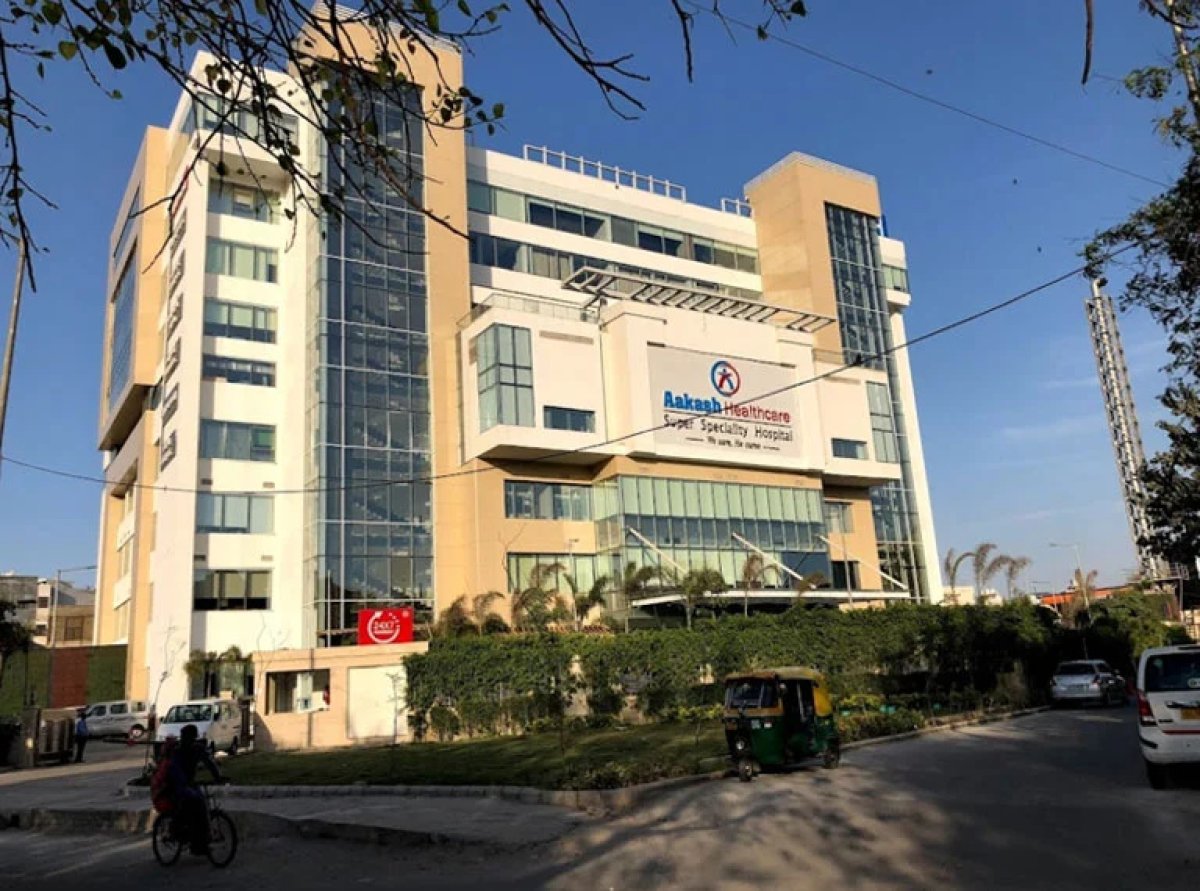
Dr. Rela Institute & Medical Centre
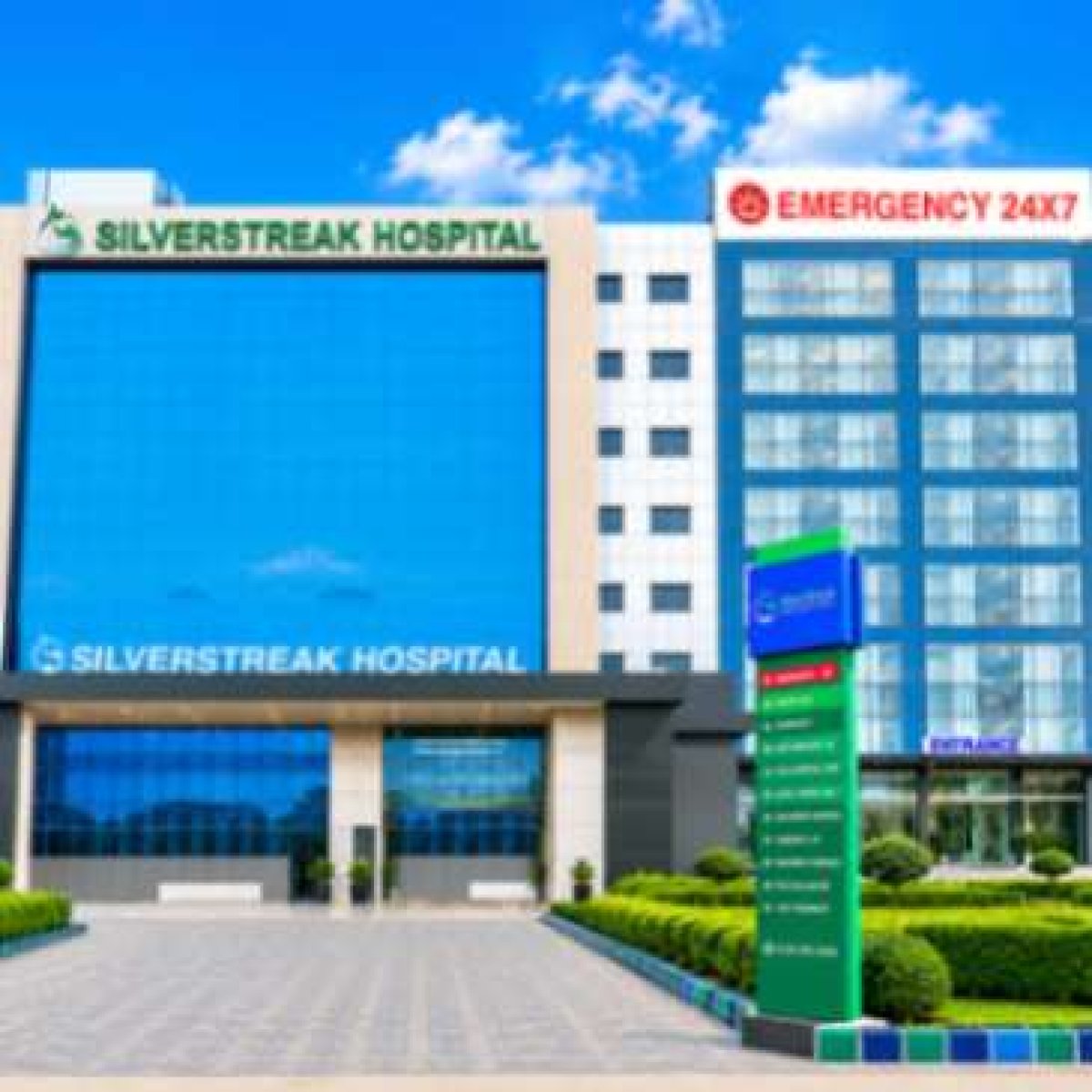
Helal Healthcare
احصلوا على تقييم طبي لـ ارتفاع ضغط الدم في الهند: استشيروا أطباء ذوي خبرة الآن
عرض جميع الأطباء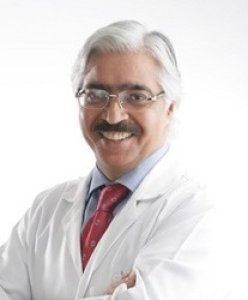
Ashok Seth
مشاركة المحتوى
قصص فيديو من مرضى Bookimed
 Anna Leonova
أسئلة متكررة حول علاج ارتفاع ضغط الدم في الهند
ما هو هدف ضغط الدم الذي يجب أن أسعى إليه في الهند؟
توصي إرشادات ارتفاع ضغط الدم الهندية بهدف ضغط دم أساسي أقل من 140/90 مم زئبق. بالنسبة للبالغين الذين تقل أعمارهم عن 60 عامًا، غالبًا ما يهدف الأطباء إلى تحكم أكثر كثافة عند 130/80 مم زئبق. تؤكد مراكز أمراض القلب الهندية على هذه الأهداف الأكثر صرامة للمرضى من جنوب آسيا بسبب ارتفاع المخاطر الوعائية.
- البالغون بشكل عام: يجب على المرضى الذين تقل أعمارهم عن 60 عامًا عادةً أن يهدفوا إلى أقل من 130/80 مم زئبق.
- المرضى المسنون: عادةً ما يستهدف أولئك الذين تزيد أعمارهم عن 80 عامًا نطاقًا أقل من 150/90 مم زئبق.
- حالات عالية الخطورة: يحتاج المرضى المصابون بمرض السكري أو أمراض القلب إلى أهداف أقل من 130/80 مم زئبق.
- بروتوكول المراقبة: استخدم المراقبة المنزلية لتتبع التقييم اليومي بدلاً من قراءات العيادة.
رؤية خبير Bookimed: تُظهر بيانات حجم المرضى أن المراكز الكبرى مثل مستشفيات مانيبال ومستشفى جلوبال تشيناي تخدم أكثر من 2,000,000 مريض سنويًا. يسمح هذا النطاق الهائل للمتخصصين الهنود بتحسين الأهداف بناءً على العوامل الغذائية المحلية مثل تناول الملح العالي. غالبًا ما توفر المؤسسات الكبيرة أهدافًا أكثر عدوانية تبلغ 120/80 مم زئبق للمرضى في المناطق الحضرية لمنع تلف الكلى المبكر.
إجماع المرضى: يشير المرضى إلى أنه من المهم تتبع القراءات مرتين يوميًا وتجنب خفض الضغط الانقباضي عن 110 في المنزل لمنع الدوار. يؤكد الكثيرون أنه بينما قد تقبل العيادات الريفية 150/90، يضغط المتخصصون في المناطق الحضرية من أجل 130/80 لتقليل مخاطر السكتة الدماغية
هل أحتاج بالتأكيد إلى دواء، أم أن النظام الغذائي والتمارين الرياضية يمكن أن يكونا كافيين؟
يمكن للنظام الغذائي والتمارين الرياضية إدارة ارتفاع ضغط الدم في المرحلة الأولى المبكرة بنجاح في الهند من خلال تجربة نمط الحياة لمدة 3 إلى 6 أشهر. يصف الأطباء عادةً أدوية فورية لارتفاع ضغط الدم في المرحلة الثانية أو الحالات التي تنطوي على عوامل وراثية. غالبًا ما يتطلب الحفاظ على ضغط الدم أقل من 140/90 مم زئبق الجمع بين الأدوية الجنيسة بأسعار معقولة والنشاط البدني المكثف.
- عتبة العلاج: يتطلب ارتفاع ضغط الدم في المرحلة الثانية (140/90 مم زئبق فما فوق) عادةً دواءً فوريًا إلى جانب تغييرات في نمط الحياة.
- تجربة نمط الحياة: تقترح المبادئ التوجيهية السريرية تجربة لمدة 3 إلى 6 أشهر للنظام الغذائي والتمارين الرياضية لحالات ما قبل ارتفاع ضغط الدم.
- المعايير السريرية الهندية: تستخدم المؤسسات الكبرى مثل مستشفى ميدانتا المعتمد من اللجنة الدولية المشتركة (JCI) رعاية قلبية متخصصة للحالات المعقدة.
- الإدارة طويلة الأمد: يمكن للتمارين الرياضية المتسقة أن تعزز فعالية الدواء وربما تسمح بتخفيض الجرعات في المستقبل.
رؤية خبير Bookimed: تظهر البيانات من 92 عيادة في الهند تركيزًا عاليًا للخبرة القلبية المتخصصة في مومباي ودلهي. على سبيل المثال، يوظف مستشفى كوكيلابين ديروبهاي أمباني نظام متخصصين بدوام كامل. وهذا يضمن أن يقوم متخصص مخصص بمراقبة نتائج تجربة نمط حياتك يوميًا. اختيار مثل هذه المراكز ذات الحجم الكبير يزيد من فرصتك في تحديد ما إذا كانت الأدوية ضرورية حقًا بشكل صحيح.
إجماع المرضى: يجد المرضى أن إضافة اليوغا و10,000 خطوة يوميًا يساعد،
ما هي الأدوية الخافضة لضغط الدم التي توصف عادة في الهند؟
يصف الأطباء الهنود في المقام الأول حاصرات مستقبلات الأنجيوتنسين 2 (ARBs) وحاصرات قنوات الكالسيوم (CCBs) لعلاج ارتفاع ضغط الدم. يعتبر تيلميسارتان وأملوديبين من أكثر الخيارات شيوعاً. غالباً ما يستخدم الأطباء تركيبات الجرعات الثابتة (FDCs) لتبسيط العلاج. هذا النهج يحسن التزام المريض والتحكم في ضغط الدم.
- حاصرات مستقبلات الأنجيوتنسين: تيلميسارتان هو العلاج الأول الرائد في جميع أنحاء الهند.
- حاصرات قنوات الكالسيوم: يستخدم أملوديبين على نطاق واسع بمفرده أو في تركيبات.
- العوامل الحامية للكلى: يفضل استخدام سيلنيديبين لتقليل الآثار الجانبية مثل تورم الكاحل.
- العلاجات المركبة: غالباً ما تجمع حبوب الجرعات الثابتة بين تيلميسارتان وأملوديبين أو هيدروكلوروثيازيد.
رؤية خبير Bookimed: تحتل الهند المرتبة التاسعة عالمياً على Bookimed للطلبات الطبية، مما يعكس بنية تحتية صحية ضخمة. تخدم المراكز الكبرى مثل مستشفيات مانيبال والمستشفى العالمي أكثر من 80,000 مريض سنوياً. تظهر بياناتنا أن أفضل المستشفيات الهندية حاصلة على شهادات اللجنة الدولية المشتركة (JCI) والمجلس الوطني للاعتماد للمستشفيات ومقدمي الرعاية الصحية (NABH). وهذا يضمن أنه بينما قد تستخدم العيادات المحلية تركيبات جرعات ثابتة عامة بأسعار معقولة، فإن المؤسسات المعتمدة تحافظ على معايير السلامة الدولية للرعاية القلبية الوعائية المعقدة.
إجماع المرضى: غالباً ما ينتقل المرضى من الأدوية القديمة مثل إنالابريل إلى تيلميسارتان لتجنب السعال المستمر. يلاحظ الكثيرون أن التحول إلى سيلنيديبين ي
كم مرة يجب أن أقيس ضغط دمي في المنزل؟
يجب على المرضى المستقرين مراقبة ضغط الدم مرتين يومياً لمدة أسبوع واحد عند تغيير العلاج. تتم الفحوصات القياسية في الصباح قبل تناول الدواء وفي المساء. يقوم معظم الأفراد الذين يتم التحكم في حالتهم بشكل جيد بتقليل التكرار إلى مرتين أسبوعياً. يضمن التتبع المستمر الكشف المبكر عن اتجاهات ارتفاع ضغط الدم في المستشفيات الهندية المعتمدة من قبل JCI.
- المراقبة الأولية: تحقق كل صباح ومساء لمدة 3 إلى 7 أيام متتالية.
- مرحلة الاستقرار: قم بإجراء 2 إلى 3 قراءات في كل جلسة للحصول على متوسط النتائج.
- الصيانة طويلة الأمد: انتقل إلى الفحص مرة أو مرتين أسبوعياً إذا ظلت القراءات مستقرة.
- الفحوصات القائمة على الأعراض: راقب فوراً إذا كنت تعاني من صداع مفاجئ أو دوار أو دوخة.
رؤية خبير Bookimed: بينما يركز الكثيرون على التكرار، يشير حجم المرضى في العيادات في الهند إلى أولوية مختلفة. تخدم المراكز الكبرى مثل مستشفيات مانيبال ومستشفى جلوبال تشيناي أكثر من مليوني مريض سنوياً. تكشف بياناتهم أن سجلات المنزل حيوية لمنع ارتفاع ضغط الدم الناجم عن "المعطف الأبيض". يساعد الاحتفاظ بسجل رقمي أكثر من 1900 طبيب في مانيبال على تجنب الإفراط في وصف الأدوية بناءً على قراءات العيادة الناتجة عن التوتر.
إجماع المرضى: يلاحظ المرضى أن الأنظمة الغذائية الهندية الغنية بالملح يمكن أن تسبب تقلبات يومية. يوصون باستخدام أجهزة قياس ضغط الدم العضدية المعتمدة والاحتفاظ بسجل مفصل للوجبات جنباً إلى جنب مع قراءات ضغط الدم.
هل يمكن علاج ارتفاع ضغط الدم بشكل دائم؟
ارتفاع ضغط الدم هو بشكل عام حالة مزمنة تستمر مدى الحياة ولا يمكن علاجها بشكل دائم. في حين أن 90% من الحالات هي حالات أولية وتتطلب إدارة مستمرة، فإن ارتفاع ضغط الدم الثانوي الناجم عن مشاكل طبية محددة يمكن أحياناً حله من خلال الجراحة أو العلاج الموجه. يمكن لتغييرات نمط الحياة المتسقة أن تعيد ضغط الدم بفعالية إلى النطاقات الطبيعية.
- ارتفاع ضغط الدم الأولي: يتطلب هذا الشكل الشائع إدارة مدى الحياة من خلال النظام الغذائي والتمارين الرياضية والأدوية.
- ارتفاع ضغط الدم الثانوي: علاج مشاكل الكلى أو الغدة الدرقية الكامنة يمكن أحياناً أن يحل ارتفاع ضغط الدم بشكل دائم.
- التأثير الغذائي: قد يؤدي اتباع نظام DASH الغذائي إلى خفض ضغط الدم بما يصل إلى 11 ملم زئبق.
- إدارة الوزن: فقدان ما بين 3 إلى 4.5 كجم فقط يقلل الضغط بشكل كبير وقد يقلل من الحاجة إلى الأدوية.
- المرافق في الهند: توفر المراكز المعتمدة من اللجنة الدولية المشتركة (JCI) مثل مستشفى ميدانتا ومستشفى BLK Super Speciality تشخيصات متقدمة.
رؤية خبير Bookimed: تظهر بيانات المرضى أن المراكز متعددة التخصصات في الهند غالباً ما تحدد الأسباب الثانوية القابلة للعلاج من خلال فحوصات متقدمة. تستخدم مستشفيات مثل مستشفى جلوبال مومباي ومعهد الدكتور ريلا تصويراً عالي الدقة، بما في ذلك التصوير بالرنين المغناطيسي والأشعة المقطعية، للعثور على المحفزات الكلوية أو الغدد الصماء. يساعد الوصول إلى هذه الأدوات في منشأة واحدة المرضى على استبعاد الحلول الدائمة قبل البدء في تناول الأدوية مدى الحياة.
ما هي التغييرات الغذائية الموصى بها للمرضى الهنود؟
تركز التغييرات الغذائية الموصى بها للمرضى الهنود على تقليل الصوديوم والكربوهيدرات المكررة مع زيادة الألياف والبروتينات الخالية من الدهون. يساعد استبدال الأرز الأبيض بالدخن القديم مثل راجي أو جوار في التحكم في ضغط الدم. إن إعطاء الأولوية للخضروات غير النشوية وتقليل الأطعمة عالية الملح مثل المخللات والباباد أمر ضروري لصحة القلب.
- جودة الكربوهيدرات: استبدل الأرز الأبيض أو الميدا بالأرز البني أو الشوفان أو خبز الروتي المصنوع من القمح الكامل.
- تقليل الصوديوم: قلل من المخللات والباباد ووجبات النامكين الخفيفة الغنية بالملح لخفض مستويات ضغط الدم.
- مصادر البروتين: زيادة تناول العدس والبراعم والبانير والبيض والسمك أو الدجاج المشوي.
- الدهون الصحية: استبدل الدهون المشبعة مثل السمن والزبدة بزيت عباد الشمس أو زيت الفول السوداني.
رؤية خبير Bookimed: غالبًا ما تتضمن إدارة ارتفاع ضغط الدم في الهند التعامل مع التنوع الطهوي الإقليمي. تؤكد المؤسسات الكبيرة مثل مستشفيات مانيبال ومستشفى جلوبال تشيناي على التغذية الشخصية ضمن هياكلها متعددة الأقسام. تظهر بياناتنا أن المرافق رفيعة المستوى تدمج بشكل متكرر أخصائيي التغذية في فرق أمراض القلب. وهذا يضمن حصول المرضى على خطط وجبات محلية تحافظ على النكهات التقليدية باستخدام تقنيات طهي منخفضة الصوديوم.
إجماع المرضى: يلاحظ المرضى أن تقليل الملح في الدال والكاري أمر صعب ولكنه يعطي أفضل النتائج. يجد الكثيرون أنه من المفيد تعديل الوصفات العائلية بدلاً من طهي وجبات منفصلة لضمان الاتساق خلال مواسم الأعياد
ما هي التمارين التي تخفض ضغط الدم بأمان للهنود؟
يمكن للهنود خفض ضغط الدم بأمان باستخدام المشي السريع واليوغا والتمارين متساوية القياس (isometric). يقلل التدريب الهوائي الضغط الانقباضي بمقدار 5 ملم زئبق. الممارسات التقليدية مثل براناياما وشافاسانا تقلل من الكورتيزول. تعتبر الأنشطة منخفضة التأثير مثالية لإدارة ارتفاع ضغط الدم ضمن المناخ والمشهد الصحي في الهند.
- النشاط الهوائي: المشي السريع لمدة 30 دقيقة يومياً يحسن صحة القلب والأوعية الدموية.
- ممارسة العقل والجسم: أوضاع اليوغا مثل سوكاسانا تقلل من تصلب الشرايين بشكل كبير.
- التمارين متساوية القياس: تمارين البلانك والجلوس على الحائط تخفض ضغط الدم أثناء الراحة بفعالية.
- تقنيات التنفس: يحفز أنولوم فيلوم استجابة الاسترخاء لتهدئة معدل ضربات القلب.
رؤية خبير Bookimed: تحتل الهند المرتبة التاسعة عالمياً في طلبات الرعاية الصحية التي يتم تقديمها على منصتنا. تؤكد عيادات المجلس الوطني للاعتماد للمستشفيات ومقدمي الرعاية الصحية (NABH) مثل مستشفى مانيبال غوا على الرعاية المتكاملة. غالباً ما يرى المرضى نتائج أفضل عند الجمع بين الفحوصات السريرية وتعديلات نمط الحياة المحلية مثل المشي المسائي.
إجماع المرضى: يلاحظ الكثيرون أن المشي بعد العشاء يساعد في تصحيح القراءات المرتفعة في غضون شهرين. كما يقترح الناس البدء بالتنفس أثناء الجلوس لتجنب الدوار الناتج عن الانخفاض المفاجئ.