ارتفاع ضغط الدم العلاج في الصين - التكاليف 2026


تمت مراجعة المقالة طبيا من قبل
فهد مولود
ما هي تكلفة ارتفاع ضغط الدم إجراءات التشخيص والعلاج في الصين؟ اعرف الآن
| الصين | تركيا | إسبانيا | |
|---|---|---|---|
| فصل البروتين الدهني منخفض الكثافة | ≈ $700 | ≈ $450 | ≈ $1,100 |
مزاياك وضماناتك مع Bookimed
أسعار مباشرة
Bookimed لا يضيف رسوماً إضافية على أسعار علاج ارتفاع ضغط الدم. الأسعار مأخوذة من قوائم الأسعار الرسمية للعيادات. تدفع مباشرة في العيادة مقابل علاجك عند وصولك إلى البلد.
عيادات وأطباء معتمدون فقط
Bookimed ملتزم بسلامتك. نحن نعمل فقط مع المؤسسات الطبية التي تحافظ على معايير دولية عالية في علاج ارتفاع ضغط الدم ولديها التراخيص اللازمة لخدمة المرضى الدوليين في جميع أنحاء العالم.
مساعدة مجانية على مدار الساعة
Bookimed يقدم مساعدة خبراء مجانية. منسق طبي شخصي يدعمك قبل وأثناء وبعد العلاج، ويحل أي مشاكل. لن تكون وحيداً أبداً في رحلة علاج ارتفاع ضغط الدم.

منسقك الطبي الشخصي في Bookimed
- يدعمك في كل مرحلة
- المساعدة في اختيار العيادة الطبية المناسبة والطبيب المناسب
- يضمن الوصول السريع والمريح إلى المعلومات
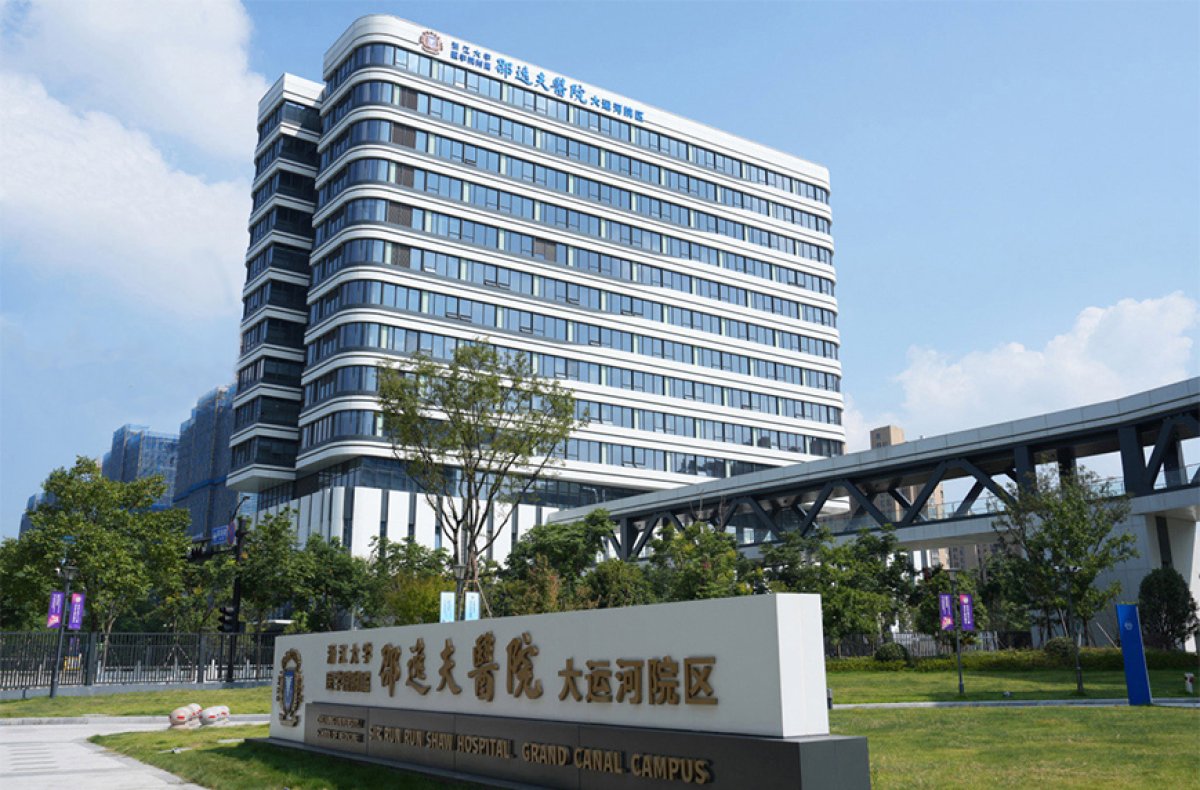
اكتشف أفضل ارتفاع ضغط الدم العيادات في الصين: 2 خيارات معتمدة والأسعار


احصل على تقييم طبي لـ في الصين. استشر الآن 8 أطباء ذوي الخبرة.
عرض جميع الأطباء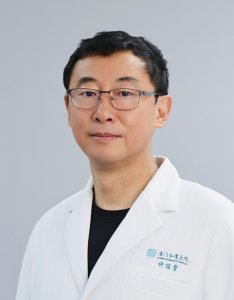
Xu Juntang
الدكتور شو جونتانغ، دكتور في الطب (MD)، زميل ما بعد الدكتوراه، كبير الأطباء ومشرف الماجستير. يشغل منصب مدير قسم طب القلب والأوعية الدموية في مستشفى شيامن هيومانيتي. يتركز عمله على الوقاية من الأمراض القلبية الوعائية والخثرية وعلاجها، بما في ذلك مرض الشريان التاجي، وارتفاع ضغط الدم، وفشل القلب، واضطرابات النظم القلبي، والحالات الطارئة. وهو متمرس في اختبارات المؤشرات الحيوية القلبية الوعائية.
يوفر رعاية مقننة للانصمام الخثاري المرتبط بأمراض صمامات القلب والرجفان الأذيني غير الصمامي، والا

JIANG Dongmei
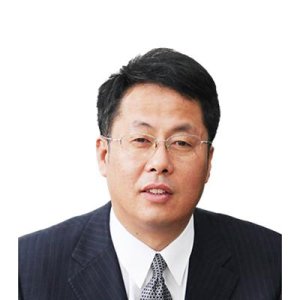
Yang Chuanhua
FU Guosheng
مشاركة المحتوى
قصص فيديو من مرضى Bookimed
 Anna Leonova
أسئلة متكررة حول علاج ارتفاع ضغط الدم في الصين
ما هو الحد الرسمي لضغط الدم لتشخيص ارتفاع ضغط الدم في الصين؟
في الصين، يُعتبر الحدّ الرسمي لضغط الدم 140/90 ملم زئبق. ويتطلب التشخيص ثلاثة قياسات سريرية منفصلة على الأقل. وتحافظ الإرشادات الصينية على هذا المعيار، على الرغم من انخفاضه في دول أخرى. ويصنف الأطباء قراءات ضغط الدم التي تتراوح بين 120-139/80-89 ملم زئبق على أنها الحد الأعلى الطبيعي، أو ما يُعرف بمرحلة ما قبل ارتفاع ضغط الدم.
- القياس السريري: يتم التشخيص عندما يكون ضغط الدم الانقباضي 140 ملم زئبق أو أعلى.
- المراقبة المنزلية: الحد الأدنى لضغط الدم للقياس المنزلي هو 135/85 ملم زئبق.
- متوسط ضغط الدم على مدار 24 ساعة: يؤكد متوسط ضغط الدم على مدار 24 ساعة البالغ 130/80 ملم زئبق وجود ارتفاع ضغط الدم.
- التصنيف الحاد: يبدأ ارتفاع ضغط الدم من المرحلة 3 عند ضغط 180/110 ملم زئبق ويتطلب رعاية طبية طارئة.
رأي خبراء بوكيمد: تعتمد الصين نظام رعاية صحية فريدًا من نوعه، يتألف من مستويين. تعالج مؤسسات طبية مرموقة، مثل مستشفى ياندا الدولي، 2,500,000 مريض سنويًا، حيث تجمع بين البروتوكولات الغربية والأساليب الصينية التقليدية. يتيح هذا العدد الكبير من الحالات للأطباء التعامل مع الحالات المعقدة. غالبًا ما يجد المرضى وحدات متخصصة لعلاج ارتفاع ضغط الدم في مستشفيات كبيرة من الفئة (أ) والمستوى
ما هي أكثر الأدوية الموصوفة شيوعًا لعلاج ارتفاع ضغط الدم في الصين؟
تُعدّ حاصرات قنوات الكالسيوم، مثل أملوديبين، وحاصرات مستقبلات الأنجيوتنسين 2، من أهمّ العلاجات المُستخدمة لعلاج ارتفاع ضغط الدم في الصين. وتُمثّل حاصرات قنوات الكالسيوم أكثر من 55% من إجمالي الوصفات الطبية. وتُعدّ هذه الأدوية فعّالة في خفض ضغط الدم لدى كبار السن. ويتلقّى معظم المرضى علاجًا أحاديًا بالأدوية الجنيسة.
- حاصرات قنوات الكالسيوم: يعتبر أملوديبين ونيفيديبين من الأدوية الرئيسية الموصوفة في المستشفيات الحضرية.
- حاصرات مستقبلات الأنجيوتنسين: ينتمي كل من فالسارتان وإربيسارتان إلى الفئة الرئيسية من أدوية الخط الثاني.
- بروتوكولات العلاج المركب: غالباً ما يجمع الأطباء بين مدرات البول وحاصرات مستقبلات الأنجيوتنسين II أو حاصرات قنوات الكالسيوم للعلاج المبكر.
- الطب التقليدي: تُستخدم الأدوية الصينية المسجلة مثل تيانما غوتنغ في الحالات الخفيفة.
- خيار فعال من حيث التكلفة: تعطي المستشفيات العامة الأولوية للأدوية الجنيسة مثل ليسينوبريل لتقليل التكاليف على المرضى.
رأي خبراء بوكيمد: يصل عدد المرضى السنوي في المراكز الرئيسية، مثل مستشفى ياندا الدولي، إلى 2,500,000 مريض. هذا العدد الهائل يؤدي إلى انتشار استخدام ال
ما هو النظام الغذائي الموصى به لمرضى ارتفاع ضغط الدم في الصين؟
في الصين، يُنصح باتباع نظام غذائي صيني لصحة القلب (CHH) لمرضى ارتفاع ضغط الدم. يقلل هذا النظام من تناول الصوديوم إلى أقل من 5 غرامات يوميًا، ويركز على تناول كميات كبيرة من البوتاسيوم والألياف والبروتينات النباتية. تُظهر الدراسات السريرية أنه يُخفض ضغط الدم الانقباضي بمقدار 10 ملم زئبق خلال أربعة أسابيع.
- قيود تناول الصوديوم: يجب الحد من تناول الملح اليومي إلى أقل من 5 غرامات للشخص الواحد.
- النظام الغذائي النباتي: تناول 500 غرام من الخضراوات يومياً، مع التركيز على الخضراوات الورقية الخضراء الداكنة.
- مصادر البروتين: اختر منتجات الصويا مثل التوفو والأسماك الطازجة ومنتجات الألبان قليلة الدسم.
- خيارات الحبوب: استبدل الأرز الأبيض المكرر بالحنطة السوداء أو الدخن أو الذرة الكاملة.
رأي خبراء بوكيمد: يتمتع مستشفى ياندا الدولي في بكين بتصنيف المستوى الثالث (أ)، وهو أعلى مستوى للرعاية الطبية في الصين. وتشهد قدرته على خدمة 2,500,000 مريض سنويًا على كفاءة كوادره الطبية العالية. غالبًا ما تُطبّق المراكز الكبيرة بروتوكولات التغذية الموحدة بشكل أسرع من المؤسسات الصغيرة. لذا، يُنصح المرضى بالبحث عن المستشفيات المعتمدة من قبل اللجنة الدولية المشتركة (JCI) لضمان توافق هذه الإرشادات الغذا
هل يمكن للطب الصيني التقليدي أن يحل محل الأدوية الغربية القياسية الخافضة لضغط الدم؟
تؤكد الأدلة الطبية الحديثة أن الطب الصيني التقليدي يُعد علاجًا مكملاً، ونادرًا ما يحل محل أدوية خفض ضغط الدم الغربية التقليدية بشكل كامل. وتدمج المستشفيات الصينية أساليب تقليدية، كالوخز بالإبر، مع البروتوكولات الغربية لتحقيق تحكم أفضل في ضغط الدم. وغالبًا ما يقلل هذا النهج المزدوج من الآثار الجانبية مقارنةً باستخدام الأدوية الفردية.
- دوره في العلاج: يُفضل استخدامه كعلاج مساعد للأدوية الغربية القياسية.
- الفعالية السريرية: في الحالات الشديدة، تكون فعالية أدوية الطب الصيني التقليدي كعلاج وحيد أقل من فعالية الأدوية الغربية.
- ارتفاع ضغط الدم الخفيف: تُظهر مستحضرات خاصة مثل سونغلينغ شومايكانغ إمكانات في علاج حالات ارتفاع ضغط الدم الخفيفة.
- حالة الأدلة: هناك نقص في الأدلة المستمدة من الدراسات الكبيرة حول استخدام الطب الصيني التقليدي للوقاية من السكتة الدماغية على المدى الطويل.
رأي خبراء بوكيمد: تُظهر البيانات من المراكز الطبية الصينية الكبرى، مثل مستشفى ياندا الدولي، اتجاهاً قوياً نحو اتباع نهج علاجي هجين. تعالج هذه المؤسسات المصنفة ضمن الفئة أ 3 أكثر من 2,500,000 مريض سنوياً، حيث تجمع بين معايير السلامة المعتمدة من اللجنة الدولية المشتركة (JCI) وبروتوكولات العلاج التقليدية.
كيف يمكنني مراقبة ضغط دمي في المنزل أثناء السفر أو بين زيارات الطبيب؟
لقياس ضغط الدم بدقة، تحتاج إلى جهاز قياس ضغط الدم الأوتوماتيكي الموثوق به، والذي يُوضع على أعلى الذراع، ويُستخدم مرتين يوميًا. قِس ضغط دمك صباحًا قبل تناول الأدوية، ومساءً. استرح لمدة خمس دقائق قبل القياس. تأكد من أن الكفة مُلائمة لذراعك بشكل صحيح لتجنب نتائج غير دقيقة أثناء السفر.
- التحضير: تجنب الكافيين والتبغ وممارسة الرياضة لمدة 30 دقيقة قبل أخذ القياسات.
- وضعية الجسم: اجلس مستقيماً، وضع قدميك على الأرض، واجعل يديك على مستوى القلب.
- تسجيل البيانات: سجل كل قراءة في تطبيق أو دفتر ملاحظات مخصص لطبيبك.
- فحص أداء الجهاز: استخدم أجهزة معتمدة سريريًا لضمان الدقة من أجل تتبع الاتجاهات الصحية طويلة المدى بشكل فعال.
رأي خبراء بوكيمد: تخدم المراكز الطبية الكبيرة، مثل مستشفى ياندا الدولي في بكين، 2,500,000 مريض سنويًا. ويؤكد حجم هذه المراكز على ضرورة تسجيل البيانات الشخصية بانتظام قبل المواعيد. يستطيع الأطباء في هذه المرافق المزدحمة تعديل العلاج بسرعة ودقة أكبر إذا توفرت لديهم معلومات واضحة حول اتجاهات الحالة. يُعد السجل المكتوب أو الرقمي أكثر موثوقية من استرجاع البيانات الشخصية للمريض أثناء الاستشارة.
ملاحظات المرضى:
هل توجد أي تمارين صينية خاصة تساعد على خفض ضغط الدم؟
أثبتت الدراسات العلمية أن التمارين الصينية التقليدية، مثل التاي تشي والتشي كونغ، تُساهم في خفض ضغط الدم. وتركز هذه التمارين على التناغم بين الجسد والعقل، وتعتمد على حركات بطيئة وتنفس عميق، مما يُنشط الجهاز العصبي اللاودي. وهذا بدوره يُقلل من مستويات هرمونات التوتر ويُوسع الأوعية الدموية، مُحسّناً بذلك الدورة الدموية بشكل طبيعي.
- تاي تشي تشوان: يقلل بشكل فعال من ضغط الدم الانقباضي من خلال حركات تأملية ومنظمة.
- بادوانجين تشيغونغ: يحسن وظائف الأوعية الدموية باستخدام تقنية "البروكار" القديمة المكونة من ثمانية أقسام.
- Daoyinyanshengshu: يحظى بتقدير كبير لفعاليته في خفض ضغط الدم الانبساطي بشكل مستهدف.
- لويجيو: يستخدم ستة أصوات علاجية لتحسين كفاءة القلب.
رأي خبراء بوكيميد: تعمل أبرز المؤسسات الطبية في الصين على سد الفجوة بين الطب القديم والحديث. يجمع مستشفى ياندا الدولي في بكين بين البروتوكولات الدولية والأساليب التقليدية. هذا المستشفى، المعتمد من قبل اللجنة الدولية المشتركة، يخدم 2,500,000 مريض سنويًا. تُظهر بياناتنا أن المراكز الكبيرة تُدمج هذه الأساليب في خططها العلاجية السريرية. يوفر هذا النهج بيئة أكثر أمانًا لمرضى ارتفاع ضغط الدم مقارنةً بالعيادات الخاصة.
هل تتوفر للمرضى بدائل الملح إذا كنت بحاجة إلى ملح مدعم بالبوتاسيوم أثناء إقامتي في المستشفى؟
تُخضع المستشفيات الصينية استخدام بدائل الملح لرقابة صارمة نظرًا للمخاطر المحتملة، مثل فرط بوتاسيوم الدم. ويتطلب الحصول عليها وصفة طبية وموافقة أخصائي التغذية في المستشفى. وتُعطي مؤسسات مثل مستشفى ياندا الدولي الأولوية للمتابعة السريرية على تناول المكملات الغذائية ذاتيًا لأسباب تتعلق بالسلامة.
- الإشراف الصحي: يُعتبر الملح المدعم بالبوتاسيوم مادة مضافة غذائية أو دواءً.
- الأولوية السريرية: يقوم الأطباء بتنظيم مستويات البوتاسيوم عن طريق المكملات الغذائية الوريدية أو الفموية.
- التحكم الغذائي: يقوم أخصائيو التغذية بإدراج بدائل معتمدة في خطط الوجبات الخاصة منخفضة الصوديوم.
- بروتوكولات السلامة: لا يُنصح باستخدام البدائل للمرضى الذين يعانون من أمراض الكلى أو يتناولون أدوية معينة.
- قواعد صارمة: تمنع المستشفيات عموماً إدخال الأطعمة غير المعتمدة لمنع التفاعلات الدوائية.
رأي خبراء بوكيميد: في المراكز الكبيرة مثل مستشفى جاندا الدولي، يركز نظام إدارة المرضى على الكفاءة العالية مع إدارة أعداد كبيرة من المرضى. تخدم هذه العيادات من الفئة أ3 أكثر من 2,500,000 مريض سنويًا. وتعتمد على بروتوكولات موحدة بدلًا من التوصيات الغذا