علاج ارتفاع ضغط الدم في النمسا — احصل على 3 عيادات مختارة خصيصاً لك


تمت مراجعة المقالة طبيا من قبل
فهد مولود
كيف نعمل؟
ما هي تكلفة ارتفاع ضغط الدم إجراءات التشخيص والعلاج في النمسا؟ اعرف الآن
| النمسا | تركيا | إسبانيا | |
|---|---|---|---|
| فصل البروتين الدهني منخفض الكثافة | ≈ $1,100 | ≈ $450 | ≈ $1,100 |
اكتشف أفضل ارتفاع ضغط الدم العيادات في النمسا: 5 خيارات معتمدة والأسعار
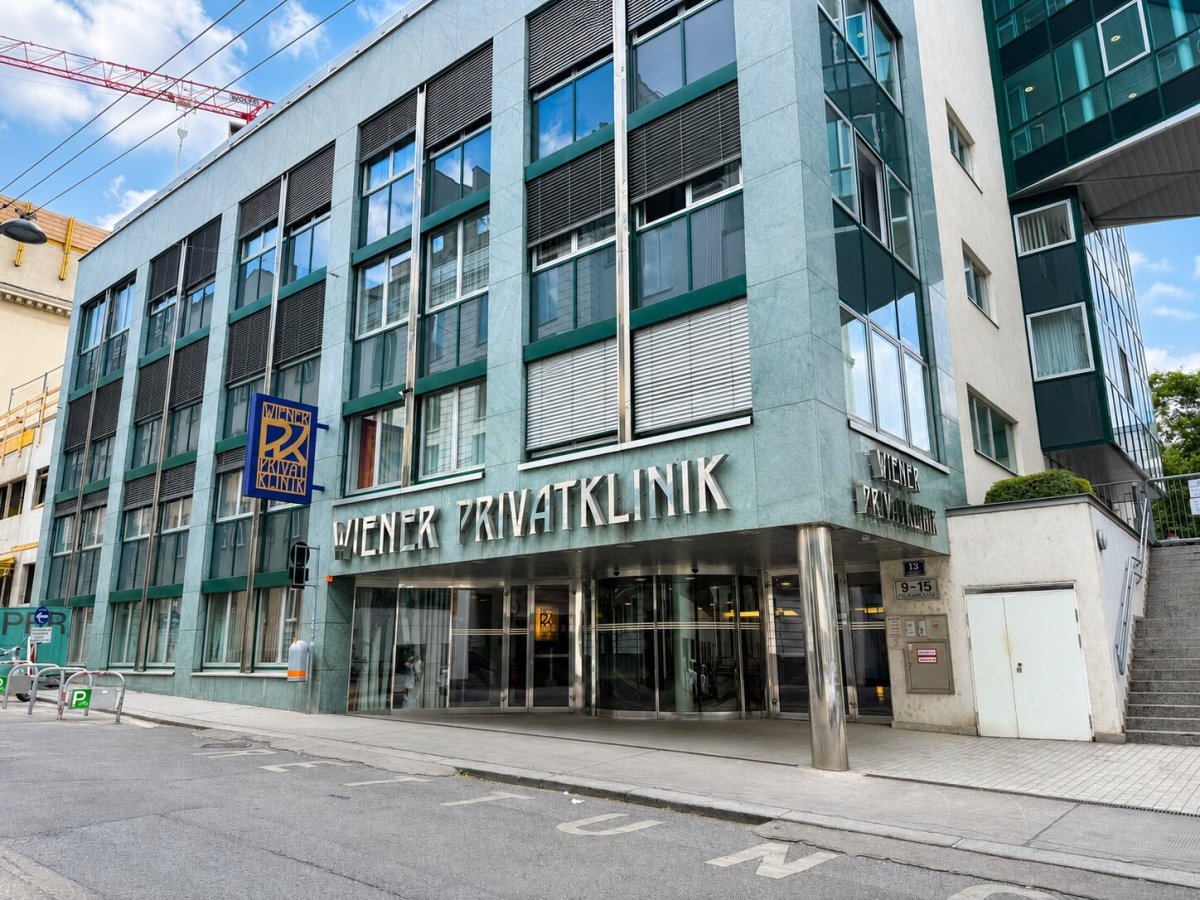


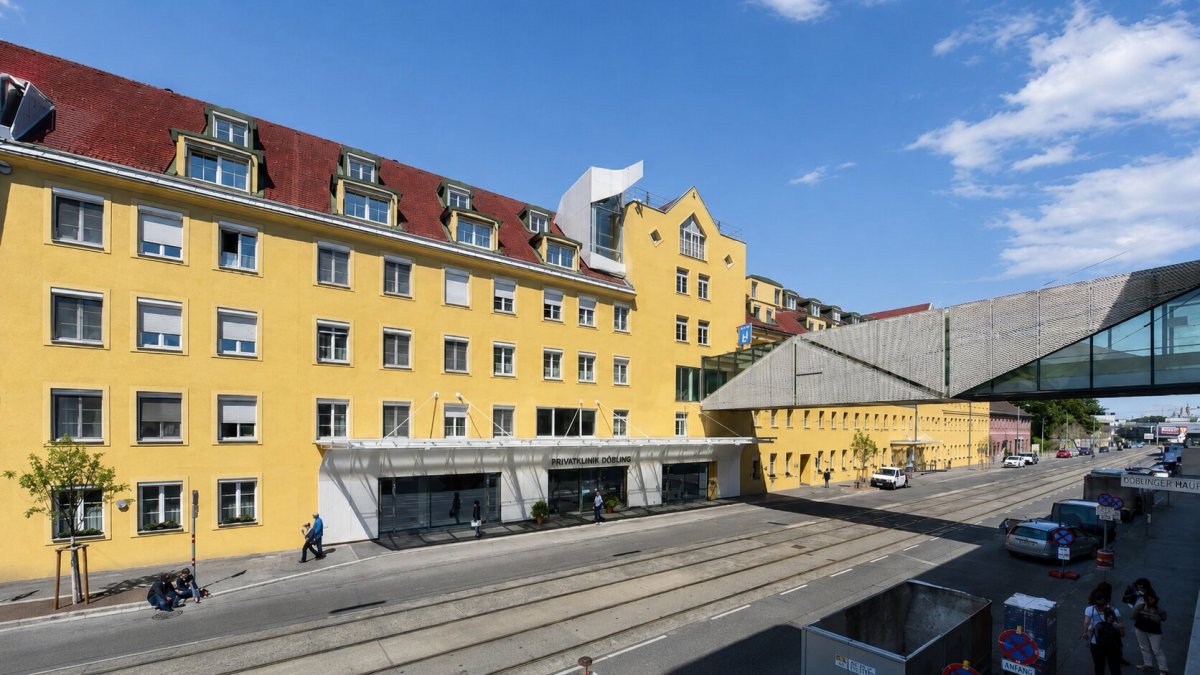


Leech Private Clinic
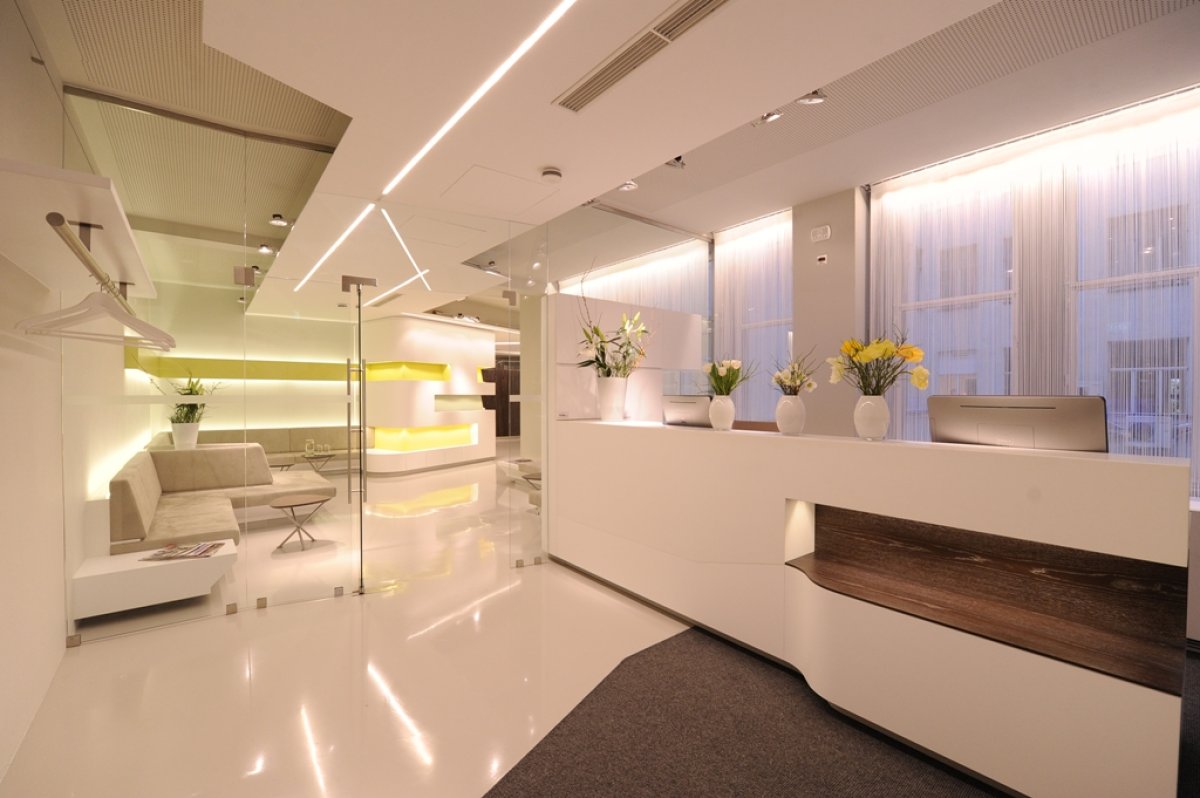
JUVENIS
احصل على تقييم طبي لـ في النمسا. استشر الآن 7 أطباء ذوي الخبرة.
عرض جميع الأطباء
Christoph Kopp
متخصص في طب القلب الوقائي وتشخيصات القلب المتقدمة - يركز الدكتور كوب على الكشف المبكر والعلاج الشخصي في عيادة فيينا الخاصة (Wiener Privatklinik).
- عقود من الخبرة في علاج ارتفاع ضغط الدم وأمراض الشرايين التاجية
- تدرب في طب القلب في مستشفى فيينا العام (AKH)
- يستخدم تخطيط صدى القلب، واختبارات الجهد، والأشعة المقطعية للشرايين التاجية للتشخيص الدقيق
- يؤكد على الوقاية القائمة على نمط الحياة وصحة القلب والأوعية الدموية على المدى الطويل

David Weidenauer
يتخصص الدكتور ديفيد ويدينور في تصوير القلب وأمراض القلب التداخلية في عيادة فيينا الخاصة (Wiener Privatklinik)، حيث يوفر تشخيصات دقيقة لإدارة ارتفاع ضغط الدم.
- تدرب في الطب الباطني وأمراض القلب في مستشفى فيينا العام
- خبير في تخطيط صدى القلب، والأشعة المقطعية للقلب، وتشخيص اضطرابات النظم
- يركز على الرعاية القائمة على الأدلة للحالات القلبية الوعائية المعقدة
- تخرج بامتياز من جامعة فيينا الطبية
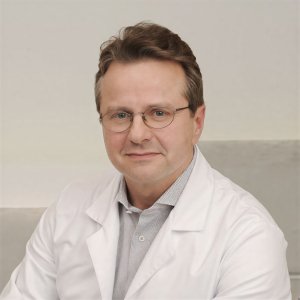
Christoph Kopp
الأستاذ الجامعي المشارك الدكتور كريستوف كوب متخصص في الطب الباطني، ويحمل أيضًا مؤهلات اختصاص في أمراض القلب وطب الأوعية الدموية. يزاول عمله في مركز JUVENIS الطبي في فيينا، وهو طبيب أوّل في جامعة فيينا الطبية.
نال درجة الدكتوراه في الطب البشري من جامعة فيينا عام 1992. وكان زميلًا باحثًا في كلية طب هارفارد/بيث إسرائيل ديكونس بين 1993 و1996. أكمل تدريب الاختصاص في الطب الباطني بين 1997 و2004. حصل على إجازة التدريس الجامعي (venia docendi) وعُيّن أستاذًا جامعيًا مشاركًا عام 2004. أكمل تدريب
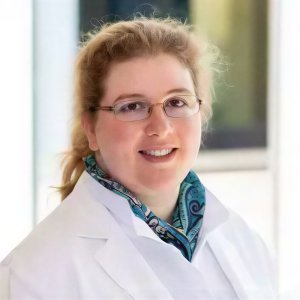
Patricia Wadowski
الأستاذة المشاركة، د. باتريشيا بي. وادوفسكي، الحاصلة على الدكتوراه (PhD)، هي أخصائية في الطب الباطني والأوعية الدموية في مركز JUVENIS الطبي في فيينا. تشغل منصب طبيب أول في القسم السريري للأوعية الدموية، كما أنها أستاذ مشارك في جامعة فيينا الطبية. تقدم الاستشارات الطبية باللغات الألمانية والإنجليزية والبولندية.
تشمل محطات مسيرتها المهنية الرئيسية برنامج التميز للدكتوراه في الطب (MD-PhD) عام 2013، والتدريب التخصصي مع دورات في أمراض الأوعية الدموية، وأمراض القلب/العناية المركزة، وأمراض ال
مشاركة المحتوى
قصص فيديو من مرضى Bookimed
 Anna Leonova
أسئلة متكررة حول علاج ارتفاع ضغط الدم في النمسا
ما هي مستويات ضغط الدم المستهدفة المستخدمة في النمسا، وهل تختلف بالنسبة لكبار السن؟
في النمسا، تتوافق مستويات ضغط الدم المستهدفة مع إرشادات الجمعية الأوروبية لأمراض القلب لعام 2024. ويهدف الأطباء إلى الحفاظ على ضغط الدم الانقباضي بين 120 و129 ملم زئبق، والضغط الانبساطي بين 70 و79 ملم زئبق لدى معظم البالغين دون سن 65 عامًا. ويُشخَّص ارتفاع ضغط الدم عند بلوغ الضغط 140/90 ملم زئبق. أما بالنسبة للمرضى الأكبر سنًا، فتُخصَّص المستويات المستهدفة لكل مريض على حدة للوقاية من السقوط.
- العمر 65-79 سنة: ضغط الدم الانقباضي المستهدف لمعظم كبار السن هو 130-139 ملم زئبق.
- بالنسبة للمرضى الذين تبلغ أعمارهم 80 عامًا فأكثر: يكون ضغط الدم الانقباضي المستهدف 140-150 ملم زئبق لضمان السلامة.
- المرضى المعرضون للخطر: يتم تحديد أهداف فردية للأفراد المعرضين للخطر أو المعرضين للخطر بناءً على التقييم السريري.
- مرض السكري وأمراض الكلى: يهدف الأطباء إلى قراءات ضغط الدم 130/80 ملم زئبق، مع الحفاظ على الضغط الانقباضي فوق 120 ملم زئبق.
رأي خبراء بوكيميد: يؤكد كبار المتخصصين النمساويين، مثل الدكتور كريستوف كوب من مستشفى فيينا العام، على التشخيص الدقيق قبل تحديد القيم المستهدفة. تعالج عيادات مثل مستشفى فيينا العام أكثر من 595,000 مريض سنويًا. يُمكّن هذا العدد الكبير من الحالات الأطباء
ما هي الأدوية وخطط العلاج التي يتم اختيارها عادةً أولاً في النمسا؟
يعتمد علاج ارتفاع ضغط الدم في النمسا على نهج وتوصيات فردية، باستخدام مثبطات الإنزيم المحول للأنجيوتنسين (راميبريل) أو حاصرات مستقبلات الأنجيوتنسين 2 (كانديسارتان) بشكل أساسي. ويقوم أخصائيون مثل الدكتور كريستوف كوب من عيادة فيينا الخاصة عادةً بدمج هذه الأدوية مع تعديلات في نمط الحياة. خلال المرحلة الأولى من العلاج، يُولى اهتمام خاص للمتابعة الخارجية على مدار 24 ساعة والتشخيص الدقيق لتجنب الفحوصات غير الضرورية.
- الأدوية الخط الأول: يصف الأطباء مثبطات الإنزيم المحول للأنجيوتنسين، أو حاصرات مستقبلات الأنجيوتنسين II، أو حاصرات قنوات الكالسيوم، أو مدرات البول الثيازيدية.
- الوصول المباشر إلى الأخصائيين: يمكن للمرضى الوصول إلى أطباء القلب مباشرة دون الحاجة إلى إحالة من طبيب عام.
- التشخيص العملي: يطلب الأطباء إجراء اختبارات محددة، مثل قياس التأكسج أو الدراسات الديناميكية الدموية، فقط عند الضرورة.
- نهج الفريق في العلاج: تقوم مراكز الرعاية الأولية بتنسيق عمل الأطباء وأخصائيي التغذية وأخصائيي العلاج الطبيعي لتوفير علاج شامل.
رأي خبراء بوكيميد: يكشف تحليل المراكز الطبية في فيينا عن تفضيلها للانتسابات الأكاديمية. فالأطباء البارزون، مثل الدكتورة إيرين مارثا لانغ، هم أساتذة في جامعة
هل تُقدم عمليات استئصال تعصيب الكلى أو غيرها من العلاجات بالأجهزة الطبية كإجراء قياسي؟
في النمسا، لا يُوصف استئصال تعصيب الكلى بشكل روتيني كعلاج أولي. تُجريه مراكز متخصصة، مثل مستشفى فيينا العام (AKH)، كعلاج مساعد. ويُستخدم فقط في المرضى الذين يعانون من ارتفاع ضغط الدم المقاوم للعلاج. يهدف هذا الإجراء إلى تصحيح فرط نشاط الأعصاب الكلوية بعد أن يثبت عدم فعالية العلاج الدوائي.
- الفئة المستهدفة: ينصب التركيز على البالغين الذين يعانون من ارتفاع ضغط الدم الذي يتجاوز 140/90 ملم زئبق على الرغم من تناولهم للأدوية.
- الإجراء السريري: تقنية القسطرة للمرضى الخارجيين باستخدام طاقة الترددات الراديوية أو الموجات فوق الصوتية من خلال الشريان الفخذي.
- المرافق المتخصصة: يتم إجراء العملية عادة في المستشفيات الجامعية أو مراكز طب القلب الأكاديمية.
- التشخيص القياسي: قبل وصف العلاج باستخدام الأجهزة الطبية، تقوم العيادات بإجراء مراقبة ضغط الدم للمرضى الخارجيين لمدة 24 ساعة.
رأي خبراء بوكيمد: بينما يتجه الكثيرون نحو العلاجات التجريبية باستخدام الأجهزة الطبية، تُظهر بياناتنا اتجاهًا نحو إعطاء الأولوية للتشخيص الدقيق. ويركز أخصائيون بارزون، مثل الدكتور كريستوف كوب من عيادة فيينا الخاصة، على الكشف المبكر عن الأمراض باستخدام تقنيات التصوير الحديثة. وغالبًا ما يجدون أن تخصيص العلاج ال
هل من الممكن علاج ارتفاع ضغط الدم الخفيف بدون أدوية في النمسا، وكم من الوقت يمكن علاجه؟
في النمسا، يمكن السيطرة على ارتفاع ضغط الدم الخفيف دون أدوية خلال 3-6 أشهر من خلال تغيير نمط الحياة. هذا النهج مناسب للمرضى ذوي المخاطر المنخفضة الذين تتراوح مستويات ضغط الدم لديهم بين 140-159/90-99 ملم زئبق. ويؤكد أخصائيون مثل الدكتور كريستوف كوب على أهمية التشخيص المبكر والوقاية لتأخير أو تجنب العلاج الدوائي.
- فترة تجريبية: يوصى بإجراء تغييرات في نمط الحياة لمدة 3-6 أشهر قبل البدء بتناول الدواء.
- تقييد تناول الملح: يجب على المرضى الحد من تناولهم اليومي للصوديوم إلى حوالي 5 غرامات.
- النشاط البدني: استهدف ممارسة تمارين هوائية معتدلة لمدة 150 دقيقة كل أسبوع.
- أهداف الوزن: يجب أن يكون مؤشر كتلة الجسم المستهدف (BMI) 20-25 كجم/م² لتقليل الضغط الانقباضي.
- المراقبة التشخيصية: تستخدم العيادات المراقبة المتنقلة على مدار 24 ساعة للتحقق من مستويات ضغط الدم الأساسية.
رأي خبراء بوكيميد: تشير بيانات مستشفى فيينا العام (AKH) ومستشفى فيينا الخاص (Wiener Privatklinik) إلى أن نسبة كبيرة من الأبحاث الممولة من الجامعات تُجرى في مجال الوقاية من أمراض القلب والأوعية الدموية. ويلجأ المرضى غالبًا إلى العيادات الخاصة، مثل مستشف
ما هي التغييرات في نمط الحياة التي تعتبر مهمة بشكل خاص للمرضى النمساويين؟
تركز الإرشادات النمساوية لعلاج ارتفاع ضغط الدم على حمية داش الغذائية، وإنقاص الوزن، والنشاط البدني المنتظم. ويهدف المرضى إلى الوصول إلى مؤشر كتلة جسم أقل من 25 كجم/م² من خلال تمارين الأيروبيك وتمارين القوة. ويؤكد الخبراء الطبيون في فيينا على أهمية التشخيص المبكر وطب القلب الوقائي لإدارة فعّالة لمخاطر القلب والأوعية الدموية على المدى الطويل.
- الأهداف الغذائية: اتباع نظام DASH الغذائي يقلل ضغط الدم الانقباضي بمقدار 15-30 ملم زئبق.
- النشاط البدني: تشمل التوصيات ممارسة التمارين الهوائية المعتدلة لمدة 150-300 دقيقة أسبوعياً.
- أهداف إنقاص الوزن: إن الحفاظ على فقدان الوزن بنسبة 5-10% يزيد بشكل كبير من فعالية العلاج الطبي.
- الرفاه الاجتماعي: تشمل التوصيات السريرية إدارة الإجهاد والاندماج الاجتماعي لدعم صحة القلب والأوعية الدموية.
رأي خبراء بوكيميد: تُظهر البيانات من المراكز الرئيسية في فيينا تحولًا نحو التشخيص الدقيق، مثل المراقبة الخارجية على مدار 24 ساعة. ويُدمج أخصائيون مثل الدكتور كريستوف كوب من عيادة فيينا الخاصة هذه التشخيصات مع الرعاية الوقائية القائمة على تغيير نمط الحياة. بالنسبة للمرضى الذين يزورون هذه المؤسسات العريقة التي يبلغ عمرها 150 عامًا، هناك تركيز متزايد عل
ما مدى أهمية مراقبة ضغط الدم في المنزل أو أثناء التنقل؟
يُعدّ قياس ضغط الدم في العيادات الخارجية ضروريًا للكشف عن ارتفاع ضغط الدم الخفي أو ارتفاع ضغط الدم الناتج عن التوتر في العيادة. توفر هذه الطرق دقة تشخيصية أعلى من القياسات الفردية التي تُجرى في العيادة. وتُعطي الإرشادات الطبية الأولوية لقياس ضغط الدم في العيادات الخارجية للتنبؤ بمخاطر الإصابة بأمراض القلب والأوعية الدموية. كما يُساعد القياس المنتظم الأطباء على تعديل العلاج الدوائي بدقة بناءً على العوامل البيئية اليومية والاستجابات الفسيولوجية الفعلية.
- المراقبة المتنقلة: المعيار الذهبي هو استخدام جهاز قابل للارتداء يوفر بيانات النوم على مدار 24 ساعة.
- الكشف عن تأثير المعطف الأبيض: يمنع الإفراط في تناول الأدوية عندما يؤدي القلق السريري إلى ارتفاع القراءات بمقدار 10-20 ملم زئبق.
- تعديلات العلاج: إن الاحتفاظ بمفكرة الأدوية في المنزل بانتظام يسمح للأطباء بتحسين جرعات الأدوية بشكل فعال.
- يكشف تحليل تغيرات ضغط الدم أثناء النوم عن مخاطر قلبية وعائية خفية.
رأي خبراء بوكيمد: تُظهر البيانات من مراكز نمساوية رئيسية، مثل مستشفى فيينا العام (AKH)، أن المراقبة المتنقلة على مدار 24 ساعة تُعد إجراءً تشخيصيًا قياسيًا. وبما أن التأمين الصحي الحكومي النمساوي يُغطي هذا الإجراء عادةً، فين
هل يؤدي استشارة أخصائي إلى تحسين التحكم في ضغط الدم مقارنة بزيارة طبيب عام؟
تُحسّن استشارة أخصائي في النمسا عادةً من السيطرة على ضغط الدم، لا سيما في حالات ارتفاع ضغط الدم المقاوم أو المعقد. وبينما يُعالج أطباء الأسرة ارتفاع ضغط الدم البسيط بفعالية، يُحقق أطباء القلب نتائج أفضل من خلال تعديل جرعات الأدوية بشكل دقيق. كما يستخدمون أساليب تشخيصية متقدمة، مثل مراقبة ضغط الدم المتنقلة على مدار 24 ساعة، لتحديد الأسباب الثانوية.
- العلاج القياسي: غالباً ما يحقق الأطباء العامون معدلات السيطرة على ارتفاع ضغط الدم بنسبة 68% في الحالات القياسية.
- دقة التشخيص: يستخدم أخصائيون مثل الدكتور كريستوف كوب مراقبة لمدة 24 ساعة لاستبعاد ارتفاع ضغط الدم الناتج عن "المعطف الأبيض".
- مدى صرامة العلاج: يلتزم أطباء القلب بشكل أكثر صرامة بالإرشادات التي تهدف إلى خفض ضغط الدم إلى أقل من 130/80 ملم زئبق.
- الحالات المعقدة: يُظهر المتخصصون فوائد كبيرة عندما يحتاج المرضى إلى ثلاثة أدوية مختلفة أو أكثر.
رأي خبراء بوكيميد: تُظهر بيانات من مراكز نمساوية كبيرة، مثل مستشفى فيينا العام (AKH)، أن الحالات الأكثر تعقيدًا التي يُحيلها الأطباء العامون غالبًا ما تُعالج من قِبل أخصائيين. يُفسر هذا التحيز في الاختيار سبب انخفاض معدلات المتابعة الإجمالية في العيادات المتخصصة. وللح