علاج ارتفاع ضغط الدم في ألمانيا: 17 مستشفيات


تمت مراجعة المقالة طبيا من قبل
فهد مولود
ما هي تكلفة ارتفاع ضغط الدم إجراءات التشخيص والعلاج في ألمانيا؟ اعرف الآن
| تركيا | إسبانيا | ألمانيا | |
|---|---|---|---|
| فصل البروتين الدهني منخفض الكثافة | ≈ $450 | ≈ $1,100 | ≈ $1,700 |
مزاياك وضماناتك مع Bookimed
أسعار مباشرة
Bookimed لا يضيف رسوماً إضافية على أسعار علاج ارتفاع ضغط الدم. الأسعار مأخوذة من قوائم الأسعار الرسمية للعيادات. تدفع مباشرة في العيادة مقابل علاجك عند وصولك إلى البلد.
عيادات وأطباء معتمدون فقط
Bookimed ملتزم بسلامتك. نحن نعمل فقط مع المؤسسات الطبية التي تحافظ على معايير دولية عالية في علاج ارتفاع ضغط الدم ولديها التراخيص اللازمة لخدمة المرضى الدوليين في جميع أنحاء العالم.
مساعدة مجانية على مدار الساعة
Bookimed يقدم مساعدة خبراء مجانية. منسق طبي شخصي يدعمك قبل وأثناء وبعد العلاج، ويحل أي مشاكل. لن تكون وحيداً أبداً في رحلة علاج ارتفاع ضغط الدم.

منسقك الطبي الشخصي في Bookimed
- يدعمك في كل مرحلة
- المساعدة في اختيار العيادة الطبية المناسبة والطبيب المناسب
- يضمن الوصول السريع والمريح إلى المعلومات
اكتشف أفضل ارتفاع ضغط الدم العيادات في ألمانيا: 17 خيارات معتمدة والأسعار
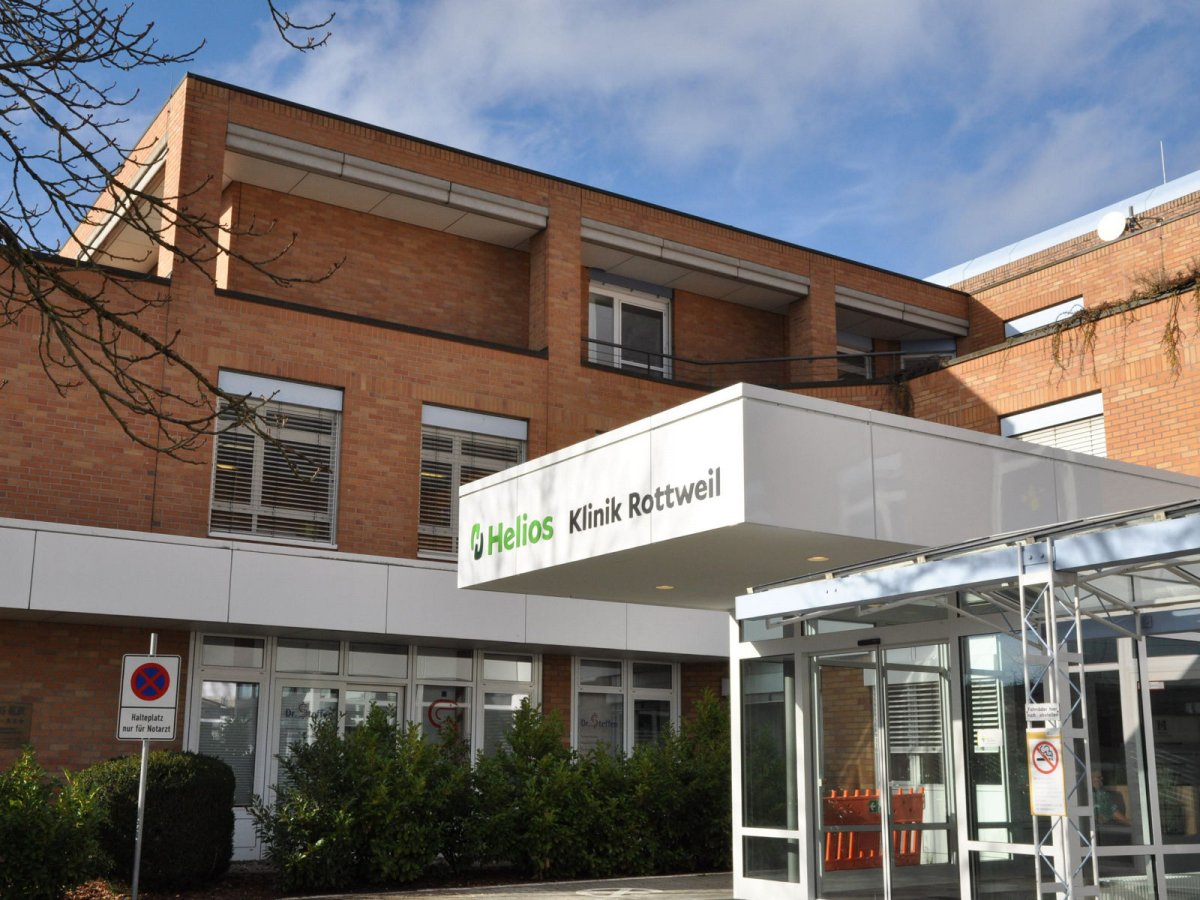




Hospital in the Pfeiffer`s foundations

Bavaria in Kreischa
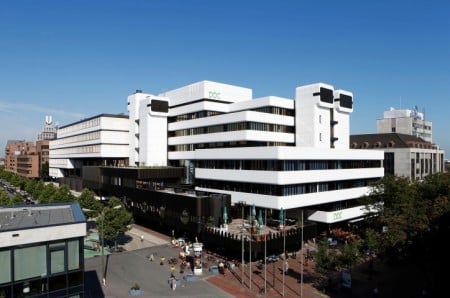
Diagnostic Center DOC Dortmund

German Heart Centre Munich

Leopoldina Hospital Schweinfurt
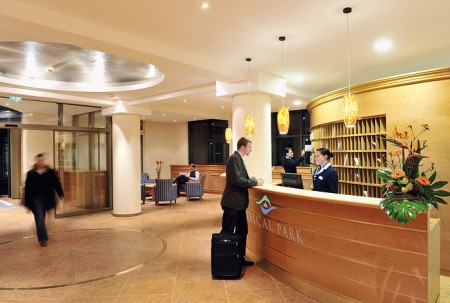
Medical Park AG


احصل على تقييم طبي لـ في ألمانيا. استشر الآن 8 أطباء ذوي الخبرة.
عرض جميع الأطباء
Viktor Alexander Krol
يقود الدكتور كرول أقسام أمراض الجهاز الهضمي والطب الباطني في مستشفى سانت مارتينوس في دوسلدورف، وهو متخصص في أمراض القلب والأوعية الدموية مثل ارتفاع ضغط الدم.
- مدير مركز علاج السمنة بالمستشفى
- يستخدم طرق تشخيص وعلاج متقدمة لأمراض القلب والأوعية الدموية
- متخصص في نهج شامل للصحة الأيضية والقلبية الوعائية
- يوفر خطط علاج فردية لكل مريض

Marc Ulrich Becher
متخصص في الرعاية القلبية الوعائية الشاملة باستخدام تقنيات تشخيصية حديثة في مستشفى مدينة زولينجن (Städtisches Klinikum Solingen).
- خبير في علاج ارتفاع ضغط الدم وكوليسترول البروتين الدهني منخفض الكثافة (LDL)
- يجري تصويرًا متقدمًا للقلب بما في ذلك التصوير بالرنين المغناطيسي والأشعة المقطعية
- يوفر جاهزية القسطرة على مدار 24 ساعة لحالات القلب الحادة
- يجري أكثر من 3000 إجراء تشخيصي وعلاجي سنويًا
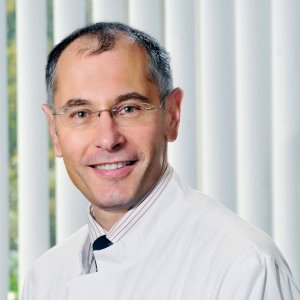
Melchior Seyfarth Director Of The Department Of Cardiology
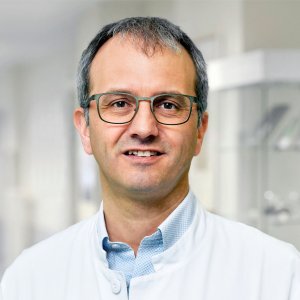
Armin Sause Chief Physician Of Cardiology And Cardiac Electrophysiology
الدكتور (Dr. med.) آرمين زاوزه هو كبير أطباء طب القلب وعلم نظم القلب في مستشفى هيليوس الجامعي في ووبرتال، أحد أبرز مراكز القلب في ألمانيا. وبقيادته أصبح القسم مركزاً متخصصاً في علم نظم القلب والفيزيولوجيا الكهربائية للقلب، ويعتمد الفريق تقنيات حديثة وبروتوكولات علاجية قائمة على الأدلة.
تشمل خبرته علاج الرجفان الأذيني، والاستئصال بالقسطرة وبالترددات الراديوية مع التخطيط ثلاثي الأبعاد، وزراعة أجهزة تنظيم ضربات القلب ومقوِّم نظم القلب ومزيل الرجفان القابل للزرع (ICD)، إضافةً إلى التشخيصات
مشاركة المحتوى
قصص فيديو من مرضى Bookimed
 Anna Leonova
أسئلة متكررة حول علاج ارتفاع ضغط الدم في ألمانيا
متى يعتبر ضغط الدم مرتفعاً في ألمانيا؟
في ألمانيا، يعتبر ضغط الدم مرتفعاً عندما تصل قيم الراحة باستمرار إلى 140/90 ملم زئبق أو أكثر. يتبع هذا المعيار إرشادات الجمعية الأوروبية لأمراض القلب. قد يقوم الأطباء الألمان بتشخيص ارتفاع ضغط الدم عند عتبات أقل تبلغ 135/85 ملم زئبق أثناء المراقبة المنزلية أو 130/80 ملم زئبق أثناء المراقبة المتنقلة لمدة 24 ساعة.
- عتبة العيادة: قيم 140/90 ملم زئبق أو أعلى عبر زيارات سريرية متعددة.
- المراقبة المنزلية: يتم تشخيص ارتفاع ضغط الدم عادةً عند القيم المنزلية التي تتجاوز 135/85 ملم زئبق.
- متوسط 24 ساعة: تستخدم أجهزة المراقبة المتنقلة عتبة 130/80 ملم زئبق للتشخيص.
- مستوى الطوارئ: تشير القراءات التي تبلغ 180/110 ملم زئبق أو أعلى إلى نوبة ارتفاع ضغط الدم الحادة.
رؤية خبراء Bookimed: تعطي مراكز القلب الألمانية مثل مجمع عيادات شمال الراين-وستفاليا الأولوية للمراقبة المتنقلة لمدة 24 ساعة (ABPM) على القراءات الفردية في العيادة. هذا النهج القائم على البيانات أمر بالغ الأهمية لأن النتائج السريرية غالباً ما تتقلب. يؤكد كبار المتخصصين مثل الدكتور مارك أولريش بيشر أن إدارة ضغط الدم وكوليسترول البروتين الدهني منخفض الكثافة (LDL) معاً هي الاستراتيجية الأكثر فعالية للوقاية من فشل القلب. يجب على المرضى البحث عن عيادات حاصلة على شهادة ISO أو تصنيفات مجلة Focus لضمان حصولهم على بروتوكولات التشخيص الموحدة هذه.
إجماع المرضى: يلاحظ المرضى أن الأطباء الألمان غالباً ما يطلبون سجل مراقبة منزلية لمدة أسبوعين قبل البدء في تناول الدواء. توقع تركيزاً قوي
ما هي الخطوة الأولى المعتادة لعلاج ارتفاع ضغط الدم في ألمانيا؟
يبدأ علاج ارتفاع ضغط الدم في ألمانيا بتعديلات مكثفة في نمط الحياة وعلاج دوائي مزدوج متزامن لمعظم المرضى. تعطي المبادئ التوجيهية الألمانية الأولوية للتدخل المبكر باستخدام تركيبات الدواء الواحد (قرص واحد). يجمع هذا النهج بين حاصرات نظام الرينين-أنجيوتنسين وحاصرات قنوات الكالسيوم أو مدرات البول للوصول إلى أهداف تتراوح بين 120–129/70–79 ملم زئبق.
- التشخيص الأولي: تستخدم العيادات مراقبة ضغط الدم المتنقلة لمدة 24 ساعة لتأكيد التشخيص.
- تغييرات نمط الحياة: يجب على المرضى تقليل تناول الملح إلى أقل من 5 جرام وممارسة الرياضة لمدة 150 دقيقة أسبوعياً.
- العلاج الدوائي: يصف الأطباء عادةً تركيبات مزدوجة مثل راميبريل مع أملوديبين أو ليركانيديبين.
- استثناءات العلاج الأحادي: تقتصر بروتوكولات الدواء الواحد على المرضى الذين تزيد أعمارهم عن 80 عاماً أو أولئك الذين يصنفون على أنهم ضعفاء.
رؤية خبير Bookimed: تركز مراكز أمراض القلب الألمانية مثل مجمع عيادات شمال الراين-وستفاليا بشكل كبير على دقة التشخيص قبل بدء العلاج الدوائي مدى الحياة. تظهر البيانات أن المراكز المتخصصة تعطي الأولوية لمراقبة هولتر لمدة 24 ساعة وتخطيط صدى القلب للتمييز بين ارتفاع ضغط الدم الأساسي والأسباب الثانوية. يضمن هذا الاختبار الأساسي الشامل أن العلاجات، مثل تلك التي يجريها الدكتور مارك أولريش بيشر، تستهدف ملف المخاطر القلبية الوعائية المحددة بدلاً من مجرد أرقام ضغط الدم.
إجماع المرضى: يشير المرضى إلى أن الأطباء الألمان غالباً ما يطلبون 3 أشهر من التغييرات الموثقة في ا
لماذا يصف الأطباء الألمان غالباً دواءين لضغط الدم في وقت واحد؟
يصف الأطباء الألمان دواءين لضغط الدم في وقت واحد لتحقيق نتائج أسرع وتقليل الآثار الجانبية من خلال جرعات أقل. يتبع هذا العلاج المزدوج إرشادات الجمعية الأوروبية لأمراض القلب. وهو يستهدف أنظمة فسيولوجية متعددة مثل الكلى والأوعية الدموية في وقت واحد. يحصل معظم المرضى على هذه الأدوية في قرص واحد.
- فعالية أفضل: مهاجمة ارتفاع ضغط الدم من زوايا بيولوجية متعددة في وقت واحد من خلال الجمع بين فئات مختلفة من الأدوية.
- تحكم أسرع: يصل المرضى إلى ضغط الدم المستهدف بشكل أسرع مقارنة بنهج الدواء الواحد.
- آثار جانبية أقل: تسبب الجرعات المعتدلة من دواءين تفاعلات أقل من دواء واحد بجرعة قصوى.
- تحسين الالتزام بالعلاج: تقلل تركيبات القرص الواحد في ألمانيا من عبء تناول الأقراص اليومي للعلاج طويل الأمد.
رؤية خبير Bookimed: تعطي العيادات الألمانية مثل مجمع عيادات شمال الراين-وستفاليا، الذي يخدم 145,000 مريض سنوياً، الأولوية لمراقبة ضغط الدم المتنقلة على مدار 24 ساعة قبل بدء العلاج المزدوج. يضمن هذا النهج القائم على البيانات أن تتطابق تركيبة الدواء مع إيقاعك اليومي المحدد. يقوم متخصصون مثل الدكتور مارك أولريش بيشر بإجراء آلاف الإجراءات القلبية سنوياً. وعادة ما يفضلون مثبطات الإنزيم المحول للأنجيوتنسين (ACE) المقترنة بحاصرات قنوات الكالسيوم لتحقيق استقرار سريع.
إجماع المرضى: يشير المرضى إلى أن أقراص التركيبة ذات الجرعة الثابتة أكثر ملاءمة وتساعد في خفض تكاليف الصيدلية. يقترح الكثيرون تتبع الآثار الجانبية اليومية في وقت مبكر لمساعدة الأطباء على ت
هل سأضطر إلى تناول أدوية خافضة لضغط الدم مدى الحياة؟
تعتبر أدوية ارتفاع ضغط الدم ضرورة مدى الحياة لـ 90% من مرضى ارتفاع ضغط الدم الأولي. في حين أن التغييرات الناجحة في نمط الحياة أو جراحة إنقاص الوزن يمكن أن تخفض ضغط الدم، فإن معظم المرضى يقللون الجرعات بدلاً من التوقف تماماً. يجب أن تتم أي تغييرات تحت إشراف طبيب القلب مع مراقبة مستمرة.
- أهداف العلاج: تستخدم العيادات مثبطات الإنزيم المحول للأنجيوتنسين (ACE) أو السارتانات للحفاظ على ضغط نظامي مستقر.
- إنقاص الوزن: يمكن لجراحة السمنة تطبيع الضغط لدى 60% إلى 70% من المرضى الذين يعانون من السمنة.
- خيارات متقدمة: يتوفر استئصال التعصيب الكلوي في مراكز متخصصة إذا فشلت ثلاثة أدوية أو أكثر.
- المراقبة التشخيصية: يستخدم المتخصصون الألمان مراقبة متنقلة لمدة 24 ساعة لتأكيد السيطرة المستمرة على ضغط الدم.
رؤية خبير Bookimed: توفر مجمعات القلب الألمانية مثل مجمع عيادات شمال الراين-وستفاليا رعاية متخصصة للحالات المعقدة. تعالج المراكز الكبيرة مثل مستشفى أسكليبيوس سانت جورج 87,000 مريض سنوياً وتفضل العلاجات المركبة بجرعات منخفضة. تظهر بياناتنا أن هذه المؤسسات الأكاديمية تحقق إدارة أفضل على المدى الطويل من خلال الجمع بين أمراض القلب والخبرة الأيضية. يسمح هذا النهج متعدد التخصصات بتخفيضات أكثر أماناً في الجرعات قد لا تشرف عليها العيادات الأصغر.
إجماع المرضى: يشير المرضى إلى أن الالتزام بالتتبع اليومي في المنزل وتقليل الملح إلى أقل من 5 جرام أمر حيوي. يجد الكثيرون أنه على الرغم من أن النظام الغذائي يساعد، إلا أن البقاء على جرعة منخفضة غالباً
كيف يجب أن أراقب ضغط دمي أثناء تلقي العلاج في ألمانيا؟
تتضمن مراقبة ضغط الدم في ألمانيا بروتوكولاً منزلياً منظماً لمدة 7 أيام ومراقبة مهنية متنقلة على مدار 24 ساعة (ABPM). تستخدم العيادات الألمانية أجهزة معتمدة للذراع العلوي لتتبع القراءات مرتين يومياً. تساعد هذه البيانات المتخصصين مثل الدكتور مارك أولريش بيشر في تعديل الأدوية بناءً على أنماط قلبية وعائية دقيقة.
- بروتوكول المراقبة المنزلية: قم بالقياس مرتين كل صباح ومساء لمدة 7 أيام متتالية.
- تقنية القياس: استرح لمدة 5 دقائق واجلس بوضعية مستقيمة مع دعم الظهر.
- المراقبة المتنقلة المهنية (ABPM): تسجل الأجهزة المحمولة ضغط الدم كل 15 إلى 30 دقيقة على مدار 24 ساعة.
- القيم المستهدفة: يجب أن تظل المتوسطات المنزلية عموماً أقل من 135/85 ملم زئبق للمرضى الذين يتلقون العلاج.
رؤية خبير Bookimed: تؤكد مراكز أمراض القلب الألمانية على دقة التشخيص العالية لمنع الإفراط في العلاج. على سبيل المثال، يجري الدكتور مارك أولريش بيشر ما يصل إلى 4000 إجراء قلبي سنوياً. يضمن هذا المستوى من الخبرة تفسير بيانات المراقبة على مدار 24 ساعة بدقة مهنية. تخدم العيادات مثل تلك الموجودة في شمال الراين-وستفاليا أكثر من 100,000 مريض خارجي، مما يسلط الضوء على البنية التحتية القوية المتاحة للفحوصات الروتينية.
ما هي الأدوية الأكثر شيوعاً لعلاج ارتفاع ضغط الدم في ألمانيا؟
يصف الأطباء الألمان بشكل أساسي مثبطات الإنزيم المحول للأنجيوتنسين (ACE) مثل راميبريل وحاصرات مستقبلات الأنجيوتنسين مثل كانديسارتان لعلاج ارتفاع ضغط الدم. غالباً ما تتبع هذه الأدوية إرشادات الجمعيات الأوروبية. يتضمن العلاج غالباً تركيبات بجرعات ثابتة لضمان التزام المريض. تشمل البروتوكولات القياسية مراقبة ضغط الدم المتنقل لمدة 24 ساعة لتشخيص دقيق.
- مثبطات ACE: راميبريل هو الخيار الأول الأكثر شيوعاً للإدارة طويلة الأمد.
- سارتان (ARBs): يُفضل كانديسارتان للمرضى الذين لا يتحملون مثبطات ACE.
- حاصرات بيتا: بيسوبرولول وميتوبرولول هما المعيار للمرضى الذين يعانون من أمراض القلب المصاحبة.
- حاصرات قنوات الكالسيوم: يُستخدم أملوديبين بشكل شائع كعلاج أحادي أو في علاجات مركبة.
رؤية خبراء Bookimed: تعطي العيادات الألمانية مثل مجمع عيادات شمال الراين-وستفاليا الأولوية لإدارة مسببات ارتفاع ضغط الدم المتعددة. تُظهر البيانات اتجاهاً نحو علاج ارتفاع ضغط الدم جنباً إلى جنب مع الكوليسترول والسكري. هذا النهج الشامل واضح بشكل خاص في مراكز القلب الكبيرة التي تخدم أكثر من 145,000 مريض سنوياً. غالباً ما يستخدم المتخصصون تخطيط صدى القلب المتقدم ثلاثي/رباعي الأبعاد لتكييف العلاج الدوائي مع بنية القلب.
إجماع المرضى: يلاحظ المرضى أن الأطباء غالباً ما يبدأون براميبريل ولكن قد ينتقلون إلى تلميسارتان أو أولميسارتان إذا ظهر سعال جاف. يجد الكثيرون أن حبوب التركيبة الثابتة تجعل إدارة الجرعات اليومية أسهل بكثير من تناول أقراص متعددة.
هل تتوفر خيارات علاجية غير دوائية في ألمانيا؟
توفر العيادات الألمانية علاجات متقدمة لارتفاع ضغط الدم بدون أدوية، مع التركيز على تغيير نمط الحياة والإجراءات طفيفة التوغل. تشمل البرامج استشارات غذائية منظمة، وإدارة التوتر، وإعادة التأهيل الطبي. يستخدم الأخصائيون أيضًا استئصال العصب الكلوي للحالات المقاومة. تساعد هذه العلاجات في التحكم في ضغط الدم دون الاعتماد على الأدوية مدى الحياة.
- إعادة التأهيل الطبي: يمكن لبرامج الإقامة لمدة ثلاثة أسابيع خفض ضغط الدم بمقدار 20/10 ملم زئبق.
- استئصال العصب الكلوي: يستهدف الاستئصال بالقسطرة الأعصاب القريبة من الكلى لعلاج ارتفاع ضغط الدم المقاوم.
- برامج نمط الحياة: تغطي شركات التأمين التمارين المنظمة، وخطط حمية DASH، والتدريب على إدارة التوتر.
- التشخيص المتقدم: تستخدم العيادات المراقبة على مدار 24 ساعة واختبارات الطاولة المائلة لتخصيص الخطط العلاجية.
رؤية خبير Bookimed: تُظهر مراكز القلب الألمانية حجمًا سريريًا مرتفعًا، حيث يخدم مجمع عيادات شمال الراين-وستفاليا 145,000 مريض سنويًا. يسمح هذا النطاق الواسع للعيادات بتقديم إجراءات متخصصة غير دوائية مثل استئصال العصب الكلوي التي نادرًا ما تُجرى في المرافق الأصغر. يجب على المرضى الذين يبحثون عن خيارات خالية من الأدوية إعطاء الأولوية لهذه `مراكز القلب` ذات الحجم الكبير للحصول على تنوع أكبر في العلاج.
إجماع المرضى: يلاحظ المرضى أن الأطباء الألمان غالبًا ما يعطون الأولوية لتقليل الملح واشتراكات الصالات الرياضية المدفوعة قبل وصف الحبوب. يجد الكثيرون أن برامج `إعادة التأهيل` المنظمة لمدة 3
ما هي المستشفيات في ألمانيا التي تحظى بأعلى التقييمات في جراحة الأعصاب؟
تضم ألمانيا بعضًا من أرقى أقسام جراحة الأعصاب في العالم، بقيادة مستشفى شاريتيه الجامعي في برلين ومستشفى جامعة هايدلبرغ. وتتميز هذه المراكز بخبرتها الواسعة في علاج أورام الدماغ المعقدة وأمراض الأوعية الدموية الدماغية. ولتحقيق أقصى قدر من الفعالية في عملياتها، تستخدم هذه المراكز أحدث التقنيات، مثل التصوير بالرنين المغناطيسي أثناء الجراحة والتوجيه العصبي بمساعدة الحاسوب.
- مستشفى شاريتيه برلين: يُجري أكثر من 5000 عملية جراحية سنوياً. ويرأس العيادة جراح الأعصاب الشهير الدكتور بيتر فايكوتشي.
- المركز الطبي في سولينجن: أجرى الدكتور رالف بوهل أكثر من 4000 عملية جراحية، بما في ذلك جراحات العمود الفقري طفيفة التوغل.
- عيادة أسكليبيوس نورد: مجهزة بنظام التصوير بالرنين المغناطيسي الثنائي الوحيد في ألمانيا أثناء الجراحة لضمان الدقة الجراحية في الوقت الحقيقي أثناء إزالة الورم.
- عيادة نوردويست: تم الاعتراف بها من قبل مجلة نيوزويك كمستشفى رائد في مجال الابتكار في تكنولوجيا الموجات فوق الصوتية ثلاثية الأبعاد.
رأي خبراء بوكيمد: تشير البيانات إلى أن اختيار المراكز ذات الحجم الجراحي الكبير غالبًا ما يؤدي إلى توصيات علاجية أكثر تحفظًا. ففي مركز سولينجن الطبي، الذي يعالج أكثر من 60,000 مريض
ما هي نسب نجاح العمليات الجراحية العصبية المعقدة في ألمانيا؟
في ألمانيا، تتميز العمليات الجراحية العصبية بالغة التعقيد بمستوى أمان استثنائي. تصل نسبة نجاح عمليات دمج الفقرات إلى 99%، بينما تبلغ نسبة النجاة بعد استئصال أورام الدماغ الأولية 97%. كما يتمتع المرضى بقدرة عالية على الاعتماد على أنفسهم في أداء وظائفهم اليومية، حيث يغادر أكثر من 82% منهم المستشفى مباشرةً بعد العلاج. وتولي المراكز الألمانية اهتماماً بالغاً بالحفاظ على الوظائف العصبية باستخدام أحدث تقنيات التخطيط العصبي.
- استئصال الورم: يحقق الجراحون استئصالًا كاملاً للورم في 87.2% من حالات النقائل الدماغية.
- النجاح في علاج أمراض الأوعية الدموية: أفادت المستشفيات الألمانية بنسبة نجاة بلغت 98.7% لحالات تمدد الأوعية الدموية غير الممزقة.
- تحسن الحالة العصبية: يشهد ما يقرب من 43% من المرضى تحسناً في المعايير الوظيفية بعد عمليات الاستئصال المعقدة.
- سلامة التدخلات الجراحية: في المراكز الجراحية الكبيرة، تتراوح معدلات بقاء المرضى على قيد الحياة بعد جراحة العمود الفقري بين 98-99%.
رأي خبراء بوكيمد: يُجري جراحون ذوو خبرة، مثل الدكتور أوفه كولر من عيادة أسكليبيوس ألتونا، أكثر من 2000 عملية جراحية سنويًا. تُشير البيانات إلى أن هؤلاء المتخصصين يحافظون على معدلات نجاح تصل إلى 90%، حتى
ما هي التقنيات المتقدمة المتوفرة عادةً في عيادات جراحة الأعصاب الألمانية؟
تُدخل عيادات جراحة الأعصاب الألمانية بانتظام أدوات رقمية عالية الدقة وتقنيات تصوير فوري في الممارسة الجراحية. تشمل التقنيات الرئيسية الملاحة العصبية الحاسوبية لجراحات الدماغ والحبل الشوكي. تستخدم مؤسسات مثل عيادة أسكليبيوس نورد التصوير بالرنين المغناطيسي أثناء الجراحة للتحقق من استئصال الورم في الوقت الفعلي. توفر هذه الأنظمة للجراحين نظام ملاحة ثلاثي الأبعاد.
- الملاحة العصبية: توفر تصورًا ثلاثي الأبعاد وتتبعًا فوريًا للأدوات لتحقيق دقة جراحية تصل إلى مستوى أقل من المليمتر.
- التصوير أثناء العملية: تسمح أنظمة مثل التصوير بالرنين المغناطيسي أثناء العملية (iMRI) والتصوير المقطعي المحوسب ذي الذراع O (O-arm CT) بالتأكيد الفوري على نجاح عملية الاستئصال.
- المراقبة العصبية: تراقب الوظائف الحركية والحسية أثناء الجراحة لحماية الجهاز العصبي.
- التشخيص الفلوري: يتم استخدام صبغة 5-ALA لتسليط الضوء على حدود الورم من أجل إزالته بشكل أكثر اكتمالاً.
- المساعدة الروبوتية: تعمل أنظمة مثل نظام دافنشي على تحسين الدقة في الإجراءات المعقدة ذات التدخل الجراحي البسيط.
رأي خبراء بوكيمد: تُجري مراكز طبية كبيرة، مثل مستشفى شاريتيه الج