Centro Médico Teknon
إسبانيا, برشلونة
Gerardo Conesa Bertran
41سنة خبره ١٦ سنة

الاعتمادات : 
العيادة معتمدة من قبل : 





تمت مراجعة المقالة طبيا من قبل
فهد مولود
من $220
تكاليف علاج الورم الأرومي الدبقي النموذجية في إسبانيا
رؤية خبراء Bookimed: بالنسبة لحالات الورم الأرومي الدبقي المعقدة، توفر المراكز الجراحية عالية التقنية أفضل نتائج للبقاء على قيد الحياة. يستخدم الدكتور بارتولومي أوليفر في مركز تيكنون الطبي (Centro Médico Teknon) أنظمة روبوتية متقدمة لإزالة الأورام بدقة. ويستفيد المرضى الباحثون عن رعاية مخصصة من نهج الأورام متعدد التخصصات في عيادة جامعة نافارا (Clinica Universidad de Navarra). يجب على المرضى الأطفال إعطاء الأولوية لمستشفى سانت جوان دي ديو في برشلونة (SJD Barcelona Children's Hospital) لما يضمه من مختبر متخصص في الطب الجزيئي. وغالباً ما يختار المرضى الدوليون مستشفى جامعة إتش إم سانشينارو (Hospital Universitario HM Sanchinarro) في مدريد لبرنامجه الرائد في الخزعة السائلة.
| تركيا | إسبانيا | ألمانيا | |
|---|---|---|---|
| العلاج بالأنتيوم-225 | من $20,500 | ≈ $28,000 | ≈ $18,000 |
| العلاج الكيميائي لسرطان الثدي | من $3,000 | من $1,700 | من $2,200 |
| استئصال ورم أرومي دبقي | من $18,500 | من $50,400 | ≈ $24,000 |
| Halcyon (هالسيون) | ≈ $9,500 | ≈ $6,500 | ≈ $9,500 |
| Gamma Knife جاما نايف | من $5,500 | من $24,900 | من $4,500 |


يحمل الطبيب شهادة طبية من جامعة برشلونة وأكمل تخصصًا في جراحة الأعصاب في مستشفى جامعة دي بيلفيتجي. مع تركيز واسع على أورام الدماغ والحبل الشوكي، وجراحة الأعصاب الوعائية، والعلاجات الجراحية العصبية للصرع ومرض باركنسون والاضطرابات النفسية، يمتلك الطبيب خبرة كبيرة في الجراحات التي تشمل المناطق ذات الوظائف العالية وجذع الدماغ. ساهم الطبيب في أبحاث حول أصل الكلام، والواقع المعزز في جراحة الأعصاب، والتحفيز العميق للدماغ لعلاج فقدان الشهية. شغل الطبيب مناصب قيادية، بما في ذلك أدوار مديرية في مستشفيا

الدكتور خافيير هيريرو جوفر هو رائد في الجراحة التجميلية والترميمية مع أكثر من _doctor_1728_ عاماً من الخبرة، متخصص في التخطيط الجراحي المتقدم ثلاثي الأبعاد.

جراح أعصاب أوروبي رائد يتمتع بخبرة تزيد عن _doctor_255_عاماً، يتخصص الدكتور أوليفر في التقنيات طفيفة التوغل لأورام المخ بما في ذلك الورم الأرومي الدبقي.
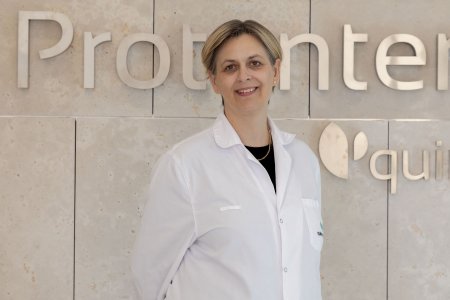
الدكتورة ستيفاني ليليان إي. بولي اختصاصية علاج الأورام بالإشعاع ورئيسة قسم علاج الأورام بالإشعاع في مركز كيرونسالود للعلاج بالبروتون في مدريد. تتولى قيادة القسم منذ يوليو/تموز 2024. يُعد المركز أول مرفق للعلاج بالبروتون في إسبانيا.
دكتوراه في الطب، جامعة لييج (1998). حاصلة على البورد في علاج الأورام بالإشعاع (2003). عضو نشط في الجمعية الأوروبية لطب أورام الأطفال وتعمل مع مجموعة أورام الدماغ ومجموعة عمل علاج الأورام بالإشعاع التابعة لها.
نشرت أكثر من 120 مقالة علمية حول أورام دما
 Anna Leonova
تعطي مراكز طب الأعصاب والأورام الإسبانية الأولوية للاستئصال الجراحي الآمن والأقصى باستخدام الجراحة الموجهة بالفلورة لتحديد هوامش الورم. يتبع الرعاية القياسية بروتوكول Stupp، الذي يجمع بين الجراحة والعلاج الكيميائي والإشعاعي داخل مرافق معتمدة من JCI. يمكن للمرضى أيضًا الوصول إلى تقنيات تم سداد تكاليفها حديثًا مثل مجالات علاج الأورام (TTFields) للتحكم المتقدم في الورم.
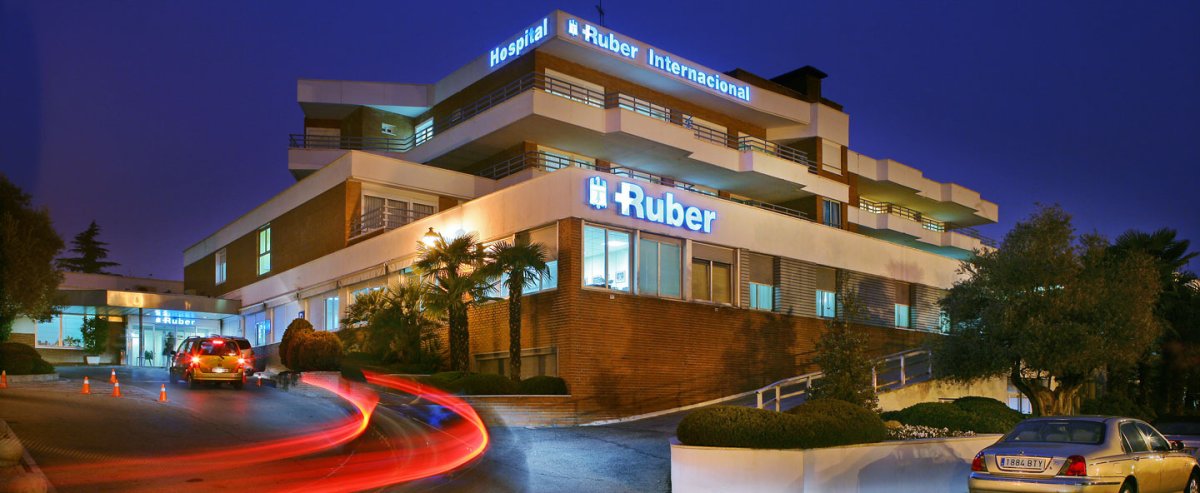
رؤية خبير Bookimed: في حين أن الأنظمة العامة قد يكون لديها قوائم انتظار للإشعاع، توفر المستشفيات الخاصة ذات الحجم الكبير في إسبانيا وصولاً فوريًا إلى معدات متخصصة مثل CyberKnife وGamma Knife. على سبيل المثال، يعالج مستشفى Ruber Internacional أكثر من 25,000 مريض سنويًا. تظهر بياناتنا أن المراكز في مدريد وبرشلونة تحافظ على تصنيف عالمي رقم 4 لجودة رعاية طب الأعصاب والأورام.
إجماع المرضى: يؤكد المرضى على أهمية إجراء اختبارات MGMT وIDH فورًا بعد الجراحة لتوجيه العلاج. ينصح الكثيرون بالتركيز على المراكز في مدريد أو برشلونة لضمان الوصول إلى أحدث التجارب السريرية
عادة ما يبقى المرضى في المستشفيات الإسبانية لمدة 7 إلى 14 يوماً بعد جراحة الورم الأرومي الدبقي. يستمر التعافي المحلي حوالي 3 إلى 4 أسابيع قبل أن يتمكن المرضى من السفر جواً بأمان. غالباً ما تتطلب إعادة التأهيل العصبي المتخصصة 30 يوماً إضافية لمعالجة الوظائف الحركية أو المعرفية بفعالية.
رؤية خبير Bookimed: التنسيق بين الجراحة والمتابعة أمر حيوي. على سبيل المثال، يوصي مستشفى روبير الدولي (Hospital Ruber Internacional) بإقامة فندقية لمدة 45 يوماً لبروتوكولات جراحة إشعاعية محددة. يضمن هذا الجدول الزمني إكمال المرضى للتشخيصات الحاسمة مثل التصوير المقطعي بالإصدار البوزيتروني (PET-CT) والرنين المغناطيسي قبل العودة إلى الوطن. التخطيط لمدة 6 أسابيع على الأقل في إسبانيا يغطي كلاً من التعافي الجراحي والتحضير للعلاج الإشعاعي.
إجماع المرضى: يشير الأفراد إلى أن البقاء بالقرب من العيادة يساعد في إدارة الانتقال إلى علاج النطق والعلاج الطبيعي. يؤكد الكثيرون أن الحصول على دعم محلي لإزالة الغرز والتخطيط الأولي للأورام يقلل من ضغوط السفر أثناء التعافي المبكر.
تحمل فرق طب الأورام العصبية الإسبانية شهادات مجلس وطنية في الأورام أو جراحة الأعصاب إلى جانب مؤهلات دولية مرموقة. ينتمي العديد من المتخصصين إلى الجمعية الأوروبية لطب الأورام العصبي (EANO). تحافظ المراكز الرائدة مثل Teknon وNavarra على اعتماد اللجنة الدولية المشتركة (JCI) واعتراف الجمعية الأوروبية لطب الأورام الطبي (ESMO).
رؤية خبير Bookimed: تتحدد ريادة إسبانيا في طب الأورام العصبية من خلال المشاركة القوية في الهيئات الإدارية الدولية. قاد البروفيسور الدكتور بارتولومي أوليفر في Teknon الجمعية الأوروبية لقاعدة الجمجمة. يضمن هذا المستوى من الأقدمية أن توفر العيادات تدخلات متقدمة مثل نظام Mazor Robotics Renaissance قبل أن تصبح معياراً في أماكن أخرى. هذه الخبرة هي سبب رئيسي لخدمة Teknon لـ 10,000 مريض سنوياً.
إجماع المرضى: يؤكد المرضى أن المتخصصين الإسبان غالباً ما يكون لديهم تدريب مزدوج من الولايات المتحدة أو ألمانيا. ويلاحظون أن هذه الخلفية تؤدي إلى استئصال ورم أكثر عدوانية ودقة. يسلط المرضى الضوء أيضاً على أهمية العثور على فرق تتحدث الإنجليزية في المراكز الرئيسية مثل برشلونة ومدر
توفر المستشفيات الإسبانية خدمات ترجمة طبية متخصصة وأقساماً دولية مخصصة لمرضى الورم الأرومي الدبقي (Glioblastoma). تستخدم مراكز مثل Centro Medico Teknon و Hospital Ruber Internacional فرقاً متعددة اللغات. وهي تساعد في نقل السجلات الطبية، وطلبات التأشيرة، والتواصل الفوري بين جراحي الأعصاب والعائلات طوال فترة العلاج.
رؤية خبير Bookimed: تدير العيادات الإسبانية الحاصلة على اعتماد JCI، مثل Centro Medico Teknon، أحجاماً أكبر من المرضى الدوليين. غالباً ما توظف هذه المراكز أكثر من 400 طبيب و2000 موظف. يضمن هذا النطاق توفر منسقي مرضى مخصصين للحالات المعقدة من الورم الأرومي الدبقي. يقود الدكتور روبرتو مارتينيز ألفاريز في Hospital Ruber Internacional فرقاً متخصصة في الجراحة الإشعاعية. يستفيد المرضى هناك من نظام نقطة اتصال واحدة لجميع الاحتياجات اللوجستية.
إجماع المرضى: يؤكد المرضى أن وجود منسق يتحدث لغتهم يقلل من توتر العلاج. وغالباً ما يشيرون إلى أن التواصل الواضح حول التفاصيل الجراحية يساعد الجميع على الشعور براحة أكبر.
توفر برشلونة ومدريد أسرع وصول لعلاج الورم الأرومي الدبقي الشامل في إسبانيا. تقدم المراكز الخاصة المعتمدة من اللجنة الدولية المشتركة (JCI) في هذه المراكز استشارات متخصصة في غضون أسبوع إلى 3 أسابيع. تستخدم المرافق تقنيات متقدمة مثل سكين جاما (Gamma Knife)، والجراحة الموجهة بالفلورة، وروبوتات مازور (Mazor Robotics) لتحقيق دقة عالية.
رؤية خبير Bookimed: تحتل إسبانيا المرتبة الرابعة عالمياً في طلبات الأورام، ويرجع ذلك إلى حد كبير إلى المتخصصين ذوي الحجم الكبير مثل البروفيسور الدكتور بارتولومي أوليفر. وهو يجري أكثر من 280 إجراءً سنوياً، وهو أعلى بكثير من المتوسط الأوروبي. يشير هذا الحجم إلى أن اختيار المراكز ذات الإقبال العالي في برشلونة يضمن غالباً الوصول إلى جراحين يتمتعون بأعلى مستويات الكفاءة التقنية.
إجماع المرضى: يلاحظ المرضى الدوليون أن تخطي النظام العام لصالح الأجنحة الخاصة في برشلونة أو مدريد يمكن أن يقلل أوقات الانتظار لأكثر من شهر. ويوصون بتأكيد الدعم باللغة الإنجليزية في وقت مبكر لضمان التواصل الس
يستخدم جراحو الأعصاب الإسبان تقنيات طفيفة التوغل عبر ثقب المفتاح مثل بضع القحف فوق الحجاج عبر الحاجب وتقنية LITT لتقليل الندبات المرئية الناتجة عن الورم الأرومي الدبقي. تستخدم هذه الأساليب شقوقاً يقل طولها عن 5 سم أو فتحات بحجم رأس الدبوس. تعمل الجراحة المتقدمة الموجهة بالفلورة والعمليات الجراحية المجهرية على تعزيز الدقة مع تقليل الصدمات للأنسجة الدماغية المحيطة.
رؤية خبير Bookimed: بينما يركز المرضى غالباً على الجماليات، فإن القيمة الحقيقية لتقنيات الوصول الصغير هذه في إسبانيا تكمن في السلامة العصبية. يستخدم الدكتور بارتولومي أوليفر في مركز تيكنون الطبي (Centro Médico Teknon) عمليات جراحية مجهرية تعطي الأولوية للحفاظ على الأنسجة السليمة. تظهر بيانات Bookimed أن المراكز ذات الحجم الكبير مثل مستشفى جامعة HM سانشينارو تعالج 400,000 مريض سنوياً. غالباً ما يؤدي هذا الحجم إلى تقنيات جراحية أكثر دقة تؤدي بشكل طبيعي إلى شقوق أصغر وأنظف.
إجماع المرضى: يلاحظ المرضى أن خزعات ثقب المفتاح وتقنية LITT تؤدي إلى ندبات بحجم ممحاة قلم الرصاص تقريباً. وي
يجب على المرضى الذين يتابعون علاج الورم الأرومي الدبقي في إسبانيا تتبع التغيرات المعرفية، والتحولات الهرمونية، ونخر الإشعاع. تتم الإدارة من خلال مذكرات الأعراض الرقمية والاستشارات الافتراضية. تستخدم عيادات مثل Centro Médico Teknon مراقبة عصبية متقدمة لاكتشاف هذه التأثيرات مبكرًا والحفاظ على جودة الحياة في المراحل المتأخرة.
رؤية خبير Bookimed: بينما يركز الكثيرون على الجراحة الفورية، تظهر بياناتنا أن المرضى في مستشفى Hospital Ruber Internacional غالبًا ما يستخدمون الجراحة الإشعاعية بسكين غاما (Gamma Knife) لتقليل الضرر في المراحل المتأخرة. يركز الدكتور روبرتو مارتينيز ألفاريز على الدقة لحماية الأنسجة السليمة. هذا النهج المستهدف يقلل بشكل كبير من المخاطر طويلة المدى للمضاعفات الوعائية العصبية مقارنة بمجالات الإشعاع التقليدية.
إجماع المرضى: يؤكد المرضى أن وجود مذكرات رقمية لتتبع تقلبات المزاج الصغيرة أو مستويات التعب يساعد الأطباء على تعديل العلاجات بشكل أسرع. يشير الكثيرون إلى أن المتا