علاج ورم أرومي في النمسا — احصل على 3 عيادات مختارة خصيصاً لك


تمت مراجعة المقالة طبيا من قبل
فهد مولود
كيف نعمل؟
ما هي تكلفة ورم أرومي إجراءات التشخيص والعلاج في النمسا؟ اعرف الآن
من $260. تعتمد النفقات الإجمالية على مرحلة الورم، وتعقيد الجراحة، ومستوى العيادة المختارة. وغالباً ما يجد المرضى توفيراً بنسبة 20-30% مقارنة بالولايات المتحدة. تقع مراكز العلاج الرائدة بشكل أساسي في فيينا وسالزبورغ.
تكاليف علاج الورم الأرومي الدبقي النموذجية في النمسا
- استشارة مع طبيب أورام: من $260
- جاما نايف (Gamma Knife): $32,000 – $45,000
- علاج الأكتينيوم-225: $55,000 – $85,000
- علاج خلايا CAR NK: السعر عند الطلب
- العلاج الكيميائي: $9,500 – $18,000
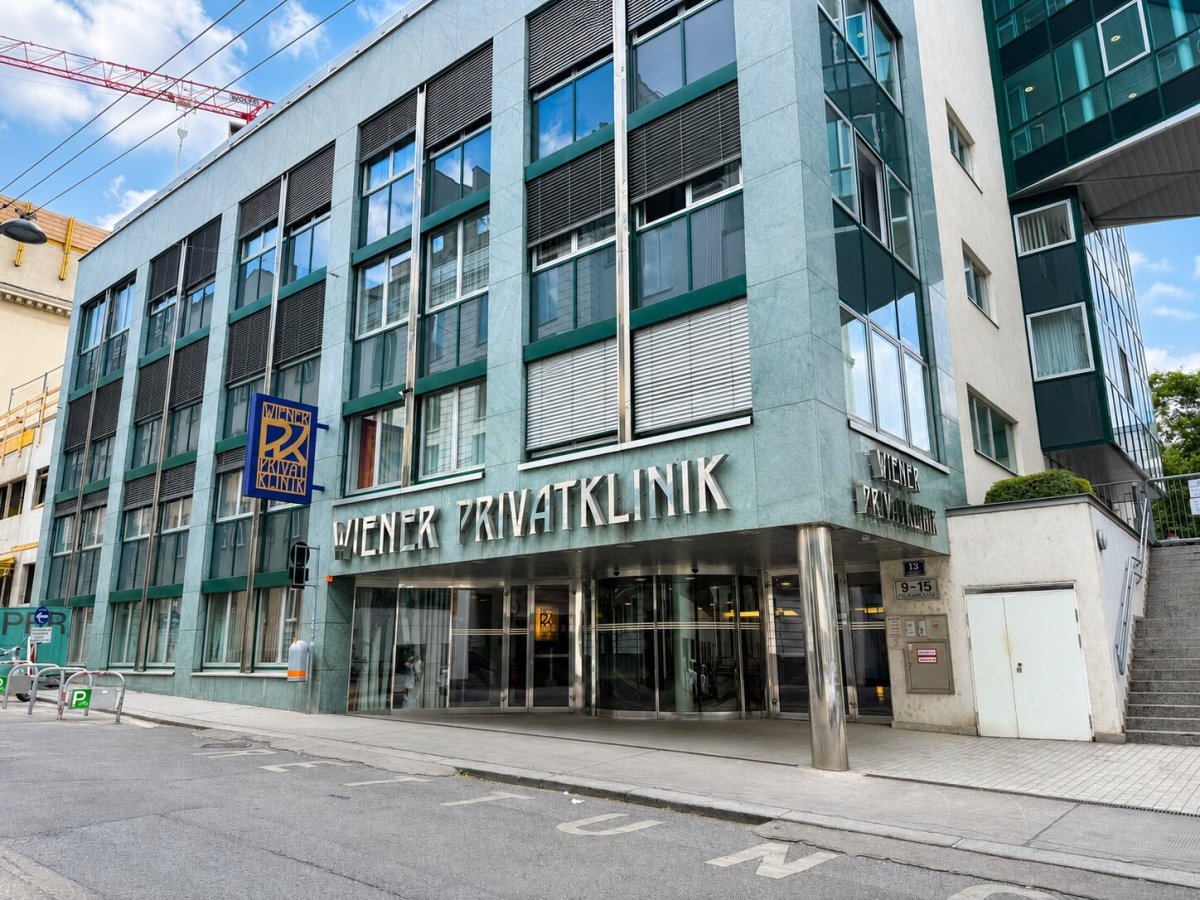
رؤية خبراء Bookimed: بالنسبة لحالات الورم الأرومي الدبقي المعقدة، توفر المراكز الجامعية متعددة التخصصات الرعاية الأكثر تكاملاً. يعالج مستشفى فيينا العام (AKH) أكثر من 500,000 مريض سنوياً باستخدام تقنيات مبتكرة. يستفيد المرضى الذين يبحثون عن العلاج المناعي المخصص والبروتوكولات الموجهة من خبرات أطباء مثل الدكتور فولفغانغ كوستلر في عيادة فيينا الخاصة (Wiener Privatklinik). تم تصنيف هذه المنشأة ضمن أفضل المستشفيات في العالم من قبل مجلة نيوزويك. تعطي أقسام الأورام المتخصصة هناك الأولوية لخطط العلاج الفردية للمرضى الدوليين.
| النمسا | تركيا | إسبانيا | |
|---|---|---|---|
| العلاج بالأنتيوم-225 | ≈ $55,000 | من $20,500 | ≈ $28,000 |
| العلاج الكيميائي لسرطان الثدي | ≈ $9,500 | من $3,000 | من $1,700 |
| استئصال ورم أرومي دبقي | ≈ $24,000 | من $18,500 | من $50,400 |
| Halcyon (هالسيون) | ≈ $11,500 | ≈ $9,500 | ≈ $6,500 |
| Gamma Knife جاما نايف | ≈ $32,000 | من $5,500 | من $24,900 |
اكتشف أفضل ورم أرومي العيادات في النمسا: 5 خيارات معتمدة والأسعار




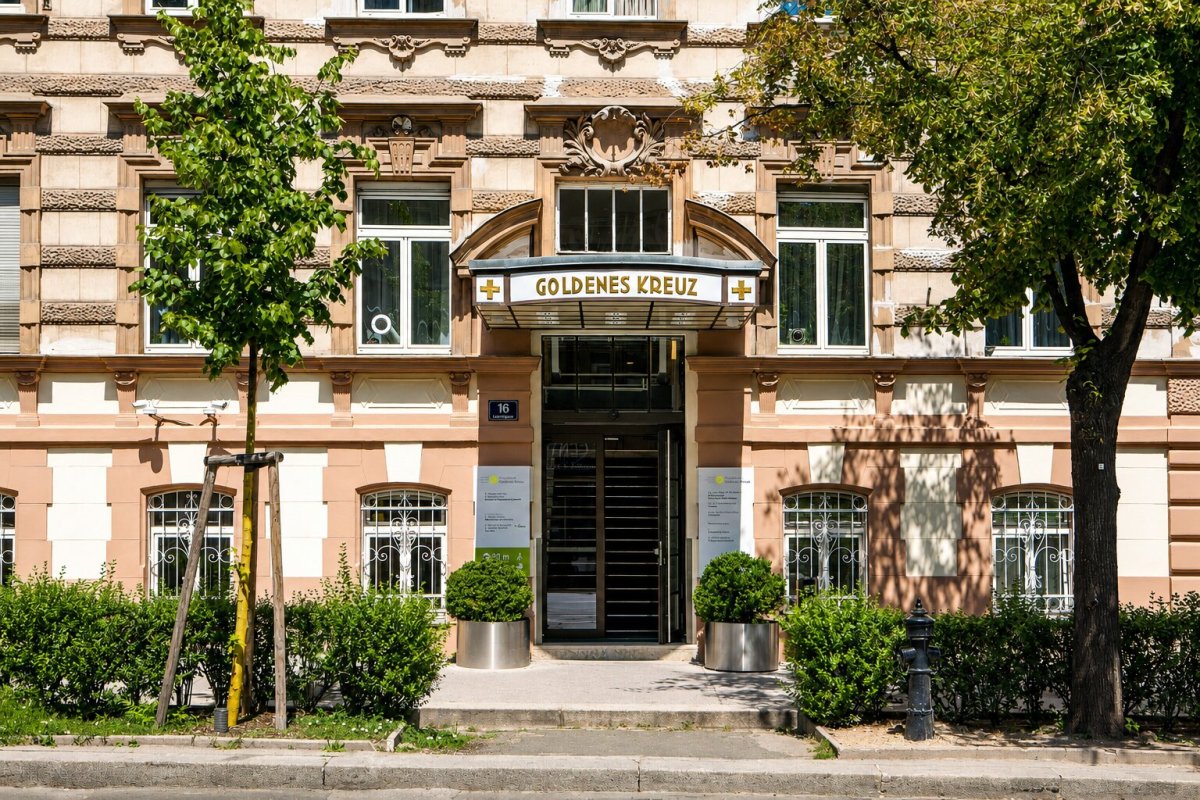
Confraternitaet Private Hospital



احصلوا على تقييم طبي لـ ورم أرومي في النمسا: استشيروا أطباء ذوي خبرة الآن
عرض جميع الأطباء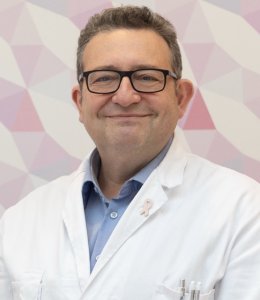
David Kuczer
الدكتور ديفيد كوتسر اختصاصي طب الأورام الإشعاعي ذو خبرة طويلة في تشخيص السرطان وعلاجه. يوفّر وصولاً سريعاً إلى علاج إشعاعي دقيق وفق المعايير العلمية الراهنة.
هو عضو في مركز السرطان بعيادة فيينا الخاصة. يعرض حالة كل مريض على لجنة الأورام الداخلية، ما يتيح مناقشة متعددة التخصصات يجريها فريق ذو سمعة دولية ويساعد على اختيار أفضل علاج.
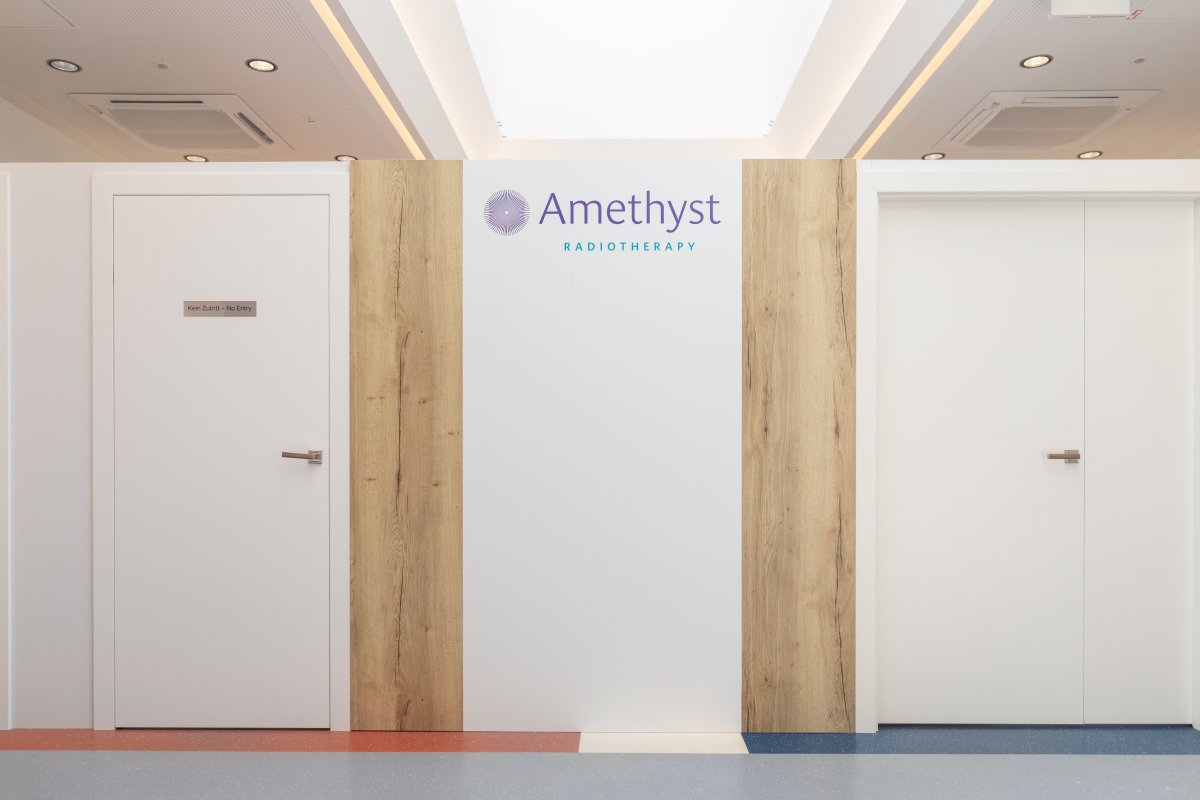
تُقدَّم جميع العلاجات الإشعاعية بالتعاون الوثيق مع Amethyst Radiotherapy في عيادة فيينا الخاصة.

Wolfgang Köstler
يتخصص البروفيسور فولفغانغ كوستلر في علاج السرطان الشخصي في عيادة فيينا الخاصة (Wiener Privatklinik)، مع أكثر من 22 سنة من الخبرة في العلاجات الموجهة.
- يركز على سرطان الثدي والأورام الخبيثة النسائية
- أستاذ مشارك في جامعة فيينا الطبية
- نائب رئيس قسم الأورام السريري سابقاً
- نشر أبحاثاً حول تطوير المؤشرات الحيوية وبيولوجيا الأورام
مشاركة المحتوى
قصص فيديو من مرضى Bookimed
 Anna Leonova
أسئلة متكررة حول علاج ورم أرومي في النمسا
ما هي أفضل المستشفيات في النمسا لعلاج الورم الأرومي الدبقي؟
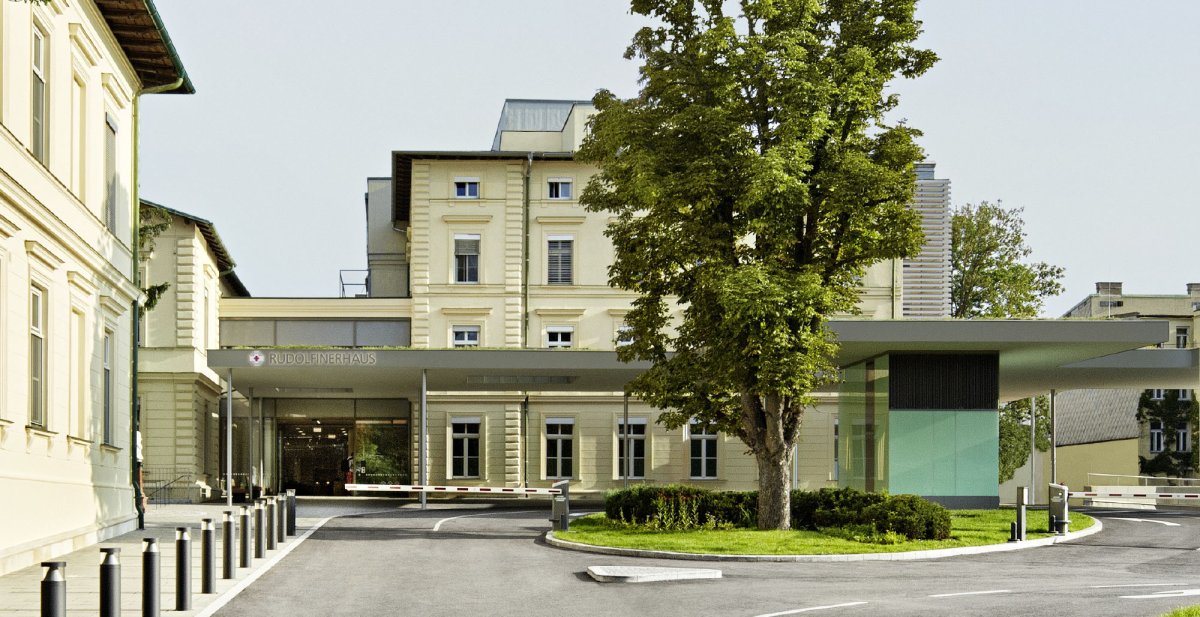
يُعدّ مستشفى فيينا العام (AKH) رائدًا في النمسا في علاج ورم الأرومة الدبقية، ويضمّ أحد أكبر برامج أورام الجهاز العصبي في أوروبا. ويستخدم ستة مختبرات متخصصة لإجراء أبحاث متطورة. وتشمل المراكز الرائدة مستشفى فيينا الخاص ومستشفى رودولفينرهاوس، وكلاهما حاصل على شهادة الأيزو. وتُقدّم هذه المؤسسات خدمات تشخيصية متعددة التخصصات وعلاجًا إشعاعيًا عالي الدقة لأورام الدماغ.
- التشخيص المتخصص: تستخدم العيادات التصوير بالرنين المغناطيسي عالي الدقة مع عامل التباين والتحليل الجزيئي للأورام.
- العلاجات المتقدمة: تشمل العلاجات المتاحة الجراحة الإشعاعية باستخدام سكين جاما والعلاج الموجه باستخدام الأكتينيوم-225.
- الحجم السريري: يعالج مستشفى فيينا العام (VGH) أكثر من 500000 مريض سنوياً.
- فرق متعددة التخصصات: توظف عيادات مثل عيادة فيينا الخاصة أطباء من جامعة فيينا الطبية.
رأي خبراء بوكيمد: على الرغم من أن مستشفى فيينا العام (AKH) يستقبل أكبر عدد من المرضى في البلاد، فإن العيادات الخاصة مثل عيادة فيينا الخاصة (Wiener Privatklinik) توفر وصولاً أسرع إلى أساتذة من نفس المؤسسة. وهذا يسمح للمرضى بتجاوز قوائم الانتظار الطويلة في العيادات العامة لإجراء استشارات معقدة في مجال أورام الجهاز العصبي، دو
ما هي أساليب العلاج المبتكرة التي تنفرد بها النمسا؟
تُقدّم النمسا علاجات فريدة لورم الأرومة الدبقية، مثل اللقاحات القائمة على الخلايا المتغصنة والعلاج بالأكتينيوم-225. وتجمع المراكز المتخصصة في فيينا بين العلاج بالخلايا القاتلة الطبيعية المعدلة وراثيًا (CAR-NK) والتحليل الجيني. وتستخدم مؤسسات رائدة، مثل مستشفى فيينا العام (AKH)، العلاج بشعاع البروتون والاستئصال الجراحي الموجه بالرنين المغناطيسي لتحسين دقة الجراحة.
- العلاج الموجه: تجري حاليًا في العيادات تجارب سريرية على أدوية تعتمد على الأكتينيوم-225 وخلايا CAR-NK لعلاج الأورام العدوانية.
- العلاج بالشفط: تُستخدم تقنيات تنقية البلازما المتقدمة لعلاج الالتهاب المزمن ومضاعفات المناعة الذاتية.
- جراحة عالية الدقة: تستخدم المراكز التصوير بالرنين المغناطيسي أثناء العملية لضمان إزالة الورم بأكثر الطرق أمانًا.
- طرق العلاج الإشعاعي: تقدم شركة MedAustron علاجًا متخصصًا بشعاع البروتون للحد من الآثار الجانبية العصبية.
رأي خبراء بوكيميد: يُعدّ مستشفى فيينا العام (AKH) مركزًا طبيًا ضخمًا يضم أكثر من 1600 طبيب. يُمكّنه هذا الحجم من إجراء تجارب حصرية للقاحات القائمة على الخلايا المتغصنة إلى جانب العلاج الكيميائي التقليدي. تُشير البيانات إلى استفادة المرضى من هذا النهج متعدد الوسائط، حي
ما هي المرحلة الأولى القياسية لعلاج الورم الأرومي الدبقي في العيادات النمساوية؟
تُعدّ الجراحة الاستئصالية الخطوة الأولى المعتادة في علاج ورم الأرومة الدبقية في النمسا، وهي إجراء آمن قدر الإمكان. يهدف هذا الإجراء الجراحي العصبي إلى إزالة الورم مع الحفاظ على وظائف الدماغ. وتستخدم العيادات النمساوية تقنيات متطورة، مثل التصوير الفلوري باستخدام 5-ALA، لتحسين دقة استئصال الورم.
- التوجيه الجراحي: يستخدم الجراحون علامات 5-ALA الفلورية لتحديد حدود الورم بوضوح.
- الاختبارات التشخيصية: يتم تحليل العينات لتحديد مثيلة جينات IDH وMGMT لتحديد استراتيجية العلاج.
- التحليل متعدد التخصصات: يقوم متخصصون مثل الدكتور فولفغانغ كوستلر بمراجعة الحالات في مجالس الأورام المؤسسية.
- بديل للخزعة: تُستخدم الخزعة التجسيمية للأورام الموجودة في المناطق العميقة والحساسة.
رأي خبراء بوكيميد: يُسهم التنسيق بين المؤسسات الخاصة والعامة في فيينا في خلق بيئة علاجية فعّالة للغاية في مجال الأورام. تعالج المراكز الكبيرة، مثل مستشفى فيينا العام (AKH)، أكثر من 590,000 مريض سنويًا، معتمدةً على موارد مختبرية واسعة. أما المؤسسات الأصغر حجمًا والمتخصصة، مثل عيادة فيينا الخاصة (Wiener Privatklinik)، فتتيح الوصول المباشر إلى أساتذة جامعيين وجراحين متخصصين من جامعة فيينا الطبية. يُمكّن هذا الهيكل الم
هل تتوفر تجارب سريرية في النمسا لعلاج الورم الأرومي الدبقي المتكرر؟
تُجرى حاليًا تجارب سريرية لعلاج الورم الأرومي الدبقي المتكرر في كبرى الجامعات الطبية النمساوية ومراكز الأورام المتخصصة. ويركز البحث على العلاج الموجه المُخصّص، وبروتوكولات الاستئصال الجراحي المتقدمة، وفعالية عقار أسونيرسيبت. ويُتاح العلاج بشكل أساسي من خلال جامعة فيينا الطبية ومستشفى جامعة إنسبروك.
- العلاج الموجه: تقدم دراسة ATTRACT أدوية مخصصة بناءً على الفحص خارج الجسم الحي.
- التجارب الجراحية: تقارن التجارب استئصال الورم مع العلاج المساعد بالعلاج من الخط الثاني وحده.
- الوصول إلى العلاج المناعي: تقوم دراسات متعددة المراكز بتقييم فعالية أسونيرسيبت بالاشتراك مع العلاج الإشعاعي في الانتكاس الأول أو الثاني.
- بروتوكولات العلاج الإشعاعي: تجري تجربة سريرية من المرحلة الثالثة لتقييم إضافة إعادة التشعيع إلى العلاج القياسي باللوموستين لتحسين معدل البقاء على قيد الحياة.
رأي خبراء بوكيمد: ينبغي على المرضى التفكير في عيادات مثل عيادة فيينا الخاصة أو مستشفى فيينا العام (AKH)، حيث يعمل أساتذة من جامعة فيينا الطبية. تضم هذه المؤسسات أكثر من 42 مستشفى ومعهدًا جامعيًا متخصصًا. يتمتع الدكتور فولفغانغ كوستلر من عيادة فيينا الخاصة بخبرة واسعة في علاج السرطان الفردي وأبحاث علم الأورام الج